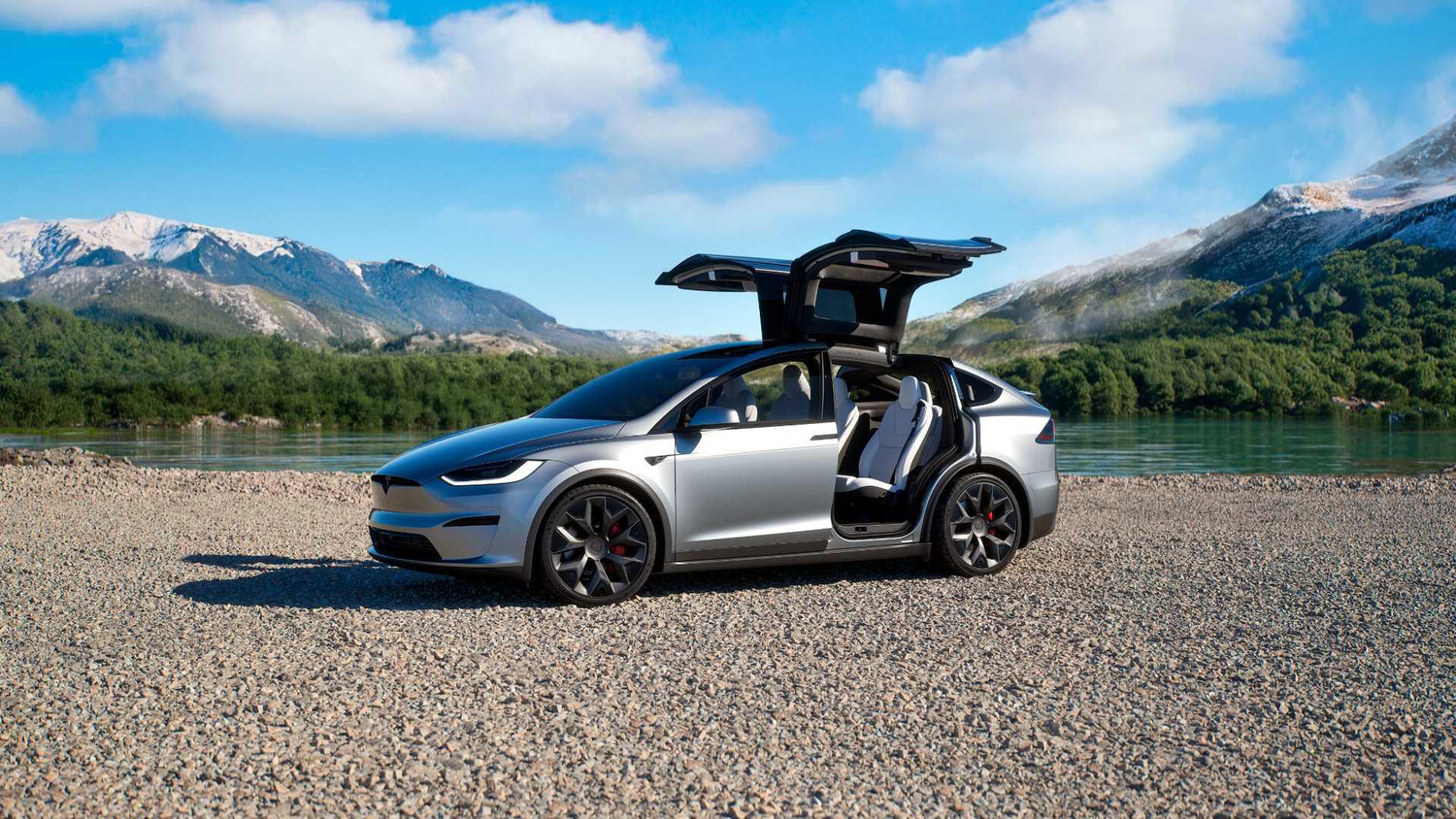
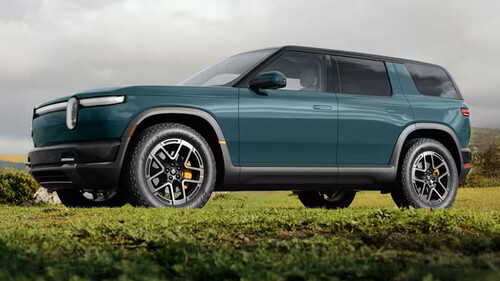
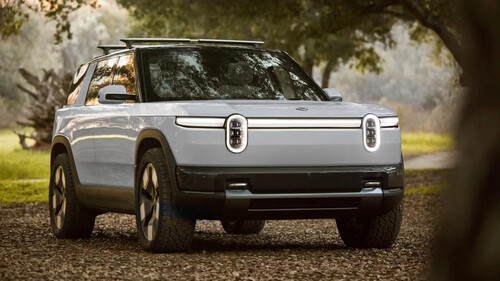
While many automakers in the luxury segment seem eager to hop on the EV train, Lincoln has been conspicuously hesitant. We've been hearing for years that the brand is "set to debut their first production EV," but it hasn't happened yet. Every announcement, tease, or rumor regarding an electric Lincoln has been followed up with an official confirmation that the brand has changed its mind on bringing an electric luxury car to market.Based on what we've seen in the last year or so, it's starting to look like Lincoln has the right idea in exercising a bit of caution on its way into the electric luxury segment, even in light of success stories like the Rivian R1S. What looked like an overnight revolution for EVs a few years ago has turned out to be more of a slow, steady transition. The question is whether Lincoln will be left behind, or if the brand is proceeding at just the right pace. Lincoln Recently Scrapped Its Plans For An Electric Three-Row Jared Rosenholtz/CarBuzz/Valnet We've been reporting on Lincoln's planned shift into electric for years now. One of our earliest stories on the SUV was all the way back in 2019, when we first learned that Ford was pumping money into Rivian, and developing a new Lincoln for the EV automaker's skateboard architecture. Back then, we expected a compact electric crossover as early as late 2021, with a mid-size soon to follow.By the end of 2021, Rivian and Ford were no longer working together, and we started hearing rumors and reports of a three-row SUV which was, at one point, planned for a 2025 debut. 2025 came and went as that date was moved to 2027. And then the SUV was canceled outright. What Got Lincoln Interested In Going Electric In The First Place? Lincoln A few years ago, everyone was going electric because, seemingly, that was the thing to do. For Lincoln, the plan was for one or two electric SUVs to help strengthen the brand's sales. If we look at the brand's year-end numbers through the first half of the decade, it's clear why the automaker was looking to make big moves.If you're one of the bigwigs at Lincoln, and you're looking at nearly a 17% drop in sales from 2020 to 2021, you know that this is a problem that's going to need more than a Band-Aid to fix. You don't correct a 17% sales slump with a facelift and some new paint colors. Lincoln's plans to go electric date back further than the sales slump, but the sales slump no doubt encouraged the brand to keep plugging away at its EV plans.If you're wondering about that rebound in 2024, Lincoln saw a 38% sales bump that year, which can be attributed in large part to the Lincoln Navigator, which was relaunched for a fourth generation in 2024, for the 2025 model year, selling 17,217 units in 2024, and then 22,185 units in 2025. Lincoln had hoped that an electric SUV could support this comeback. The Ever-Changing Automotive Landscape Has Led Lincoln To Hybrids Lincoln Last summer, Ford CEO Jim Farley stated the following, in an interview with Hagerty, on the subject of Lincoln going fully electric."The team really pushed me to have an all-electric lineup. I refused to do it, and I’m sure glad we didn’t." – Ford CEO Jim FarleyFarley explained that the plan for the future would be, instead, to go hybrid and EREV (extended-range electric vehicle), with maybe a few electric cars "but more on the affordable side".One idea that Farley teased, which we really like, would be an affordable hybrid "with over-the-top color choice, and over-the-top interior customization". A highly personalized hybrid luxury SUV, to us, sounds a lot more exciting than watching Lincoln try to go tit-for-tat with electric Caddies like the Cadillac Lyriq.At this point, the writing is on the wall, and we hardly need to go over the reasons why an automaker might want to back off plans to go electric. Tariffs are taking a big bite out of profitability, EV credits are off the table, and new electric car sales are tanking, with interested buyers being more and more likely to buy used EVs. Lincoln Buyers Might Not Be That Interested In EVs Lincoln The idea of an electric Lincoln probably sounds slightly incongruous to you, right? When you picture a Lincoln buyer, you probably think of a middle-aged professional, someone who's achieved some degree of success in life, and is ready to reap the rewards of that hard work.That's not just an assumption you're making because your grandpa drove one. There are young Lincoln fans, but we reported in 2022 that the average Lincoln Navigator buyer would have been around 52 years old.Meanwhile, the 18-to-29-year-old demographic is the age group most likely to consider the purchase of an EV, according to Statista.That electric three-row Lincoln would likely have been an attractive product for a market that doesn't really exist. Or, at least, a market that isn't large enough to support the cost of developing and launching an all-new EV. A young driver buying a Lincoln is probably looking for an entry-level luxury car, be it a compact crossover or a small sedan. They're probably not shelling out for an expensive three-row. On the other hand, an older driver probably is less likely to want to go electric.There's no doubt some overlap between these two segments, but not enough to justify a new product. You Can't Run A Business Playing "Keep Up" Cadillac Ultimately, Lincoln's plan to put EVs on the backburner looks like a good one. There's the concern of falling behind the competition, especially with Cadillac looking to be an innovator in the electric market. But, chasing after second place might not be the smartest way to run a multinational automotive empire.No doubt riding high on the confidence boost that comes with a sales rebound and a successful relaunch for the Lincoln Navigator, the brand seems to be more interested in carving its own path forward with hybrids and combustion power, than in being the second-best brand in the American luxury EV segment. It's Not Just Lincoln Rethinking The EV Transition Infiniti We're in the "cold feet" era of the electric revolution at this point, and it's not just Lincoln scrapping its electric luxury car plans. Infiniti dropped its plans last year for an electric sedan, eventually shifting the whole lineup over to battery power.Even luxury brands that are staying in the EV game are looking to streamline their offerings. Lexus just retired its first EV, the UX 300e, after seven years on the market. Genesis dropped the electric G80 last July, and Mercedes-Benz is pulling the EQB Electric SUV from the market. Electric Is Inevitable, But Maybe Not Urgent Tesla The future of the automotive industry is almost certainly going to be electric... eventually. In 2026, even Tesla is looking to trim some dead weight, dropping the Model X and Model S from the lineup.The hurdles on the way to a fully electric highway are essentially the same as they've always been. We won't get there without major infrastructural support, meaning more charging stations, more market incentives for automakers and buyers alike. We won't get there without affordable EVs, like (hopefully) the upcoming Slate pickup. We definitely won't get there without cost-effective manufacturing, which means riding out these tariffs.Bottom line: if gas costing four dollars a gallon doesn't have American motorists sprinting to the nearest Tesla dealer, then Lincoln definitely made the right call in tapping the brakes on its first electric SUV.