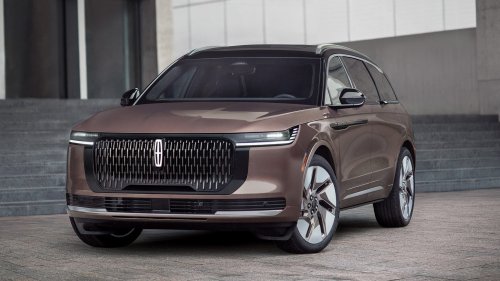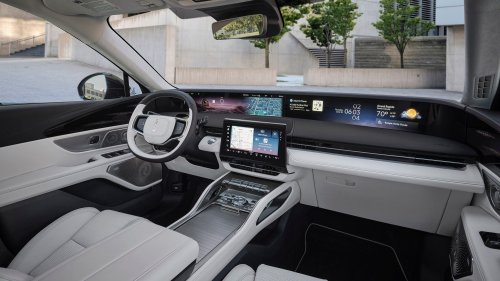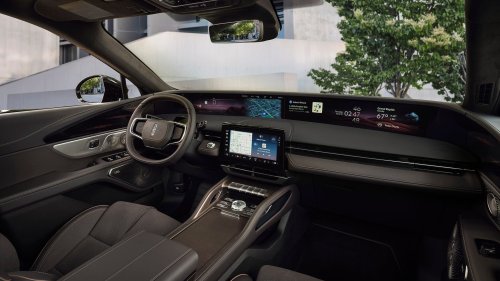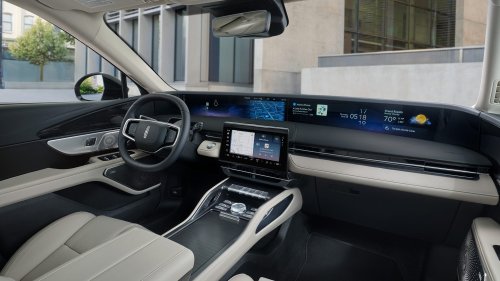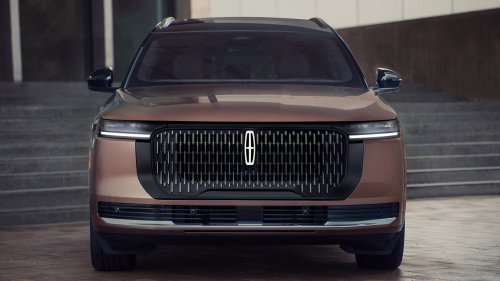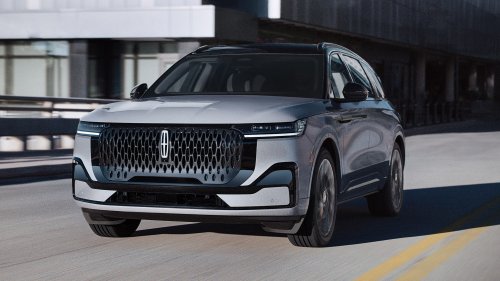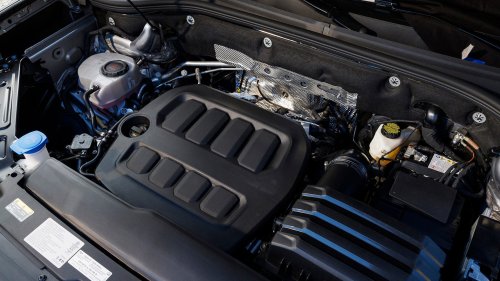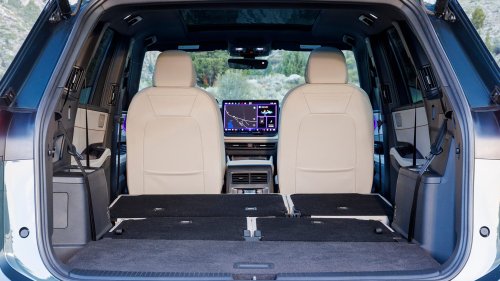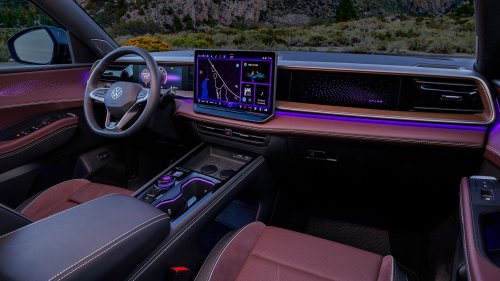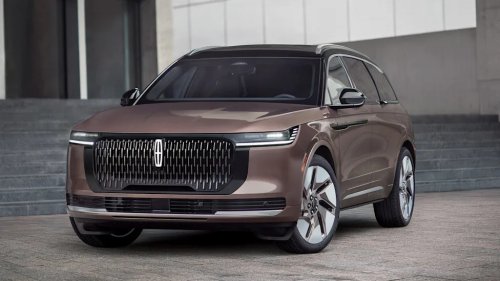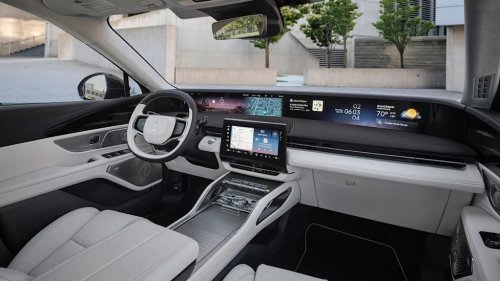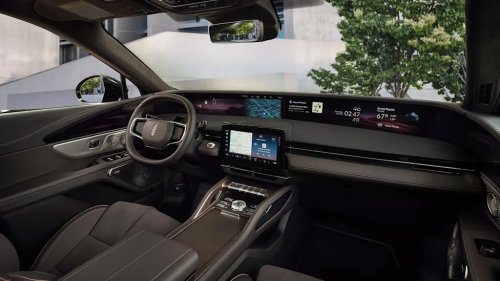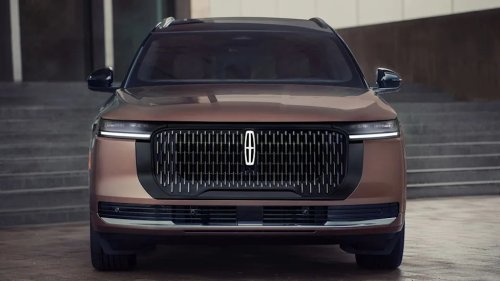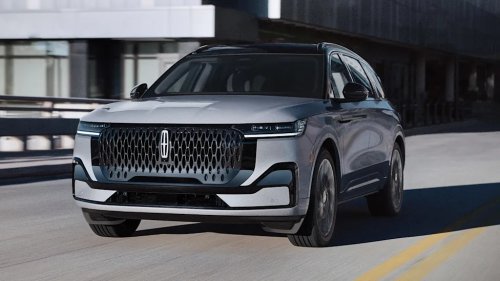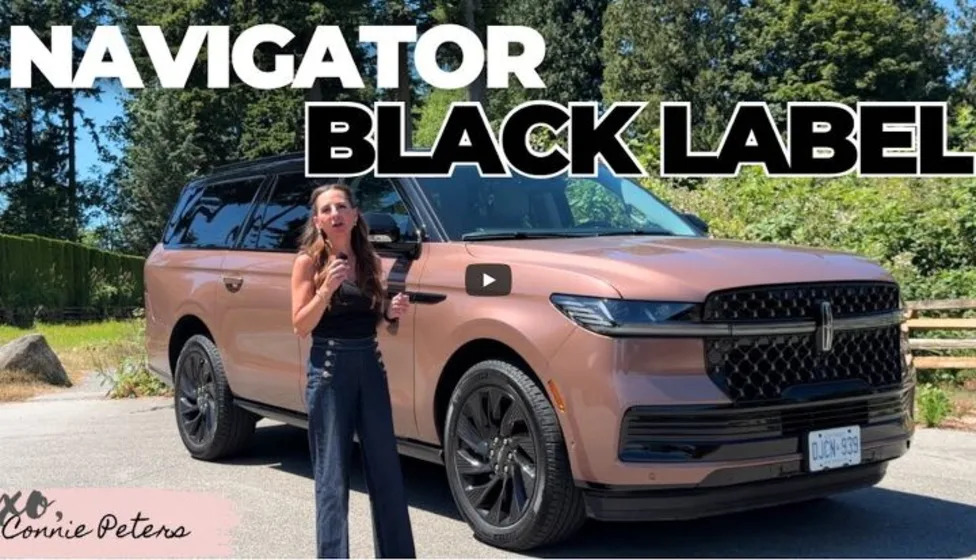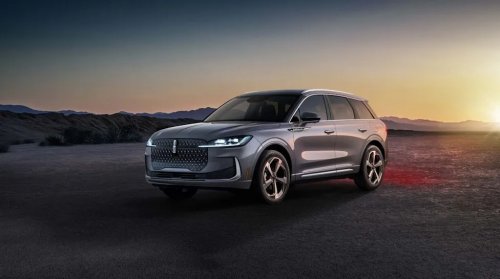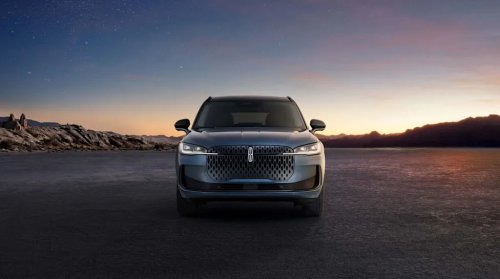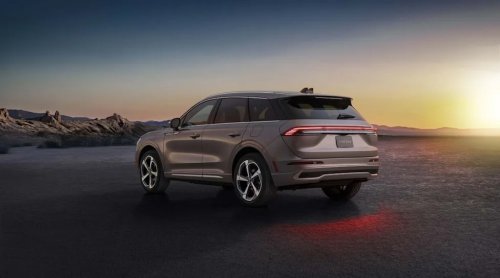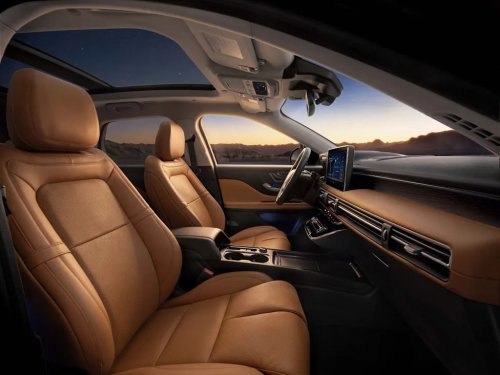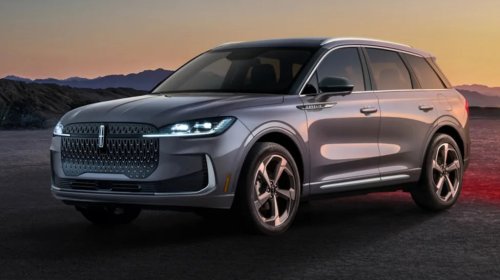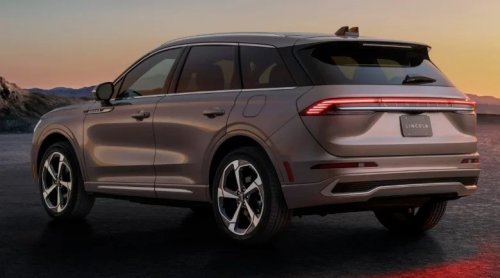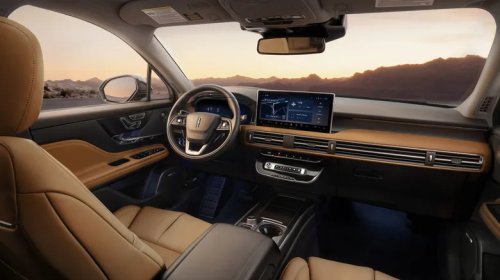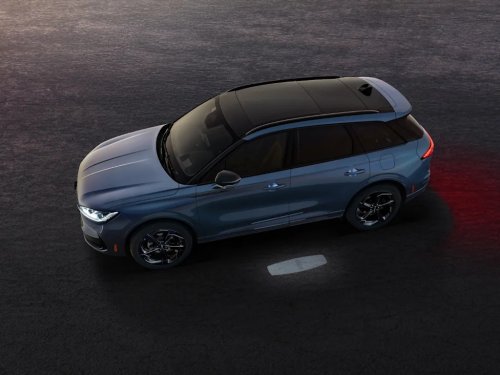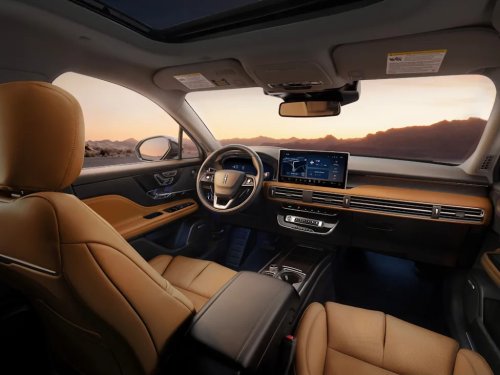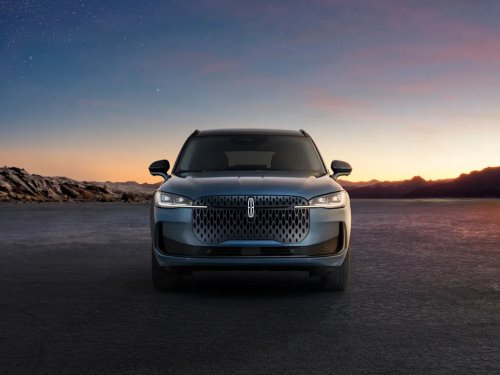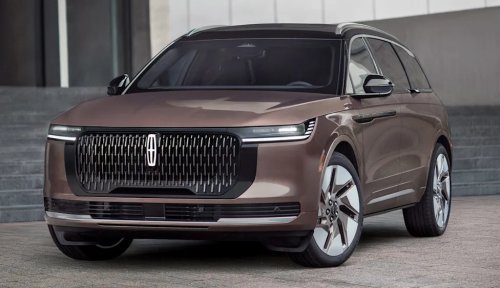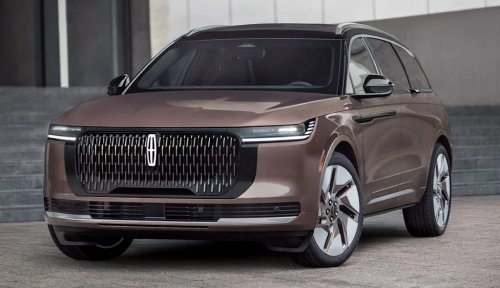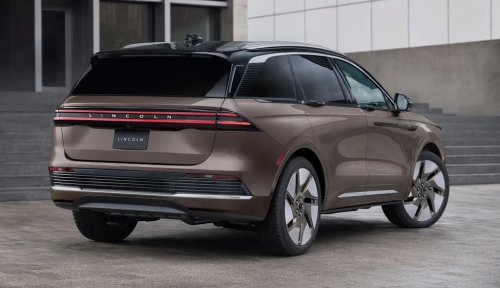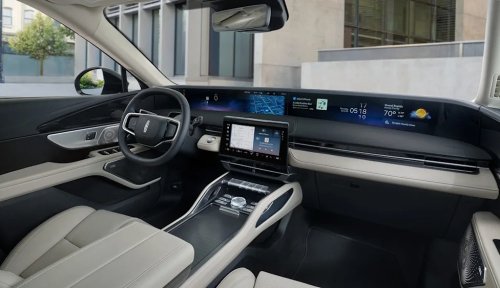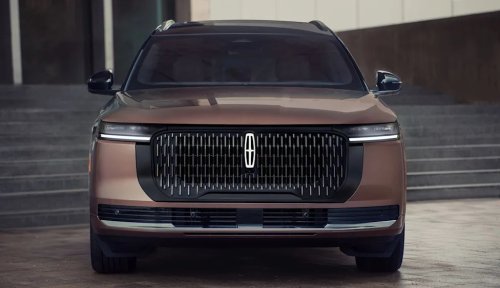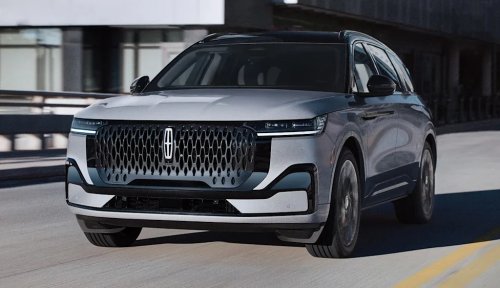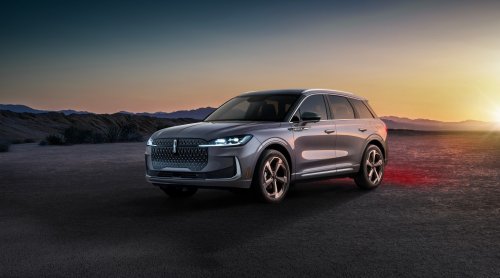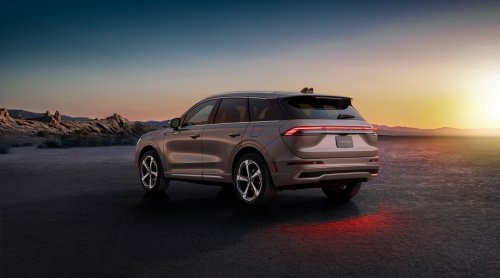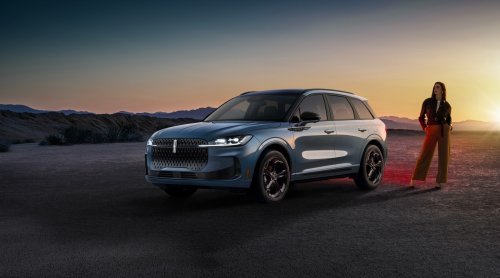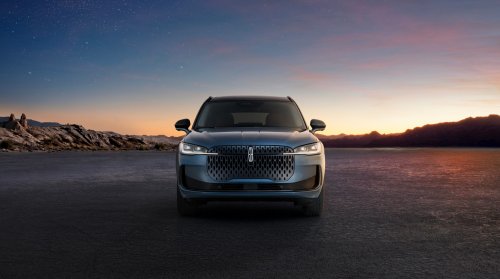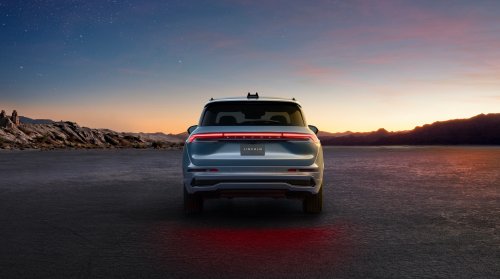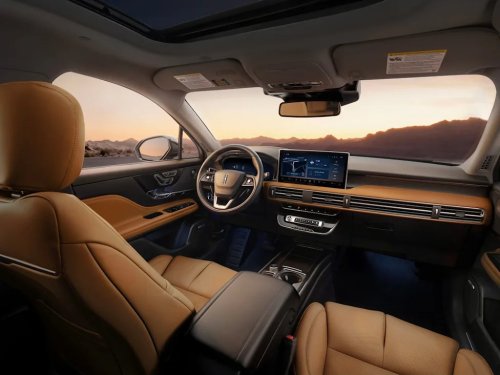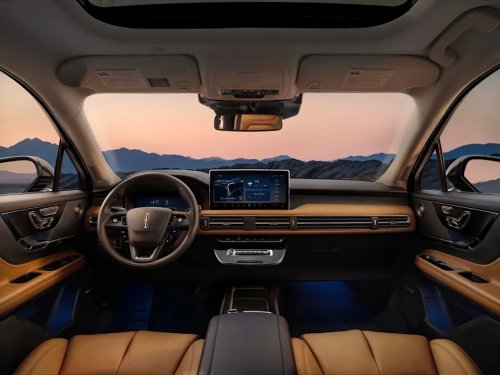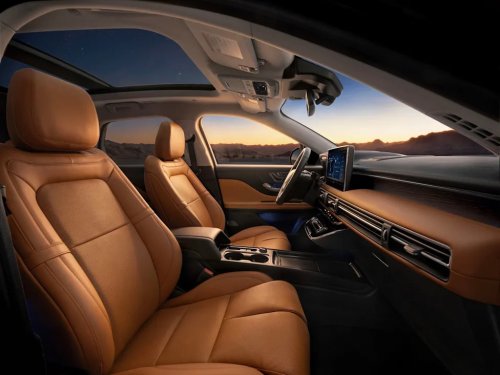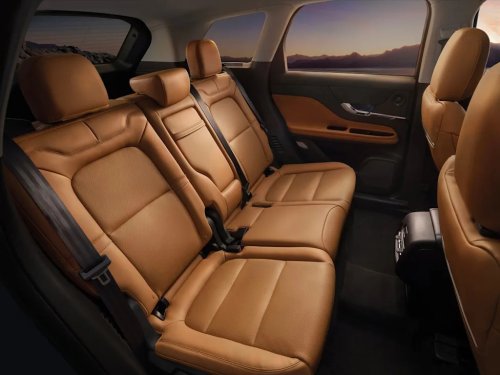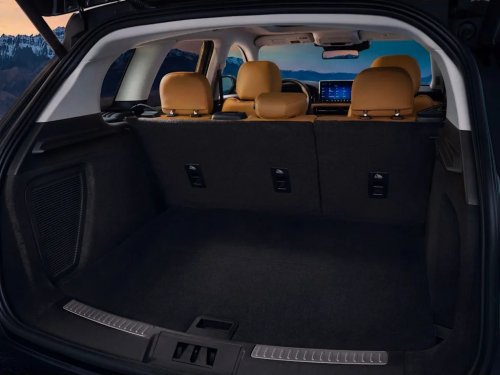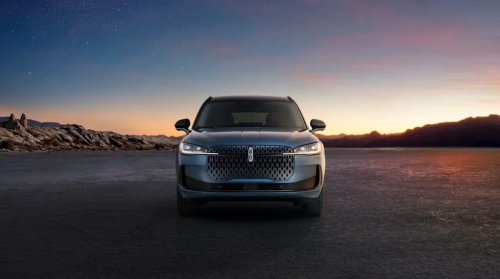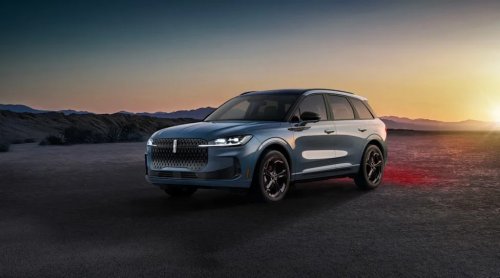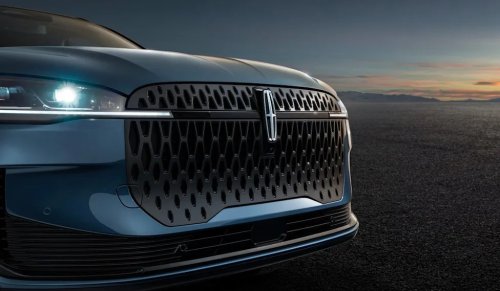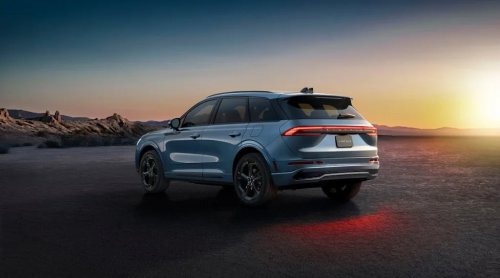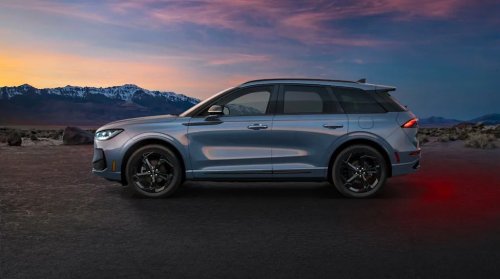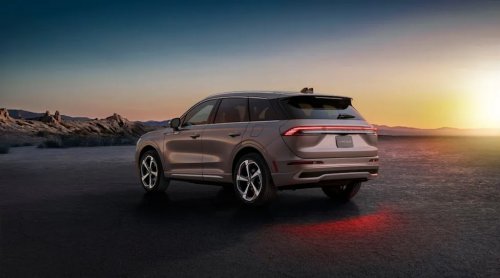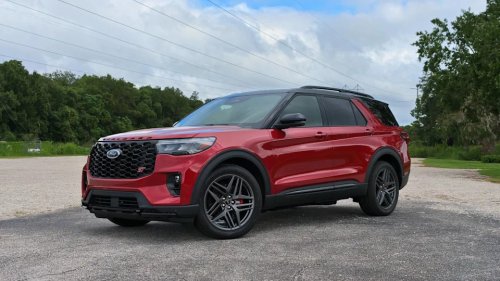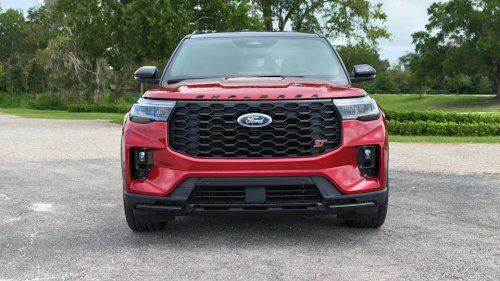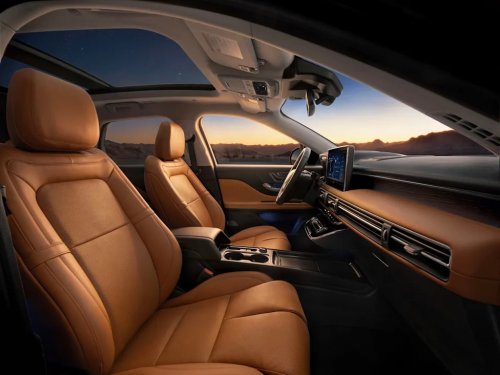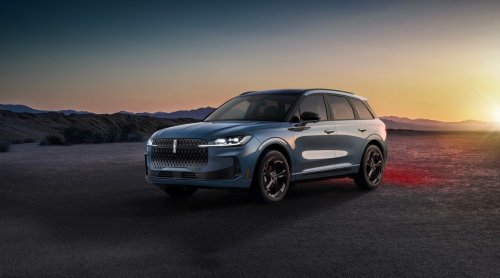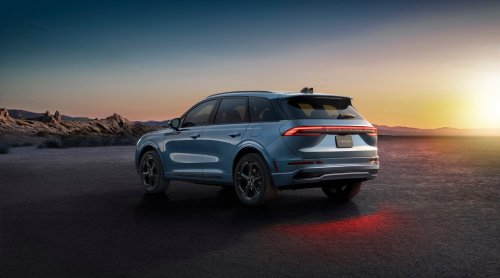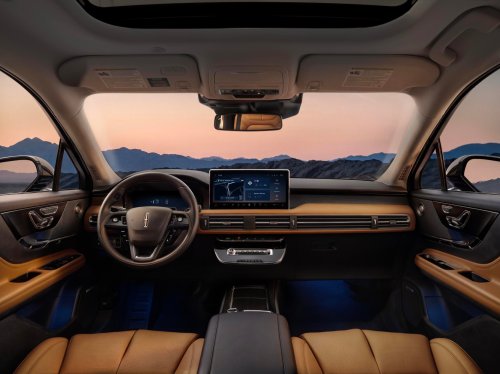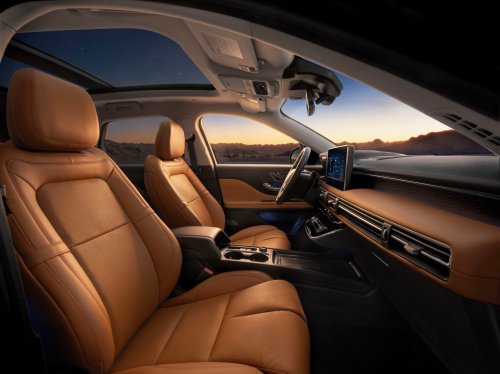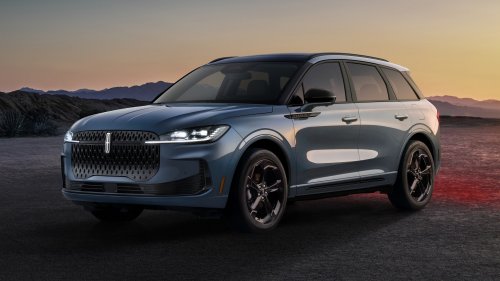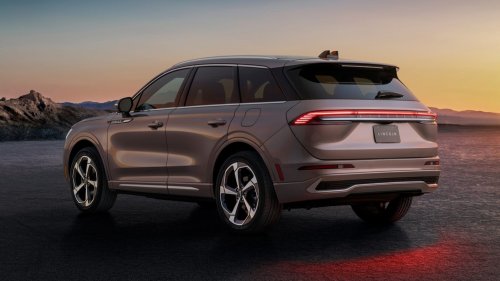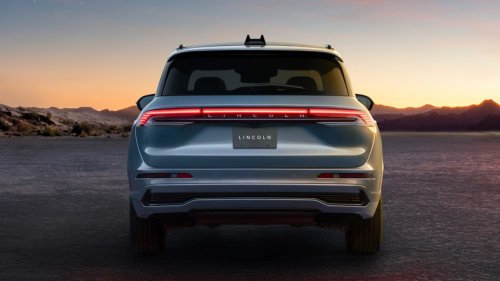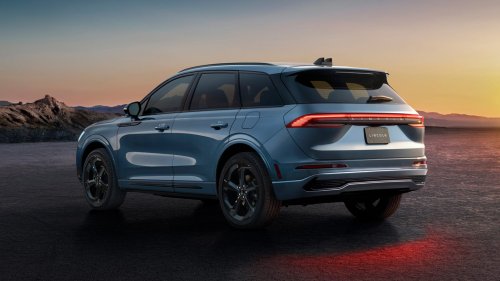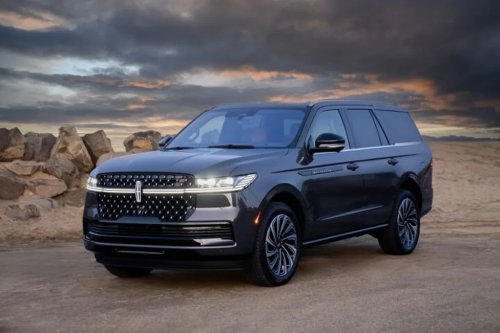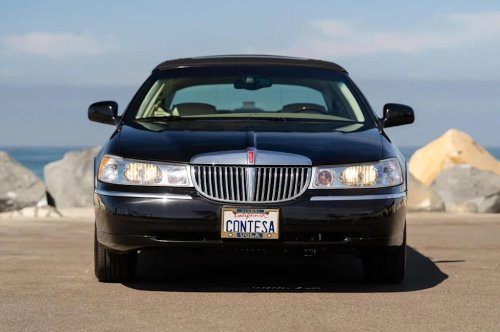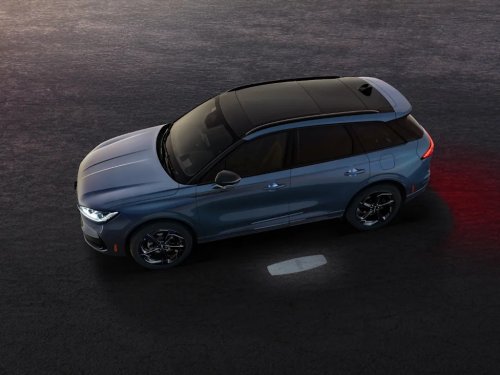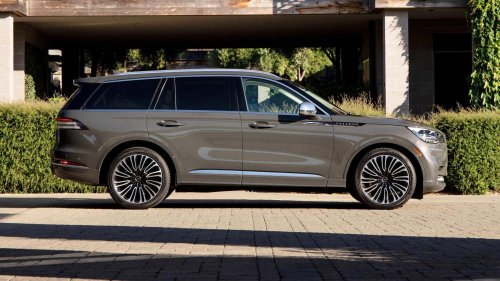
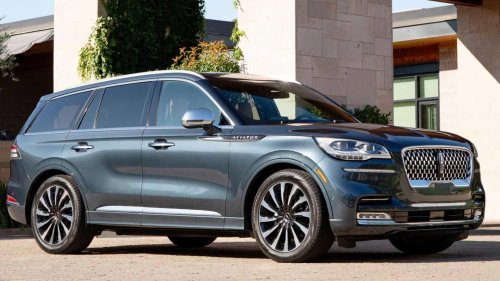
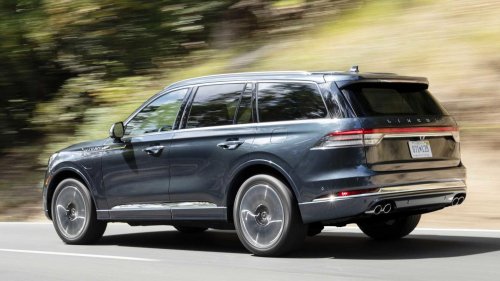
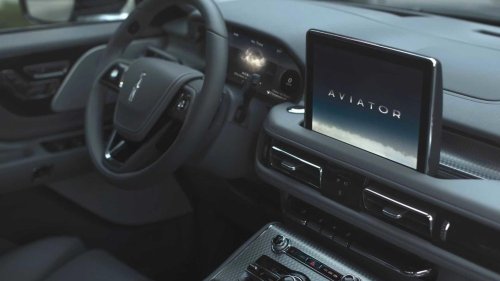




















If you haven't been inside a Lincoln in a while, we can almost guarantee you've got this brand all wrong. These aren't the boring old retiree cars you grew up in. For instance, the new Lincoln Navigator delivers 440 horsepower from a twin-turbo V6 powertrain, and it clears 60 mph in just over five seconds, despite its hefty curb weight.As powerful as that SUV may be, it's nearly 60 horses shy of the 494-hp Lincoln Aviator Grand Touring PHEV, which we won't hesitate to name the crown jewel of modern Lincolns, despite its short time on the market. This SUV ran from the 2020 to 2024 model years alongside the 400-hp second-gen Aviator, and it's largely been forgotten despite its incredible performance specs. The Plug-In Aviator Was A Slow Seller Lincoln Ford has not published official sales numbers for the plug-in version of the Lincoln Aviator, but a 2023 recall gives us an idea of how many PHEVs are out there. Ford had to call back 2,954 Aviators and Ford Explorers, dated 2020 to 2022, and equipped with a 3.0-liter plug-in engine, for potential short circuits in the high-voltage batteries, leading to loss of drive power.From 2020 to 2022, the Ford Explorer outsold the Aviator at a pace of roughly 10 to one. If we assume the same ratio for these PHEVs, then Lincoln was probably selling around 90 Aviator PHEVs a year, or around 360 in total, across four model years.Admittedly, this is based on some generous guesstimation on our part. We could be off by a few hundred sales, but there's nothing to suggest that Lincoln sold anywhere close to 1,000 units during the four years the Lincoln Aviator PHEV was on the market. The Aviator PHEV Fits The Profile Of A Compliance Vehicle Lincoln "Compliance car" refers to a vehicle produced primarily to meet emissions standards set forth by the California Air Resources Board, which dictates that a certain percentage of an automaker's output needs to be hybrid or all-electric.The Lincoln Aviator PHEV qualifies as a Transitional Zero Emission Vehicle, and as a High-Occupancy Vehicle (meaning it can score a Clean Air Vehicle sticker as a carpooler), in all 18 CARB-compliant states. This means that the Aviator PHEV helped to ensure Lincoln could keep doing business in the states with the tightest emissions restrictions, like California, Washington DC, and New York.You don't see a lot of automakers coming out with it and announcing that the new model is just to keep CARB off their back, but they don't really try to hide it, either. You can usually spot a compliance car by a few tell-tale signs. Compliance cars are produced in very low numbers. Compliance cars are hybrid or electric. Compliance cars are usually given little, if any, advertising. Compliance cars typically have a short run on the market, as CARB requirements are changing all the time. Compliance cars are almost always badge-engineered models, or hybrid versions of existing models, because it makes no sense to spend a billion dollars developing an all-new car to only sell a few hundred units. The Lincoln Aviator PHEV checks every single one of those boxes. You can't exactly call the SUV a failure, because it was never really intended to be a hot seller.You probably remember those TV spots for the second-gen Aviator starring Matthew McConaughey. Admittedly some of the better car ads in recent memory, but give those commercials a rewatch sometime, and you'll notice that the closest the plug-ins get to an acknowledgment is a bit of onscreen text promising up to "494 hp" with no mention of the plug-in powertrain.In other words, Lincoln essentially used the plug-ins 494-hp powertrain to advertise the 400-hp ICE version of the SUV. We can only imagine the look of mild disappointment on a buyer's face when they walked into the dealer and found out that the one with nearly 500 horses under the hood would mean driving a plug-in.Remember that, back in 2020, we had fewer than 30,000 charging stations across the country. Today, we have more than 60,000 places to charge an EV or a plug-in. Before the bi-partisan infrastructure bill passed under President Biden, you could drive hundreds of miles without finding a place to recharge, so Lincoln was building a car it didn't want to build, for drivers who didn't want to buy it. The Most Powerful Compliance Car Ever Built? Lincoln Unless you want to count hybrid supercars like the Chevy Corvette ZR1X as "compliance cars" for some reason, we feel confident in declaring this one the most powerful compliance vehicle ever built, and it's kind of stunning that Lincoln got this much power out of a 3.0-liter EcoBoost.In some ways, the Aviator PHEV feels like a modern-day equivalent of those Twister Special cars Ford used to build for certain dealers, performance-specced muscle cars with no power steering or power brakes, that felt less like driving a car, and more like trying to steer a big red Wile E Coyote rocket. When the car was brand-new, reviewers reported that the plug-in powertrain may offer a little more thrust than you're expecting, and the regenerative brakes can be inconsistent.The PHEV has six driving modes, so you'll probably be able to find something that makes you comfortable, but, all the same, the SUV takes some getting used to. What Will A Lincoln Aviator PHEV Cost You In 2026? Lincoln The Lincoln Aviator PHEV averages 23 miles to the gallon, combined. For a three-row mid-size luxury SUV, that's not bad, and it's certainly attractive with gas prices topping five bucks a gallon.There's good news, bad news, and more good news. The good news is that, when these SUVs hit the market, they're usually pretty affordable, averaging less than half of their initial MSRP. The bad news is that these cars are somewhat rare. The other good news is that, when they do hit the market, they tend to stay there for awhile, because nobody's really looking for them, meaning you'll have your pick of the litter despite the car's relative scarcity.Checking out the used car market, we were able to turn up the following listings. An 87,080-mile 2020 model is selling for $22,900 in Texas. A 95,964-mile 2022 model is selling for $24,900 in Massachussetts. A 96,029-mile 2020 model is selling for $24,962 in Illinois. A 115,887-mile 2020 model is selling for $24,990 in Colorado. An 84,255-mile 2021 model is selling for $25,500 in New Jersey. A 23,430-mile 2023 model is selling for $49,000 in Virginia. A basically-new 236-mile 2021 model is selling for $50,913 in Illinois. Based on these listings, we'd say that $25,000 will pretty much buy you whatever you want. If you have $50,000 to spend, you can buy a more or less brand-new model.The prevalence of listings with under 1,000 miles on the odometer suggests that dealers have been trying to get rid of these cars for five years now, and they've been using them as courtesy vehicles in the meantime. If you know how to haggle, you can probably talk the seller down for a hefty discount. If you don't know how to haggle, bring a friend who does. The Aviator PHEV Is Affordable To Own, Too Lincoln The number one reason to not buy a used luxury vehicle: ownership costs are just as expensive whether you're buying new or used. Well, the Aviator PHEV shares a lot of its components with the plug-in Ford Explorer, bringing maintenance costs down to just $626 a year, according to RepairPal, and it's a hybrid, meaning you're not going to be paying as much for premium fuel as you would in an ICE Aviator.In short, this SUV is a gem, and you'll probably want to grab one before the secret gets out.