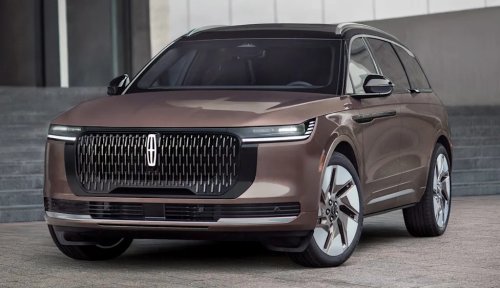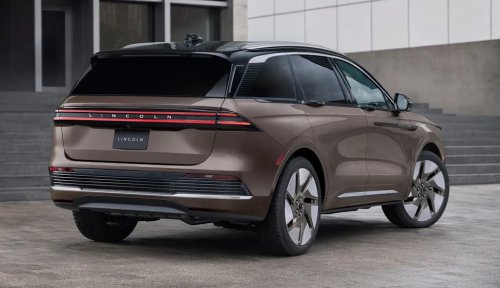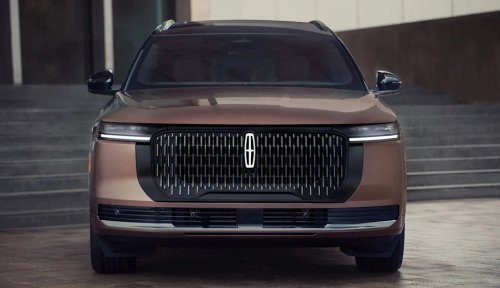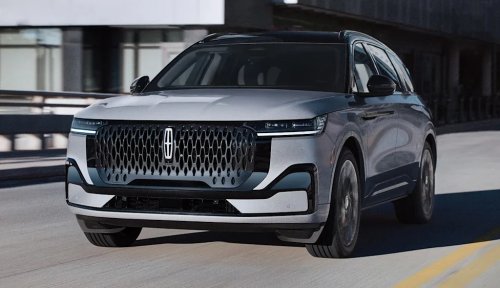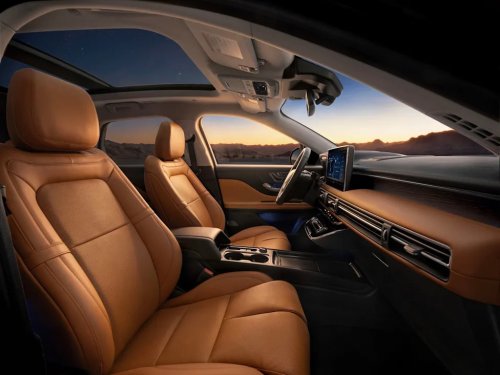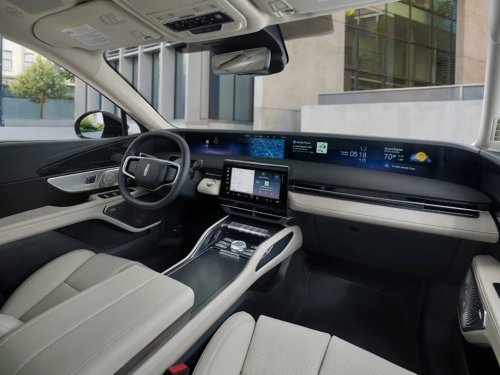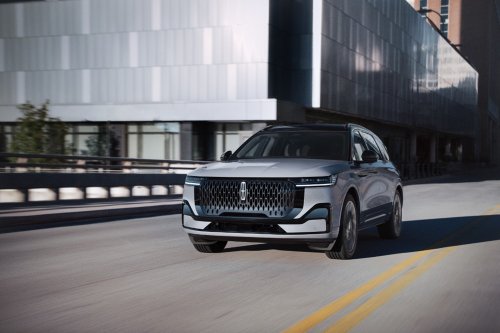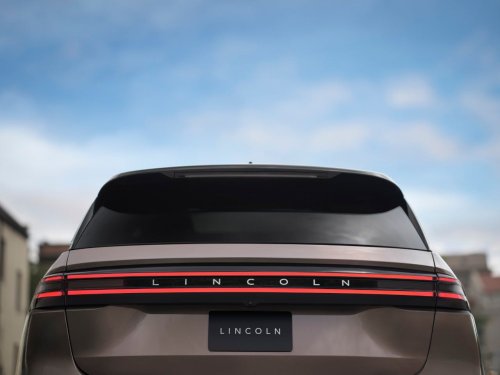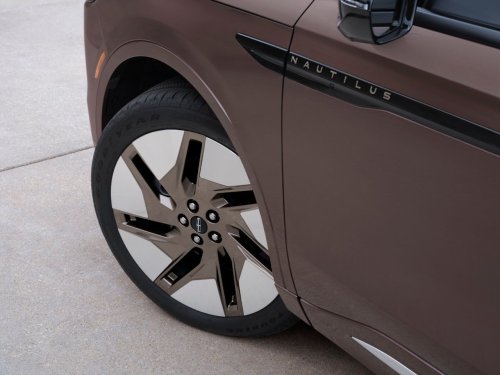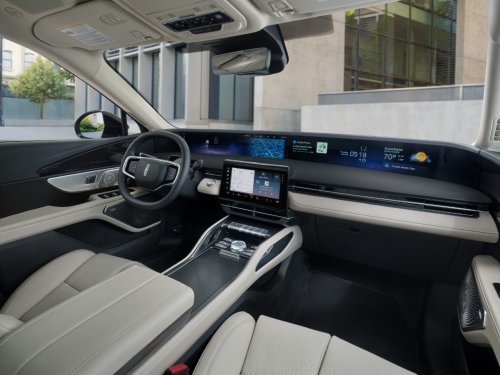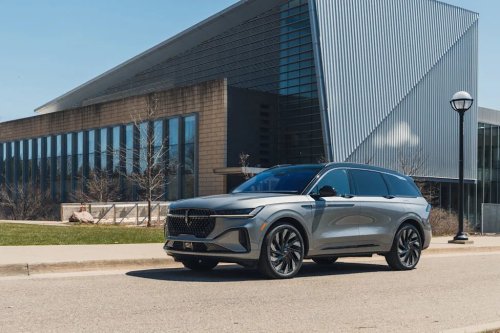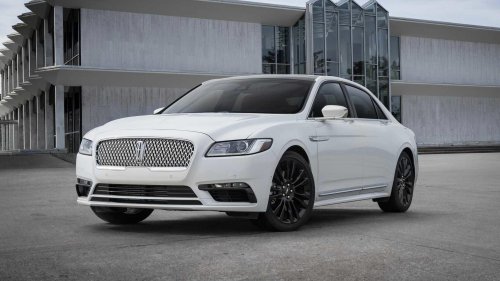
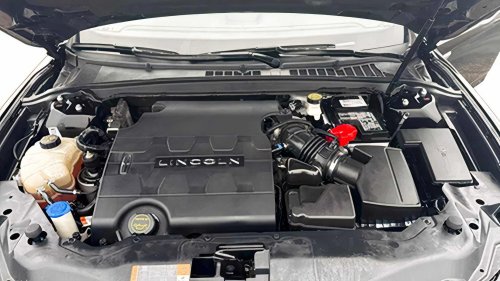
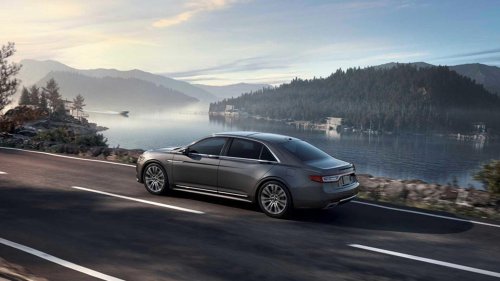
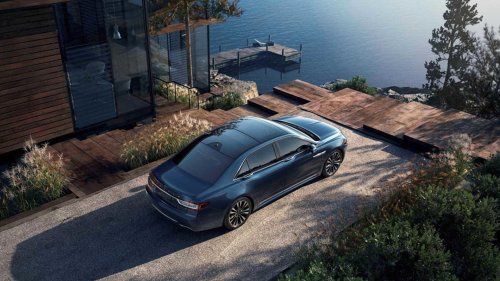
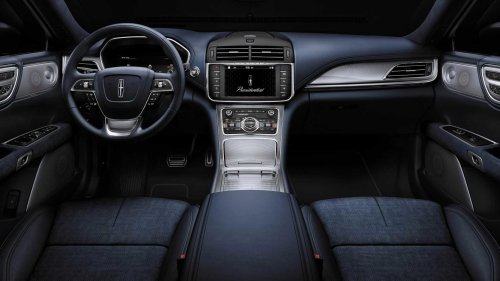
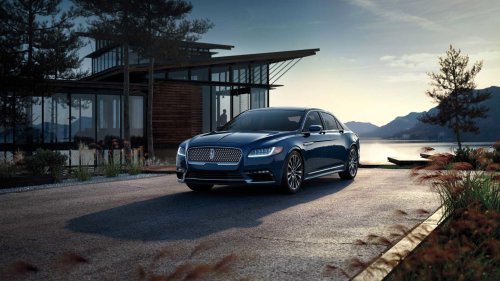



















The age of the naturally aspirated car is swiftly coming to an end, with more modern turbocharged engines being more commonly found in new machinery. It's difficult to argue against the benefits of a turbo engine, since they tend to provide considerably more power and torque than a traditional NA powerplant, but at the same time run more efficiently. This means that smaller engines can be used in conjunction with a turbocharger, helping to increase fuel efficiency alongside saving space and reducing the overall weight of the car. The Last NA Lincoln Exited The Chat In 2020 LincolnHaving seen the tide change first-hand, Ford spent billions developing a range of electrified and turbocharged engines in the mid-2000s. Its powerful twin-turbocharged 3.5-liter EcoBoost V6 family of units buried the trusty old Triton V8, while smaller turbocharged units were eventually slotted in place of the manufacturer's NA V6 powerplants. This revolution fully took over its luxury Lincoln brand in 2020, when its final NA vehicle was carted off to retirement.The engine in question was its 3.7-liter Cyclone V6, which first made its debut in 2008 under the hood of the Mazda CX-9 SUV. It made its bow in a Ford product a year later, with the MKS being graced with the unit. Having enjoyed over a decade powering most of Lincoln's line-up, its final assignment came powering the entry-level 2020 Lincoln Continental sedan. While the higher-end Reserve and Black Label variants utilized more powerful twin-turbocharged V6s, the base Standard version got the venerable Cyclone. The Cheapest Continental Produces Adequate Grunt Cars.com There was no getting around the fact that the Cyclone V6 was showing its age by the time the end came. It afforded the Continental a decent 305 horsepower and 280 lb-ft of torque, which in standard form was sent to the front wheels via a six-speed automatic transmission. Spend an extra couple of grand, and you could have the grunt shared between all four wheels. This was enough firepower to allow it to hit 60 mph in around six seconds, which was strong for a luxury-focused sedan such as this.The trouble is, the twin-turbocharged engines found in the higher-end variants came packing 335 hp and a vastly superior 380 lb-ft of torque, which provided more effortless acceleration. This uprated engine allowed the more expensive Continentals to break the 60 mph barrier half a second quicker than the Standard. The real kicker came when you examined the fuel efficiency of both powerplants, as despite being considerably more powerful, the turbocharged engine could manage 21 MPG on average. The old Cyclone fared worse, with 20 MPG on the combined cycle. For this reason, all Lincolns switched to using a form of hybrid or turbocharged engine beyond the 2020 MY. An NA Continental Can Be Picked Up For A Fraction Of Its MSRP LincolnThe forced induction-boosted engine may be more powerful and fuel efficient compared to the Cyclone unit, but it can't quite match the crispness and purity of the latter's throttle response. Or its simplicity. Should these elements talk to you in a way the turbocharged engines' benefits can't, then you'll be pleased to learn that you can buy a used Continental Standard at a handy discount compared to its brand-new value. According to the CarBuzz Marketplace, a used FWD version sits at an average value of around $18,000, a price that'll net you a tidy car with middling mileage on the clock.If you raise your budget closer to the $25k mark, you'll be able to net a clean specimen with around 50,000 miles on the clock. Considering the vehicle would have demanded over $46,000 when it was new just six years ago, the savings on offer are tantalizing to say the least. AWD Versions Demand A Bit Of A Premium LincolnShould you desire a bit of extra insurance when tackling your daily duties, you'll likely want the AWD Continental Standard instead. At the $20k area of the market, you'll have to make do with higher-mileage examples that have traveled well over 100,000 miles during their lives, though well-looked-after cars should give you plenty of happy miles. Interestingly, if you up your budget to the $25,000 mark, you'll find plenty of options in a similar condition and mileage as the FWD car.The AWD system certainly has its pros and cons, the latter coming in terms of extra maintenance over the FWD car due to the extra drive shafts and other components needed, but the added versatility and grip over a range of surfaces and road conditions can really make the difference in terms of driver confidence. Another element to consider, though, is that the added weight of the system knocks its average MPG figure down to 19. A Base Continental Comes With The Expected Basics LincolnWhile it lacks the upper-end equipment that its more expensive siblings do, the Continental Standard comes with enough gear to stand out as a solid luxury choice. The seats may not be leather, rather a synthetic-style material, but they're heated and power adjustable. Dual-zone climate control is also included with the Standard trim, as is soothing ambient lighting that bathes the cabin in a warm glow. You also get a wide range of modern safety systems, such as adaptive cruise control, Blind Spot Detection, as well as a rearview camera. Adaptive suspension is also on the case to keep the ride as smooth as possible, which alters the stiffness of the dampers depending on the kind of surface you're tackling.Lincoln also provides acoustic-tuned glass to help keep the cabin as serene as possible, ensuring you have a true luxury machine on your hands. There may not be any standout feature when compared to a newer equivalent, such as the 2026 Lincoln Nautilus SUV, but you have to be mindful that such a car would cost you north of $50k if you headed to a Lincoln dealer tomorrow. The Continental Has Proven A Dependable Luxury Sedan Thus Far LincolnThe word 'luxury' is usually associated with higher maintenance costs, especially on vehicles with upper-market badges such as Lincolns. Fortunately, the Continental's Ford Fusion-based underpinnings have proven pretty solid during its life, with the main issues being pretty minor for the most part. The Cyclone V6 is strong when properly looked after, though there are a couple of weaker points. According to RepairPal, the most common issues found with the entry-level Continental regard its EGR system. The filters used inside them have a tendency to quickly clog when driving through highly dusty areas, which can lead to the engine stalling frequently. Simply replacing the filter should be sufficient to clear the issue.The impeller that drives the vehicle's water pump can also fail, which will lead to engine overheating if not replaced. Rubber PCV hoses can also deteriorate and crack over time, which will lead to an engine light illuminating. Simply replacing the dodgy hose should cure the ailment. RepairPal estimates that you'll only have to spend around $513 per year to keep the car running on all cylinders though, which is pretty cheap for a luxury sedan such as this.Just make sure to do all your homework before you lay down the cash on a used example, and you should have a dependable NA luxury sedan looking back at you whenever you glance from the window. Being Lincoln's last ever NA machine, you can also brag to your friends that you have a true heritage piece in your collection.