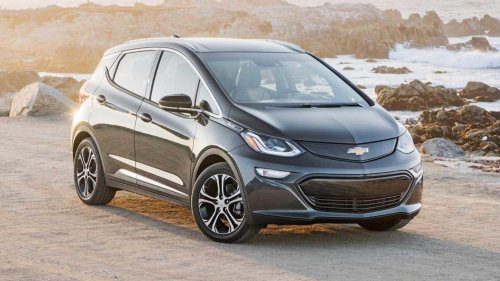
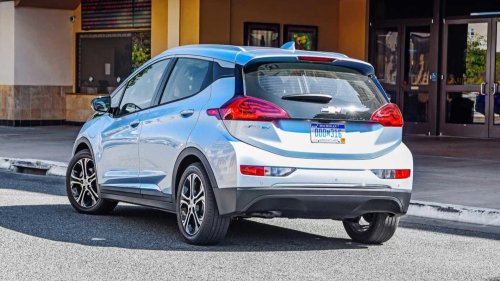
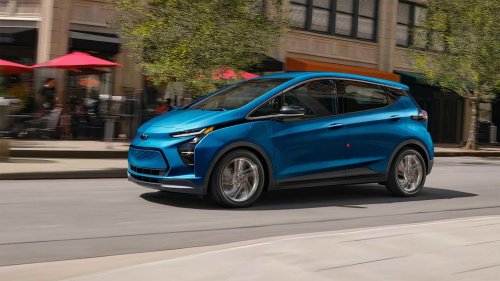
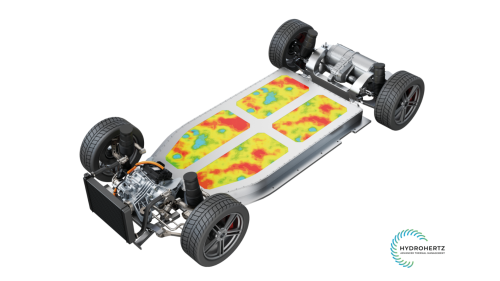
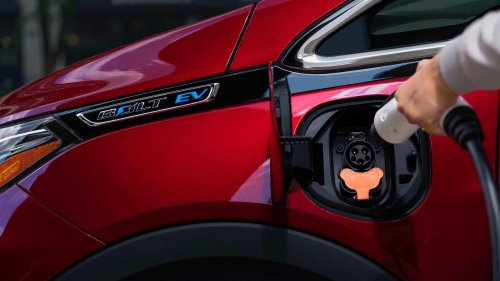
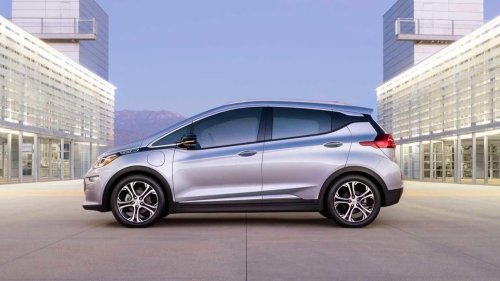
While electric vehicles are getting more versatile and more realistic daily driver propositions by the year as manufacturers continually develop them, used examples that have seen their value drop considerably are generally still best suited for the city. Their limited ranges aren't such a handicap when you're spending most of your time threading between traffic and through tight city streets, while trips tend to last only ten or twenty miles as opposed to north of 200. Their instant torque and lack of a conventional gearbox also make driving in cities more straightforward and less frustrating than a normal car most of the time.If purchasing an EV for this reason sounds tempting, then you'd be better off buying one built precisely to thrive in that environment. One of the best tricks in the trade is opting for the first-generation Chevrolet Bolt, for a particularly interesting reason that makes them excellent value. As long as you know what to look for. Used Low-Mileage Bolts Are Selling For Ridiculous Money ChevroletWhile having to accept high mileage EVs can be a common drawback when trying to get a decent used deal, no such compromise needs to be made when looking at used Bolts. It wasn't a particularly expensive vehicle when it was new, with final model year 2023 specimens selling for $26,500 in their entry-level 1LT spec, while better-equipped 2LT machines retailed for $29,700. If you thought that was a decent deal on paper, given the Bolt kicked out a handy 200 horsepower and managed a solid 238 miles on a single charge, then that's nothing compared to what they are used.According to The CarBuzz Marketplace, 2023 vehicles have an average used value of just $18,382 in base spec, and $21,550 in 2LT form. The savings get even better if you opt for older pre-facelift examples, which don't come with the revised exterior styling and cabin that the 2022 and 2023 Bolts get.Cars from 2020 currently have an average value of just over $15k, but in reality, you can pick up a tidy example with a clean title and with well under 20,000 miles on the clock for around $10,000. Whichever way you look at it, getting a practically brand-new vehicle for that kind of money is a hell of a deal, especially when you consider the performance figures it throws out. With just shy of 240 miles of range on a full charge, it could easily last a couple of weeks of city driving before you need to cheaply charge it at home. Despite The Discount, Bolts Have Held Their Money Better Than Their Rivals ChevroletDespite being so affordable on the used market at the moment, the Bolt has actually held its value better than some of its close competitors. The entry-level 2023 Bolt 1LT has lost 30% of its value over the last three years, whereas the same-aged Hyundai Kona Electric and Nissan Leaf have plunged by 46.9% and 45.5%, respectively. This is good news for those buying a used Bolt, as it means you can expect to lose less money during your ownership thanks to depreciation. The Bolt Will Cost More To Run Than Other Small Cars ChevyWhile the Bolt may represent solid value from a power and range standpoint as a city car, which comes with the advantage of being cheap to keep charged up as long as you make use of your home power plan, it isn't the cheapest car to run on a regular basis. RepairPal estimates that you'll need to spend around $650 per year to keep the car running well, which is pretty expensive for a subcompact machine such as this. By comparison, a gas-powered Toyota Corolla is only around $362 to keep sweet over a 12-month period.Part of the reason for this is that the Bolt, especially older ones built prior to 2022, suffer from various software glitches, which can be pretty costly to diagnose and then repair. In addition, the car is pretty heavy due to the cumbersome battery pack hidden below the floor. It tips the scales at 3,563 pounds, which is well over 1,200 pounds heavier than its Chevy Spark sibling, which was the brand's gas-powered subcompact offering. This means it'll chew through tires, brakes and suspension componentry quicker than many subcompact rivals. Some owners have also pointed out that the fit and finish of their cars isn't the best, so be sure to thoroughly check out any example you're considering to make sure you're getting one of the good ones. Battery Degradation Should Be A Key Consideration When Buying A Volt HydrohertzAside from the usual automotive ailments to look out for, the Bolt's battery pack is also a key point that could cause you issues if you don't do your homework. As battery packs age and undergo a higher number of charging cycles, the cells inside them deteriorate and cause the pack to lose total energy capacity. This degradation will lead to a loss of range over time, before eventually failing to take charge at all, ensuring your Bolt is essentially a 3,500-pound paperweight. There are several factors that can lead to the battery degrading faster, with a key one being overcharging.If you constantly charge your EV to 100%, the battery will tend to go downhill faster than if you top it up to around 80%. Carrying out the latter reduces the amount of heat produced during the charging process, which will better preserve the battery cells. Using fast charging also causes a battery to degrade more quickly, as this process puts more stress and heat into the battery in favor of swifter charging times. The thing is, it's difficult to know how well a battery has been treated until you live with it, so carrying out a battery health check before you buy is a good idea, so that you know what you're getting into. Fortunately, it seems the issue isn't as dire as it was once expected to be. A Widespread Recall Offers An Interesting Benefit Chevrolet The good news, as far as the Bolt is concerned at least, is that you have a good chance of securing yourself an example with a practically new battery, even if it's an early car that was built nearly a decade ago. In 2020, Chevrolet issued a recall with the National Highway Traffic Safety Administration regarding the battery packs included in all 110,324 Bolts built between 2017 and 2022. The LG Energy-built components had the tendency to overheat while charging above 90%, which could lead to the packs catching on fire. This later affected Jaguar's I-Pace SUV, too. Batteries and fire don't mix well, and the usual conclusion was that the affected vehicle would look like an over-toasted marshmallow before too long.As part of the recall, Chevrolet declared that it would be replacing the battery packs of all affected cars for free. Even better than that, the Bolts' eight-year battery warranty would be reset, which offers a great benefit to buying a used car. There's a chance you could pick up a bargain 2020 machine, for example, which only had its battery replaced in 2023.As a result, not only will you be getting a battery pack that's just three years old if you bought one as of time of writing in 2026, but you'll have another five years of warranty left over should you run into further battery calamities. This boosts the value of a used Bolt significantly, so make sure to go through the service history of any car you're looking at to ensure the battery replacement has been carried out. If it hasn't, you can book it straight in with Chevrolet to have the battery replaced, affording you a new pack for nothing. The Bolt Is An Ideal Second Car ChevroletWhile the Bolt's 238-mile range compromises it as far as longer trips are concerned, it makes the machine ideal for running errands around town. It's also much faster than the comparable Chevy Spark, which only produces 98 hp thanks to its little 1.0-liter naturally aspirated four-cylinder engine. With double that under the hood of the Bolt, you'll be able to launch to 60 mph in just 6.5 seconds, whereas the Spark will take closer to ten. This makes the EV ideal for shooting between the lights, and darting into that parking spot you've had your eye on.Speaking of which, it only measures 164 inches in length, making it 18 inches shorter than a Corolla Sedan. This ensures it'll be nippy and easy to park in tighter areas, though its high roofline and intelligent packaging mean it offers more headroom and pretty much identical levels of legroom versus the Toyota. Plus, being a hatchback, the Bolt's 16.9 cubic feet of cargo space easily eclipses the Corolla's 13.1 cubic feet of usable room. In addition, even base versions get climate control, cruise control, as well as a convenient powered liftgate. Better-equipped cars can be found with a heated leather steering wheel and seats, ensuring you'll be comfortable all year long.All these elements make a compelling case for the Bolt being a fantastic used EV deal. Make sure to find out the state of the battery in any vehicle you're looking at buying, as you could easily find a cheap example that could treat you well for at least the next half-decade with barely a protest.



















 +37 others








![Smart, Continuing post-Labor Day Green Deals hub - EVs, power stations, tools, smart devices, more [Updated]](https://cdn.topcarnews.net/thumb/id/aHR0cHM6Ly9pMC53cC5jb20vZWxlY3Ry-ZWsuY28vd3AtY29udGVudC91cGxvYWRz-L3NpdGVzLzMvMjAyNi8wOS9MZWN0cmlj-LUVjb0Zsb3ctQW5rZXItZXVmeS1TZWd3-YXktTmF2aW1vdy1MYWJvci1EYXktSHVi-LUZJLmpwZz93PTE1MDAmYW1wO3F1YWxp-dHk9ODImYW1wO3N0cmlwPWFsbCZhbXA7-c3NsPTE/16c16d62c32c03f486c198130cd2a06e.jpg?t=20260930&post_id=61223)
![Smart, Continuing post-Labor Day Green Deals hub - EVs, power stations, tools, smart devices, more [Updated]](https://cdn.topcarnews.net/thumb/id/aHR0cHM6Ly9lbGVjdHJlay5jby93cC1j-b250ZW50L3VwbG9hZHMvc2l0ZXMvMy8y-MDI2LzA4L0xlY3RyaWMtWFByZXNzMi1M-b25nLVJhbmdlLVN0ZXAtVGhydS1DcnVp-c2VyLWUtYmlrZS5qcGc/5023f4fb066b673df34f11a76e904784.jpg?t=20260930&post_id=61223)
![Smart, Continuing post-Labor Day Green Deals hub - EVs, power stations, tools, smart devices, more [Updated]](https://cdn.topcarnews.net/thumb/id/aHR0cHM6Ly9lbGVjdHJlay5jby93cC1j-b250ZW50L3VwbG9hZHMvc2l0ZXMvMy8y-MDI2LzA5L0Fua2VyLVNPTElYLUxhYm9y-LURheS0yMDI2LVNhbGUtRkkuanBn/f80792f755efb216a8c13c6607648f6f.jpg?t=20260930&post_id=61223)
![Smart, Continuing post-Labor Day Green Deals hub - EVs, power stations, tools, smart devices, more [Updated]](https://cdn.topcarnews.net/thumb/id/aHR0cHM6Ly9lbGVjdHJlay5jby93cC1j-b250ZW50L3VwbG9hZHMvc2l0ZXMvMy8y-MDI2LzA4L1NlZ3dheS1OYXZpbW93LUxh-Ym9yLURheS0yMDI2LVNhbGUtRkkuanBn/99962c5b1a76745747610aa804c8eb1f.jpg?t=20260930&post_id=61223)
![Smart, Continuing post-Labor Day Green Deals hub - EVs, power stations, tools, smart devices, more [Updated]](https://cdn.topcarnews.net/thumb/id/aHR0cHM6Ly9lbGVjdHJlay5jby93cC1j-b250ZW50L3VwbG9hZHMvc2l0ZXMvMy8y-MDI2LzA5L0Fua2VyLWV1ZnktU29sb0Nh-bS1TMzQwLXNvbGFyLXNlY3VyaXR5LWNh-bWVyYS00LndlYnA/990b279b6f5227d4f9c7776da983d76a.webp?t=20260930&post_id=61223)
![Smart, Continuing post-Labor Day Green Deals hub - EVs, power stations, tools, smart devices, more [Updated]](https://cdn.topcarnews.net/thumb/id/aHR0cHM6Ly85dG81dG95cy5jb20vd3At-Y29udGVudC91cGxvYWRzL3NpdGVzLzUv-MjAyNi8wOC9BcHBsZS1Qb2xpc2hpbmct-Q2xvdGgtMjAyNi1uZXctbWRlbC5qcGc_-cXVhbGl0eT04MiZhbXA7c3RyaXA9YWxs-JmFtcDt3PTE2MDA/38fcbe039eee8dc96edf946ca5fdb371.jpg?t=20260930&post_id=61223)
![Smart, [Updated] Continuing Labor Day Green Deals hub - EVs, power stations, tools, smart devices, more](https://cdn.topcarnews.net/thumb/id/aHR0cHM6Ly9pMC53cC5jb20vZWxlY3Ry-ZWsuY28vd3AtY29udGVudC91cGxvYWRz-L3NpdGVzLzMvMjAyNi8wOS9MZWN0cmlj-LUVjb0Zsb3ctQW5rZXItZXVmeS1TZWd3-YXktTmF2aW1vdy1MYWJvci1EYXktSHVi-LUZJLmpwZz93PTE1MDAmYW1wO3F1YWxp-dHk9ODImYW1wO3N0cmlwPWFsbCZhbXA7-c3NsPTE/16c16d62c32c03f486c198130cd2a06e.jpg?t=20260930&post_id=60924)
![Smart, [Updated] Continuing Labor Day Green Deals hub - EVs, power stations, tools, smart devices, more](https://cdn.topcarnews.net/thumb/id/aHR0cHM6Ly9lbGVjdHJlay5jby93cC1j-b250ZW50L3VwbG9hZHMvc2l0ZXMvMy8y-MDI2LzA4L0xlY3RyaWMtTGFib3ItRGF5-LVNhbGUtRkkuanBn/11ffd29cc9979cf246185a331db81c3b.jpg?t=20260930&post_id=60924)
![Smart, [Updated] Continuing Labor Day Green Deals hub - EVs, power stations, tools, smart devices, more](https://cdn.topcarnews.net/thumb/id/aHR0cHM6Ly9lbGVjdHJlay5jby93cC1j-b250ZW50L3VwbG9hZHMvc2l0ZXMvMy8y-MDI2LzA5L0Fua2VyLVNPTElYLUxhYm9y-LURheS0yMDI2LVNhbGUtRkkuanBn/f80792f755efb216a8c13c6607648f6f.jpg?t=20260930&post_id=60924)
![Smart, [Updated] Continuing Labor Day Green Deals hub - EVs, power stations, tools, smart devices, more](https://cdn.topcarnews.net/thumb/id/aHR0cHM6Ly9lbGVjdHJlay5jby93cC1j-b250ZW50L3VwbG9hZHMvc2l0ZXMvMy8y-MDI2LzA4L1NlZ3dheS1OYXZpbW93LUxh-Ym9yLURheS0yMDI2LVNhbGUtRkkuanBn/99962c5b1a76745747610aa804c8eb1f.jpg?t=20260930&post_id=60924)
![Smart, [Updated] Continuing Labor Day Green Deals hub - EVs, power stations, tools, smart devices, more](https://cdn.topcarnews.net/thumb/id/aHR0cHM6Ly9lbGVjdHJlay5jby93cC1j-b250ZW50L3VwbG9hZHMvc2l0ZXMvMy8y-MDI2LzA5L0Fua2VyLWV1ZnktU29sb0Nh-bS1TMzQwLXNvbGFyLXNlY3VyaXR5LWNh-bWVyYS00LndlYnA/990b279b6f5227d4f9c7776da983d76a.webp?t=20260930&post_id=60924)