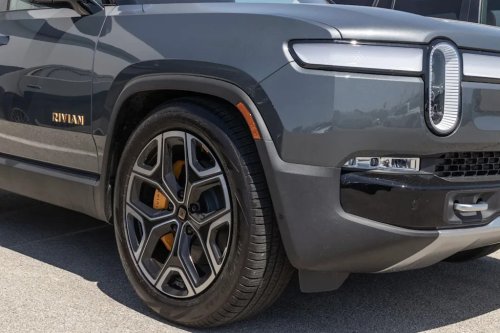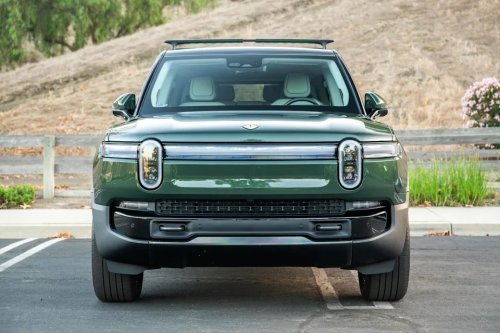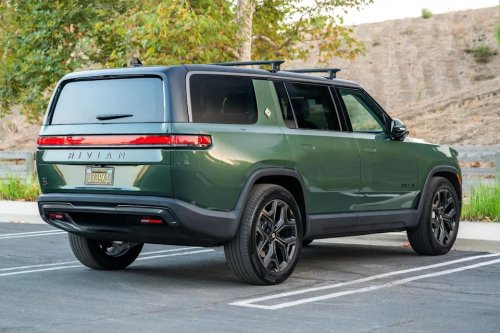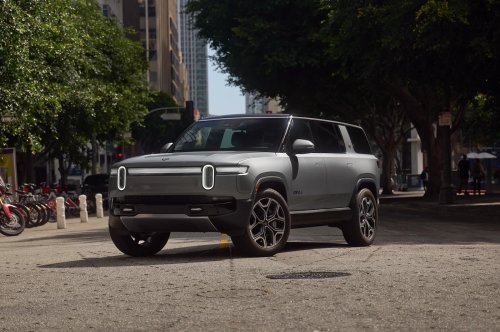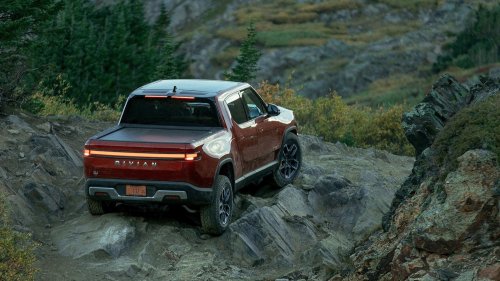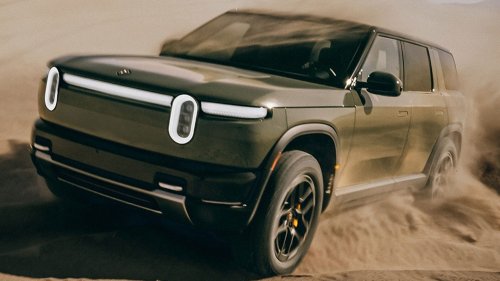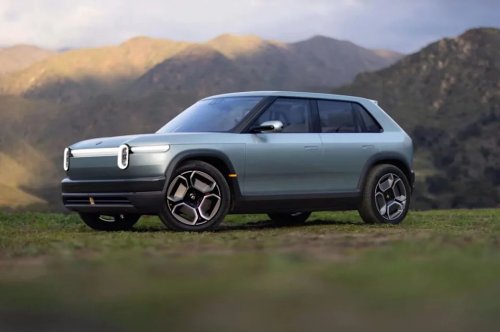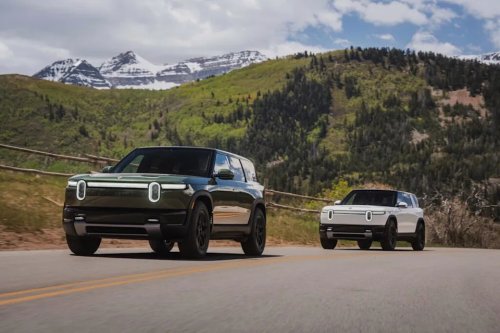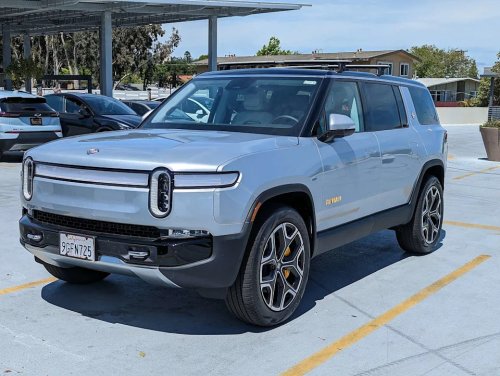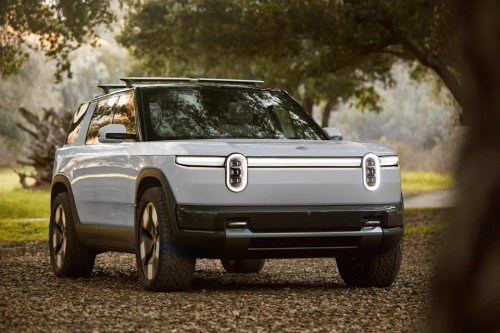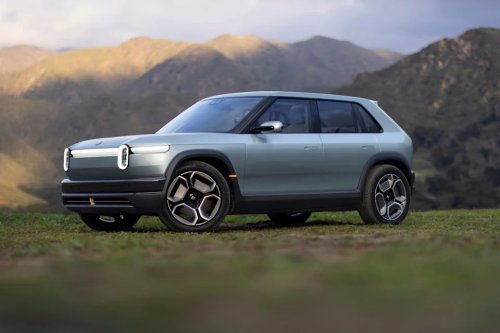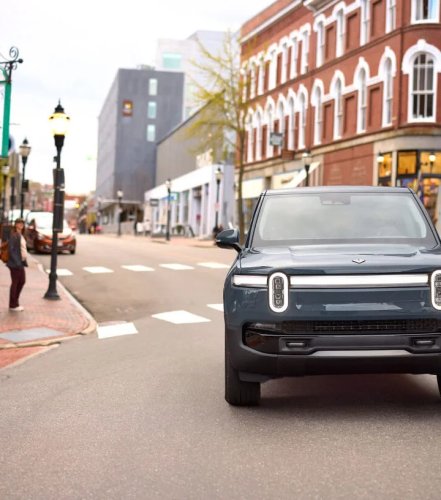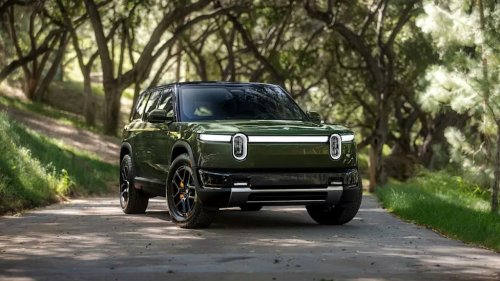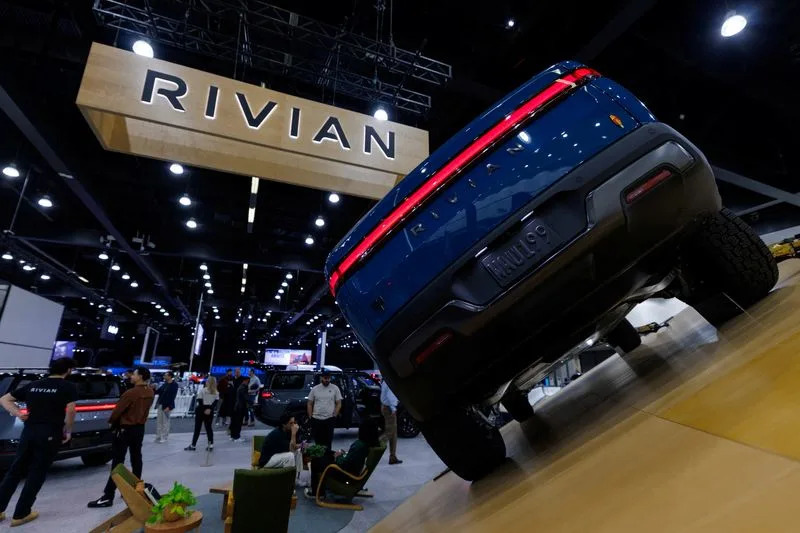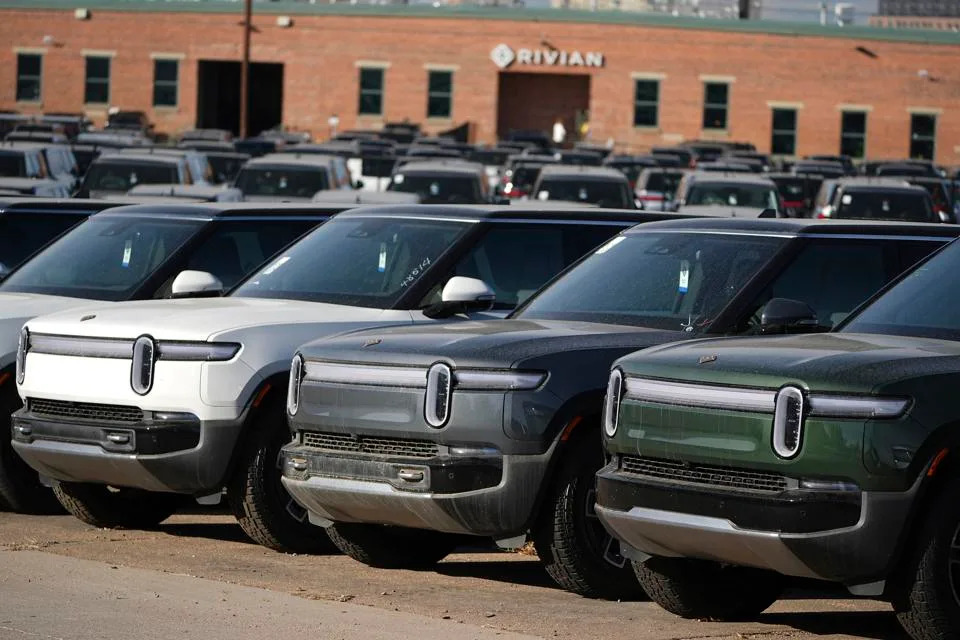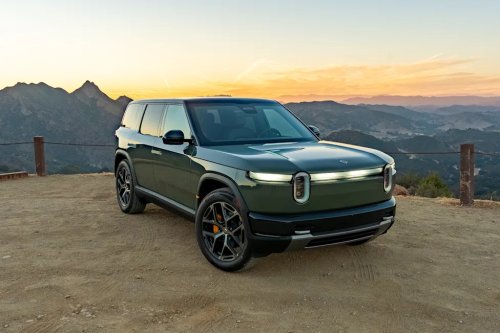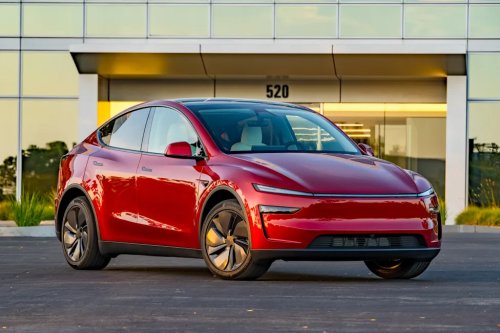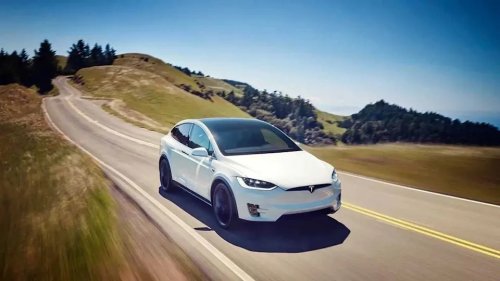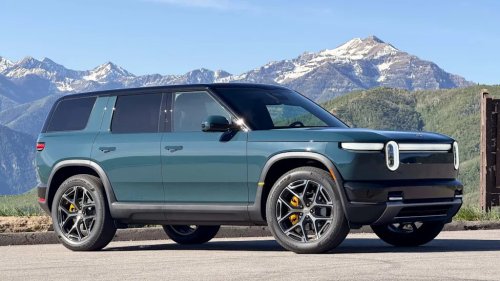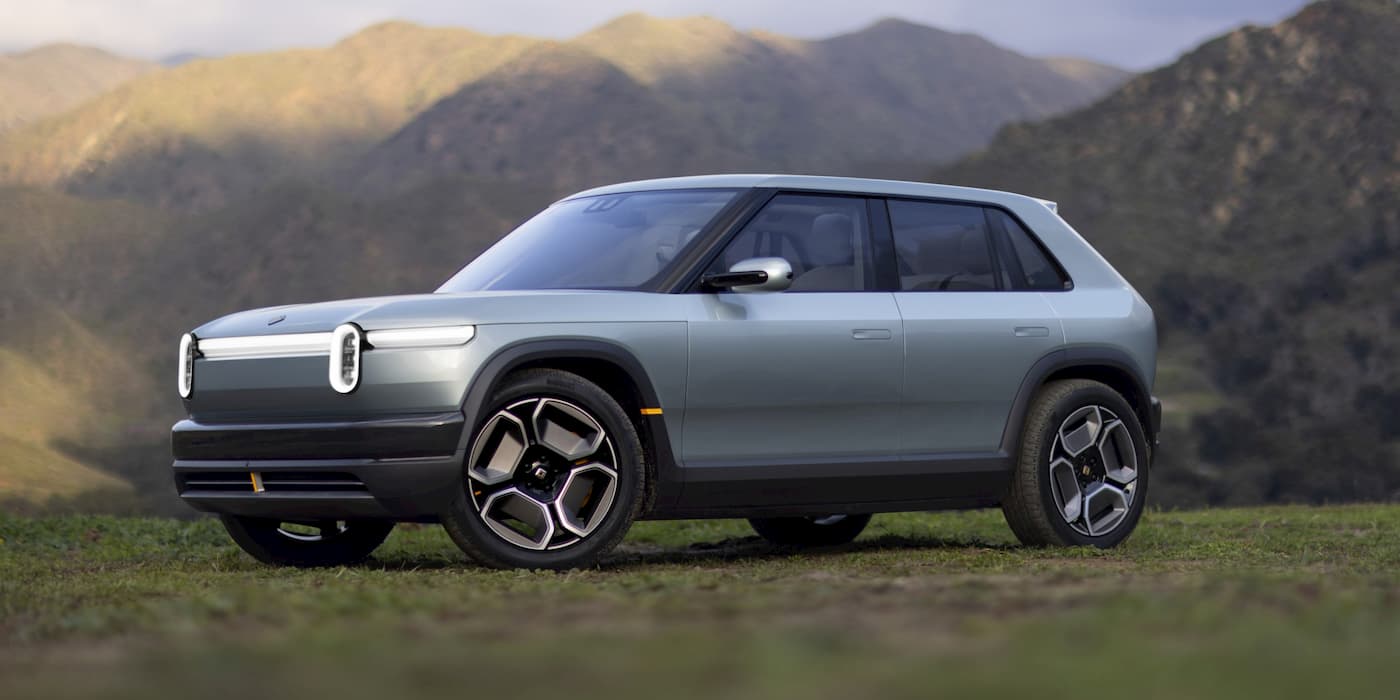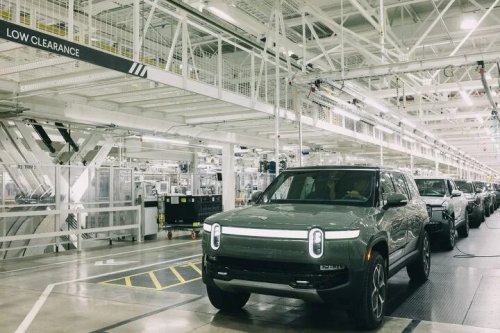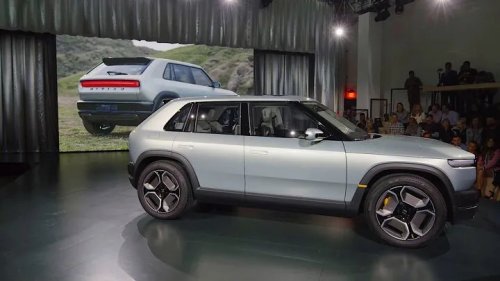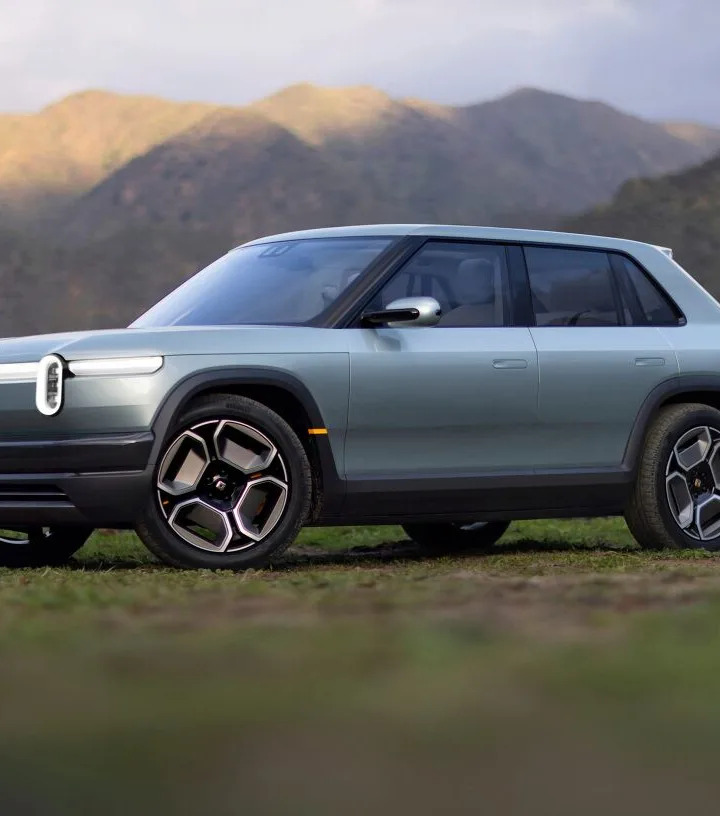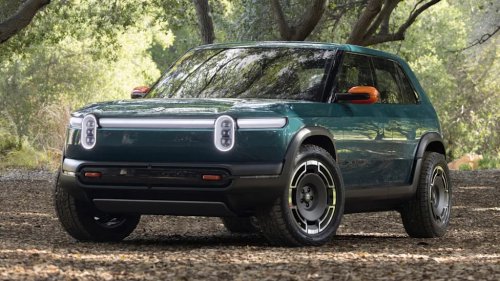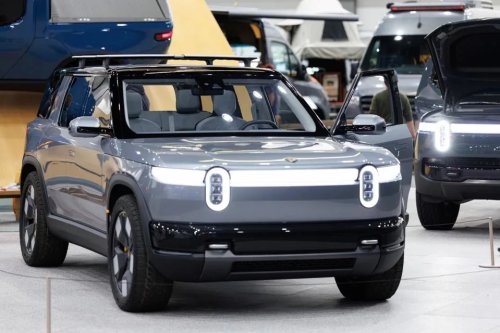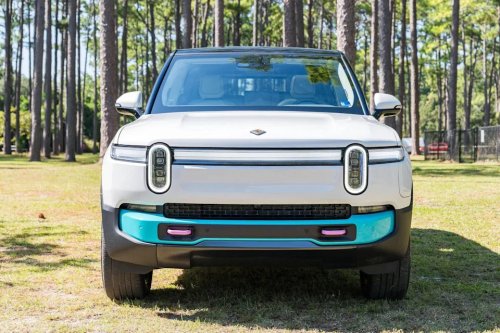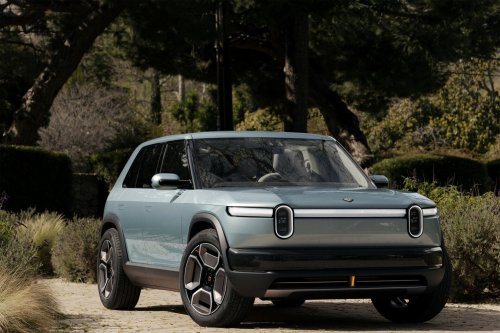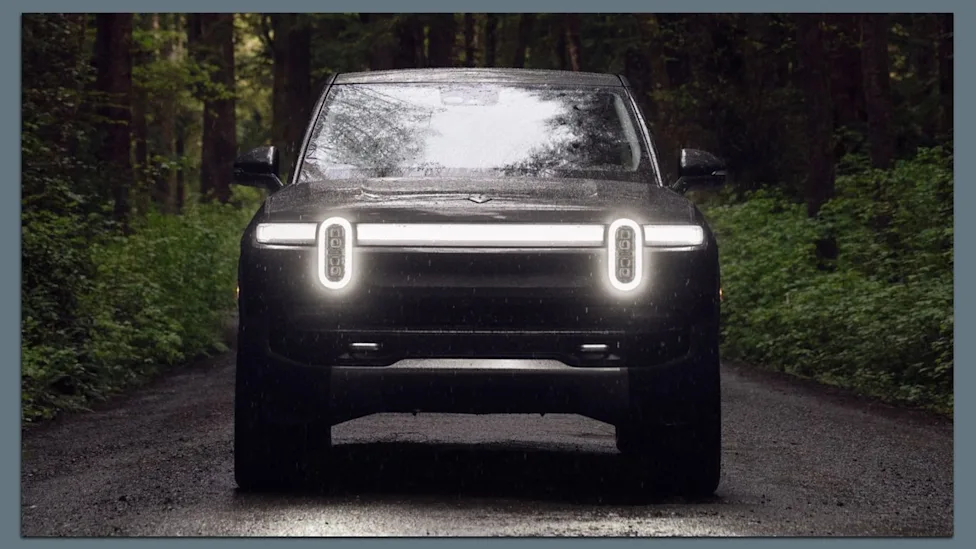

















Rivian's smart headlights. Image courtesy of RivianRivian's headlights lit up a family of raccoons on a pitch-black Wisconsin road, then reshaped their beam around another car to avoid blinding its driver, without dimming the road ahead.Why it matters: A decade after shape-shifting headlights changed nighttime driving in Europe, the technology remains remarkably scarce in North America — a case study in how U.S. regulations can slow the arrival of proven safety innovations.Driving the news: Rivian has made "adaptive driving beam" headlights standard on its new midsized R2, which went on sale in June.AdvertisementAdvertisementThe electric vehicle maker was the first to deploy ADB headlights in the U.S. in 2024, with its refreshed 2025 R1T pickup and R1S SUV models.Tesla is the only other manufacturer that offers them in the U.S. today, but just on newer vehicles equipped with its matrix LED hardware.The big picture: The U.S. legalized ADB headlights in 2022, years after they became mainstream in other markets.But most existing systems still can't be deployed here because U.S. standards are more restrictive, said Matthew Brumbelow, principal research engineer at the Insurance Institute for Highway Safety.The testing process itself is burdensome for carmakers, say U.S. executives at supplier Forvia Hella, whose ADB technology is on several European models."In fact, to meet the U.S. requirements, manufacturers would likely need to make a system that is more complex and less effective at the same time," Brumbelow told Axios.Between the lines: "Activating the feature in the U.S. is not simply a software update; it requires new hardware and the validation and system calibration that go with it to ensure full compliance with U.S. requirements," explained BMW spokesman Jay Hanson.AdvertisementAdvertisement"Everyone has to redesign their system," said Mark Dahncke, a spokesman for Audi, which introduced the world's first matrix LED headlamps in 2013 on the 2014 A8.Catch up quick: Headlights have changed a lot in recent decades, as anyone who drives at night knows.Halogen headlights, introduced in 1962, were the standard for about 30 years until brighter, bluish-tinted Xenon lamps arrived in the 1990s.Today's new cars typically come with much brighter, more efficient LED headlights — but they're also to blame for the blinding glare many drivers experience at night.ADB headlights are an improvement on existing LED systems. Rather than a single light source, they feature a constellation of pixelated lights that can be controlled with software to shape the projected light beam and shield other motorists from glare.AdvertisementAdvertisementRivian's solution — an advantage that comes from developing an entirely new electrical architecture — was to design glare-free ADB headlights from scratch to satisfy U.S. regulators."Because we own our perception software stack and in-house testing equipment, we trained and iterated our software every two weeks to pass every NHTSA scenario," a Rivian spokesperson said."What would take a traditional supplier-dependent OEM years to iterate, our team accomplished in months."How it works: Each headlight in the Rivian has 35 LEDs affixed to a printed circuit board.The vehicle's camera system continuously monitors the road ahead to detect oncoming headlights, trailing taillights and street lighting.When another vehicle enters the camera's field of view, the system dynamically turns off or dims only the specific LEDs pointed at the other vehicle, creating a moving "shadow box" around the car.Drivers can leave their high beams on, without blinding oncoming traffic.AdvertisementAdvertisementMy thought bubble: During a test drive of the new R2, I first noticed the unusually good visibility on road signs along I-43 heading north out of Milwaukee.Once I got onto the dark, two-lane roads in the Door Peninsula, I was truly wowed by the power of this technology.What we're watching: Audi's upcoming Q7 and Q9, due later this year in the U.S., will feature ADB headlights, Dahncke said.BMW too is working on a system that will pass muster in the U.S., the company tells Axios.Forvia Hella, meanwhile, expects its tech to be on additional vehicles in the U.S. over the next few years.AI is moving fast. Axios AI+ keeps you ahead. Sign up free at Axios.com.