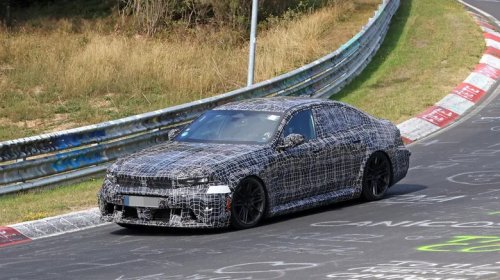
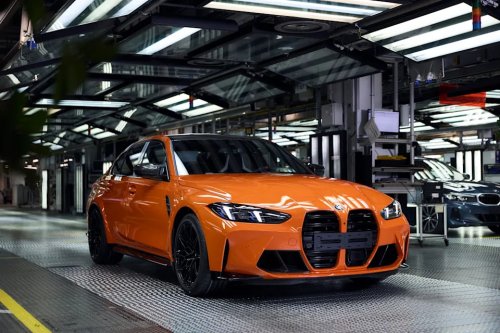
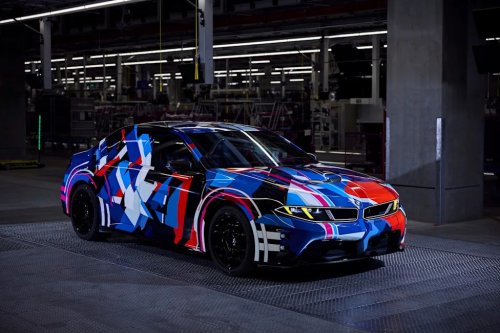
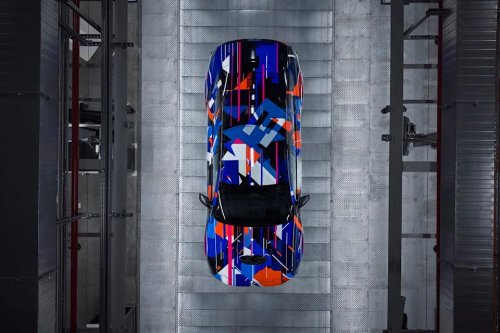
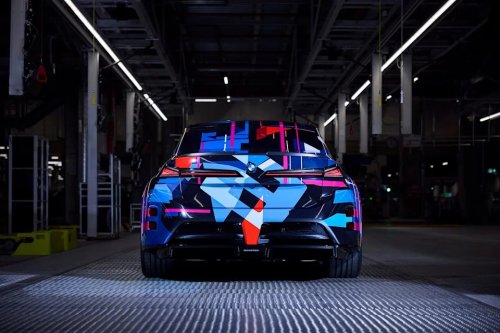
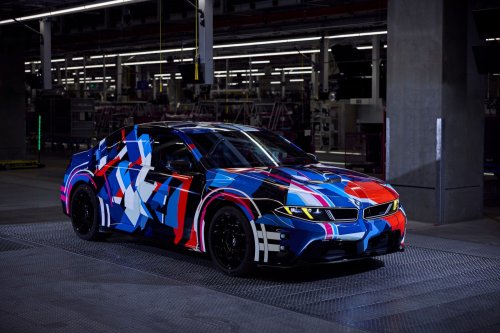
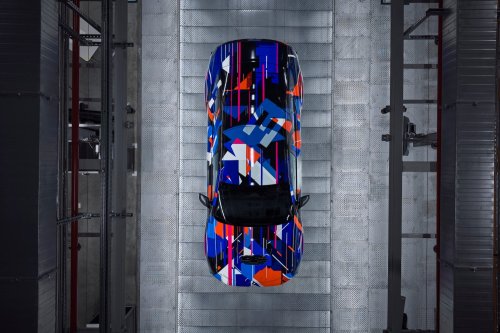
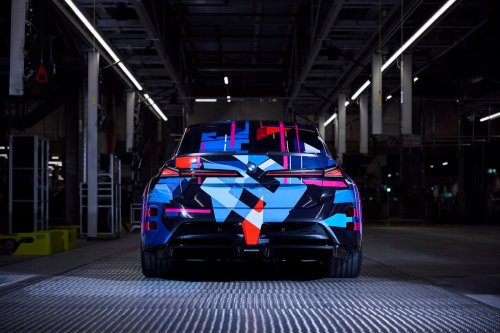
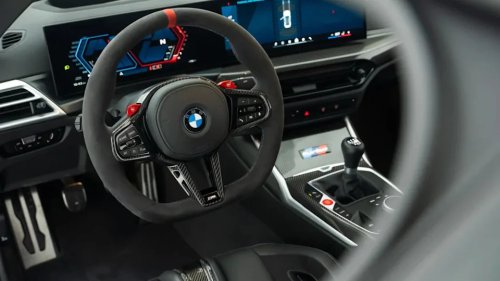
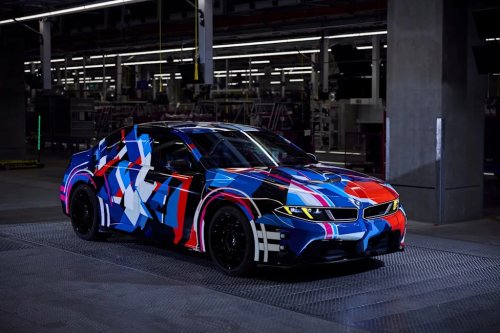
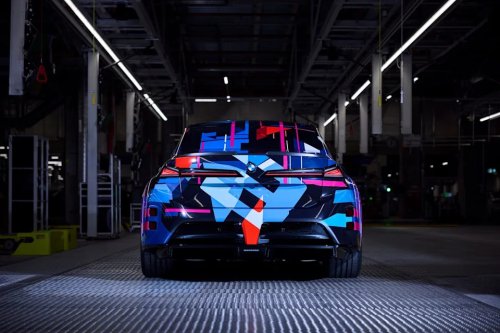
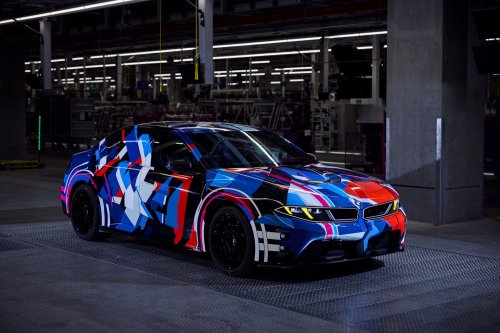
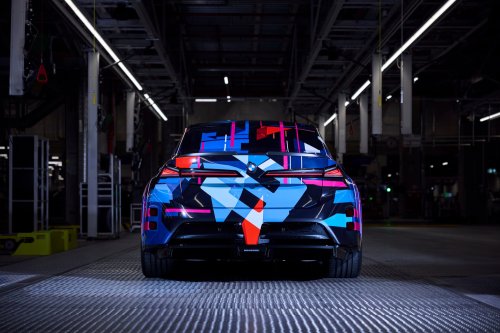
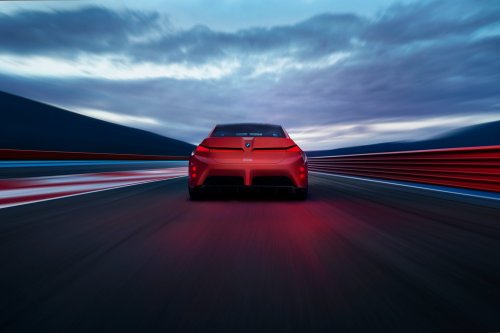
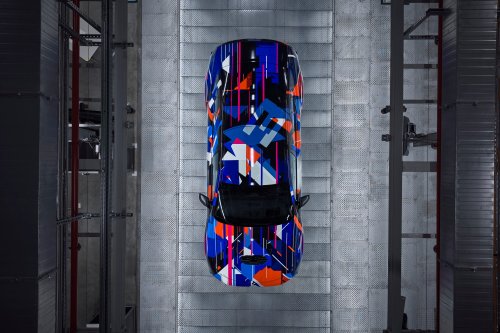
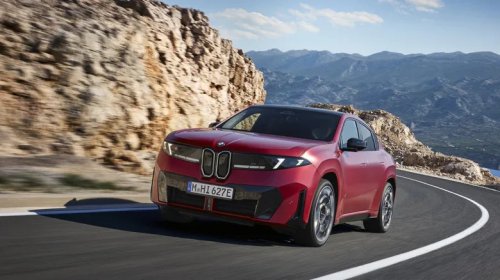
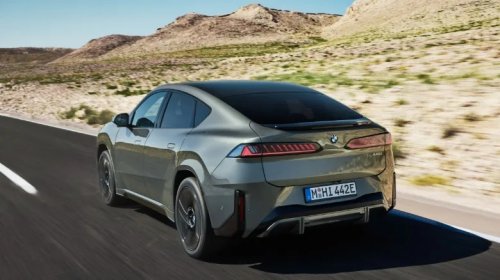
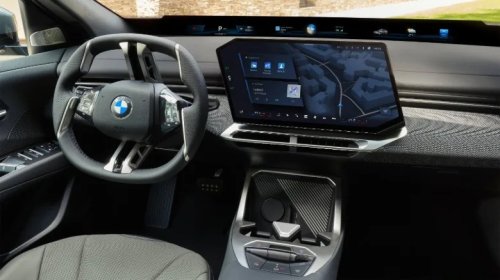
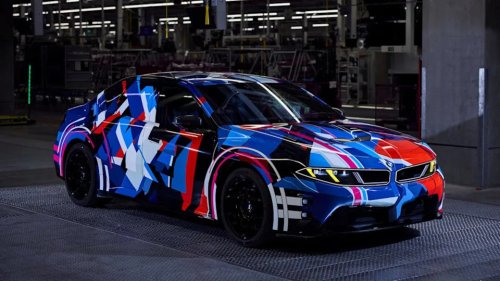
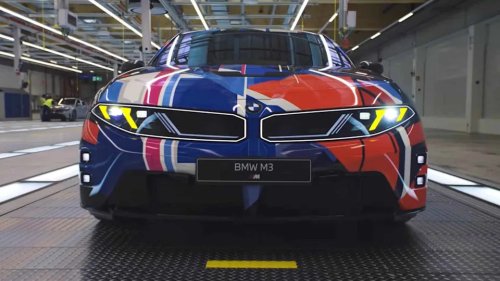
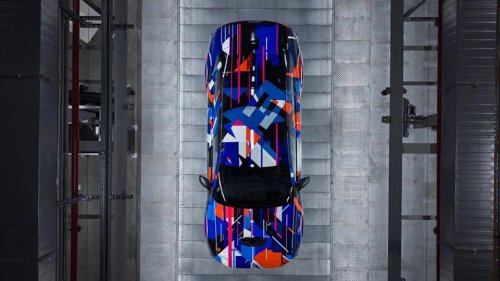
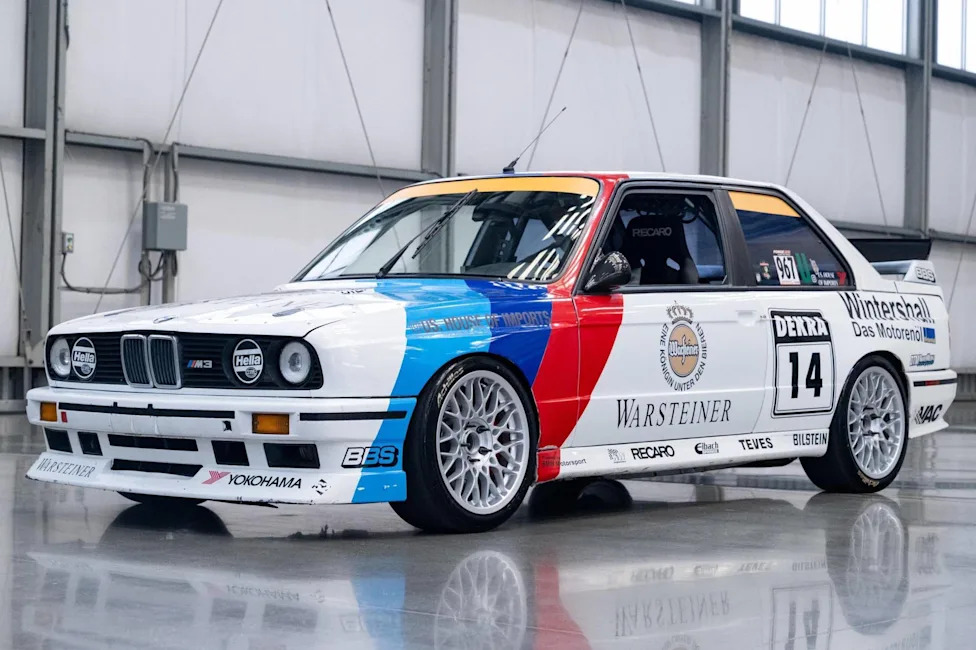
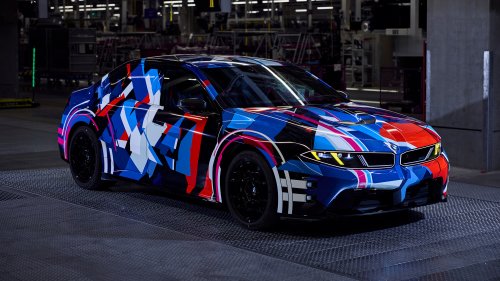
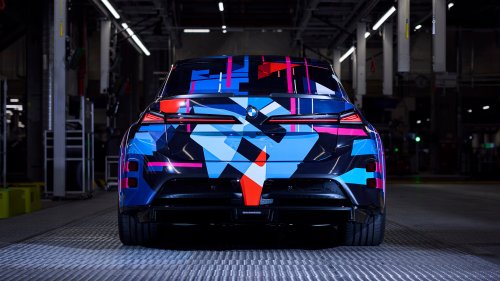
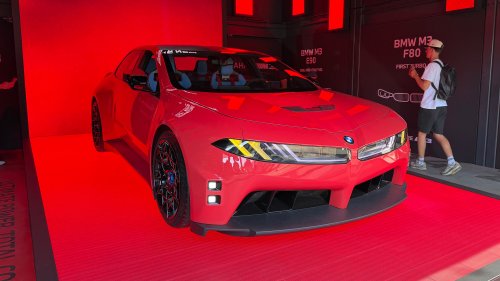
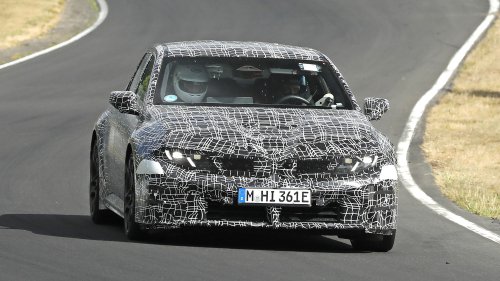
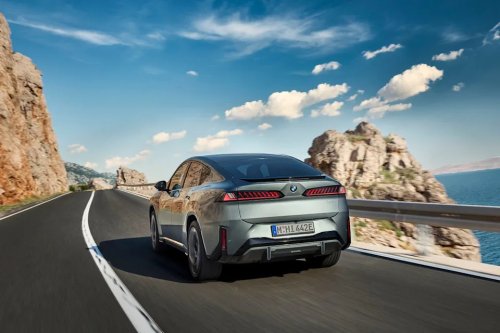
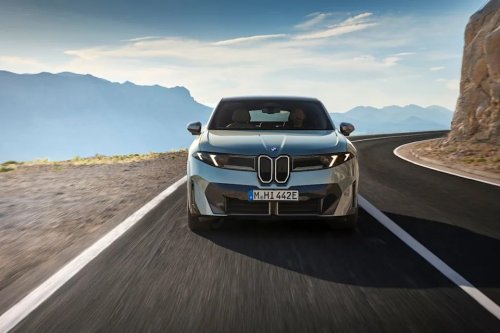
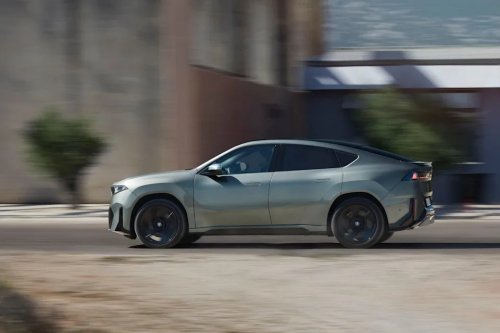
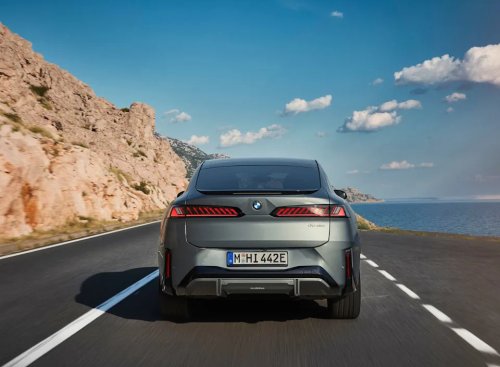
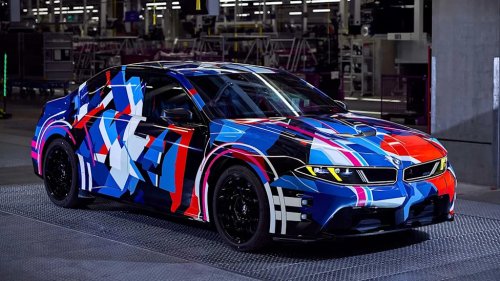
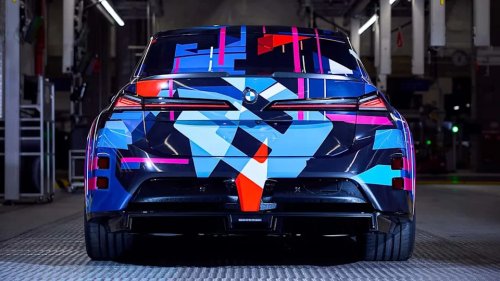
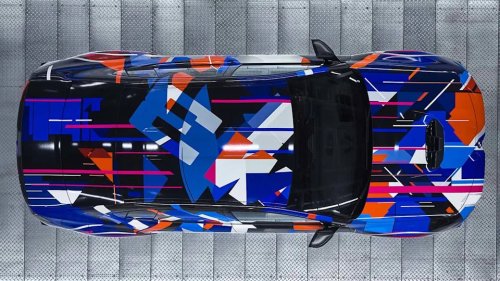
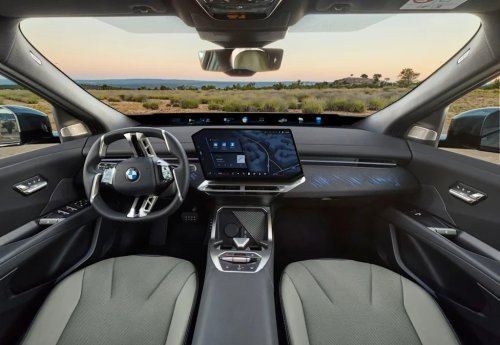
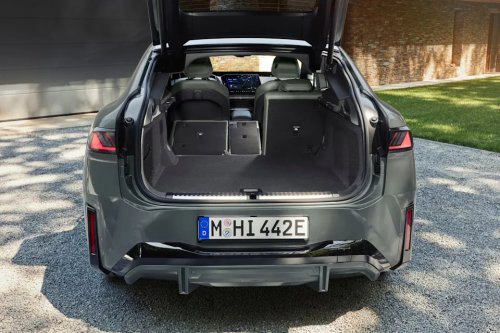
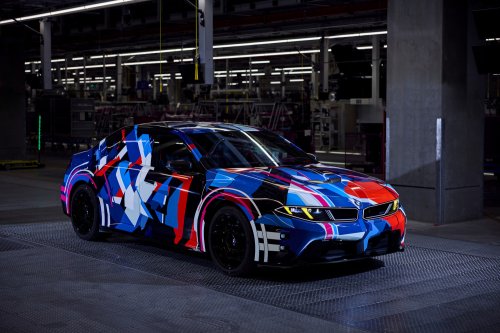
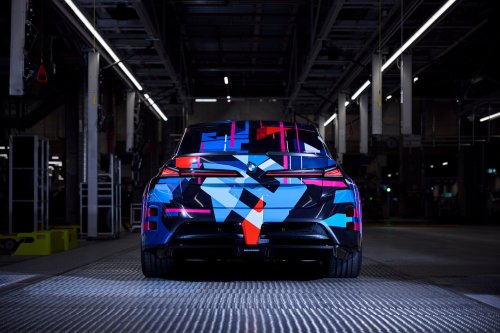
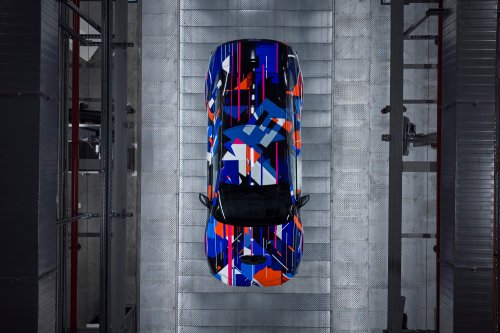
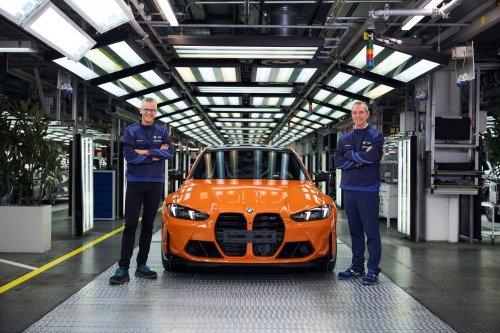
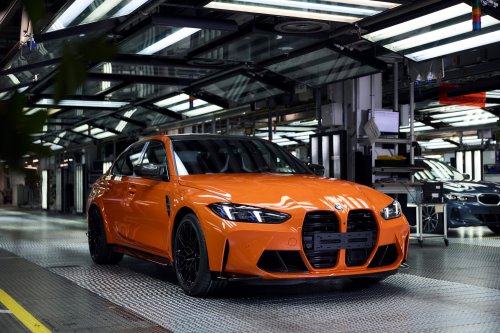
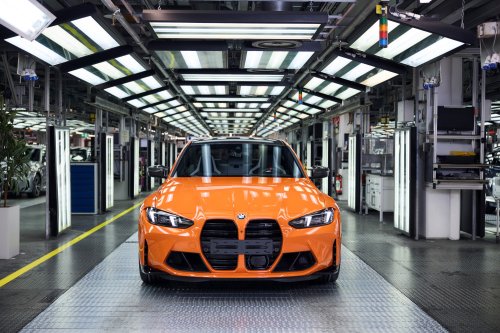
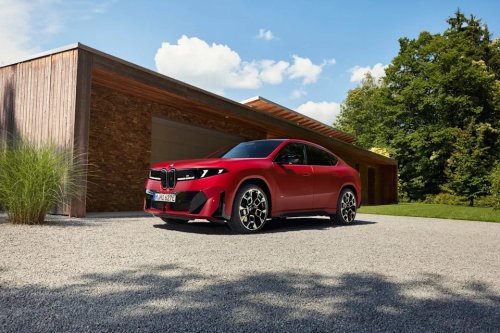
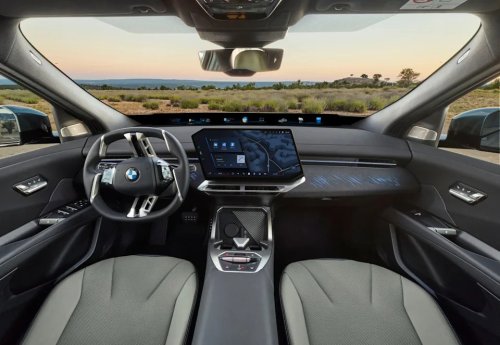
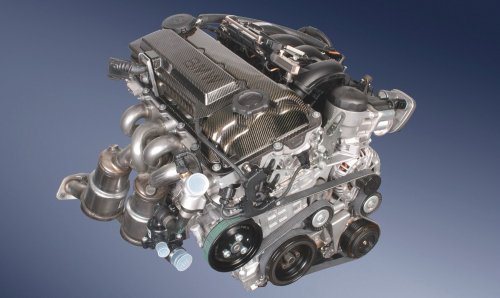
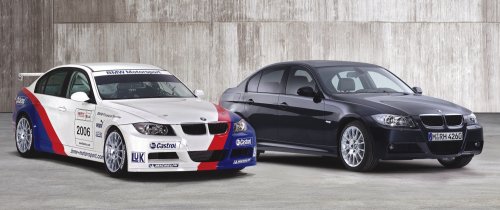
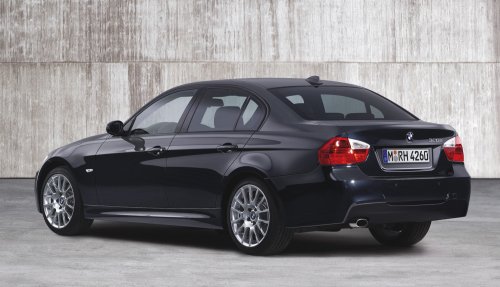
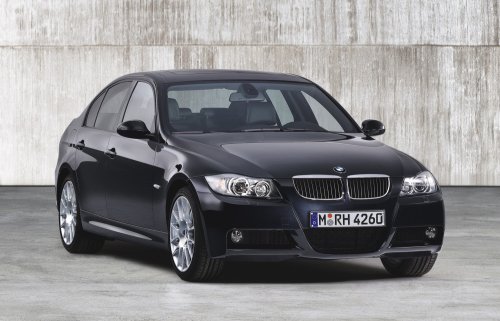
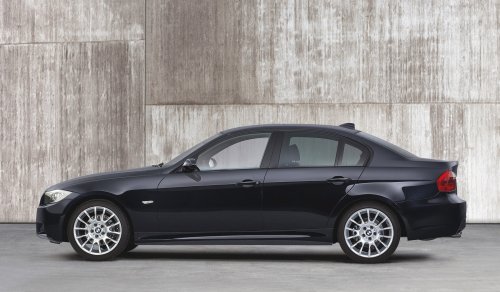
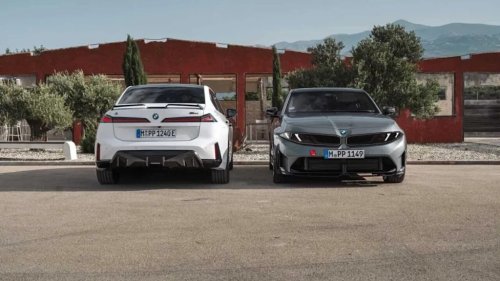
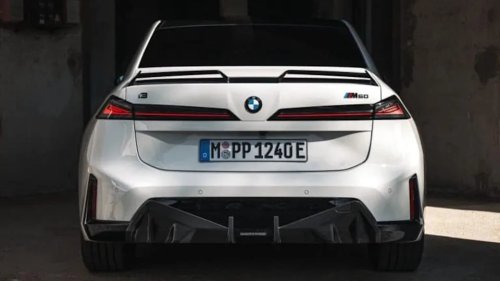
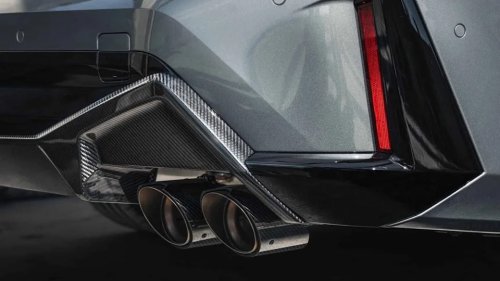
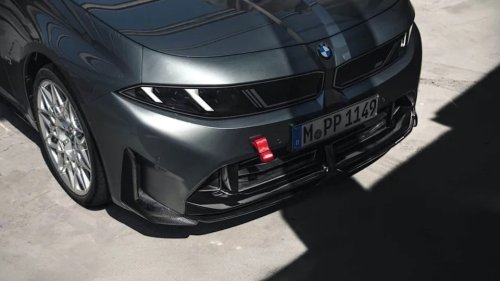
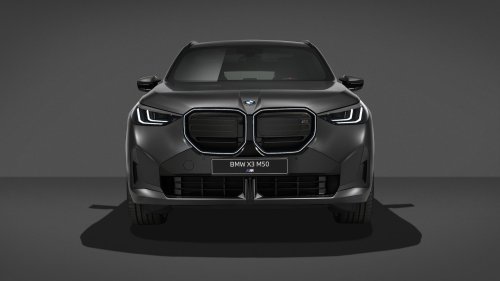
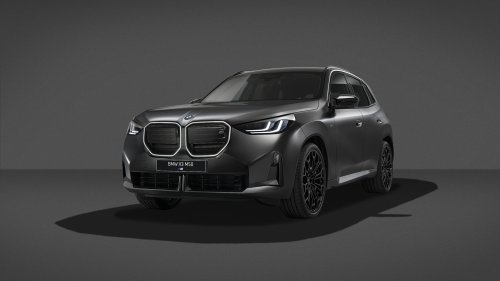
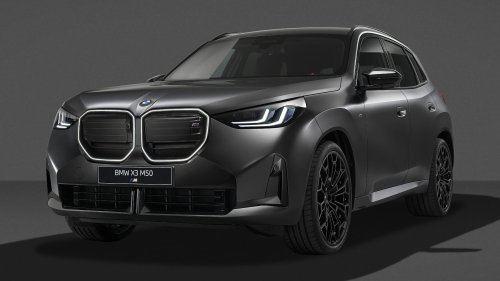
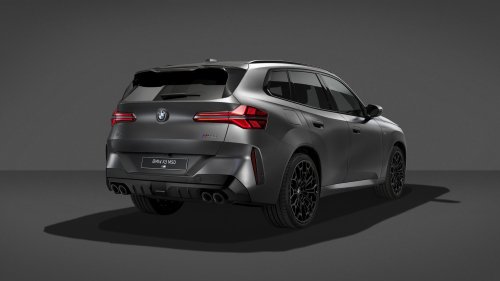
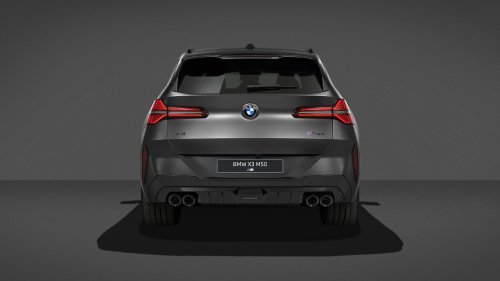
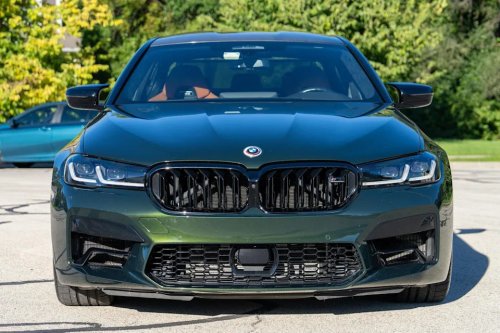
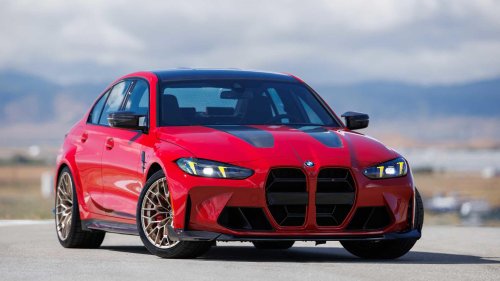
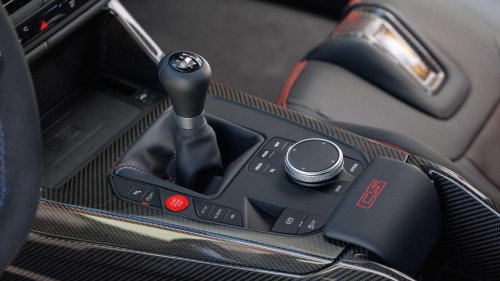
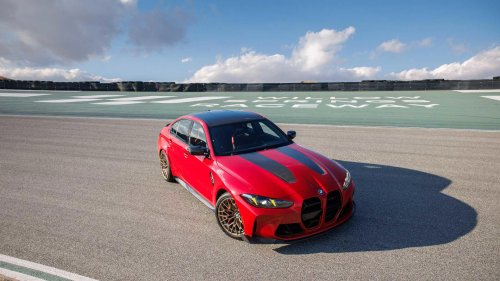
BMW just said bye-bye to its M3 with the reveal of a limited-edition model. The 2027 M3 CS Handschalter is exactly what the name suggests — a full CS-spec M3 with a three-pedal manual gearbox. That combination has never existed before in M3 CS history, and given that this car is the send-off for the sixth-generation platform, it will never exist again. The M3 CS Manual Nobody Thought BMW Would Ever Build Actually Delivers BMWThe significance here runs deeper than a simple transmission swap. The CS package represents the most aggressive, track-focused configuration BMW M offers for the road — reduced weight, sharper aerodynamics, stiffer suspension calibration, and a powertrain tuned beyond the standard Competition spec. Every previous CS variant shipped exclusively with the eight-speed M Steptronic automatic. Pairing the full CS treatment with a six-speed manual for the first and only time, on the final model year of the generation, makes this a genuinely finite object.BMWThe M3 CS Handschalter is built around the S58 inline-six, BMW M's twin-turbocharged 3.0-liter unit. In CS specification, output sits at 543 horsepower — up from the 503 hp of the standard M3 Competition. That power routes through the new six-speed manual transmission to the rear wheels only; this is a rear-wheel drive sports car, which aligns with the CS's track-focused philosophy and keeps weight in check.The CS package sheds mass through a combination of carbon fiber reinforced plastic body panels, lightweight forged wheels, and the removal of rear seats as standard. BMW has not published a final curb weight for the Handschalter variant specifically, but the automatic CS came in lighter than the Competition xDrive by a meaningful margin — the manual gearbox is itself lighter than the Steptronic unit, so the Handschalter should undercut even that figure. Aerodynamic additions include a more aggressive front splitter, enlarged rear diffuser, and a fixed carbon rear wing — the same visual package that makes the CS immediately identifiable from a standard M3. Why the Manual Changes Everything for This Spec BMWThe CS has always been the M3 for people who treat a track day as a genuine priority rather than an occasional indulgence. The irony of that positioning was that the automatic gearbox — fast as it is — filtered out a layer of driver involvement that purists specifically seek. A CS buyer who wanted three pedals had no factory option. They could buy a manual M3 Competition, or they could buy a CS, but not both.BMWThe Handschalter closes that gap permanently, and the timing is pointed. BMW has confirmed this is the generation-ending model, which means the sixth-gen M3 — the G80 — bows out with the most driver-focused specification it ever offered. The manual gearbox in this application is not a concession to nostalgia; it is a deliberate choice to maximize engagement in a car already calibrated for the driver who wants to feel everything. The Collector Case Is Already Writing Itself BMWCars that combine 'first time ever' and 'last time ever' in a single sentence tend to hold value. The M3 CS Handschalter is both — the only CS manual ever built, on a generation that ends with this model year. Low-mileage examples will almost certainly command premiums over sticker once the new generation arrives and buyers realize the window has closed.BMW has not announced U.S. pricing for the Handschalter at the time of reveal, but the automatic CS carried a starting price well above $100,000 when it launched. The manual variant is unlikely to be cheaper. For collectors, the calculation is straightforward: a factory-built, warranty-backed M3 with the most aggressive package the model ever offered and a transmission that will never appear in this combination again. The used market will reflect that eventually.The sixth-generation M3 has had a long and well-argued run. The Handschalter is a fitting close — not a nostalgia play, but a genuine enthusiast specification that BMW held back until the end, which somehow makes it feel more considered rather than less.





















 +32 others