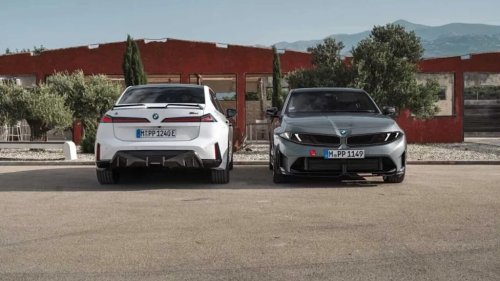
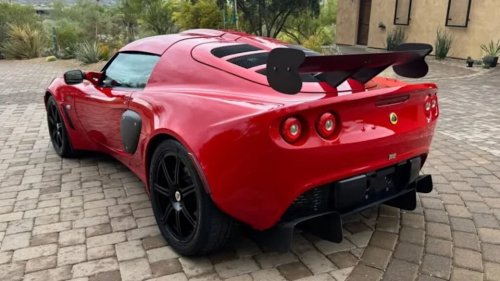
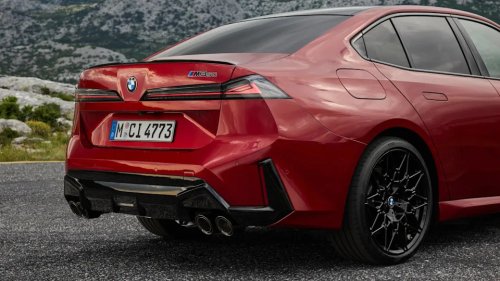
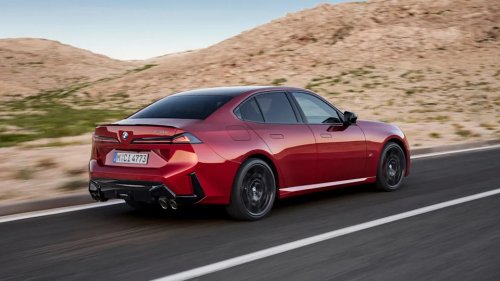
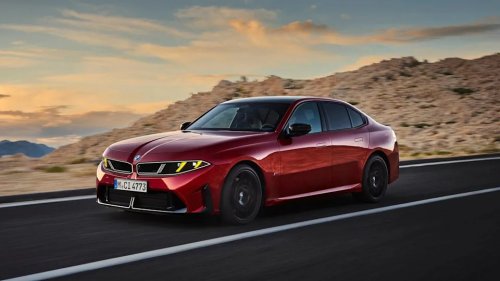
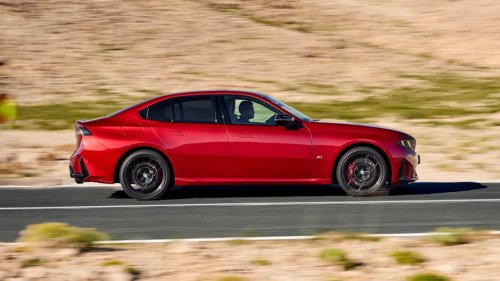
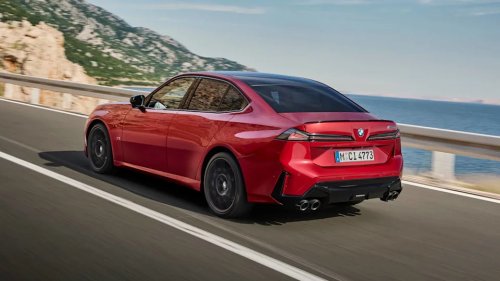
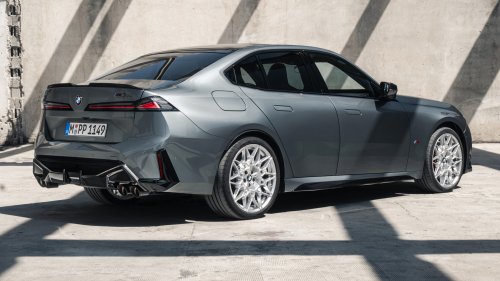
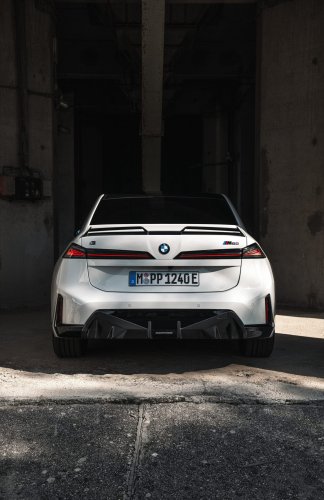
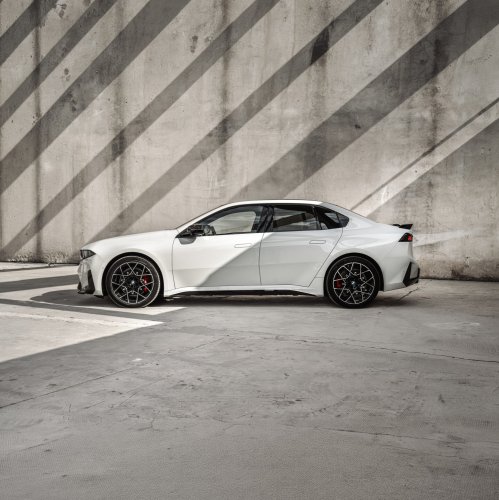
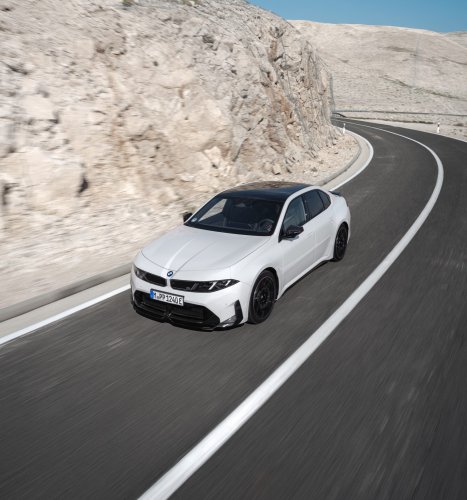
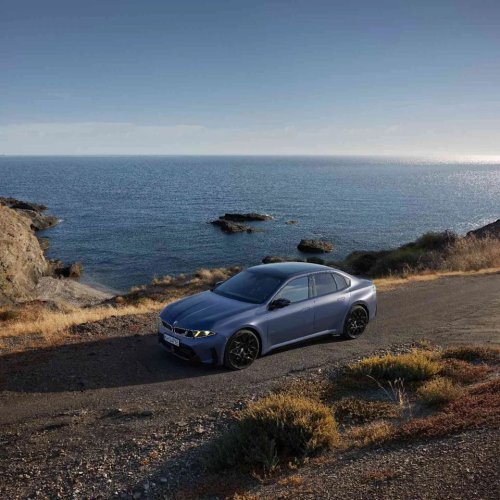
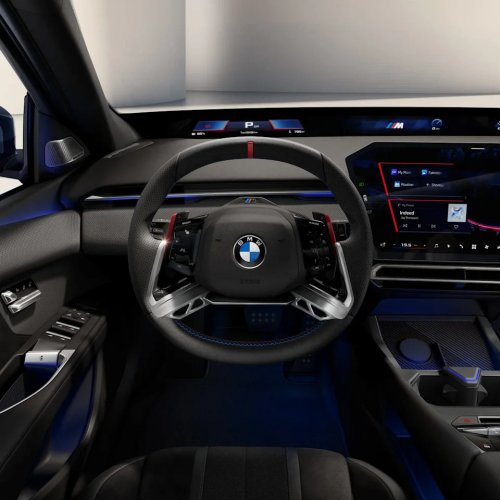
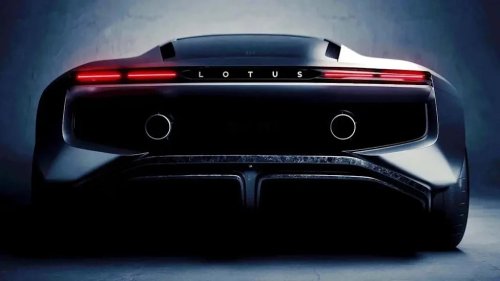
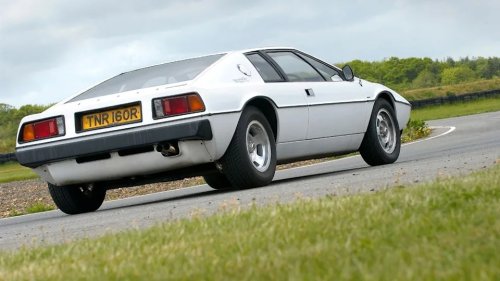
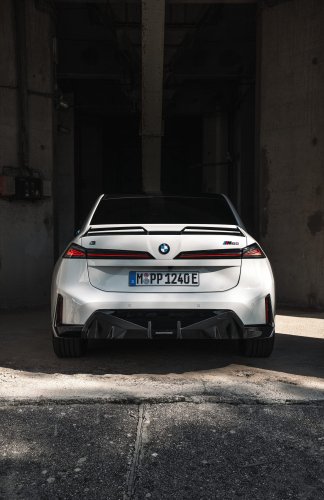
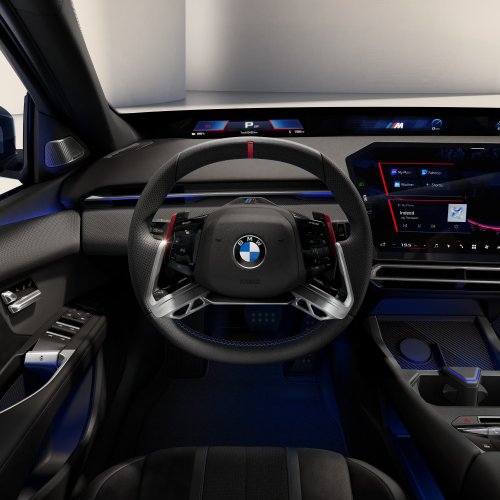
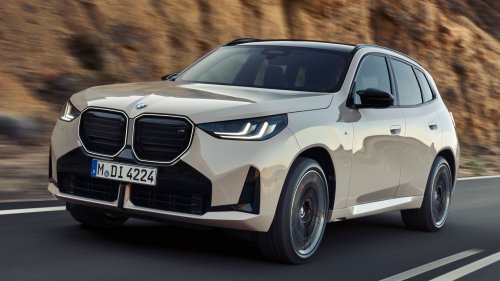
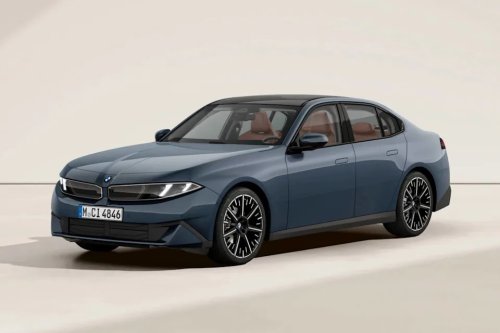
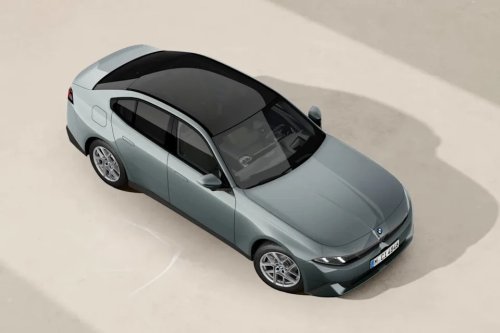
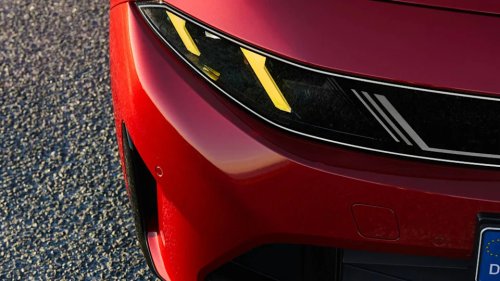
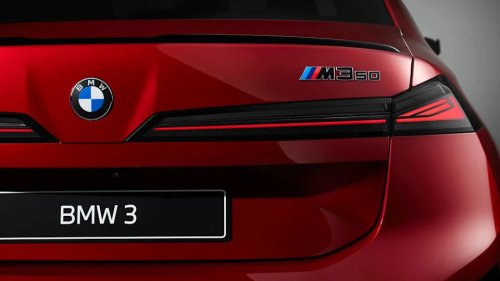
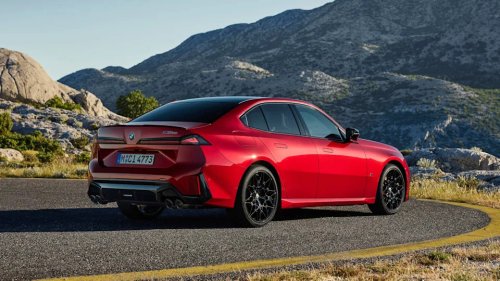
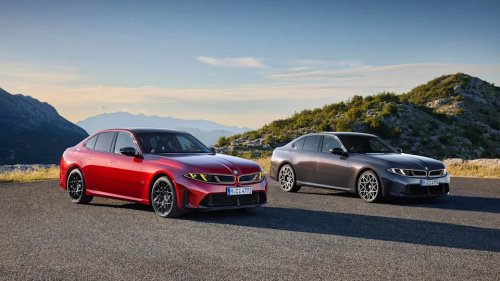
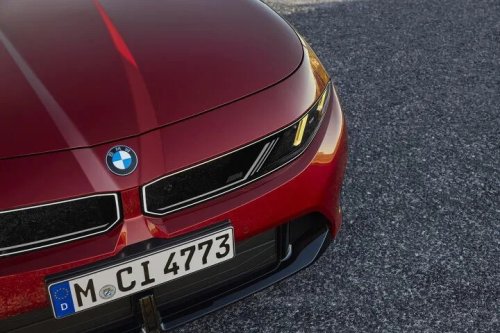
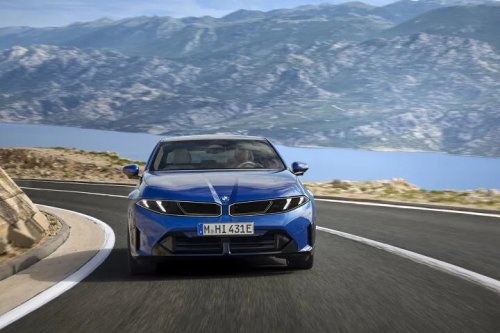
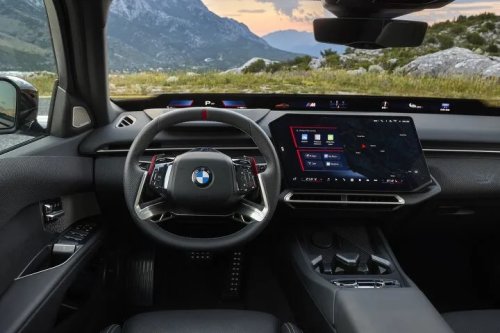
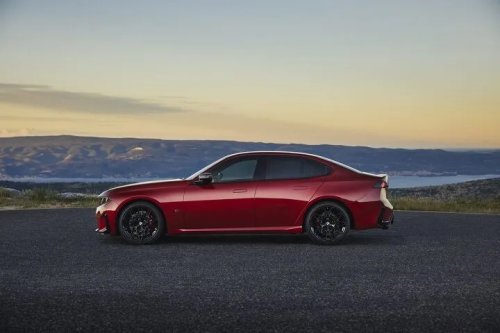
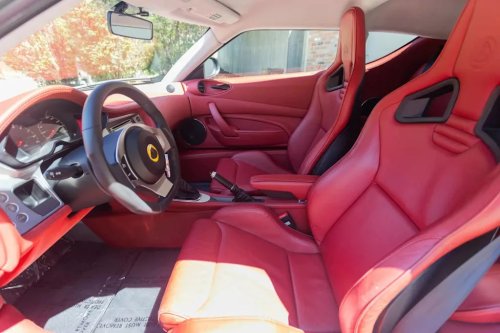
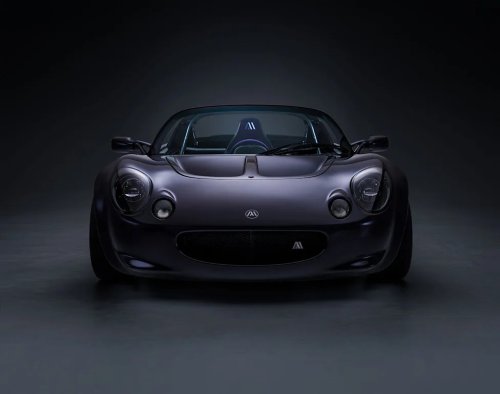
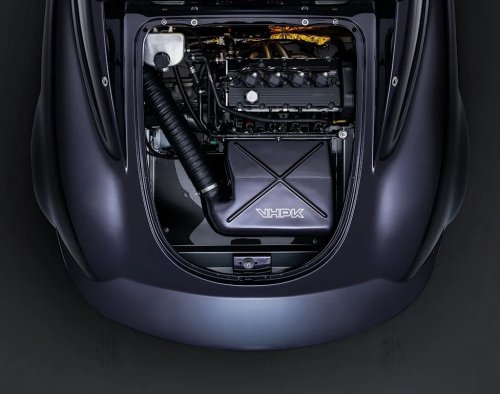
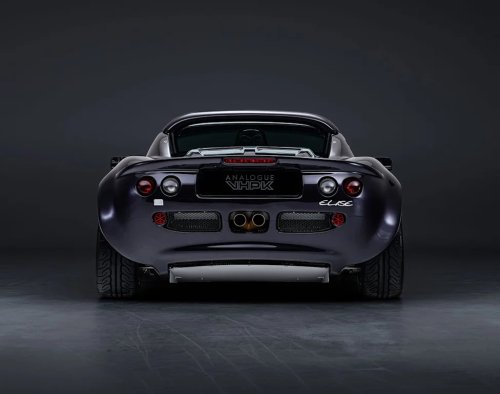
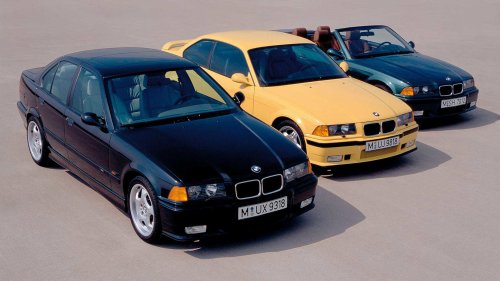
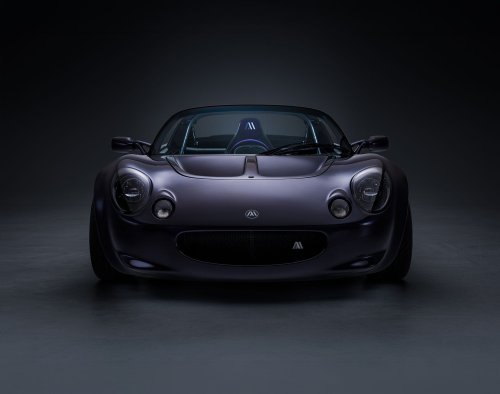
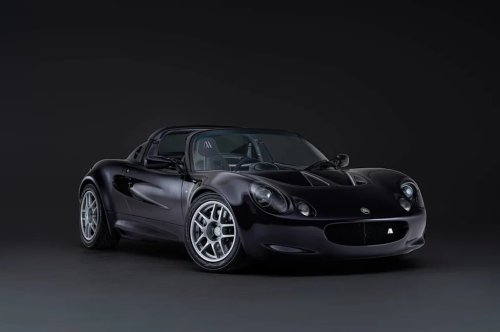
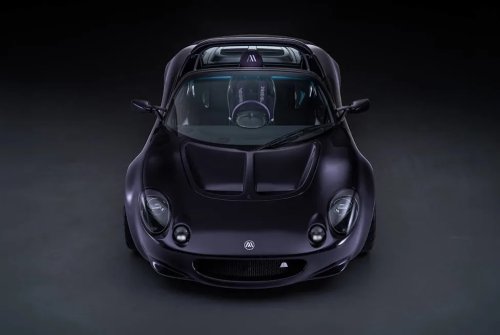
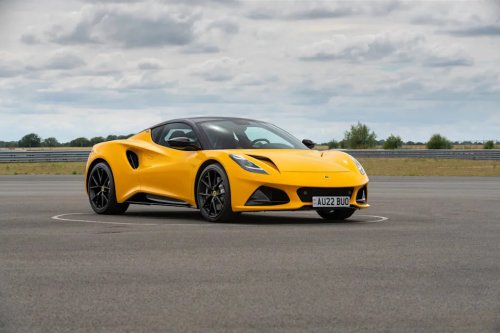
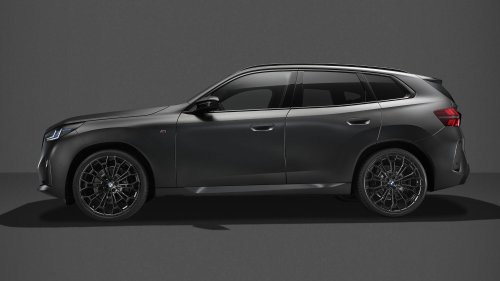
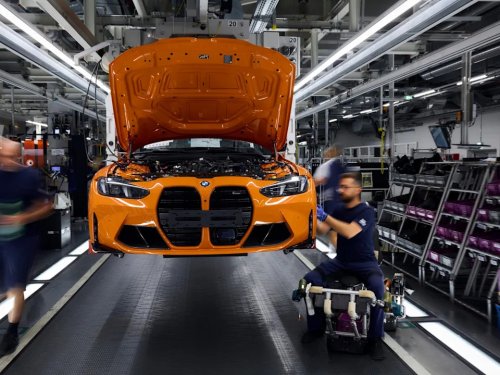
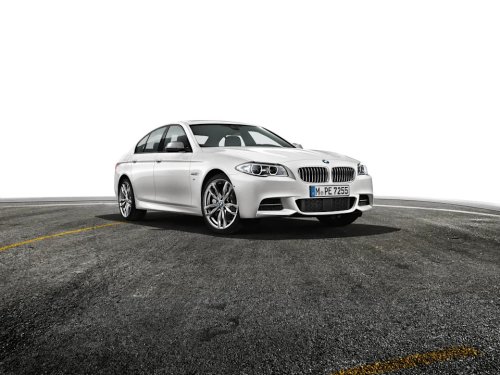
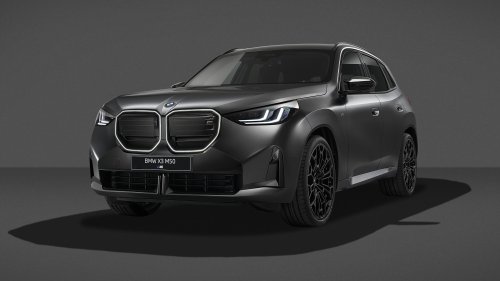
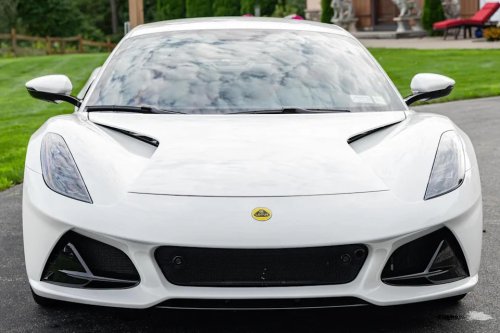
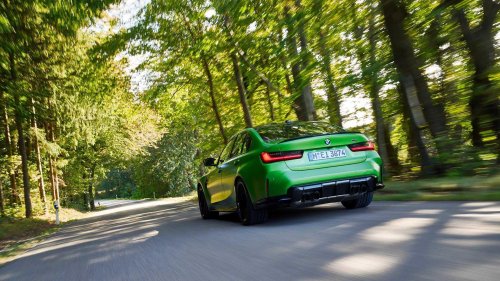
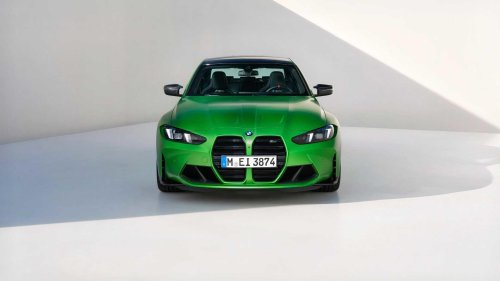
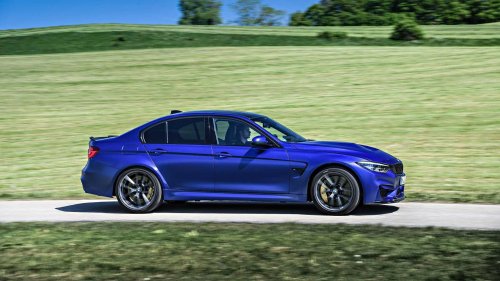
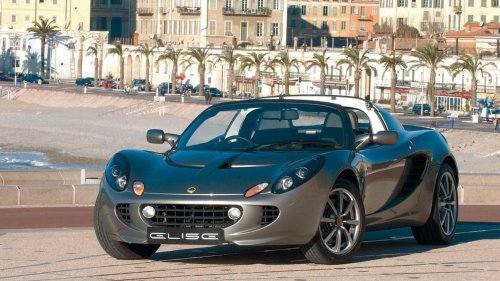
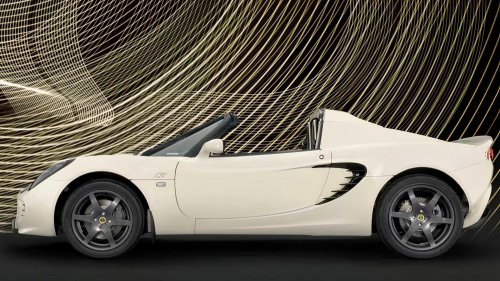
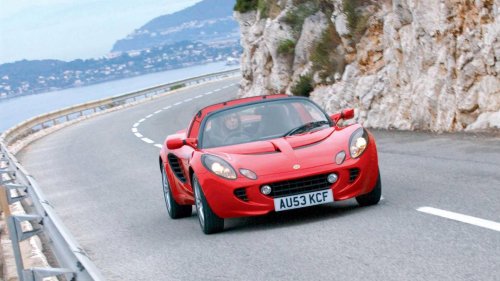
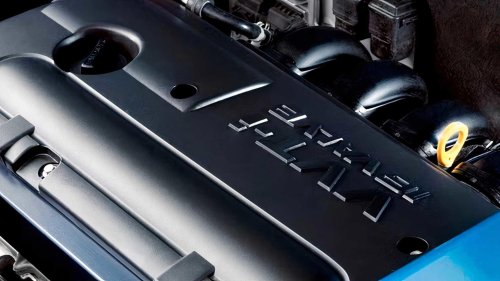
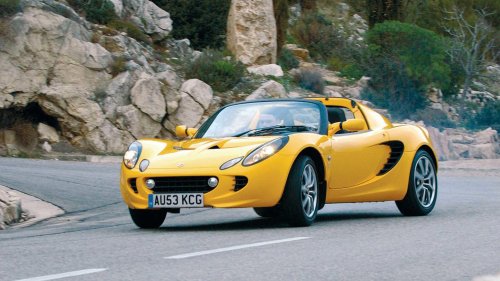
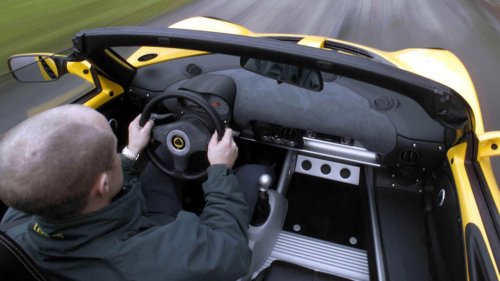
There’s a (nearly) irrefutable law to new car buying. It’s a law of compromise. In short, you’re only going to get so much driver’s car with a limited budget. The same goes for luxury cars or bleeding-edge performance bragging rights. Now, stripped-down little sports coupes like the Toyota GR86 and Subaru BRZ do offer driver’s car delights without luxury car-level price tags. But for the most part, you have to spend big to tick all of your boxes when it comes to apex-clipping and corner-carving sports cars.Take the BMW M3, for example. It’s an absolute staple in the executive performance sedan segment. The latest M3 Competition xDrive will pull off simply mind-blowing feats, like a sub-three-second sprint to 60 mph. However, it will also demand the better part of $90,000 before adding options. There’s good news, though: you can get one of the most thrilling Lotus models out there for a whole lot less than a new BMW M3. Or even a used one, for that matter. That’s right; a razor-sharp British sports car with pedigree, rarity, and a wallet-friendly price tag. The BMW M3 Is A Driver’s Car Staple, But It’s Not Alone BMW Believe it or not, the BMW M3 is six generations and 37 years old. During that time, the M3 has evolved from a homologation special into a 523-horsepower super sedan in the G80 M3 Competition xDrive trim. It’s not hyperbole to call the M3 an icon in its segment. Even previous generations, like the F80 and E90, made their mark on the sport sedan market, though the previous three generations each have their critics when it comes to aesthetics.BMW That goes doubly so for the G80’s infamous buck-tooth fascia. Beaver jokes aside, the M3 is a force in the segment, but it’s not alone. Audi has the S5, Mercedes-AMG has the C63, and Cadillac has the simply fantastic CT4-V Blackwing. And beyond the sports sedan segment, dedicated sports cars ditch the added practicality for a lighter curb weight and seductive styling. Driving Thrills For Less BMW Granted, the two-door sports car market isn’t as populated as it once was. But that doesn’t mean you can’t find M car-fighting driving dynamics for a whole lot less than the price of a new Bimmer. That much is especially true if you’re willing to look at the used car market. Fortunately, there’s an option from none other than the storied British marque: Lotus. And you don’t have to look very hard to find one for a bargain compared to the price of a G80 or F80 BMW M3. Just don’t expect the sort of practicality you’d find in the M3. The Series 2 Lotus Elise: Relatively Cheap, Extremely Cheerful Lotus “Simplify, then add lightness.” That’s the sort of mantra Lotus founder Colin Chapman applied when building class-dominating race cars. The same approach applies to many of the British marque’s road-going models. Enter the Series 2 Lotus Elise, one of the brand’s finest featherweight fighters with a master-the-basics way of doing things. For starters, the little Elise, specifically the 2007 model, rides on a 90.5-inch wheelbase and weighs just 1,975 pounds. You read that right.Lotus In short, the S2 Elise, available in the U.S. market from 2005 to 2011, is small and light. So small and light that it’s quite the athlete on the track and around the canyons. In standard form, the Elise produced 190 horsepower courtesy of a 1.8-liter Toyota 2ZZ-GE four-cylinder engine born of a collaboration between Toyota and Yamaha. Yes, you read that right, too. Not enough? Lotus added an SC model (meaning supercharged) in 2008, bumping horsepower output up to 218. But we’re going to focus on the naturally aspirated S2 Elise. Cheaper Than An M3 Lotus So, just how affordable is a Series 2 Elise? Well, the average sales price over the last 12 months puts a typical Series 2 model at $42,266. However, decent examples with relatively low mileage can be had for less than that. For instance, a clean-title 2007 Lotus Elise with 56,000 miles on the clock sold on Cars & Bids for $39,500.That’s a whole lot less than you’re likely to spend on any clean-title G80 or a low-mileage F80 M3. Of course, just because the price is low doesn’t mean you’re in the clear. A 48,000-mile 2008 Lotus Elise SC sold at auction for $36,500 last month. And while that sounds like an absolute steal, it does have a salvage title. Japanese Power, British Lines Lotus As part of the update from Series 1 to Series 2, the Elise got an aggressive new look. Gone were some of the cuter aesthetics of the previous generation in favor of extraterrestrial-looking headlamps and a compact British sports car body. As for engine bay upgrades, the Lotus-tuned Toyota 2ZZ-GE mill raised the redline to 8,200 RPM in U.S. market examples. European models got an even higher rev range, topping out at a sport bike-esque 8,500 RPM. You won’t find that in a new BMW M3.It’s happiest at high revs, too. The Toyota-Yamaha four pot’s high output cam profile doesn’t wake up until it reaches 6,200 RPM. Peak torque doesn’t even come on until 6,800 RPM. To get the most out of your S2 Elise, you simply must rev it. Then again, what would you expect from an engine developed in a collaboration with Yamaha? A Natural Track Star Lotus The merit of all this lightness, tautness, and the rev-happy Lotus x Toyota x Yamaha collaboration engine is never as evident as it is on the track. Lotus’ wee weapon handles itself with complete composure on the circuit. And speaking of handling, the S2 Elise’s steering might just be one of its finest points. You won’t find power steering here. Before you start groaning about parking lot maneuvers, the Elise’s slight curb weight simply doesn’t require it. That, and the delightfully old-school steering, is direct and laser-accurate without the addition of power steering. Paired with a cat-like mechanical grip, the Series 2 Elise is a proper track day companion. So, Should You Buy One? Lotus There’s good news and bad news. Starting with the bad news: the S2 Lotus Elise was a cheaper proposition around the time of COVID. According to price data from Hemmings, the 2020 market saw average pricing at the high $20,000 mark. Today, they’re typically much pricier. Now for the good news: they’re still fantastic driver’s cars for the money. In fact, you’ll be hard-pressed to find many cars that deliver the same driving dynamics at the price point. Of course, even with a Toyota engine in the mix, you’ll want to get a reputable independent pre-purchase inspection before buying any aging European sports car.Sources: Lotus, Bring a Trailer, Cars & Bids, Classic.com, Edmunds, Hemmings



















 +52 others