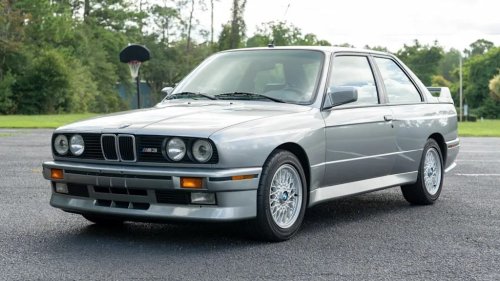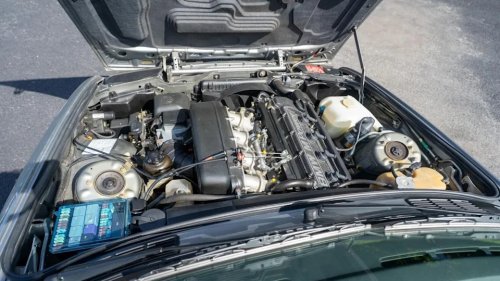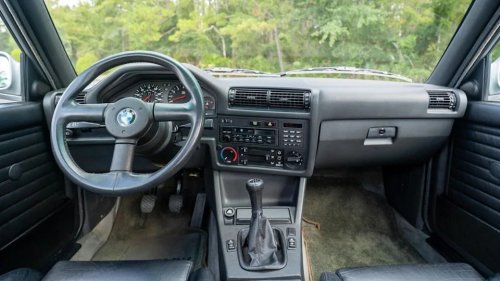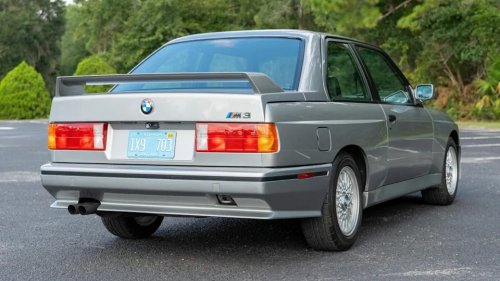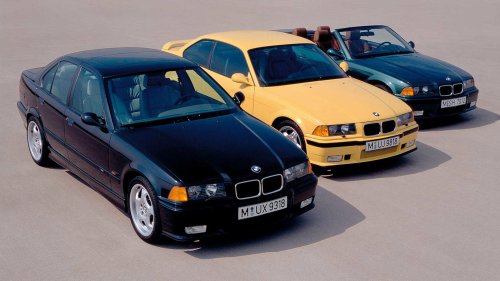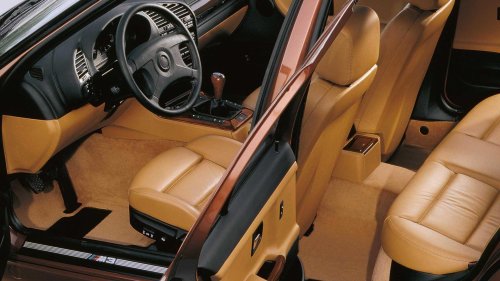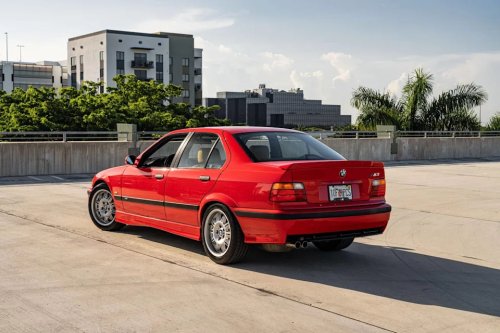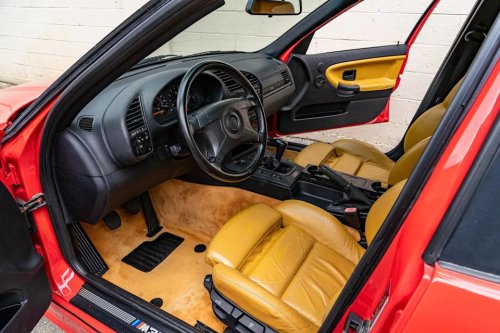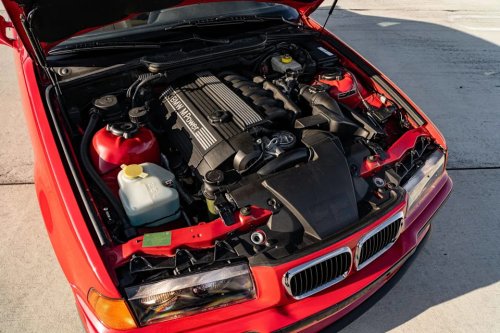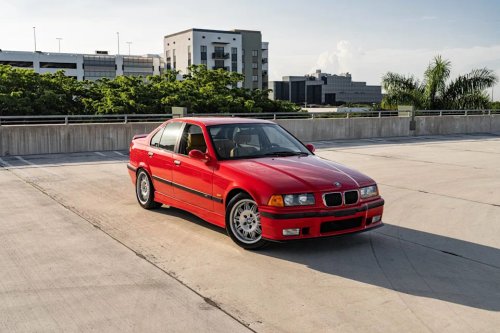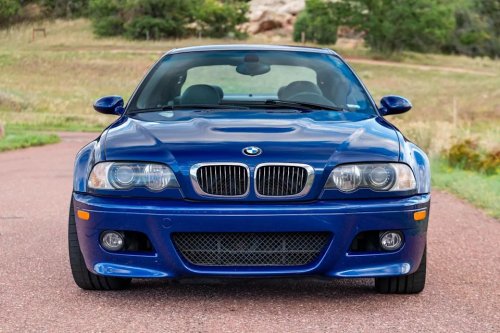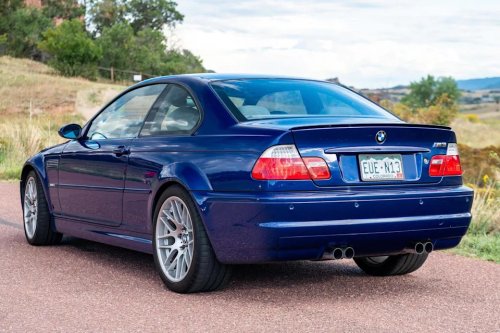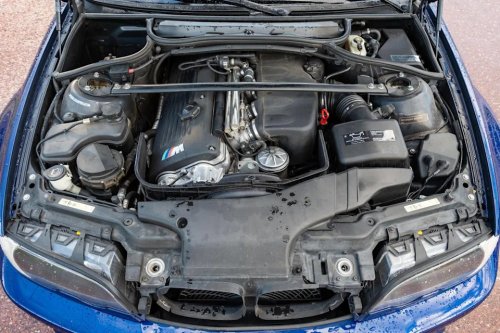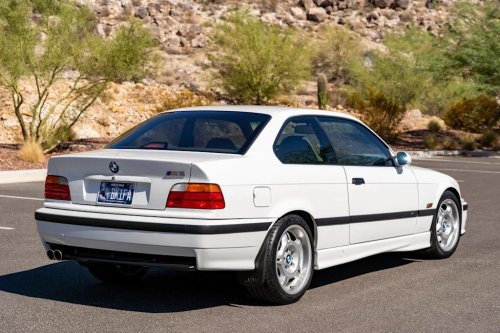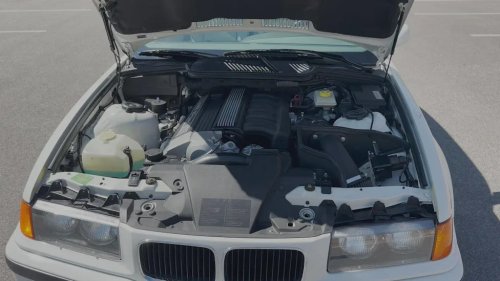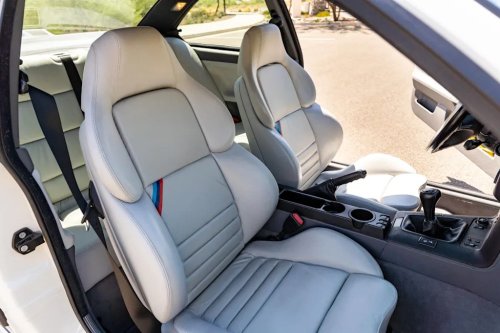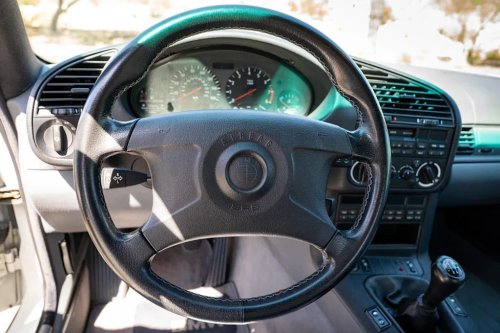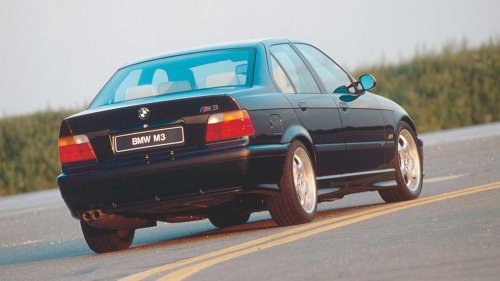
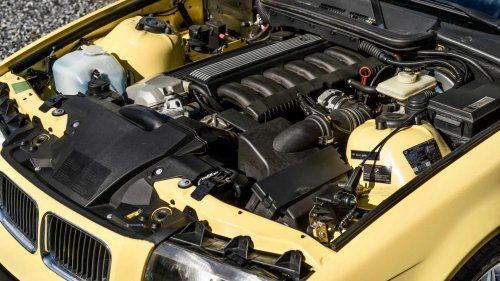
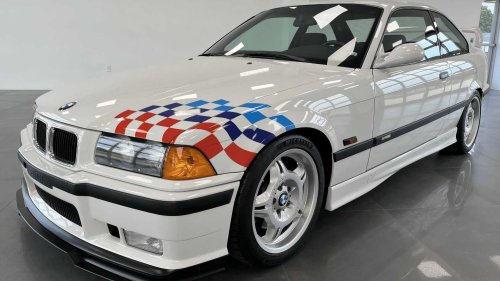
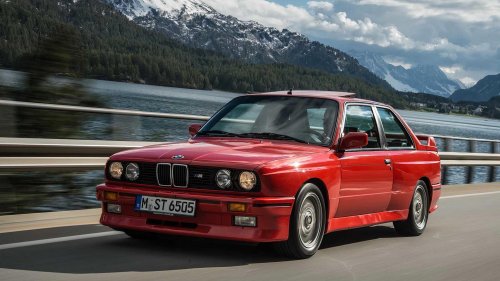
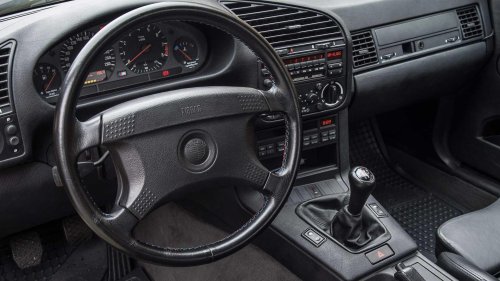
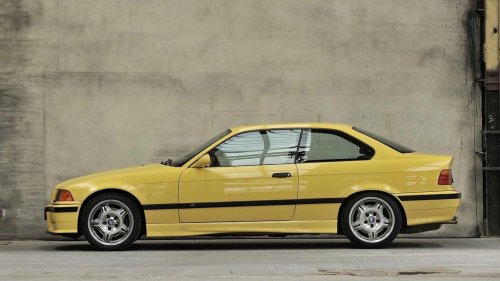
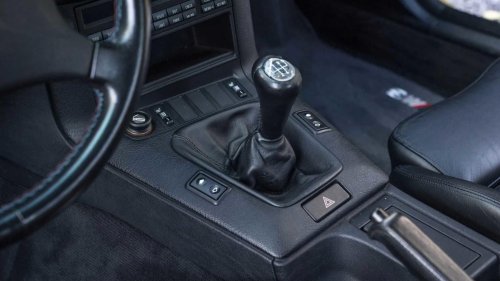
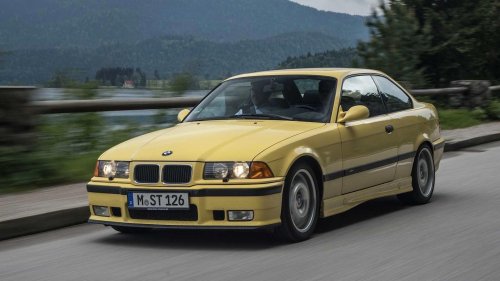



















Jump LinksA Styling Departure From Its PredecessorA Timeless InteriorE36 Running CostsHow much does a 1995 BMW M3 cost?How much horsepower does a 1995 BMW M3 have?What is an E36 M3 worth?When BMW announced the successor to the legendary E30 M3 in 1992, every enthusiast was jubilant. However, back then, it had no plans of getting it to the US market. Then, in 1995, it was finally announced that the E36 M3 was coming to the USA, but with a twist. It was going to be a de-tuned version of its European counterpart, but that was far from the entire story.Despite all that, the E36 is still one of the best performance sedans ever made by the company. With the rise of electrification and a period of uncertainty for performance enthusiasts, is this the right time to look at the past and buy a BMW M3 1995? Here is your comprehensive guide to find out if the 1995 M3 is the right fit for you. They are not as expensive as you would think!We've used reputable sources to determine the value of the BMW E36 M3 and its reliability record. As with any used car purchase, your results may vary and CarBuzz advises used-car buyers to do due diligence before buying. A Brief History Of The BMW E36 M3 A Shaky Start In The US Market BMW When the 1995 BMW M3 reached American shores, it did not feature any of the standout qualities of its European counterpart's S50 inline-six engine - no individual throttle bodies or high compression, or even the 320 hp in the later Evolution forms. BMW feared it would be too expensive for the US market, similar to the E30 M3, which was born from motorsport but sold in limited numbers. It wanted the E36 to be different, to be more approachable and practical and made for the road.The E36 the US finally got had a modified 325i's engine. The US E36 M3's horsepower was limited to 240 hp and the engine is now called the S50. However, what it lacked in power, it made up in refinement and sheer driving pleasure. Today, the E36 stands as the first M3 with an inline-six engine and the pioneer of performance sedans that combine daily usability with fun handling and lightweight thrills that enthusiasts want. Why Should You Own An E36? Bring a TrailerAs mentioned earlier, the S50 inline-six in its US spec made 240 hp and 225 lb-ft of torque, which was an evolution of the 325i's engine at the time. The engine was known for its refinement and linear torque curve revving all the way to 6800 rpm. Top speed was limited to 137 mph, and E36 M3 completed the 0–60 mph sprint in 5.6 seconds. It was light as well, with a curb weight of 3,180 pounds.The US-spec E36 M3 did feature something no other market got. The suspension tuning was adjusted from the European models for the American market, giving it superior ride over bumps and better body-control. The engine was mated to either a five-speed manual or automatic gearbox, and it is no surprise that the manual was the enthusiast's choice and demands more money even today. The E36 M3 was offered in three body styles, as well: sedan, coupe, and convertible.Bring A TrailerAs the European market got the E36 M3 GT, the US also got a limited edition E36 M3, called the M3 Lightweight. Only 125 cars were built, and it was about 200 pounds lighter than the standard M3. This was due to the removal of air conditioning, radio, and sound insulation. It only came in Alpine White with the motorsport flag livery. A Styling Departure From Its Predecessor 1987 BMW M3 E30 Red Front Angle DrivingWhile the first M3, the E30, was clearly motorsport-inspired and had an aggressive bodykit with flared arches and a spoiler, the E36 took a different approach. The E36 was more tame in design. When compared to the regular E36 3 series, the M3 got deeper front and rear bumpers, side skirts, a lowered ride height, etc. While the E30 was made to look like a homologation special, the E36 was designed as more of a performance-orientated sedan. It was understated in its appearance, and only the enthusiast could differentiate and point out all the differences between the regular 3 Series and the M3, which is the case even today. A Timeless Interior BMWThe E36 M3 was more-driver focused as well, with the central dashboard tilted slightly towards the driver. It also has bolstered sports seats, an M-steering wheel, instrument cluster, door sills and trim and a unique shift knob. It was not overly flashy, and remained understated yet practical. E36 Current Values BMW With three body styles and two gearboxes on offer, the price range of a 1995 E36 M3 varies significantly. A manual coupe is the most desirable configuration of the M3, and that fetches more money at auction as well. Well-used examples range from $10,000 to $20,000. Enthusiast-owned lower mileage M3s go for north of $20,000. On BringATrailer, a manual coupe with 84k miles sold for $23,000. The cheapest M3 on BringATrailer was an automatic coupe with 142k miles that sold for $7,000.As 1995 was the first year of the M3 in the US, many owners modified their cars as the later years became more reliable and refined. Lightweight limited editions are highly sought after, and usually demand upwards of $50,000, with low-mileage examples going for north of $100,000. Common Problems With The E36 Bring a Trailer With any 30-plus-year-old car, there are a plethora of mechanical issues that can creep up. So, it is important to know what are some of the most common issues on the E36 M3 to keep a lookout for before buying one.Cooling system failure: Many internal components were made from plastic and may have developed cracks over time on unmodified cars. Some common areas for cracks to develop are the radiator neck, expansion tank, water pump, and thermostat housing. VANOS System failure: The US-spec six-cylinders only got a single VANOS (variable valve timing) system, which was a blessing in disguise when compared to the more complicated dual VANOS systems in later M cars. The system is prone to seal failure, which can cause a rattle on start-up and a rough idle. Rear suspension bushings: The rear rubber trailing arm bushings are prone to wear over time, which affects ride and handling. Make sure to check if the car feels loose at the rear while driving. Oil pump nut failure: The S50 engine is the most prone to this issue. The end of the crankshaft has a nut that drives the oil pump. That nut can come loose and may even cause engine failure. Make sure to check if this issue has been addressed before buying any 1995 M3. Rust: US-Spec M3s suffer from rust, especially along the rust belt. Check the rear arch lining, subframe and underneath the car to make sure there are no signs of corrosion as it could lead to irreparable chassis damage. E36 Running Costs The E36 M3 is one of the cheapest ways to enter BMW M ownership. With an upgraded 3 Series engine as well, it is relatively robust except for the aforementioned problems to look out for. With an EPA average city/highway/combined rating of 17/25/20 mpg for the manual and 17/26/20 mpg for the automatic, it is relatively fuel efficient for a performance-focused car. If you drive the car around 10,000 miles a year with an average of 20 mpg, you would be spending around $2,500 per year on fuel. Insurance varies from different states, age and income, so make sure to check before buying a performance vehicle.Due to the de-tuned nature of the S50, the E36 gets simple components and parts. However, parts that fail can get expensive quite easily include: Cooling system failure could cost between $1,500 to $2,000, including parts and labor. VANOS system failure could set you back $200–$300, excluding labor costs. Rear rubber suspension bushings cost around $500 including labor and parts. However, many owners upgrade to more durable spherical bearings that can cost up to $500 for parts alone. An oil pump nut is difficult to replace, and may cost you around $1,000 in labor to replace, but it will still be cheaper than a full engine rebuilt if the nut fails. Expect annual maintenance to cost between $1,500–$4,000 as predicted by owners and BMW specialists. Summary: Is This The Right Time To Buy An E36? BMWThe BMW M3 E36 may have had a doubtful start to its life in 1995 in the US. However, today it has become the cheapest M3 you can currently buy, making it the perfect entry point into one of the most successful performance sedans ever. It may have a slower inline-six engine, though it makes up for it in its ride quality and driving dynamics. With models selling around the $20,000 mark and not many reliability concerns, provided you look out for everything we have mentioned, the E36 M3 is a solid entry point into owning one of the best cars for enthusiasts, not only in 1995, but also today. FAQs How much does a 1995 BMW M3 cost? 1995 BMW M3 prices range from $10,000 to $20,000 depending on mileage. Lower mileage examples can cost above $20,000. How much horsepower does a 1995 BMW M3 have? The US-spec E36 M3 had 240 hp and 225 lb-ft of torque. What is an E36 M3 worth? An E36 M3 is worth at least $10,000, up to over $50,000 or more depending on body style, limited editions and mileage.