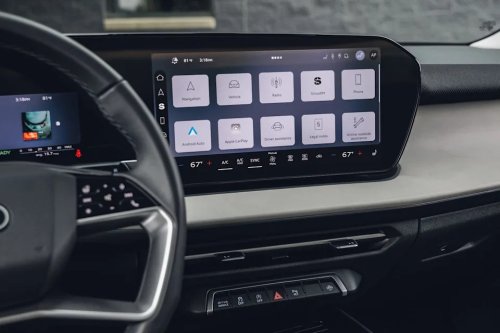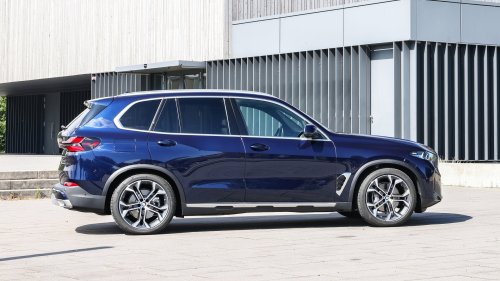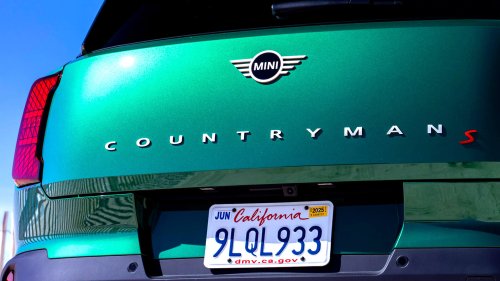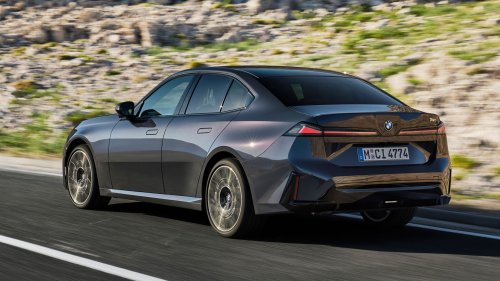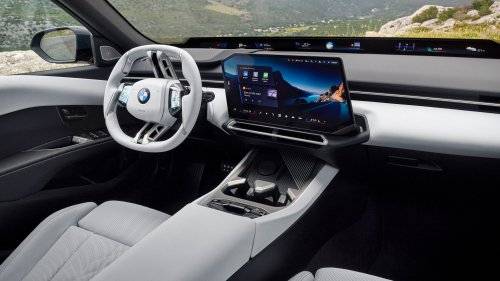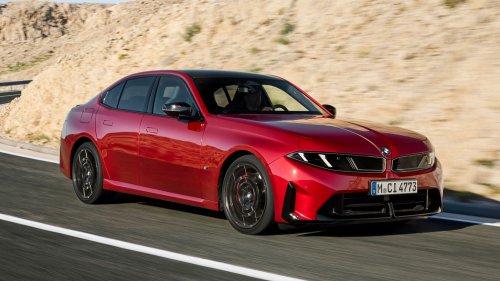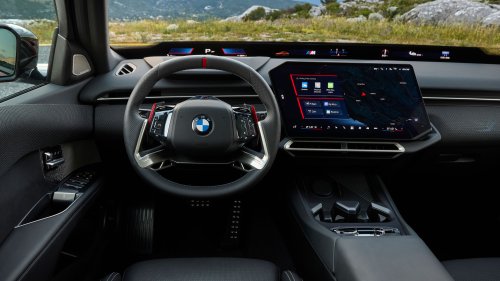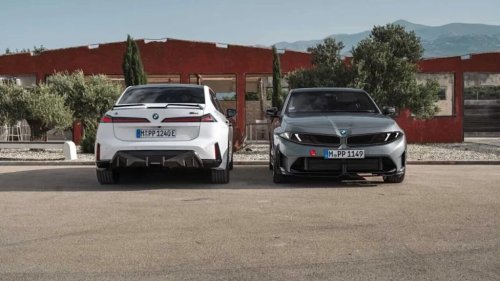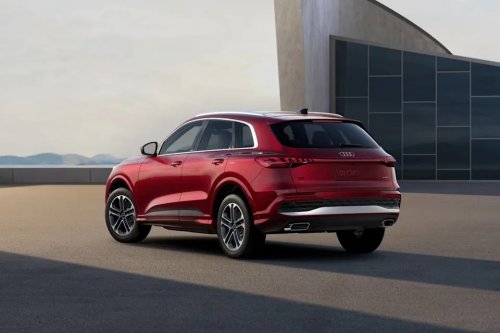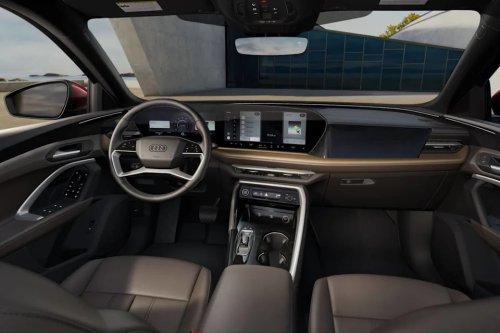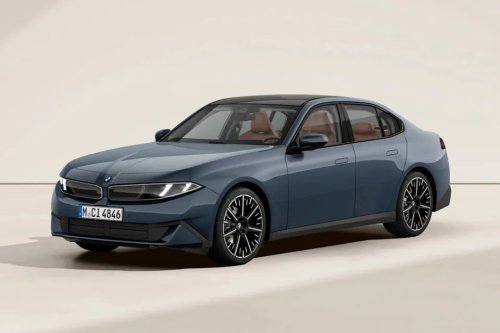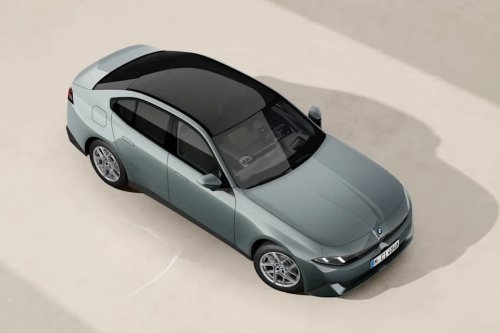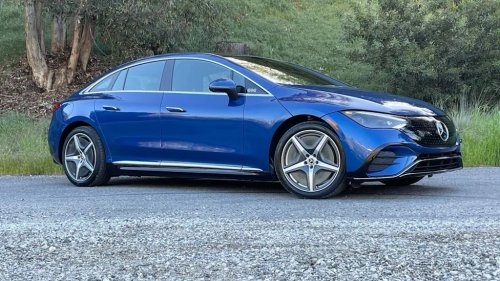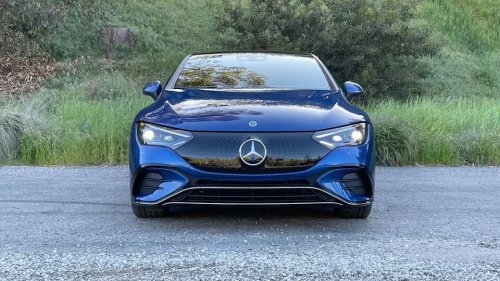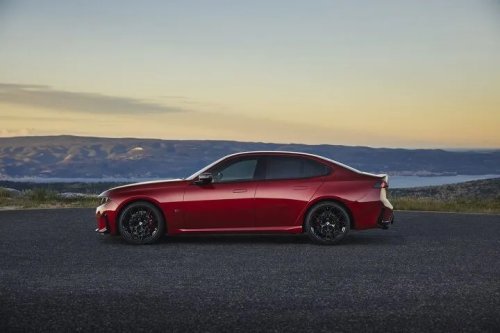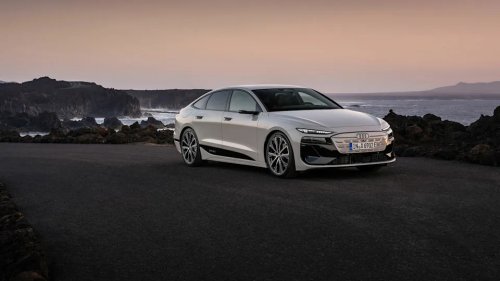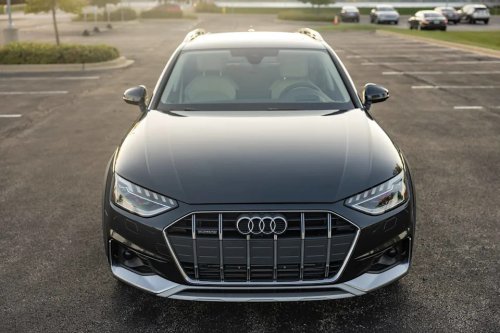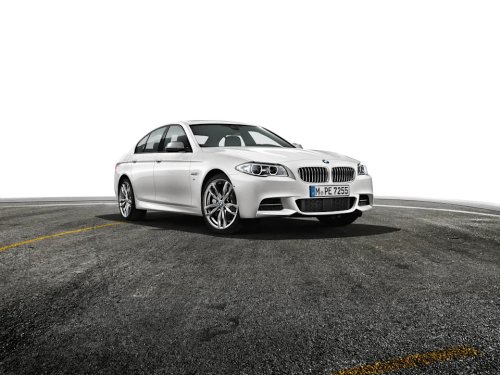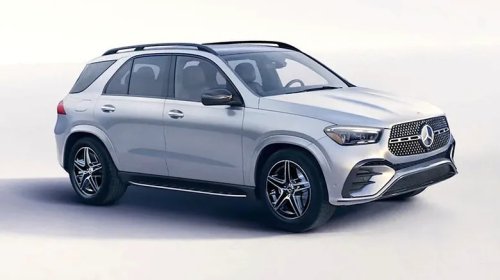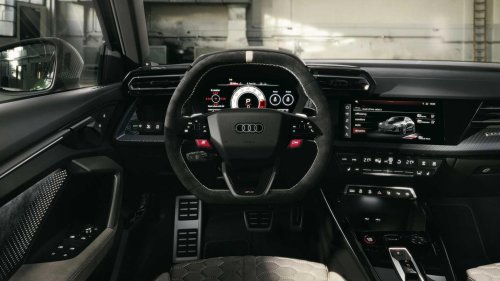

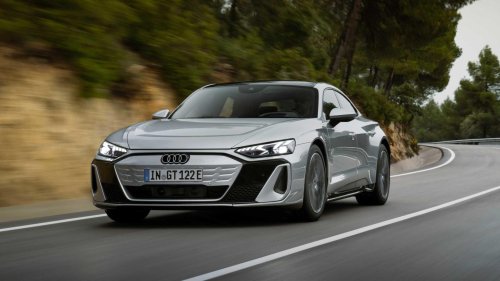
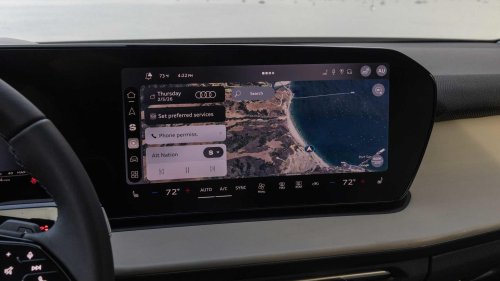
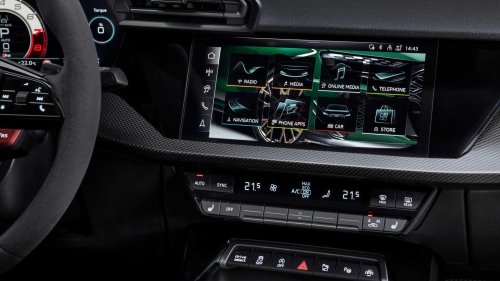




















Based on the latest JD Power Vehicle Dependability Study (VDS) data, we know that premium vehicles (say, a Volvo S60) are widely less dependable than their mass-market counterparts (for instance, a Honda Accord). A premium brand is worth the extra spend for some, but dependability is no longer a good reason to spend extra.We also know that vehicles with plugs (EVs, PHEVs) tend to experience more problems than vehicles without plugs (ICE, hybrid), and that the "Smartphone on Wheels" approach that’s driven automotive design for the past decade is now the leading driver of dependability issues among surveyed drivers.The dependability of brand-new cars is in a bit of a tumultuous state these days, according to the latest JD Power VDS. Based on the responses of thousands of owners surveyed three years into their ownership experience, this year’s study has revealed numerous shifts and trends that are worth understanding if you’ll be shopping for a new car, truck, or SUV anytime soon. If this all leaves you wondering how Audi is doing and where they stand against key competitors BMW and Mercedes, you're in the right place: read on for a more detailed look at some need-to-know data and trends. How Does Audi Compare To BMW and Mercedes-Benz In 2026? Audi This year, the Big Three German luxury brands are in a bit of a shake-up where dependability is concerned. BMW is maintaining its reign at the top of the trio, the only brand of them to consistently, if slightly, outperform the industry average (198 PP100 versus 204 PP100 in 2026). Despite its strong position this year, BMW’s dependability is showing a decline from its five-year best (184 PP100 in 2023) down to its five-year worst (198 PP100 in 2026). Remember, as you read on: the lower the number, the lower the complaints, the higher the dependability.Audi Audi is going in the opposite direction, climbing out of a two-year dependability hole (275 PP100 in 2024 and 273 PP100 in 2025) with a big surge that saw the brand improve by 29 points for the latest study (244 PP100 in 2026). Elsewhere, thanks to Audi’s big dependability improvement for 2026, it sits in close scoring proximity to Mercedes-Benz, with just nine points separating the two this year (244 PP100 versus 235 PP100). It still has a way to go.Looking back at the past five years of data can reveal a broader pattern. First, there’s no overlap between the three brands. Though Audi and Mercedes-Benz scores have come closer to one another in some years than others, this trio has represented three distinct dependability levels for at least the past five model years, with BMW as the most reliable, Mercedes in the middle of the trio, and Audi as the least dependable of the three. Even BMW’s worst-performing year (198 PP100 in 2026) was better than Audi at its very best (232 PP100 in 2022) during the same period.Audi This dependability gap hit its widest point for Audi in 2024, marking its most challenging year. That year, Audi's 275 PP100 score and BMW's 190 PP100 score were 85 points apart, with Audi trailing Mercedes-Benz (218 PP100) by 57 points. Put another way, at Audi’s worst, they were about 45% more problem-prone than competitor BMW from the same year. Audi Has A Reliability Hurdle To Overcome AudiOver the last five years, Audi has operated entirely within a lower dependability tier, remaining significantly worse than the industry baseline in every study from 2022 to 2026. Conversely, BMW consistently cemented itself as a benchmark-beating brand, outperforming the industry average every year. Mercedes-Benz occupies a volatile middle ground, starting better than average in 2022 (195 PP100 vs 192 PP100) but dropping below the line for the next four consecutive years, including its worst-performing finish in 2025 (243 PP100).Audi Audi’s got a long way to go to catch up with BMW, too. Over our five-year span, Audi averaged a troublesome 255.2 PP100, while Mercedes-Benz averaged 226.2 PP100, and BMW led the pack at 189.6 PP100. If you’re in the market for a German luxury car from the past five years or so, choosing an Audi puts you 29 PP100 behind Mercedes-Benz, and 65 PP100 behind BMW on average. Here's How Audi Stacks Up Against The Industry At Large Audi In the 2026 JD Power Vehicle Dependability Study, Audi finds itself positioned near the bottom of the charts once again, despite a massive 29-point year-over-year recovery that pulled the brand out of its 2024–2025 slump. Today, Audi’s 244 PP100 score remains significantly worse than the 2026 industry average of 204 PP100.Out of all 31 major auto brands tracked in the 2026 study, Audi ranks near the bottom at 27th place overall, underperforming the market baseline by 40 points and leaving only Jeep (267 PP100), Land Rover (274 PP100), Volvo (296 PP100), and parent brand Volkswagen (301 PP100) to round out the lowest-performing brands in this year’s study.This all places Audi right in the middle of a wider tech-driven reliability crisis hitting the luxury market. Driven by glitchy infotainment, complex features, and frustrating over-the-air (OTA) software updates, premium segment dependability tanked this year, with average scoring at 217 PP100 this year. Audi still lags 27 points behind that luxury baseline, though the 2026 rebound is encouraging. BMW Nails It Where Consistency Is Concerned, Leaving Audi In The Dust AudiLooking at the five-year-best and five-year-worst VDS scores can reveal another interesting trend: consistency. In the past five years, some brands have suffered massive scoring swings, while others have barely budged. Additional details are in the table below, but the key takeaways are as follows...First, Japanese brands are the most stable in the industry, delivering solid dependability year after year with minimal scoring variation. Brands like Toyota (38 points of variance), Lexus (18 points), Subaru (45 points), and Honda (29 points) largely avoid the massive 70+ point swings seen by American competitors like Lincoln (79 points) or Chrysler (84 points), and Korean competitors like Hyundai (74 points) or Genesis (69 points). This points towards a more cautious approach to changing platforms and tech. Shoppers know what to expect.Audi When it comes to European cars, things are split down the middle. Volkswagen (85 points of variation) and Volvo (81 points) are the most volatile, with Audi (43 points) and Mercedes-Benz (48 points) mid-pack. None of these European brands make it into top-ten territory where 5-year scoring consistency is concerned. At the top of the charts based on that same metric? It's BMW, in first place. Audi takes 14th place on the list, with Mercedes-Benz coming in 18th, if you're wondering.To put that another way, BMW is the least-volatile brand in the entire VDS study for the past five years, with just 14 points of variation between its highest score (198 PP100 in 2026) and lowest score (184 PP100 in 2023). BMW sub-brand Mini only shows 20 points of variation in its five-year scoring, also sufficient for top-ten territory where consistency is concerned. That's not a major surprise, given that both brands draw from the same technological gene pools. Tech Problems Are Hitting European Brands Hard Buick Broadly speaking, European mainstream and luxury cars are having a tough time staying dependable, with brands like Volvo (296 PP100) and Volkswagen (301 PP100) scoring poorly at the absolute bottom of the charts. Even when looking at the premium luxury tier, the massive performance gap between the highest-ranking premium brands and Audi is major. This year, segment-leading Lexus (151 PP100) and top-ranked BMW (198 PP100) sit comfortably ahead of Audi’s best efforts.JD Power noted that this year's study saw the highest overall problem counts since the modern redesign, driven entirely by complex tech. The premium segment as a whole suffered an eight-point year-over-year spike in issues (averaging 217 PP100) due to broken over-the-air (OTA) software updates and glitchy infotainment/connectivity interfaces.BMW managed to weather this software storm significantly better than Mercedes and Audi, both of which continue to battle tech and electronic gremlins for higher scores. If your brand-new car is going to give you any trouble, it's pretty likely that it's going to come from the infotainment system. This year's VDS data reveals that of nine problem categories, infotainment remains the most problematic (56.7 PP100).Audi “As owners hold onto their vehicles longer, the long-term ownership experience matters more than ever," said Jason Norton, director of auto benchmarking at JD Power. "Software updates and new technologies should enhance the ownership experience over time, yet many vehicle owners cite ongoing mobile phone integration problems and little to no benefit after an update is performed. Much of this comes down to owner education and ongoing communication. Automakers should focus on delivering meaningful improvements and clearly communicating the intended benefits of software updates so owners understand how they are designed to enhance their vehicle and ownership experience."Sources: JD Power and Associates