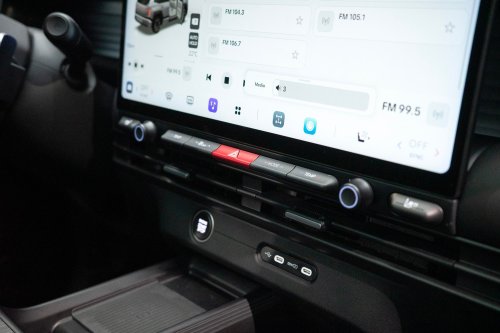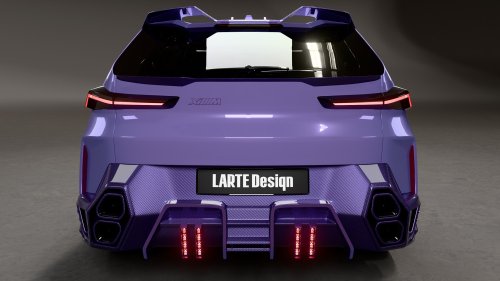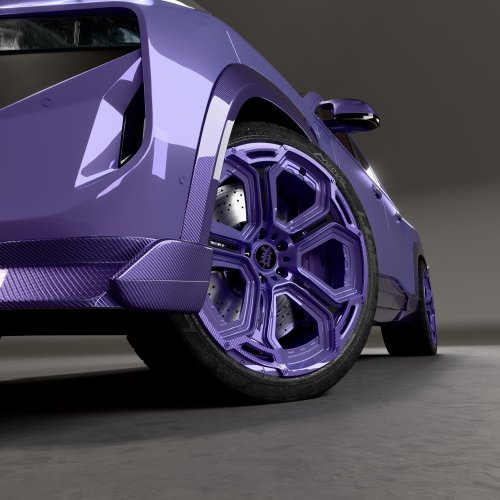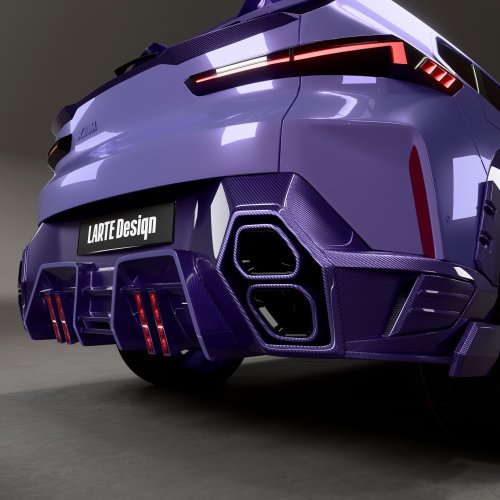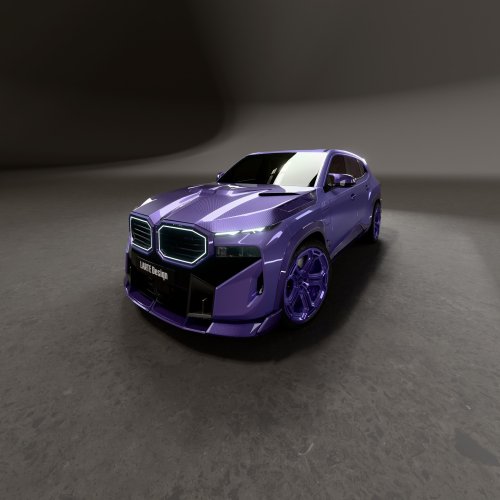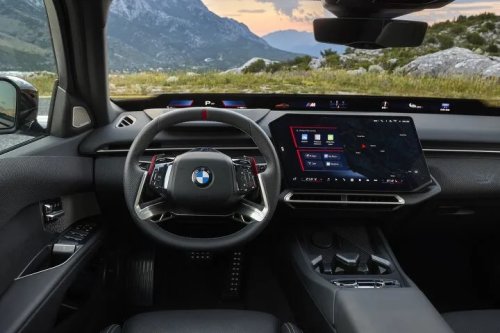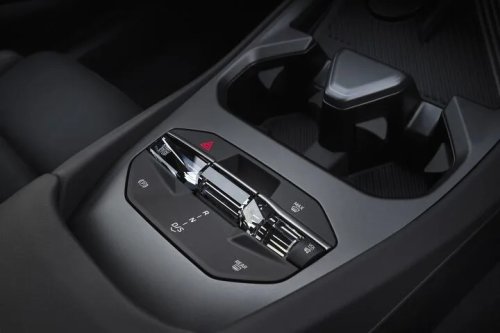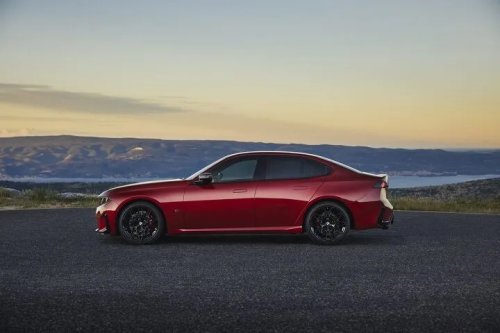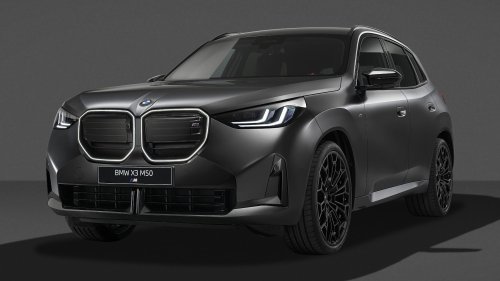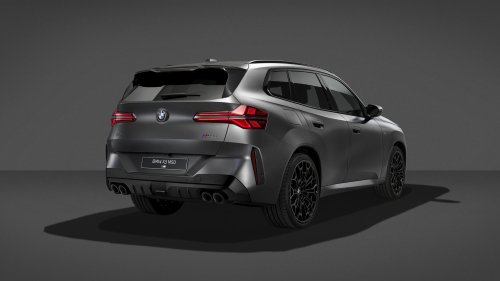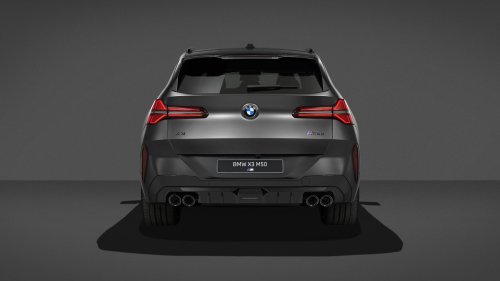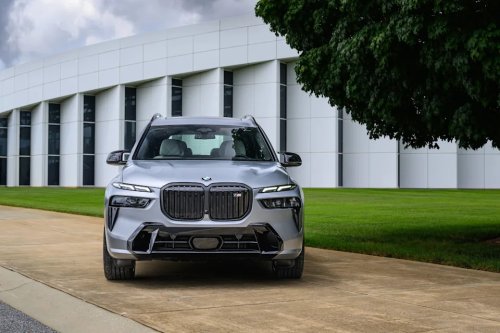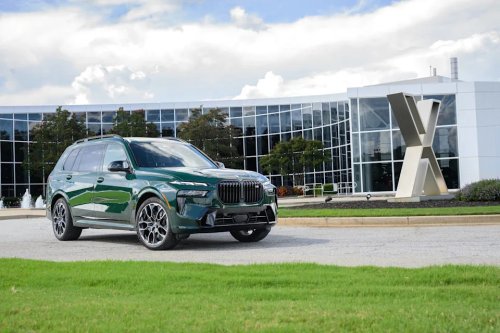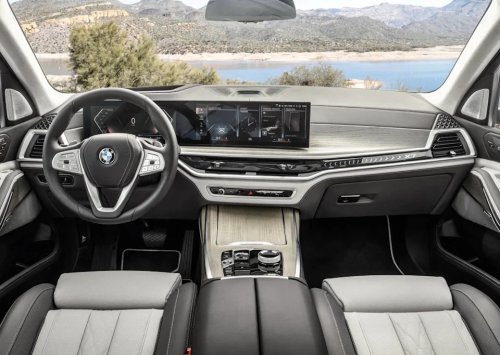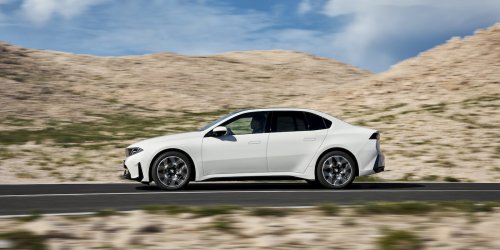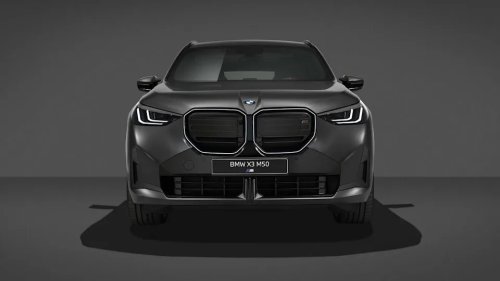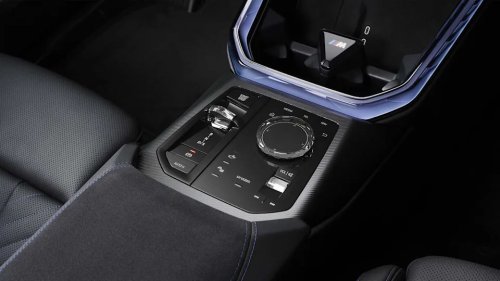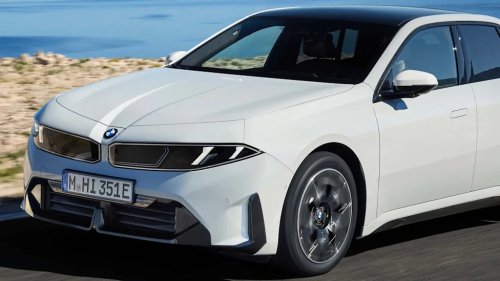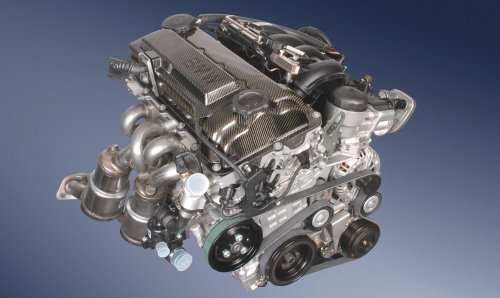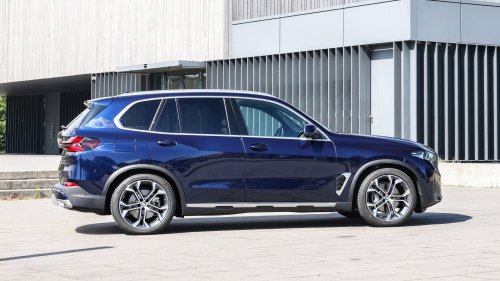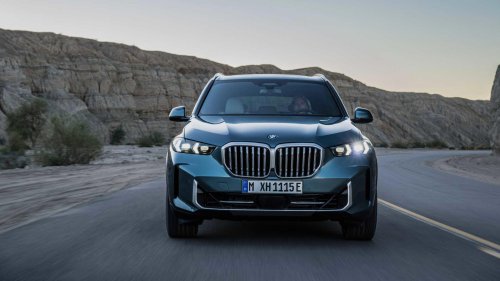
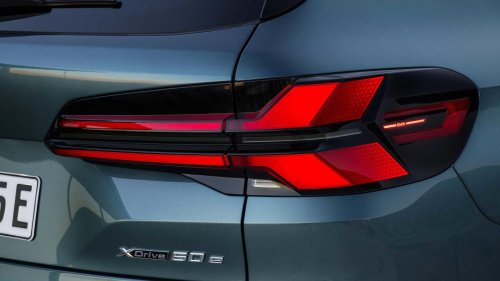
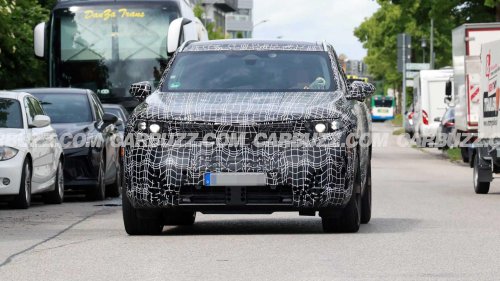
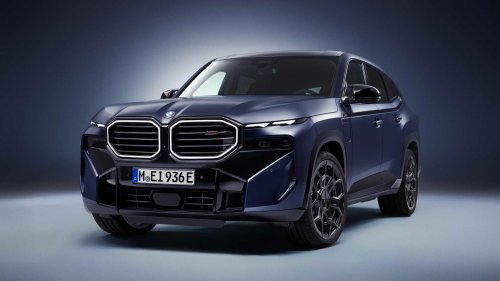
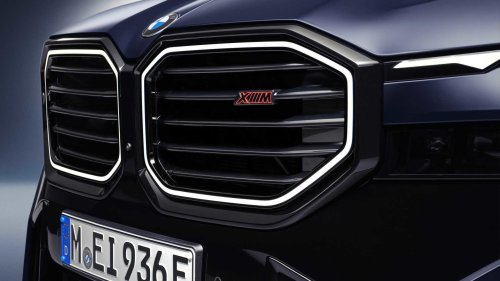
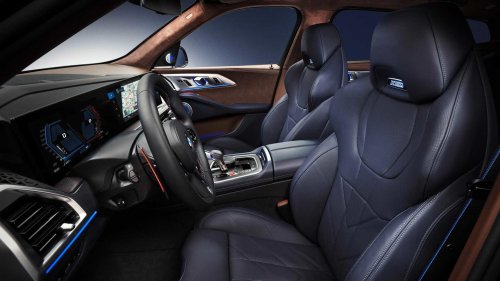



















Jump LinksX5 xDrive 50eX5 Plug-In Hybrid vs X5 ICEX5 Plug-In Hybrid vs. Upcoming iX5XM Label vs X5 MXM Label vs Alpina XB7Considering how forward BMW has been over the past few years, some may think it is a surprise that BMW currently only has two hybrid SUVs in its vast and expansive lineup. The BMW X5 xDrive 50e and the XM Label are the only two SUVs that benefit from having a battery and an internal combustion engine together, but they utilize these powertrains in very different ways.Here is a look at the two BMW hybrid SUV offerings, and how they stack up against their ICE, EV, and other counterparts. You may be surprised to see what the BMW XM shares its engine with.This article represents only full-hybrid or plug-in hybrid models; mild-hybrid versions are excluded. Pricing and specifications are sourced from the manufacturer and are correct at the time of writing; automakers may change or update this at any time without notice. 2026 BMW X5 Hybrid X5 xDrive 50e 2026 BMW X5 xDrive50e action The X5 has had a plug-in hybrid version ever since 2015. In this latest xDrive 50e iteration, it gets even more power, a larger EV-only range, and performance to try to match even the X5 M. The X5 PHEV gets the same 3.0-liter inline-six cylinder engine as the base X5 trims, with the addition of a 19.2-kWh battery pack that provides an electric-only range of around 40 miles, depending on wheel and rim sizes. The battery can now charge at 11 kW from 2026, an upgrade from the previous 7.4 kW. The electric motor is integrated into the transmission for smoother shifts and better response. Combined power output is 483 hp, which is not far behind the 523 hp in the X5 M60i version. In fact, the 0–60 sprint is only 0.4 seconds slower than the V8-powered X5, at 4.6 seconds.The PHEV looks largely the same as the base X5 inside and outside, except for the badging. You get 20-inch rims as standard, along with ADAS features, such as a blind-spot monitor and lane-keeping assistance. Inside, the X5 PHEV uses premium materials and gets a lot of kit for its one and only trim option. Powered and heated front seats, powered steering column, panoramic sunroof and a powered rear tailgate are all standard. Of course, as is the case with most new BMWs, there are a plethora of options to choose from, such as seat massaging, remote start and a leather-covered dashboard. The interior is dominated by a near-15 inch central infotainment screen running the iDrive interface. The driver gets a 12.3-inch digital driver's display.Multiple packages are available as options for the X5 as well, such as the Premium package that adds a Harman Kardon sound system and a heads-up display. The Executive package adds luxury features like soft-close doors, glass controls, and LED lighting in the panoramic roof. X5 Plug-In Hybrid vs X5 ICE 2026 BMW X5 xDrive50e taillight-1Arguably, the biggest competitor to the X5 PHEV is its mild-hybrid counterpart, the X5 xDrive 40i. The non-plug-in hybrid X5 uses a 48-volt mild hybrid system, which gives it no electric-only range or the ability to charge from a DC/AC charger. With a starting price of $70,600, the mild-hybrid X5 is around $6,000 cheaper than the PHEV, before options. However, for that extra money, you get the ability to commute short distances on EV power only and air suspension as standard with the PHEV. The PHEV is considerably heavier, at 5,595 lbs, which is 675 lbs more than the xDrive 40i. Cargo space takes a slight hit, with 33 cu-ft of space instead of 33.9 in the ICE-only variant.If you value the convenience of charging at home and commuting short distances daily, but want the assurance of having an ICE for longer journeys, the X5 PHEV is a clear winner between the two. If you prefer a less complicated driving experience and mainly only do long distances on the highway, the mild-hybrid is a solid option, especially with its larger 548 mile total range as estimated by the EPA. X5 Plug-In Hybrid vs. Upcoming iX5 BMW iX5 M70 frontFollowing in the footsteps of the iX3, BMW is set to launch the bigger iX5 in 2026 as well. So, how does the fully electric SUV compare to the middle ground between the ICE and the EV? While details on the new iX5 are sparse, we know it will be based on BMW's Neue Klasse EV architecture. Much like the iX3, it is expected to use an 800V architecture, with rumors saying it may feature one of the biggest battery packs ever fitted to a BMW. It is also expected to have AWD with a dual motor set-up and feature multiple trim levels, with an iX5 M70 also being spotted testing. While we do not know exact range figures yet, expect a WLTP range larger than 500 miles, which is the iX3's current estimate.From what we know so far, the iX5 is shaping up to be one of the company's biggest SUV unveils this year, with deliveries expected to start in 2027. The current BMW plug-in hybrid SUV should be better for people who do not like the new interior and exterior of the Neue Klasse vehicles, and prefer to not go fully electric just yet. However, the iX5 looks like a competitive SUV with all the latest technology from the German manufacturer. 2026 BMW XM Label2026 BMW XM (11)The second BMW hybrid SUV is its flagship - the XM. For 2026, BMW ditched the entry-level XM, keeping the top-of-the-range XM Label as the only trim on sale. The headline figures are the 738 hp and 738 lb-ft of torque the SUV makes from the S68 V8 engine coupled with a 25.7-kWh battery. The battery is mated to a motor in the gearbox, and gives the XM an EV-only range of around 30 miles. While the X5 PHEV's main use was the convenience of electric range and the dependability of an ICE, the XM uses the hybrid powertrain for performance. The battery helps the SUV propel from 0 to 60 in 3.6 seconds. Much like the X5 PHEV from this year, it can now be charged at 11 kW through an AC charger.While the exterior was extremely controversial on launch, design is subjective. It features an illuminated grille with 23-inch wheels. The XM also gets adaptive suspension as standard. You get M drive modes and chassis systems with hill descent control and a sport differential. There are also electric drive modes for full EV driving or recharging the battery. The interior gets the same two digital displays as the X5 PHEV, but with even more premium materials. The car is a strict two-row SUV, with a large panoramic roof.You also get a number of packages on offer here, the most notable being the M Driver's package that raises the car's top speed from 155 mph to 180 mph. Other M packages include M Sport brakes or a Red/Night Gold exterior trim for the window surrounds. XM Label vs X5 M 2026 BMW XM (16)Comparing the XM Label to the X5 M may not seem fair at first. However, they have several factors in common. They are both powered by the same S68 4.4L V8 engine, albeit without the hybrid battery in the X5 M. They are also strict two-row SUVs, which makes this comparison a little fairer than the X7 M, which is a three-row SUV. The XM is a combination of the two-row space and engine from the X5 M, and the luxury and premium feel of the X7.If we compare the X5 M in its most powerful trim, it produces 617 hp. However, they both have near identical 0–60 times - 3.7 seconds for the X5, which proves that the X5 M is considerably lighter than the XM. However, the battery in the XM does help it be more efficient. Despite being a mild hybrid, the X5 only manages to get 18 mpg. While the XM is more premium inside and loaded with the best tech BMW offers, the X5 M starts at almost $30,000 lower than the XM. If you want the S68 engine with the perks of an SUV and do not care for the added complexity of hybrids, the X5 M is a better value proposition. However, if you want the fastest, top-of-the-line flagship SUV BMW currently offers, the XM is better than the X5 M in just about every statistic. XM Label vs Alpina XB7 2026 BMW XM (7)This comparison is solely based on their ideologies and similar price points. While they share the same engine, they are tuned in different ways. The Alpina XB7 gets its own Alpina hand-tuned S68, whereas the XM gets the battery to increase its performance. The XM is more of a performance luxury SUV whereas the XB7 prioritizes luxury before performance. The XB7 is better for chauffeur-driven users, with the option of captain's chairs in the second row, whereas the XM is more driver-focused with various M driving modes. If you want the most luxurious SUV for a large family, the BMW Alpina XB7 ticks all the boxes. If you are looking for a BMW SUV that you prefer to drive and also happens to have a top-notch quality interior, the XM may be the SUV for you.