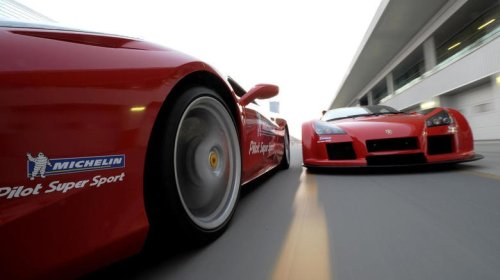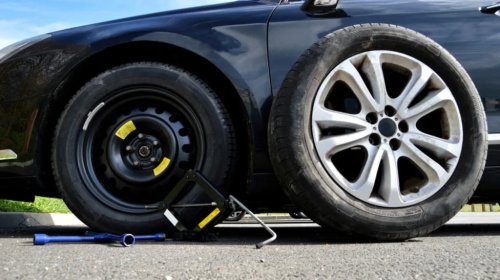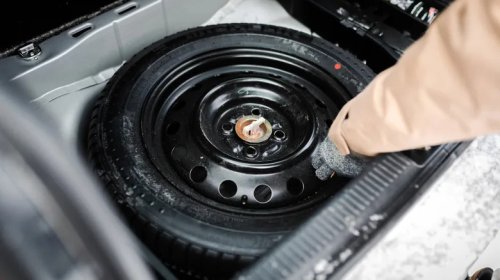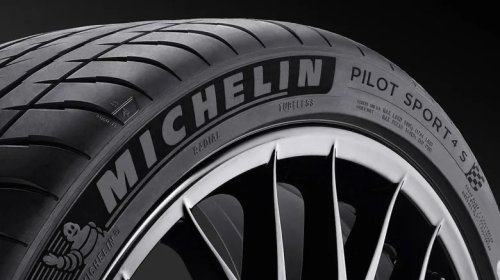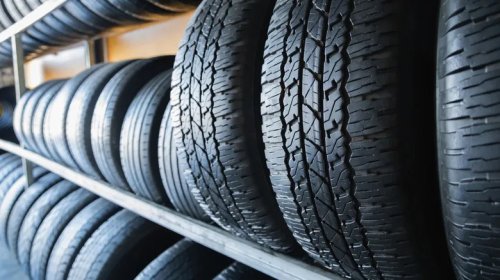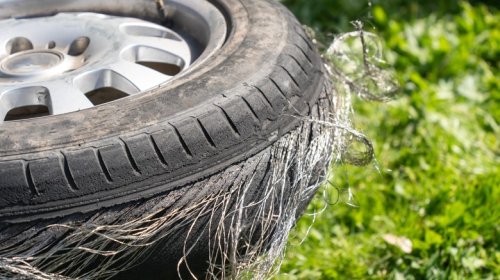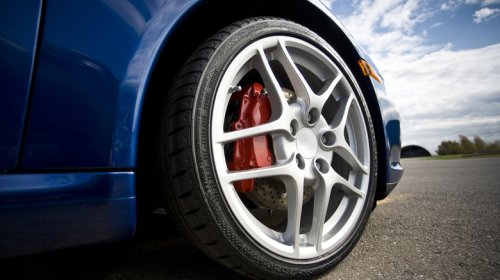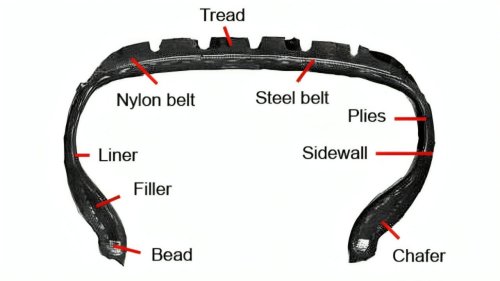

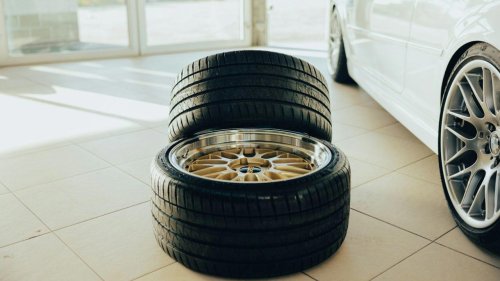
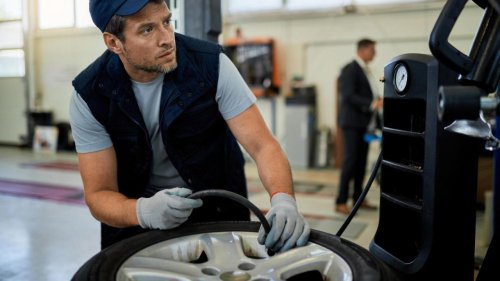
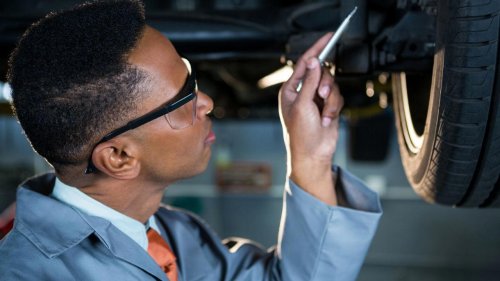



















Tires are often overlooked components in the realm of performance driving, yet they serve as the critical contact point between the vehicle and the road. Understanding the role of tires can significantly enhance a driver’s ability to maximize performance, safety, and efficiency. The multifaceted importance of tires in performance driving is a key consideration for enthusiasts and professionals alike. Understanding Tire Composition and Design Image Credit: Public Domain / Wikimedia Commons Material and Construction The materials used in tire manufacturing are fundamental to their performance characteristics. Typically, tires are made from a blend of natural and synthetic rubber compounds, which are further reinforced with materials like steel and polyester. This combination not only provides durability but also affects how a tire performs under various conditions. For instance, a softer rubber compound may offer better grip but wear out faster, whereas harder compounds might provide longevity at the expense of traction. Tread Patterns and Their Impact Tread patterns are another critical aspect of tire design that significantly impacts a car’s performance. For instance, directional tread patterns are specifically designed to optimize water dispersion, making them ideal for wet conditions. On the other hand, asymmetrical treads provide a balance between grip and noise reduction, which can be beneficial in dry conditions. High-performance tires often feature intricate tread designs that enhance traction and handling, essential for sports cars like the Porsche 911. Tire Dimensions and Specifications The dimensions and specifications of a tire, including its size, aspect ratio, and width, play a crucial role in a vehicle’s performance and stability. A wider tire can increase the contact patch with the road, offering better grip and cornering capabilities. However, this can also lead to increased rolling resistance, affecting fuel efficiency. Understanding these trade-offs is key for drivers looking to optimize their vehicle’s performance. The Role of Tires in Vehicle Dynamics Photo by Jacob Moore / Unsplash Traction and Grip Traction and grip are fundamental to performance driving, directly influencing a vehicle’s ability to accelerate, corner, and brake efficiently. Tires such as the Michelin Pilot Sport 4S are engineered to maximize grip, allowing drivers to push their vehicles to the limit on both the track and the street. The compound and tread design work together to ensure that the tires maintain optimal contact with the road surface, essential for achieving high-performance metrics. Handling and Stability Handling and stability at high speeds are largely dictated by tire performance. A well-designed tire can substantially improve a vehicle’s responsiveness and precision in steering. For example, the Bridgestone Potenza series is renowned for enhancing handling characteristics, offering drivers increased confidence during aggressive cornering and quick maneuvers. The stability provided by these tires at high speeds is crucial for maintaining control and safety. Load Distribution and Balance Tires also play a vital role in the overall balance of a vehicle, affecting load distribution and center of gravity. The correct tire setup can help distribute the vehicle’s weight evenly, contributing to a balanced and predictable driving experience. This is particularly important in high-performance vehicles like the BMW M4, where maintaining a low center of gravity and optimal weight distribution is key to achieving superior handling and performance. Choosing the Right Tires for Performance Driving Photo by Lorenzo Hamers / Unsplash Performance vs. All-Season Tires When it comes to selecting tires, drivers often face the choice between performance and all-season options. Performance tires, such as the Pirelli P Zero, are designed for maximum traction and handling but may not be suitable for all weather conditions. In contrast, all-season tires offer versatility across different conditions but may compromise on ultimate performance. Understanding the specific needs of your driving environment is crucial in making the right choice. Brand and Model Considerations Choosing the right tire brand and model can significantly influence driving performance and safety. Brands like Continental and Goodyear offer a range of tires that cater to different performance needs. For instance, the Continental ExtremeContact Sport is celebrated for its wet and dry grip, making it a popular choice among performance drivers. Evaluating the unique characteristics of each tire model can help in making an informed decision. Environmental and Weather Conditions Environmental and weather conditions should also be considered when selecting tires for performance driving. For example, using a summer tire in snowy conditions can be dangerous, as they are not designed to handle low temperatures. Conversely, winter tires like the Nokian Hakkapeliitta R3 excel in cold, icy conditions, providing the necessary grip and safety. Selecting the right tire for specific weather conditions ensures optimal performance and safety year-round. Maintenance and Optimization of Tire Performance Photo by Drazen Zigic / Freepik Regular Inspections and Alignments Regular tire inspections, alignments, and rotations are essential practices for maintaining optimal tire performance. Misalignment can lead to uneven tire wear, reducing the tire’s effectiveness and lifespan. By scheduling routine checks, drivers can ensure their tires remain in top condition, contributing to a safer and more efficient driving experience. Proper Inflation and Pressure Management Maintaining the correct tire pressure is vital for enhancing performance, fuel efficiency, and tire longevity. Under-inflated tires can cause increased rolling resistance, leading to higher fuel consumption and reduced handling capabilities. Many modern vehicles, such as the Tesla Model 3, are equipped with tire pressure monitoring systems (TPMS) that alert drivers to pressure discrepancies, facilitating timely corrections. Tread Wear and Replacement Indicators Monitoring tread wear and recognizing signs that indicate the need for tire replacement is crucial for maintaining safety. Tires are equipped with tread wear indicators that signal when the tread depth has reached a critical level. Replacing tires in a timely manner ensures that the vehicle maintains optimal traction and performance, reducing the risk of accidents due to compromised grip. The Future of Tire Technology in Performance Driving Photo by peoplecreations / Freepik Advancements in Tire Materials Emerging technologies in tire materials promise enhanced durability and performance. Companies like Michelin are exploring the use of advanced composites and innovative rubber compounds to create tires that offer better performance without sacrificing longevity. These advancements are set to revolutionize the tire industry, providing drivers with superior products that meet the demands of modern performance driving. Smart Tires and Connectivity Smart tire technology is another exciting development in the field of performance driving. Integrated sensors in smart tires can provide real-time data on tire pressure, temperature, and wear, allowing drivers to make informed decisions on the road. Brands like Pirelli are at the forefront of this innovation, developing tires that communicate with vehicle systems to optimize performance and safety. Sustainability and Eco-Friendly Options The trend towards sustainable tire production is gaining momentum, with manufacturers focusing on eco-friendly materials and processes. Companies like Bridgestone are investing in research to develop tires made from renewable resources, reducing the environmental impact of tire production. These sustainable options not only cater to the growing demand for environmentally responsible products but also offer promising performance benefits for the future. Like Fast Lane Only’s content? Be sure to follow us. Here’s more from us: Unboxing the WWII Jeep in a Crate The Fastest Farm Truck Ever Built *Created with AI assistance and editor review.