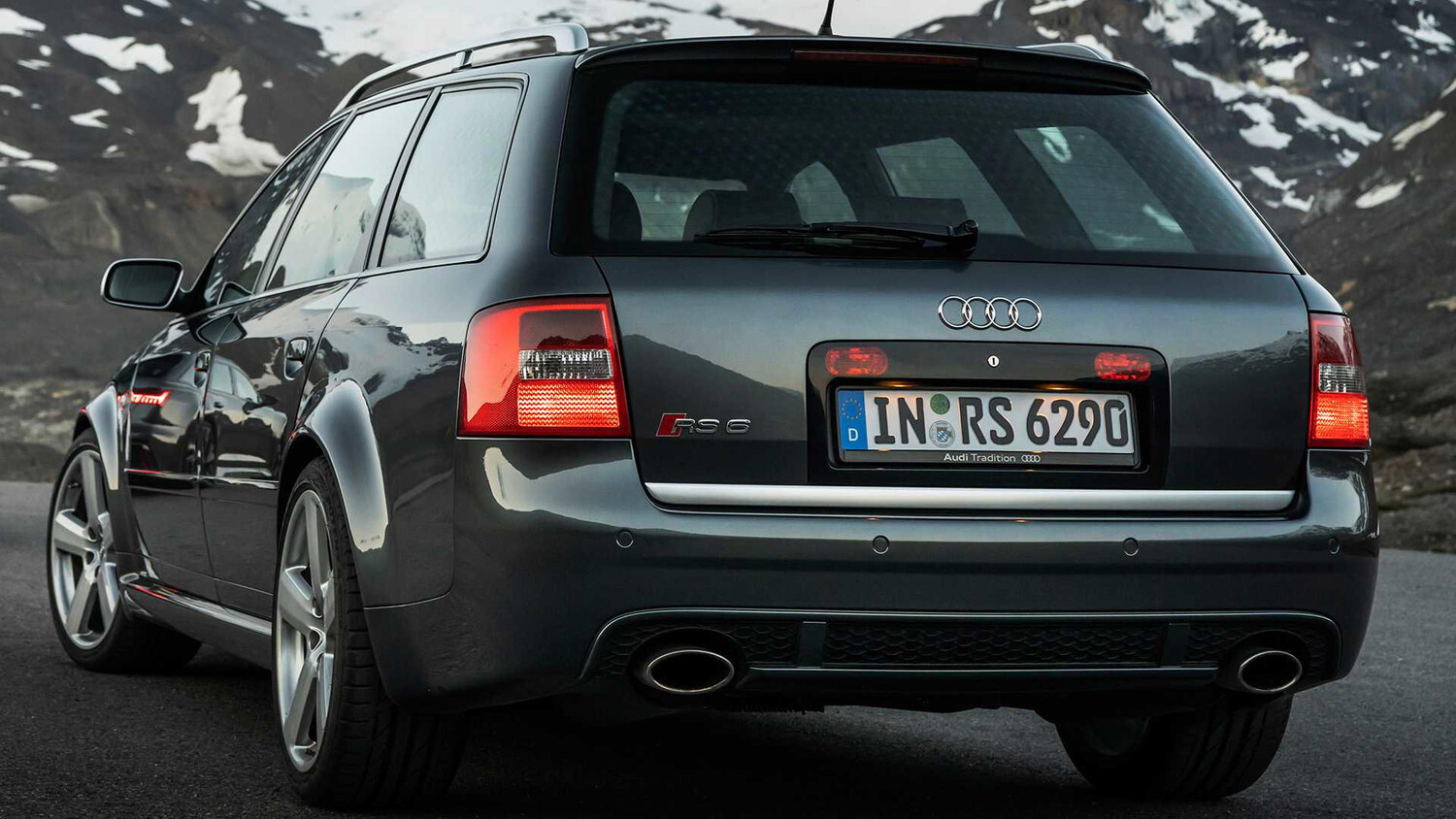
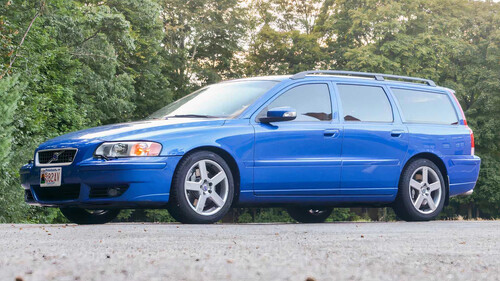
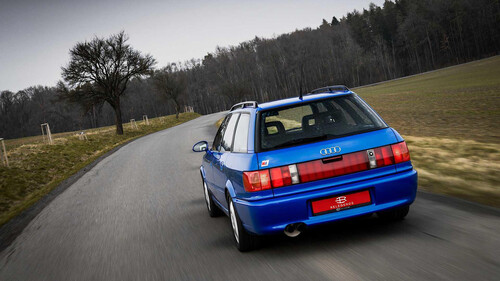
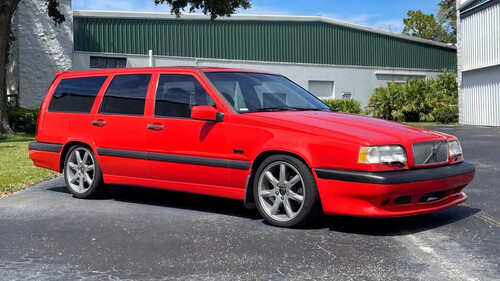
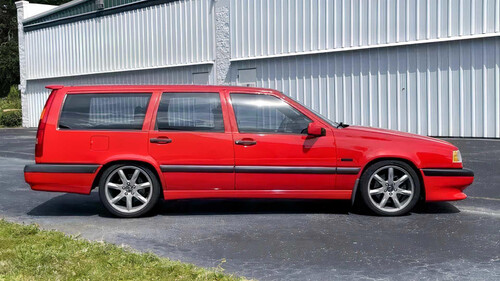
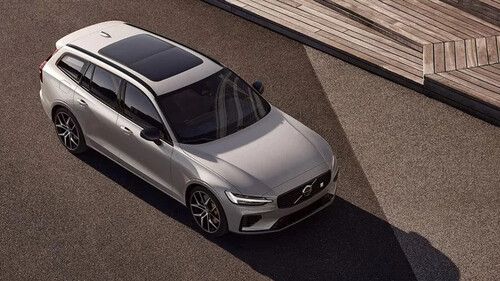
Station wagons used to be America’s default family car until minivans and SUVs pushed them out. Buyers decided wagons looked boring, even when automakers gave them big engines, manual gearboxes, and handling that SUVs couldn’t match. Performance wagons sold in tiny numbers here, not because they were slow or impractical, but because Americans hate wagons, thinking them as "uncool". Dealers couldn’t move them, yet today those same fast wagons are cult favorites. These were factory-built sleepers that could haul kids and light up the tarmac at the same time. Here are the most overlooked performance wagons ever sold in America.This list consists of seven performance wagons which were on sale in the US, but failed to become popular and sold in limited volume. All specs and details of each model are sourced directly from the respective manufacturer. Volvo V70R Via: Volvo Sweden’s Turbocharged Sleeper Volvo had a reputation for safe family haulers, but the V70R showed they could build a wagon that moved. Under the hood sat a 2.5-liter turbocharged inline-five good for 300 hp and 295 lb-ft, paired with Haldex all-wheel drive and a 6-speed manual. On paper, it did 0–60 in around 5.9 seconds, which put it in sports sedan territory back in the early 2000s.It earned the nickname “turbo brick” thanks to its squared-off shape, but the performance was no joke. The Subaru WRX wagon from the same era sold far better, even though the Volvo offered a more refined cabin, better build quality, and similar pace. Buyers in the US wanted the XC90 SUV instead, so the V70R slipped through largely unnoticed. Today, it stands out as one of the most overlooked performance wagons ever sold here. Dodge Magnum SRT8 Via: Dodge A Muscle Wagon That Never Stuck The Dodge Magnum had the stance of a chopped Charger with a longer roofline, and in SRT8 trim, it packed a serious punch. Chrysler’s LX platform gave it rear-wheel drive and shared bones with the 300C and Charger, but the star was the 6.1-liter HEMI V8. With 425 hp and 420 lb-ft, the Hemi-powered wagon could crack off mid-5-second runs to 60 mph while carrying a week’s worth of luggage.The problem was, Americans didn’t know what to do with it. Buyers looking for muscle went for the Charger SRT8, while families picked SUVs. The Magnum SRT8 only lasted from 2005 to 2008 before Dodge killed it off, leaving behind one of the strangest what-ifs in the HEMI era. For those who wanted wagon practicality with V8 thunder, it was the right car at the wrong time, which is exactly why it belongs on this overlooked list. Audi RS6 Avant (C5) Via: Audi Germany’s Super Wagon Nobody Bought In 2003, Audi dropped a nuke into the wagon world with the RS6 Avant. It had a 4.2-liter twin-turbo V8 pushing 450 hp through Quattro all-wheel drive, giving it a 0-60 mph time of around 4.6 seconds. That was quicker than a Corvette of the same year, and the RS6 could still swallow camping gear in the back.On paper, it looked unbeatable, but the sticker shocked American buyers. At over $80,000 when new, plus maintenance costs that could spiral, dealers had trouble moving them. Most buyers chasing German speed stuck with the BMW M5 sedan, which was cheaper and less complicated to own.The RS6’s V8 had engineering ties to the Lamborghini Gallardo, making it a technical showpiece that slipped right under the radar. Audi only offered it here for a single model year, and few noticed. Today, that mix of rarity, supercar DNA, and wagon practicality cements the C5 RS6 as one of the most overlooked performance wagons to reach American shores. Mercedes-Benz E55 AMG Wagon Via: Mercedes-Benz The Supercharged Grocery Getter The W211 E55 AMG wagon looked like a family hauler, but the numbers told a different story. AMG dropped in the 5.4-liter supercharged V8, good for 469 hp and 516 lb-ft. That M113K motor pushed the wagon through the quarter mile in the low 12s, right in the mix with a contemporary Corvette Z06; it was even faster than a Ferrari.Only about 200 examples came to the US, and most buyers chose the sedan or the CLS55 coupe instead. The wagon was faster, rarer, and just as reliable thanks to the proven M113K engine.Because it wore the same face as a standard E-Class wagon, hardly anyone noticed what it was capable of. That made it the perfect sleeper, but also one of the most overlooked AMG models ever sold here. Cadillac CTS-V Wagon Via: Bring a Trailer America’s Forgotten Supercharged Hauler The CTS-V wagon was Cadillac at its most unhinged. From 2011 to 2014, GM stuffed the 6.2-liter supercharged LSA V8 into the second-gen CTS body, giving the wagon 556 hp and the choice of a 6-speed manual or an automatic. That meant 0–60 in about 4 seconds, while carrying bikes, groceries, or a couple of dogs in the back.Curbside Classics reports that sales barely cleared 1,200 wagons, which explains why spotting one today feels like running into Bigfoot at Cars and Coffee. Buyers who wanted American muscle went for the Dodge Charger SRT8, which sold in far bigger numbers but didn’t have the same shock factor.Underneath, the CTS-V shared DNA with the Corvette ZR1 and Camaro ZL1, which only makes its existence stranger. Cadillac built America's last performance wagon, and it could dust supercars, but then pulled the plug when nobody bought them. Enthusiasts have kept the legend alive, but at launch it was one of the most overlooked performance wagons ever to hit the US market. Saab 9-5 Aero Wagon Via: Saab The Quirky Turbocharged Contender If Volvo was the straight-laced Swede, Saab was the eccentric cousin who showed up in fighter-jet inspired dashboards and oddball key placements. The 9-5 Aero wagon fit that mold perfectly. A 2.3-liter turbocharged four made 250 hp, and when paired with the sport-tuned chassis, it pulled harder than most front-drive wagons of its era.It should have been a hit, but Saab’s weak US presence and GM’s mismanagement left the Aero stuck on the sidelines. Shoppers chasing practicality went to Volvo, while performance buyers leaned toward German brands. The Saab had safety tech, funky styling, and a surprisingly quick powertrain, but hardly anyone noticed.Today it stands as a reminder that Saab could build a wagon with real pace, even if the brand’s story ended in bankruptcy. The 9-5 Aero wagon may never reach cult status like the CTS-V, yet it deserves a nod as one of America’s most overlooked performance wagons. Jaguar XFR-S Sportbrake Via: Jaguar The V8 Wagon Nobody Saw Coming, Or When It Arrived Jaguar’s timing was always strange, and the XFR-S Sportbrake proved it. In 2015, the brand quietly slipped a wagon version of its hottest XF into the US lineup. Under the hood sat a 5.0-liter supercharged V8 with 550 hp and 502 lb-ft, the same heart that powered the F-Type R. That meant a 0–60 run in about 4.6 seconds while carrying luggage for a weekend getaway.Almost no one noticed. Jaguar’s US dealers sold tiny numbers, and most buyers shopping in that price range chose the BMW M5 sedan or Mercedes E63 AMG instead. The Sportbrake looked sleek, had real pace, and added some much-needed character to Jaguar’s portfolio, but America simply wasn’t paying attention.Today, the XFR-S Sportbrake is a ghost on the used market, one of the rarest performance wagons ever offered here. It reinforces just how overlooked these machines were, even when they had supercar engines under the hood. Lessons We Learn In Car Culture From These Forgotten Wagons SUVs changed the game in America. Once they took over, wagons became background noise, and even the fast ones never had a chance. That shift explains why models like the CTS-V Wagon, Audi RS6, and E55 AMG wagon struggled to sell new but now command serious money on the used market. Collectors recognize that these cars combine performance and practicality in a way most SUVs still can’t match.The overlooked wagons on this list prove that speed and utility don’t have to be separate ideas. They show how automakers experimented with body styles that made sense for enthusiasts but didn’t connect with the wider US audience at the time. For buyers today, that mismatch is a gift. You get sleeper looks, low production numbers, and performance that rivals contemporary sports cars.Car culture always circles back to the misfits, and these wagons fit that bill perfectly. Ignored when new, remembered now, and increasingly valued by those who appreciate what they really were: fast, practical machines that never got their due.