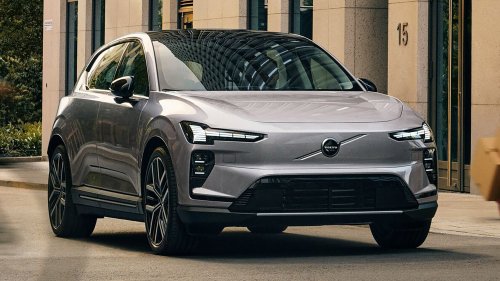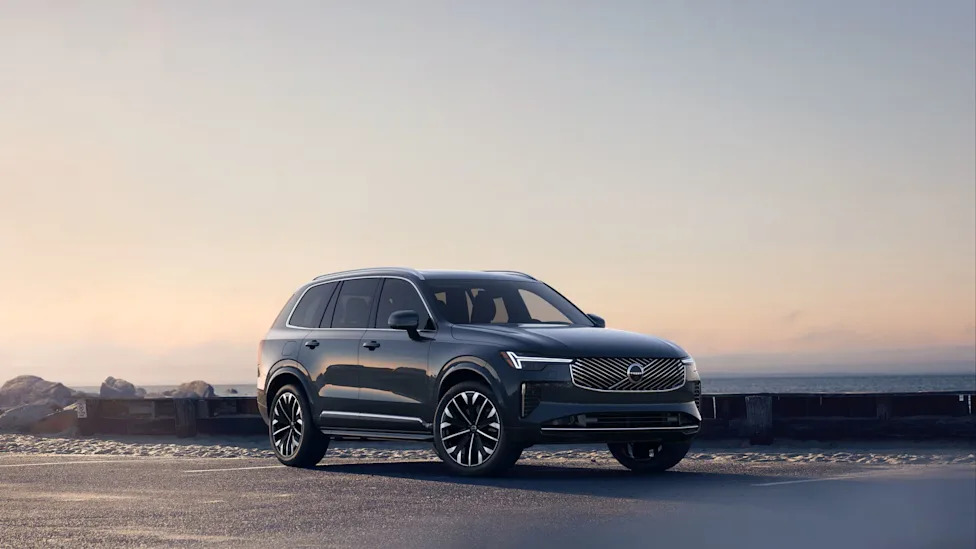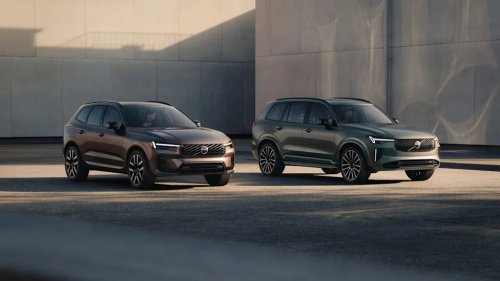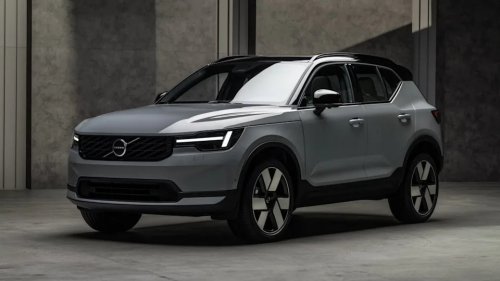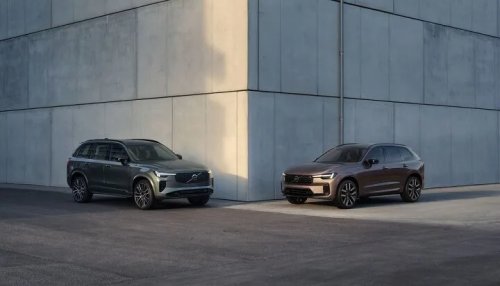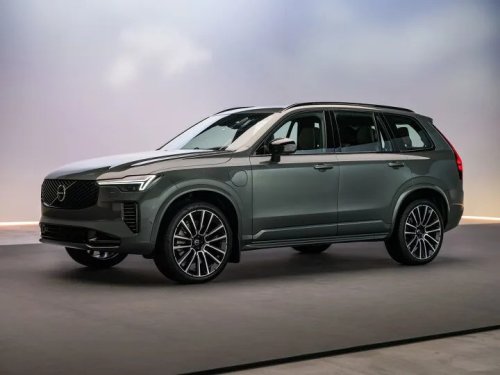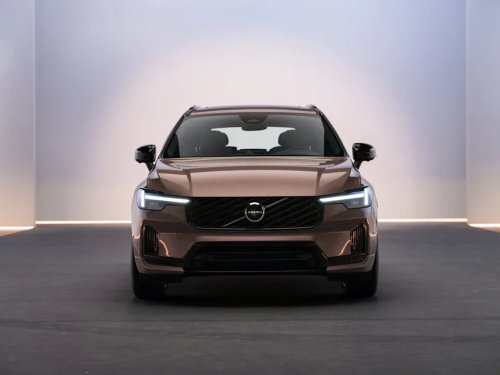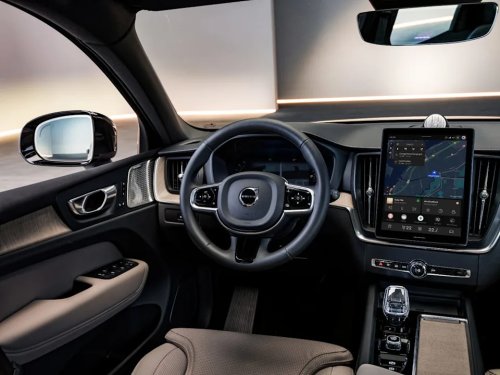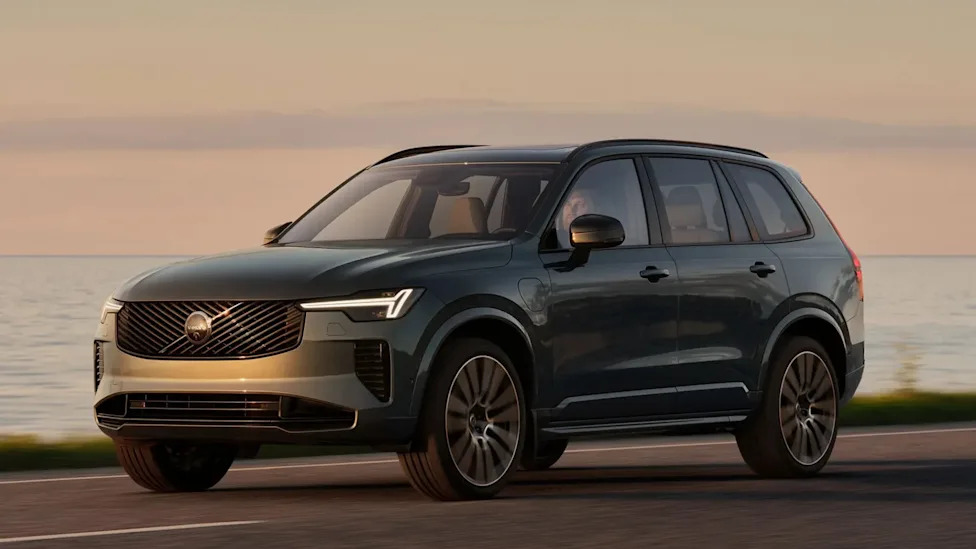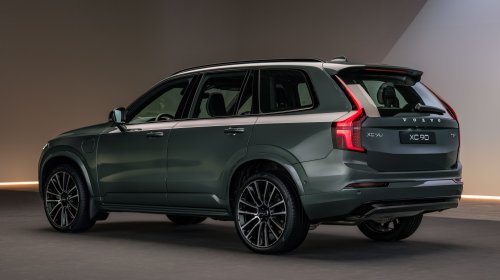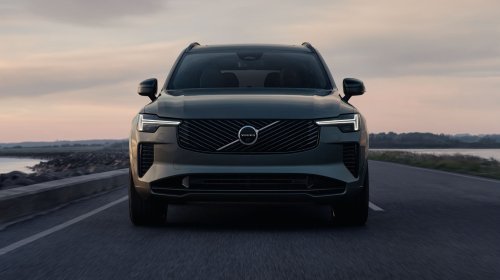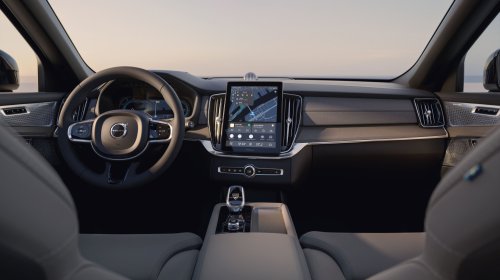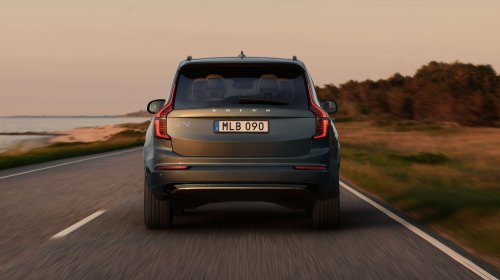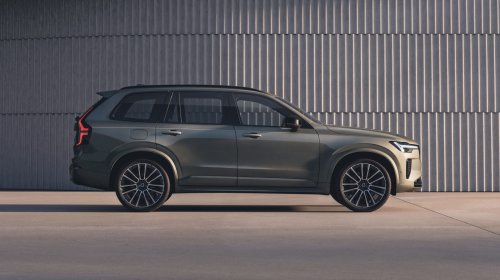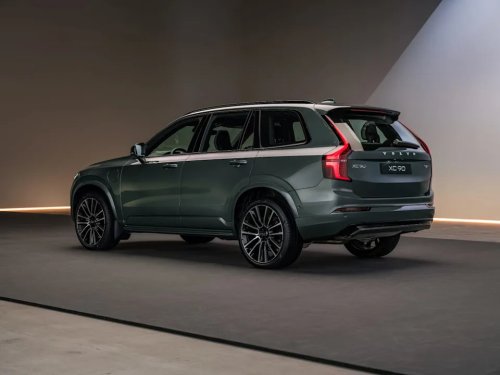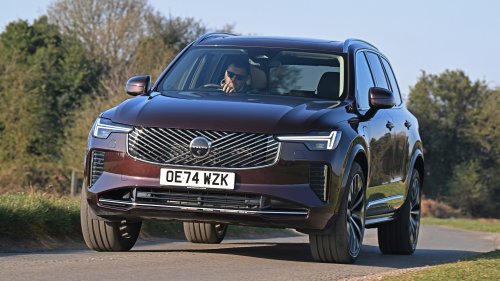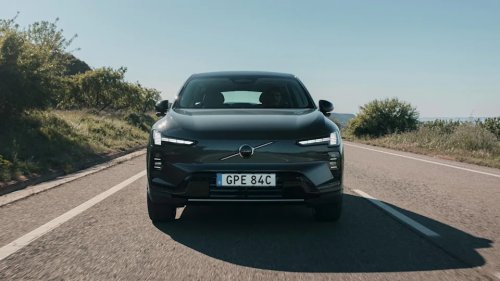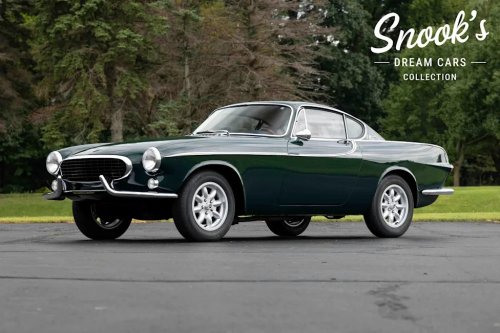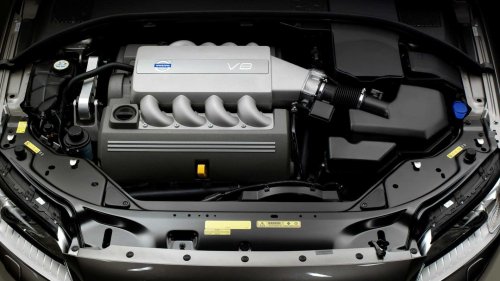
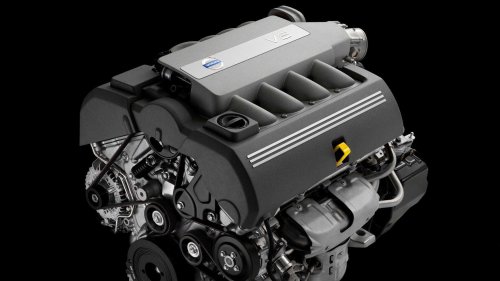
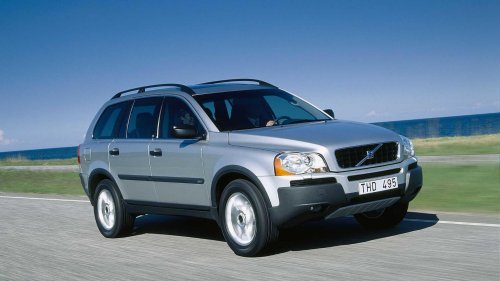
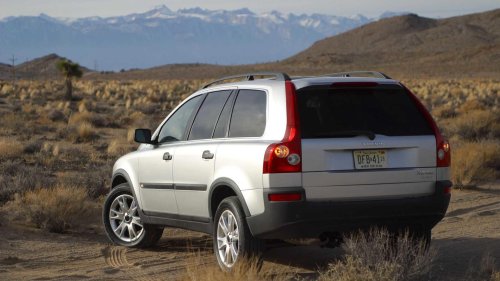
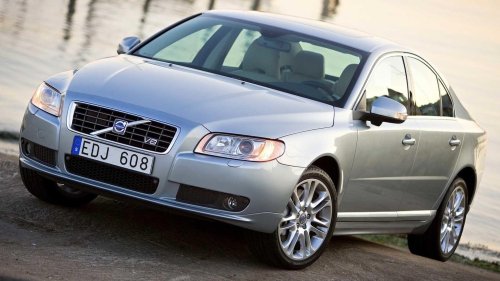
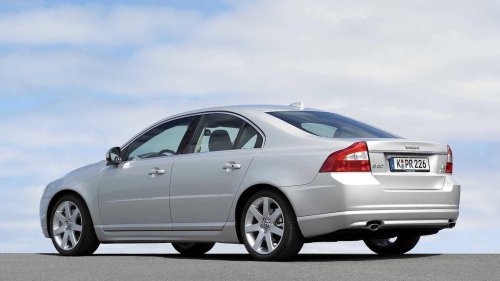
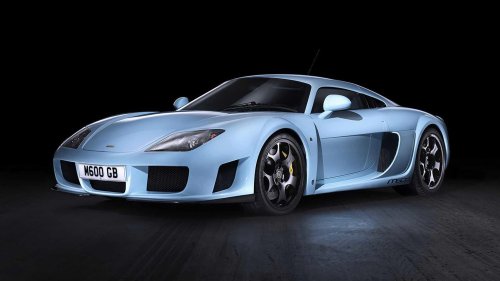
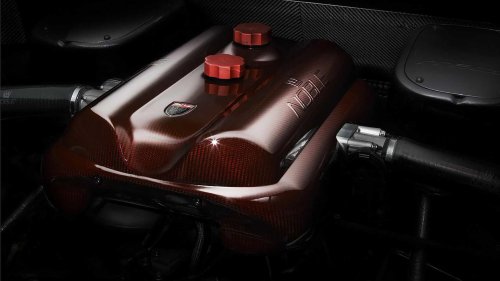


















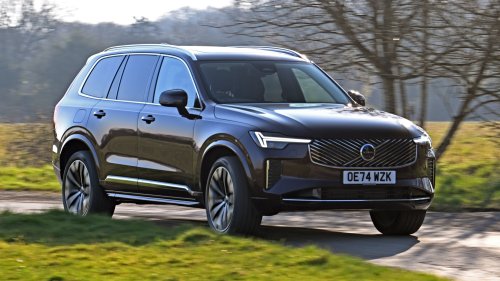

When the name Volvo comes up, what is the first thing that comes to your mind? Chances are, sensible family-oriented wagons and SUVs are probably at the top of the list. Over the course of decades, the Swedish automaker has built a name for itself in the world of automotive safety, introducing pioneering innovations like the three-point seatbelt. Its models are best known for keeping every member of the family protected on the road, as well as providing long-lasting reliability.Wagons have been a part of Volvo’s brand identity for a long time, but are no longer part of the automaker’s lineup in the US (although there is a chance they may come back in the not-too-distant future). V8 engines, however, are not. The brand is more associated with “boring” reliability than with V8 power and performance, and yet there is one engine with this layout in the brand’s past. This engine has powered two of Volvo’s own models (the XC90 and S80), as well as a third car with a very different personality, the Noble M600. Let’s take a closer look at this unique V8 and the production models it has powered over the years. The B8444S: Volvo's Only V8 Engine VolvoThe only V8 engine that ever powered a Volvo production model was called the B8444S. Although it was branded as a Volvo engine, it was actually manufactured in Japan by Yamaha, under contract with Volvo.The connection with Yamaha becomes apparent in a few of the engine’s features, which are shared with a different V8 that Yamaha built in collaboration with another automaker. The Yamaha/Ford SHO V8 had been introduced nearly a decade earlier, in 1995; it shares the B8444S’ transverse layout, 60-degree bank angle, bore centers, stroke, and deck height.The design process of the engine was a fairly complex one. Volvo primarily produced front-wheel-drive platforms at the time, which meant a traditional V8 mounted transversely would simply be too big. As a result, Volvo reached out to Yamaha (with some help from Ford) and made use of the Japanese brand’s engineering expertise. The result was a compact V8 that could fit transversely into Volvo’s models.Volvo The version of the B8444S engine that made its way into three production models was 4.4 liters in size. However, three other variants of it existed which never ended up in a production car (or, in some cases, any kind of car). One was a 5.0-liter version, used in Australia’s famous V8 Supercars series for two years. The remaining two were respectively 5.3 and 5.6 liters, and were used by Yamaha’s marine division.Volvo’s only V8 engine was eventually discontinued in 2010, due to a combination of factors. One was the brand’s change in ownership, as Ford had sold Volvo to Chinese company Geely (which still owns it today). Other factors were related to the gradual disappearance of V8s from the automotive world in general: downsizing, electrification, and a greater push towards environmentally-friendly engines. Volvo XC90 VolvoThe first production model to be fitted with the B8444S engine was the first-generation Volvo XC90, a mid-size SUV. The XC90 was actually the very first SUV produced by Volvo, marking a major shift in the brand’s output as it started to adapt to shifting market trends. Volvo had always taken pride in building vehicles that were safe and suitable for families: its debut in the SUV world continued to uphold that reputation, as the SUV became the preferred vehicle type for families both in the US and around the world.Volvo The model was initially introduced in concept form in 2001, under the name of Adventure Concept Car. A year later, the production XC90 made its debut, going on sale for the 2003 model year. The V8 engine, however, was not introduced until 2005, joining a lineup that also included inline-five and inline-six options. The V8 version of the XC90 was fitted with an Aisin-Warner six-speed automatic transmission, which sent power to all four wheels via the Haldex AWD system.The XC90’s first generation underwent several updates over the course of the following decade, before being replaced by the second-gen model in 2016. By this point, the V8 had already been discontinued for five years, as it had ceased to be available after the 2011 model year. The XC90’s second generation is still in production today. Volvo S80 Volvo The second Volvo model to use the B8444S was the second-generation S80 sedan, which made its debut in 2006 at the Geneva Motor Show, going on sale for the 2007 model year. The second-gen S80 was the product of Volvo’s ambition to compete with the big players of the luxury car world at the time; brands such as Mercedes-Benz and BMW all had V8-powered models in their lineup, while Volvo had primarily been relying on inline-four, inline-five, and inline-six engines. Something had to change: the S80, a V8-powered sedan, was launched to help put the newly-Ford-owned Volvo on the map.Volvo The second-gen S80 was based on Ford’s EUCD platform, known under Volvo branding as the P3 platform. These underpinnings were shared with Blue Oval models such as the S-Max and the Mondeo. The car’s dimensions remained broadly the same as the previous generation’s, but the interior was more spacious and comfortable. Its design was quite unassuming, in line with Volvo’s aesthetic: the combination of a “boring” aesthetic and a super-rare V8 engine resulted in the S80 gaining true sleeper credentials.The V8 engine was just one available option out of a very large lineup: depending on year and region, the S80 was also available with inline-four, inline-five, and inline-six engine options. As was the case with the XC90, the V8-powered version of the S80 was equipped with an Aisin-Warner six-speed automatic transmission, and was exclusively available with AWD. There was an optional Sport Package on offer as well, which added features such as summer tires and three different damper settings.The second generation of the S80 was also the last, as the model was discontinued in 2016 and replaced by the S90. Noble M600 Noble The most recent road-legal car powered by Volvo’s V8 was not a Volvo at all. The Noble M600 was a rare British supercar with plenty of character, only about 30 examples of which were built between 2010 and 2018. While its predecessor, the M15, had used a different approach (a 3.0-liter twin-turbo V6, producing 450 hp), for the M600 Noble decided to dream even bigger and choose V8 power.The M600 made use of the B8444S in a slightly different way from the two Volvo models; a series of modifications were made to the engine, making it better suited to a high-performance car. The standard internals were swapped out for forged pistons and connecting rods; a MoTec electronic fuel injection system and two Garrett turbochargers with variable boost were added. These modifications resulted in a power output of 650 hp.The changes made to the engine came about as a result of collaboration between Noble and two other firms. One was UK-based racing engine manufacturer Advanced Engine Research, while the other was US-based engine manufacturer Motorcraft.Noble The M600’s sleek design perfectly complemented its engine, with every aspect of it geared towards track-ready performance. It was the last Noble model to be designed by the company’s founder, Lee Noble. Its long hood and sloped roofline gave it an elongated, stylish silhouette; it had a stainless steel chassis with an aluminum tub and an integrated safety cell, which ensured its occupants’ safety even when pushing the limits of performance. The M600 was also a very lightweight car, weighing in at just 2,641 lbs; this greatly optimized its power-to-weight ratio, which was better than that of the Bugatti Veyron.When the model’s limited production run ended, its successor was introduced: the Noble M500. This model carried forward several of the M600’s design cues but no longer used V8 power, instead going back to a Ford-sourced V6: a 3.5-liter unit that produces 542 hp.Sources: Volvo, Noble