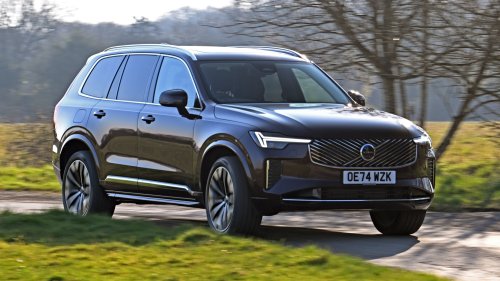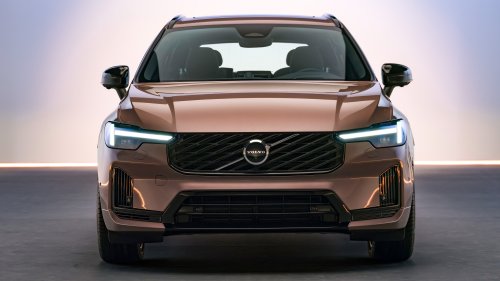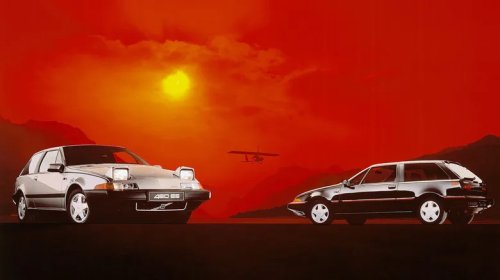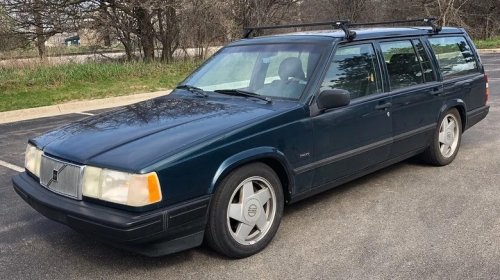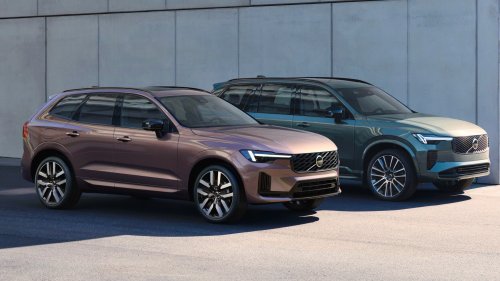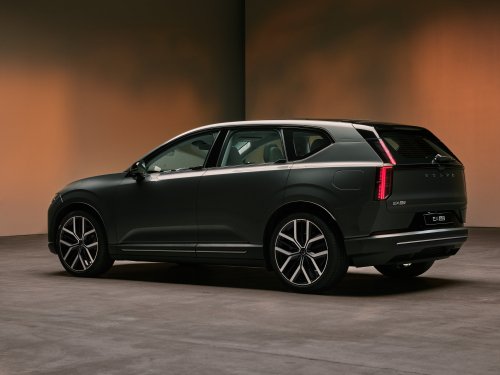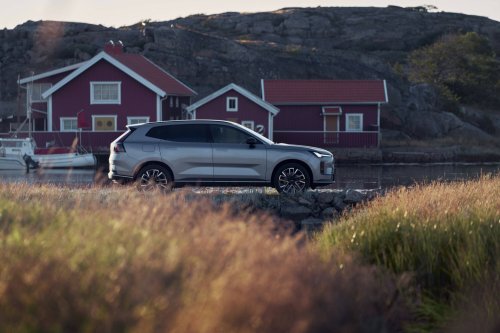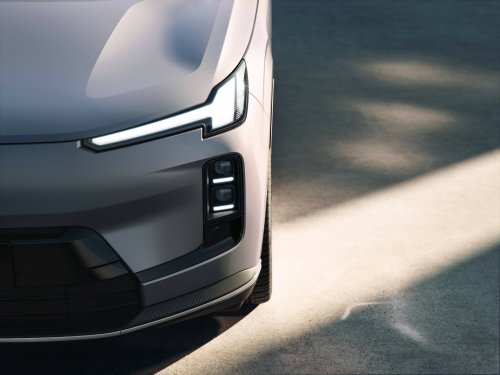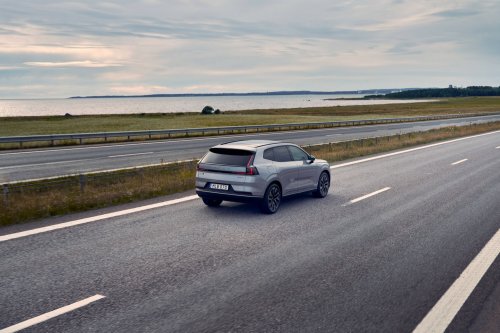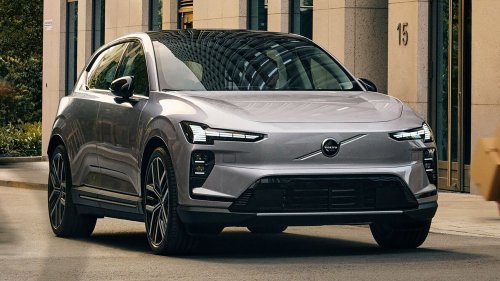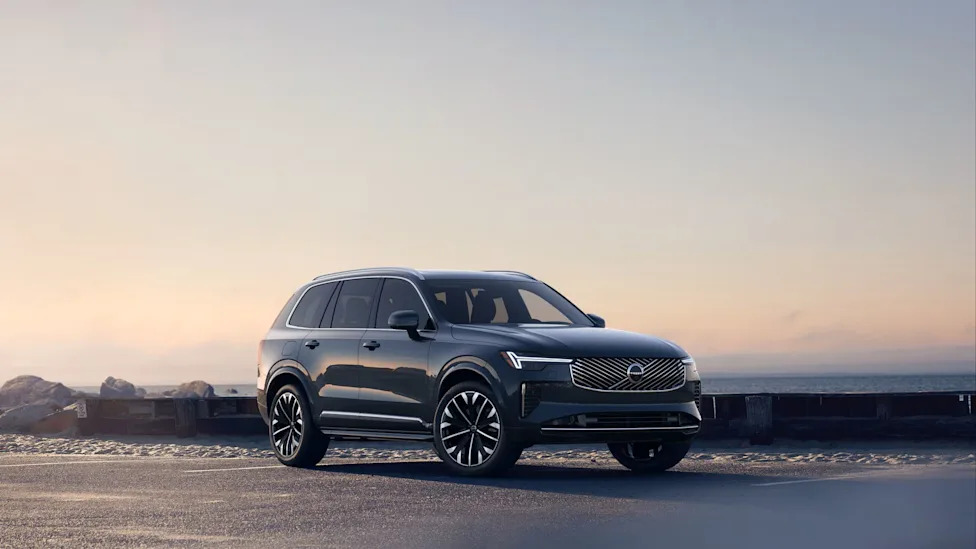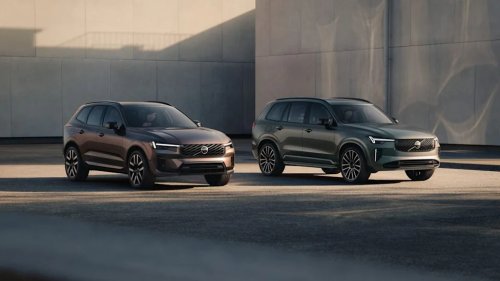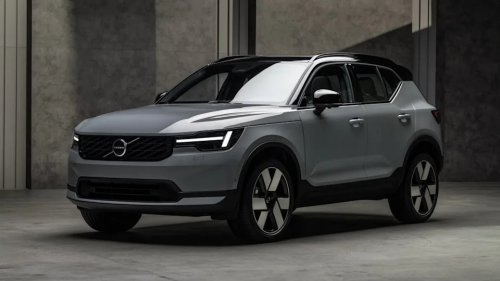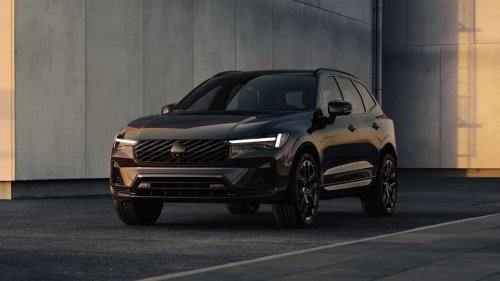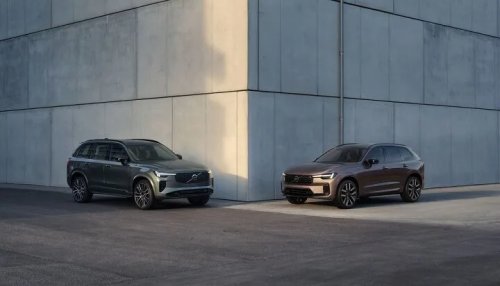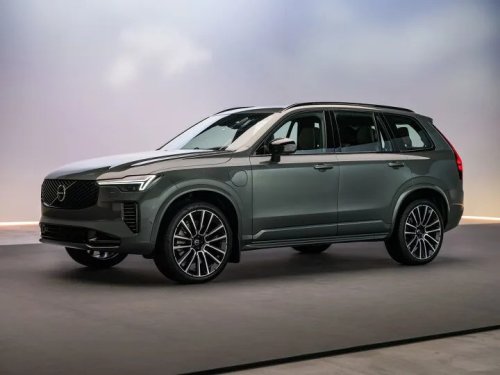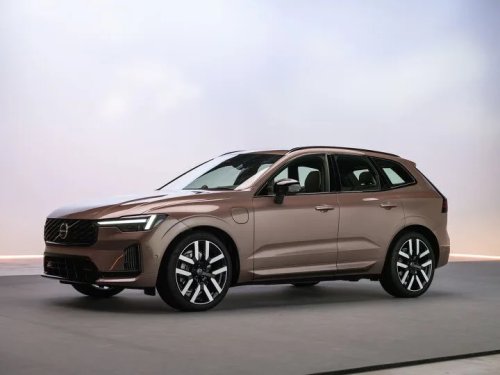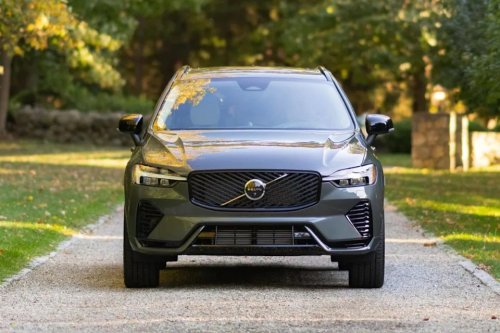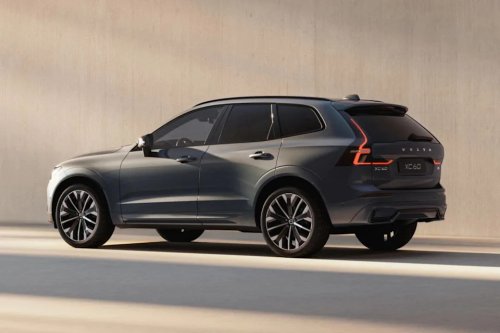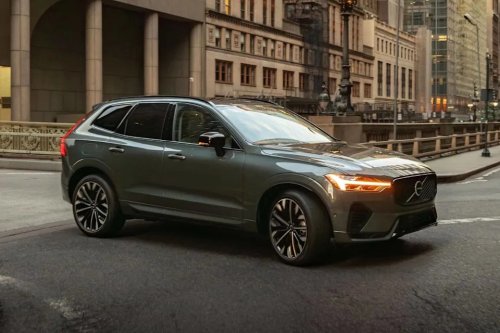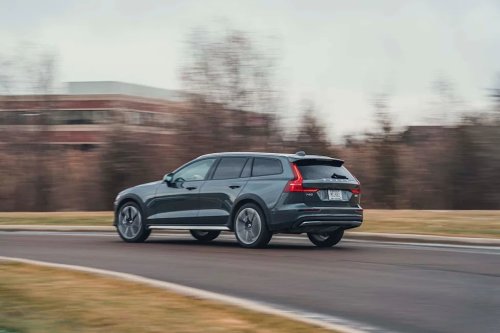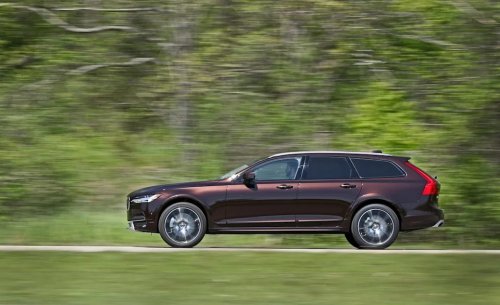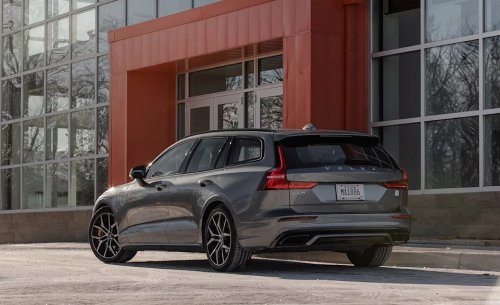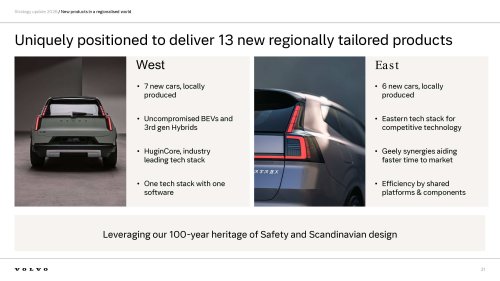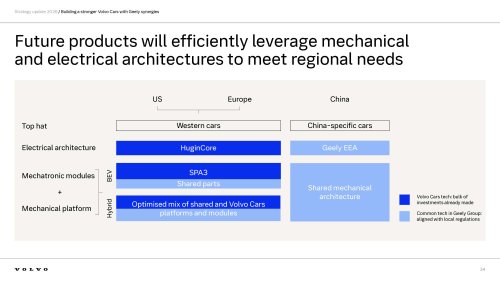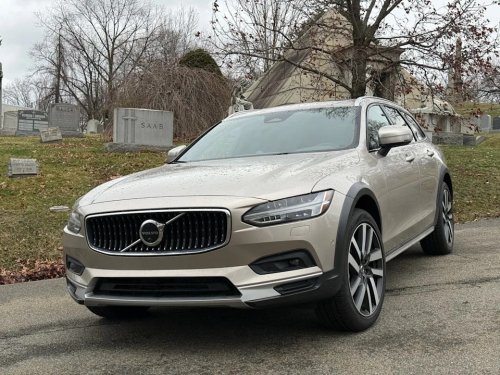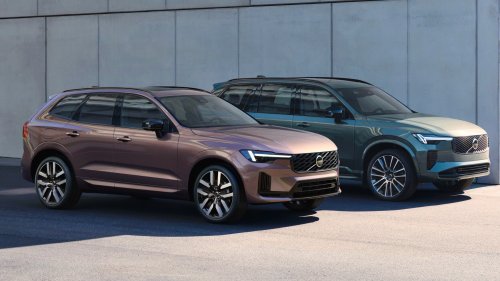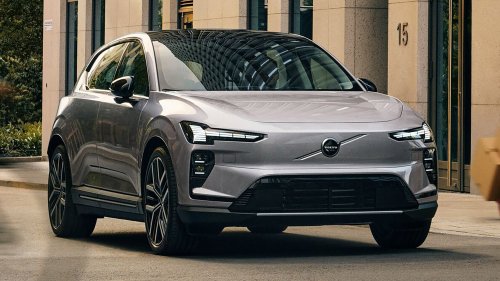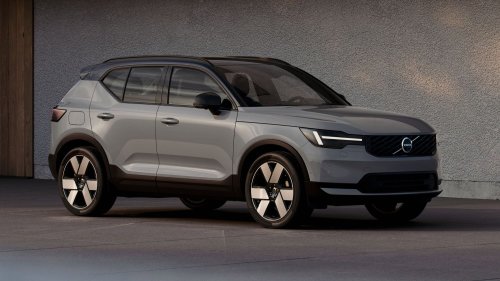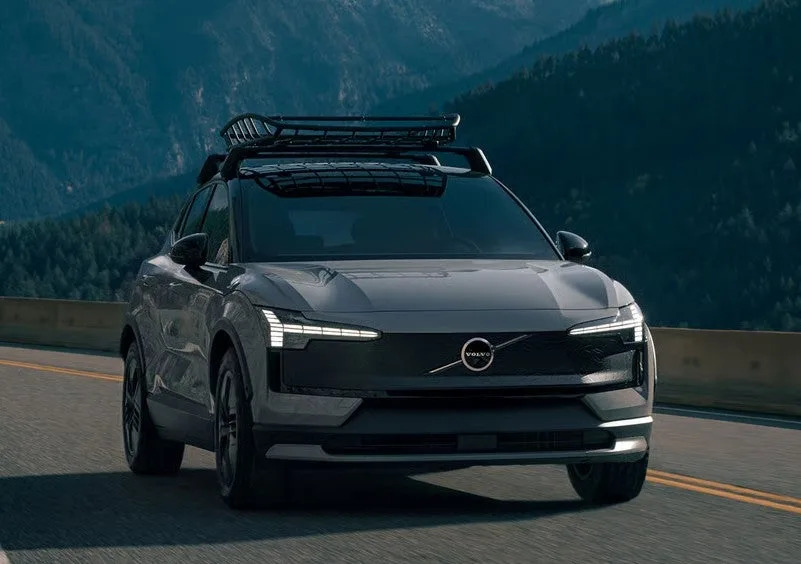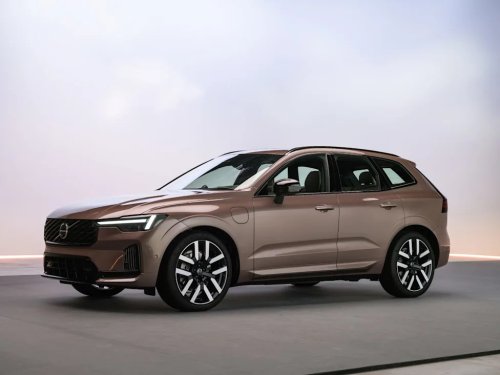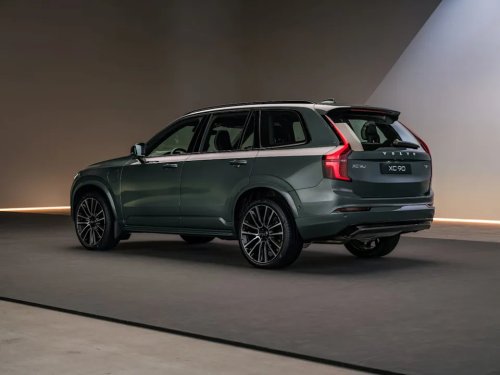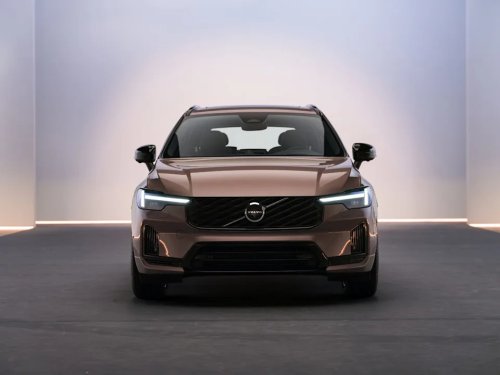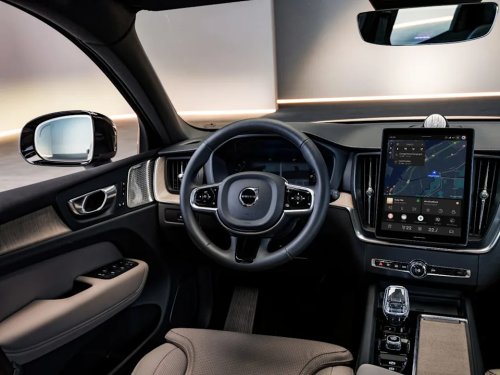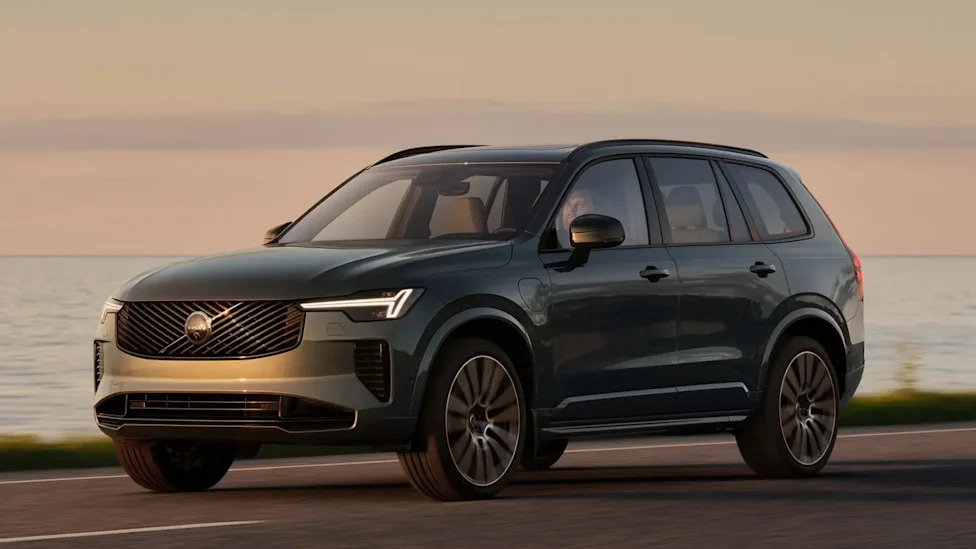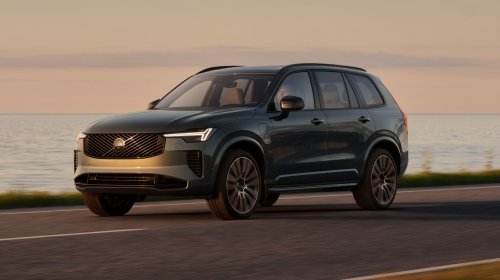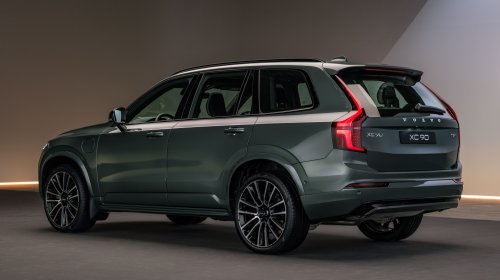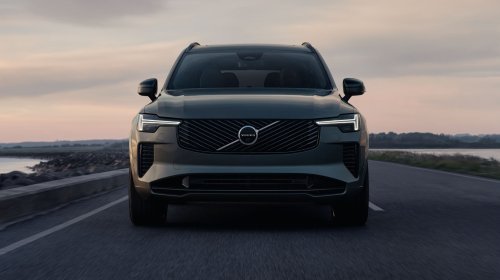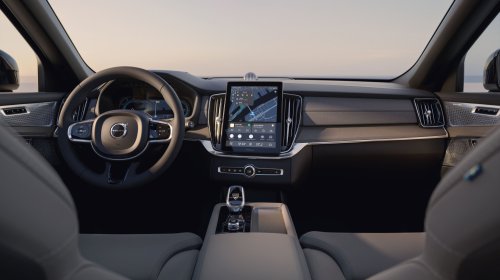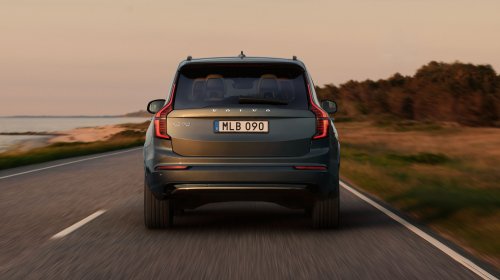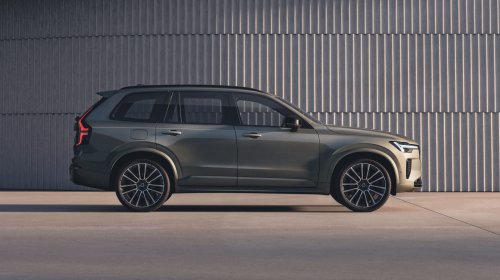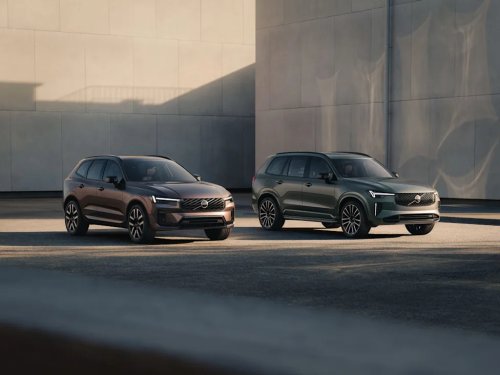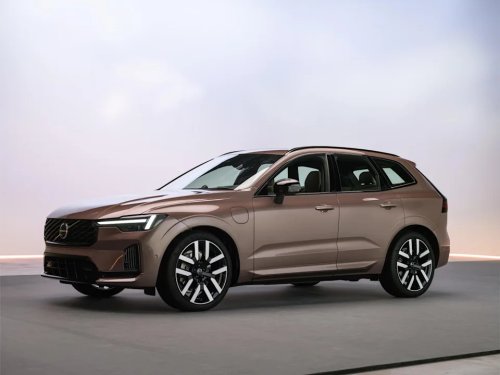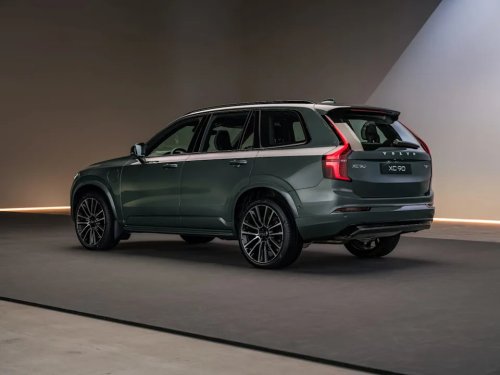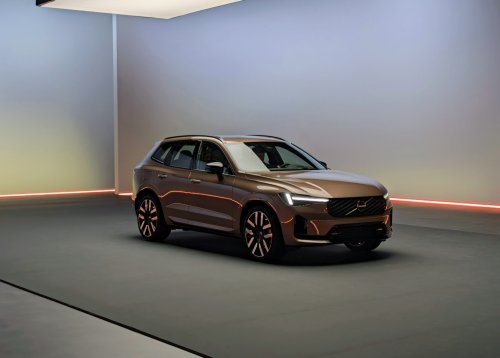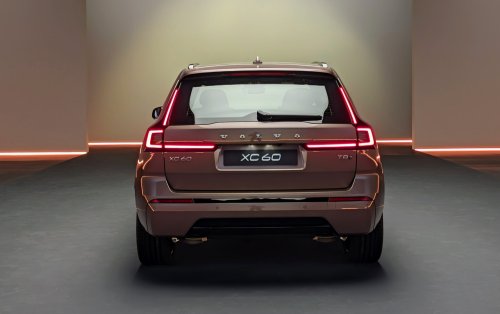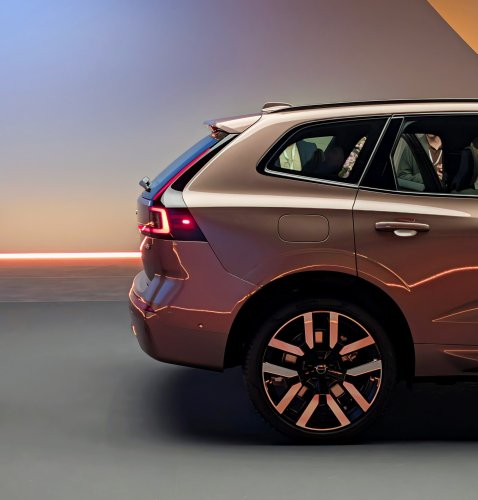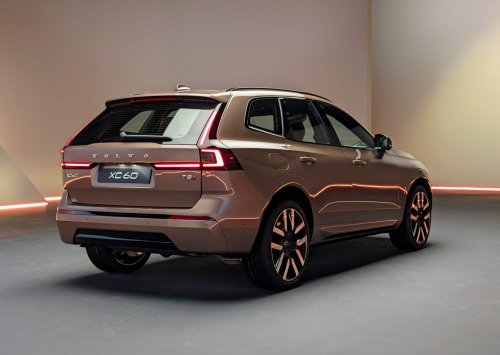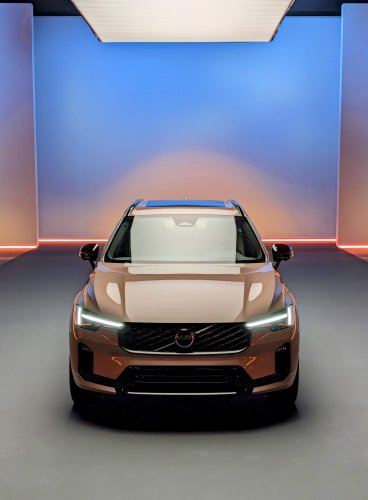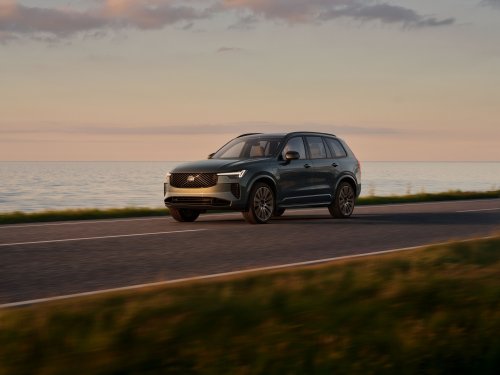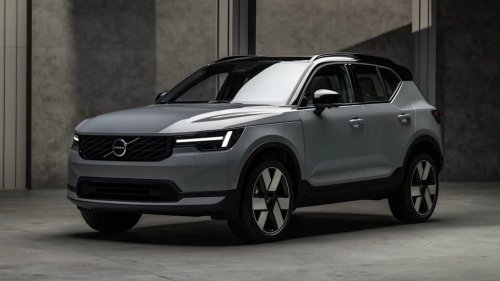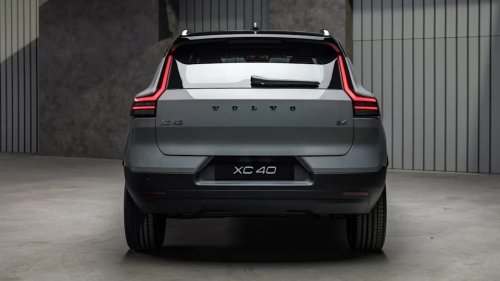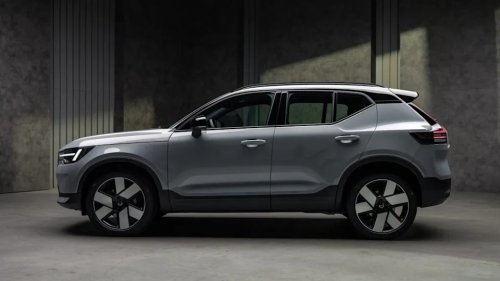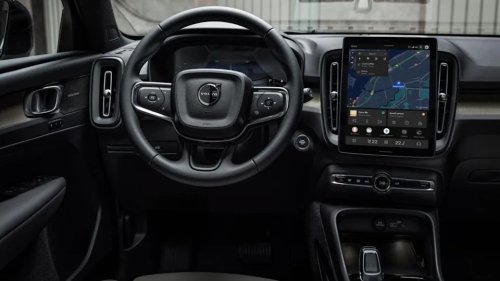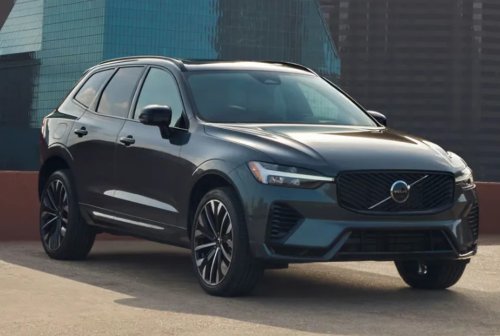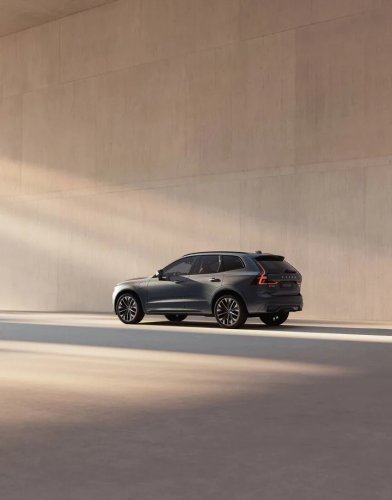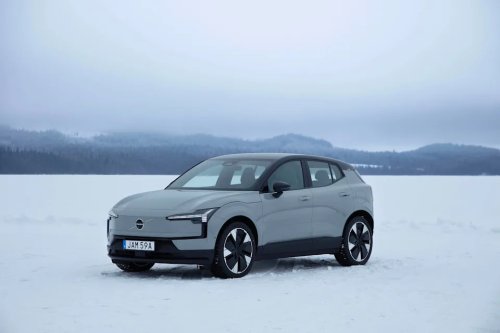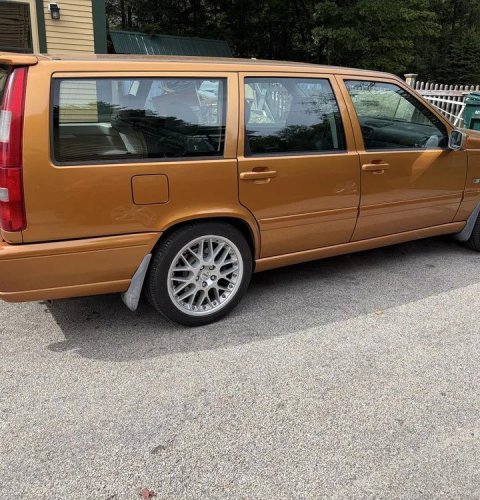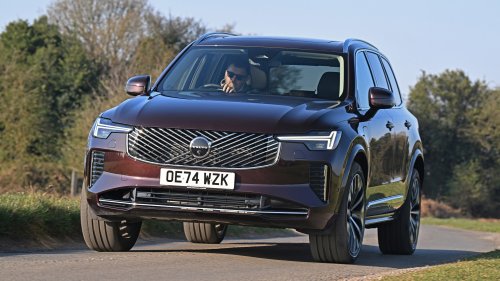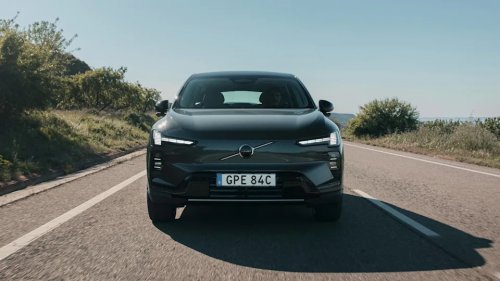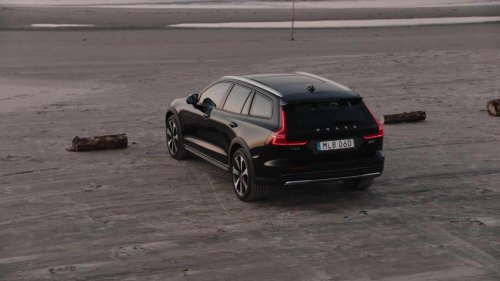
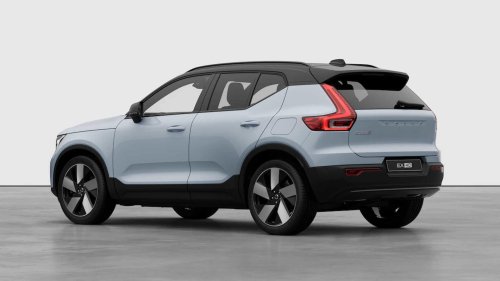
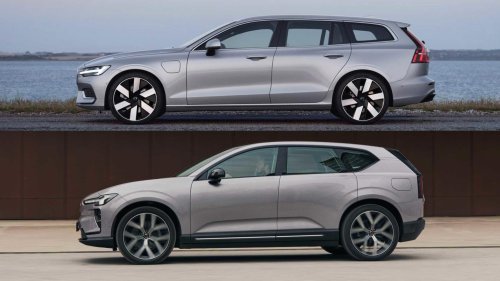
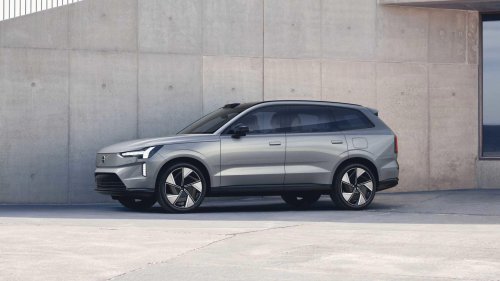



















Trying to piece together an automaker's future product plans from public comments and conversations with executives is a worthwhile pursuit, but how much detail are they really going to share, and how consistent will the messaging be from one executive to another? Volvo, for instance, is going through a massive product overhaul, having phased out the S60 and S90 sedans, the V60 and V90 wagons, and, most recently, the all-electric EX30 compact crossover.Volvo That leaves the current portfolio with internal-combustion or hybrid versions of the XC40, XC60, and XC90 crossovers, plus the three-row EX90 EV and, arriving late this summer, the midsize two-row EX60 electric crossover. And let's not forget the (fairly outdated) all-electric EX40, whose sales are folded in with XC40.So, where is Volvo to go now on the product front? The only confirmed new vehicle at this point is a next-generation plug-in hybrid to be built at the Volvo plant in Ridgeville, South Carolina, by 2030. Two Volvo Wagons Still In Stock VolvoVolvo Cars CEO Håkan Samuelsson said this week there's room for additional new product, perhaps even something that was once a company staple. Yes, a Volvo station wagon could return."I think we will not only have SUVs five years from now," Samuelsson said in a media roundtable. In response to a question from Road & Track about potential wagons in the future, Samuelsson said Volvo is looking into them, but he also expressed interest in an extended-range EV and hinted at an SUV larger than the XC90 and EX90. Yes, Samuelsson hinted at more SUVs while also saying Volvo would have more than just SUVs. It seems that confusing the audience with doublespeak and conflicting messages is the best strategy for corporate communications.If you don't want to pin your hopes on a new Volvo wagon that might not materialize, well, you can still find a V90 Cross Country in stock, or a V60 Cross Country before it sunsets late this year. Or, you can spend more for performance-oriented German wagon versions of the BMW M5, Mercedes-Benz E-Class, and Audi A6.But lovers of Volvo station wagons have hopefully been paying close attention to what's actually coming out of the Gothenburg design studios. Check out the image below, showing the V60 above the new EX60. Yes, the EX60 needs a longer roof, but isn't it giving off some definite wagon vibes, with its compressed greenhouse and reasonably low 7.2 inches of ground clearance?Volvo If Volvo's big SUV actually gets the green light, it would become Volvo's largest-ever passenger car, barring the buses and big rigs of Volvo Group. Powering a vehicle that large would require more than electrons, Samuelsson said, pointing to a "multi-fuel execution" in terms of powertrain. Nowadays, that means all powertrain options would be on the table, including hybrids, plug-in hybrids, and EREVs, but his mention of "fuel" suggests an internal-combustion engine will need to help carry the load. Where Do Volvo Engines Come From? Volvo Problem is, Volvo doesn't have any manufacturing capacity for internal-combustion engines, and it's not spending anymore R&D money on them, either, while the brand prepares for the inevitable total switch to EVs at some point in the future. Samuelsson knows Volvo's limitations with regard to ICE technology, but he doesn't seem too worried about it.His media comments this week echo Volvo's Chief Engineering and Technology Officer, Anders Bell, who told CarBuzz and other outlets during Volvo EX60 test drives in Europe that partners and suppliers can handle all of Volvo's internal-combustion needs.Samuelsson also told the media roundtable that he'd like to see the big SUV built at the underutilized assembly plant in Ridgeville, South Carolina, which used to make the S60 sedan and now turns out the Polestar 3 and Volvo EX90. Those are very low-volume products (less than 10,000 units last year, combined) from a plant tooled up to produce 150,000 vehicles a year.That plant is burning Króna because more than 80% of it is not being used at the moment, while gearing up to produce Volvo's best-selling vehicle, the XC60, late this year. Volvo sold more than 41,000 XC60s in the US last year, which means there's still room for the next-generation plug-in hybrid promised at the plant by 2030 and perhaps even the jumbo SUV.So Volvo, how about a wagon, then?