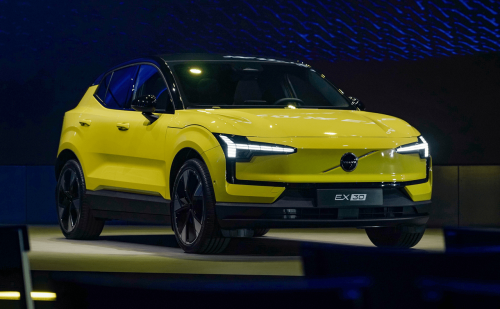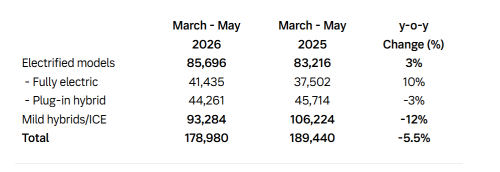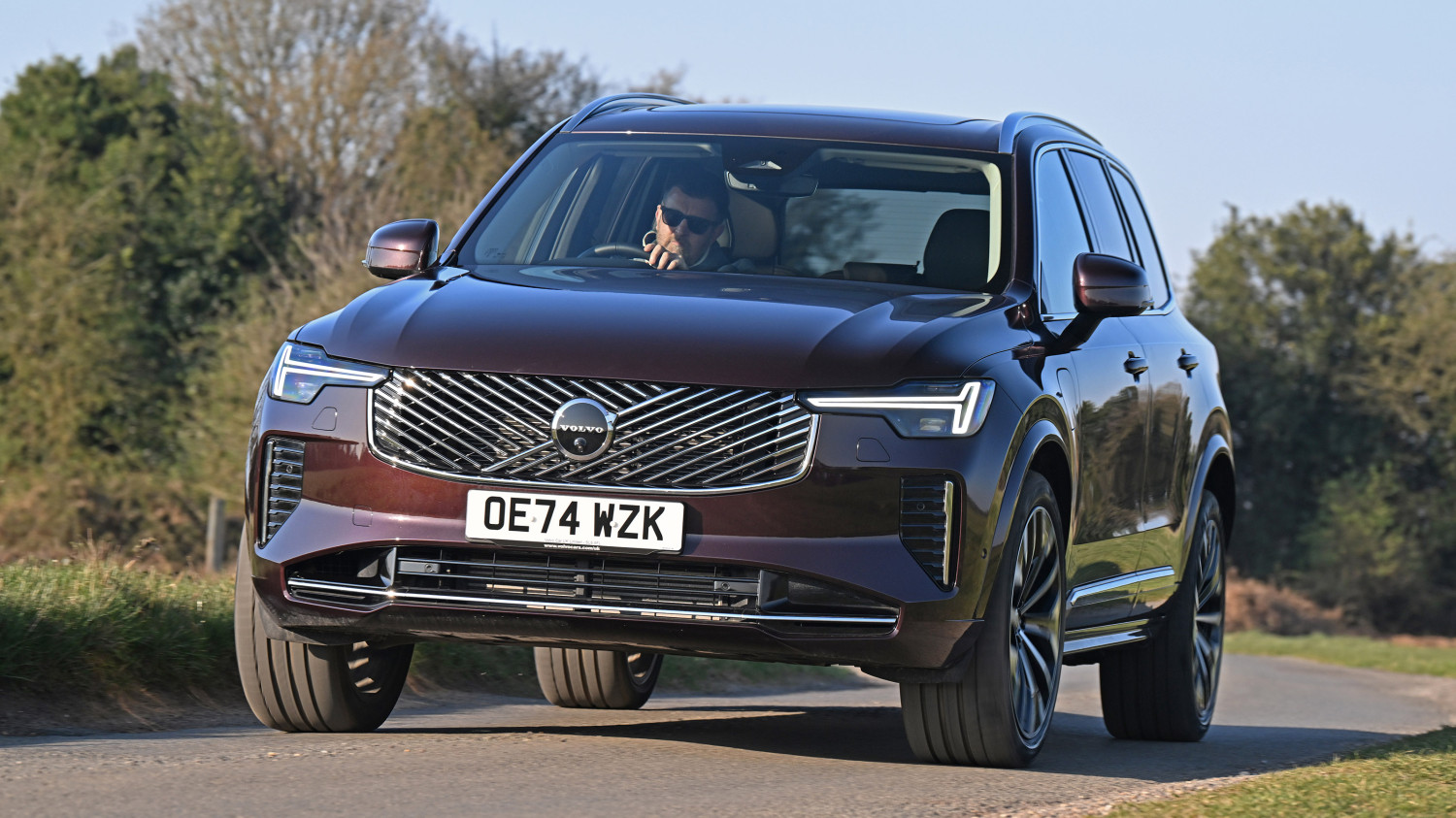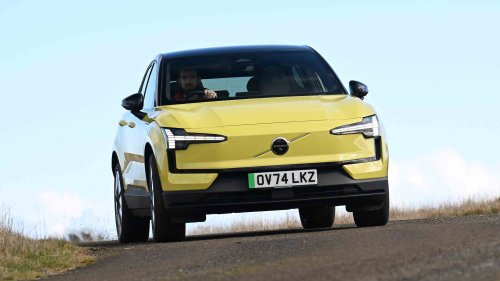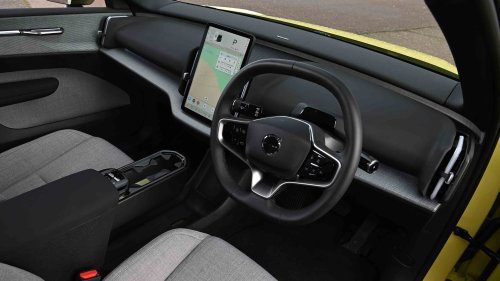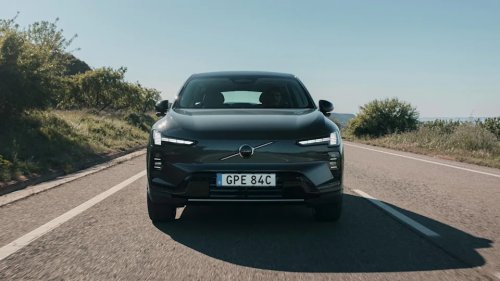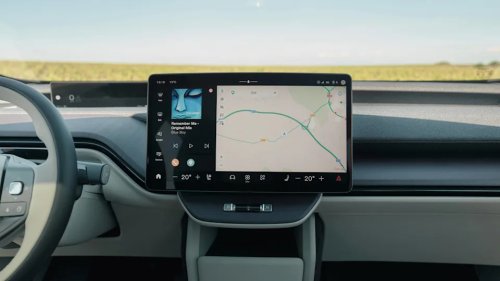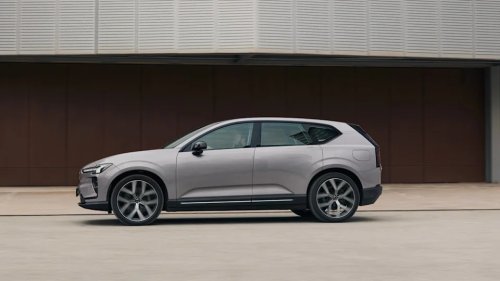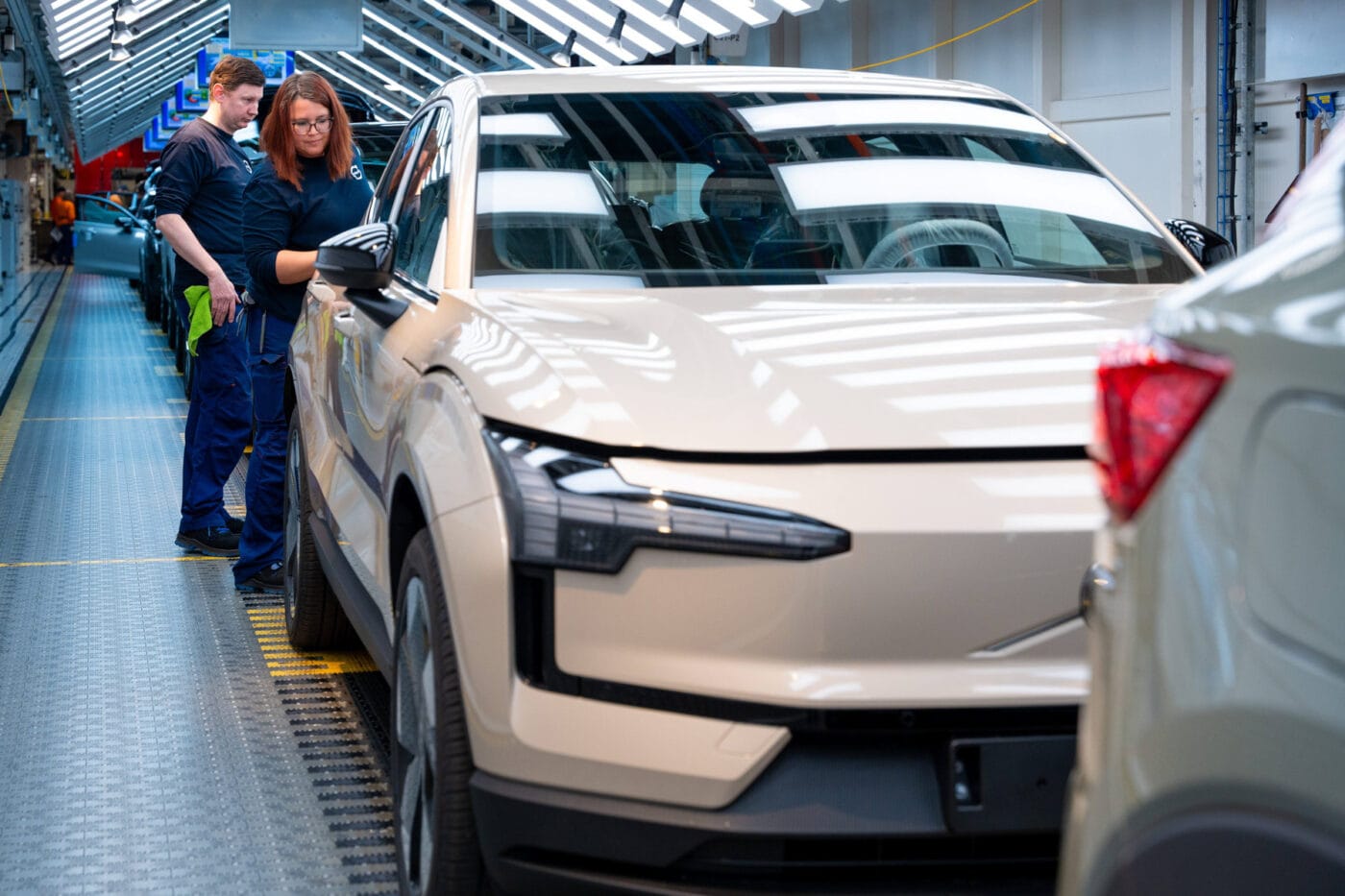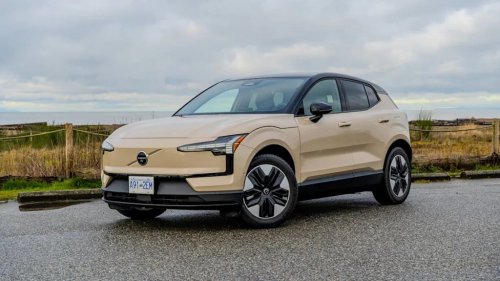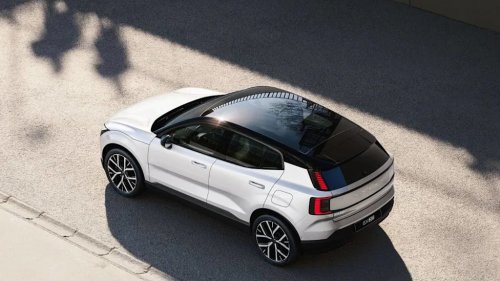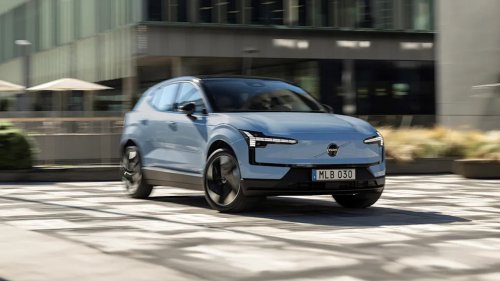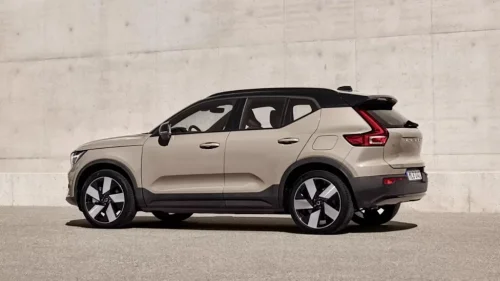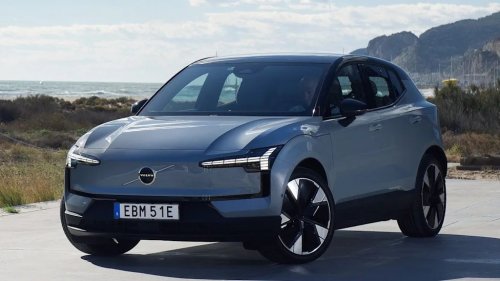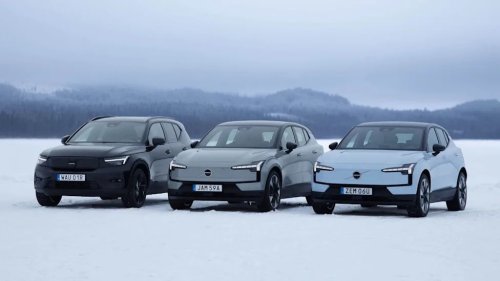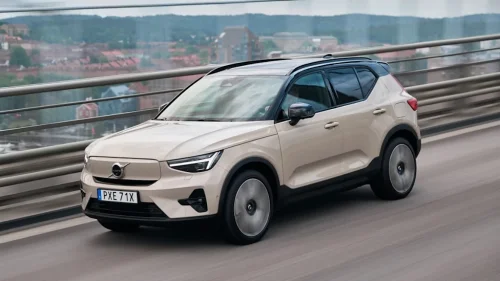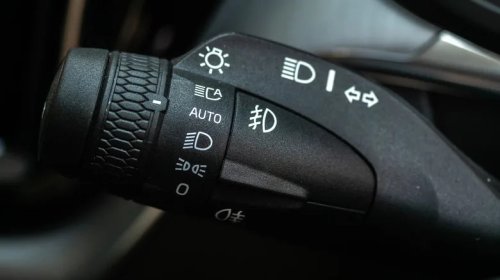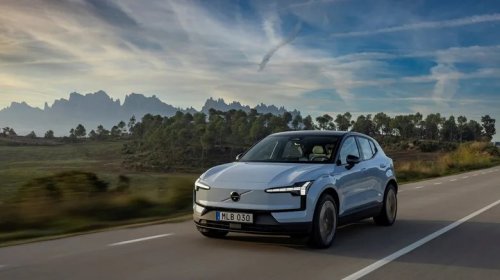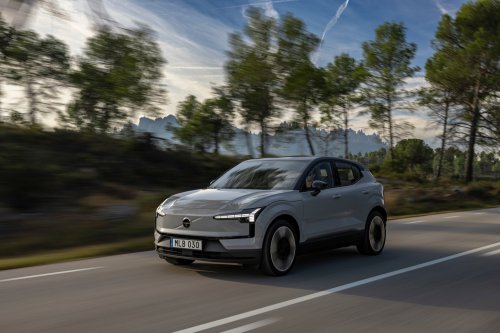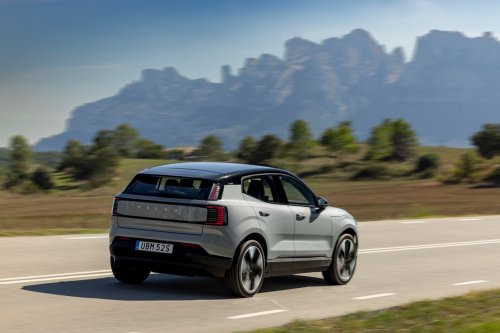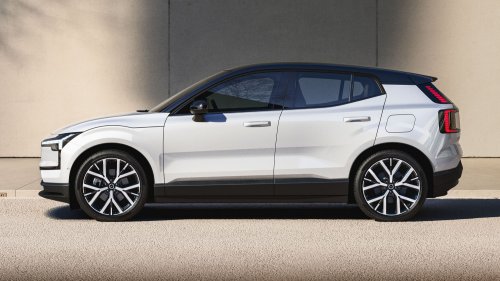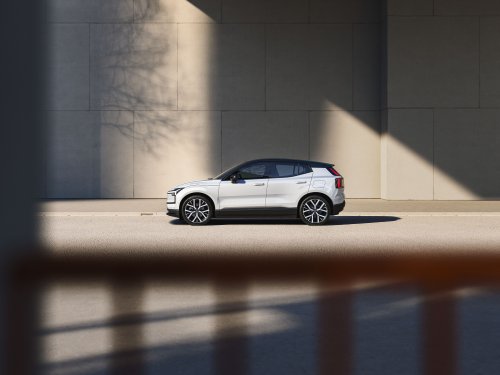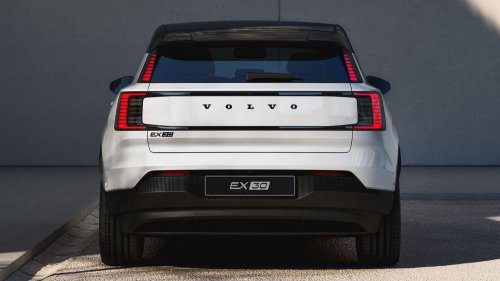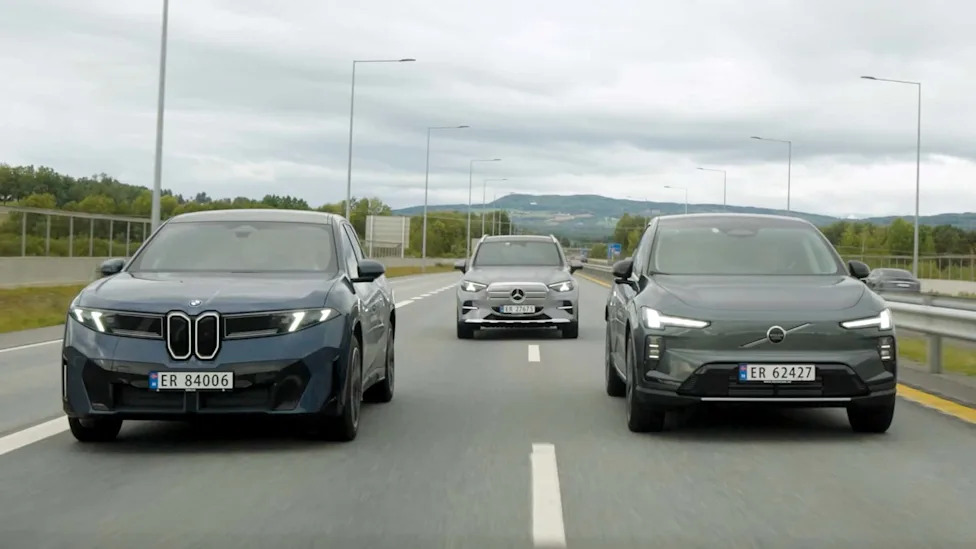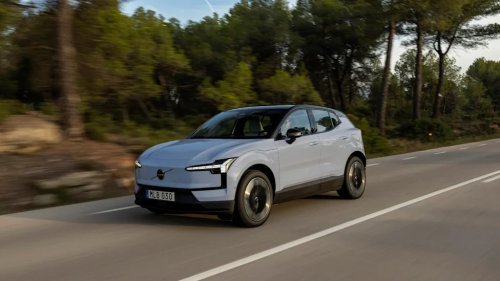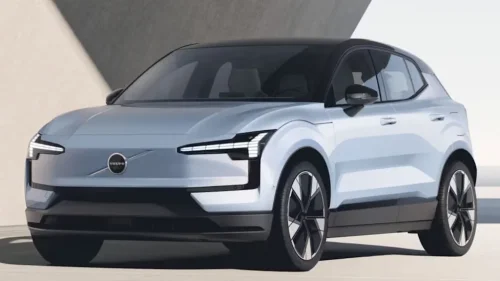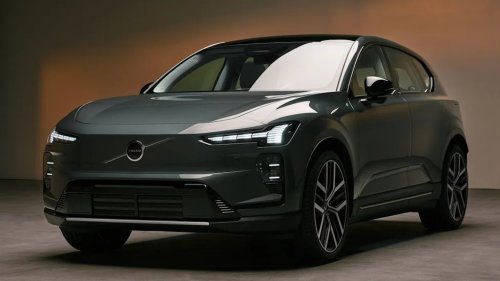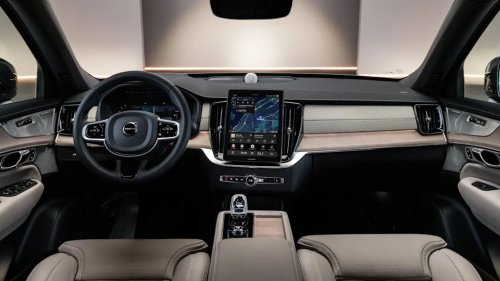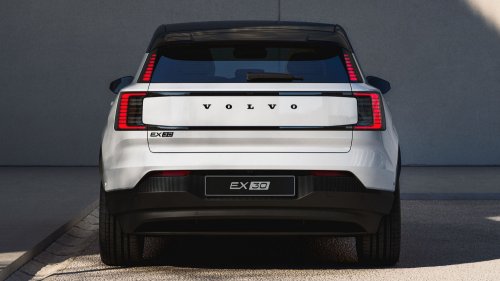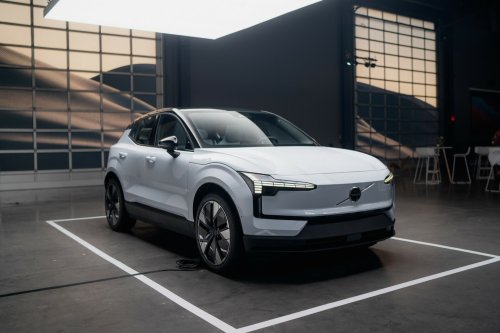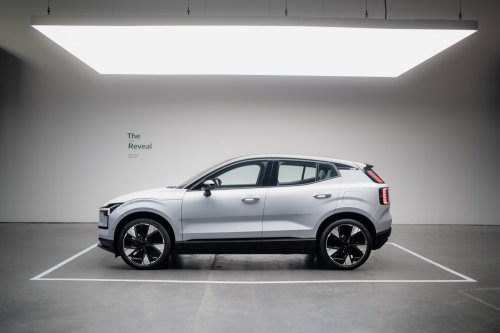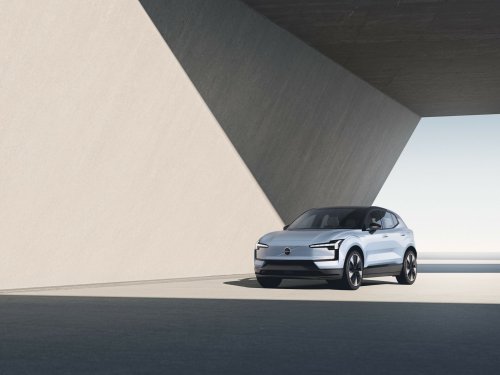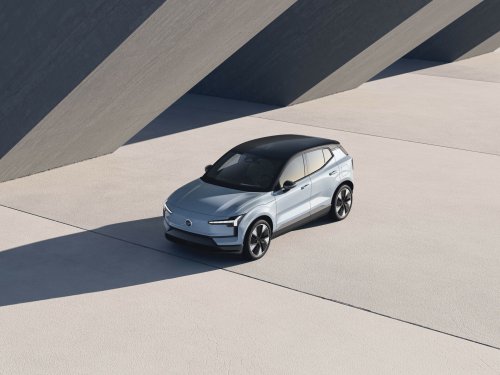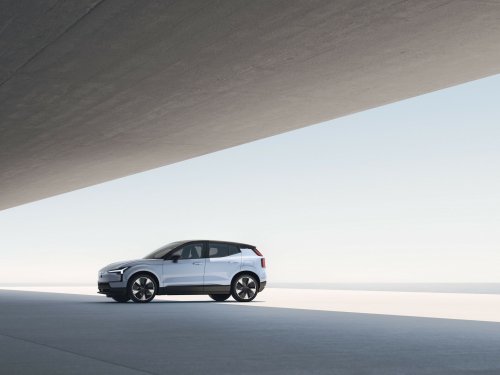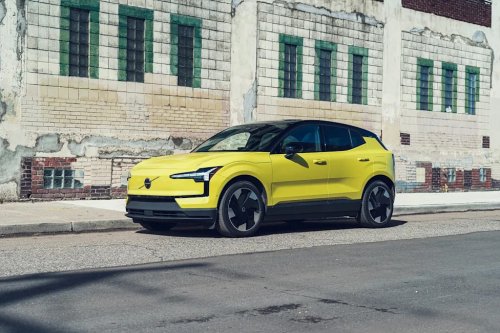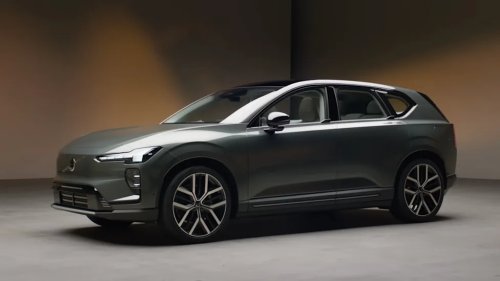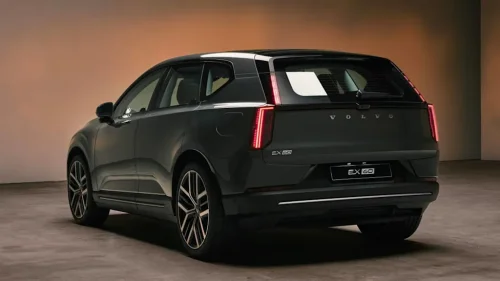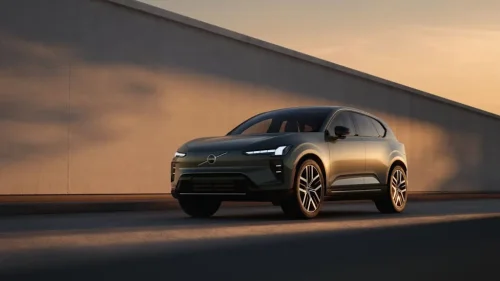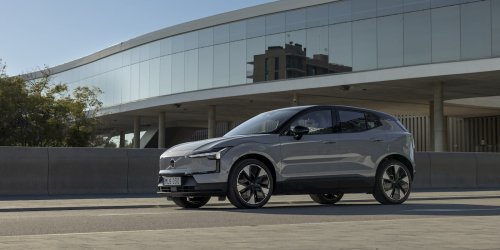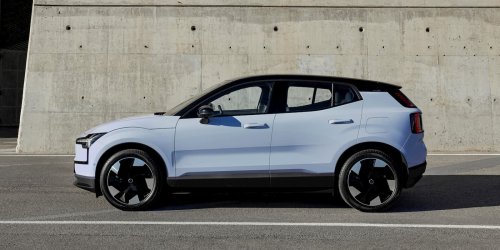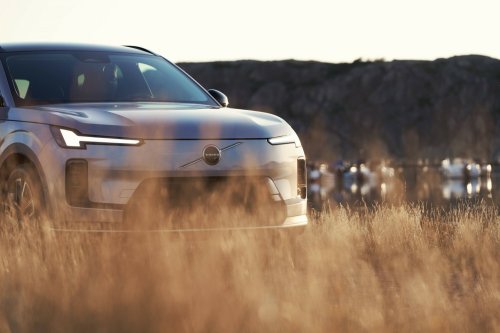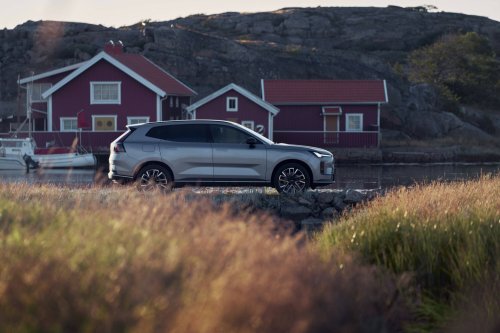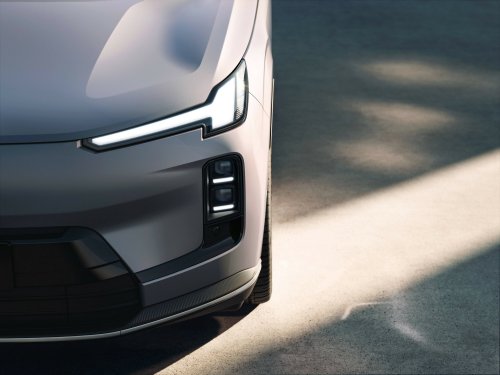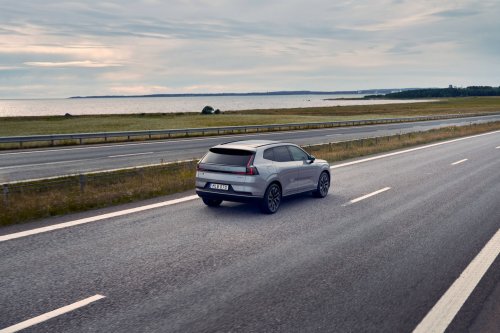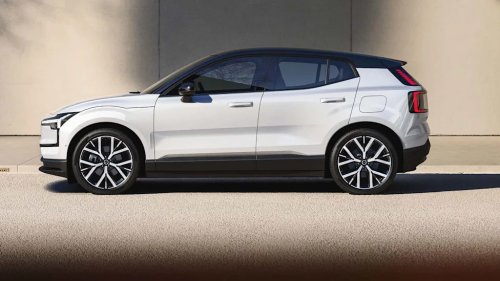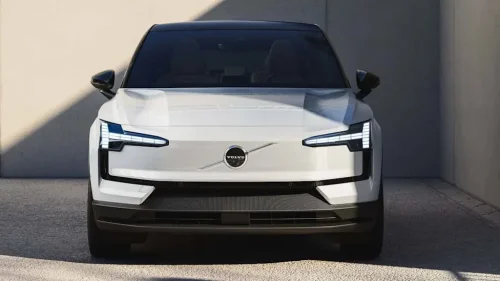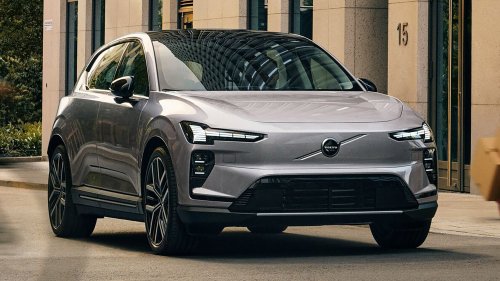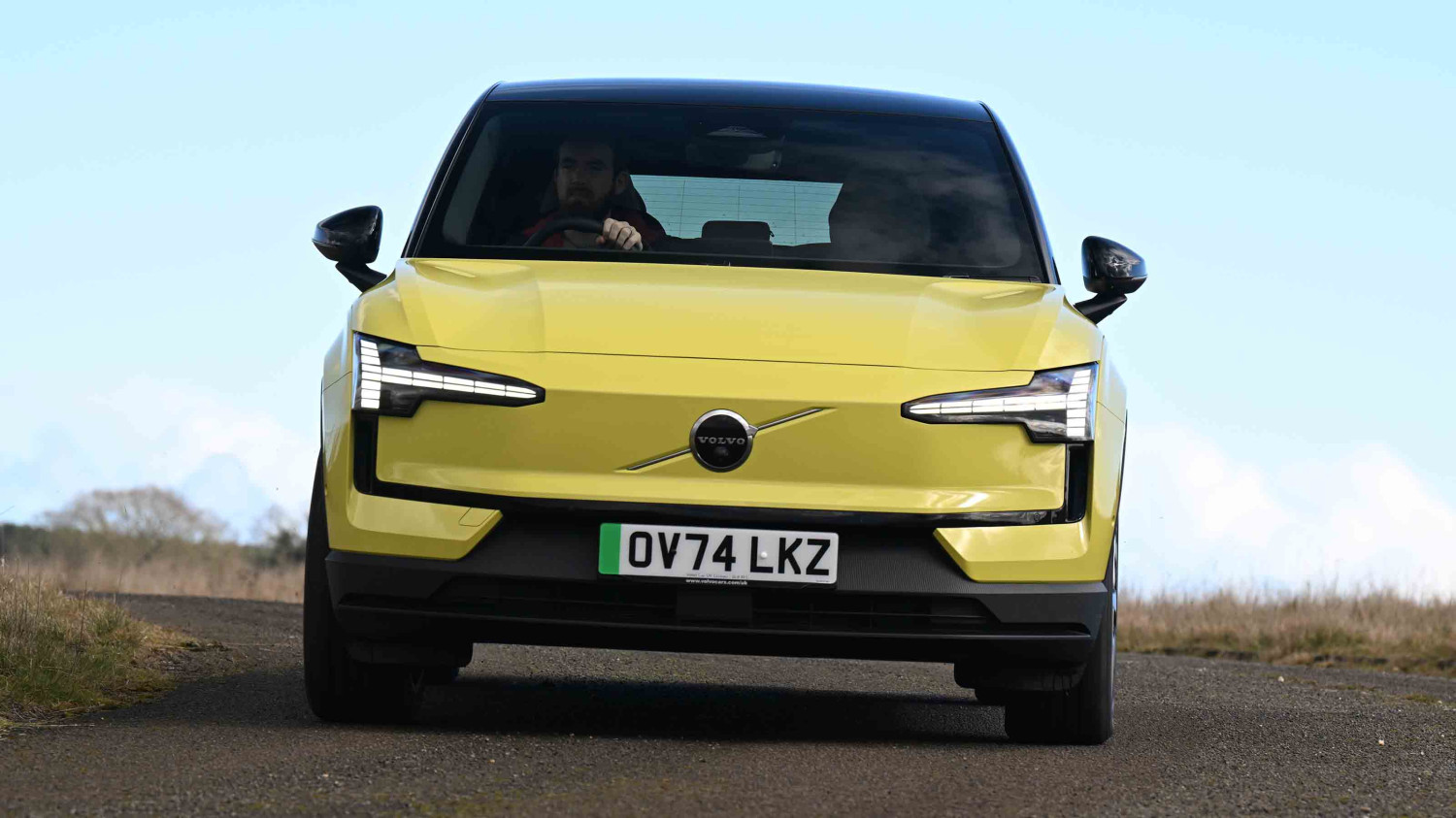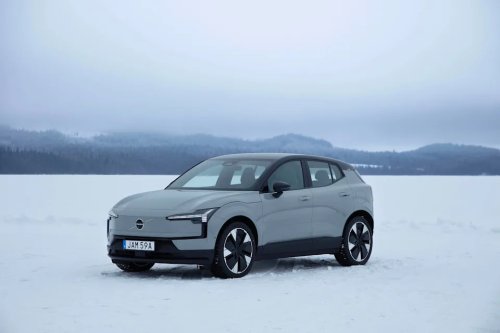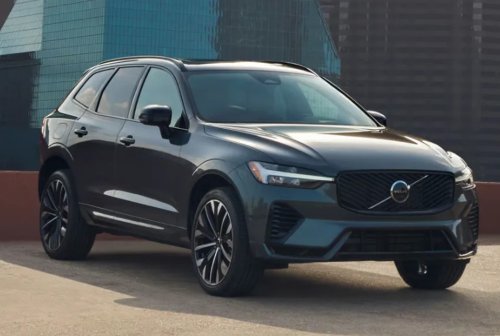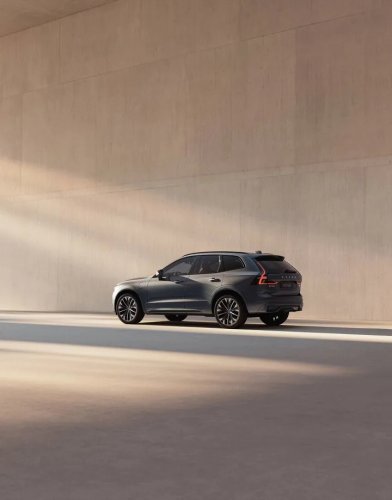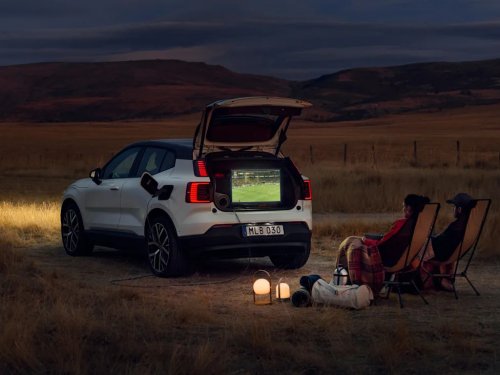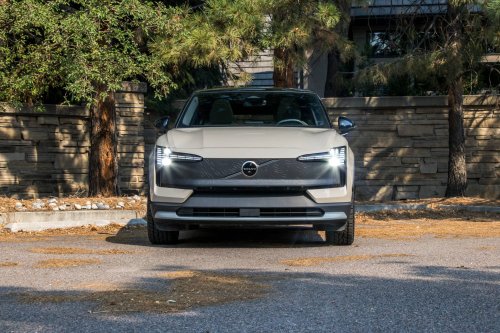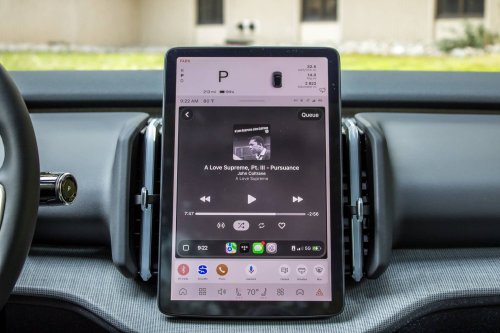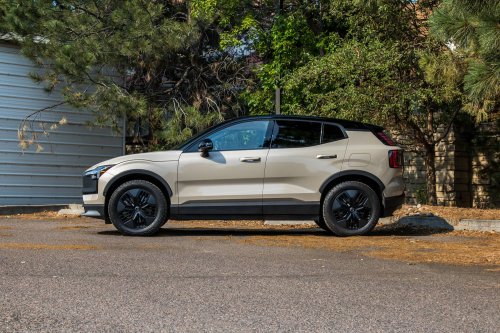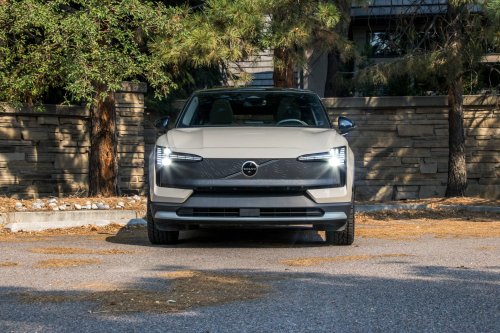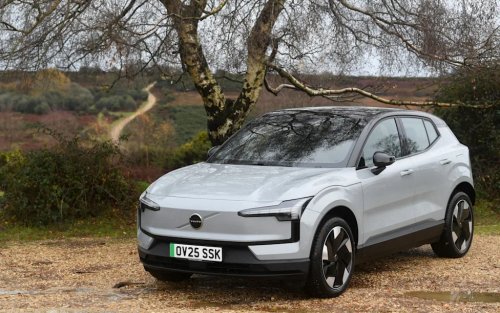

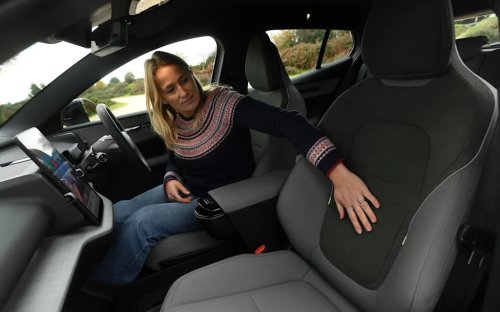
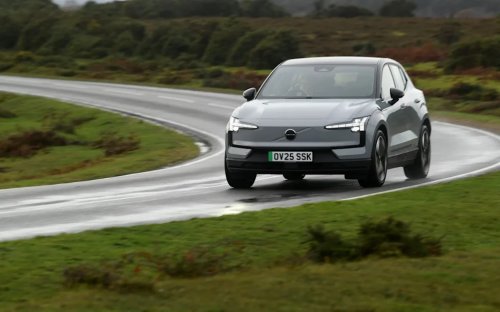
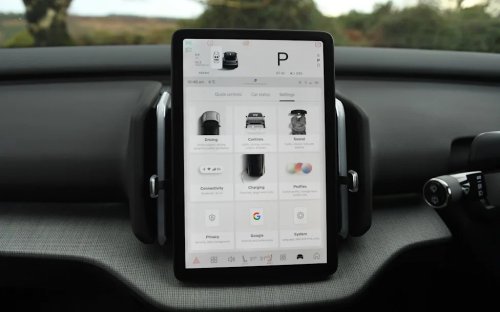
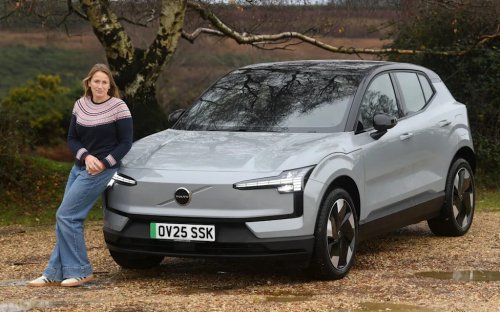
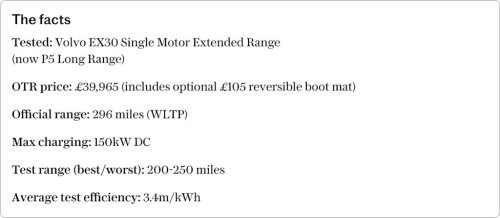



















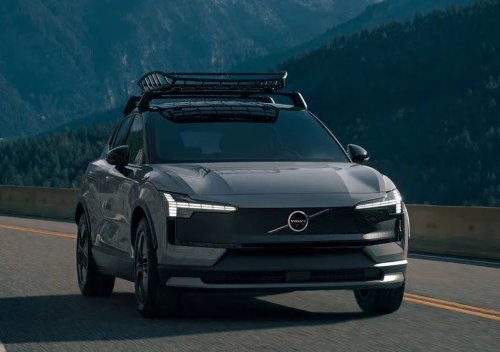
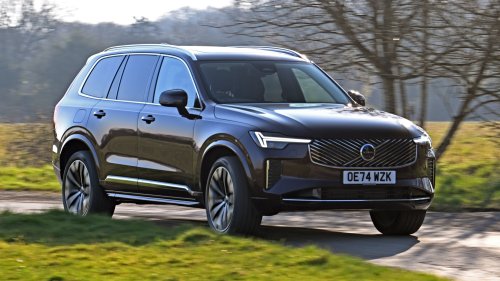
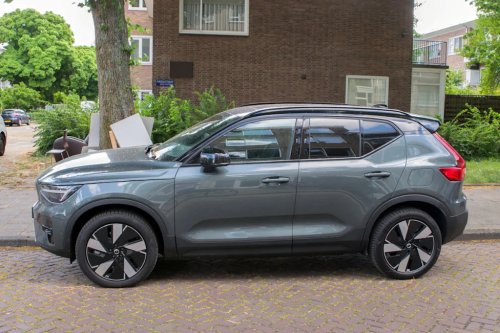

Volvo's EX30 – the most affordable Volvo EV - Russell SachAlthough it's not widely known that Volvo has been owned by Zhejiang Geely Holding Group since 2010, the Chinese manufacturing giant deserves credit for largely leaving the Swedish brand to its own devices, with great success.However, the EX30 represents a change, because it is the first Volvo based on a Geely platform rather than its own. This also underpins the Smart #1, and it permits this compact electric crossover to be the most affordable Volvo EV, putting it on price parity with equivalent premium petrol rivals such as the Volvo XC40.The main reason for choosing this model to test was that I wanted to discover whether it still feels like a Volvo in day-to-day use, despite the Chinese underpinnings. The car I tried, the EX30 Ultra Single Motor Extended Range, has since been rebranded the EX30 P5. In standard vapour grey paint, the only optional extra is a £105 reversible boot mat, because I'd be ferrying my two dogs. That makes the OTR price £39,965, with a 296-mile range from a 64kWh usable (69kWh total) lithium-ion NMC battery.Vicky went for the optional £105 reversible boot mat, on account of her dogsThe EX30 doesn't have conventional main instruments directly in front of the driver, and instead displays the car's speed in the top corner of the central touchscreen, in a similar layout to the 180,000-mile Tesla Model 3 I tried recently. A lot of people still prefer a conventional display so its omission is very un-Volvo, given the questionable safety of having to look away from the road to gauge your speed.AdvertisementAdvertisementElsewhere, the interior felt like anything but a cost-cutting exercise. The forest green upholstery is gorgeous; textural and refreshingly different from the blacks, greys and beiges we're used to. Contrasting yellow flourishes pop up around the interior, while the cupholders that pop out from the armrest between the front seats feel beautifully damped and are conveniently located. Thoughtful design and loads of gorgeous details abound, while the quality of the materials used is a highlight.Writer Vicky says the EX30 interior did not feel like a cost-cutting exercise - Russell SachDriving pleasureI also love the way this car drives. I'd go so far as to say that this is the best-driving EV in the class. Better than the Kia EV2, Skoda Elroq and Volkswagen ID.3. The single-motor EX30 models are rear-wheel drive and have 268hp for an enthusiastic 0-62mph time of 5.3sec.There's a really nice rearward-bias push out of corners that makes it feel much keener than you'd expect of a family hatchback, the steering has nice progression and feel, and the ride is supple enough to make light work of the inevitable potholes. It's all surprisingly organic and very easy-going, with a real poise to the handling. I enjoyed driving it on long motorway journeys and challenging local roads alike.It also has the best seats in the class. Volvo does that; electric lumbar adjustment and all.The Volvo's EX30 has a rearward-bias push out of corners that makes it feel much keener than you'd expect of a family hatchback - Russell SachAfter more than 5,000 miles I'd say that the interior – especially the materials and the seats – and the way the EX30 drives don't just feel European, they feel better than most of its European rivals.AdvertisementAdvertisementNot so thoughtfully designed, however, is the locking system. Or the key fob itself, to be precise. An innocent-looking, lightweight and cheap-feeling rectangle of black plastic, the Volvo key is actually a wicked prank. Most of the time it just pretends to be a key, leaving you stood by the car, tapping the B-pillar with your cube of unresponsive plastic and waving it fruitlessly to try to wake the car.The keyless entry system is standard, of course, but I'd pay good money for keyless entry that actually lets you into the car. Or for a key fob with a simple button to press, that reliably unlocks the doors.At least Volvo's phone app is much more reliable. Connecting the phone takes a bit of faffing around, but with that functioning the car generally sensed when I was trying to get in – although not always. Sometimes the car didn't lock itself when I walked away, either.Electronic nigglesThe touchscreen has built-in Google software so that you have Google Maps and apps, all of which work brilliantly. The charger search function and route planning is good, the map is easy to understand and the voice control is also pretty useful (provided you've first signed into your account via the touchscreen).AdvertisementAdvertisementBut there are tiny irritations that are impossible to ignore. Most cars today seamlessly fire up CarPlay or Android Auto when you get in, provided the phone has been paired previously. The Volvo would do that, too. Sometimes. At other times it would pretend that it couldn't remember my phone, forcing me into the settings menu to launch CarPlay.The fact that to switch on the foglights involves delving into three menus is madness, too. You need to be able to illuminate them in a trice, not squinting at a touchscreen and trying to prod through two sub-menus to a small icon.Switching on the foglights requires going into three menus, and this reliance on the touchscreen undermines Volvo's reputation for safety - Russell SachThat reliance on the touchscreen is another element that undermines Volvo's well-deserved reputation for safety.As for the real-world range, in warmer weather the EX30 would predict about 300 miles from a full charge, but I was finding that 250 was more realistic. Then I discovered that there was a different setting for the range readout – official or dynamic – and the former had been selected. The dynamic range readout was much more realistic, estimating a 240-270 mile real-world range on motorway journeys.The Telegraph verdictIs this the most European Chinese car? In many ways, yes. The chunky and unmistakably Volvo exterior design, the lovely interior and the sweetness of its handling, it is every bit the small, perfectly formed Scandinavian EV.AdvertisementAdvertisementHowever, the technology frequently frustrates, notably the quirkiness of the screen menus, which prioritise ambient lighting choice over foglights, along with the infuriating locking system.But while Chinese cars can certainly be accused of being overly nannying and too reliant on touchscreens, China also leads the way in many aspects of automotive tech, and has been supplying European manufacturers for decades. So, the question of "how Chinese" or "how European" a car is – and the pros and cons of either – is a more complex issue. The truth may well be that, in 2026, every car has aspects of both. That may not even be a bad thing.Vicky says that the EX30 feels like a car that, in almost all respects, has been designed and engineered by Volvo - Russell SachSo the EX30 feels like a car that, in almost all respects, has been designed and engineered by Volvo. It is also built in Ghent, Belgium, while markets outside Europe get Chinese-built EX30s.But my conclusion is that attempting to define what makes a car Chinese or what makes it European is almost impossible. This car was built in Belgium and designed in Gothenburg. Does it matter that it has a Chinese platform and technology? Not to me, but it may to you. That's politics.AdvertisementAdvertisementI just really like the car – and really hate the locking system.Try full access to The Telegraph free today. Unlock their award-winning website and essential news app, plus useful tools and expert guides for your money, health and holidays.