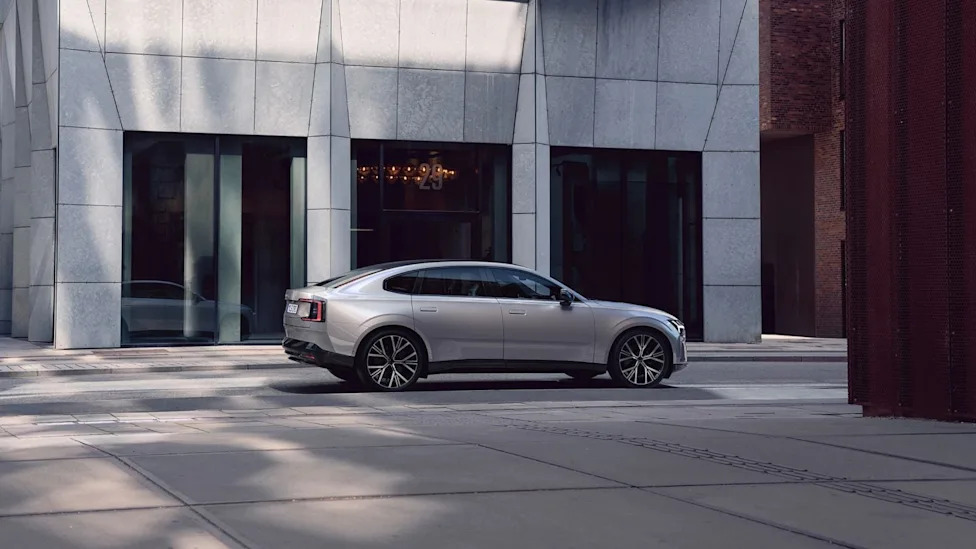
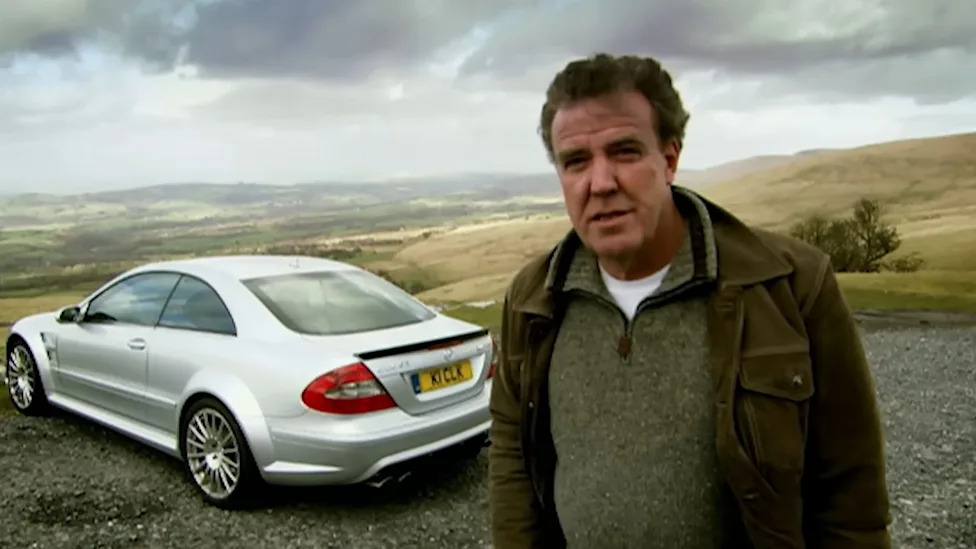
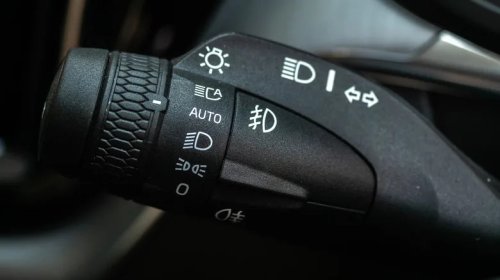
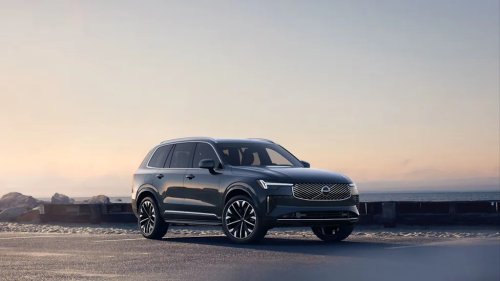
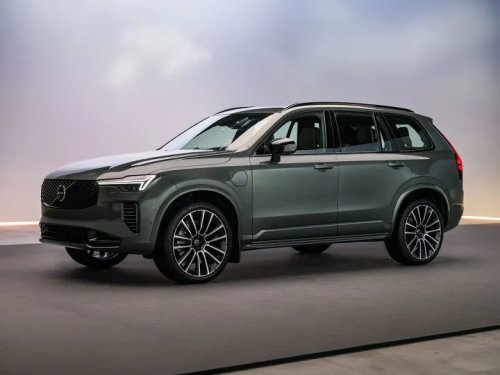
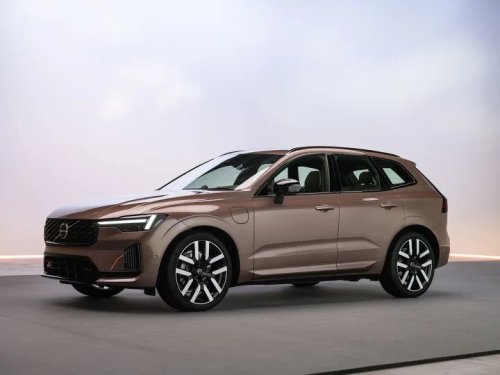
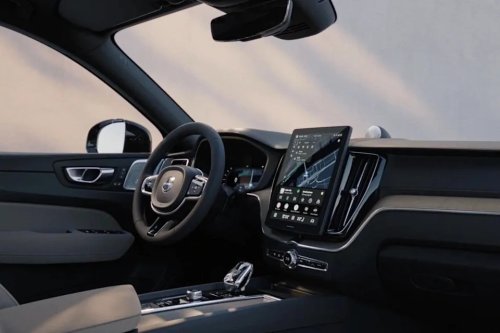
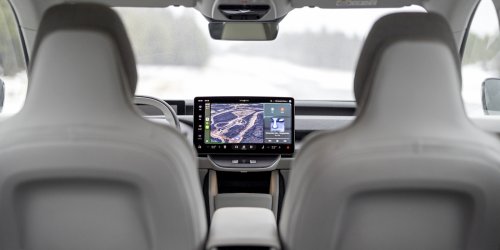
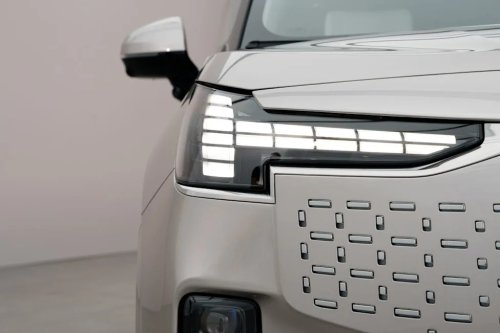
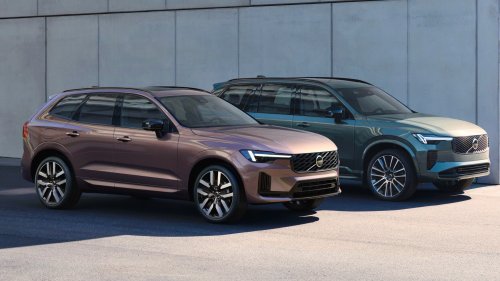
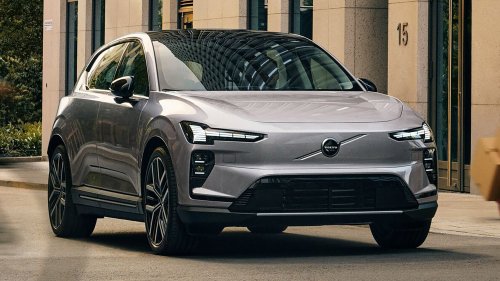
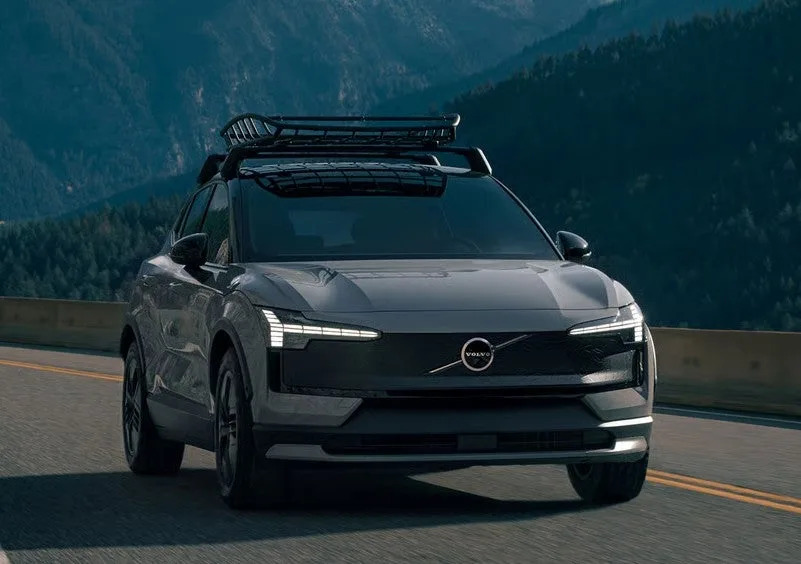
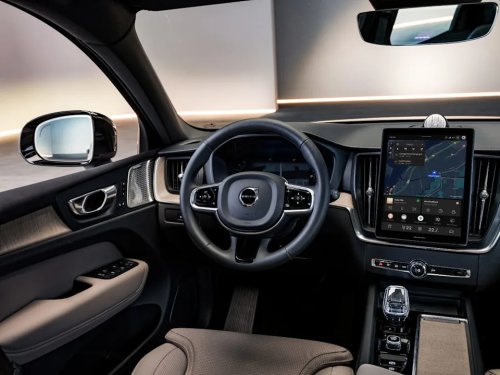
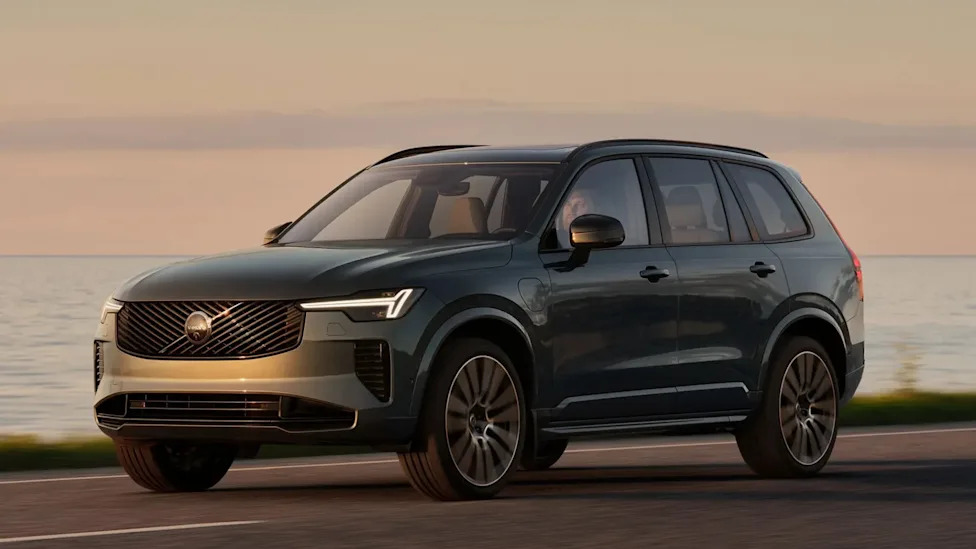
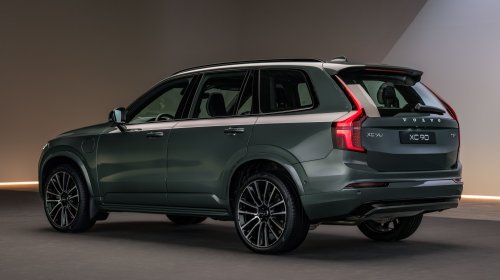
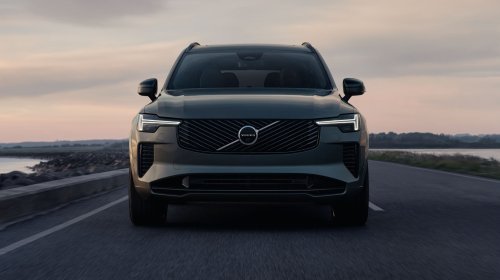
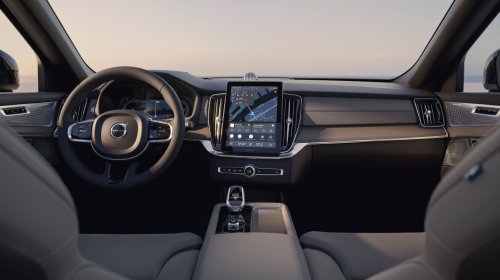
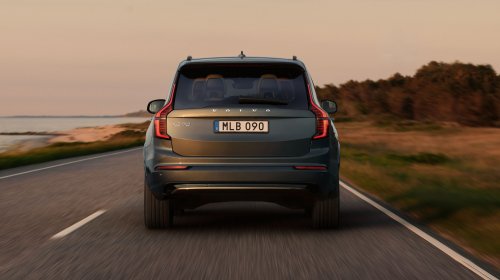
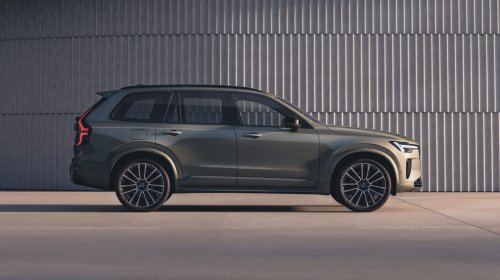
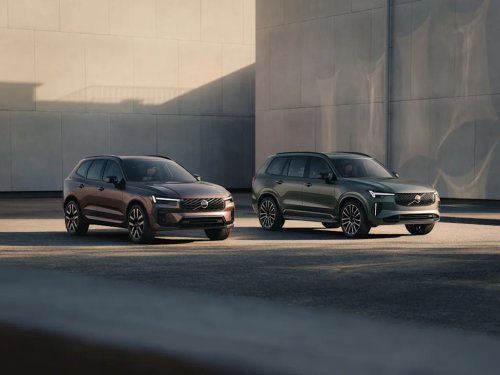
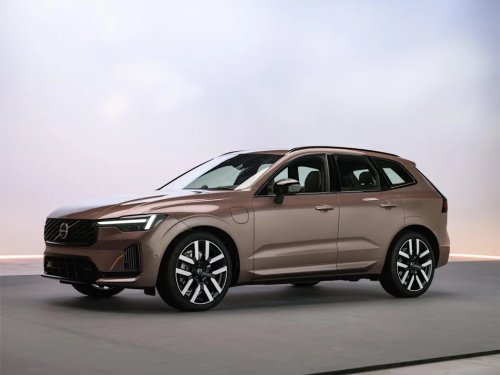
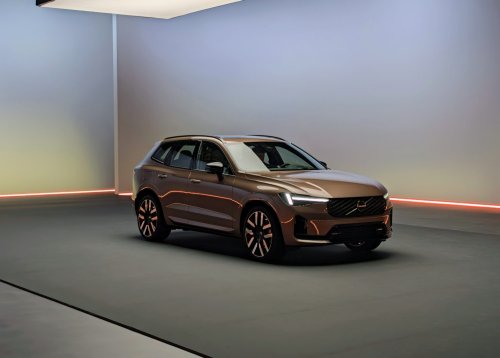
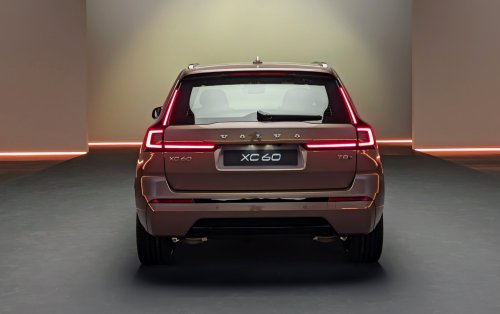
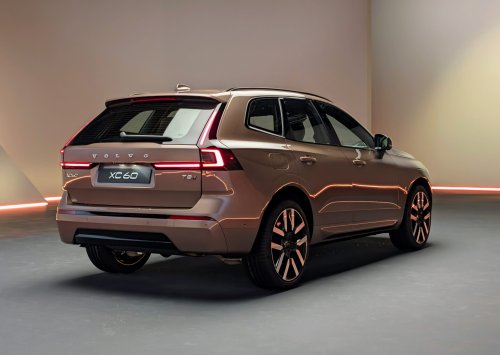
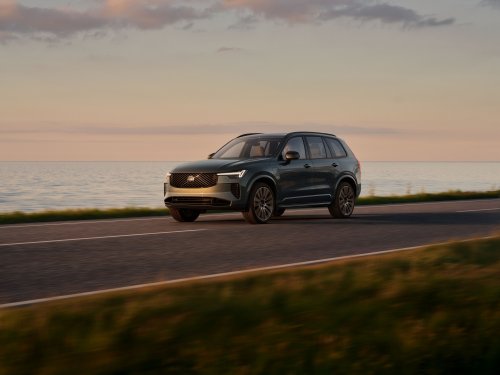
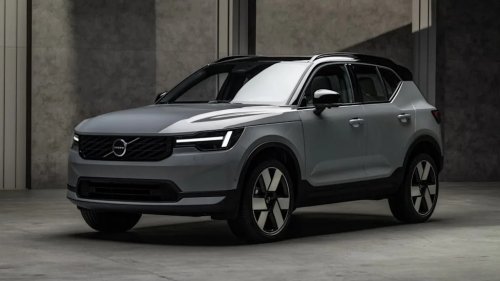
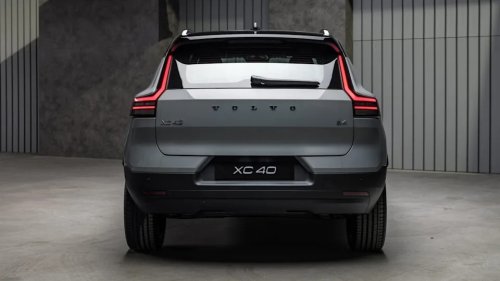
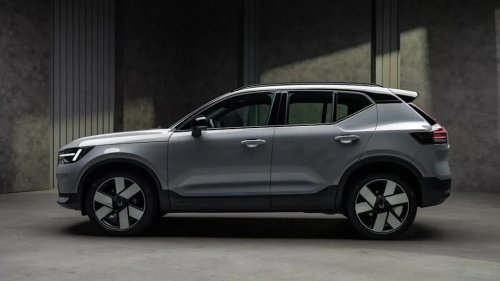
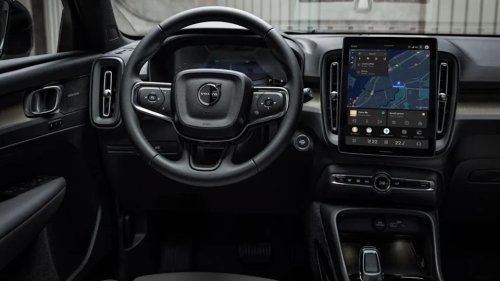
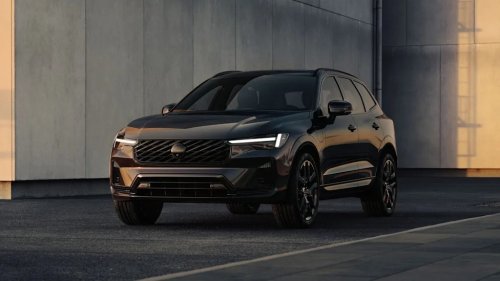
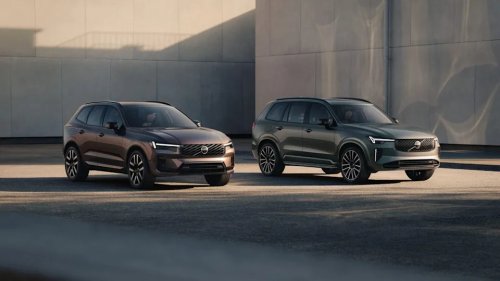
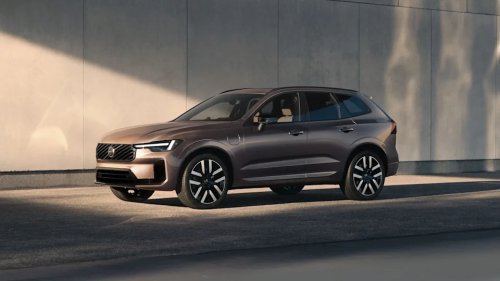
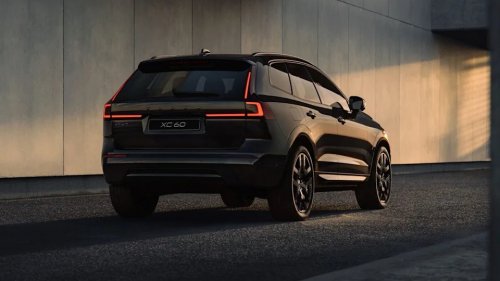
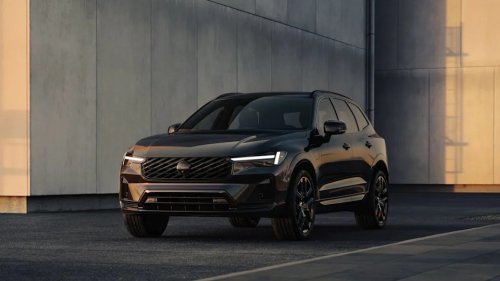
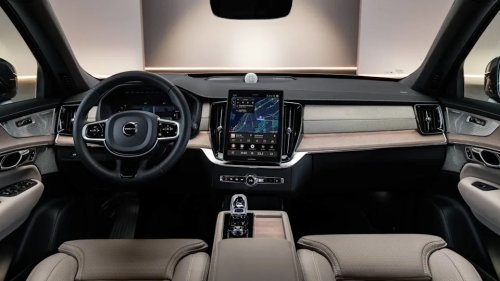
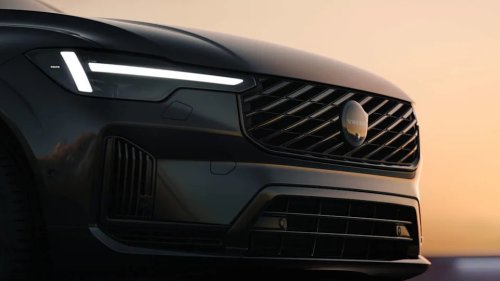
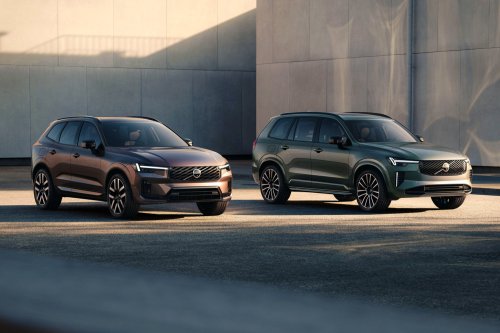
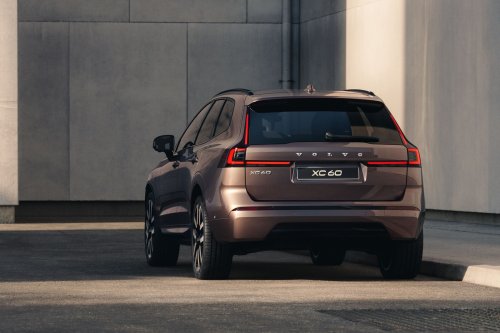
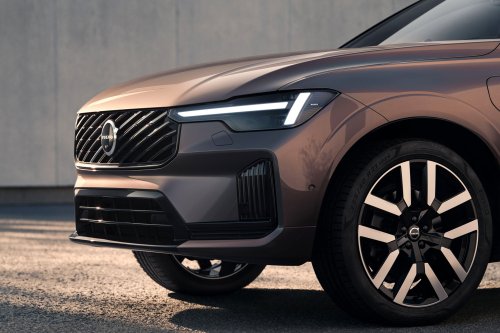
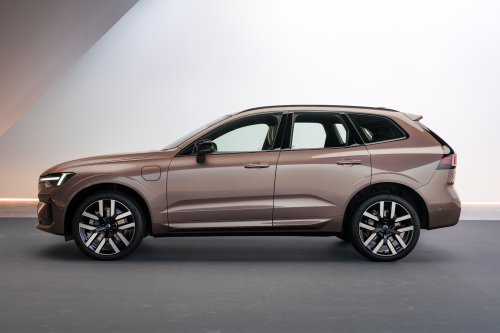
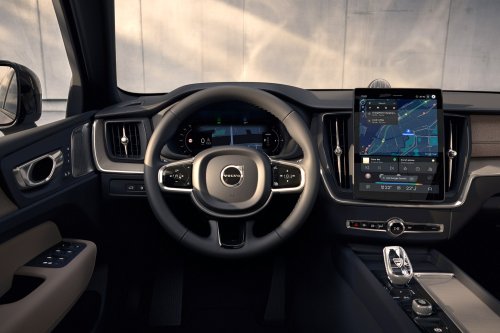
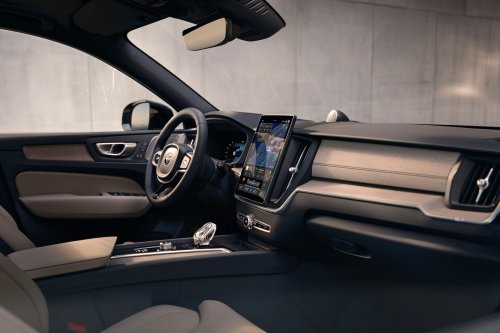
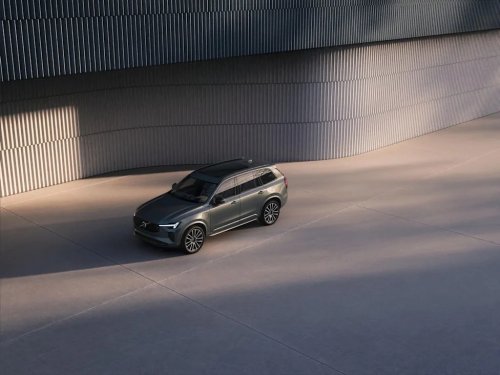
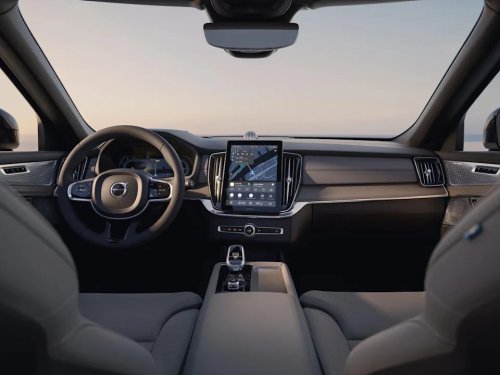
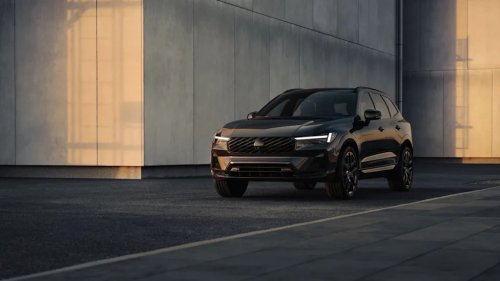
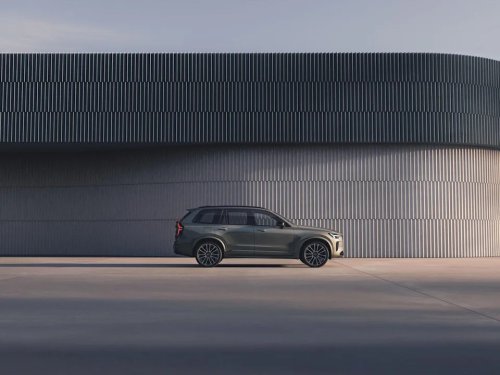
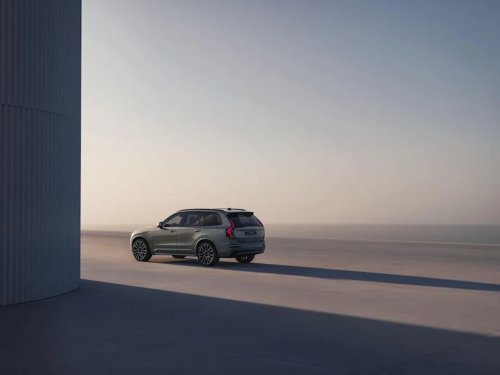
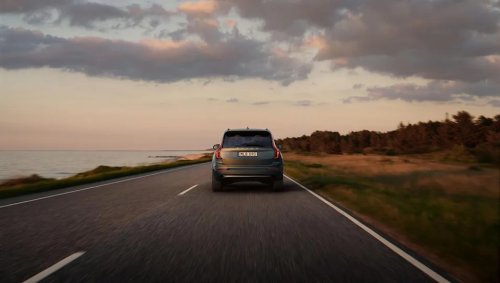
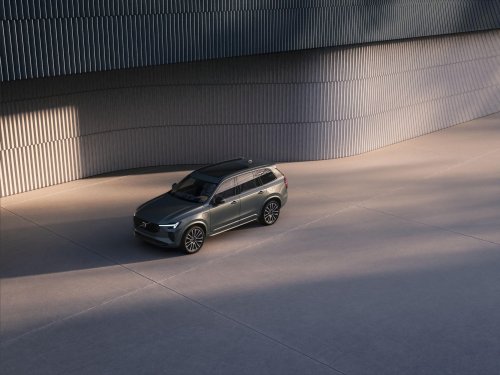
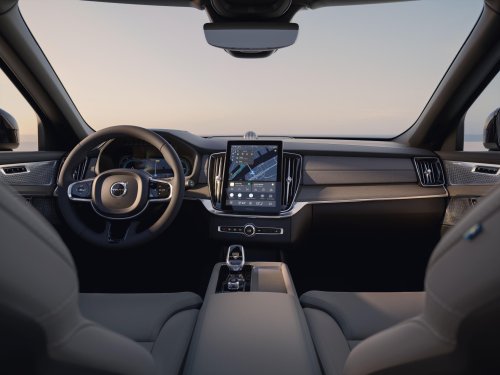
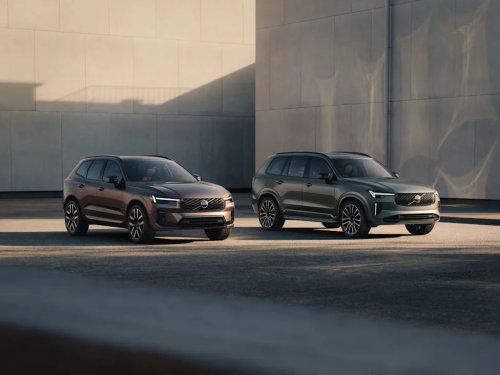
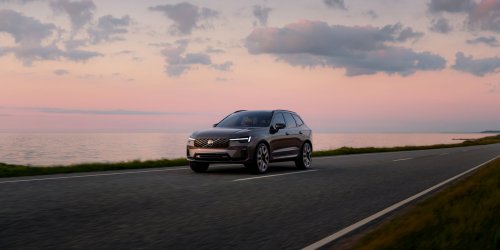
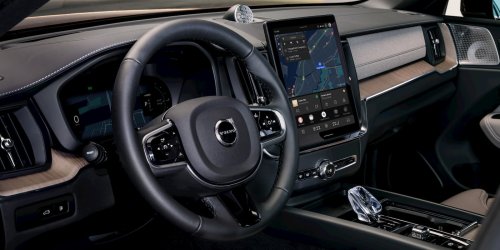
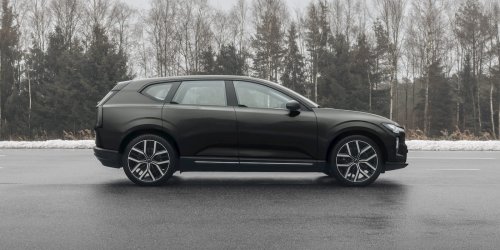
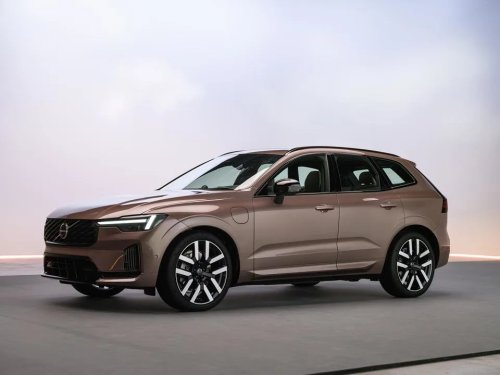
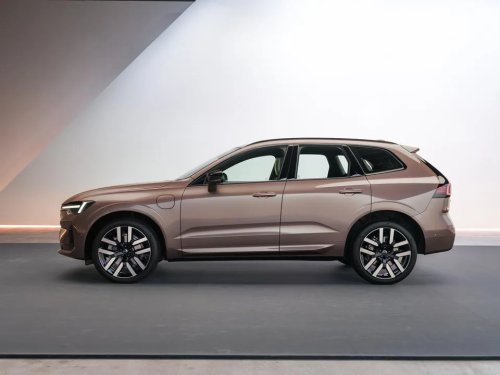
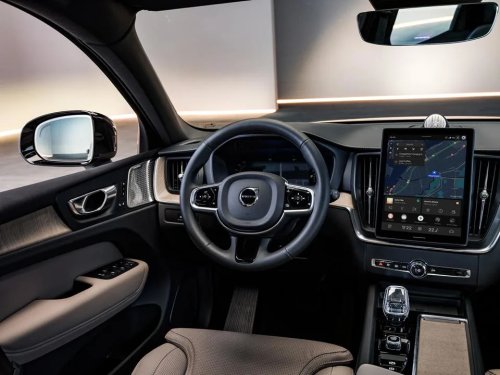
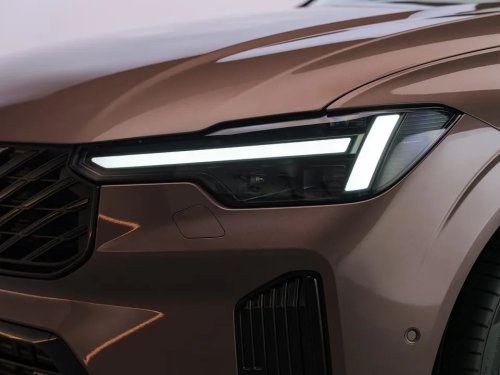
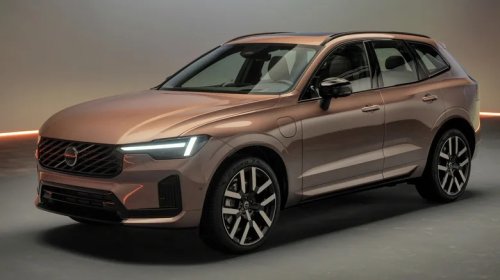
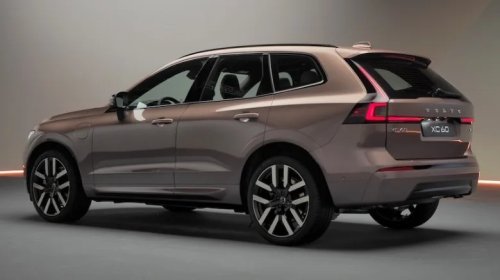
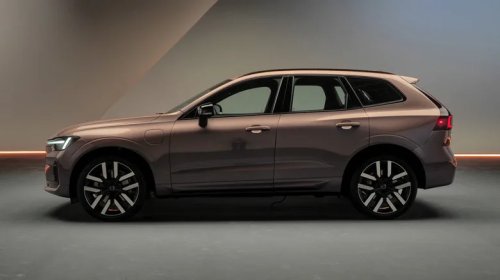
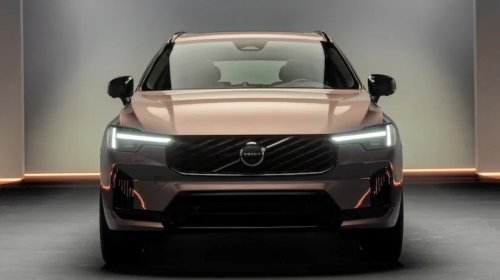
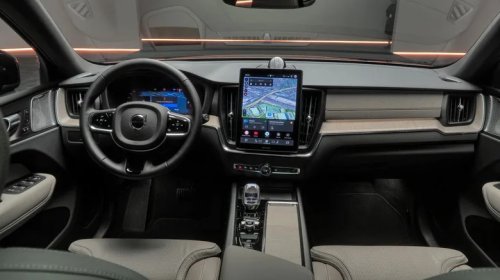
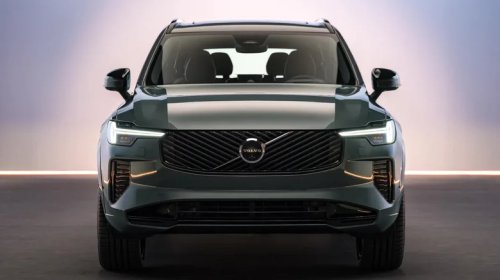
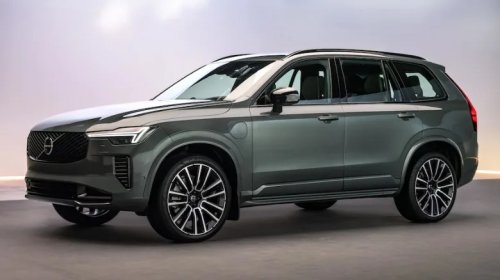
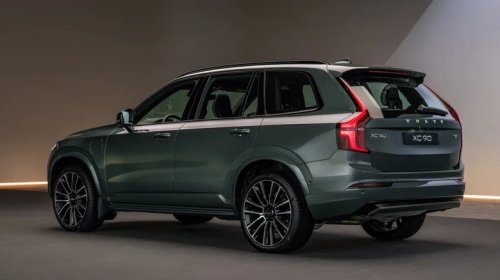
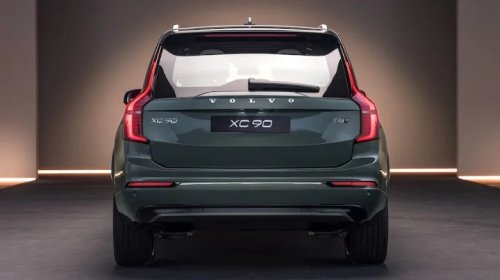
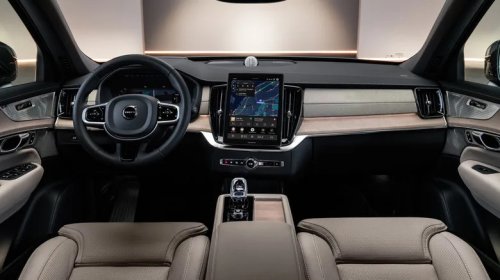
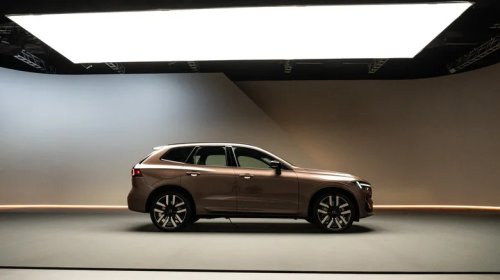
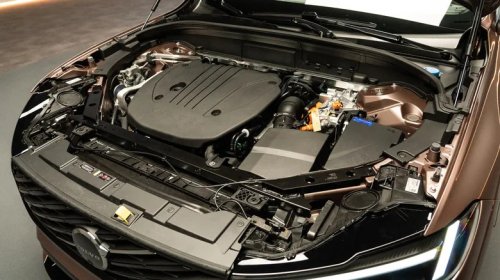
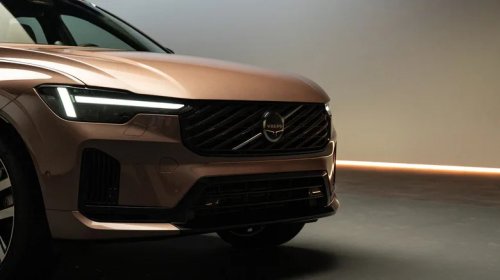
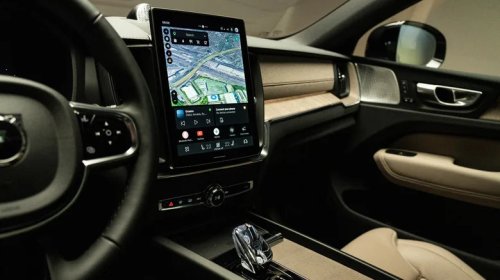
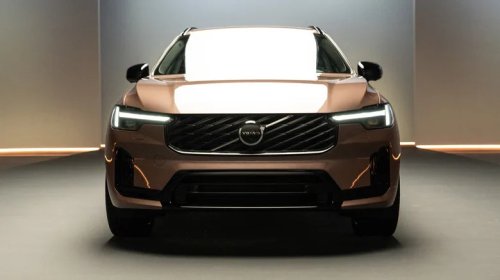
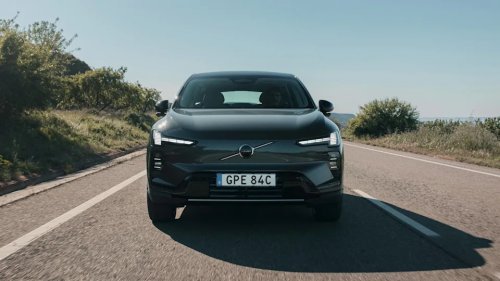
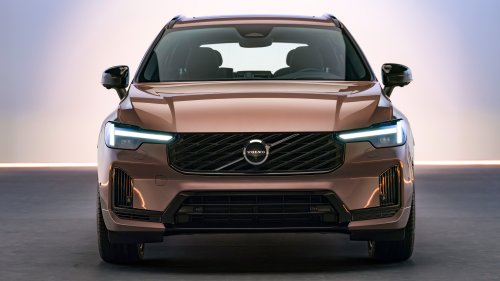
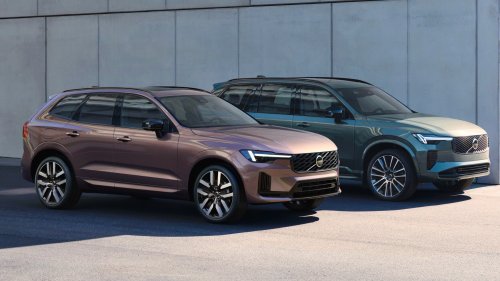
Volvo ES90 | Image Credit: VolvoCar reviews can get boring sometimes because many of them churn out cliché-filled content rather than actually informing readers about how a certain car is to live with.Yes, 0–100 km/h times can be important, but the practical aspects of owning and driving a car matter far more for everyday commuting.Renowned automotive journalist and former co-host of Top Gear and Amazon's The Grand Tour, Jeremy Clarkson, recently posted a review of the Volvo ES90, and while he awarded it three out of five stars, he highlighted two aspects that could concern potential buyers.AdvertisementAdvertisementClarkson, who is also a farmer in the UK, has been known for his candid and sometimes funny reviews. While other reviewers may soften their tone about a car's drawbacks, Clarkson has shown time and again that he won't hold himself back, such as in the ES90 review.Where Are the Buttons?Image Credit: Top Gear Classic / YouTube. Jeremy Clarkson reviewing another car, not the Volvo ES90. File photo for illustration purposes.The Volvo ES90, which has not been launched in the U.S. yet, features a 92kWh battery with a claimed range of 398 miles on a full charge and produces 338bhp. Priced at £77,260, which is around $103,000, the car does not come with buttons for basic controls, which clearly irked Clarkson.Publishing his review in The Times, the 66-year-old former presenter had positive things to say about the car, but he was clearly dissatisfied with the fact that Volvo moved several physical controls to the infotainment screen, and he now had to distract himself while driving to adjust something as basic as the volume. Calling it the "stupidest car" he had driven, Clarkson wrote:"It meant that if I wanted those up and down buttons to do something else, like adjust the volume of the stereo, I had to go back into the car's vast brain and reprogramme it.AdvertisementAdvertisement"And if I tried this, I got a message on the dash 'You seem to be distracted'. Yes, and the reason I'm effing distracted is because you haven't fitted a bloody volume knob."No Key or Key FobClarkson wrote that the Volvo ES90 did not come with a key or a key fob. What the car came with was a key card that looked similar to a hotel room key. The aesthetics of the key were not the only problem, though.He stated that the ES90 once refused to open with the key card after he had finished a meeting. He then got a lift home, while someone else later drove the car back for him.But that was not the end of his dilemma with the key card. Clarkson wrote:AdvertisementAdvertisement"I now had to actually swipe the card on the door handle to gain entry. That night I gave the new system a try and it took 14 attempts to get in. And when I finally got the door to open and settled into that lovely seat, a message on the dash said 'No key detected'. I gave up."New Car Owners Report Frustration With Infotainment ScreensGuessing Headlights recently reported how the JD Power Initial Quality Study highlighted one area of concern, with new owners reporting 44.4 infotainment and connectivity problems per 100 vehicles, compared with 42.6 problems per 100 vehicles in 2025.Customers experienced the issues during the first 90 days of vehicle ownership, suggesting that infotainment systems may remain a significant source of frustration for new owners.Of those, 1.4 problems per 100 vehicles were related to Apple CarPlay and Android Auto, the largest single contributor to the infotainment category's decline.AdvertisementAdvertisementIn fact, the infotainment category performed worse than last year, meaning automakers need to take note or risk diminishing the overall ownership experience.This is a common complaint among drivers. No matter what needs to be selected on the screen, a driver will take their eyes off the road to look at it. Among respondents who self-reported distracted driving incidents in the JD Power survey, 46% of the complaints were related to the infotainment system.One could argue that road transport safety authorities should step in to reduce incidents of distracted driving. But with technological enhancements, safety has likely taken a step back, as manufacturers continue fitting vehicles with increasingly larger dashboard screens.Several manufacturers replaced physical buttons with touch controls to operate functions such as fan speed. However, some manufacturers, including Volkswagen, are bringing back physical controls because they allow drivers to adjust settings without taking their eyes off the road.Do you prefer physical buttons or touchscreen controls? Let us know in the comments