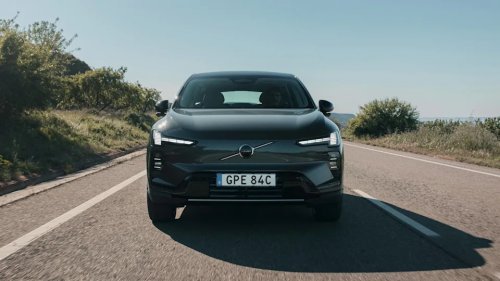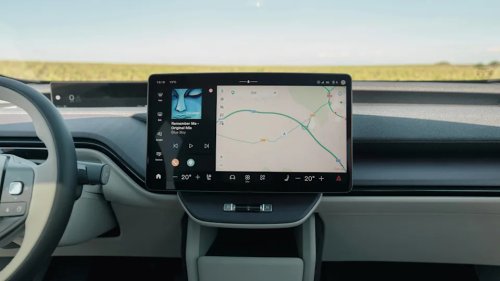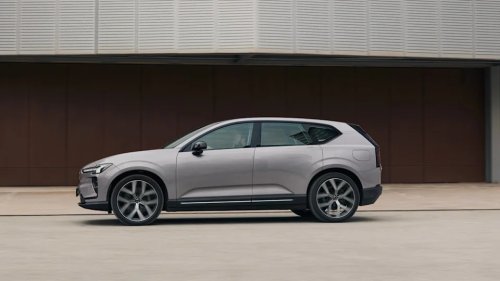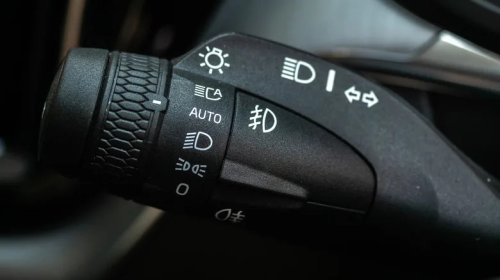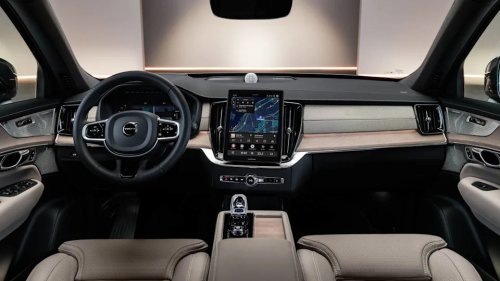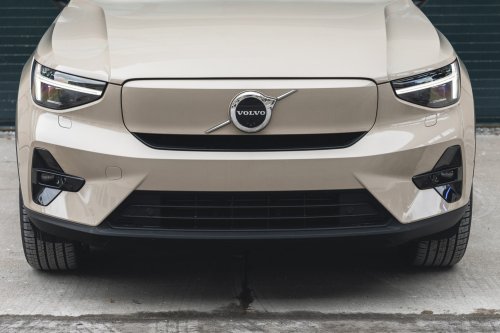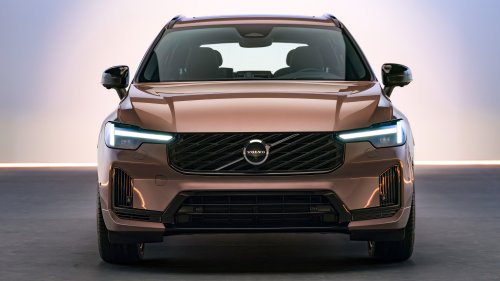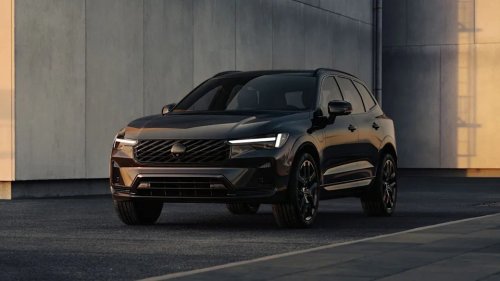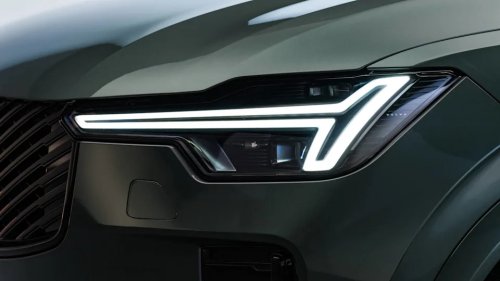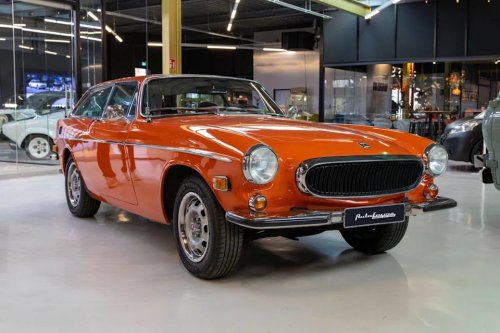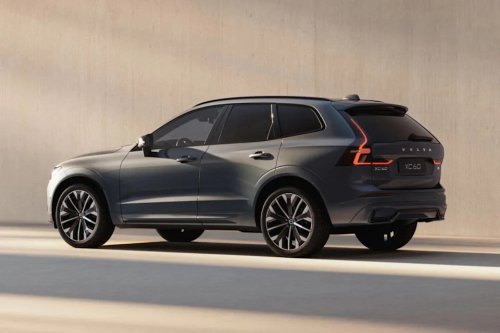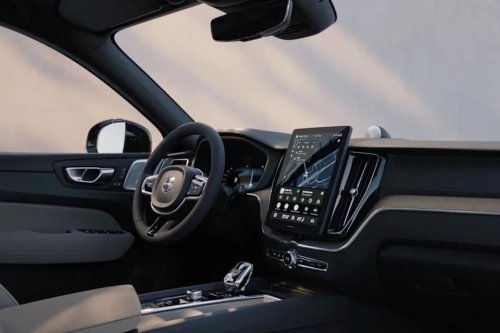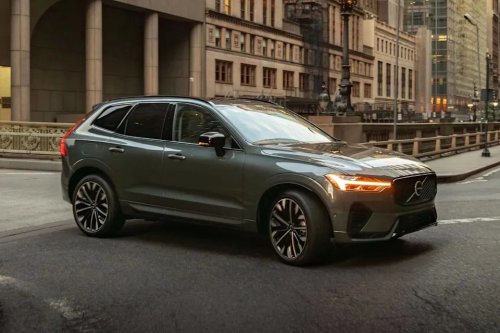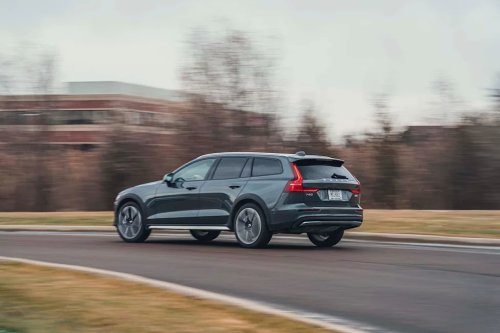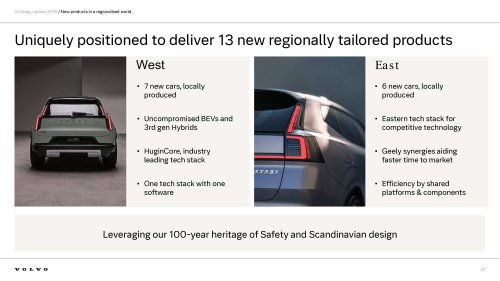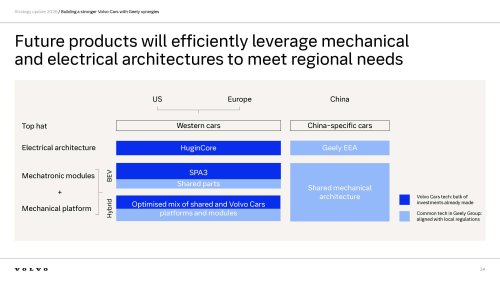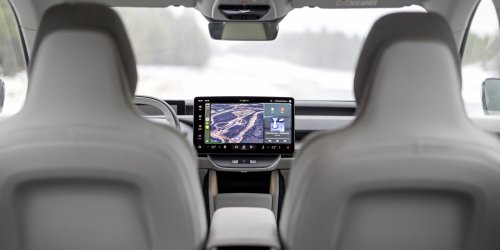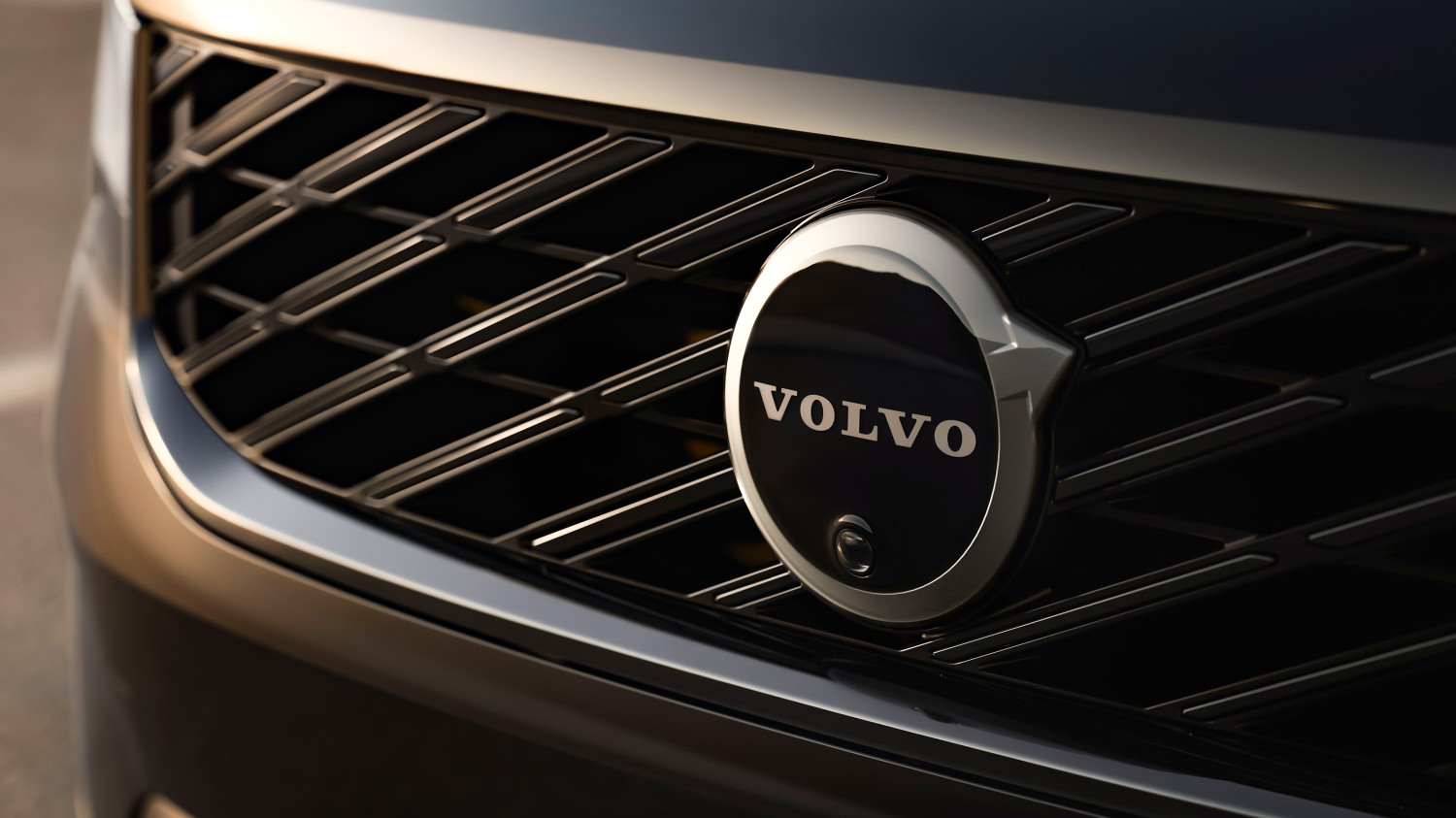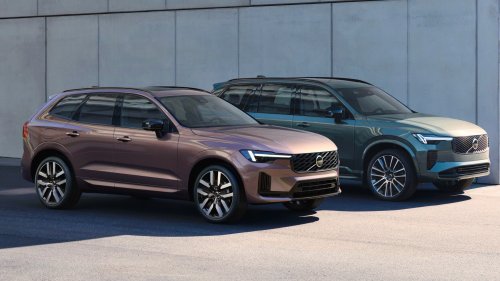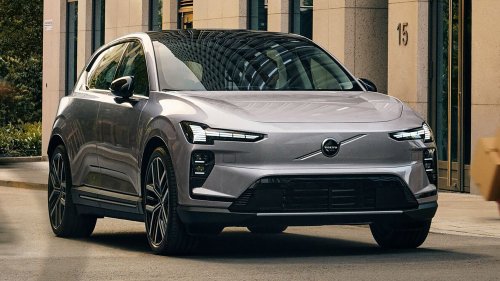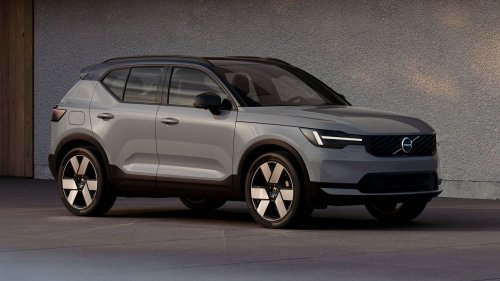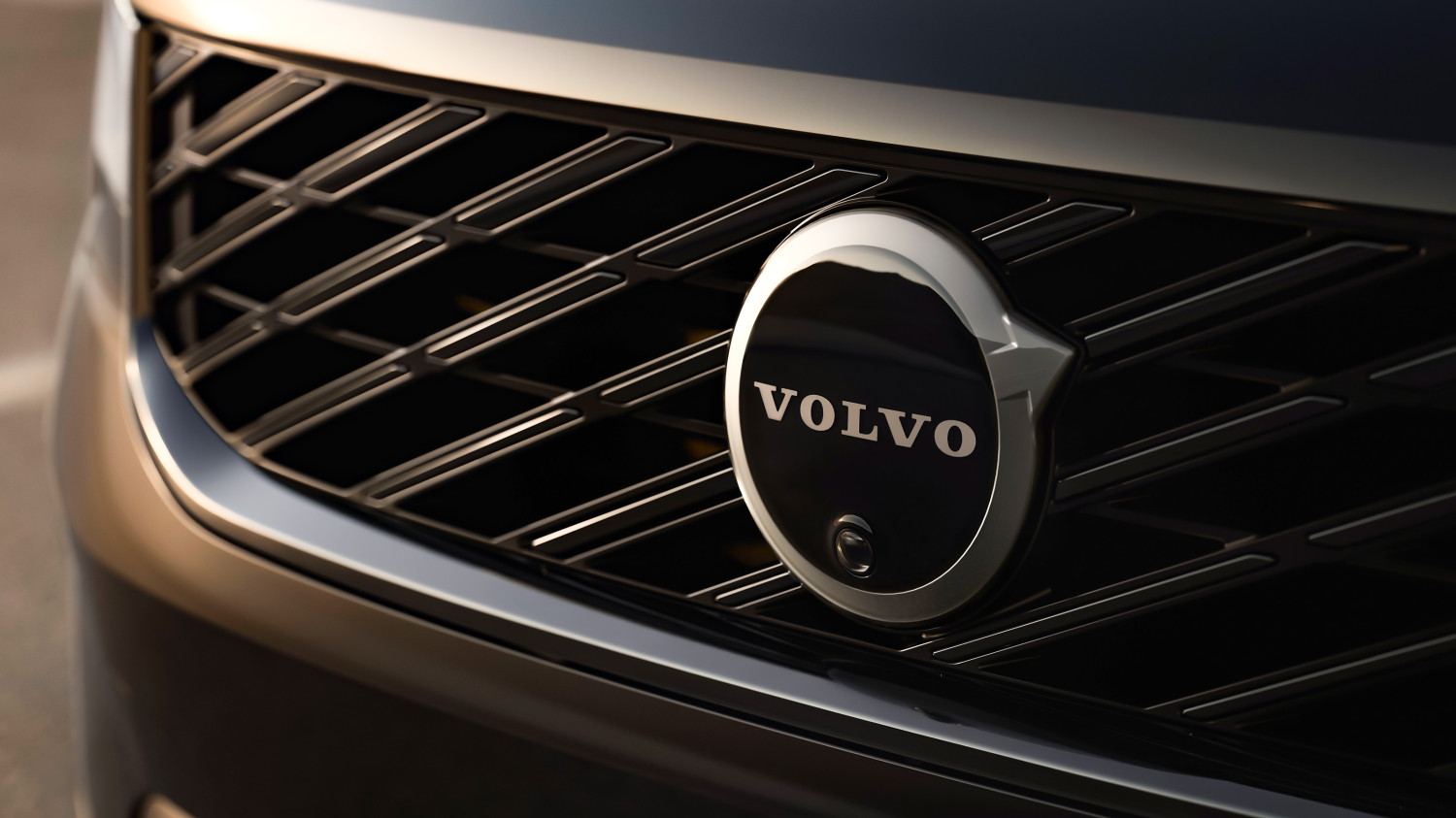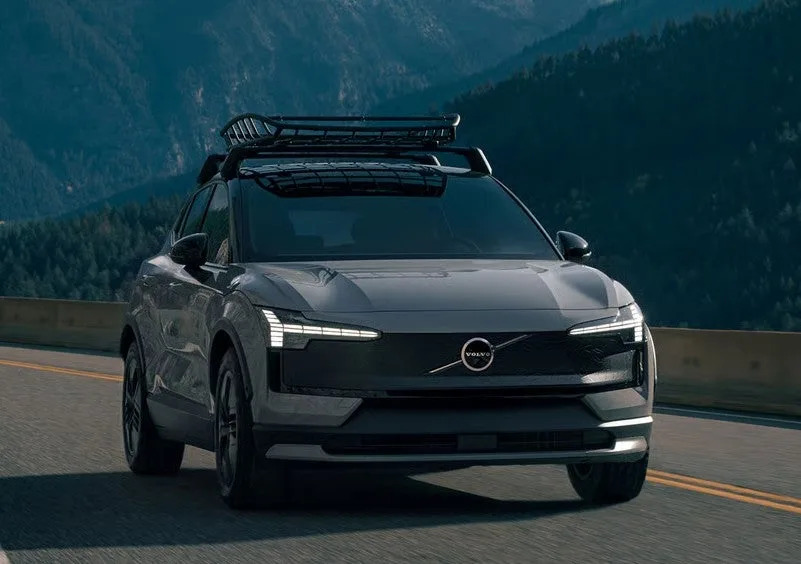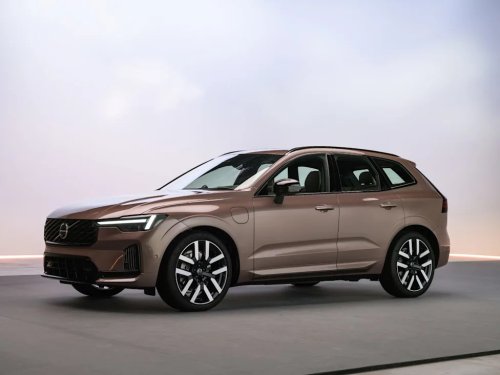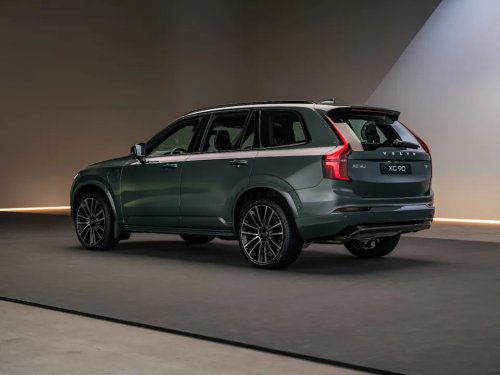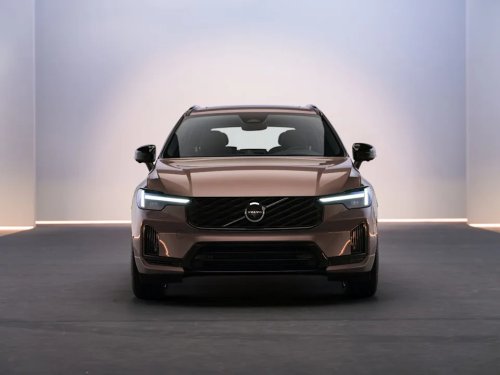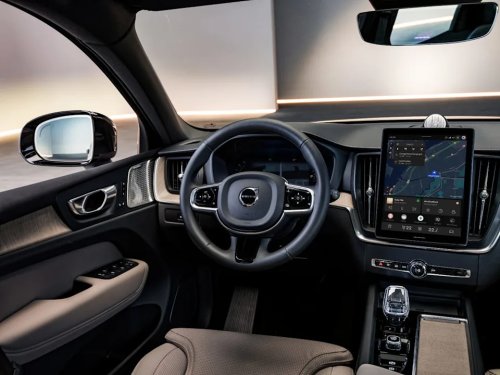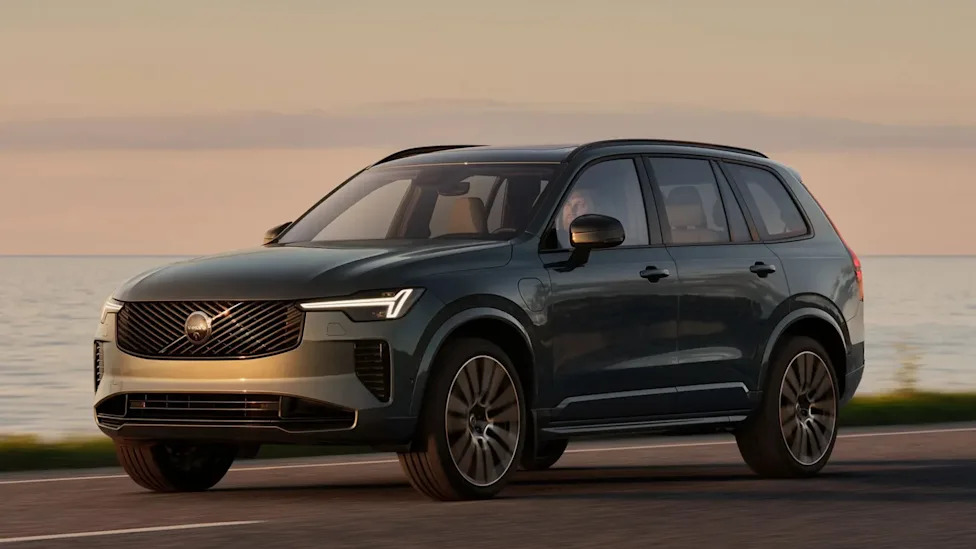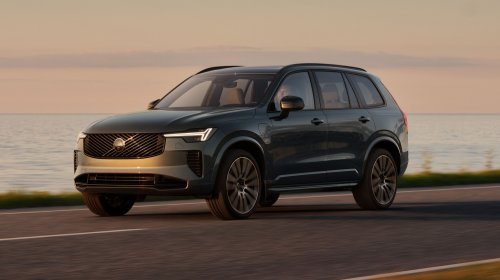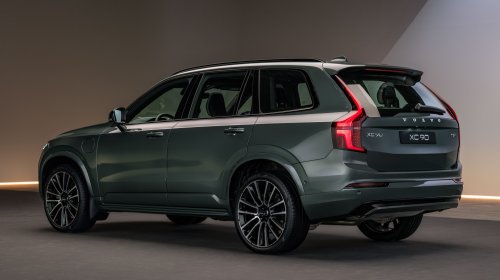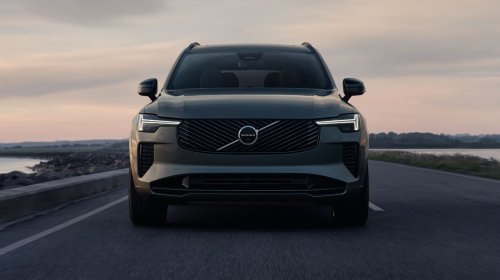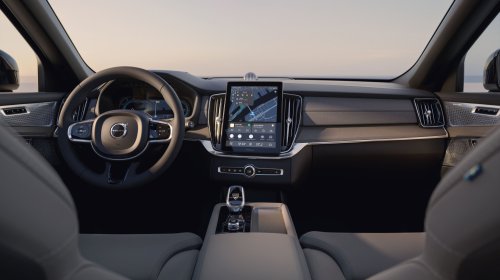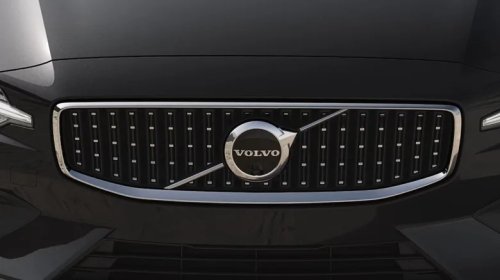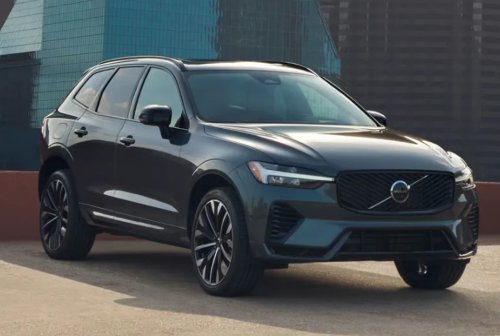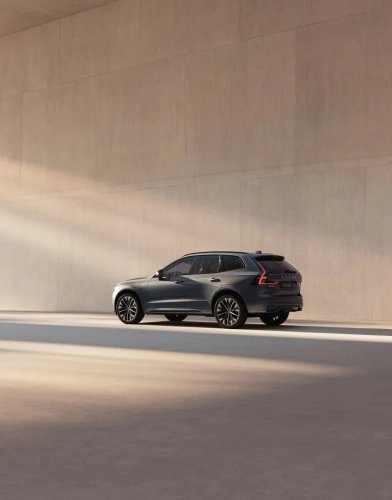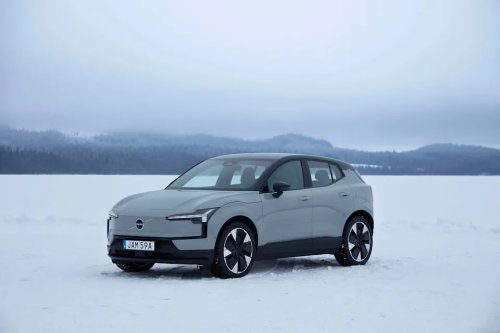



















Volvo’s chief designer wants to bring back physical buttons after listening to feedback from customers and the media, with the return to tactile controls expected to be a key part of the brand’s latest design direction that’ll be previewed early next year by a new concept car. Thomas Ingenlath was the man responsible for making Volvo more cool and desirable via its last major product overhaul a little over a decade ago, which led to the Swedish outfit becoming a proper premium player. Now, after launching offshoot brand Polestar, he’s returned to the role of Volvo design director and isn’t wasting any time. The design boss said there were three things he wanted to improve on Volvo’s cars when he returned to the brand, with the lack of physical buttons in its latest models’ interiors being one of them. What Ingenlath will not do, however, is have masses of them carpeting the dashboard as was the case in some previous cars. He explained: “We have to listen to our customers and really recognise that how the interaction is in the cars today is, to say it frankly, not appreciated. The overemphasis of screens and the interaction with the screens is something that customers and journalists heavily criticise, and we have to aim for a better harmony, a better balance, between the interaction that we have with our digital device and the physical interaction.” The lack of buttons is “an issue that is not unique to Volvo”, but it’s one that Ingenlath thinks the brand created for itself. While others are faced with the same problem, and trying to attack it from different angles, Ingenlath believes Volvo’s next cars have a very good solution. He wouldn’t elaborate on what exactly that is, but did note that Volvo is “not going away from touchscreen, it’s just to use the screen for what it’s good at”. At the same time, the design boss is adamant that Volvo isn’t going to “introduce again rows and rows of exchangeable buttons”, and instead “we will be embracing what the physical interaction can do for you in a positive way as a customer”. Ingenlath used a classic Leica camera as an example of what Volvo is going for. “It’s not just about switching a button. It’s about the sensation and the sensual quality that such an interaction can give in terms of premiumness, the experience, the luxury of high-quality materials, the luxury of this great sound that that button will create. “And of course, as well, the difference of not having just one exchangeable button, but each and every function having a dedicated different shape and way of interacting with it. Is it a click up and down? Is it a twist? It has to be much more deliberate in making this a recognisable and enjoyable interaction.” Another thing he is keen to improve is how people recognise Volvo’s cars, hinting that we may see a fresh interpretation of its signature iron mark badge and the grille that frames it. Ingenlath would like to see the firm make more use of its heritage, especially if it can avoid the anonymous designs he sees from start-ups that don’t have the legacy or brand recognition as a company like Volvo. He explained: “The big, big task ahead for each and every design department is to identify the way forward, how to transition a face that has been established over a lot of decades into the future. And of course, this is a task that is still ahead for us at Volvo to define this for the future.” Finally, Ingenlath is exploring what opportunities the more regionalised product strategy Volvo is now adopting has for design, recognising the Chinese market’s desire for “premiumness and luxury”, whereas in America, it’s all about the size of the car. For Europe, it seems the focus is now on lower cars, like saloons and, we’re hoping, estates. Volvo will launch its next electric car in 2027, based on the new, scalable and highly flexible SPA3 architecture that can be used for both high-riding SUVs and low-slung cars. And with the firm marking its 100th birthday next year, what better way to celebrate than with a new load-lugging wagon? Get the latest and best car news and reviews, first! Follow Auto Express on Google today