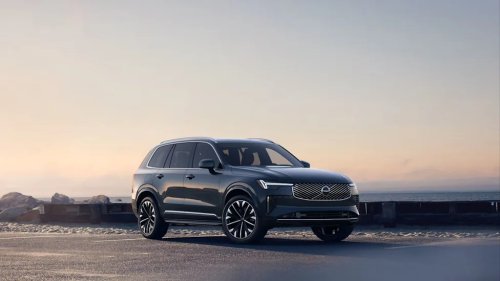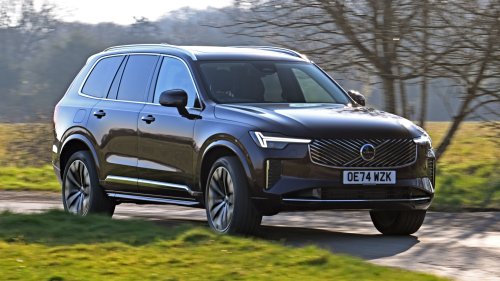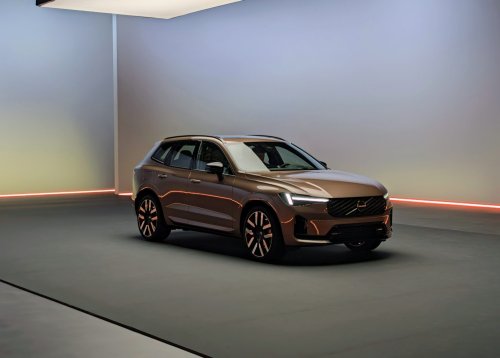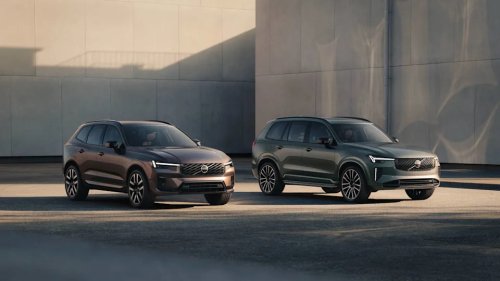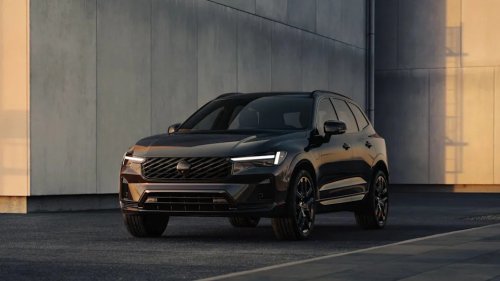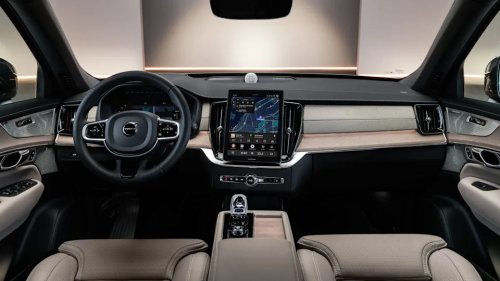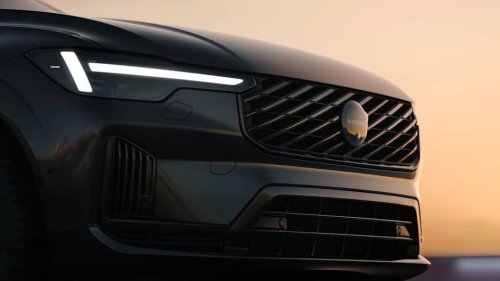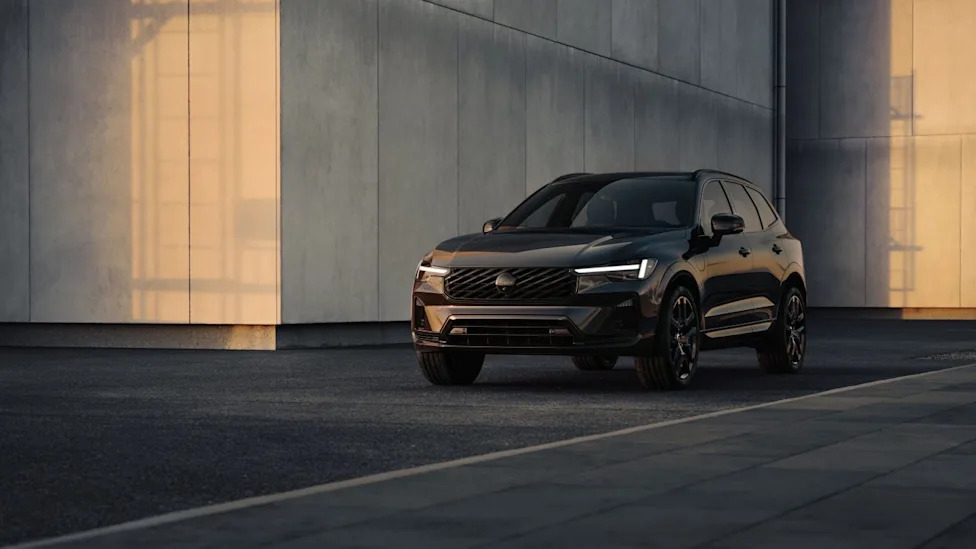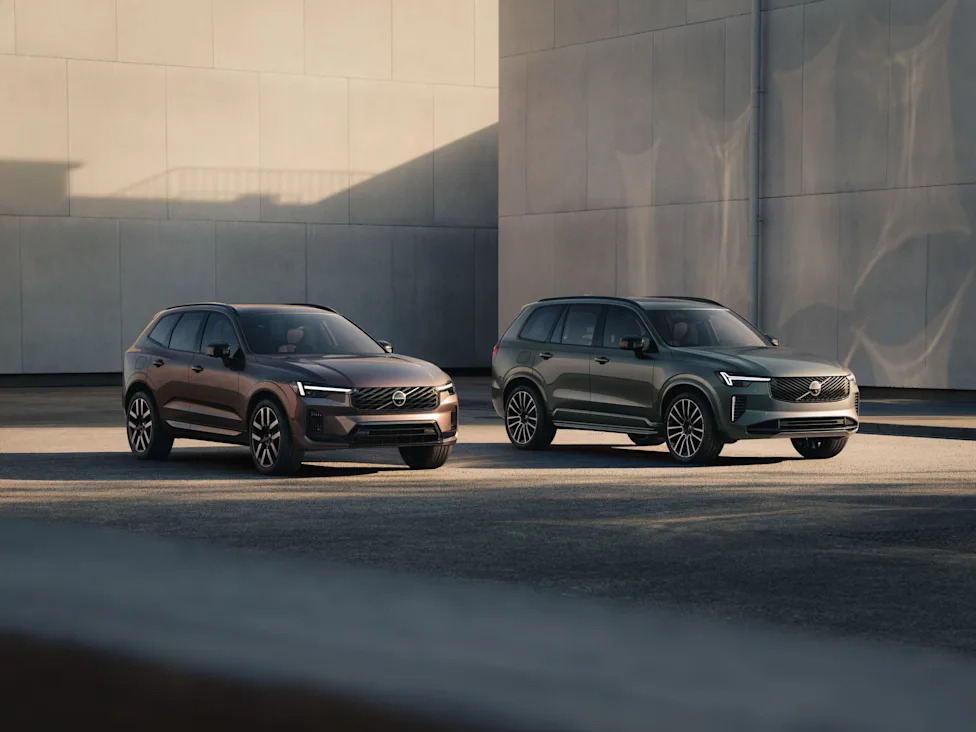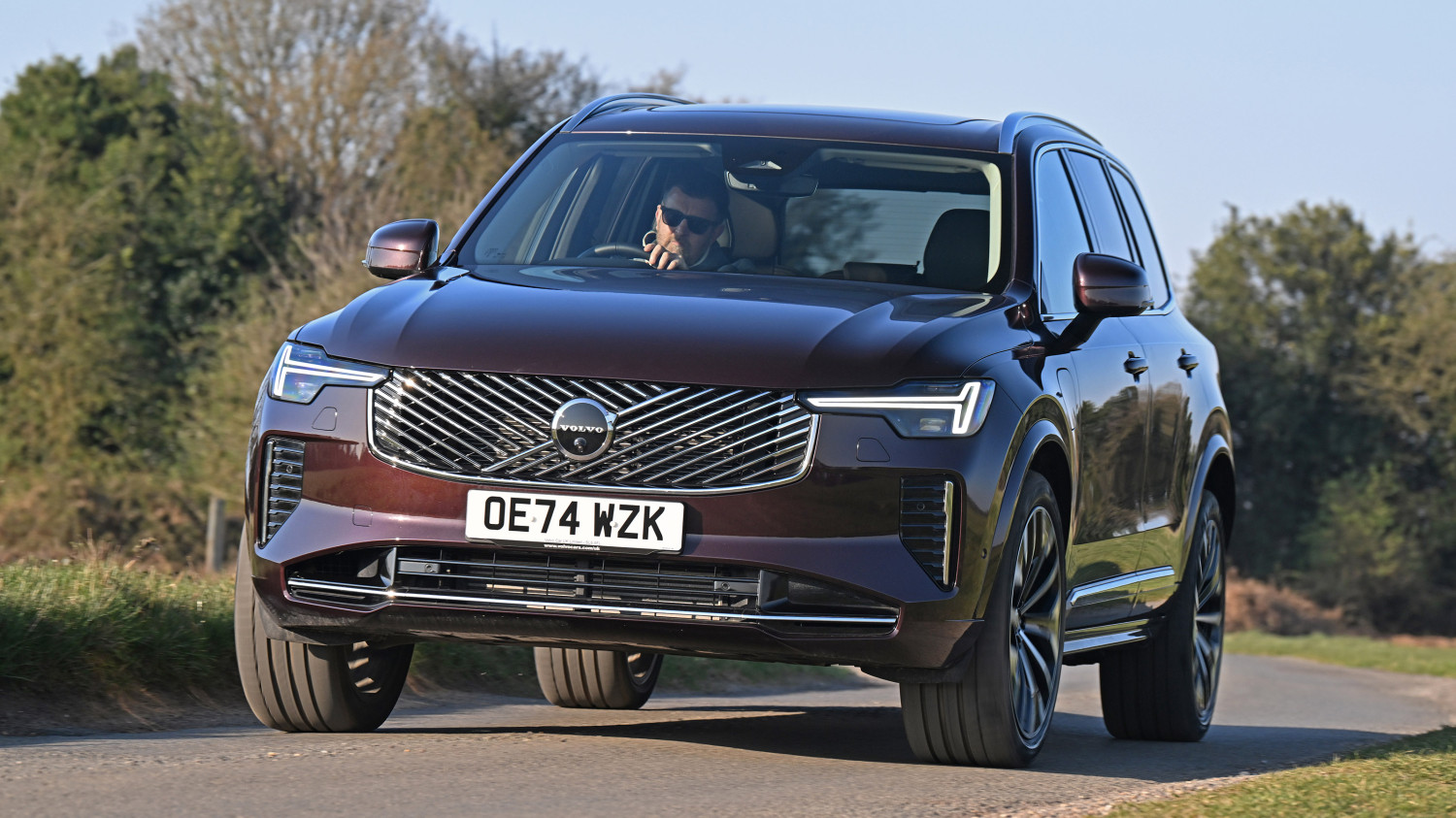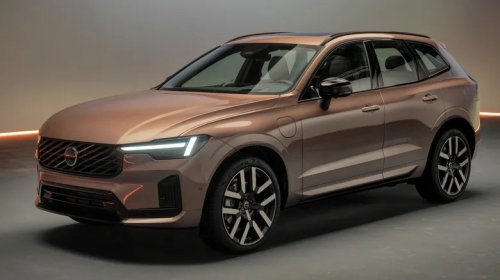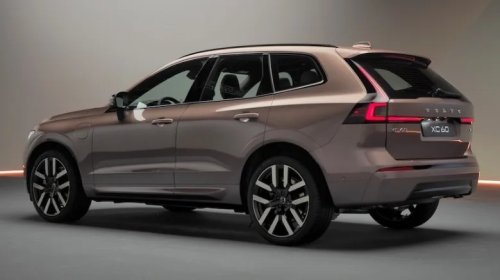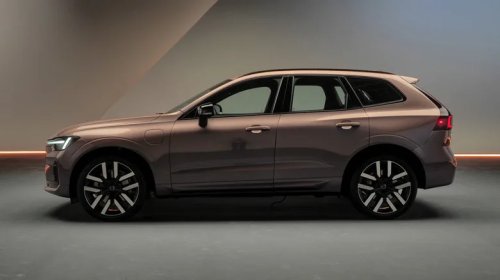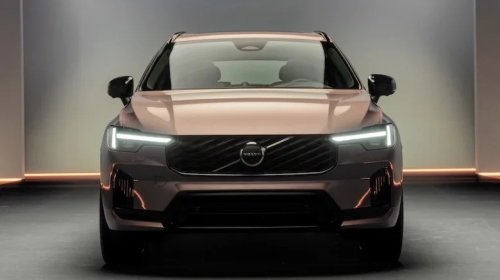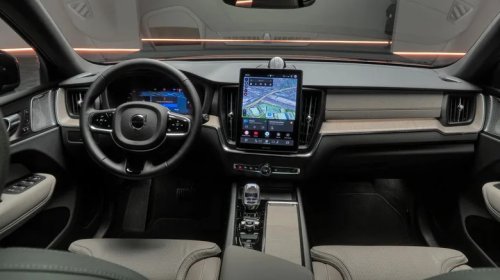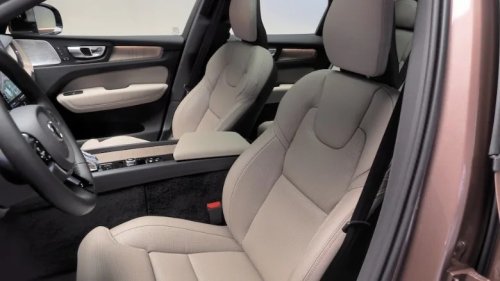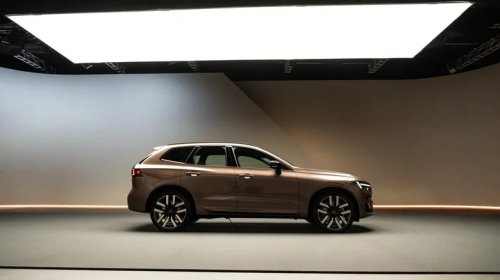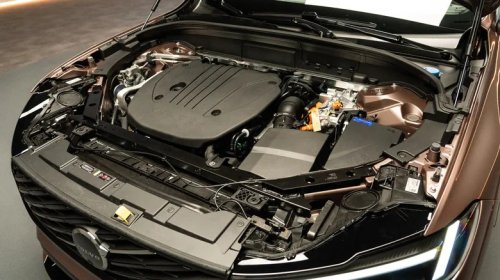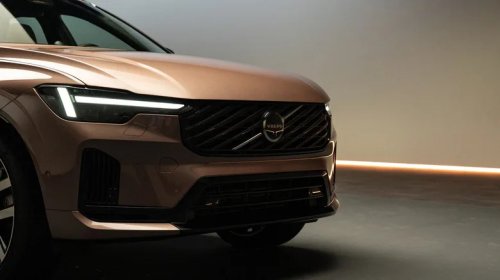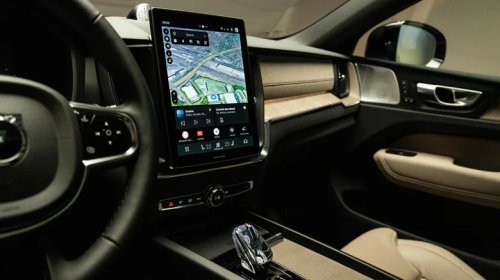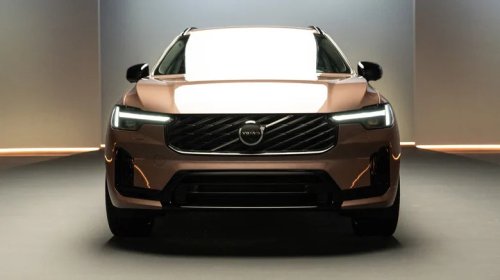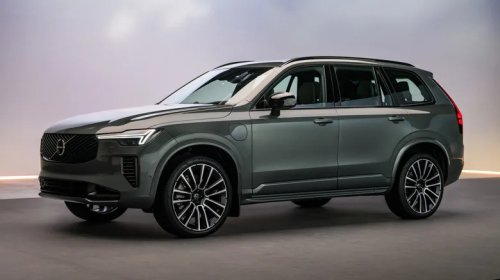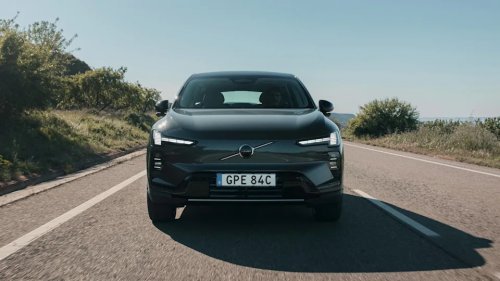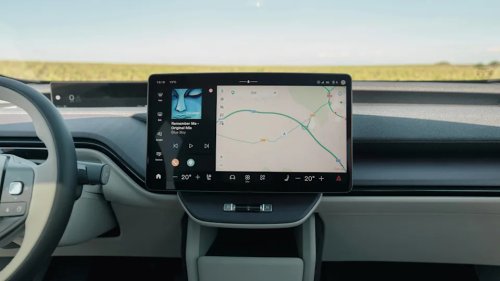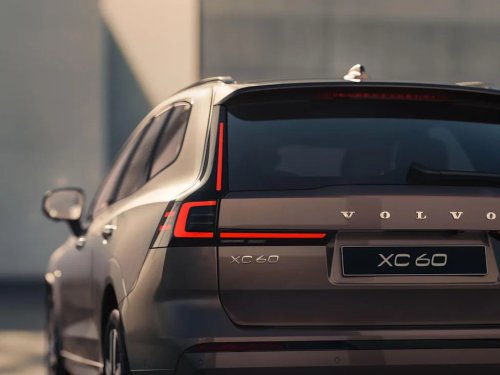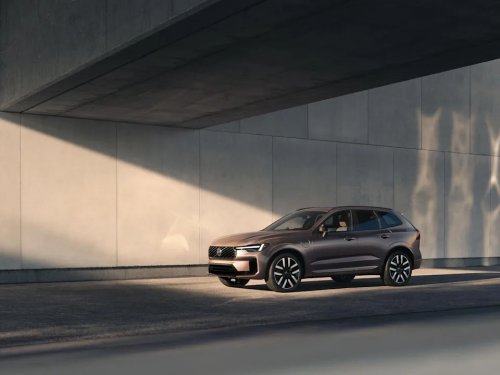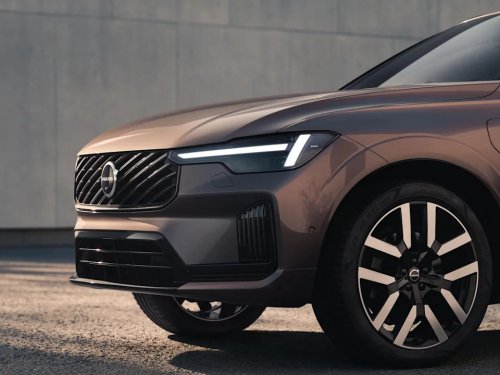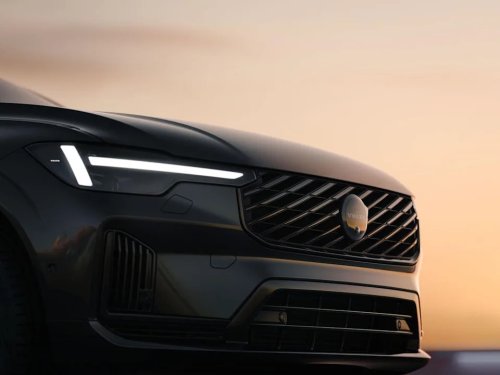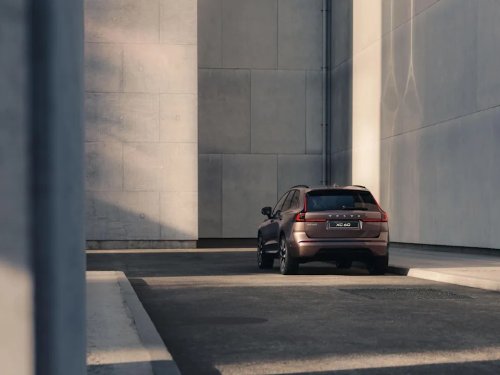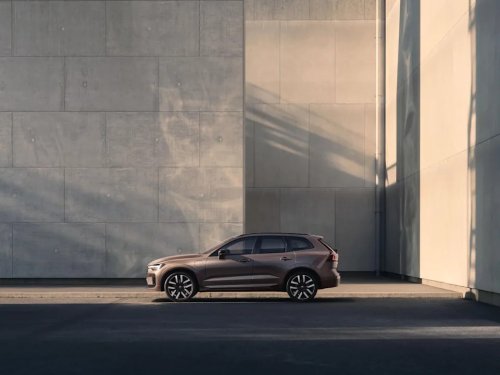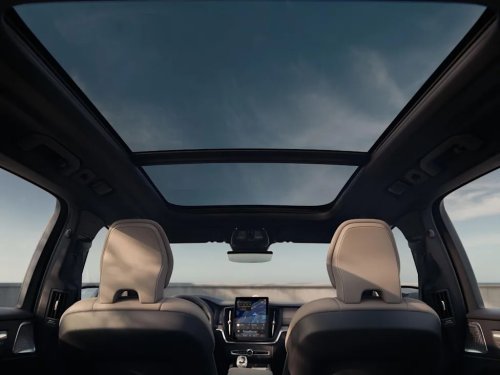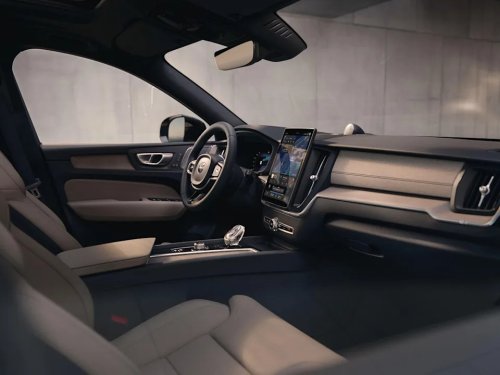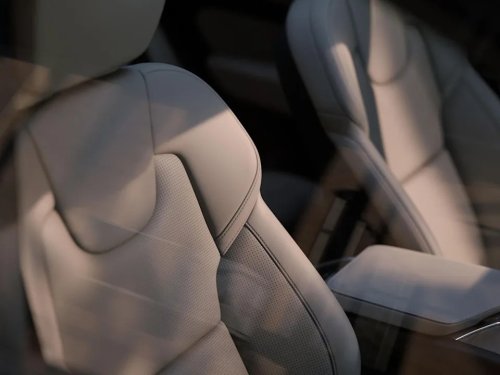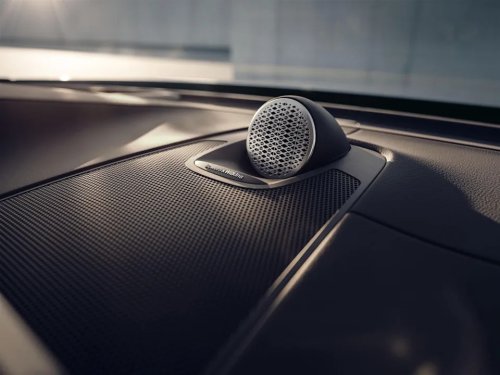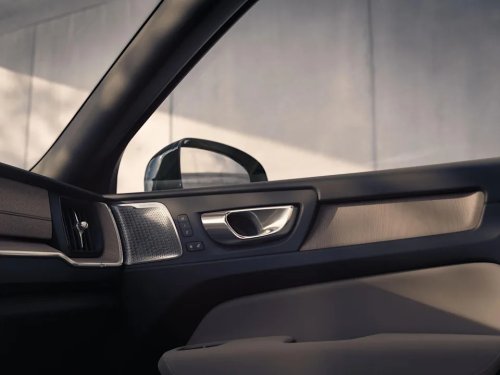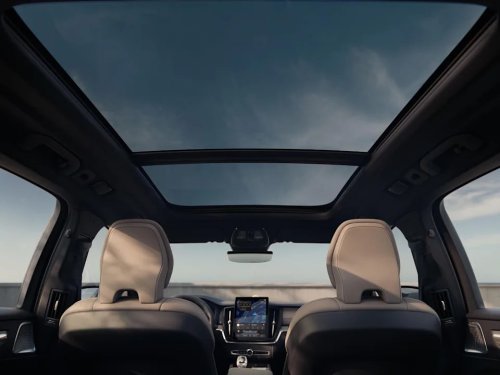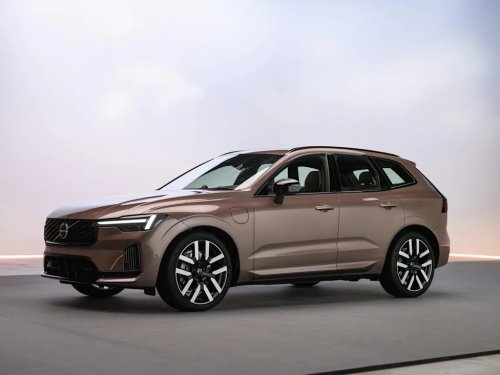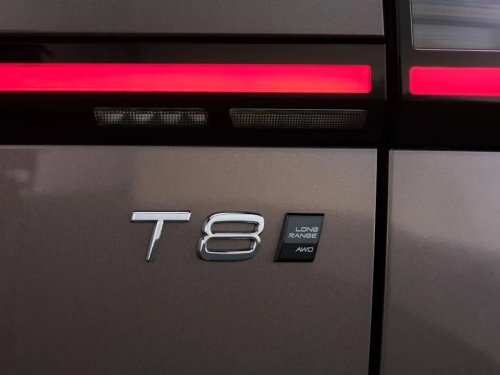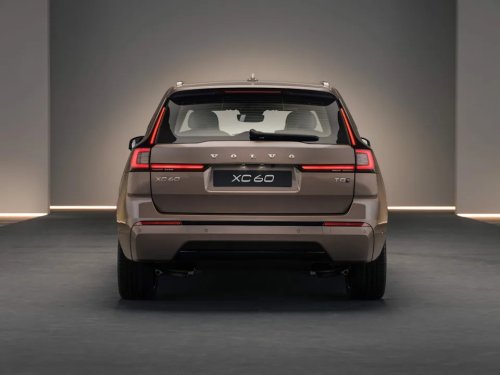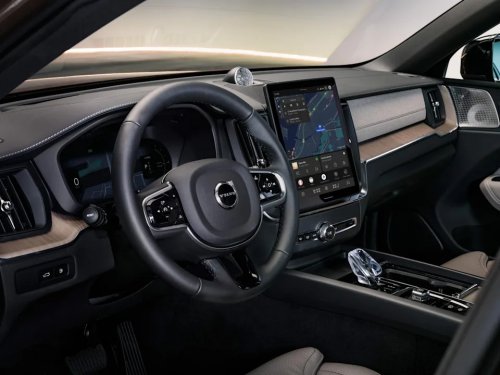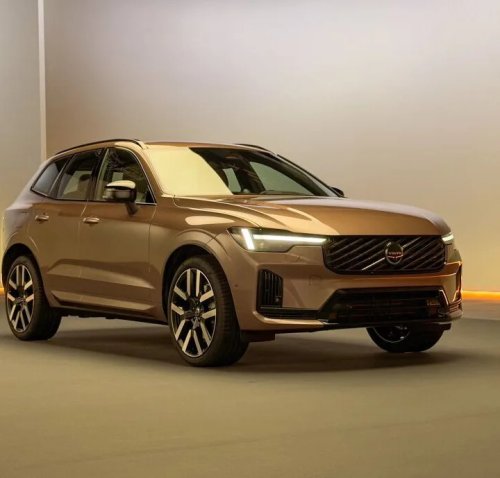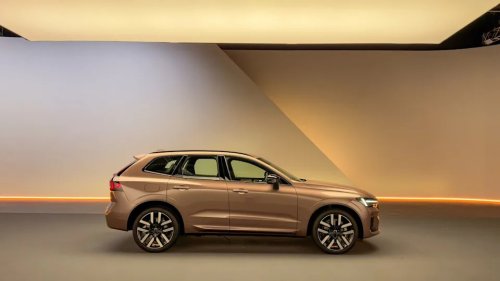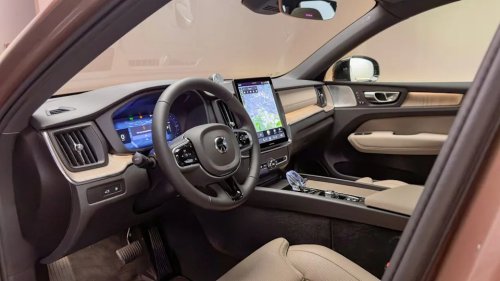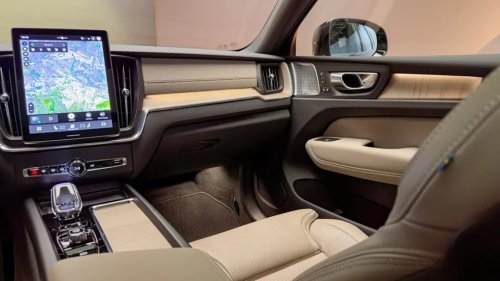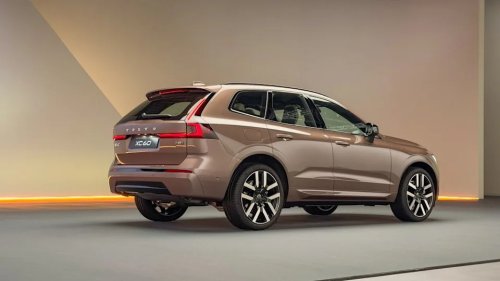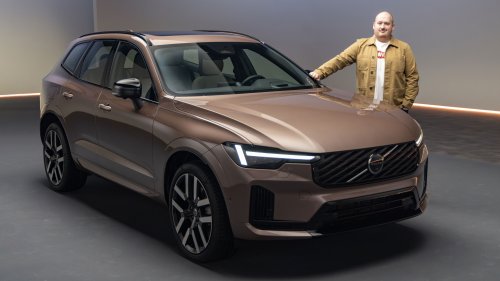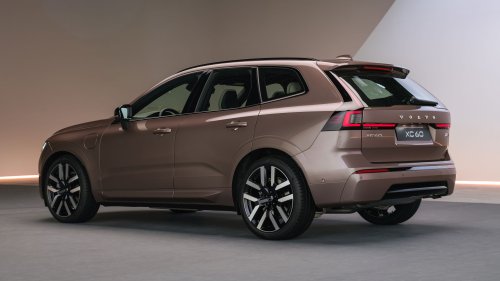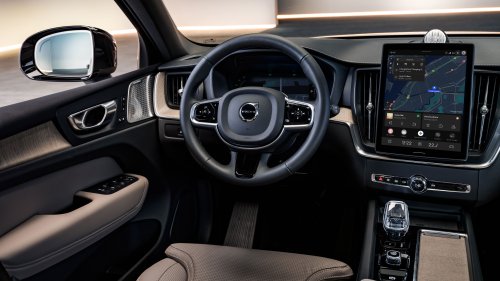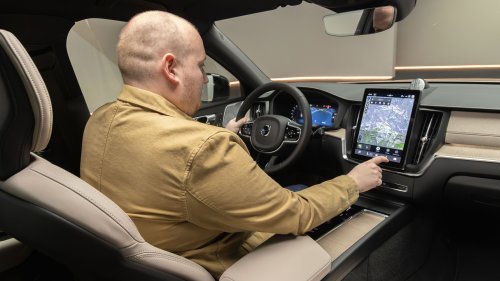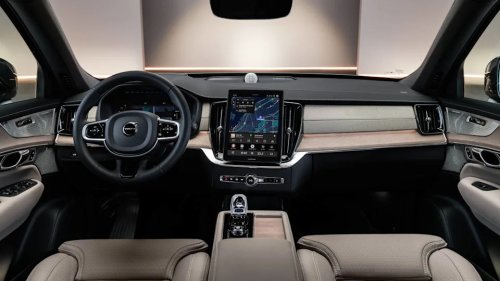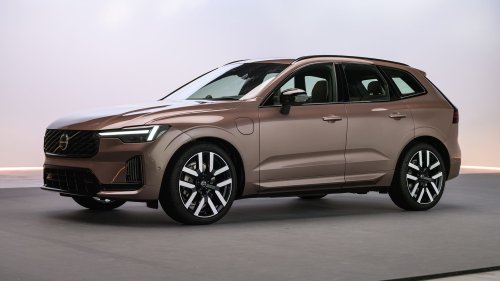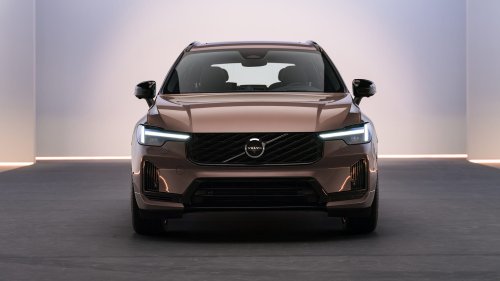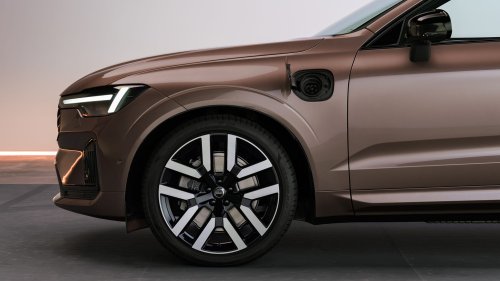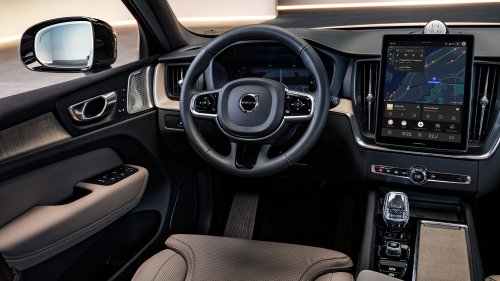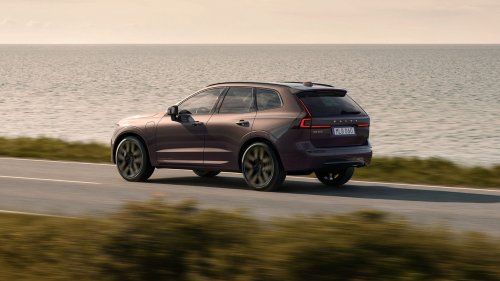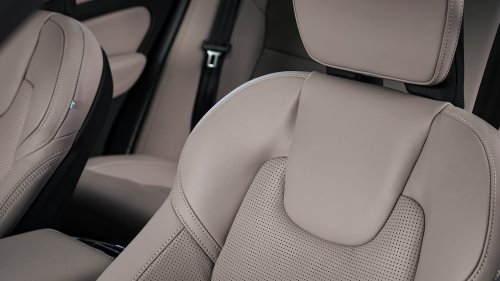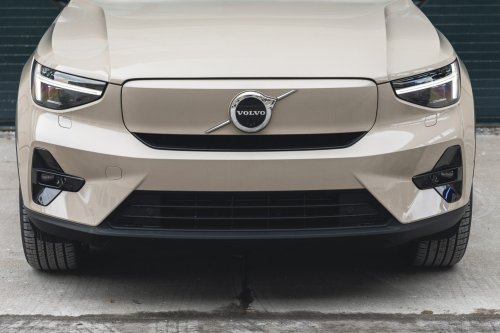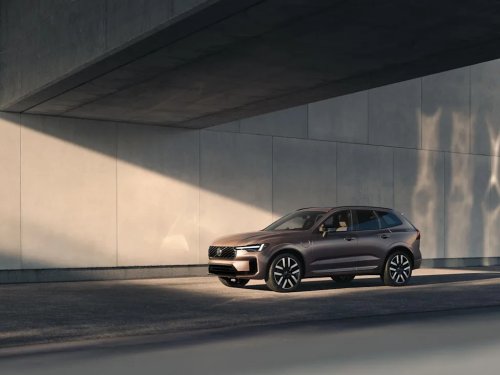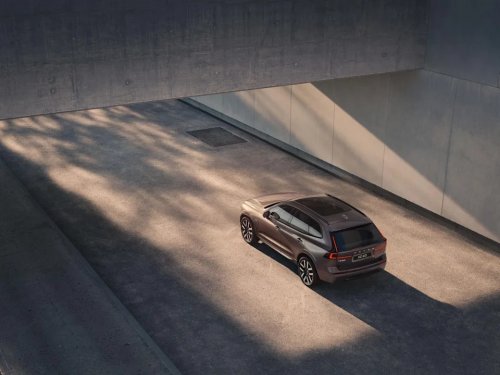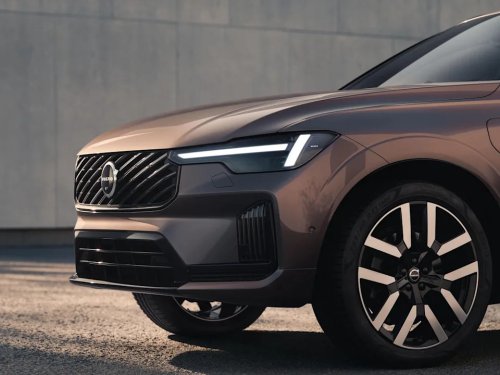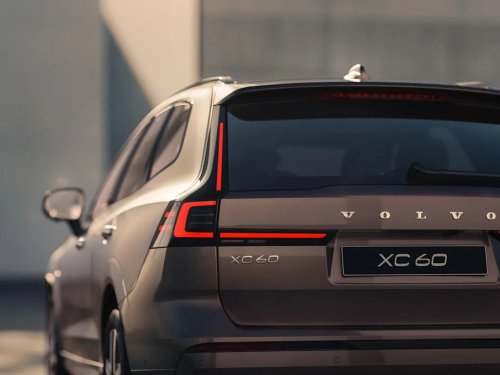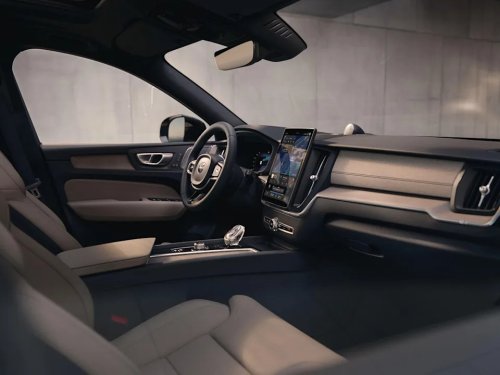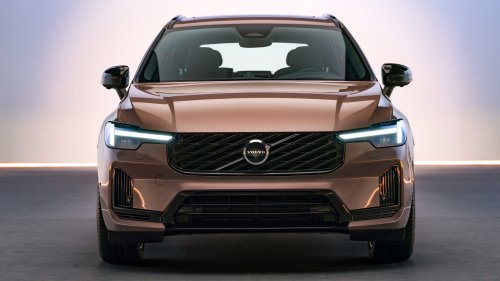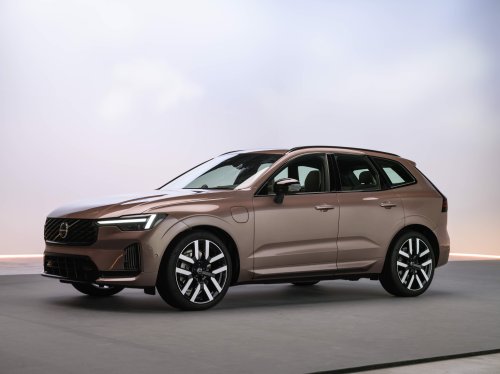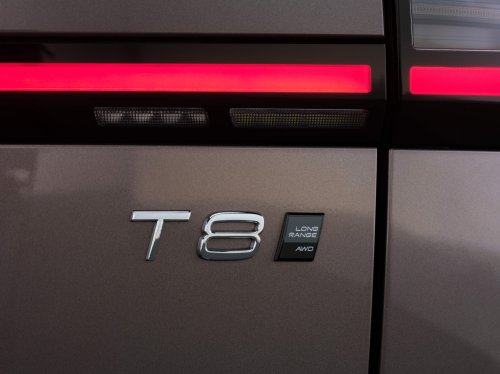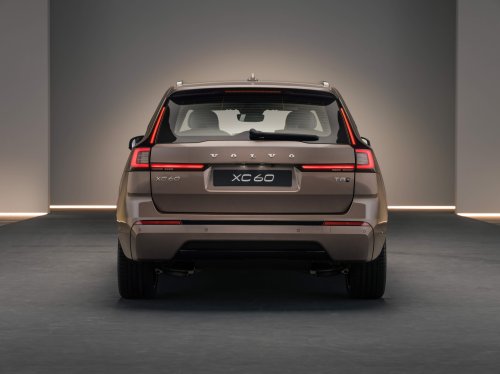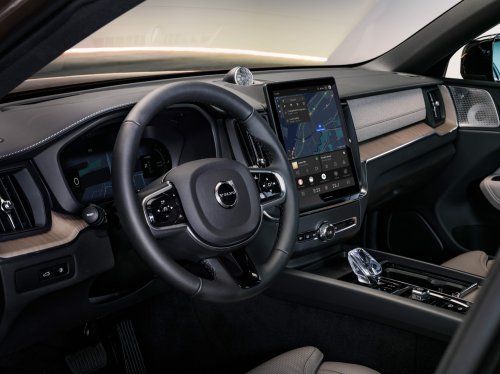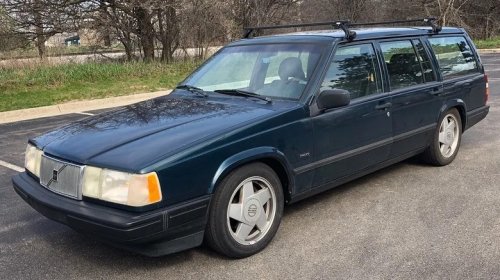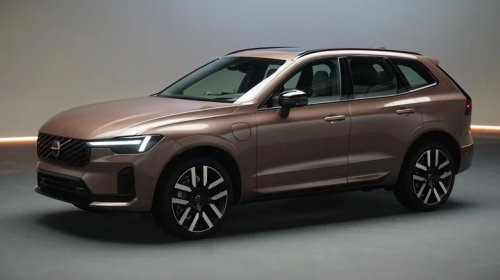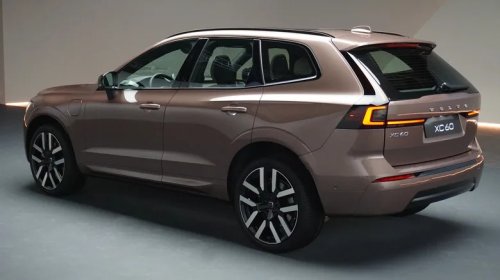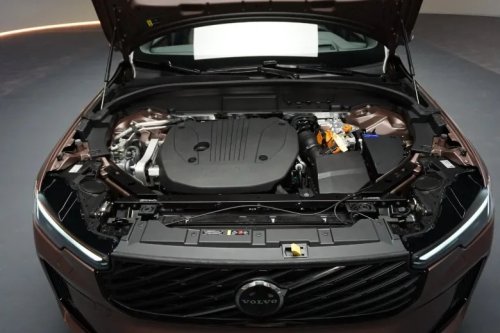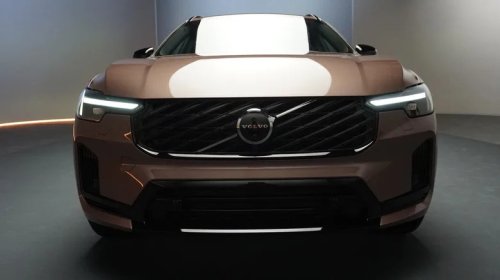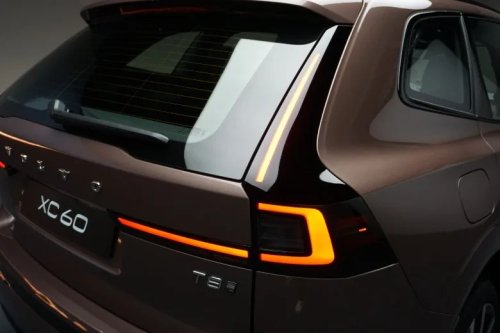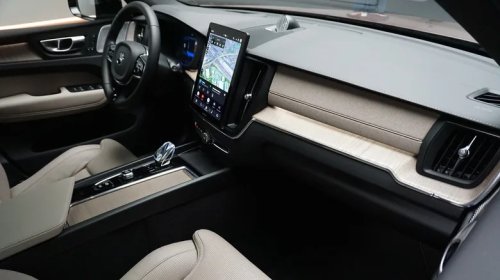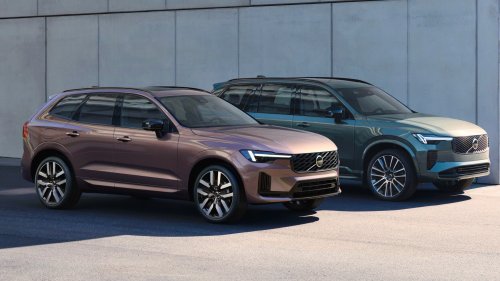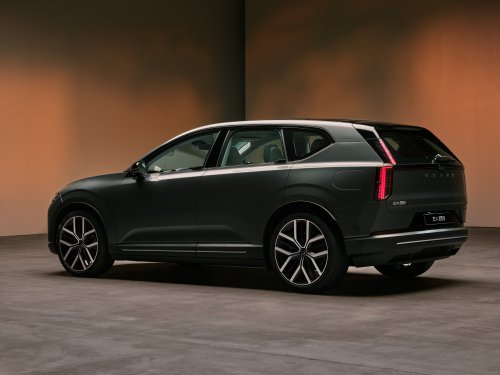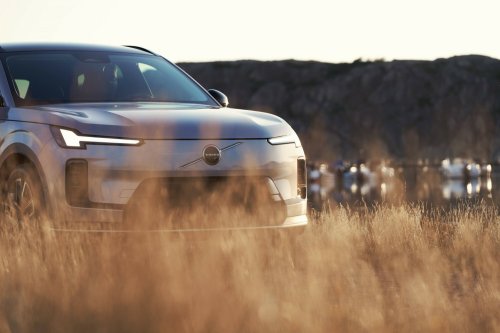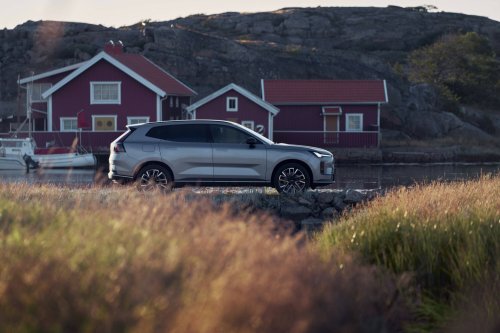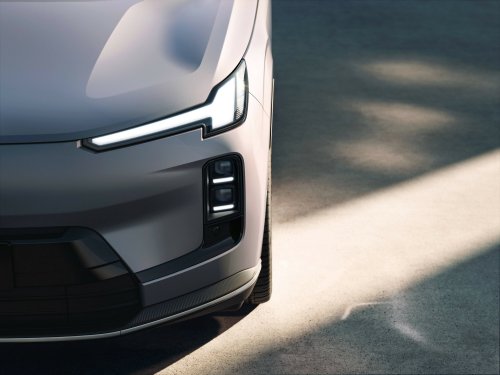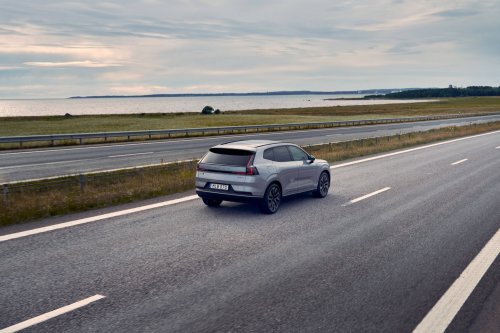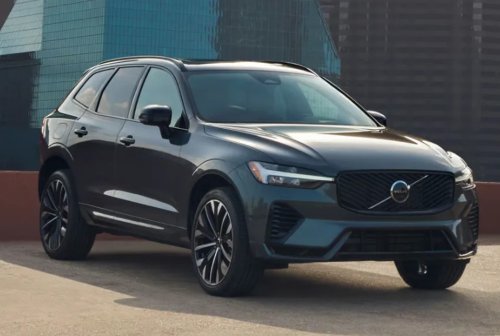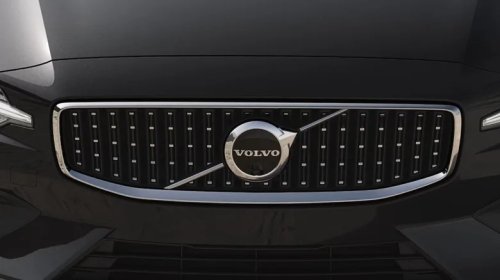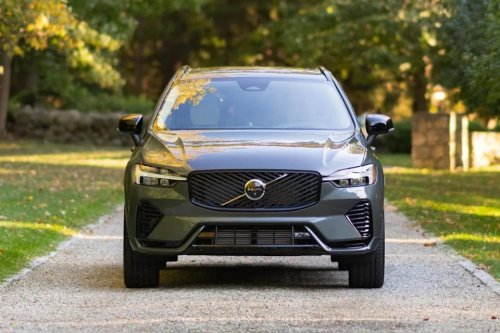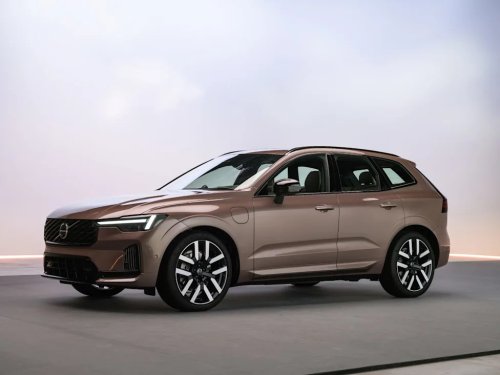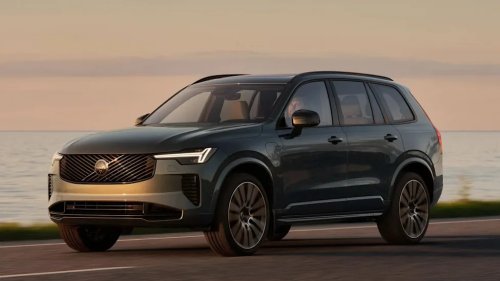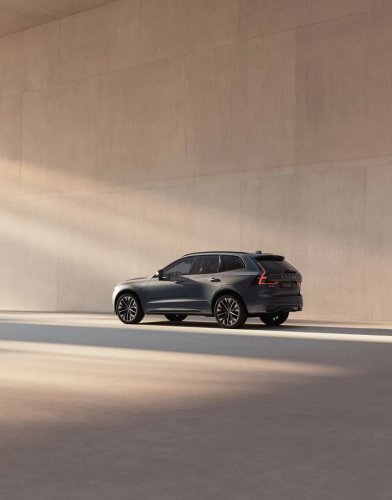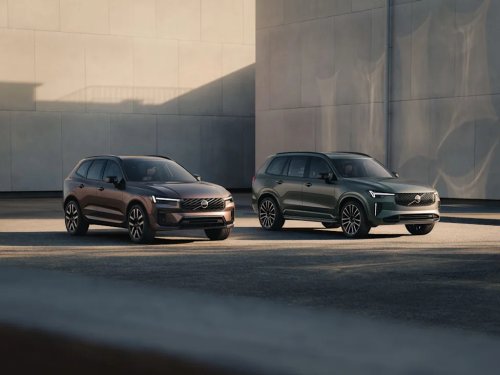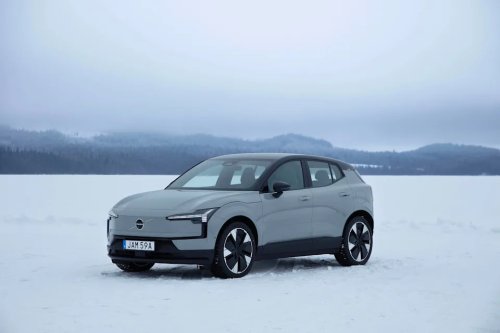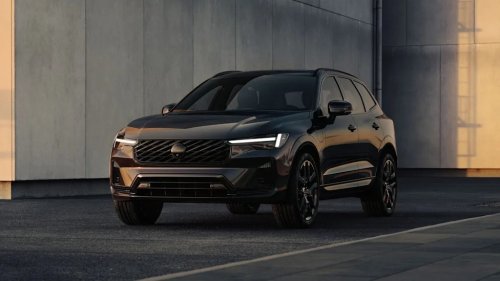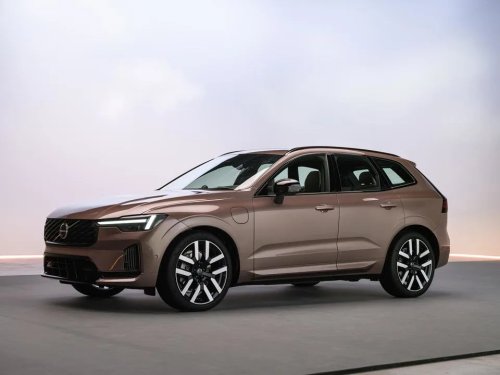
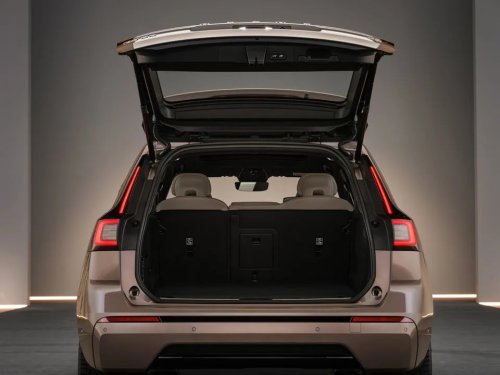
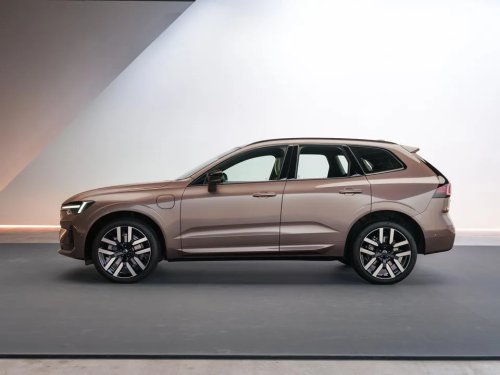
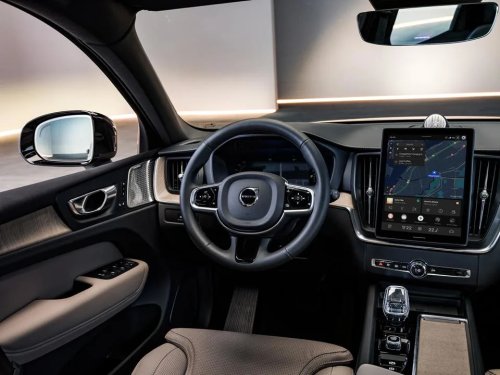
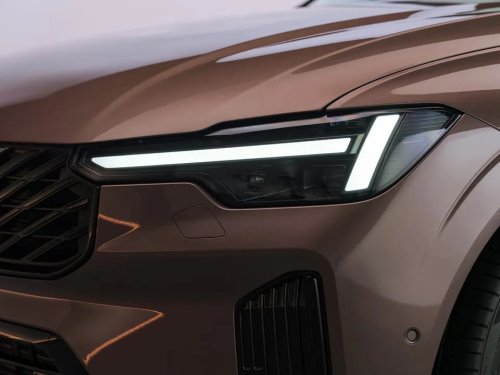
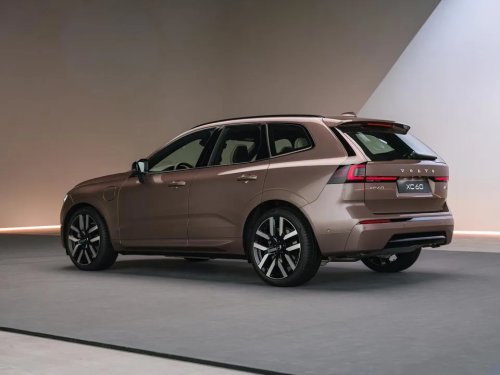



















New Volvo XC60 Takes On Super Hybrids With 124 Miles Of Electric RangeForbesJames Morris, ContributorUpdatedTue, September 15, 2026 at 12:25 PM UTCAdd us on GoogleThe Volvo EX60 has subtle design changes on the outside, but bigger differences internally.VolvoThe Volvo XC60 has a lot more to protect than its passengers. It was Volvo's bestselling model globally in 2025, with 230,655 sales out of the brand's 710,042 total, accounting for almost one car in three. In Europe, it led plug-in hybrid registrations in 2024, then finished third in 2025 with 60,088, behind the BYD Seal U and Volkswagen Tiguan. In the UK, Volvo reported 12,810 XC60 sales in 2024 and more than 160,000 since launch. This is an important car to get right, and now we have a new version. Can it carry on the tradition?The XC60 also overtook the legendary 240 as Volvo's bestselling model ever in June 2025, passing 2.7 million sales. That shows how family motoring has changed. The safe, sensible Swedish wagon has given way to the safe, increasingly sophisticated Swedish SUV. Updating the XC60 means protecting a large part of Volvo's business while persuading those families to take another step toward electric driving.The new version's answer is a plug-in hybrid capable of up to 200km (124 miles) on battery power. That is more than two and a half times the outgoing model's quoted 79km. There are extensive styling and safety changes, too. But the bigger battery is the development most likely to change how owners actually use their cars.Volvo XC60 Gets A Much Bigger BatteryWith the EX60, Volvo already has a class-leading fully electric alternative. However, the XC60 continues alongside it, addressing customers who want electric everyday driving while retaining fossil fuel for longer journeys. Volvo's Darrell Pugh describes it as "a bridge to electrification." This isn't the EX60's electric platform with an engine squeezed into it, however. The XC60 remains on Volvo's SPA1 architecture, while the EX60 uses SPA3. The new hybrid battery is integrated into the floor, with packaging intended to preserve the family practicality that helped make the existing car so successful.Rear luggage space retains the Volvo XC60's reputation for practicality.There is still room for the less glamorous requirements of SUV ownership. Volvo quotes 468 liters of luggage capacity for the plug-in hybrid, measured to the top of the rear seatbacks, rising to 1,519 liters with the rear seats folded and luggage loaded to the roof. European towing capacity is 2,250kg. These are important numbers because buyers choosing a hybrid for occasional longer trips may also be taking family luggage or pulling a trailer. The electric range needs to fit around those jobs, rather than become the only reason to choose the car.AdvertisementAdvertisementThe biggest change is inside, however. The battery holds 41.2kWh gross, with 37.9kWh usable. Both European plug-in versions, the T6 and T8, have the same battery together with a 130kW rear electric motor. That is a substantial electric drivetrain, rather than a token addition to a mainly combustion-powered SUV. The T6 supplies the headline 200km electric range, while the more powerful T8 is rated at approximately 189km (117 miles). These are preliminary WLTP figures, not promises for every journey. Cold weather, speed and wheel specification will affect the result. Even allowing for that, the potential is for much more than a short commute before the combustion engine needs to contribute.American buyers should keep a separate number in mind. Volvo's preliminary U.S. specification lists 78 miles of electric driving for the T8, with 590 miles of combined electric and gasoline range. That is a separate market estimate, not the European figure converted into miles or a confirmed final EPA rating.This new bronze paint color option catches the light beautifully.Performance remains brisk. European specifications give the T6 262kW of system power and a 5.7-second sprint to 100km/h. The T8 delivers 339kW and cuts that to 4.8 seconds; the U.S. sheet quotes 4.5 seconds to 60mph. A B5 mild hybrid remains available, and all three European variants have all-wheel drive.Charging is a more qualified improvement. Pugh says a full charge takes around four hours, compared with three previously, despite the much larger battery. That requires a suitable AC supply, however. He also confirmed there is no DC rapid charging, which is a bit of a drawback with such a large battery and will preclude charging during a journey. The intended routine is clearly charging overnight and leaving home with the battery full. The larger battery should make that routine more rewarding, but many Chinese competitors do offer DC charging.AdvertisementAdvertisementFor somebody who can do that, the practical difference could be considerable. A battery covering most weekday driving also leaves more flexibility for unplanned errands or a longer commute. But a plug-in hybrid still needs plugging in. Carrying a large battery around while routinely running on fossil fuel would miss the point, and there is still evidence that PHEV owners often do that.Volvo XC60 Faces The Super Hybrid ChallengeThe Volvo XC60 arrives as Chinese manufacturers are changing expectations of what a plug-in hybrid should offer. BYD's European sales leadership already demonstrates that this is a commercial challenge, rather than a theoretical one. Buyers increasingly expect substantial electric mileage alongside the reassurance of a fuel tank.The 11.2in central infotainment display adds Gemini-powered natural language interactivity.This is a clear trend in China with even luxury cars like the 9X offering what the Chinese call a Super Hybrid drivetrain. Those vehicles suggest where the category is heading: larger batteries, more electric capability and less reason to treat the combustion engine as the default source of propulsion. There is a broader balancing act here, too. Volvo needs its electric cars to attract customers, but the XC60's sales show how much demand still sits elsewhere. A better plug-in hybrid can keep those buyers within the brand while they work out whether a fully electric vehicle suits their circumstances. The key distinction is access to charging. For a household with a driveway, electric weekday journeys and fossil fuel-powered holiday trips can be an appealing combination. For someone relying entirely on public chargers, the absence of rapid charging makes that proposition less convenient.Volvo's alternative gives existing XC60 customers much of that everyday electric proposition without asking them to abandon a familiar brand or move to an unfamiliar type of vehicle. The missing DC charging capability is a competitive limitation, however. Some drivers will want to replenish the battery during a longer stop rather than switch to fossil fuel. Others will regard the engine as precisely what they bought the hybrid for. The XC60's success will depend on how well its balance fits actual customers, not just the largest number on a specification sheet.Volvo XC60: Familiarity With A More Confident FaceThe XC60 arrives hot on the heels of the redesigned XC40 and EX40. The family resemblance is deliberate. Exterior designer Alain Snoodijk explains that the cars were designed at the same time, balancing a shared direction with individual character. "How do we take something that is good and make it even better?" is his description of the brief for the XC40.AdvertisementAdvertisementFor the XC60, the changes include a new hood, front fenders and bumper, with a slimmer grille and a more abstract interpretation of the Thor's Hammer headlights. Matrix LED technology is standard. The lamps extend into the grille, helping give the nose a wider, lower appearance without turning it into something existing owners would struggle to recognize.Matrix LED headlights are now standard.At the rear, the tailgate, lights and bumper are redesigned, with stronger horizontal lines and cleaner surfaces. Bright and dark exterior themes remain, alongside new 20-inch and 21-inch wheel designs. Heather Bronze paint adds a metallic finish with bronze and violet tones that change with the light. It makes a welcome alternative to the usual monochrome SUV palette.Inside, Volvo has redesigned the dashboard and door panels around the 11.2-inch central screen introduced in the previous update. Cardamom ventilated Nappa leather and concave decorative surfaces give the cabin a warmer feel, with lighting intended to illuminate the materials rather than advertise the light source. Rear passengers also gain door decor matching the premium treatment up front.The smaller 40-series cars share the larger screen, Gemini and upgraded sensing technology, but their changes aren't identical. The XC40 gains new wheel designs and Cardamom leather with Brown Ash décor, while the EX40 retains its existing wheel options and different material choices. The revised phone-charging layout could be accommodated in the XC40 but not the EX40. The electric model retains largely familiar propulsion hardware while adopting P5 and P8 nomenclature.Safety Remains The Volvo XC60 Selling PointSafety is where Volvo can make the update feel particularly relevant to its existing audience. The XC60 receives new cameras, radar and ultrasonic sensors, supported by a new safety computer and software. The aim is better awareness of surrounding traffic and more opportunities to intervene before a collision develops.AdvertisementAdvertisementAutomatic emergency steering complements automatic emergency braking, while Door Opening Alert warns occupants about approaching traffic, including cyclists. Pugh describes improved detection of vulnerable road users and situations involving crossing traffic. Pilot Assist gains lane-change assistance, and a 360-degree camera with a 3D view makes nearby obstacles easier to judge. Equipment availability will vary by market and specification. These are assistance features, so their value will depend on how well they perform in everyday driving. A system that intervenes smoothly and appropriately can earn trust, whereas one that generates unnecessary warnings quickly loses it. That is something a road test will need to establish, rather than a static presentation.The XC60 is a compelling update, although the lack of DC charging could be a drawback.Isabelle Stockman, from Volvo's safety team, explains the research behind the approach: "We set our own standard based on real life." Volvo's dataset covers more than five decades, over 50,000 accidents and over 80,000 occupants. She illustrates the point with large-animal crashes, where a moose's high body can strike the windshield area and demands strength around the A-pillars and roof header. That's a very Swedish explanation of the brand's safety identity, but it makes the point. Better sensors address avoiding the crash, while structural protection addresses what happens when avoidance fails. The appeal of the XC60 has always depended on families believing Volvo takes both situations seriously.Google Gemini supplies the more conversational technology upgrade, handling natural-language requests for navigation, destinations and messages. You can ask Gemini even quite deep and existential questions, and it will try to provide some relevant information. Most owners will probably find restaurant suggestions more useful. The redesigned driver display is arguably more important, placing assistance information where it can be understood quickly.Volvo plans to build the new XC60 in Torslanda, Sweden, and Charleston, South Carolina. The European documentation identifies model year 2027, while the U.S. sheet labels it a 2028 model. Orders open in selected markets on September 15, with production starting later this year. No pricing was discussed at launch, so the value judgment must wait for local specifications and offers.AdvertisementAdvertisementNevertheless, the ingredients for continued success look convincing. The Volvo XC60 retains its recognizable family-SUV formula while substantially reducing how often an owner who regularly charges should need a trip to the fossil fuel station. The extra electric range answers a growing competitive pressure, and the safety improvements reinforce the reason many customers choose Volvo in the first place. Provided pricing remains competitive, this looks well placed to sustain the XC60's popularity. Its strongest achievement may be making the next fully electric Volvo feel like a smaller step.This article was originally published on Forbes.com