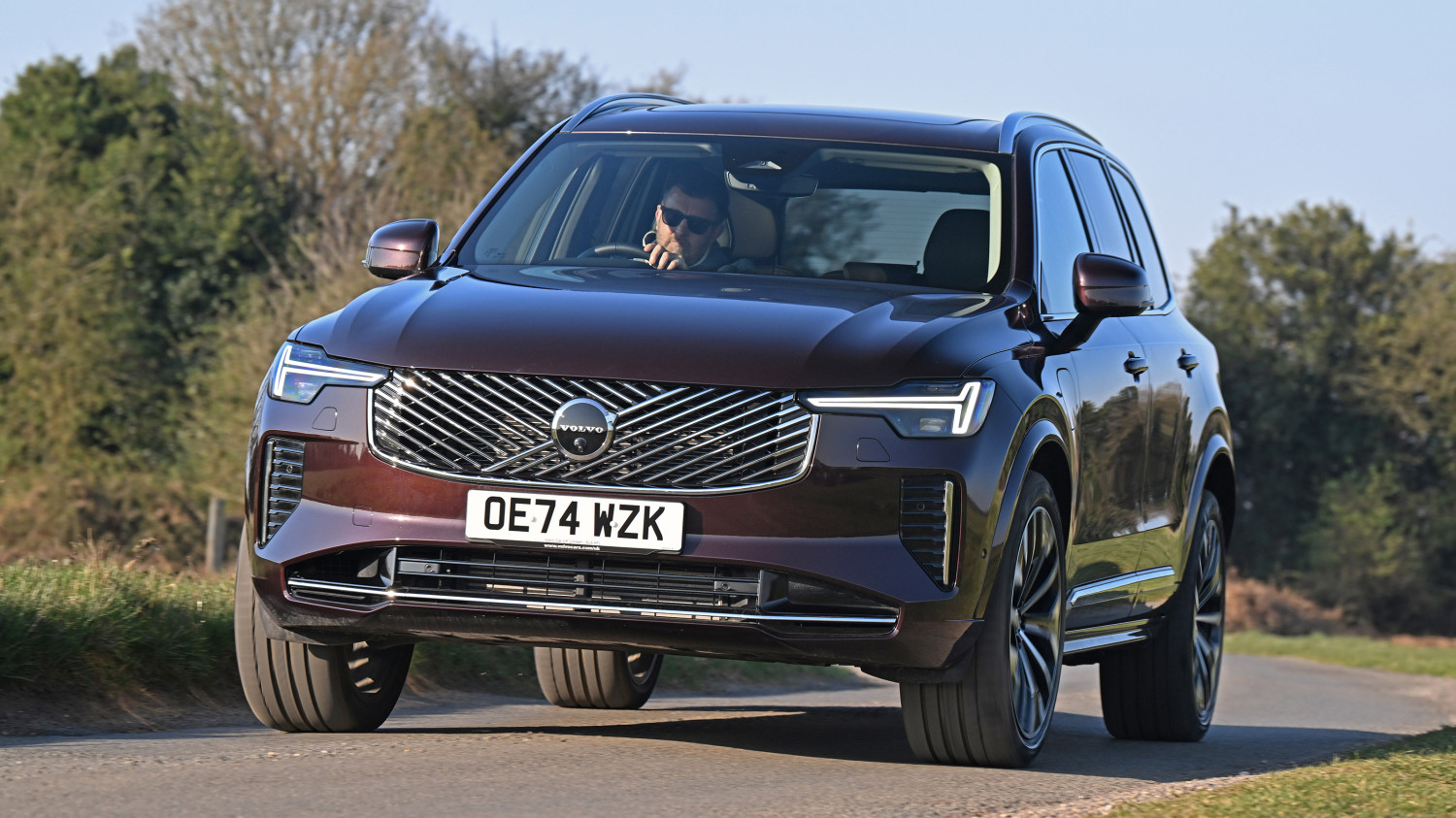
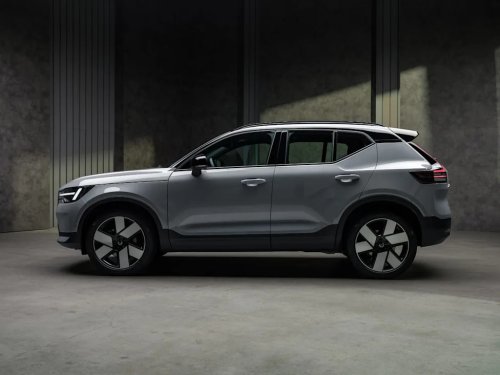
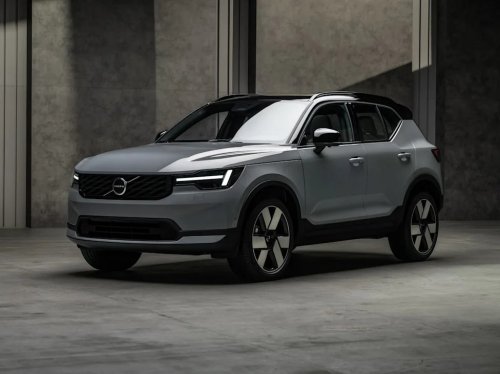
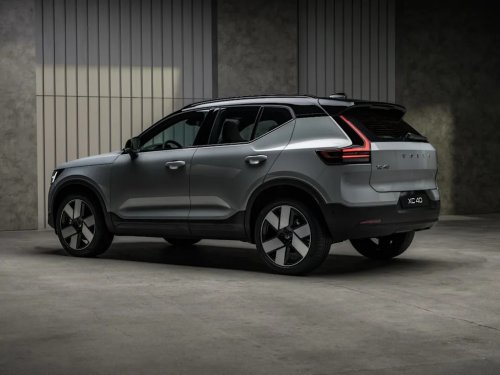
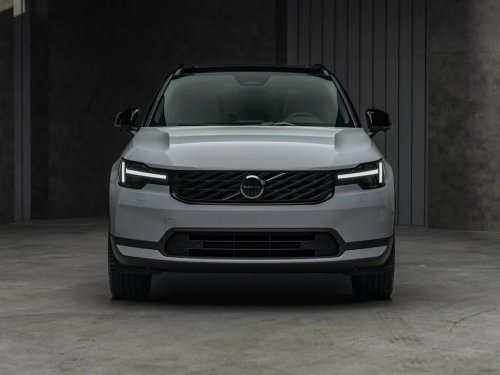
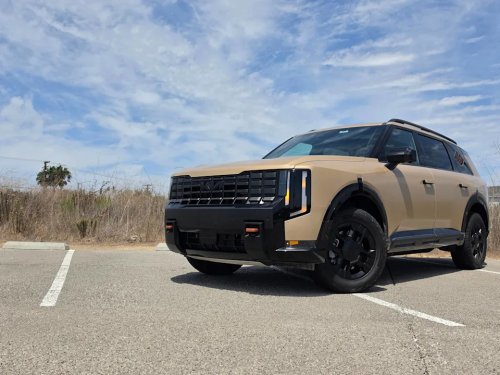
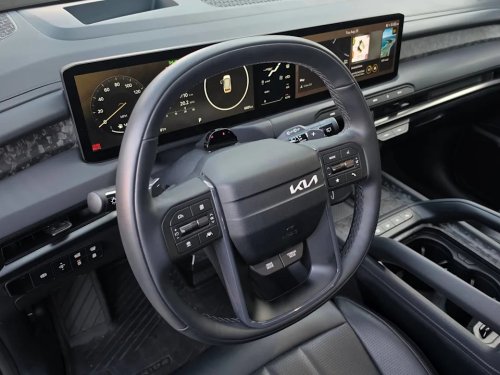
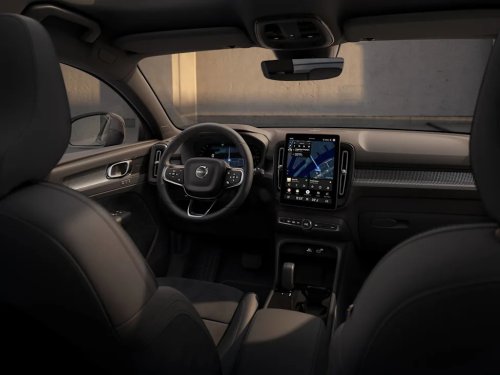
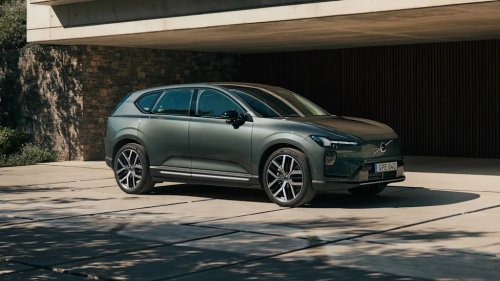
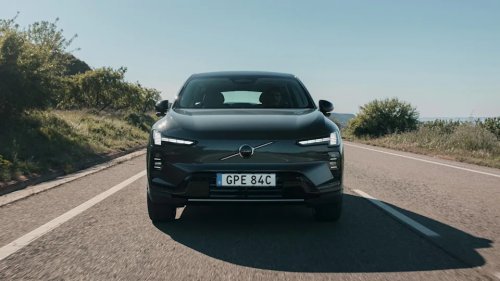
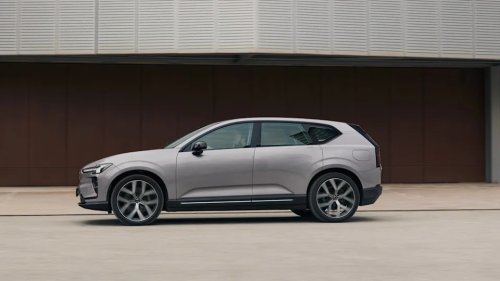
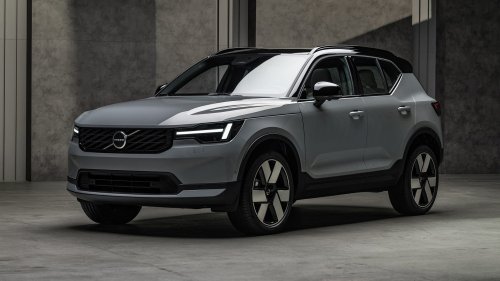
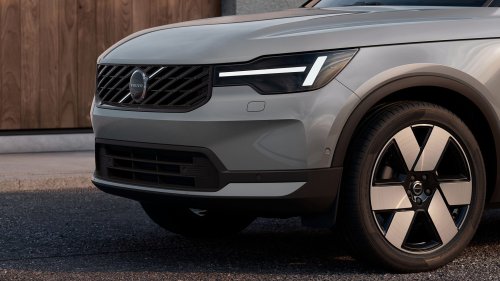
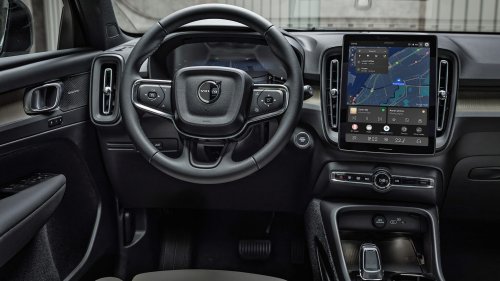
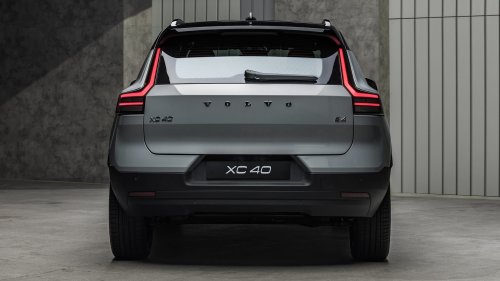
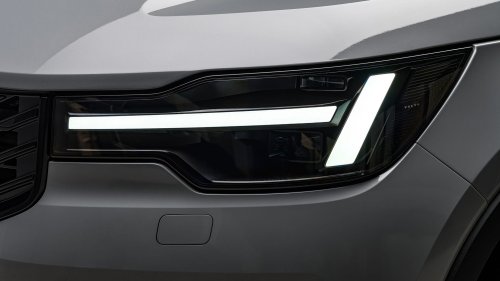
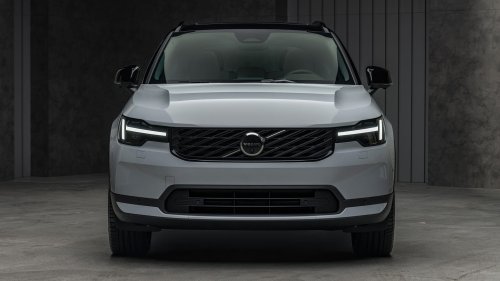
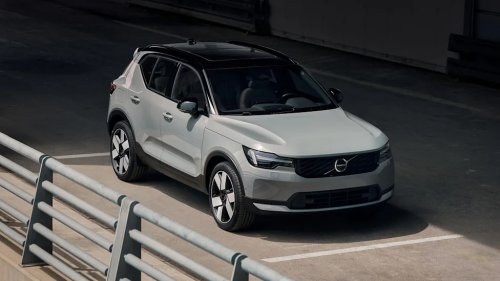
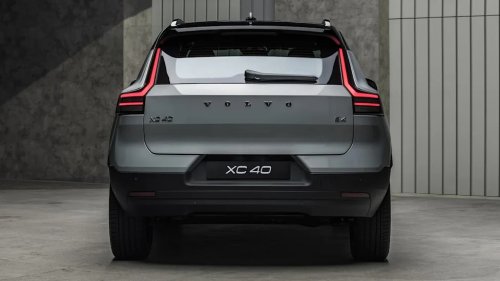
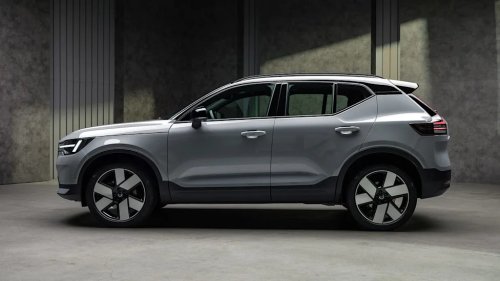
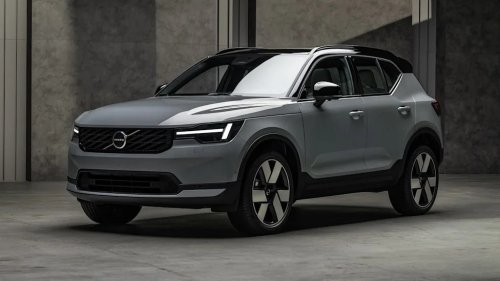
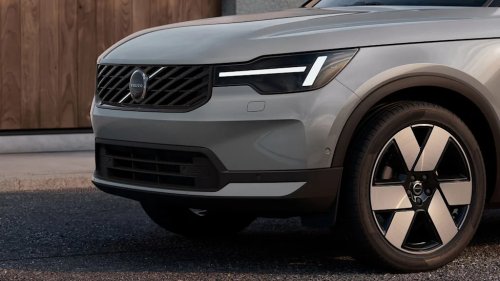
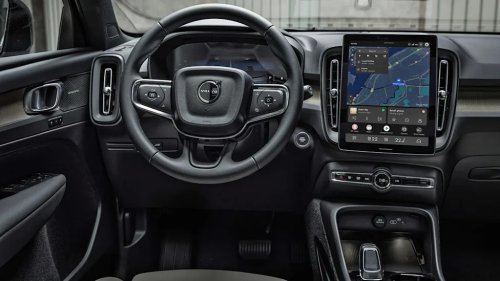
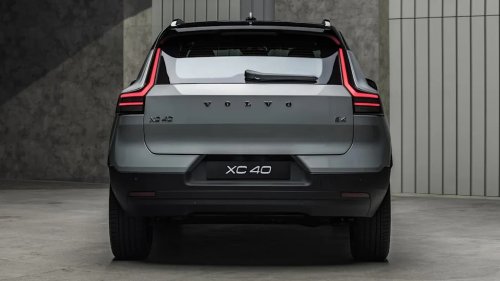
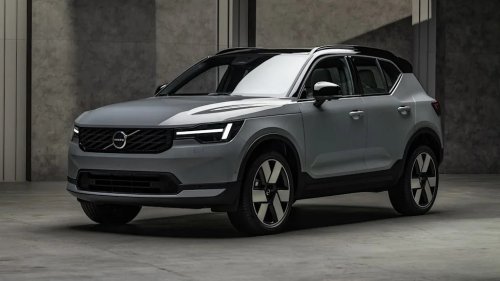
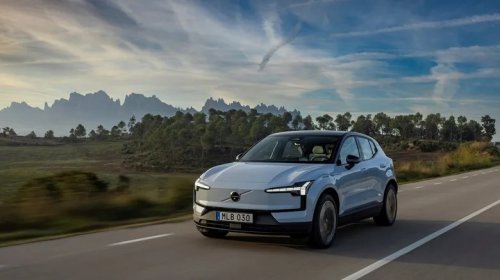
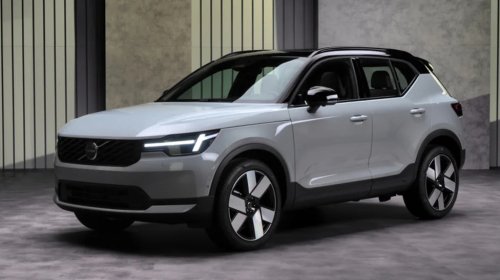
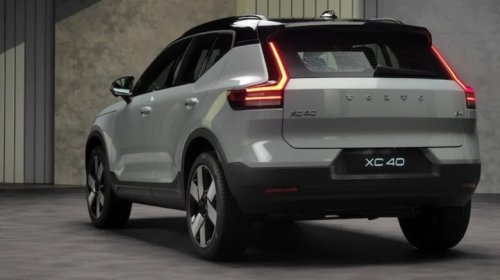
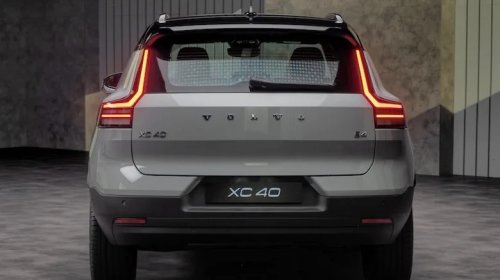
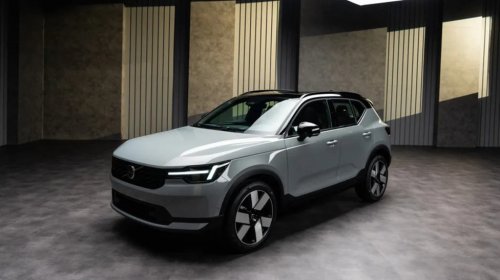
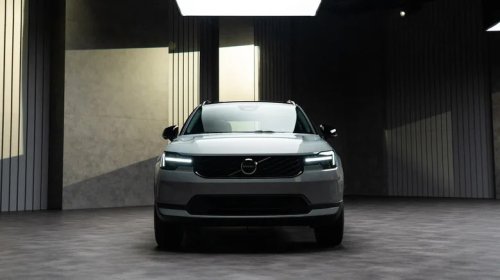
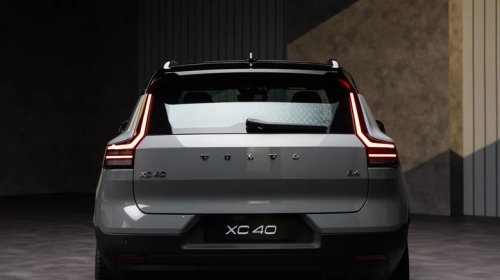
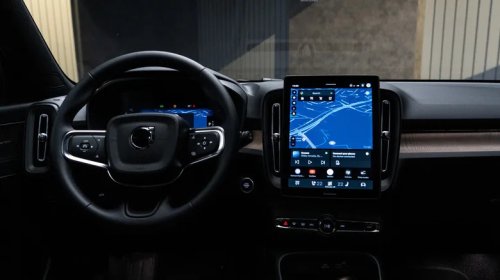
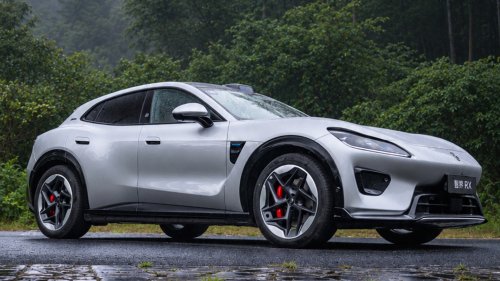
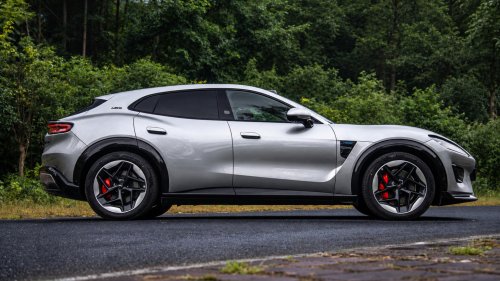
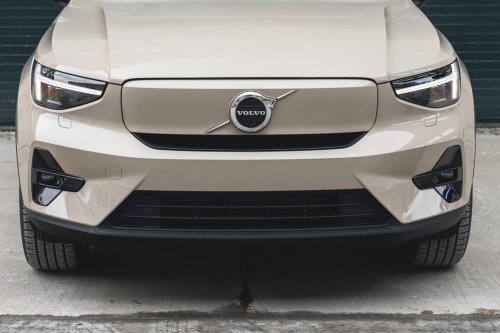
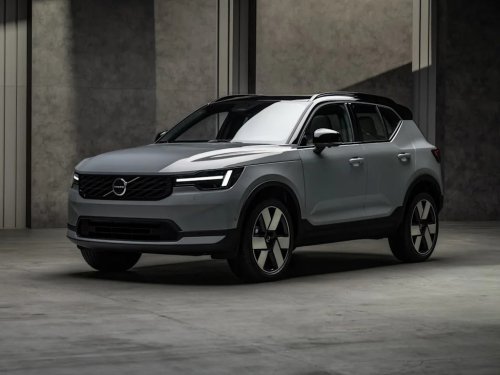
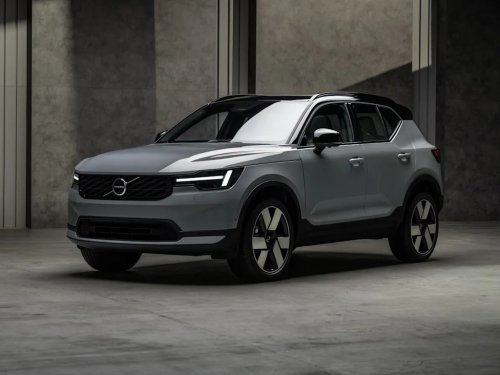
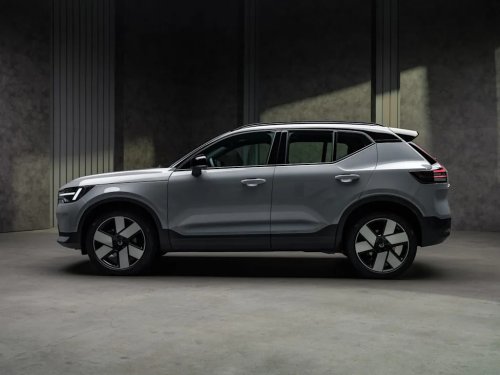
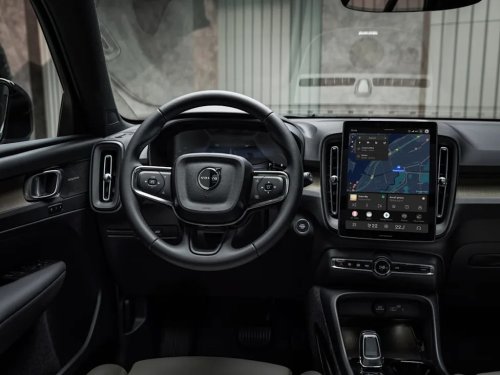
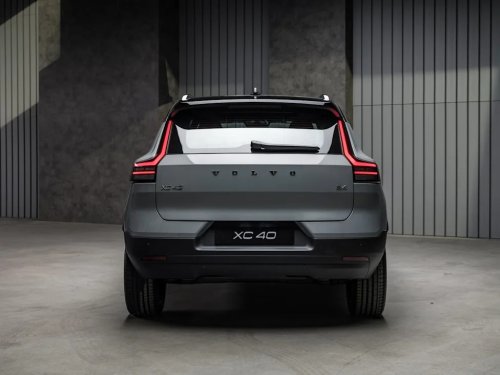
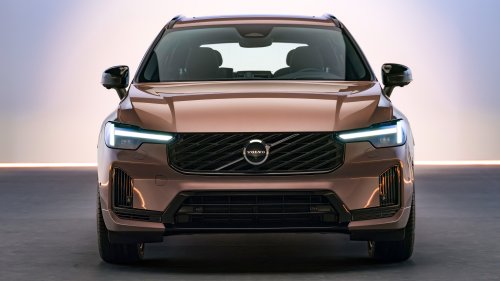
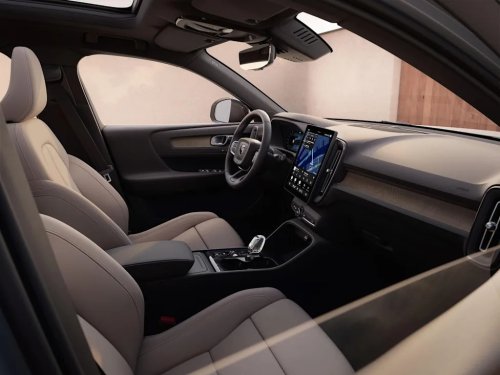
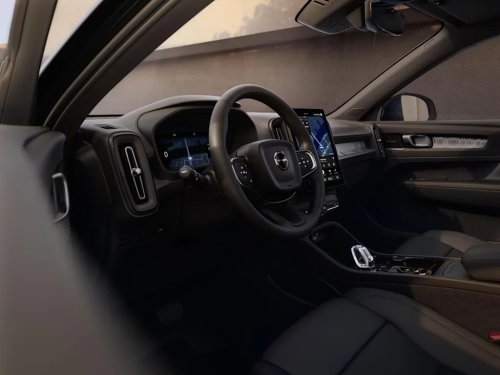
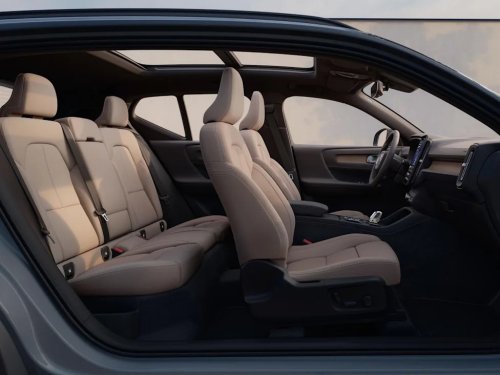
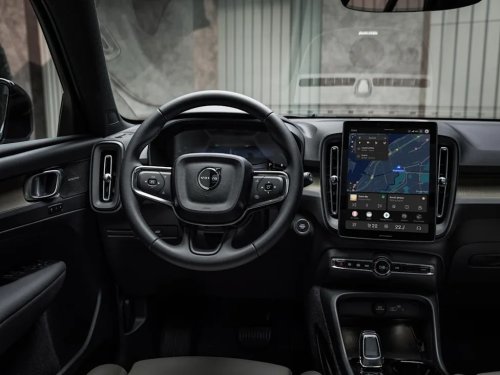
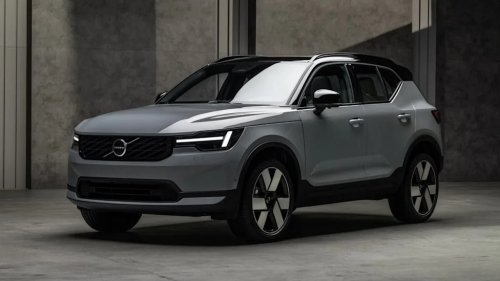
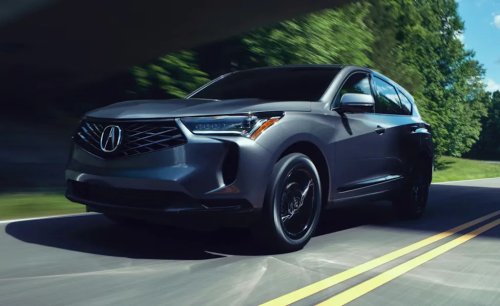
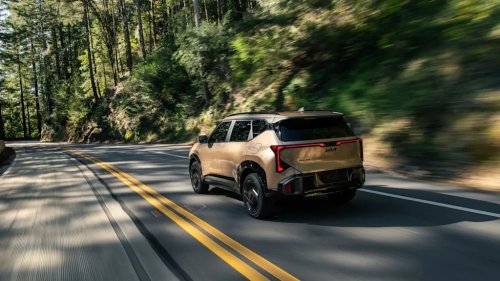
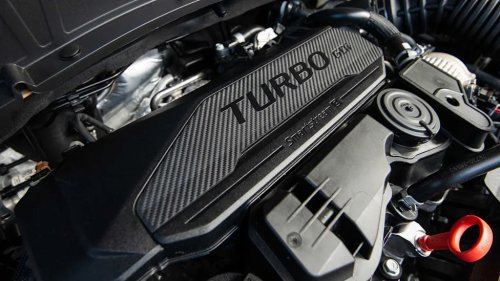
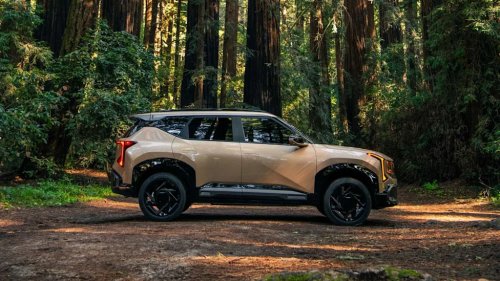
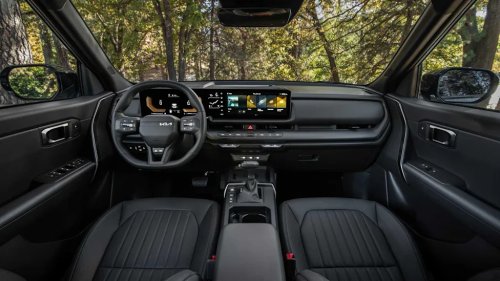
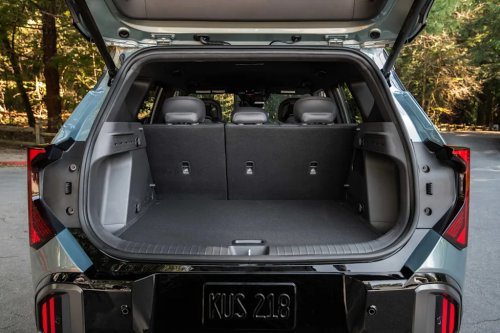
KiaVolvo has spent decades building one of the most respected names in the automotive industry. The Volvo XC40, which arrived for the 2018 model year, brought that reputation into the compact SUV segment. Not surprisingly, it earned a loyal customer base on the strength of its Scandinavian roots, which are evident throughout the vehicle, from its interior design to its safety credentials.Suggesting that the 2027 Seltos from a mainstream brand like Kia can hold its own against a Volvo might sound like a stretch, but spend some time with the data and the spec sheets, and the comparison becomes harder to ignore. Similar to an earlier comparison we did between the Audi Q3 and the Seltos, the latter appears to punch above its class at every turn.The Seltos debuted at the 2026 New York International Auto Show with a bolder design, updated powertrains, and a technology suite that invites comparison with vehicles costing far more, like the Q3 and XC40.AdvertisementAdvertisementAlthough official pricing has not yet been confirmed, based on the outgoing model, expect the 2027 Seltos to start under $30,000, with the top-trim X-Line SX likely landing in the low-to-mid $30,000 range. The 2026 XC40 starts at $41,295 for the B4 front-wheel drive (FWD) model, with the B5 all-wheel drive (AWD) beginning at $43,995.Two different approaches under the hoodSeltos wins by a wide margin on fuel economyKiaThe 2027 Seltos offers two engines, depending on the trim level.The LX, S, X-Line S, and EX run a 2.0-liter Atkinson-cycle four-cylinder producing 147 horsepower and 132 lb-ft. of torque, paired to a continuously variable automatic transmission. Meanwhile, the X-Line SX steps you up to a 1.6-liter turbo four-cylinder making 190 horsepower and 195 lb-ft. of torque, matched with an eight-speed automatic. All-wheel drive is standard on X-Line S and X-Line SX.The XC40 also offers two powertrains, both mild hybrids. The B4 FWD produces 194 horsepower and 221 lb-ft. of torque, while the B5 AWD produces 247 horsepower. Both use a seven-speed dual-clutch automatic and regenerative braking for increased performance and efficiency.AdvertisementAdvertisementOn paper, the XC40's mild-hybrid badge suggests a fuel-economy advantage. In practice, it does not deliver one.EPA estimates put the XC40 B4 FWD at 25 in the city, 32 on the highway, and 27 combined. The B5 AWD comes in at 23 in city, 30 on the highway, and 26 combined.The base Seltos with front-wheel drive returns 28 in the city, 33 on the highway, and 30 combined, edging out both XC40 variants at the pump with no hybrid assist technology.On warranty, the gap is equally clear. Kia backs the Seltos with a five-year/60,000-mile bumper-to-bumper warranty and a 10-year/100,000-mile powertrain warranty. Volvo covers the XC40 with a four-year/50,000-mile bumper-to-bumper and powertrain warranty, with hybrid components receiving an extended eight-year/100,000-mile warranty. Kia's powertrain coverage runs twice as long.The math behind the mild hybridWhere the XC40 falls shortSide profile shot of a 2027 Kia Seltos HybridHybrid technology is often marketed as a path to fuel savings, but as my How-To Geek colleague Tyler Dupont has noted, buyers need to consider the “payback timeline” when deciding whether a hybrid makes financial sense. Since hybrids often have a higher MSRP relative to a gasoline vehicle, the fuel savings don’t technically start right away.AdvertisementAdvertisementUsing the current 2026 starting MSRPs ($41,295 for the XC40 B4 FWD and $23,790 for the Seltos), the XC40 carries a $17,505 premium at the entry level. If you have a new hybrid in mind, here is a formula you can use to determine how long it would take to recoup that premium through fuel savings:Hybrid MSRP – Non-hybrid MSRP = Premium for hybrid model.Number of miles you may drive in a year ÷ EPA combined MPG = Gallons per year.Gallons per year x Average national fuel price = Cost of fuel per year.Non-hybrid cost of fuel per year – Hybrid cost of fuel per year = Hybrid fuel savings (per year).Premium for hybrid model ÷ Hybrid fuel savings per year = Payback time in years.AdvertisementAdvertisementRun those numbers here, though, and something unexpected happens. At the current national average of $4.53 per gallon (at the time of this writing) and 13,500 miles driven per year, the base Seltos at 30 mpg combined uses roughly 450 gallons annually, costing around $2,038 in fuel.The XC40 B4 FWD at 27 mpg combined uses about 500 gallons, costing around $2,264. The final step of the formula, dividing the price premium by the annual fuel savings, has no meaningful answer because there are no fuel savings to divide by. The Seltos is cheaper to buy and cheaper to fuel. The payback clock never starts.The XC40 has other reasons to justify its price, but fuel savings is not one of them.Standard tech and safety featuresBoth the Seltos and XC40 are well-roundedInterior shot of the 2027 Kia SeltosVolvo's cabin is understated yet refined, built around high-quality materials and a layout that prioritizes simplicity for the driver. The XC40 features a nine-inch Google-powered infotainment screen with integrated Maps, Assistant, and the Play Store, a clean and intuitive setup that supports over-the-air updates for ongoing improvements.AdvertisementAdvertisementThe 2027 Seltos also takes the tech-forward approach. Every Seltos ships with a 12.3-inch touchscreen, wireless Apple CarPlay and Android Auto, and Bluetooth connectivity for two devices simultaneously. The X-Line SX adds an available 12.3-inch digital instrument cluster, a five-inch climate control display, and an available Harman Kardon eight-speaker audio system with an external amplifier and subwoofer.Driver assistance technology is where the Seltos makes one of its strongest arguments, even against the likes of a vehicle like the XC40. Smart cruise control with stop-and-go, forward collision avoidance, lane following assist, lane departure warning, driver attention warning, and front and rear parking sensors are all standard. Blind spot collision warning, rear cross-traffic collision avoidance, and safe exit warnings are standard from the S trim onward.The XC40 has Volvo's well-regarded safety suite, including City Safety with automatic braking, lane-keeping aids, road sign information, blind-spot monitoring, and cross-traffic alerts standard across the lineup. Volvo's safety reputation is well-earned. Where the Seltos challenges that is not necessarily in feature quality but in how much of that list comes standard without jumping to higher trim levels.Cargo space and passenger roomSeltos edges out the XC402027 Kia SeltosThe XC40 offers 20.1 cubic feet of cargo space behind the second row. The Seltos offers 27.8 cubic feet behind the second row and 64.2 cubic feet with seats folded, a meaningful everyday advantage at a lower price.AdvertisementAdvertisementPassenger room favors the Seltos as well. It delivers 41.3 inches of front legroom and nearly 39 inches of rear legroom. The XC40 offers about 41 inches up front and a little over 36 inches in the rear.Front headroom without a sunroof is 40.5 inches in the Seltos versus 39 inches in the XC40 without a panoramic roof. For taller buyers, those numbers are worth a test-sit since they are so close.XC40 for premium, Seltos for valueThe XC40 is a premium compact SUV with a build quality and brand identity that the Kia Seltos does not attempt to replicate. For buyers who value Scandinavian design, Volvo's safety heritage, or the ownership experience of a European luxury brand, the XC40 is second to none.But the 2027 Kia Seltos reframes what value looks like in this segment. It offers more cargo space, more rear legroom, more standard technology, better fuel economy, and a longer factory warranty, all at a starting price more than $17,000 lower than the XC40. The Kia Seltos will probably never duplicate the feel of a Volvo, but it will get more people home with more money in their pockets.AdvertisementAdvertisementOfficial 2027 Seltos pricing has not yet been confirmed, but based on the outgoing model and the segment trends, that lower price will likely appeal to a wide swath of SUV buyers.



















 +34 others