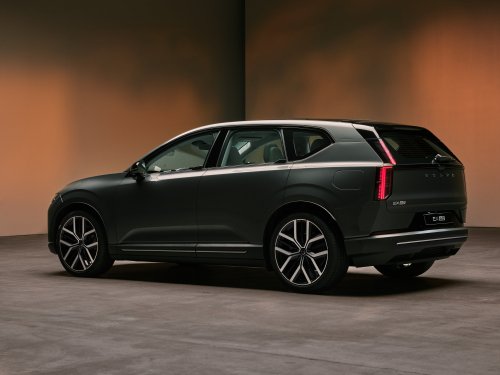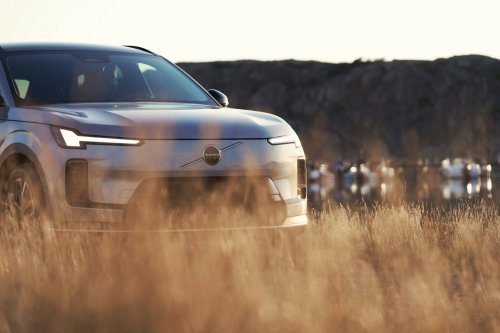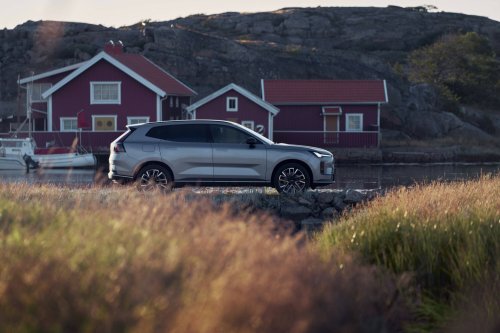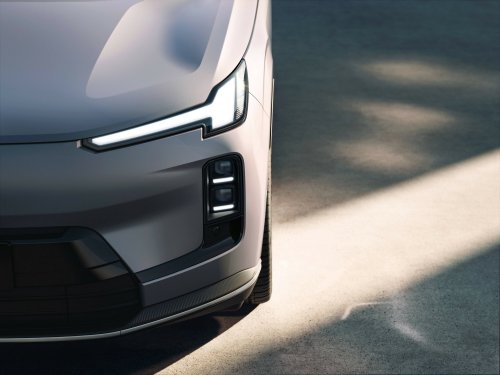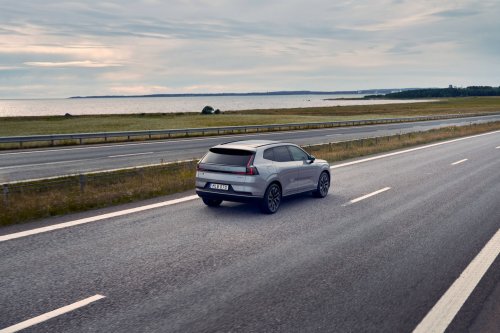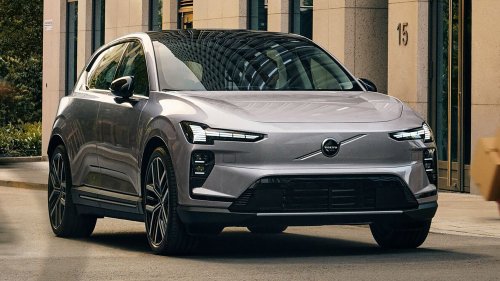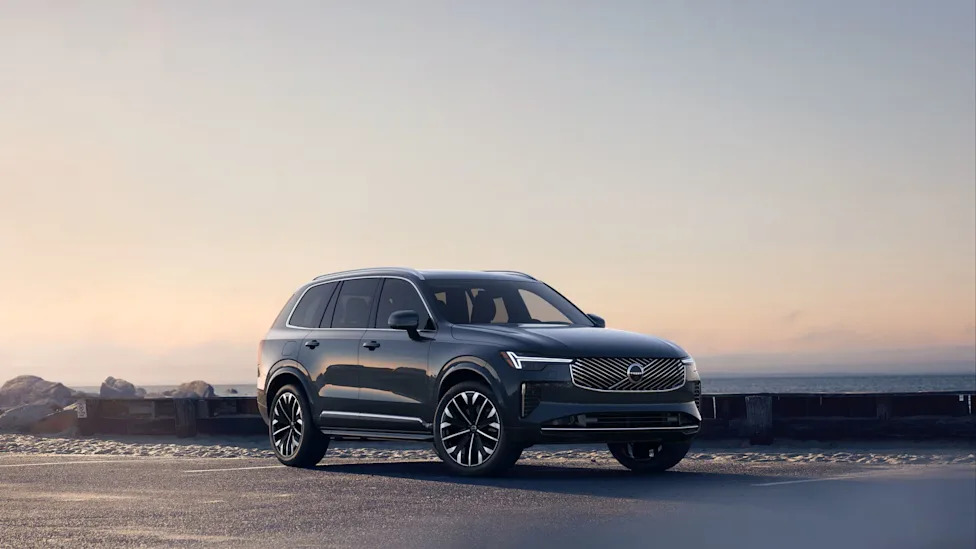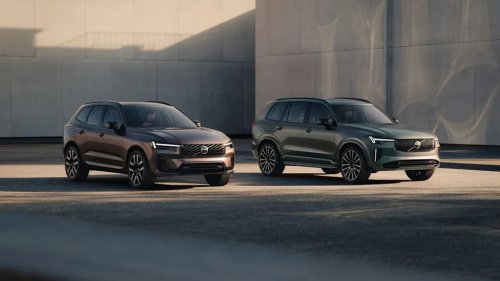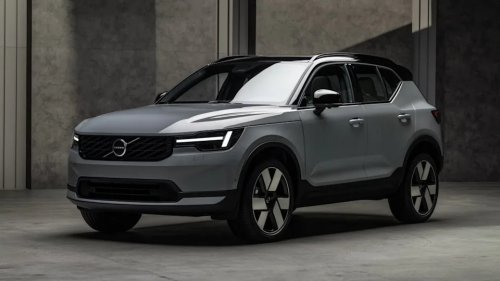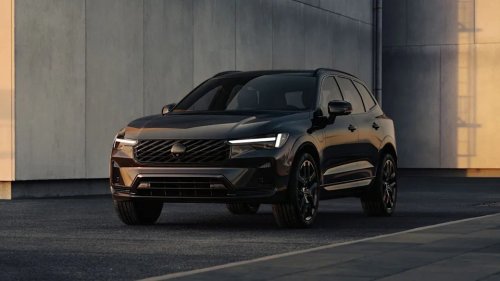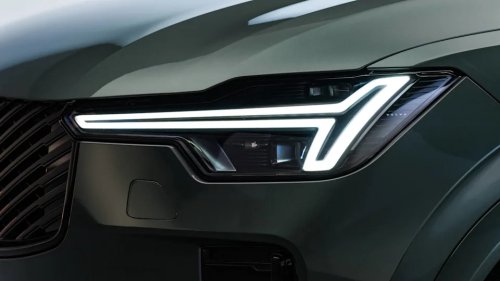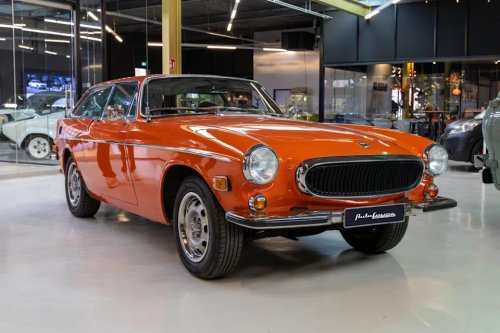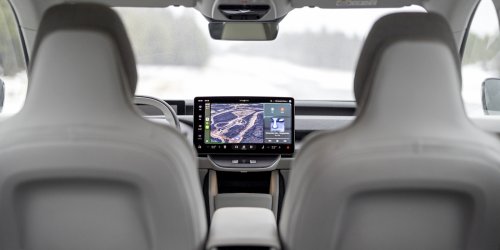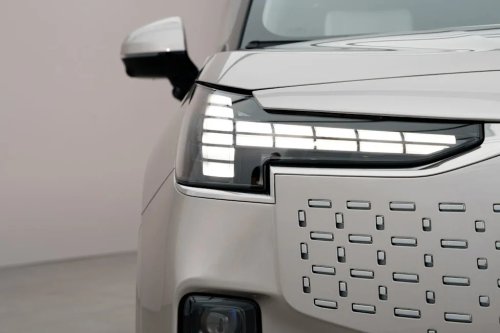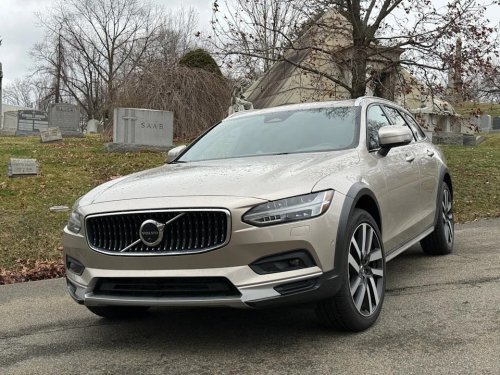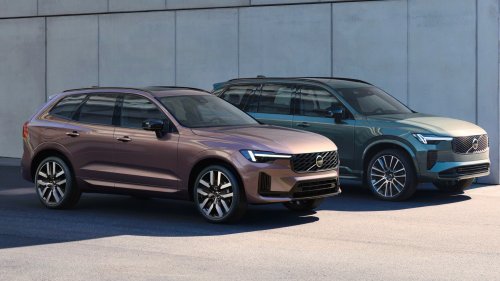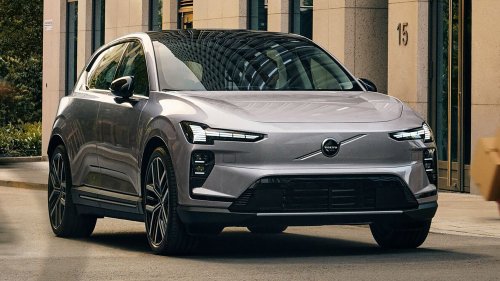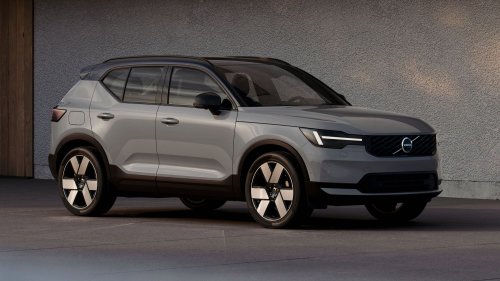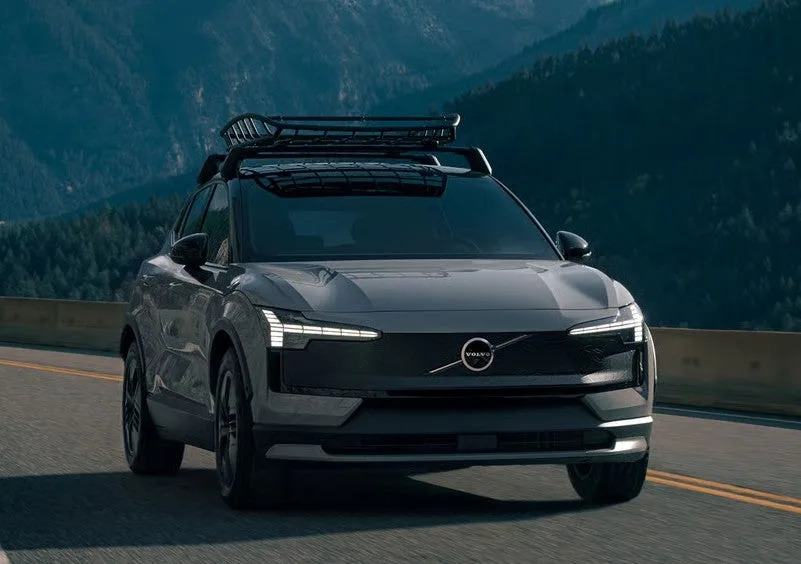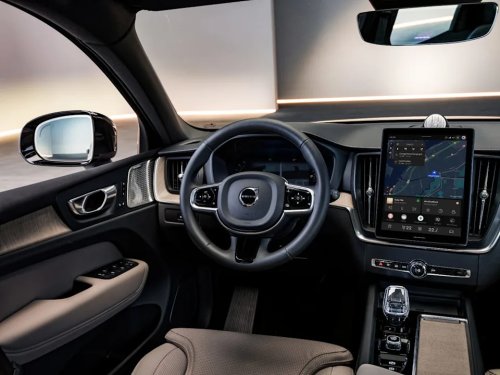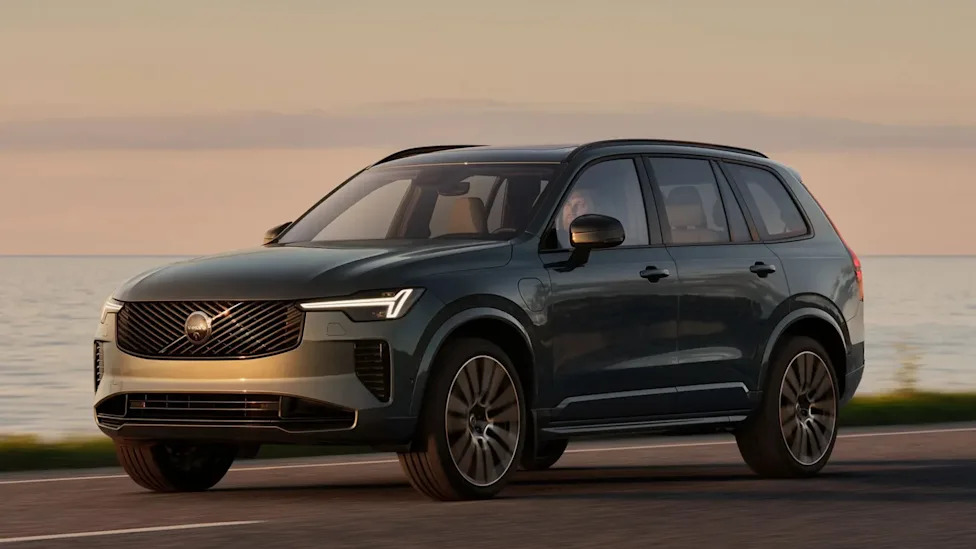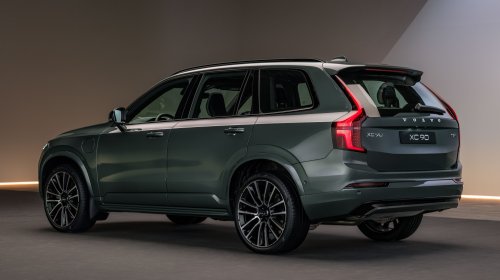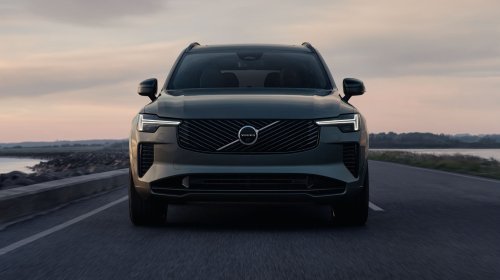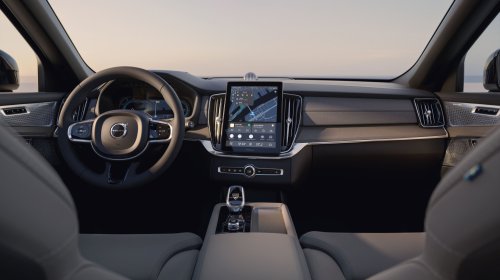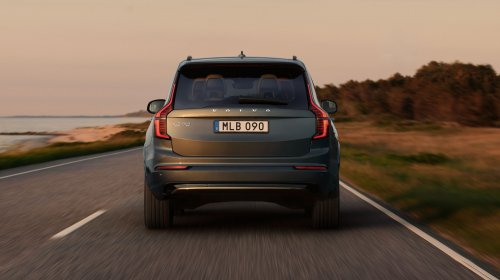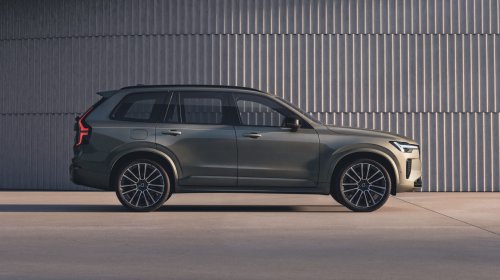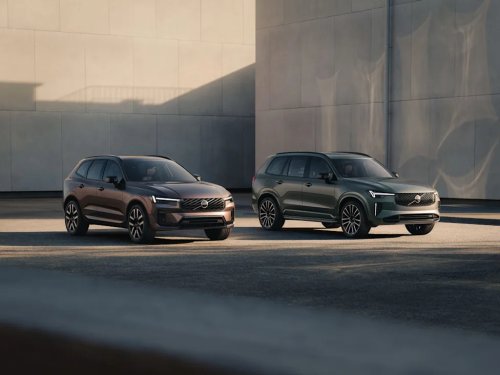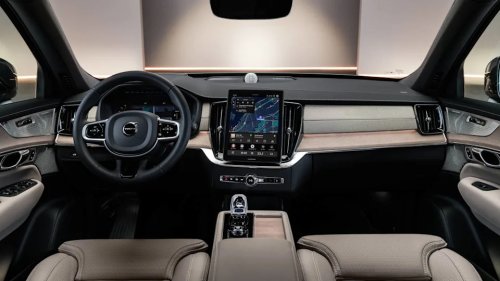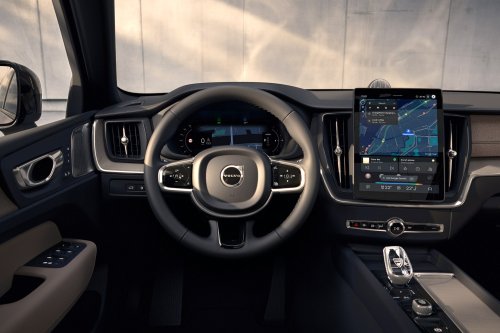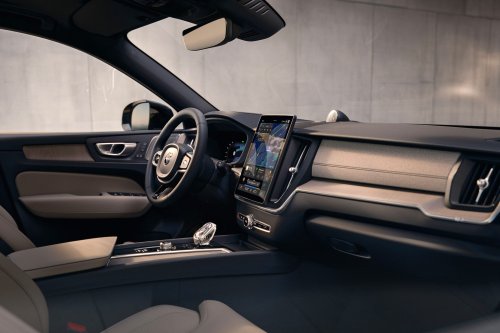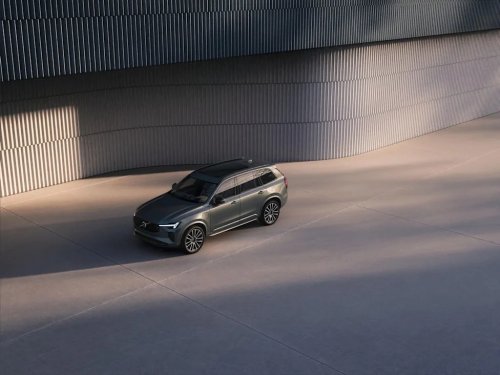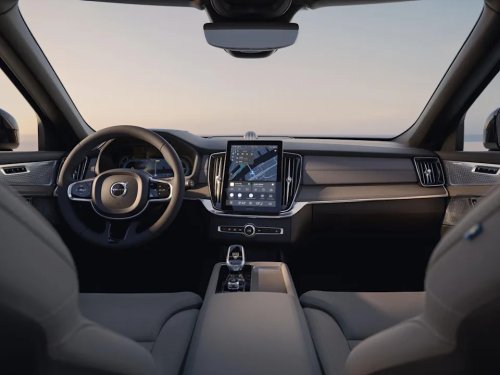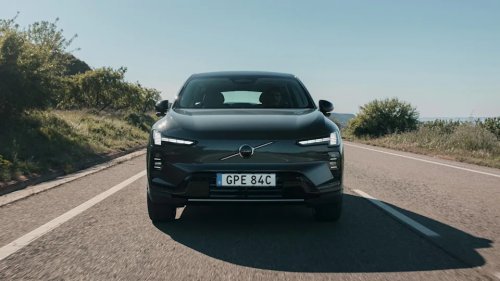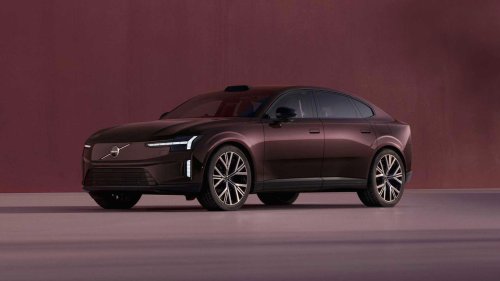
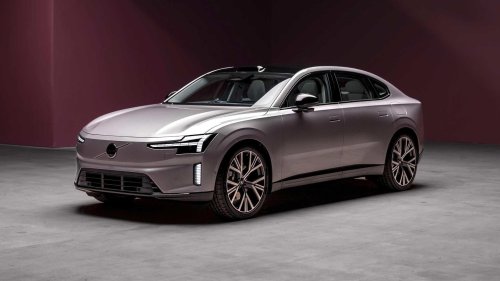
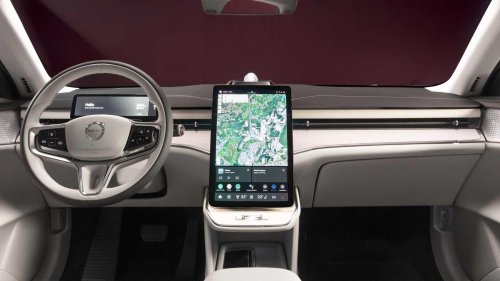
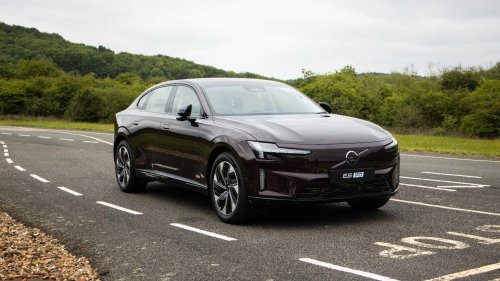
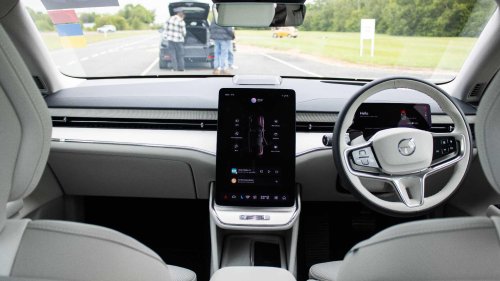
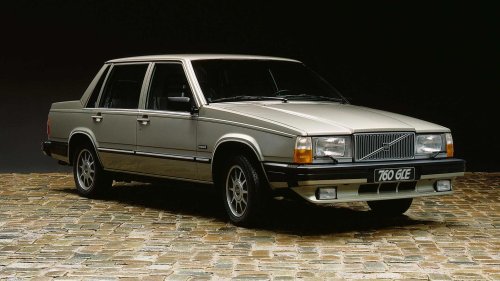


















Jump LinksThe Refinement ContinuesA large luxury sedan, such as the Mercedes-Benz S-Class, often sits near the top of a premium brand's lineup. These vehicles blend the latest technology and ultimate luxury into a complete package. However, with the rising demand for SUVs and the introduction of new luxury SUVs, the importance of the luxury sedan has diminished over the past few years. While other brands have removed flagship sedans from their product lineups, Volvo has taken a different approach to the segment.The brand-new Volvo ES90 is the company's first fully electric luxury sedan, a bold statement by the Swedish carmaker to a segment that's rapidly dying. Along with its SUV sibling, the EX90, these new electric models are part of the 90 series, which represents the ultimate in Swedish luxury and Volvo's answer to electrification.While this new Swedish flagship sedan won't be coming stateside anytime soon, we did get a chance to experience it at this year's Society of Motor Manufacturers and Traders Test Day in England. Join us as we explain why the ES90 is possibly the most comfortable and luxurious Volvo sedan ever to exist.This article examines the new technology and interior design of the Volvo ES90, with a brief test-drive review from the recent SMMT Test Day. All information has been sourced from the manufacturer. Pricing and specs are correct at the time of writing. The Swedish Luxury Sedan: A Dying Breed in 2026 2026 Volvo ES90The 2026 model year marks the first year for Volvo with a product line without a sedan model. While it's no secret that the sedan segment has been declining over the years, for a brand with such a rich history of producing luxury sedans, the absence of a sedan in the 2026 model year reflects the struggles of this dying segment.Following the S60's departure in 2024, the 2025 model year also saw the flagship S90 discontinued. The decision wasn't a surprise, though, as the S90 sold only 1,001 units in 2025, and the smaller S60 moved 13,029 units in 2024. When compared to the XC60 and XC90, which both sold nearly 40,000 units in 2025, it's not surprising that Volvo ditched its sedan model in favor of a full SUV lineup for the future.While the ES90 is based on the same chassis as the EX90 currently being built in South Carolina, low demand for the sedan and a new tariff policy are preventing it from coming to the US. ES90, Volvo's Answer To An Electric Flagship 2026 Volvo ES90Any Volvo model that bears the number 90 in its nameplate is tasked with offering the highest level of refinement and luxury to its customers. The same thing goes for the ES90. As they share the same platform as the EX90 SUV, both models sit at the top of Volvo's current product lineup.Representing Volvo's newest electric flagship, the ES90's performance figures are impressive by any standard. While it depends on the spec you choose, all models will go over 400 miles on a single charge according to the WLTP standard, and charge from 10% to 80% in just 22 minutes thanks to the new 800V architecture.The ES90 is not a performance-oriented model aimed at blistering acceleration and performance figures. Being an electric vehicle, it still offers some eye-catching figures in the twin-motor performance model. The model has a maximum horsepower output of 680 horsepower, capable of pushing this Swedish flagship to 60 mph in just 4 seconds. Even the entry-level single-motor model produces a zero-to-60 time of 6.6 seconds, giving the ES90 the performance figures it needs to be called a flagship. Swedish Design At Its Finest Volvo The interior design of the ES90 remains what a Volvo should feel like. A minimalist design layout paired with premium materials and upmarket texture. The dashboard layout is dominated by a 14.5-inch central touchscreen that runs Volvo's latest infotainment system with Google Built-In, combining the latest technology and Scandinavian luxury. Thanks to a longer wheelbase than the gas-powered S90, the ES90 offers a spacious rear cabin. The Bowers & Wilkins audio system is also found on the top-spec Ultra model, which is still one of the best audio systems on the market currently. Luxury, Refinement And Then Some es90-exterior-frontThe exterior design of the ES90 is a distinctive part of this new Swedish flagship. It has a fastback design that gives the ES90 a trunk opening like a traditional hatchback, benefiting daily usability and convenience. Apart from its unique hatchback design, the ES90's bulky side profile gives it a crossover-like silhouette rather than that of a traditional sedan.As for the driving feel, the ES90 is an easy car to maneuver. The steering is light, and the electric powertrain is smooth and punchy. Paired with a plush ride from the suspension that absorbs bumps effectively, you end up with a level of refinement that's hard to achieve on a traditional gas-powered sedan.While the vehicle we test-drove that day was only an entry-level single-motor model, the ES90 had adequate power. The single-motor model responds quickly and accelerates relatively well. However, with the batteries underneath, the ES90 struggles to hide its weight in tight corners, and the suspension feels a bit unsettling over bumps at higher speeds. While we doubt handling is a priority for those who seek to purchase the ES90, you do feel that the ES90 leans more towards ride quality than driving pleasure. The Refinement Continues es90-interiorThe interior design is where the ES90 truly shines. From the simple and minimalist layout all the way to the spacious cabin that would satisfy every passenger onboard, the ES90 is the definition of Swedish luxury at its finest. The texture of all the materials you would touch in the cabin is soft and smooth, while the rear seat offers impressive legroom compared to any luxury saloon currently on the market. You can even get a dedicated control panel for the rear-seat passengers to adjust the climate and seat heating.However, when compared to other luxury sedans on the market, the SUV-derived platform does make the ES90 feel higher in terms of seating position. The ES90's visibility wasn't its strength either, as rear visibility was limited due to the sloping roofline, but thankfully there's a 360-degree surround-view camera to make operating this luxury saloon easier. The infotainment system from Google responds quickly and offers plenty of features. We recommend familiarizing yourself with the system before driving, as it can become cluttered and difficult to operate while driving due to its layers and submenus. Progress Of Swedish Sedans In The US 1982 Volvo 760 GLE front 3/4 parkedThe absence of a Swedish sedan in the US market might be sad news for many. Thanks to Volvo's commitment to luxury and safety, the market has enjoyed a couple of iconic Volvo sedan models over the years. While we are not sure when we will see the new ES90 on US roads, it's worth taking a closer look at how the Volvo sedan progressed throughout the years.While Volvo had built previous sedans, let's begin with the Volvo 760, the first variant in the iconic Volvo 700 series, which entered production in 1982. The 760 has a distinctive angular exterior design that gives the model a spacious interior space. Volvo's dedication to safety is also evident in the 760, which features a three-point seatbelt and crumple zones that have profoundly influenced the brand's modern models.The S80 is another iconic Volvo sedan that shouldn't be forgotten. Continuing the focus on safety, the S80 was the first model to introduce safety features such as WHIPS (Whiplash Protection System) and BLIS (Blind Spot Information System). The S80 was also known for its engine options. Throughout its 17-year sales period, the model was offered with plenty of iconic engine options, including a five-cylinder engine and a transversely mounted V8.The S60 is another important Volvo sedan offered in the US market. As the entry point to Volvo sedans, the S60 was more approachable to the general public. The S60 was also the first-ever Volvo model to be built at Volvo's South Carolina production plant. Moreover, the T8 Recharge model from the third generation also accelerated Volvo's electrification process, resulting in full-electric models like the ES90 we have today.Source: Volvo