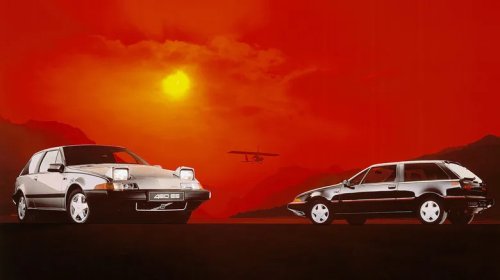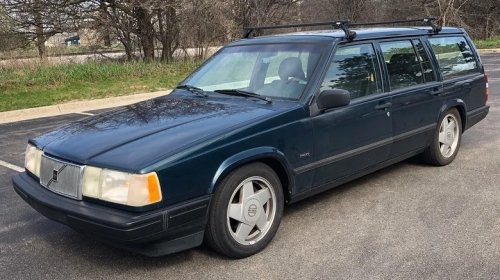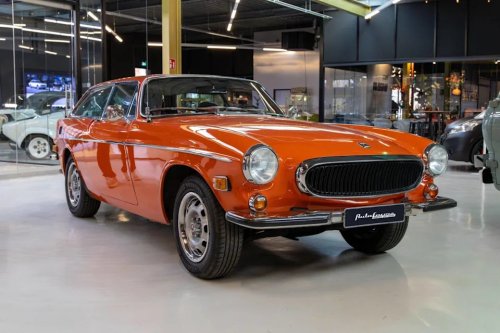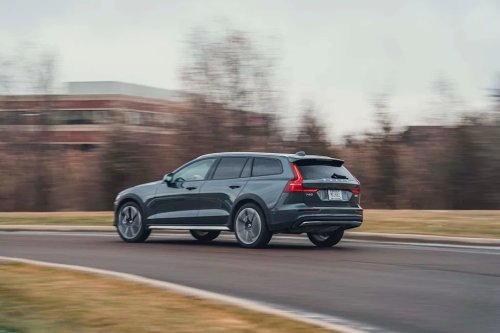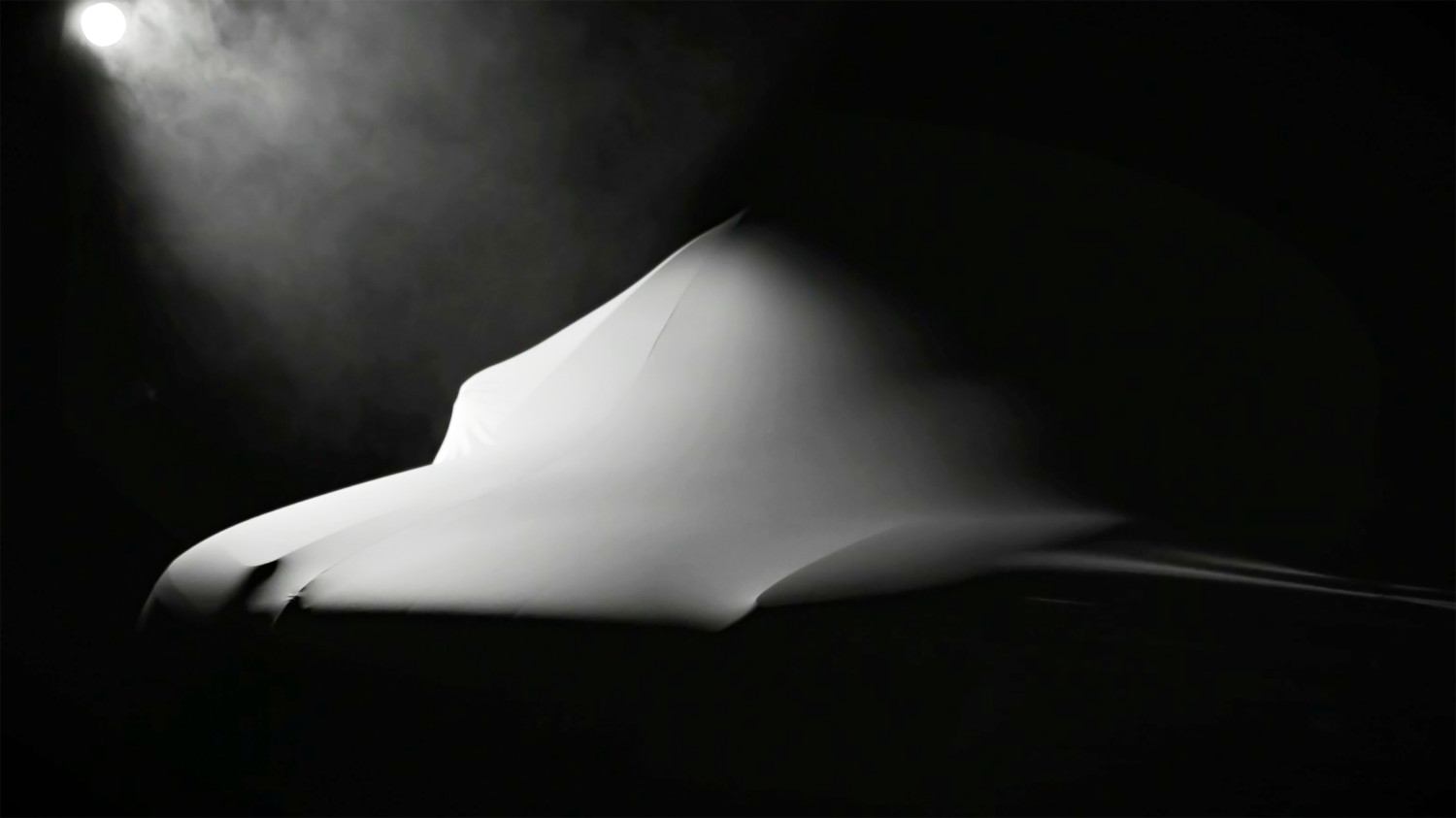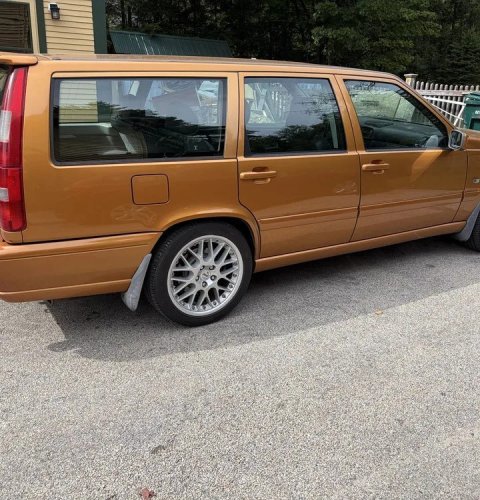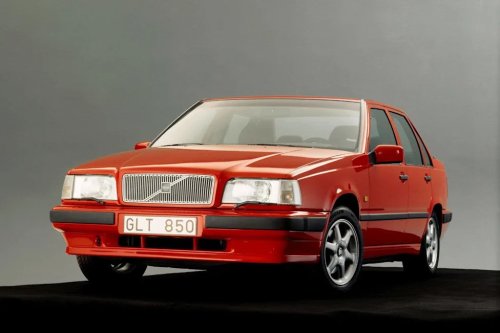
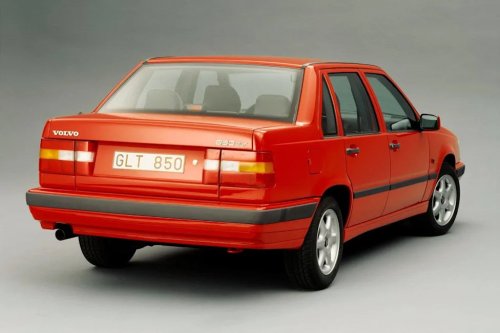
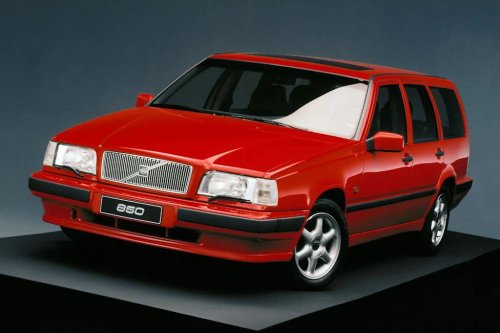
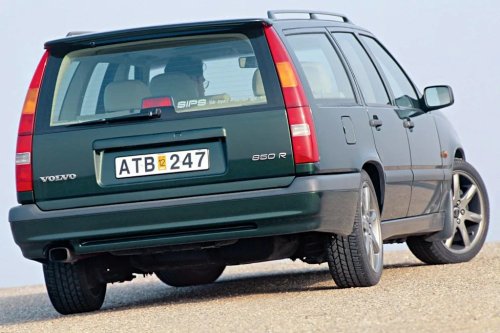
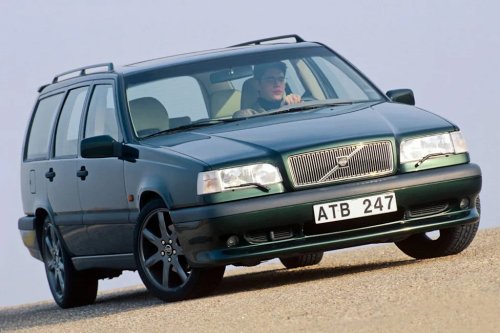
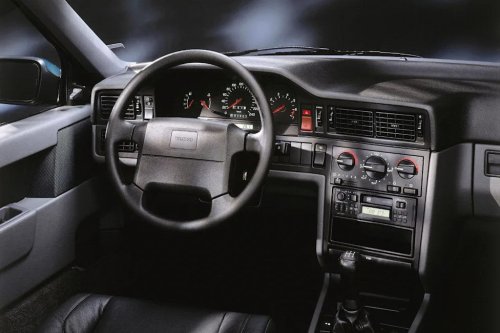



















The Volvo 850 Was a 13-Year Gamble That Changed the BrandAutoblogAnton AndresWed, September 9, 2026 at 3:00 PM UTCAdd us on GoogleAutoblog and Yahoo may earn commission from links in this article.Project GalaxyThe 850 can easily be called one of Volvo's best and most defining models. It's not just because of how successful it became, its timeless design, or its forward-thinking safety tech. It's also not because of the hot models that eventually arrived, or its success in the touring car circuit. The 850 was a huge moment for Volvo because it was such a massive gamble for the brand. The company worked on it for 13 years before it finally launched in 1991, and it was aptly called Project Galaxy.Project Galaxy started in 1978, and during that time, Volvo wasn't the healthiest in terms of finances. Sure, the 200 Series was doing well, but the rest of its offerings were mainly for outside North America. Successive fuel crises didn't help matters, and high production costs in Sweden and the redesigning of its engines for America quickly dried up the company's coffers. Oh, and there was the infamous deal with North Korea that saw Volvo never getting paid and footing the bill. It was all the more reason why the project needed to succeed.VolvoShooting for the StarsThe 850 underwent a long development cycle that we're unlikely to ever see again. Having spent 13 years in gestation, Volvo wanted to make sure everything was just right by the time it had launched. It wasn't an easy task given that there were a lot of things the brand was doing for the first time, and the money wasn't exactly free-flowing. Volvo was also in the middle of developing another big gamble with the 700 Series around that time, but then-CEO Håkan Frisinger released the mandate as early as '78.AdvertisementAdvertisementWork on the car started trickling in by the turn of the '80s, and one interesting story from its development was the use of a Chevrolet Citation as a test mule. There were a lot of hurdles facing the car, such as its front-wheel drive layout, as Volvo had never developed a medium-to-large front-drive vehicle before. There were also the powertrain options, as it ended up having to go for a modular five-cylinder route that had to be developed from scratch and in-house. These were plans that cost money, and something Volvo didn't have an abundance of in those days.Thankfully, the 700 Series proved a success, while continuous strong demand for the 240 meant Volvo was in a healthier state by the '80s. By 1986, the development of the 850 went into full swing, but the gamble was using the success from the 700 Series to bankroll the new model. This was the equivalent of going all-in after winning from your previous all-in bet. It seems foolish now, but this was for the sake of the company's future.Volvo13 Years LaterOn June 11, 1991, at the Stockholm Globe Arena in Sweden, Volvo pulled the covers off the 850. It was a proud moment, for sure, but the real test would be how consumers would react to it. The 850 was a car of many firsts for the brand, namely mid-size front-wheel drive and five-cylinder power, plus that clever Delta-link suspension that gave it passive rear-wheel steering. As this is Volvo, a lot of attention was put towards safety, so it made sure that it would be a safe car no matter what regulations were put in place in the '90s, making it several steps ahead of the competition.And the car-buying public? The sales today don't lie, and it was a smash hit from the start. It was the first thoroughly modern Volvo in years, and while that could've alienated the loyalists, it was embraced by many and drew in a fresh and new generation of customers into the company's showrooms. It was nothing like the 240 and 700 Series for all the right reasons.AdvertisementAdvertisementMotoring journalists had positive things to say about it, too, as it was shockingly dynamic for something that came from Volvo. There was the safe and predictable handling, but the Delta-link rear axle really did wonders for the car. Having been developed for that long and featuring that many innovations for the brand, it's no wonder it's often referred to as one of Sweden's most expensive engineering endeavors – and this country makes fighter jets.VolvoThe Hot VersionsIn many ways, the 850 also helped transform the company's image. But even better things were to be expected as, in late 1993, the Volvo 850 Turbo was introduced, later called the T5. Available in both sedan and wagon body styles, it was a Volvo that raised pulses like nothing before it. Yes, there was the 240 Turbo, but the 850 T5's 2.5-liter turbo inline-five's rating of 222 hp easily made it the quickest turbo brick of its era. That is, until 1994.1994 saw the arrival of the T5-R, and the raised boost pressure meant 240 hp. It was a limited-run model, of which just 2,537 were built. Probably still not content with that, the Volvo 850R debuted over a year later, raising power yet again. This time, it was 250 hp, all of which was being sent to the front wheels. And while Audi usually gets credit for the performance wagon genre, let's not forget that Volvo made it more attainable for a wider audience. Also, Audi didn't bother sending the RS 2 stateside, so that's more points for the Swedes.Let's not forget about the 850's run in touring car championships. We can't do an 850 story without mentioning the wagon that competed in the British Touring Car Championship. Admittedly, though, the wagon wasn't the most successful racer, but the sedan did get a few wins. More success would come for Volvo when it shifted to the smaller and lighter S40. Still, the Volvo 850 wagon race car won a lot of hearts.VolvoBet on Black Twice and WonThe 700 Series was a big bet for Volvo, but the time, money, and effort the Swedish automaker spent on the 850 was truly something else. To build a significant and important model that will change the face of the company is one thing, but doing two at the same time is a recipe for bankruptcy.AdvertisementAdvertisementHowever, Volvo defied the odds, and the 850 was the marque's definitive model of that decade. It was more than successful enough to wash away the troubles of the past, as 716,903 were built between 1991 and 1997. Add in the 243,078 S70 and V70 models that were effectively a heavy facelift of the car, and we're looking at 959,981 units from that platform.If the 240 raised the flag for Volvo in the '70s and '80s, that flag was successfully passed on to the 850. The model's legacy continues today with the V60, and of course it has a performance version, too.VolvoVolvoView the 9 images of this gallery on the original articleThis story was originally published by Autoblog on Sep 9, 2026, where it first appeared in the Features section. Add Autoblog as a Preferred Source by clicking here.