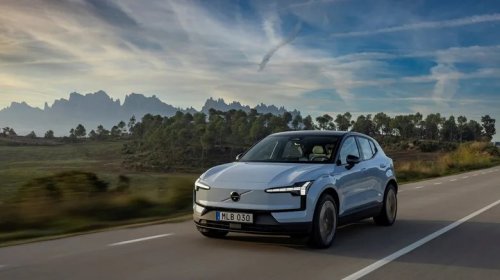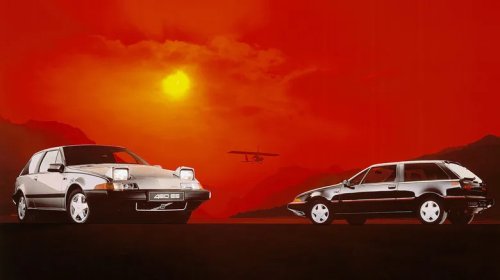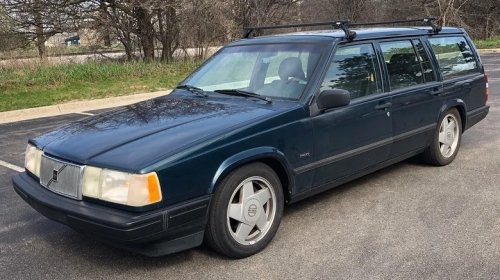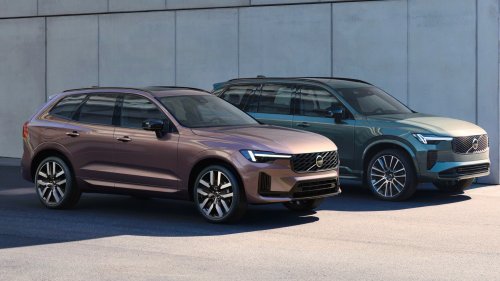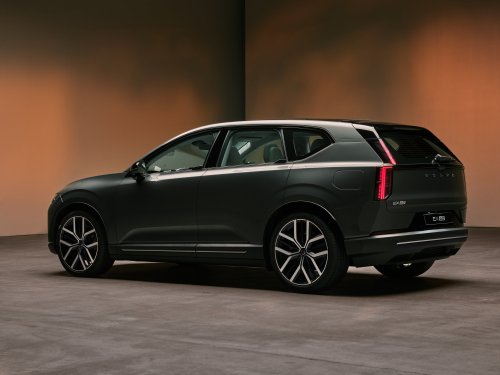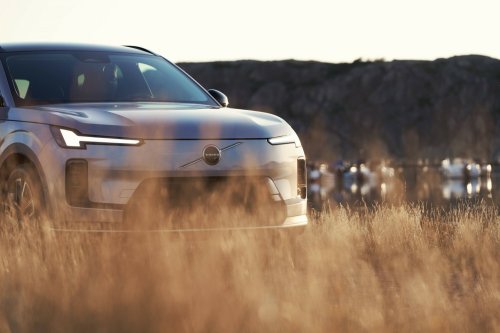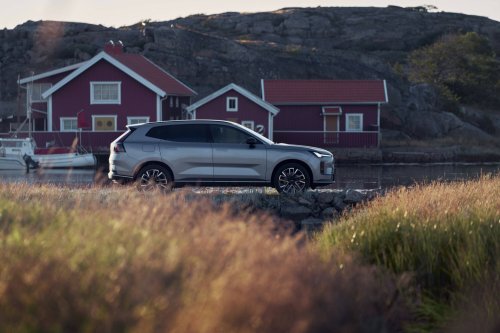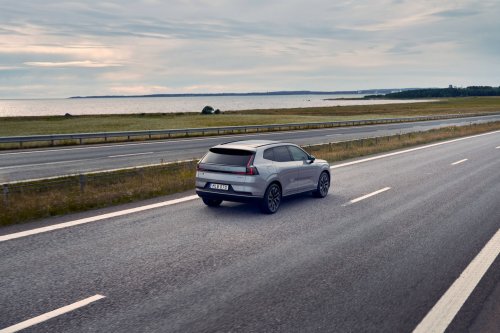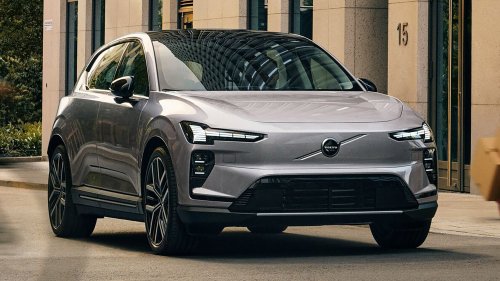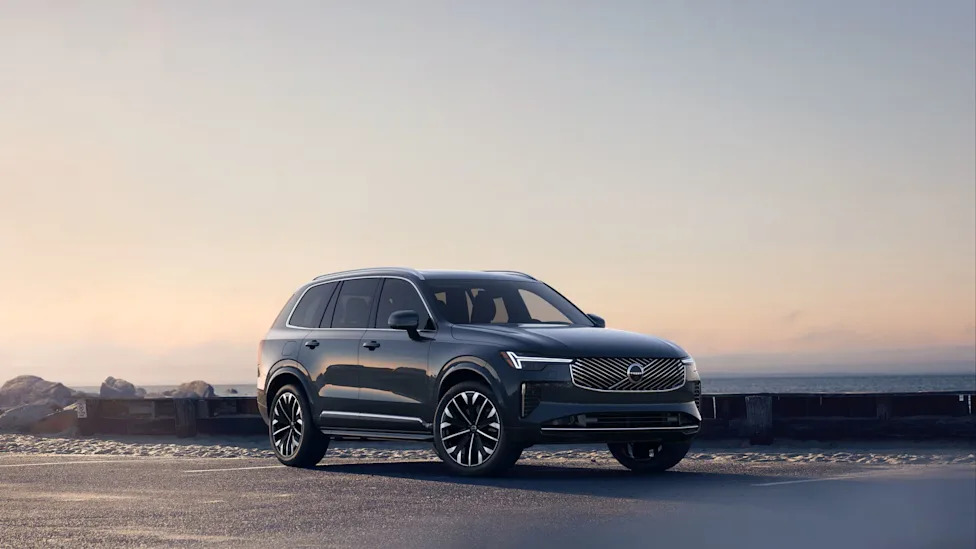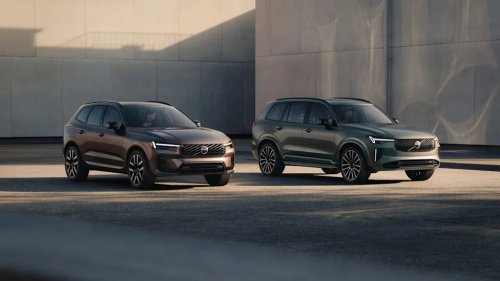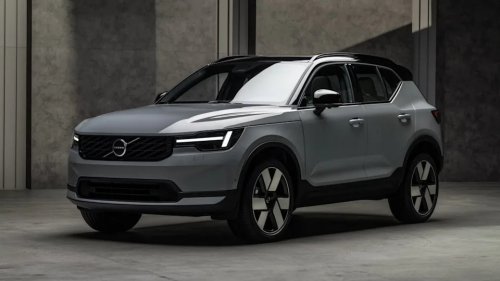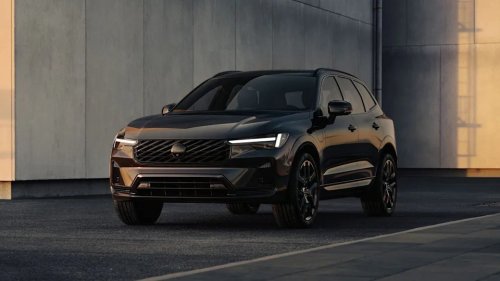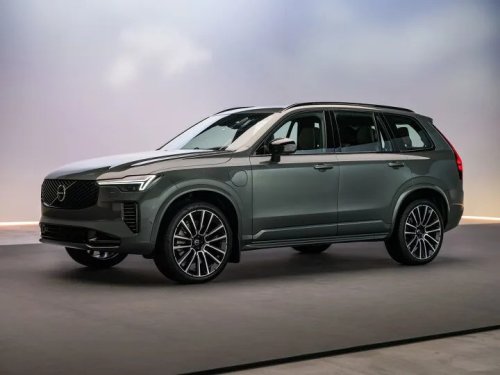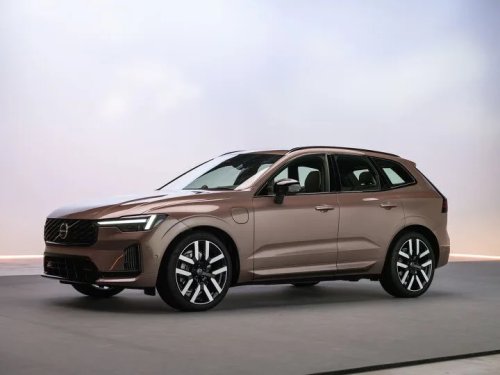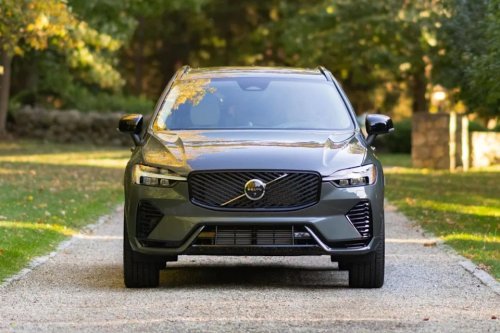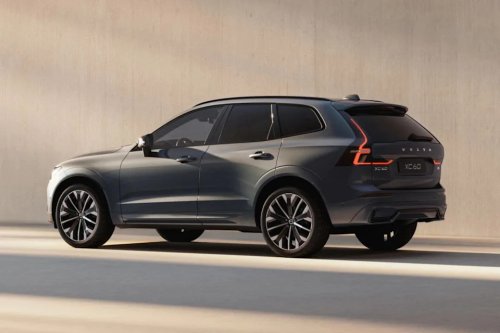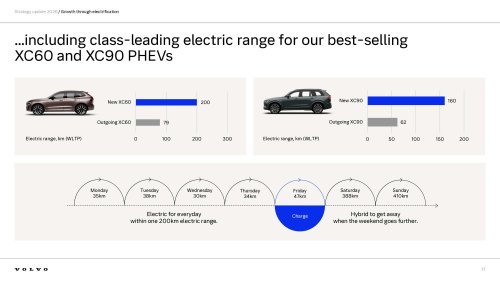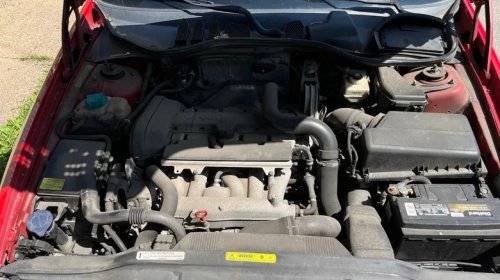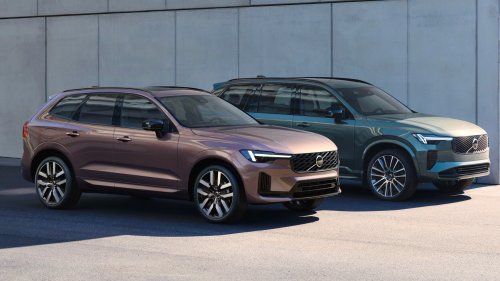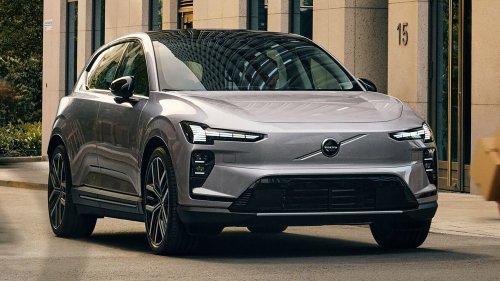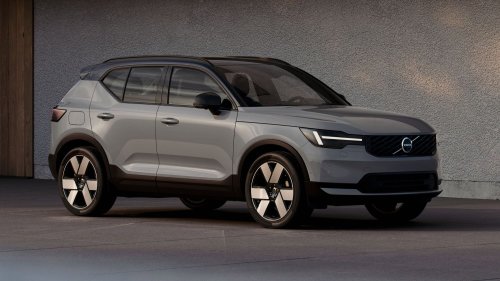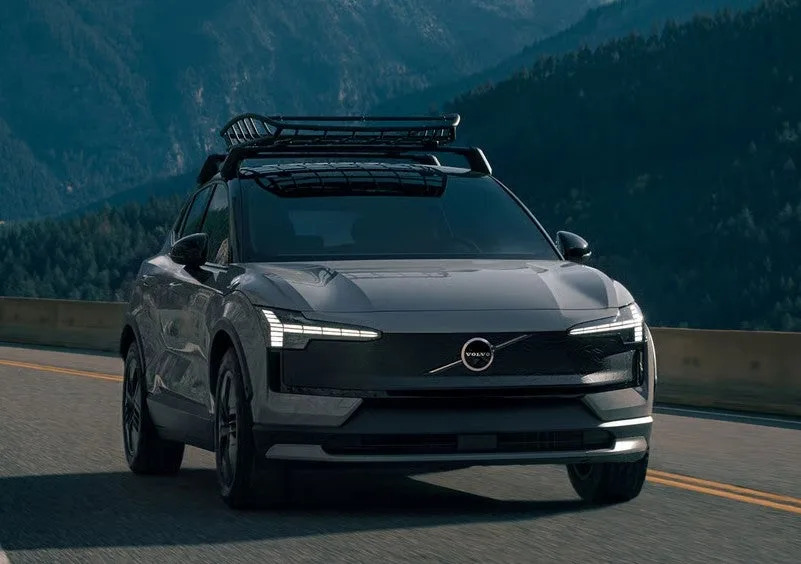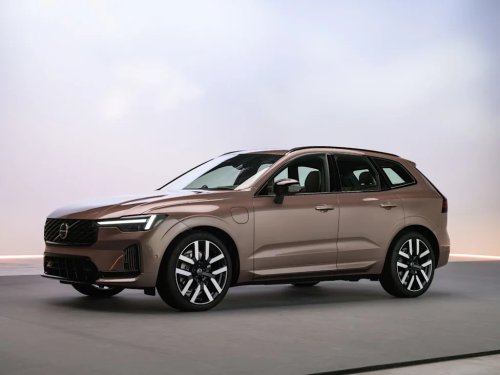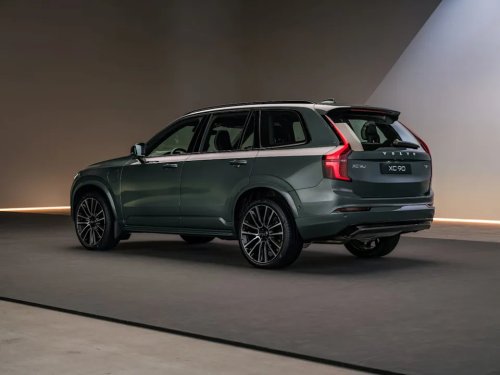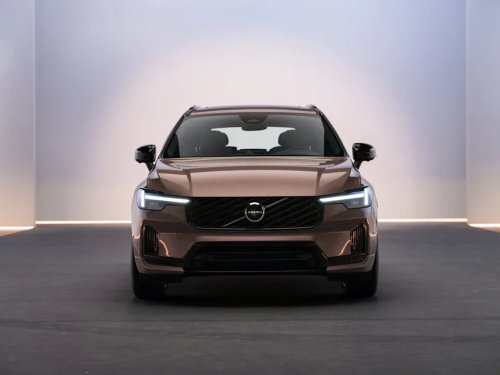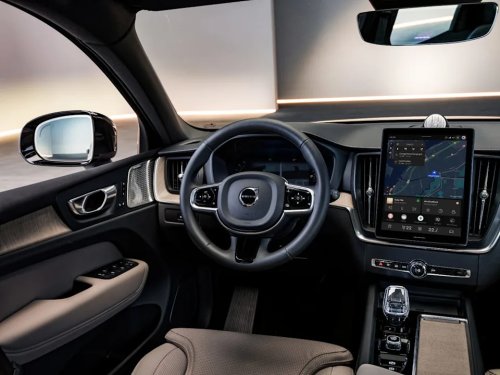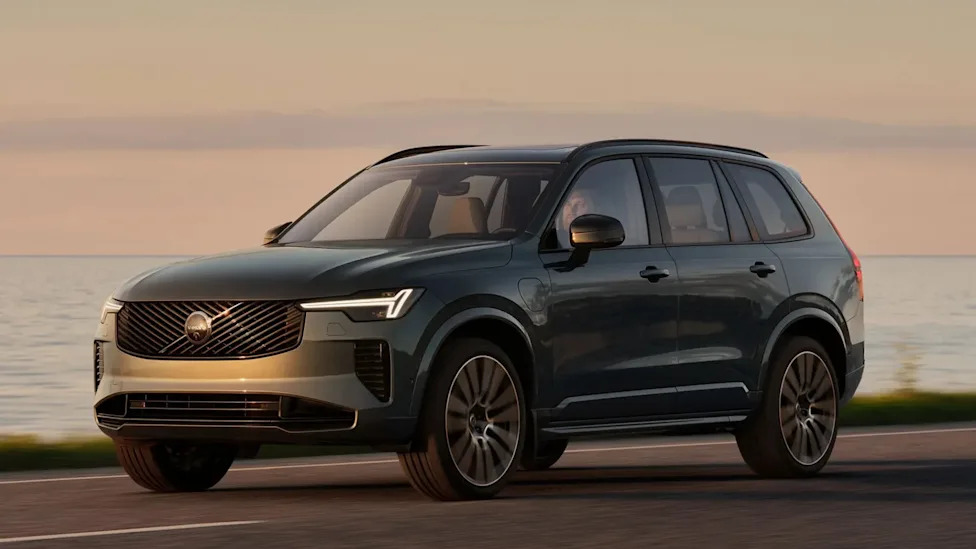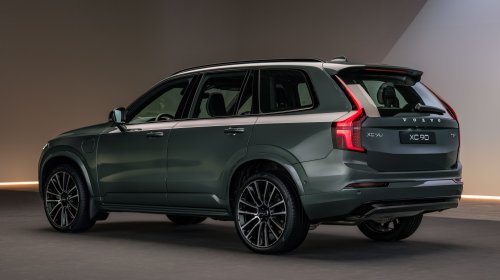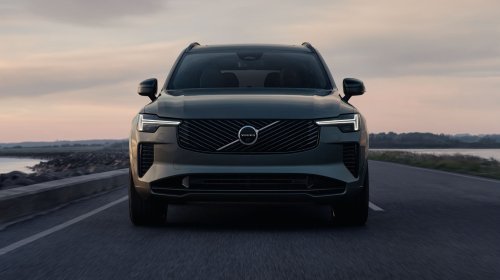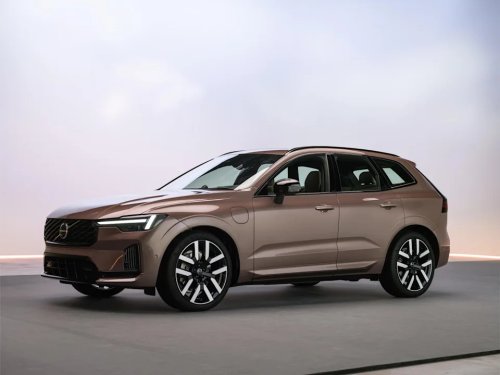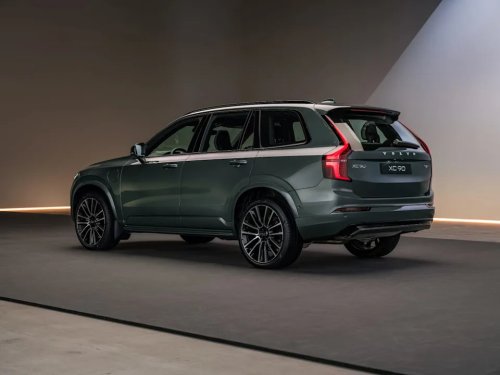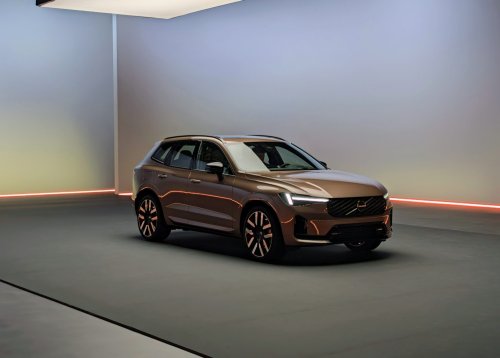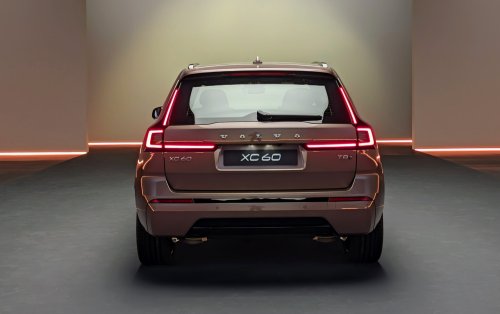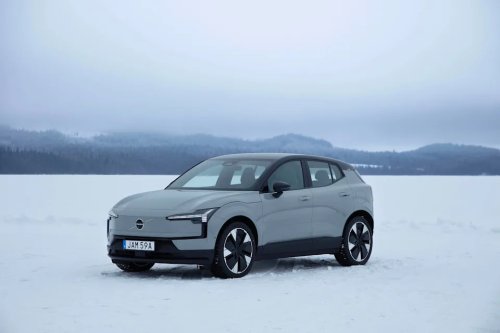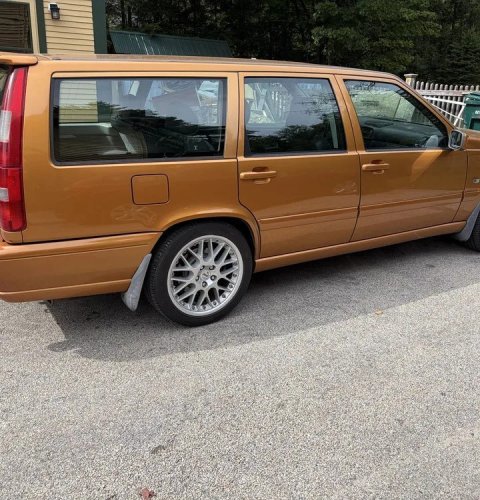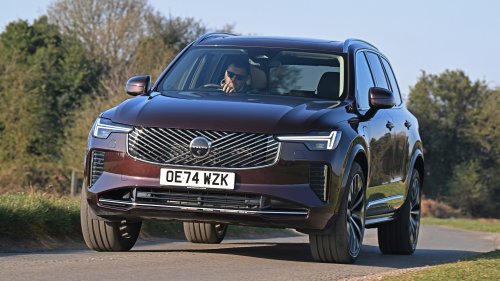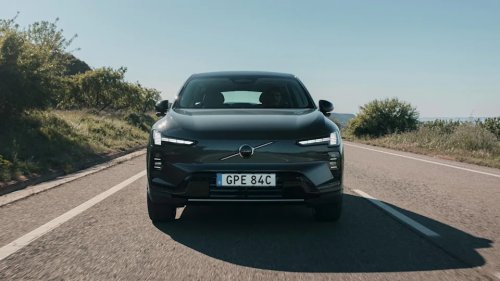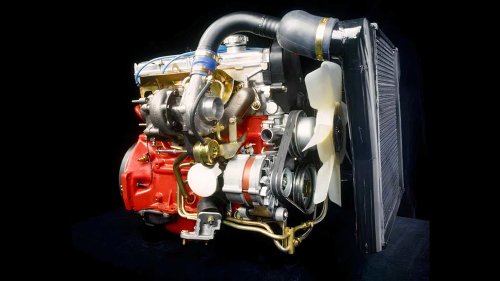
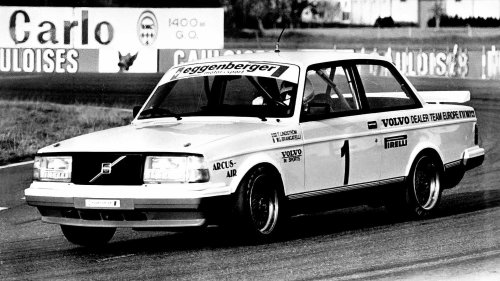
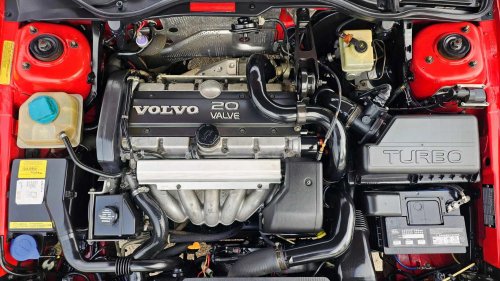
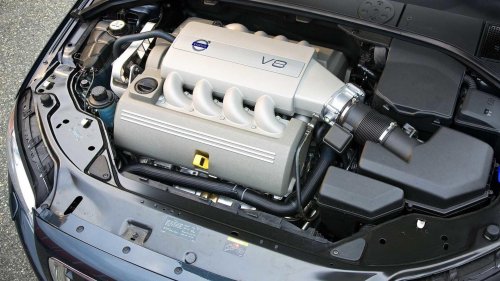
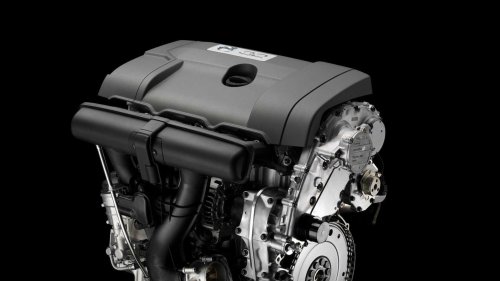
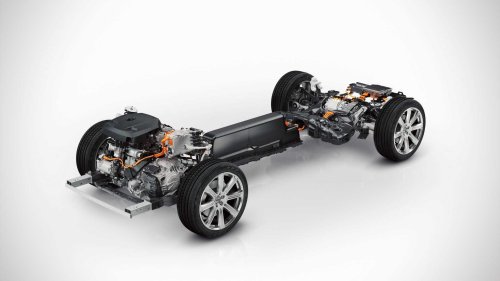
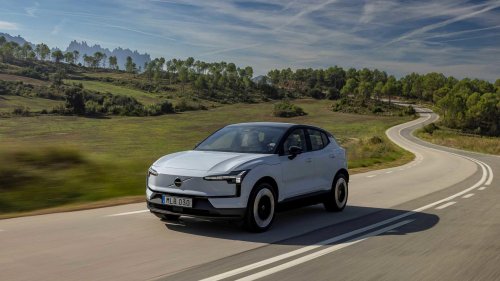



















When an automaker builds a multi-decade reputation, it's hard to shake. From the mid-1970s through to the 1990s, Volvo built solid three-box cars renowned for their safety. The specific clichés depend on the country you live in, but a college professor driving a Volvo wagon is a common one in many parts of the US. But in the 1980s, something started to change at Volvo. The evolution didn't immediately change perceptions of Volvo, but it sparked a chain of fascinating engine configurations. The Red Block 1974-1998 volvo red block The Volvo B21 engine laid the groundwork for the brand's global success. The powerplant was a slanted inline-four engine that Volvo appeared to have designed to survive an apocalypse. Its bulletproof nature later led to turbocharging success.The B21 was known as the Red Block engine because Volvo painted the block red, making it easily identifiable compared to its earlier grey-painted engines. The Red Block was in production from 1974 through to 1998, starting with the now-classic 240 and 260 series cars, and becoming a 16-valve engine for the Volvo 740 GLE in 1988. Early Turbocharging 167430_1_5 In the late 1970s, turbocharging was still in its infancy and had its issues. However, the possibilities caught the industry's imagination, and every automaker had to have a Turbo badge. Volvo wasn't immune, and in 1981, the 240 Turbo became available using the Red Block engine. It led to the first official factory racing program for the Swedish brand and a long history of forced-induction engines. The 240 Turbo was a surprisingly successful race car, earning itself the perfect nickname: The Flying Brick.For regular customers, the 240 Turbo arrived with 131 horsepower. Still, Volvo kept cranking up the boost over the years, reaching up to 12.1 PSI of boost, up from the original 6 PSI. By the mid-1980s, it was making 162 hp in most European markets and 170 hp in Italy.This was when Volvos were still as aerodynamic as the proverbial brick, and with the brand's stodgy image, many folks weren't looking for a sport sedan from the company. The turbos appeared in other cars, including the 740 for a while, but the Volvo 460 Turbo was a little more slippery through the air.Tuners realized that a turbocharged Red Block, with its high-quality Swedish iron cast block and internals built to last, could be pushed hard, producing up to 250 hp without modifying the internals. A B230 redblock from a Volvo 740 could take even more abuse from a huge turbo and make well over 500 hp. The Five-Cylinder 1991-2016 1996_volvo_850r-wagon_20240316_172831-08454-scaled With the 240 Turbo, Volvo still wasn't being taken too seriously. But in the 1990s, it entered a couple of five-cylinder Volvo 850 wagons in the British Touring Car Championship and sold a road-going counterpart. The Volvo 850 T-5R was a special edition, mostly remembered for its pale but vibrant yellow paint. It was based on the 850 Turbo, which had a turbocharged 2.3-liter engine with 222 hp. The limited-edition 850 T-5R was successful enough that Volvo carried the concept forward with the 850 R as a sedan or wagon, peaking at 246 hp. The 850 R was the ultimate sleeper, helped by its short hood length due to the five-cylinder engine being mounted transversely, as in left to right across the engine bay rather than longitudinally.The Volvo 850 is the most memorable Volvo race car, but the smaller, more aerodynamic S40, with the same turbocharged five-cylinder engine, won Australia's Bathurst 1000 endurance race in 1998. The top trim for the S40 was the T5 with a four-valve-per-cylinder turbocharged version of the five-cylinder. But it was a staple of mainstream sedans and wagons, large and small, including the S60, S70, V70, S80, then the smaller compact S40 and even the little C30 hatchback. The Volvo/Yamaha V8 2005-2010 2006 Volvo S80 V8 engine In the 2000s, Volvo developed a 4.4-liter V8 with a 60-degree angle between the cylinder banks, rather than the typical 90-degree layout for V8s. The company only offered the mill in the S80 and XC90, its top products at the time. Instead of building the V8 itself, Volvo had Yamaha build the engine in Japan, which was coupled with an Aisin Seiki 6-speed transmission and a Swedish Haldex all-wheel-drive system. The unit, known internally as the B8444S, was known for its smoothness, producing 311 hp and 325 lb-ft of torque. Yamaha also adapted the powerplant for use in boats.The reason Volvo wanted a more upright 60-degree V8 was for a very Volvo reason. The layout meant the engine was narrower, so it could have more space at the front of the car for crash safety when mounted transversely in the engine bay for the all-wheel-drive system.In motorsport, the V8 made it into the Australian V8 Supercars series, and a modified version was in the Noble M600 supercar. The Noble version had two turbochargers and modified internals, allowing the Volvo V8 to make 650 horsepower. The Short Straight Six 2006-2015 2015 Volvo XC70 3.2L NA SI6 Engine NakedVolvo's Short Inline 6 (SI6) evolved from the modular straight-five engine. It was designated as short despite having an extra cylinder, being 0.039 inches shorter than the five-cylinder. It entered production in 2006 during Ford's ownership, but despite being built at the Ford Bridgend Engine Plant in Wales, UK, it was designed in Sweden.The SI6 arrived as a 3.0-liter turbocharged engine, but was also produced as a naturally aspirated 3.2-liter powerplant. At the time, Ford also owned Land Rover and Jaguar, and was keen on sharing parts between its brands. However, the SI6 was only used in Land Rover products, except for a series of Volvo cars and SUVs.For Volvo, the engine was used extensively in what could be considered Volvo's third act, appearing in T6-badged versions of the S60 and S80 sedans, the XC60 and XC70 SUVs, and the V60 and V70. The Twincharged Four 2013-2021 2014 Volvo XC90 Twin Engine Twincharged Powertrain (1) The most interesting recent engine Volvo put together is its 2.0-liter four-cylinder with both a supercharger and a turbocharger, designated as T6. It arrived with 302 hp and 295 lb-ft of torque, and was around 100 pounds lighter than the turbocharged 3.0-liter inline-six, which made 300 hp. The twincharged mill was developed with hybrid drivetrains in mind as part of its Global Drive-E range. On its own, it was a wicked little engine with the supercharger generating boost early, then the turbocharger kicking in at higher revs.The T6 setup was the ultimate way to replace displacement. Then, Volvo created its second masterpiece of a sleeper with the third-generation S60 T8, featuring the twincharged engine and hybrid power. It landed in 2019 with 400 hp and 472 lb-ft of torque, and the sedan could hit 60 mph in 4.5 seconds. Although Volvo, being Volvo, limited its cars to 112 mph out of safety concerns.In 2021, Volvo replaced the supercharger with a second electric motor in the T8, calling it the Recharge model. At the time, Stefan Molen, Department Program Manager for Hybrid Powertrains at Volvo, told us: "It was a very complex solution to combine hybrid with a turbo and a supercharger, and with the new hybrid system, it was an opportunity to simplify the powertrain." Electrification 2025 Volvo EX30 Volvo doesn't get enough credit for its creativity and innovation in engines, and those days seem to be over. Volvo is heavily committed to all-electric power, which it started experimenting with in 1976. Its internal combustion lineup has shrunk to turbocharged four-cylinder units, and the only hybrid Volvos you can buy in the US now are the XC60 and XC90.However, Volvo isn't done building sleeper models as it becomes a crossover- and SUV-only company. The subcompact EX30 can be optioned with a 422 hp electric powertrain, and it's hilariously fast. The little SUV can hit 60 mph in just 3.4 seconds, and shows that Volvo still has a sense of fun.