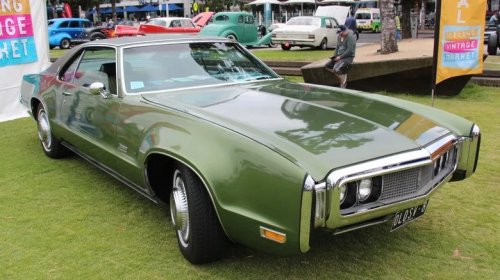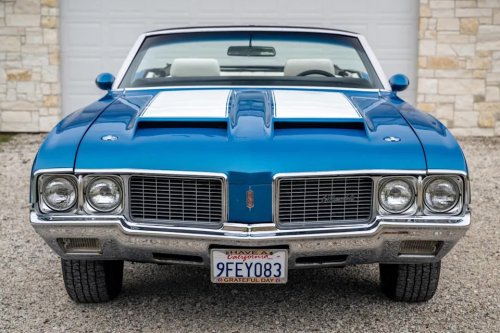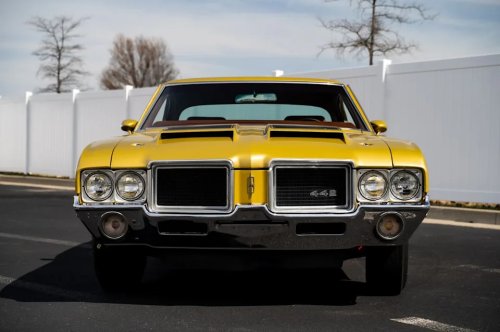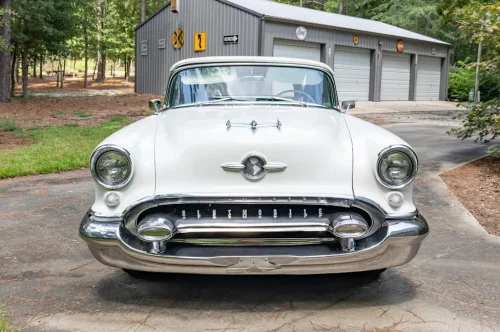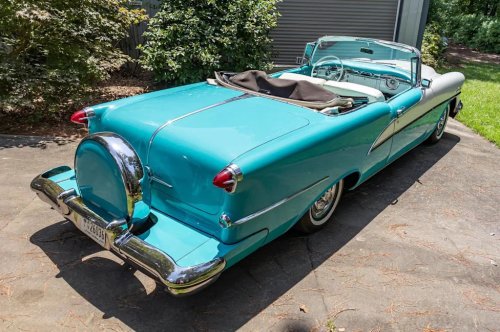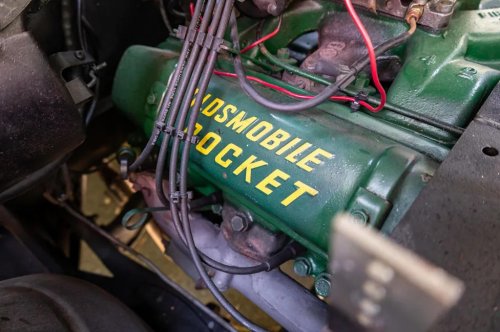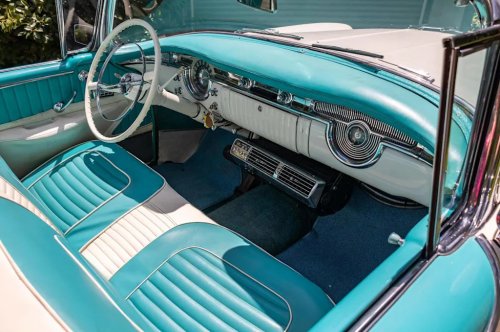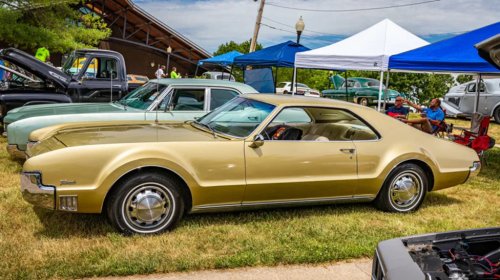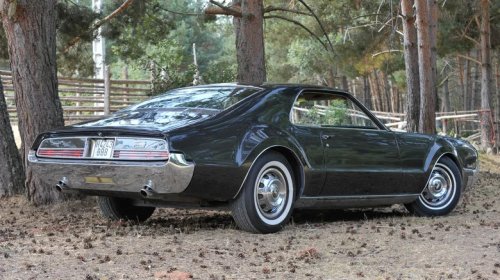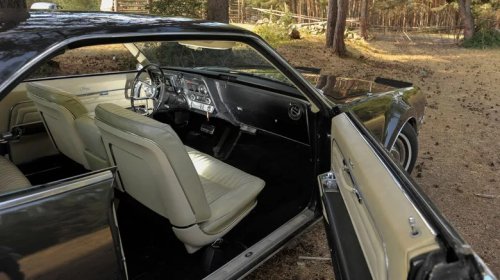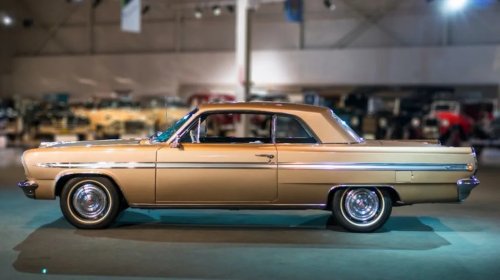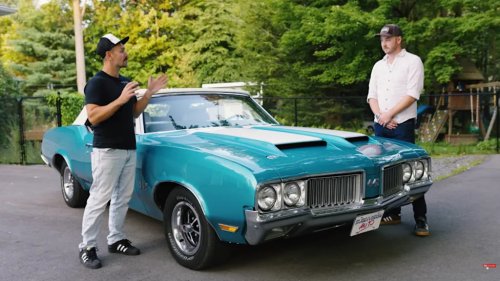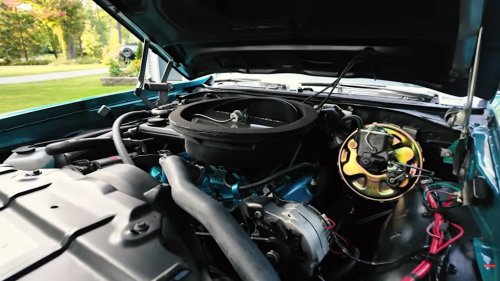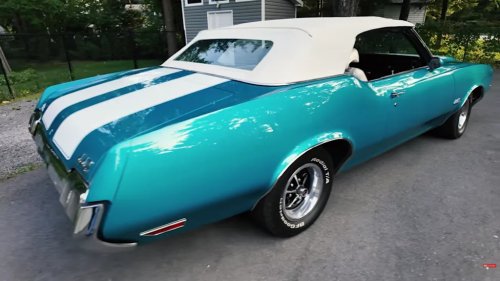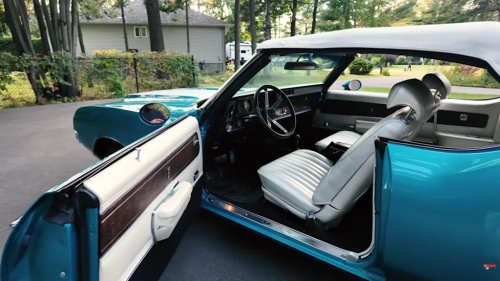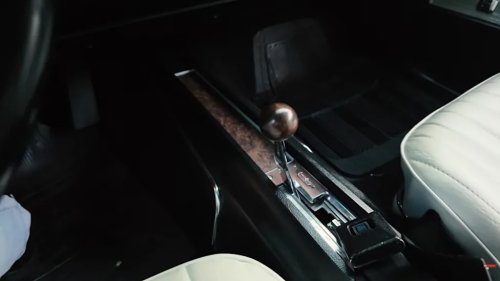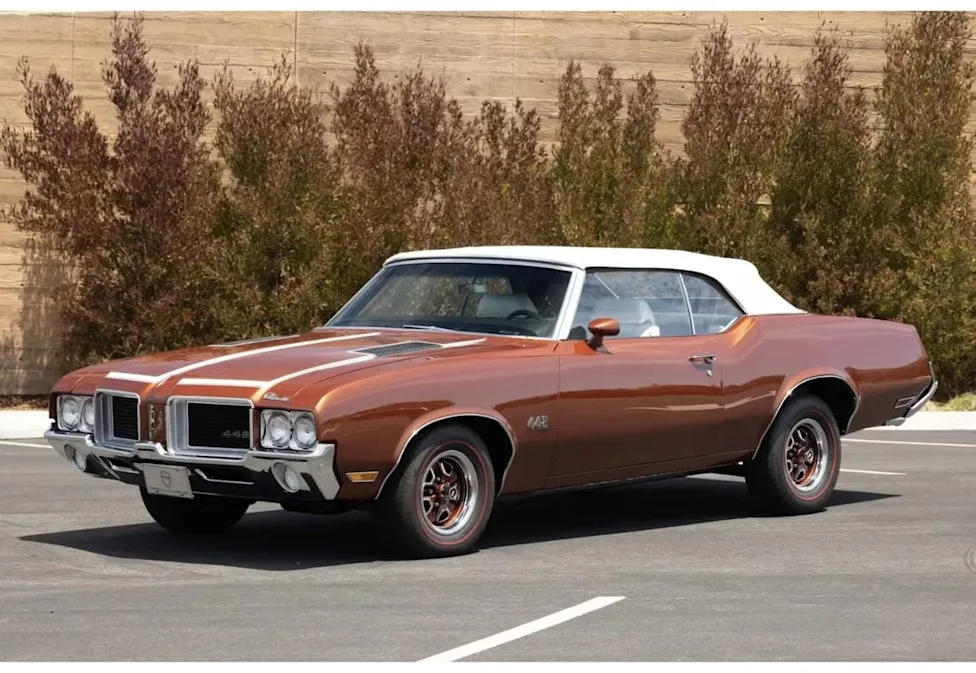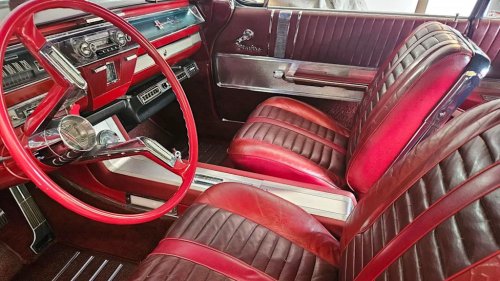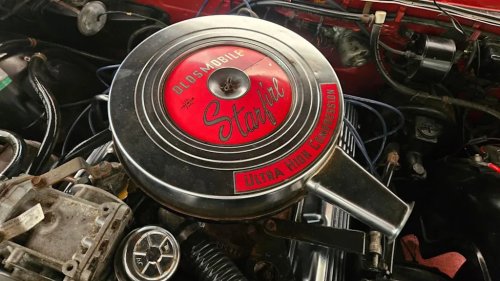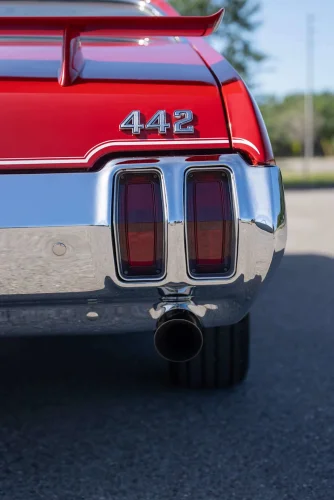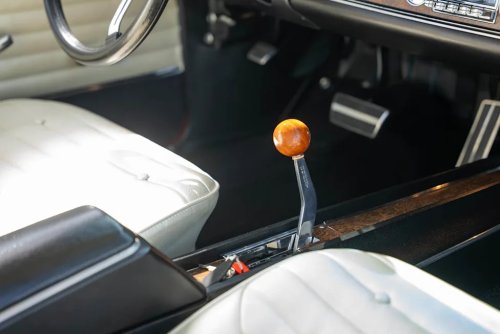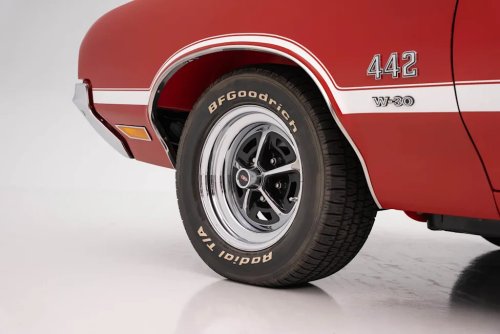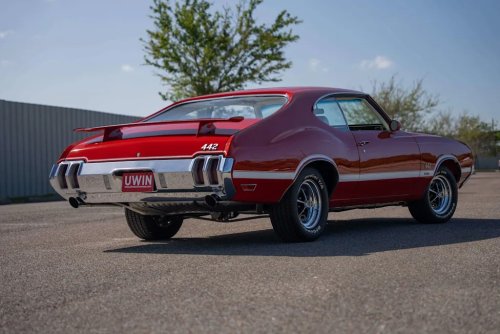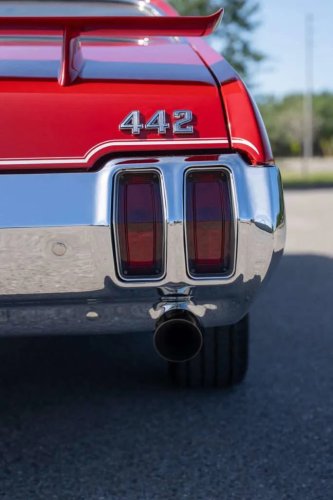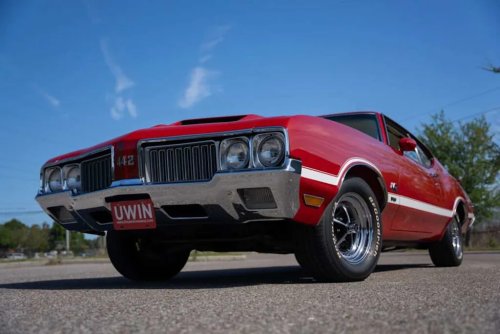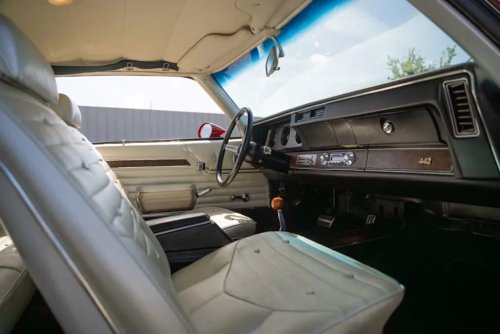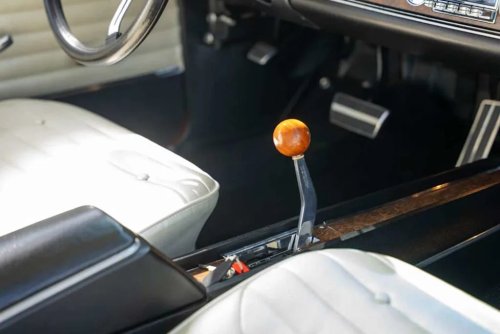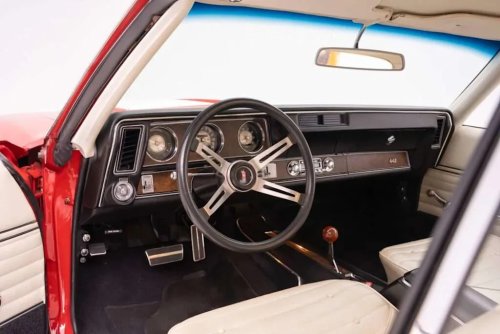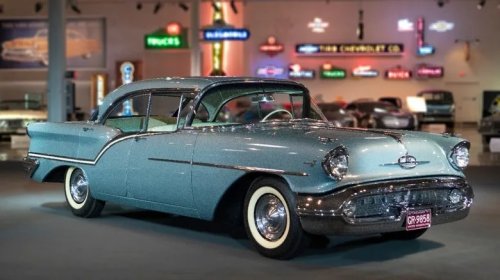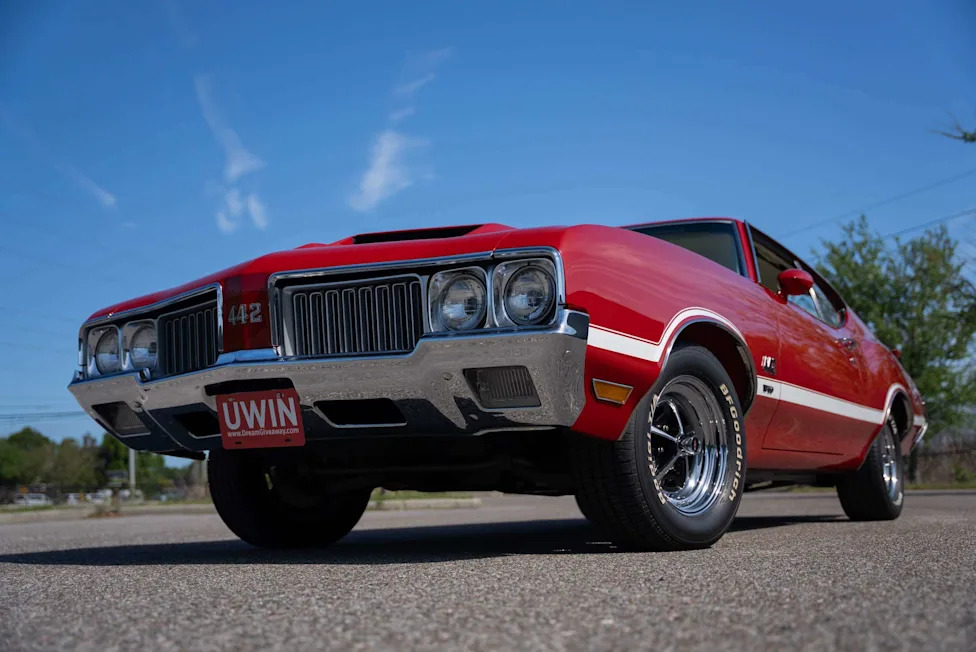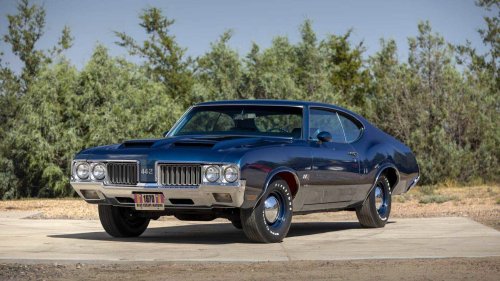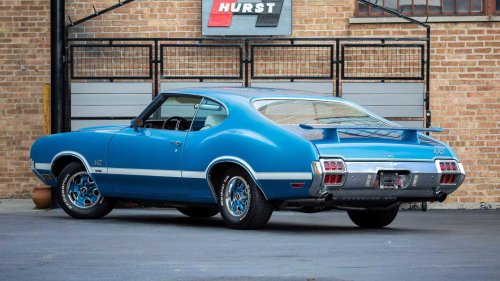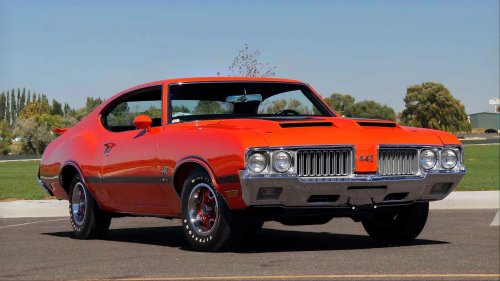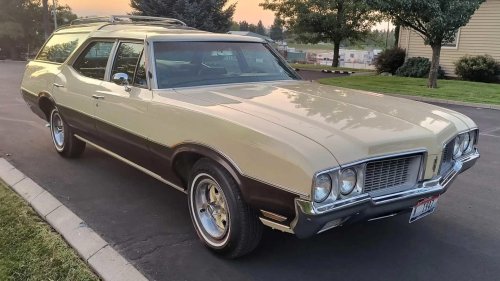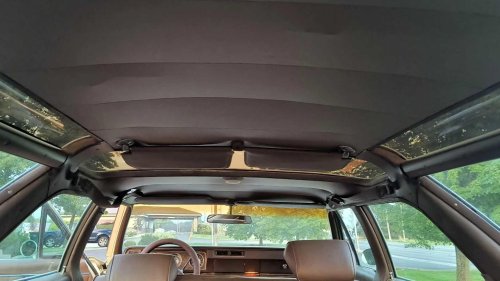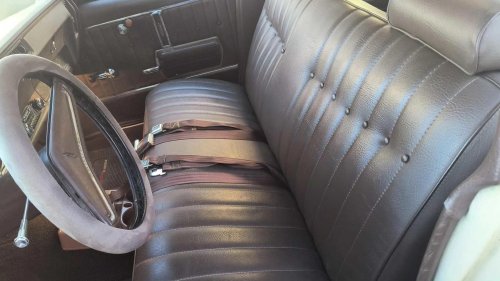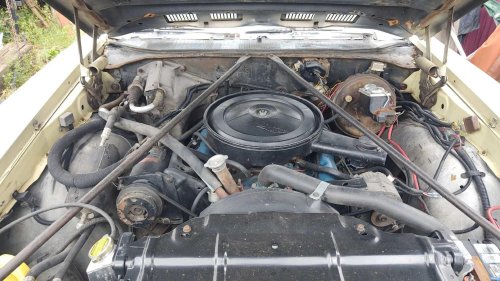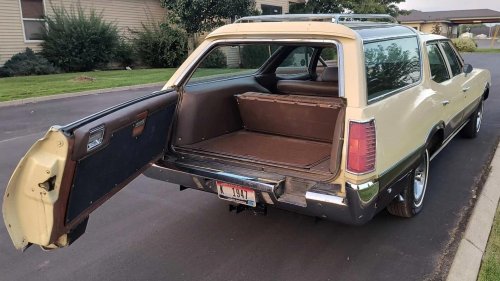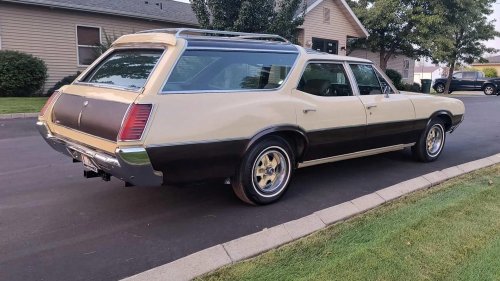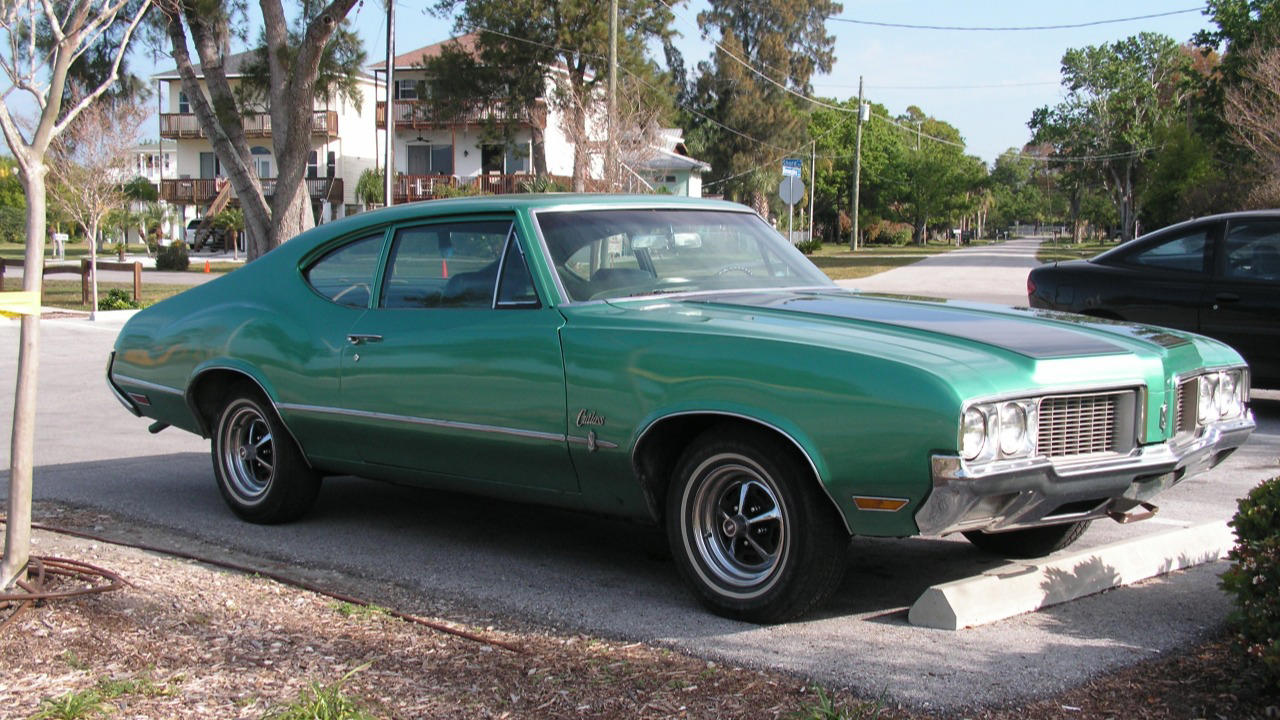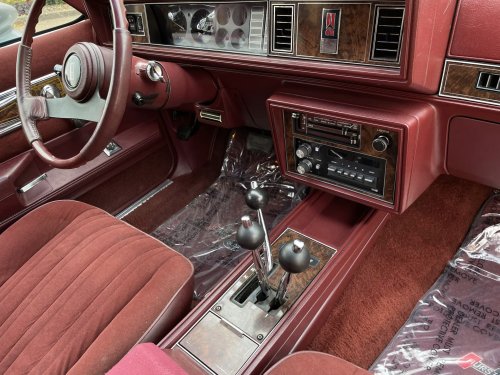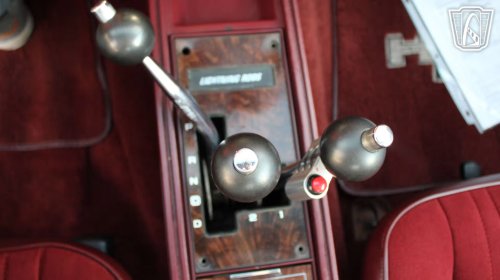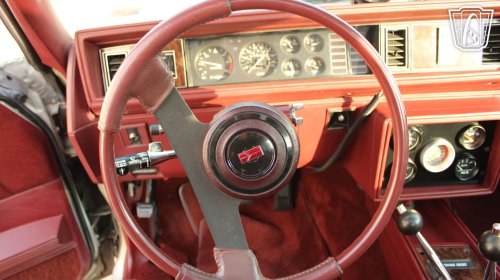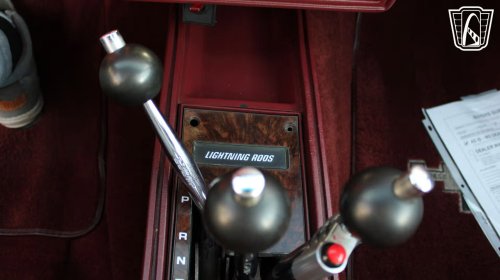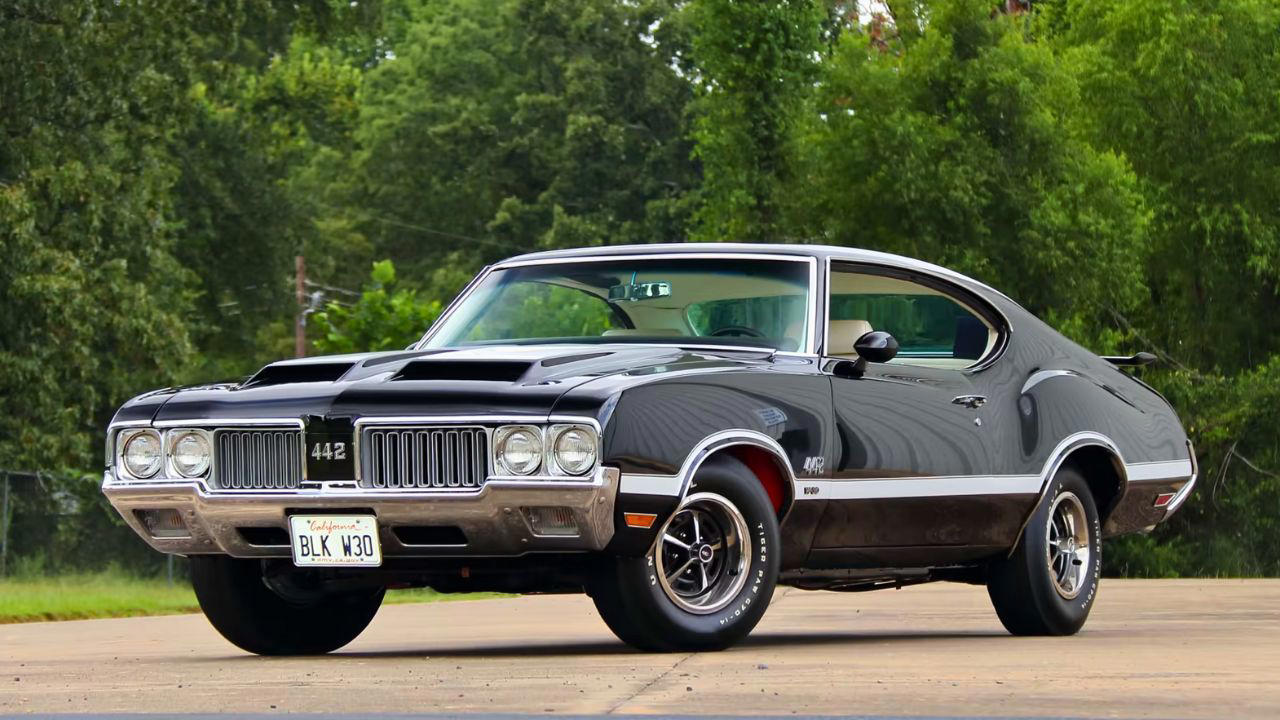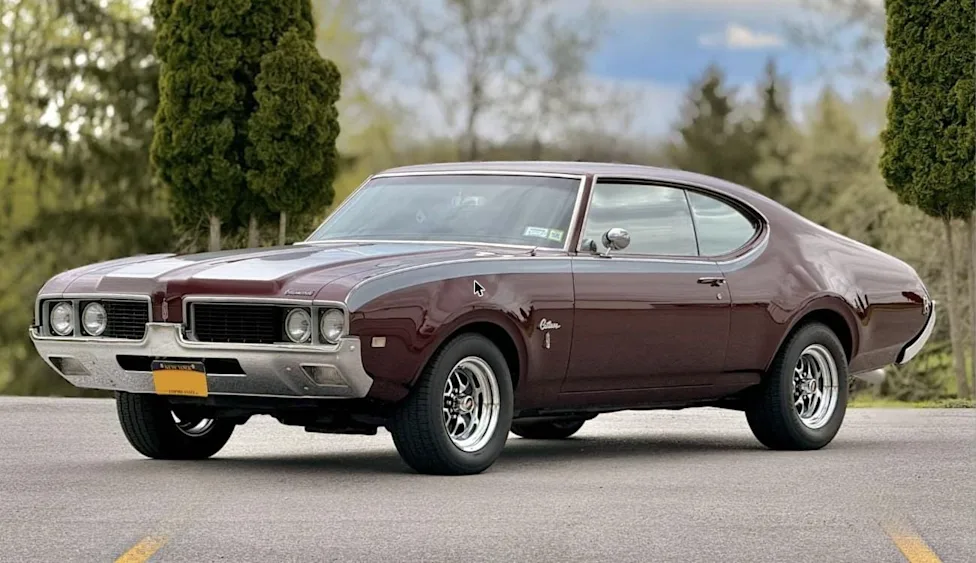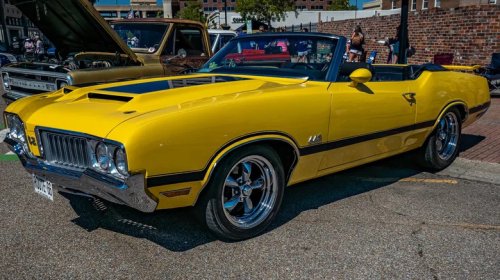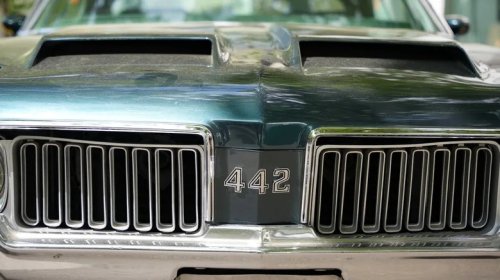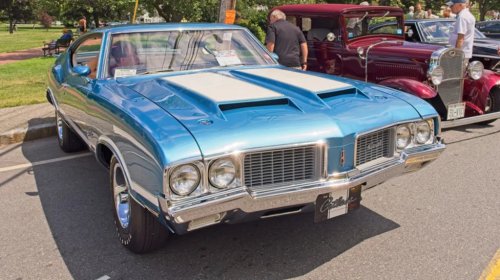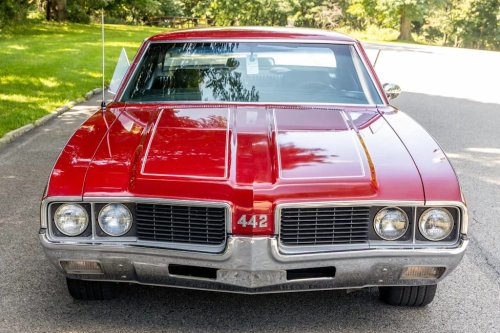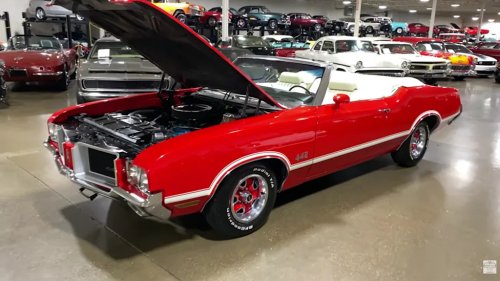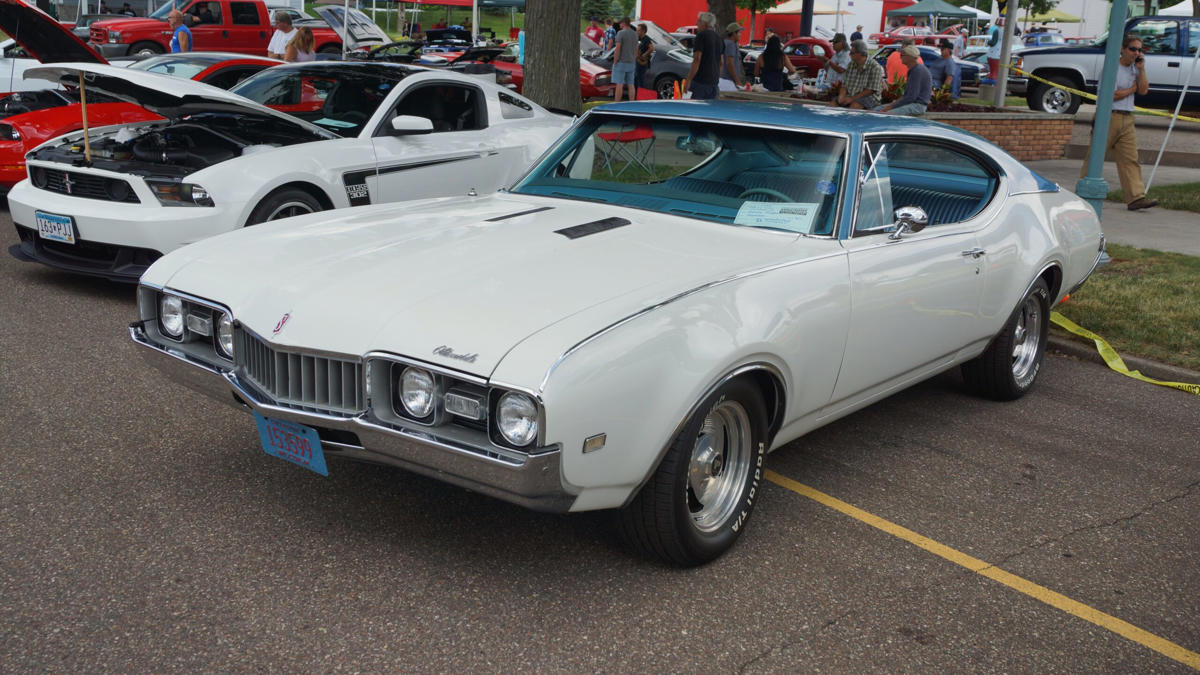



















The 1968 Oldsmobile Cutlass S may have been overlooked, but it delivered strong performanceThe 1968 Oldsmobile Cutlass S rarely tops muscle car wish lists, yet it quietly delivered the kind of performance and refinement that made late‑sixties Oldsmobile a serious player. Positioned between the base Cutlass and the headline‑grabbing 4‑4‑2, the S trim mixed strong V8 power with a surprisingly polished driving experience. That combination left it overshadowed in period marketing, but it has aged into one of the more intriguing sleepers of the GM A‑body era. Seen today, the Cutlass S shows how Oldsmobile tried to balance Detroit’s horsepower race with the brand’s reputation for comfort and engineering. It was not the wildest car in the showroom, yet it could be optioned to run hard, look aggressive, and still behave like a well‑mannered mid‑size on the highway. What happened For 1968, Oldsmobile rolled out a fully redesigned Cutlass on GM’s updated A‑body platform. The new shell adopted the shorter wheelbase and more sculpted lines that defined late‑sixties intermediates, with a semi‑fastback roofline and a pronounced “Coke bottle” profile. Within that lineup, the Cutlass S served as the step‑up model above the basic Cutlass, offered in hardtop, sport coupe, and convertible forms that gave buyers a sportier look and more standard equipment without jumping straight to the 4‑4‑2. Under the hood, Oldsmobile made the most of its small‑block V8 family. Buyers could order the Cutlass S with a 350 cubic inch Rocket V8 that, in performance tune, produced well over 300 advertised horsepower. In typical Oldsmobile fashion, the engine emphasized torque, delivering strong midrange pull that suited both stoplight sprints and relaxed cruising. Many period cars paired that engine with a three‑speed Turbo Hydra‑Matic automatic, although enthusiasts could opt for a floor‑shifted manual to better exploit the powerband. The chassis updates for 1968 helped the S trim feel more composed than earlier Cutlass models. The A‑body platform brought revised suspension geometry, wider tracks, and improved weight distribution, which translated into more stable high‑speed behavior and reduced body roll. Oldsmobile tuned its springs and shocks for a slightly firmer feel than the base car, especially when buyers chose handling packages that added stiffer components and upgraded tires, so the S could be driven hard without losing the brand’s trademark smoothness. Visually, the Cutlass S adopted many of the design cues that enthusiasts associate with late‑sixties Oldsmobile performance. The car wore a divided grille with quad headlamps, muscular rear haunches, and available striping and wheel packages that echoed the more expensive 4‑4‑2. Inside, the S trim brought bucket seats, sportier upholstery patterns, and an available center console with a floor shifter, giving the cabin a more purposeful feel than the bench‑seat base models. Despite that hardware, the S rarely received the marketing spotlight. Oldsmobile’s performance narrative focused on the 4‑4‑2, which by 1968 had become a standalone model with a 400 cubic inch V8 and more overt muscle car credentials. The Cutlass S instead occupied a quieter middle ground, often sold to buyers who wanted a stylish mid‑size with real power but did not necessarily identify as muscle car customers. That positioning meant the car was often ordered with a mix of comfort and performance features. Air conditioning, power steering, and power brakes were common, as were vinyl roofs and upscale trim packages. At the same time, many cars left the factory with performance‑oriented axle ratios, dual exhaust, and upgraded wheels. The result was a configuration that could surprise on the street yet still function as a family car. Modern retrospectives on Oldsmobile’s performance history have started to re‑evaluate that blend. Enthusiast coverage of underrated Oldsmobile muscle often highlights how cars like the Cutlass S shared core engineering with headline models, even if they lacked the most aggressive engines or badges. That shared DNA gives the S a stronger performance pedigree than its low profile suggests. Compared with some of its GM siblings, the Cutlass S also benefited from Oldsmobile’s attention to detail. Panel fit, interior materials, and noise insulation tended to be more carefully executed than in comparable Chevrolet or Pontiac models at similar price points. Owners who chose the S trim effectively bought into a more refined interpretation of the muscle car formula, one that valued quietness and comfort alongside quarter‑mile numbers. Why it matters The 1968 Cutlass S matters because it illustrates how performance in the muscle car era was not limited to the most heavily advertised nameplates. Beneath the halo models sat a tier of cars that delivered much of the same capability in a subtler package. The S trim embodied that idea, combining a strong small‑block V8, competent suspension, and aggressive styling cues with the everyday usability that defined Oldsmobile’s brand identity. In the broader context of GM’s strategy, the Cutlass S shows how the corporation tried to cover every niche without cannibalizing its own products. Chevrolet had the Chevelle SS as a volume muscle car, Pontiac leaned into image with the GTO, and Buick targeted luxury performance with the GS. Oldsmobile’s 4‑4‑2 occupied the enthusiast spotlight, but the Cutlass S gave dealers a car that could be sold in larger numbers to buyers who wanted something sportier than a base mid‑size without the insurance or fuel penalties of the top engine packages. Insurance costs were becoming a real concern by the late sixties as underwriters started to recognize the risk profile of high‑horsepower intermediates. Cars that carried overt performance badges or the largest displacement engines often drew higher premiums. The Cutlass S, equipped with a strong but slightly smaller V8 and less aggressive marketing, could slip under some of that scrutiny. That made it attractive to younger buyers and families who wanted performance without the financial hit associated with the most extreme muscle cars. The car also highlights Oldsmobile’s engineering priorities. The brand had a reputation for introducing technology that later filtered through GM, and the Cutlass line benefited from that mindset. Features such as improved automatic transmissions, carefully tuned power steering, and more effective braking systems helped the S feel composed at speed. While straight‑line performance was important, Oldsmobile also cared about how the car behaved in everyday traffic and on long trips, which gave the S a broader appeal than some of its more single‑minded rivals. From a design standpoint, the 1968 Cutlass S captured a moment when American mid‑size cars shifted from boxy sedans to more sculpted, athletic shapes. The semi‑fastback roofline, sweeping character lines, and tucked bumpers signaled that even practical cars were being styled with performance imagery in mind. The S trim amplified that message with its available stripes, rally wheels, and sport interiors, yet it stopped short of the overt aggression of the 4‑4‑2. That balance helped the car age gracefully, which partly explains its growing appeal among collectors. Collector interest in the Cutlass S has been more subdued than in the 4‑4‑2 or other headline muscle cars, but that relative obscurity has its advantages. Values have generally remained lower, which makes the S an entry point into classic American performance for buyers priced out of better known models. Because the car shares much of its structure and many mechanical components with other GM A‑bodies, parts availability is relatively strong. That practicality encourages restorations and tasteful modifications rather than consigning the model to parts‑car status. For enthusiasts, the S trim offers flexibility. Some owners keep the cars close to stock, emphasizing the original Oldsmobile character with period‑correct wheels, factory colors, and mild engine rebuilds. Others treat the Cutlass S as a blank canvas, upgrading suspension components, installing modern disc brakes, and building stronger small‑block or big‑block engines while retaining the car’s understated exterior. The factory sporty yet not extreme appearance makes those approaches feel authentic rather than out of character. The model also carries cultural significance as an example of how American families engaged with performance in the late sixties. Not every buyer wanted a drag strip hero; many wanted one car that could do everything. The Cutlass S, with its mix of comfort features and real speed, met that brief. It could take children to school during the week and still feel lively on a weekend back road. That dual‑purpose role resonates today, when modern performance cars often emphasize daily usability as much as outright speed. Looking back, the S trim reveals how marketing can shape automotive memory. Because Oldsmobile and GM focused their advertising and racing efforts on the 4‑4‑2 and other halo models, the Cutlass S slipped into the background. Yet the underlying product delivered much of what enthusiasts now celebrate in late‑sixties Detroit iron. As collectors and historians revisit the period, cars like the S are being reconsidered as key pieces of the story rather than mere supporting characters. What to watch next Interest in underappreciated muscle cars has been rising as headline models reach price levels that exclude many buyers. That shift creates an opportunity for the 1968 Cutlass S to gain recognition. Auction results and private sale listings already show more attention to well‑preserved or correctly restored examples, especially those with desirable options such as the high‑output 350 V8, bucket seats, and factory performance packages. As that interest grows, originality will likely become a key factor in value. Cars that retain their factory drivetrains, paint codes, and interior trim tend to attract collectors who see the S as a historical artifact of Oldsmobile’s approach to performance. At the same time, tastefully modified examples that improve handling and braking while respecting the car’s character may appeal to enthusiasts who want to drive their classics regularly rather than keep them as static investments. Parts support will also shape the car’s future. The shared GM A‑body platform means many mechanical components can be sourced from a broad aftermarket that caters to Chevelle, GTO, and Skylark owners. That ecosystem makes it easier to keep a Cutlass S on the road. More specialized Oldsmobile pieces, such as specific trim, emblems, and interior parts, may remain harder to find, which could encourage reproduction efforts if demand continues to build. On the enthusiast media side, coverage of lesser known Oldsmobile performance models is starting to highlight the S alongside more famous badges. As more writers and video creators feature the car in road tests, buyer’s guides, and restoration stories, awareness tends to feed interest. That cycle has already helped lift other overlooked models from obscurity, and the Cutlass S is well placed to follow the same path given its mix of style, performance, and usability. Future conversations about the muscle car era are also likely to become more inclusive of cars that sat just outside the traditional performance spotlight. The Cutlass S fits into that evolving narrative as a reminder that meaningful performance often lived in the mid‑range of a lineup rather than only at the top. As enthusiasts look for cars that offer character without the pressure and cost associated with the most famous nameplates, the S provides a compelling option. More from Fast Lane Only Unboxing the WWII Jeep in a Crate 15 rare Chevys collectors are quietly buying 10 underrated V8s still worth hunting down Police notice this before you even roll window down The post The 1968 Oldsmobile Cutlass S may have been overlooked, but it delivered strong performance appeared first on FAST LANE ONLY.