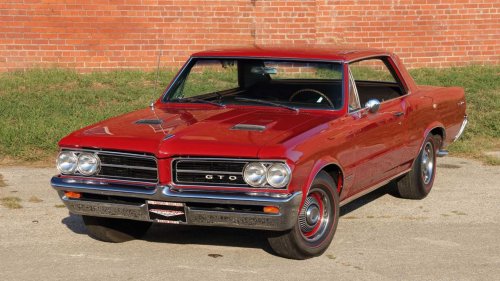
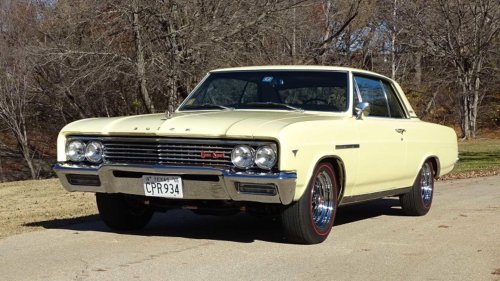
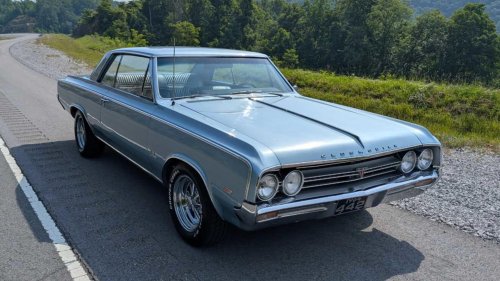
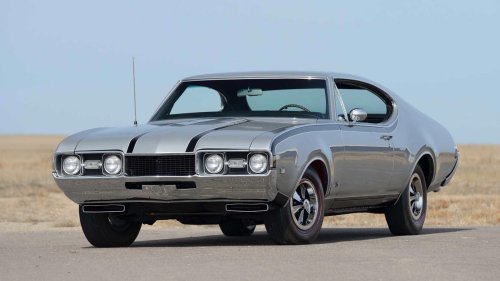
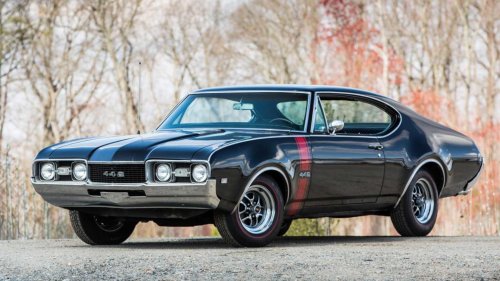
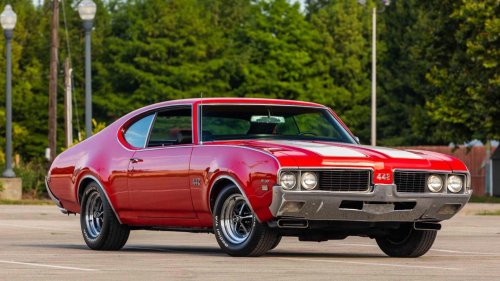
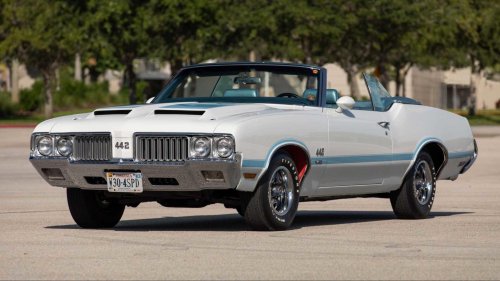
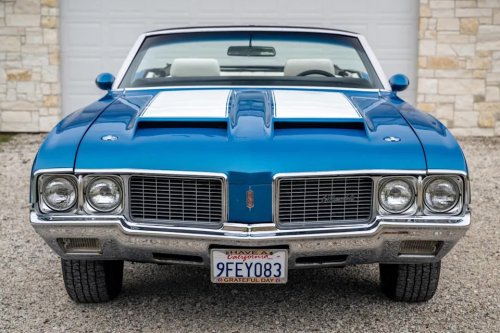
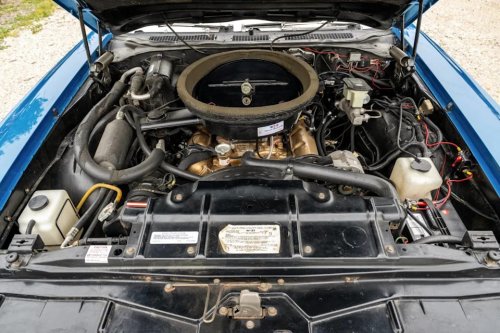
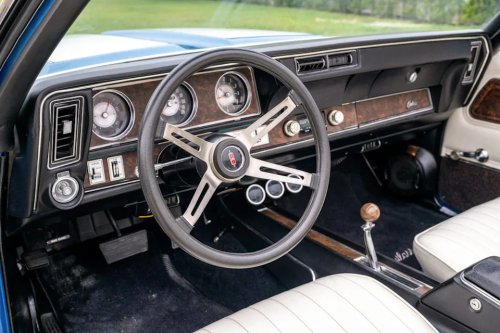
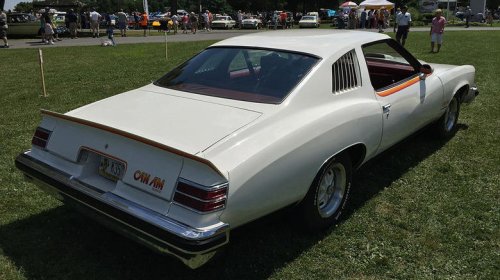
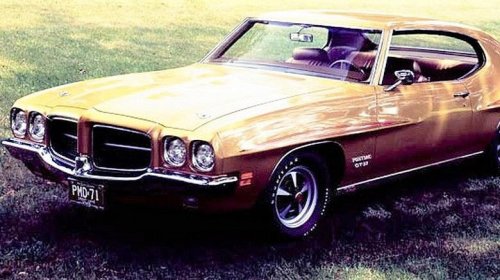
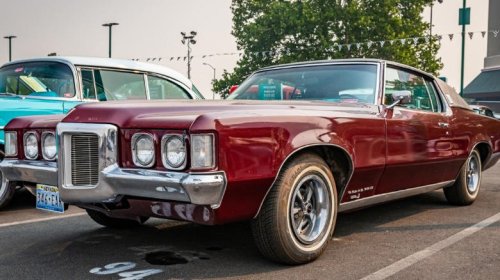
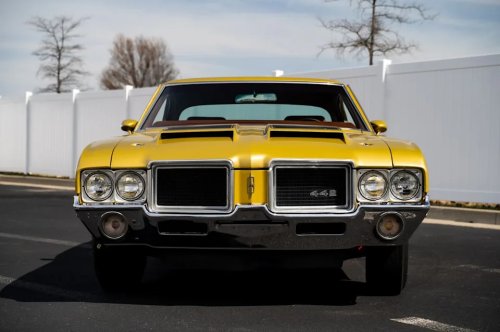
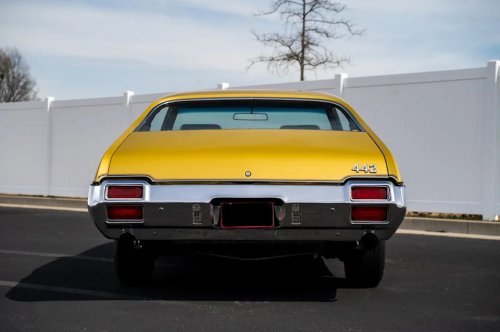
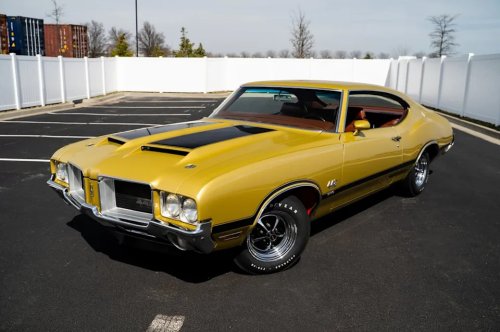
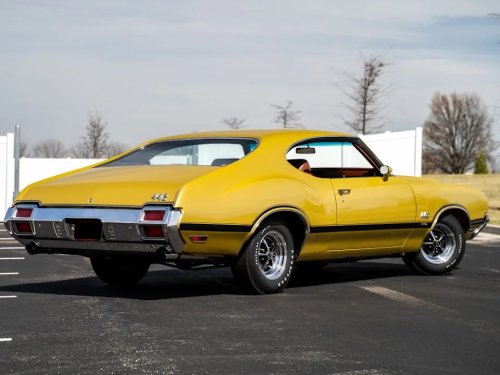
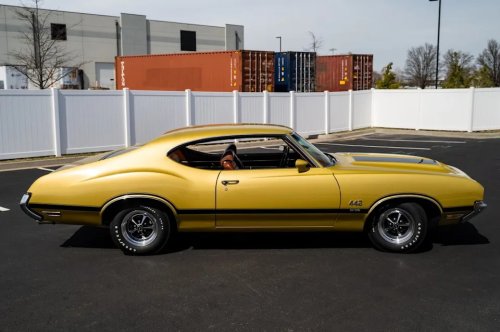
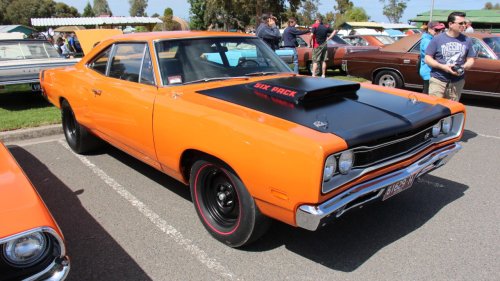
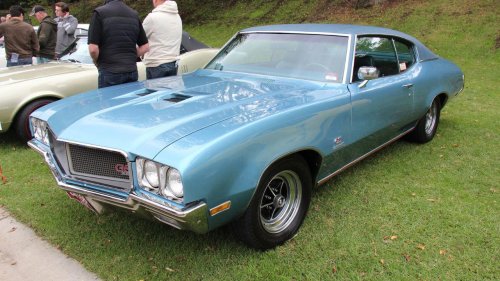
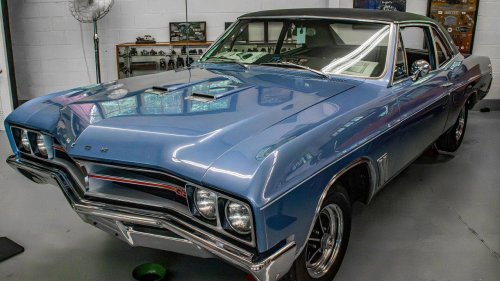
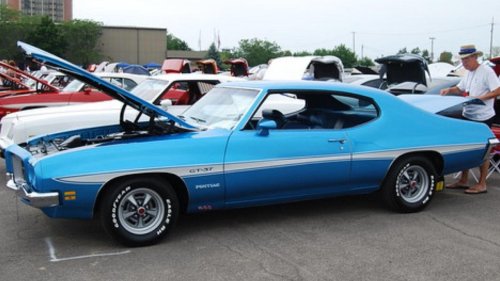
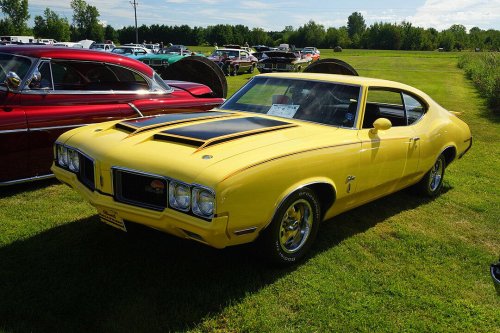
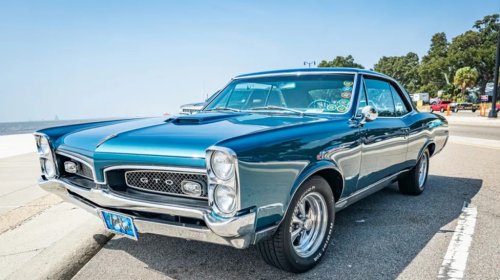
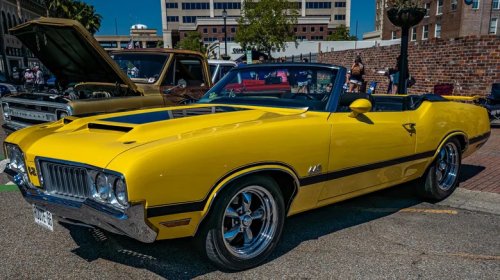
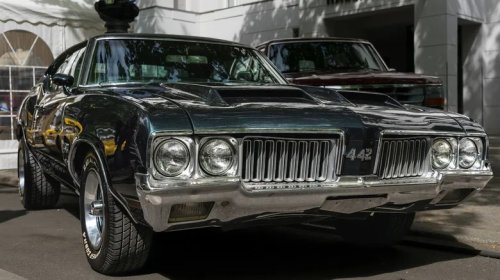
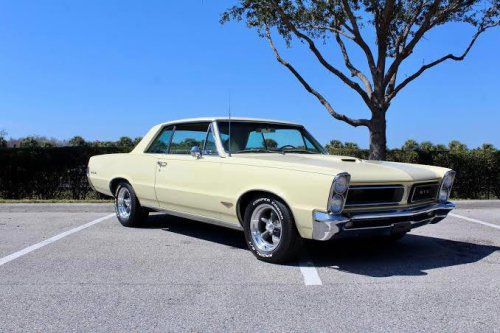
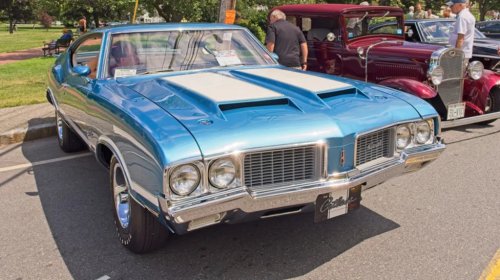
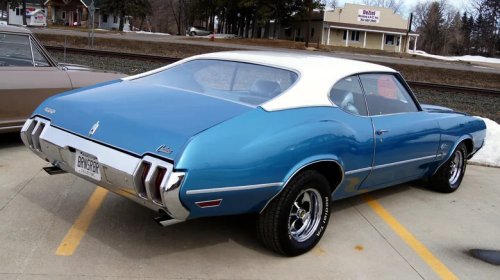
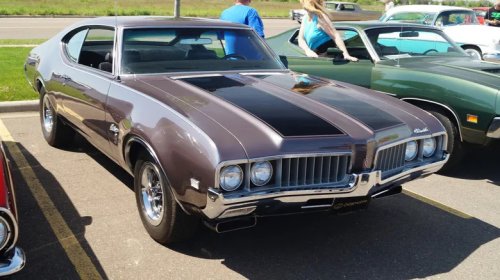
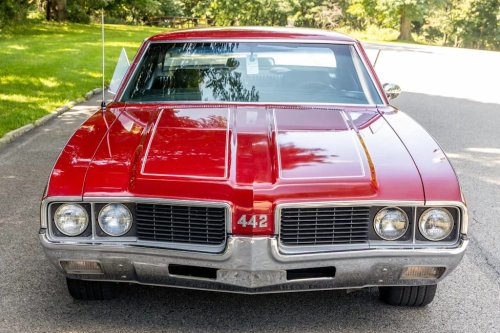
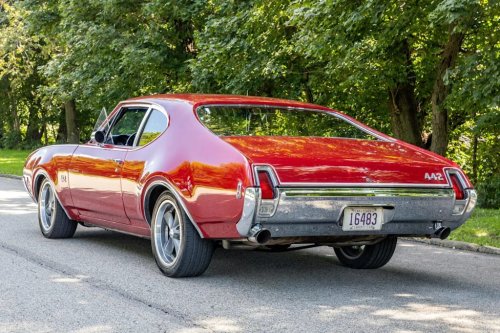
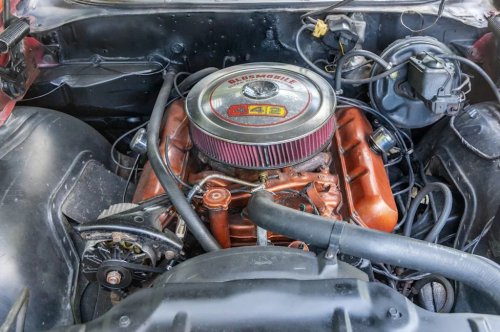
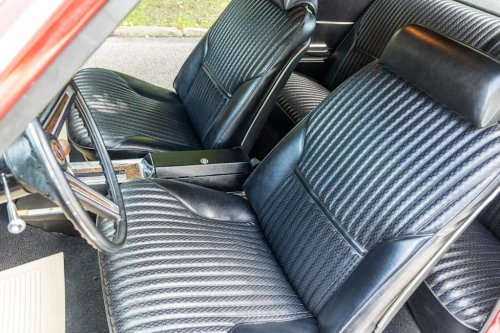
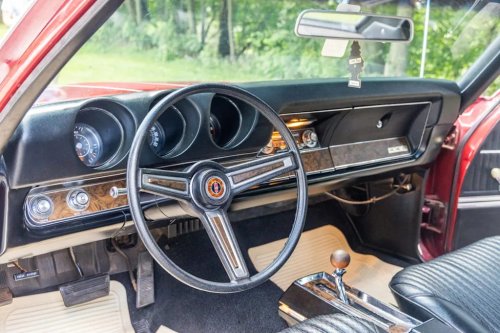
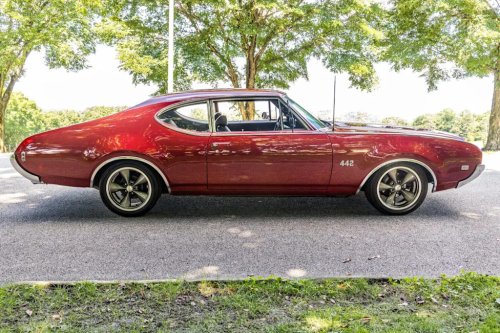
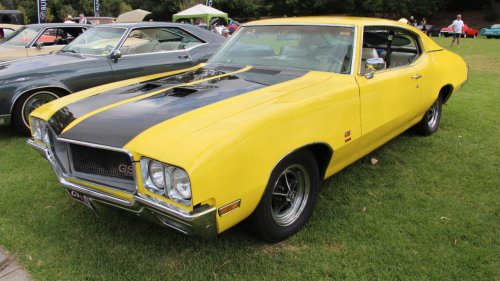
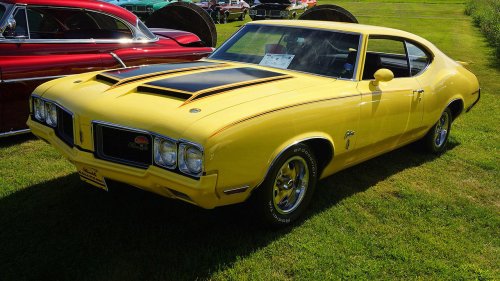
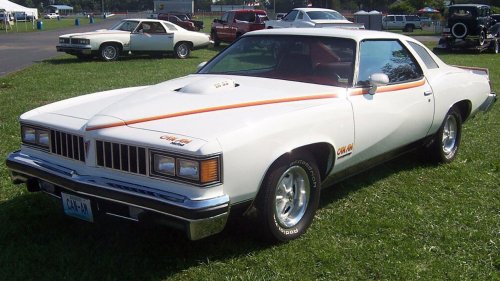
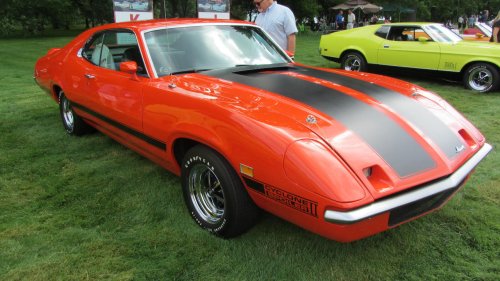
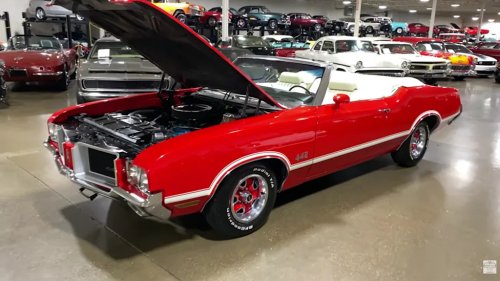
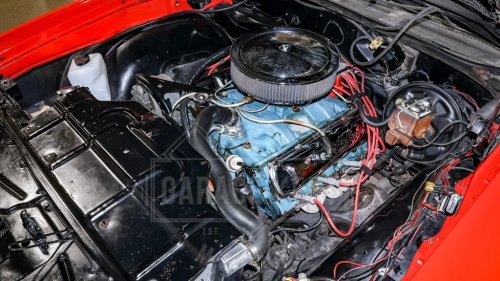
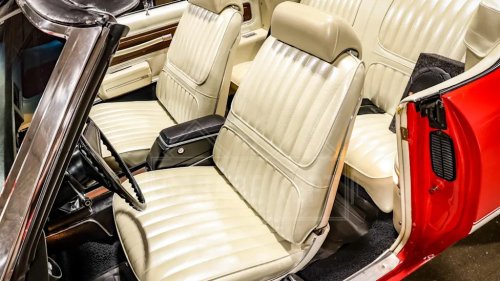
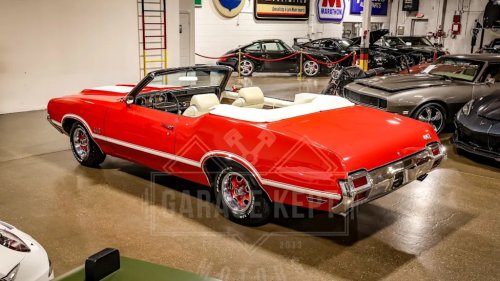
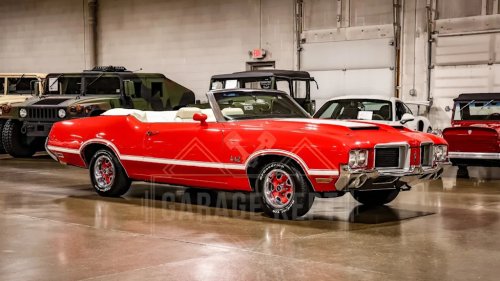
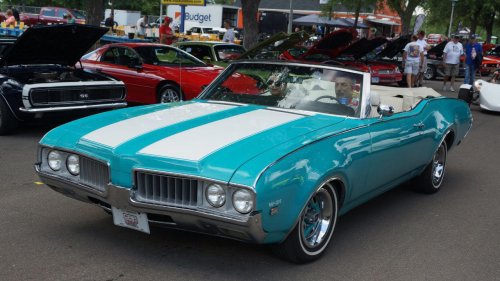
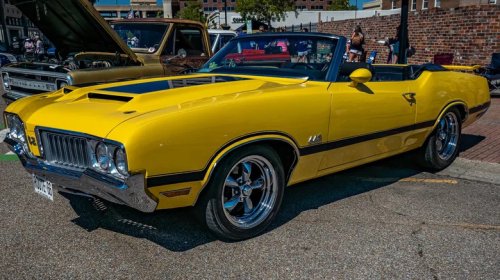
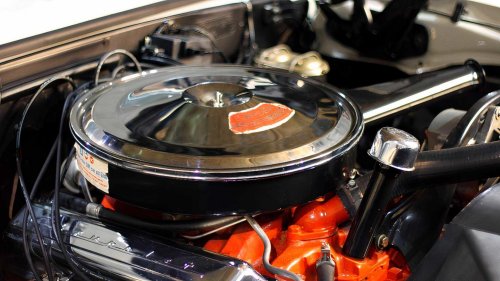
Because the Golden Age of American Muscle was the absolutely coolest period in automotive history, the classic rides from the 1960s and early 1970s are still as relevant today as they were back then. Maybe even more so, because classic muscle cars are now big-money collectibles and cultural icons. Most importantly, these street dinosaurs still snarl and roar while continuing to captivate newer generations with their raw, aggressive nature.Nobody ever gets sick of talking about classic muscle, but the conversation is narrowing as many killer rides have been lost to time. Titans like the Plymouth Hemi 'Cuda or Ford Mustang Boss 429 will never be forgotten, but just as many greats, such as the AMC Javelin and Mercury Cyclone are no longer in the enthusiast's collective consciousness. Granted, those last two are kind of off-brands, but one of the most criminally underrated Golden Age cars comes from the GM stable, and it's actually tragic that people aren't talking about it anymore. GM Kicks Off The Golden Age With The GTO In 1963, GM banned engines over 400ci in intermediate cars and in 1964, Pontiac head John DeLorean said, "No problem, I'll just make the baddest thing allowable under your silly rules." What he came up with was a hot trim for the new Pontiac Tempest with a 325-horsepower 389 cubic-inch Tri-Power V8 and an even more scorching name: GTO. There had been muscular American rides before, but the '64 GTO was the first car to put it all together in an affordable package that appealed to younger buyers. It was a winning formula that launched a movement and a host of imitators. Chevy Chevelle SS Superstar Chevy was the first to recognize the brilliance of the GTO and almost immediately answered it with a performance package on the 1964 Malibu SS, known as the Chevelle. That first year, there was no Chevelle badging on the car, and it was rather modest with a 300-horsepower 327 cubic-inch V8, but it would soon become its own nameplate with a blistering 375-pony 396. The Chevelle wasn't just GM's most popular muscle car, but the top-seller of the entire Golden Age, a feat it pulled off despite being limited to under-400 cubic inches until 1970, when that goofy restriction was lifted. Grand Entrance Of The Buick GS Buick waited until 1965 to capitalize on muscle car mania, but turned in a winner with the Skylark-based Gran Sport. With a 400 cubic-inch Nailhead V8 that was actually a GM rules-breaker at 401 cubic inches, the Gran Sport cranked out 325 horsepower and 445 pound-feet of torque, making it one of the more powerful muscle car debuts. Like the Chevelle, the Gran Sport was so popular that it became its own model, shortened to simply "GS." It would go on to become GM's most killer ride in 1970 with the GS 455 Stage 1, with an astonishing 510 pound-feet of torque V8 that launched ETs in the low 13s. The Underrated Oldsmobile 4-4-2 In an alternate reality where GM hadn't banned big engines in mid-sized cars, the Oldsmobile 442, originally stylized as "4-4-2," would have been named after the cubic inches of its massive big-block. In this reality, the Cutlass-based 442 got its moniker from its four-barrel carburetor, four-speed manual transmission, and dual (two) exhaust. The car actually had a three-speed manual and two-speed automatic option, so in 1965 the name represented the new 400 cubic-inch V8, with a four-barrel, and dual exhaust. In 1964, however, when it was first introduced, the 442 had a slightly unimpressive 310-horsepower 330 cubic-inch V8, mostly because it was rushed to meet the sudden muscle car demand.By '65, Olds had enough time for a proper street performer and the 442 was now flexing a 345-horsepower, 440 pound-feet of torque 400 cubic-inch Rocket V8. For the year, the 1965 442 was the quickest GM muscle car with a 5.3-second 0-60 time and 14.2-second quarter-mile. In '66, the 400 V-8 was up to 350 ponies and the W-30 package, which included cool air induction and a hotter cam, got the engine cranking out 360 horsepower. There was also a 360-horsepower variant of the 400 Rocket V8 that had a triple two-barrel carburetor setup, but in 1967 GM banned multiple carburetors on all cars except the Corvette, because they were apparently rooting against its division's performance rides. Hurst/Olds Street Assassin 1968 saw the 442 become a separate nameplate from the Cutlass as well as a second-gen refresh with sizzling Coke bottle body style. The car was unfortunately still under the Draconian GM big engine ban, so Oldsmobile found a loophole to really get this sucker moving. Partnering with Hurst Performance, they created the '68 Hurst/Olds featuring a 390-horsepower 455 cubic-inch V8. While not exactly a Hemi-killer, it was at least able to run with the Mopars, turning in ETs in the high 13s, becoming the first GM muscle car to drop out of the 14s.Oldsmobile got around GMs big engine ban by claiming that the 455s would be installed by Hurst, but they were in fact put in at the factory. The '68 Hurst/Olds cars all came with a Hurst dual-gate shifter and were painted Peruvian Silver with black striping and white pinstripes. They also included heavy-duty suspensions, disc brakes, and luxury interior components. Only 515 of these masterpieces were built, with 459 Holiday Coupes and 56 Sport Coupes, making it one of the rarest GM muscle cars of the classic era. 1970 442 W-30 Sleeper In 1970, GM finally dropped its pointless engine cap and Oldsmobile proceeded to make the 455 cubic-inch V8 the standard engine for the 442. The base produced 365 horsepower and 500 pound-feet of torque, but the W-30 performance package kicked things up to 370 ponies. Most people had never encountered a Hurst/Olds, but were familiar with the 442's limitations, so when the '70 W-30 rolled up on them, there was a certain level of surprise at its 13.7-second quarter-mile sprint. With twin functioning hood scoops, rear spoiler, and body stripes, the '70 442 was as impressive looking as it was driving, and certainly a Golden Age ride that deserves a lot more credit. GM A-Body Muscle Car Hierarchy In the 1960s, the pecking order at GM had Cadillac at the top as the luxury brand, then Buick and Oldsmobile as the upscale marquees, followed by Pontiac as the performance division, with Chevrolet as the entry level. With muscle cars, the hierarchy was almost reversed, with the Chevy Chevelle SS in the front, followed by the Pontiac GTO, with the Olds 442 and Buick Gran Sport holding up the rear. Between 1964 and 1971 Chevy sold 540,000+ Chevelle SS cars, Pontiac moved 497,000 GTOs, while production for the 442 was 176,000 units and the Gran Sport with 103,000 units. Though the 442 outsold the Gran Sport, somehow the Buick is more popular today with collectors. Settle It On The Streets All GM A-body cars were essentially the same design, but with some slightly different sheet metal, front fascias, and hoods, but what was under those hoods is what really differentiated them. The 442, for most of its existence, was the superior street machine, beating most of its cousins in power and acceleration. In '65, the 442 was GM's quickest ride and the '68 Hurst/Olds was the corporation's only 13-second car. In 1970, when the big engine ban was mercifully dumped and the big-blocks took control, the 442 W-30's 13.7 quarter-mile was better than a GTO Judge, and only slightly slower than a Gran Sport 455 Stage 1 or Chevelle SS 454 LS6. Depending on driver skill and some tweaking, a 442 could outperform anything GM had to offer and, again, deserves a little more recognition as a street machine. Olds 442 Prices And Values Despite having a much lower profile than its GM A-Body mates, the Oldsmobile 442 is actually a more valuable ride. A first-gen 442 has a J.D. Power average retail price around $45,800, versus $35,000 for a Chevelle SS, and $29,250 for a Gran Sport, with only the $48,550 of the GTO beating it. Hagerty sets the Concours condition of the 1965 A-Body coupes like this: Pontiac GTO $72,000, Chevy Chevelle SS 327 $64,900, Olds 442 $48,600, and Buick Gran Sport $37,400, so that's where the collectibility gap begins. Even the ultra-rare 1968 Hurst/Olds tops out at $91,900, which seems like a severe undervalue.When it comes to big-money auction sales, it's the 1970 GM A-body convertibles that bring the extreme prices. A Chevelle SS 454 LS6 drop-top recently sold for $770,000, which is actually nothing compared to the GTO Judge Ram Air IV that crossed the block for $1.1 million. A Buick GS 455 Stage 1 dropped the gavel for $285,000, which is just slightly more than the top-selling 442. At Mecum Kissimmee 2022, that white 442 W-30 convertible pictured above sold for $242,000, which is a hell of a lot of money, but not enough to put it in the same conversation as the GM muscle car elite.Sources: Hagerty, J.D. Power, Mecum