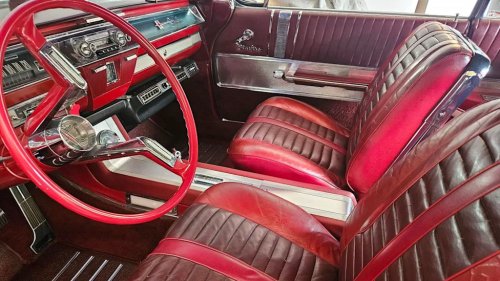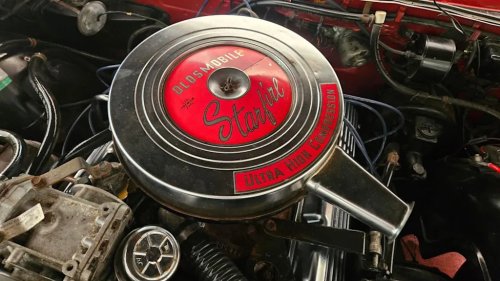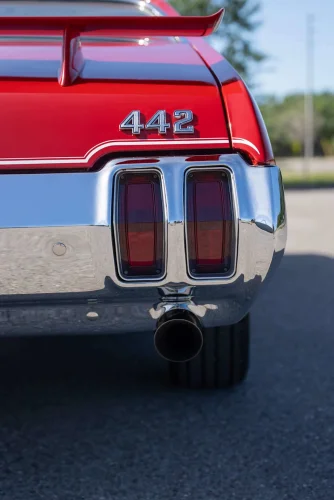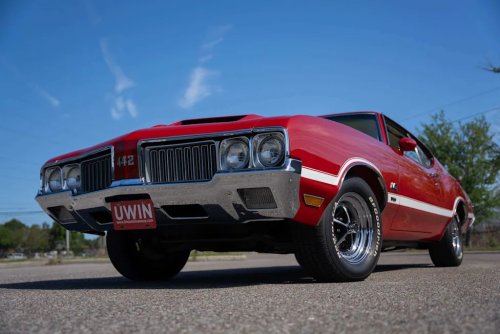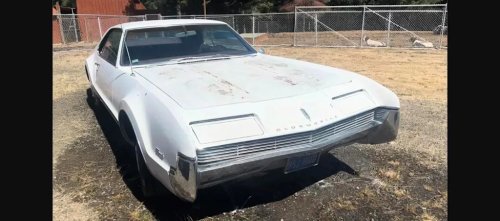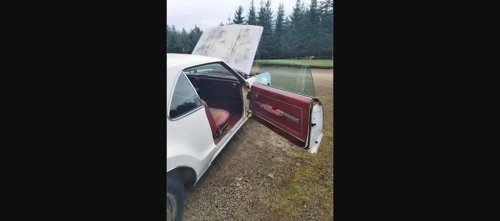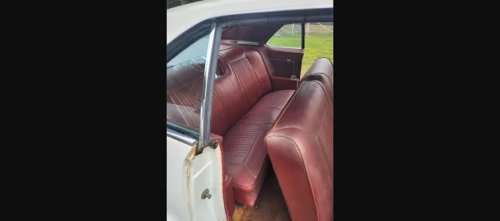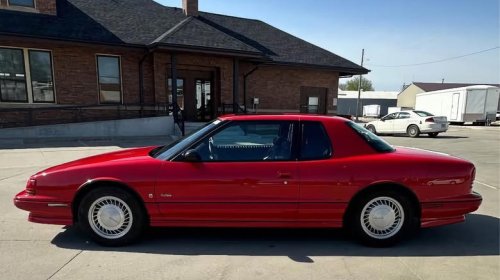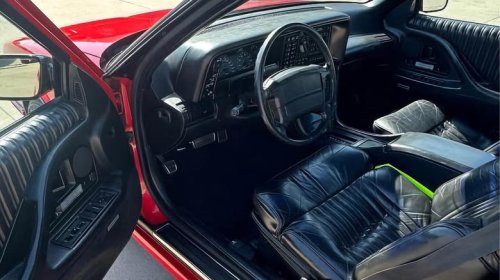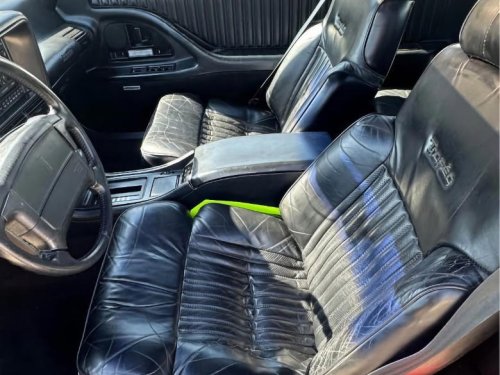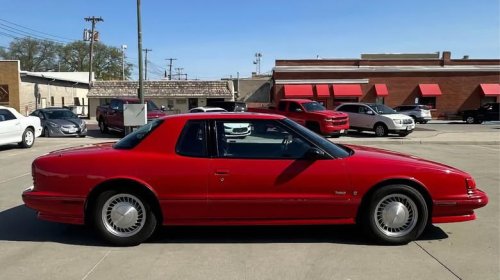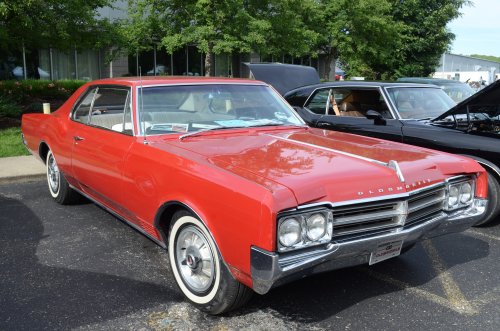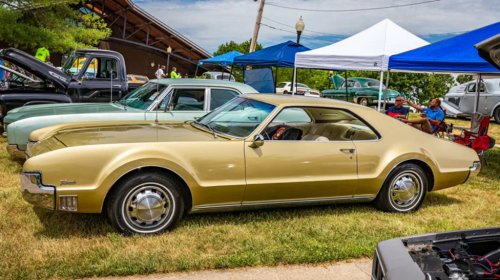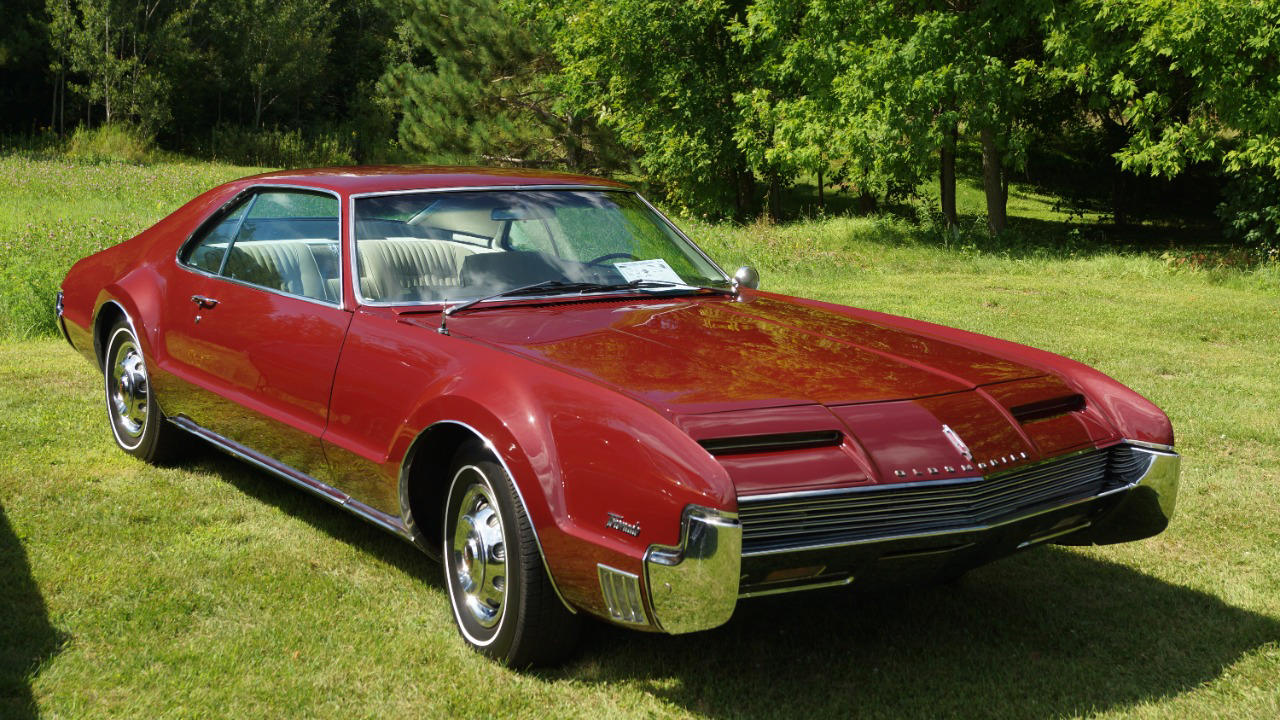



















Few expected performance from the 1966 Oldsmobile Toronado—but it deliveredThe 1966 Oldsmobile Toronado was a radical departure from traditional American automotive design, attracting skepticism from critics who doubted its performance capabilities. However, this front-wheel-drive car surprised everyone by delivering a blend of power, style, and innovation that set it apart in the automotive landscape of the 1960s. Design Innovations The Oldsmobile Toronado stood out in its era due to its bold aesthetic choices. The long hood and short rear deck created a streamlined silhouette that was both modern and aggressive, challenging the norms of American automotive design that favored boxy forms. Its distinctive front fascia, complete with a wide grille and expressive headlights, gave the Toronado an unmistakable presence on the road. This design, envisioned by chief designer Dave Holls, was not just about looks; it was intended to evoke a sense of power and innovation. One of the most revolutionary aspects of the Toronado was its front-wheel-drive engineering. At a time when most American cars utilized rear-wheel drive, the Toronado’s design allowed for improved traction and stability. The front-wheel-drive system not only contributed to a unique driving experience but also enabled a spacious cabin, as the absence of a long driveshaft meant more room for passengers and cargo. This innovative engineering set the stage for future designs across the automotive industry, as other manufacturers began to explore front-wheel-drive technology in the years that followed. Stepping inside the Toronado revealed a commitment to luxury and comfort. The interior featured high-quality materials and advanced technology for its time, such as reclining seats and an optional eight-track stereo system. The dashboard was equipped with an array of gauges and controls that emphasized the car’s performance capabilities while still providing an air of sophistication. In a segment dominated by basic utilitarian interiors, the Toronado raised the bar for luxury features, making it a desirable choice for consumers seeking both style and comfort. Performance Specs At the heart of the 1966 Toronado was a powerful 425 cubic inch V8 engine that produced a staggering 385 horsepower. This engine, coupled with a three-speed automatic transmission, allowed the Toronado to accelerate from 0 to 60 mph in just over 8 seconds—a remarkable feat for a full-size car of its time. The combination of power and smoothness in acceleration was unexpected, especially given the skepticism surrounding its performance capabilities. The Toronado’s impressive horsepower figures positioned it as a formidable competitor in a market saturated with traditional rear-wheel-drive vehicles. When it came to handling, the Toronado also defied expectations. The front-wheel-drive layout provided a different dynamic, allowing for better weight distribution and cornering capabilities. While critics were initially doubtful, many were taken by surprise when the Toronado demonstrated agility and responsiveness that rivaled smaller, sportier cars. This handling prowess, combined with its powerful engine, established the Toronado as a performance leader in its class, attracting attention from automotive enthusiasts who were eager to experience this new breed of American muscle. Compared to its contemporaries, such as the Ford Thunderbird and Chrysler Newport, the Toronado’s performance metrics were impressive. While these competitors also boasted powerful engines, none offered the same combination of front-wheel drive and high horsepower. The Toronado not only matched but often exceeded the performance of its peers, allowing it to carve out a niche as a vehicle that could deliver both power and luxury. As a result, it drew in a diverse range of buyers looking for something different in an era filled with conventional choices. Market Reception When the Toronado debuted, initial reactions from automotive journalists and industry experts were mixed. Many were skeptical of its front-wheel-drive design, questioning whether it would hold up against the established rear-wheel-drive configurations. Critics raised concerns about handling, performance, and reliability. However, as test drives and reviews emerged, the Toronado began to turn heads. Publications such as Motor Trend praised its innovative design and performance, which contributed to a growing sense of intrigue among potential buyers. The sales performance of the Toronado in its early years was considerable. In 1966, Oldsmobile sold approximately 40,000 units, making it one of the brand’s most successful launches in years. This success not only bolstered the Oldsmobile brand but also marked a significant shift in consumer preferences towards more innovative and performance-oriented vehicles. The Toronado’s appeal lay in its ability to blend luxury with power, attracting buyers who sought a car that was both stylish and capable. Consumer feedback further solidified the Toronado’s reputation. Owners praised its comfortable ride, powerful engine, and unique styling. Online forums and dedicated Facebook groups, such as Toronado Enthusiasts, highlight numerous stories from satisfied owners who appreciate the car’s distinctiveness and performance. These reviews helped to counteract early skepticism and contributed to the Toronado’s growing legacy as a symbol of innovation in the automotive landscape. Engineering Challenges The development journey of the 1966 Toronado was not without its challenges. Engineers faced significant hurdles while creating the front-wheel-drive drivetrain, which was relatively untested in the American automotive market at the time. The design necessitated a complete rethinking of traditional automotive architecture, leading to complexities in weight distribution, suspension design, and overall vehicle dynamics. Despite these challenges, the engineering team at Oldsmobile persevered, driven by a desire to create a vehicle that would set new standards in performance and luxury. To address these issues, engineers implemented several innovative solutions. They developed a unique transaxle design that integrated the transmission and differential into a single unit, optimizing space and improving weight distribution. This engineering feat not only facilitated the front-wheel-drive layout but also enhanced the vehicle’s performance. The Toronado’s design ultimately paved the way for future models, demonstrating that front-wheel drive could be both practical and high-performing in a full-size vehicle. The Toronado’s engineering innovations did not just impact its own generation; they influenced the design of later models across the industry. Automakers began to recognize the potential of front-wheel-drive technology, leading to its wider adoption in subsequent decades. The Toronado’s success served as a catalyst for change, encouraging other manufacturers to explore the advantages of this configuration, which has now become standard in many modern vehicles. Competition Landscape The competition landscape for the 1966 Toronado included several noteworthy full-size cars, such as the Ford Thunderbird, Chevrolet Impala, and Chrysler Newport. Each of these models had its own loyal following and distinct features, but the Toronado’s combination of front-wheel drive and powerful engine set it apart. While the Thunderbird was often celebrated for its luxury and style, and the Impala was known for its performance, the Toronado managed to carve a niche that offered a unique blend of both, appealing to a segment of consumers looking for something innovative. What truly set the Toronado apart was its ability to deliver performance without sacrificing comfort or style. While competitors focused on more traditional offerings, the Toronado embraced a more modern approach, allowing it to capture the attention of buyers who were beginning to shift their preferences. Its sleek design and performance capabilities made it a standout option, and as a result, it not only competed effectively but also reshaped expectations within the automotive market. The long-term legacy of the Toronado is evident in the evolution of automotive design. Its success paved the way for a new generation of front-wheel-drive vehicles, influencing models from various manufacturers. Today, the Toronado is remembered not just for its performance but for its role in changing the landscape of automobile engineering, as it encouraged innovation and set a precedent for future designs. Cultural Impact The 1966 Oldsmobile Toronado quickly became an icon of its era, making notable appearances in various films and television shows. Its striking design and performance capabilities captured the imagination of the public, reinforcing its status as a symbol of American automotive innovation. Movies from the 1960s often showcased the Toronado as a vehicle of choice for characters seeking sophistication and power, solidifying its cultural significance during a transformative period in the automotive industry. Beyond its on-screen appearances, the Toronado represented a shift in consumer preferences towards performance and style. As the automotive landscape began to evolve, buyers increasingly sought out vehicles that combined power with luxury and innovative design. The Toronado was at the forefront of this movement, embodying a new vision of what an American car could be. This shift not only influenced consumer behavior but also encouraged manufacturers to rethink their approaches to design and performance. Moreover, a dedicated fan community has emerged around the Toronado, celebrating its legacy and keeping its history alive. Enthusiasts participate in online forums and social media groups, sharing restoration projects, tips for maintenance, and personal stories about their experiences with the car. This vibrant community reinforces the Toronado’s status as a cherished classic and highlights the ongoing appreciation for its unique contributions to automotive history. Retrofitting and Restoration As the years have passed, the 1966 Toronado has gained popularity among collectors and enthusiasts, leading to a thriving market for retrofitting and restoration. Many owners are eager to modernize their vehicles while preserving the classic design elements that make the Toronado special. Aftermarket modifications often include upgrades to the engine, suspension, and audio systems, allowing owners to enhance performance and comfort while maintaining the car’s iconic style. Notable restoration projects have emerged, showcasing the Toronado’s design and engineering prowess. Enthusiasts have meticulously restored these vehicles to their original condition, often participating in car shows and exhibitions that highlight classic American cars. These projects not only celebrate the Toronado’s history but also demonstrate the dedication of owners who value its legacy and seek to preserve it for future generations. However, restoring a vintage Toronado can present challenges. Finding original parts can be difficult, and the need for specialized knowledge in maintaining the unique engineering of the front-wheel-drive system adds complexity to the restoration process. Despite these hurdles, the passion of the Toronado community ensures that the car’s legacy continues, as enthusiasts work to keep these remarkable vehicles on the road. Legacy and Influence The success of the 1966 Toronado had a lasting impact on Oldsmobile’s future vehicle designs. Following the Toronado’s debut, Oldsmobile continued to explore innovative engineering solutions, incorporating elements of the Toronado’s design into subsequent models. This focus on performance and luxury helped the brand maintain relevance in a rapidly changing automotive market, as consumers increasingly sought out vehicles that combined both attributes. Moreover, the Toronado’s influence extended beyond Oldsmobile. Its pioneering use of front-wheel drive inspired other manufacturers to experiment with this technology, leading to a broader adoption of front-wheel-drive vehicles in the industry. The success of the Toronado proved that American manufacturers could innovate and compete in a market that was beginning to embrace new technologies and design philosophies. Today, the 1966 Oldsmobile Toronado is recognized as a significant chapter in automotive history. It represents a turning point in American car design, highlighting the potential for innovation and performance in a full-size vehicle. Automotive historians and enthusiasts alike appreciate the Toronado for its contributions, ensuring that its legacy endures as a symbol of progress and creativity in the automotive world. Modern Relevance The 1966 Toronado has seen a resurgence in interest among classic car collectors and enthusiasts. Today, well-preserved models can command impressive market values, reflecting their status as sought-after collector’s items. The blend of style, performance, and innovation that the Toronado offers makes it a desirable addition to any classic car collection, and its rarity only adds to its allure. Restoration values for the Toronado have also risen, as enthusiasts are willing to invest in bringing these vehicles back to their original glory. High-quality restorations can fetch significant prices at auctions, showcasing the enduring appeal of the Toronado among collectors. Events such as car shows and auctions provide opportunities for enthusiasts to connect, share their passion, and celebrate the legacy of this iconic vehicle. Additionally, the Toronado has regained attention in recent years, thanks in part to social media and dedicated online communities. Platforms like YouTube feature restoration projects and showcases of the Toronado, making it accessible to a wider audience. The growing interest in classic cars has inspired a new generation of enthusiasts to appreciate the Toronado’s unique history and significance, ensuring that its legacy continues to thrive. More from Fast Lane OnlyUnboxing the WWII Jeep in a Crate15 rare Chevys collectors are quietly buying10 underrated V8s still worth hunting downPolice notice this before you even roll window down