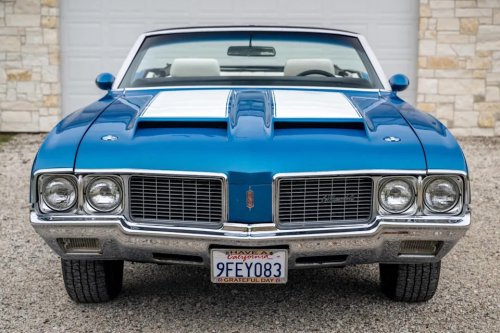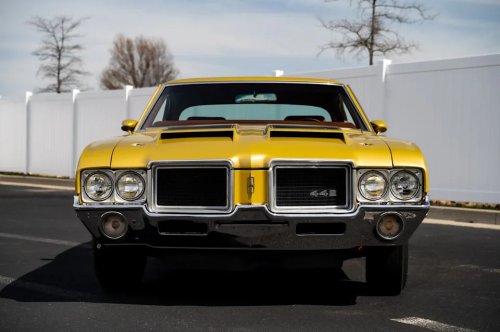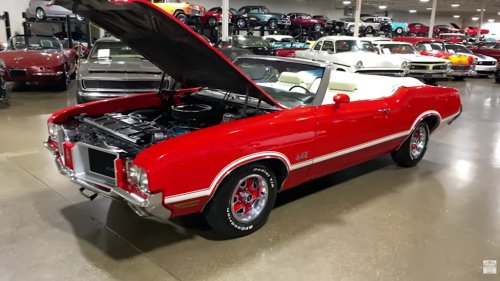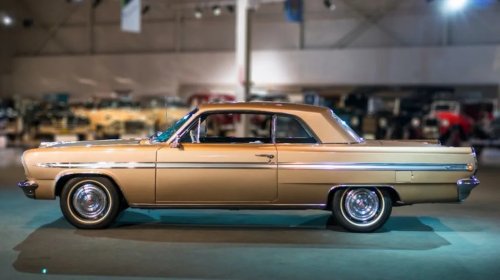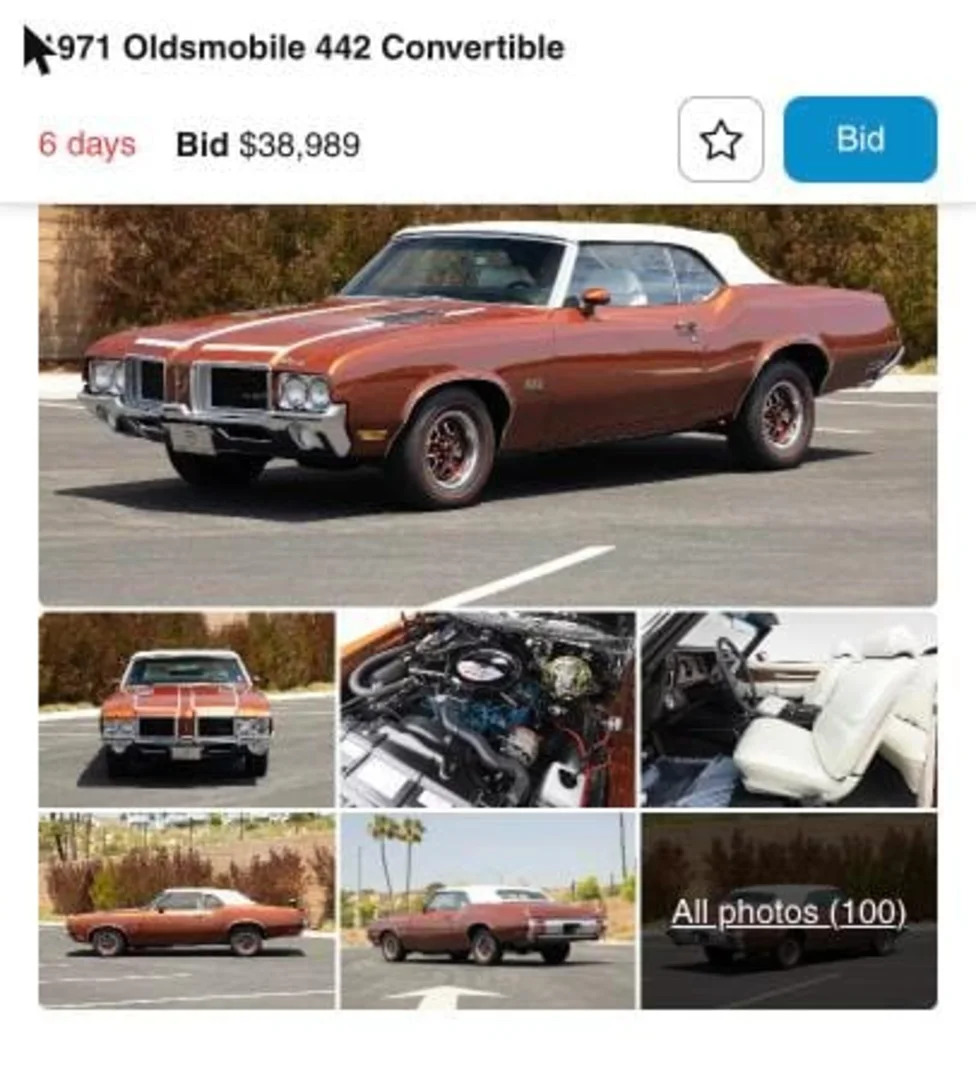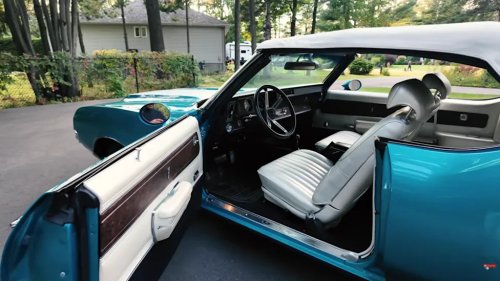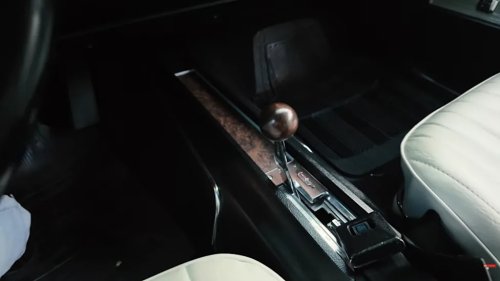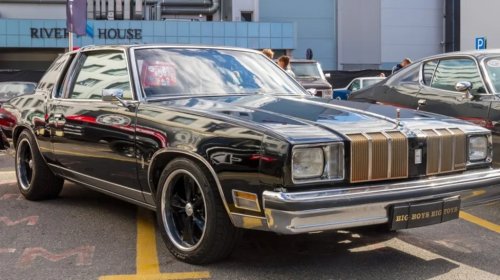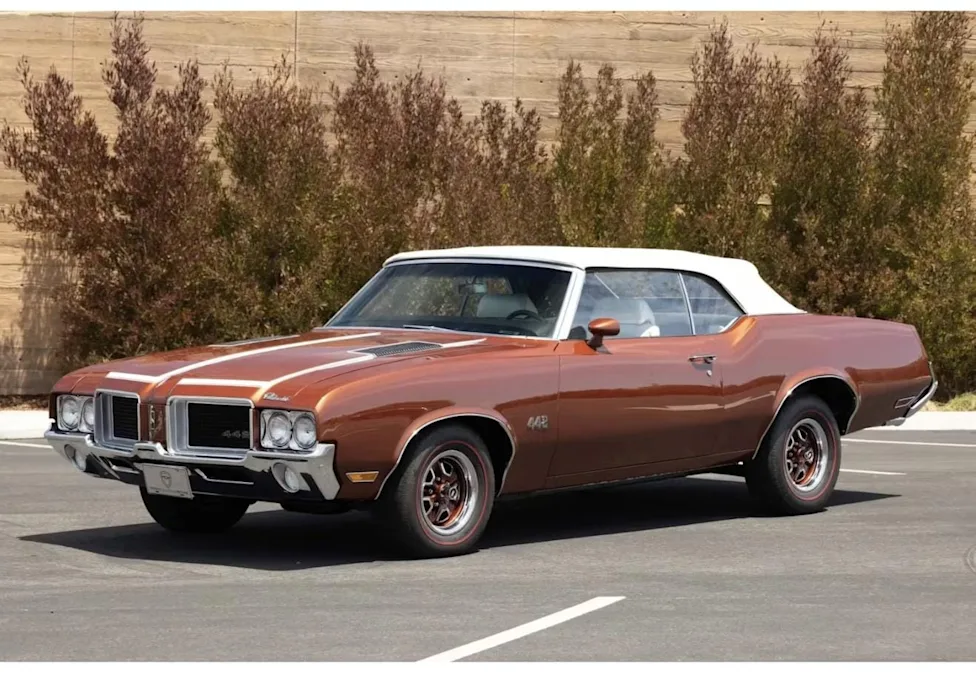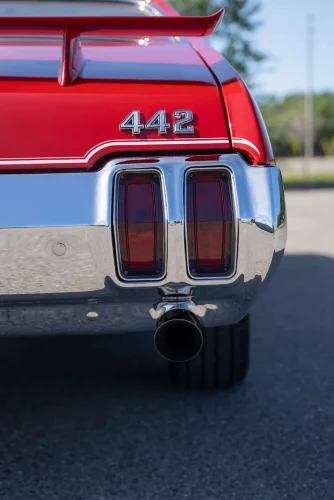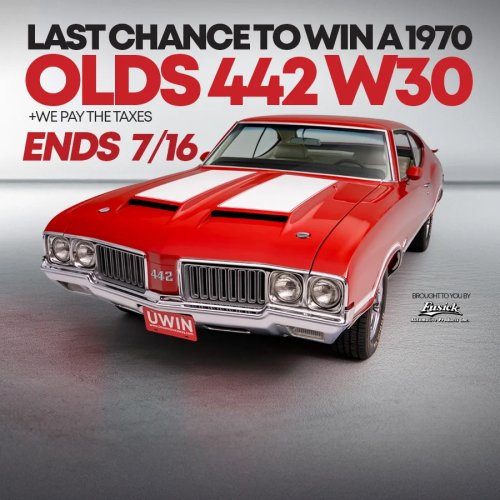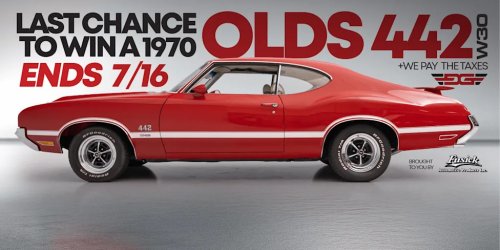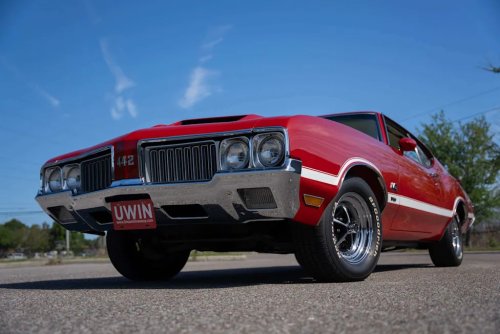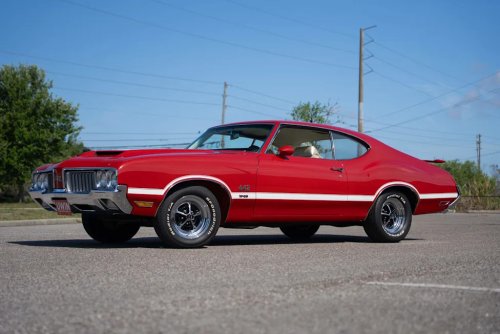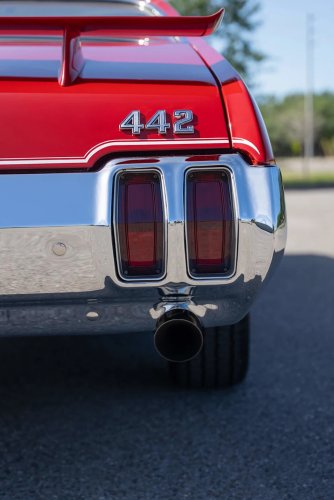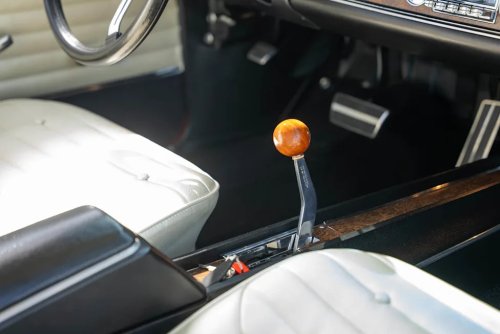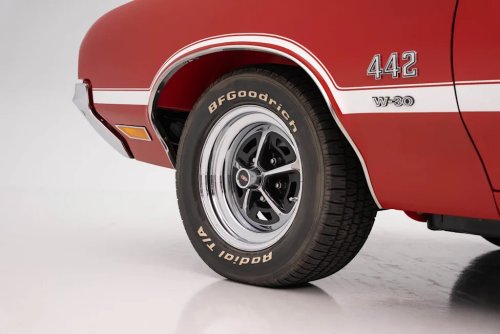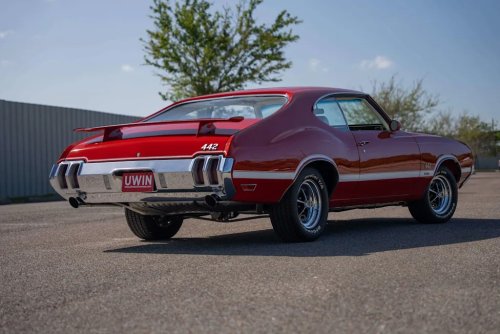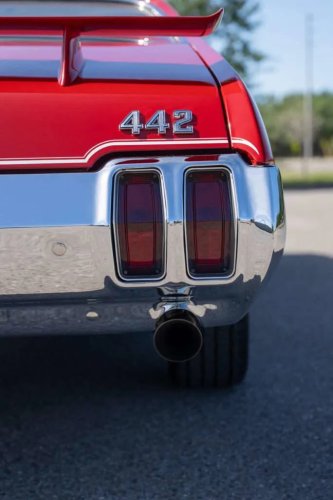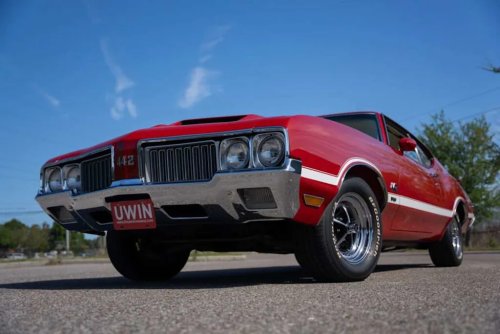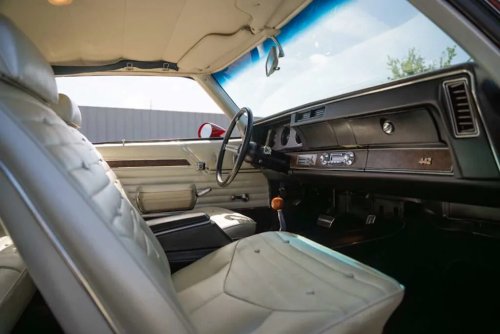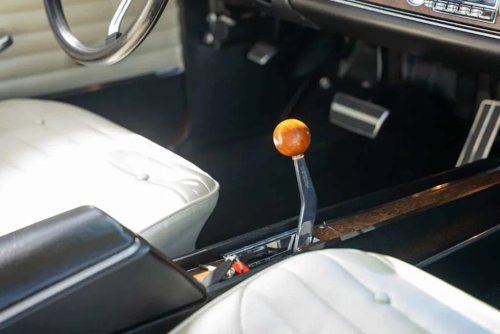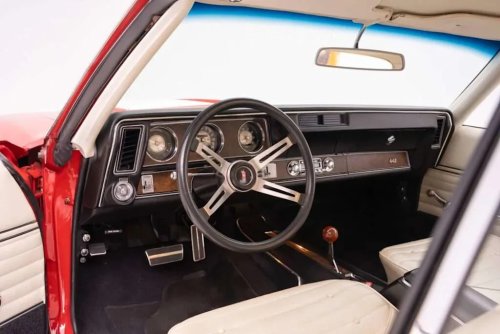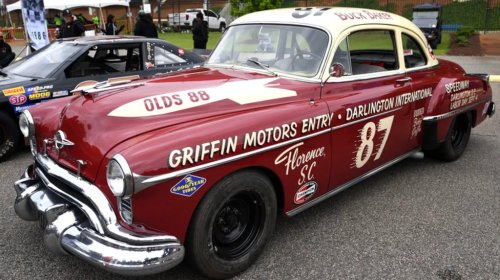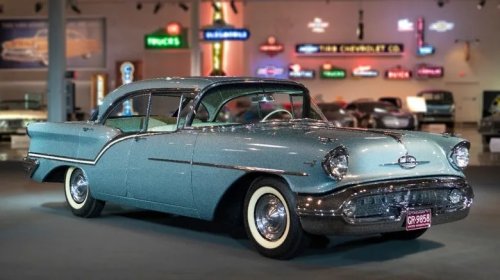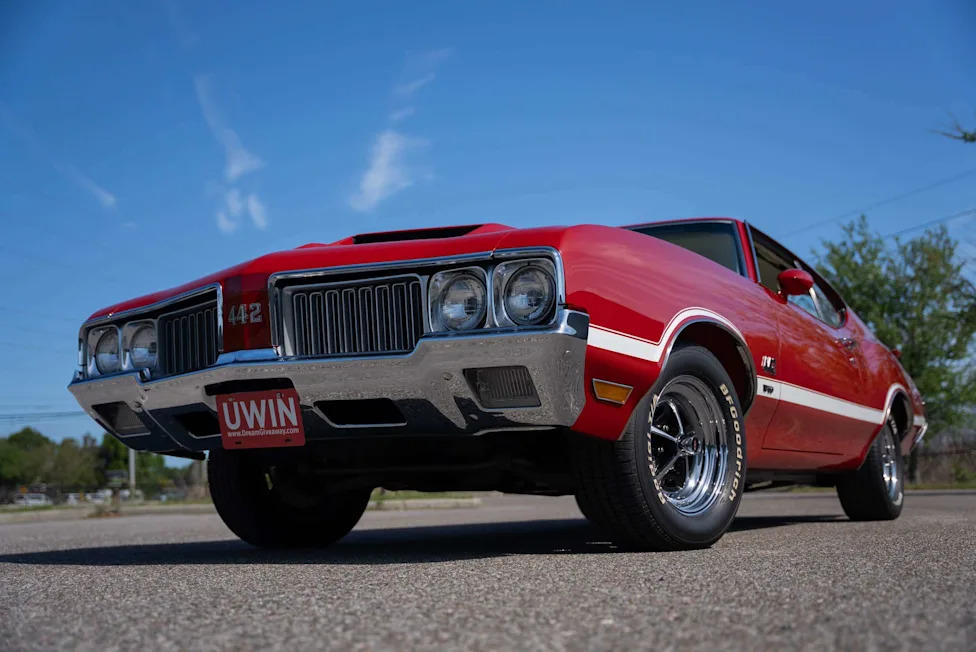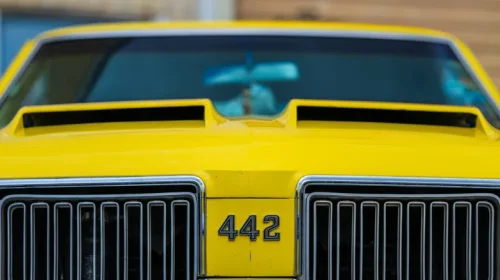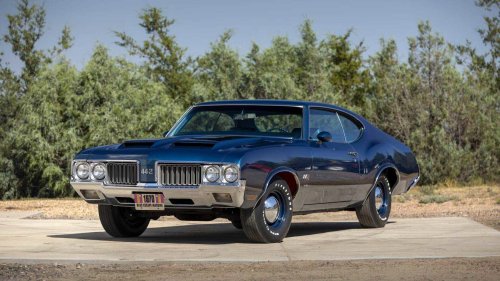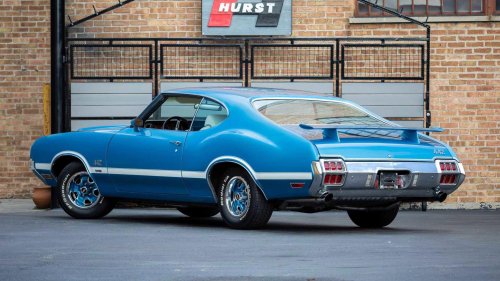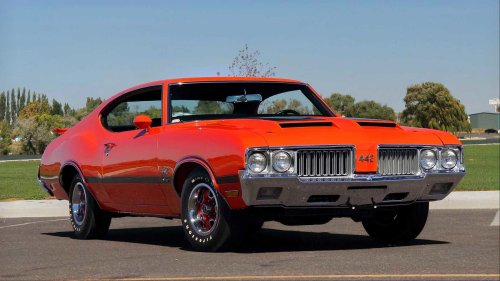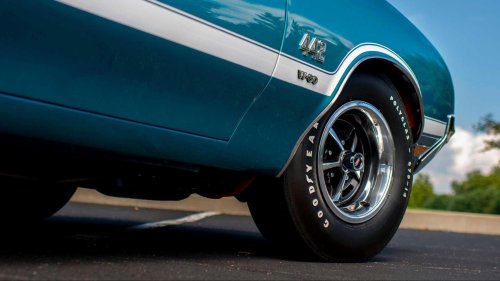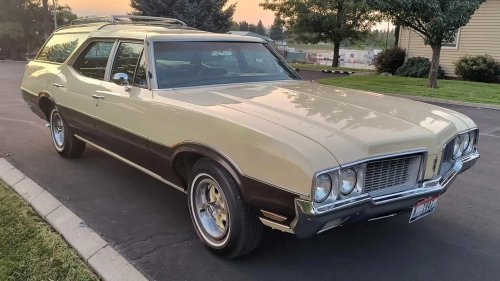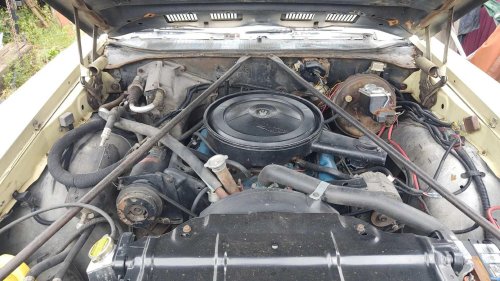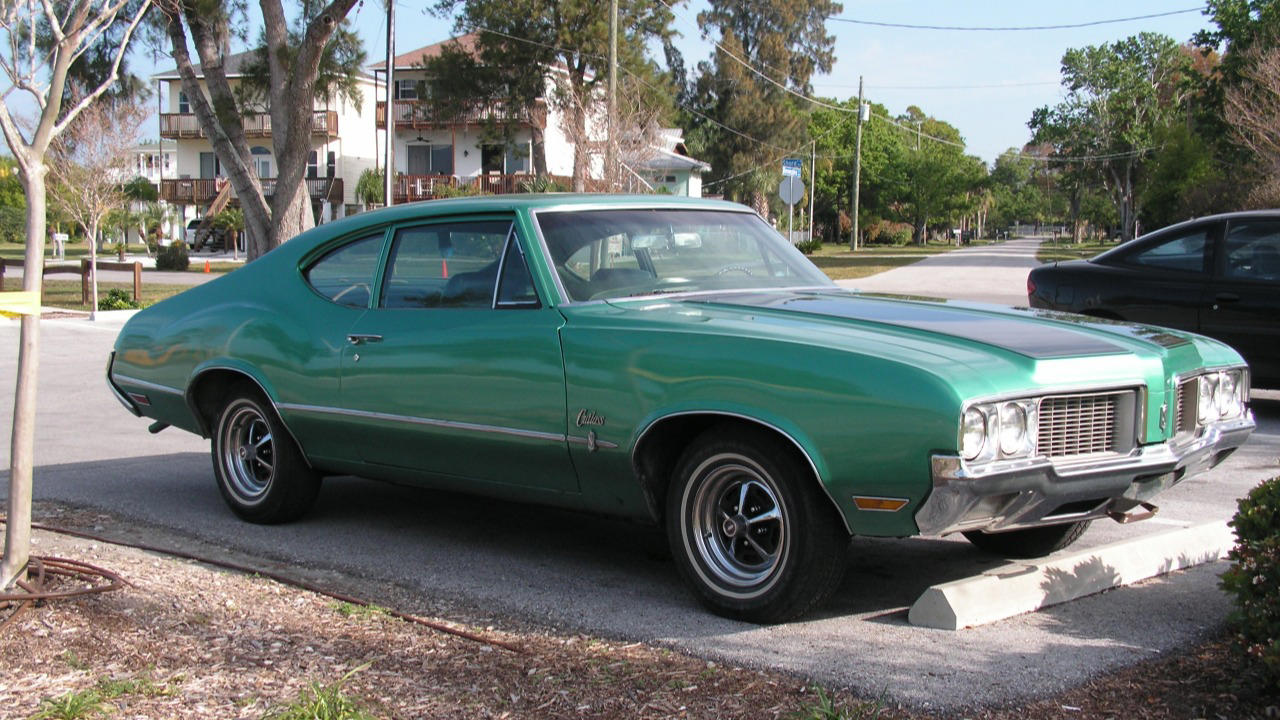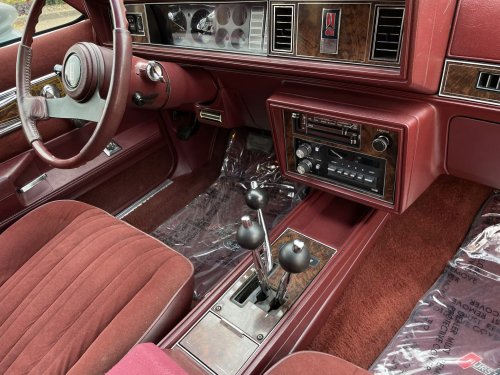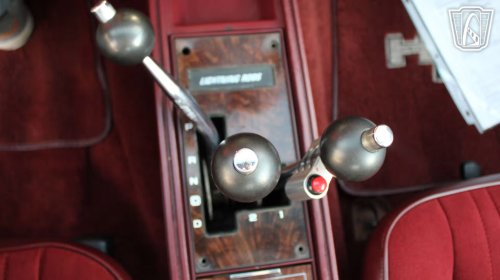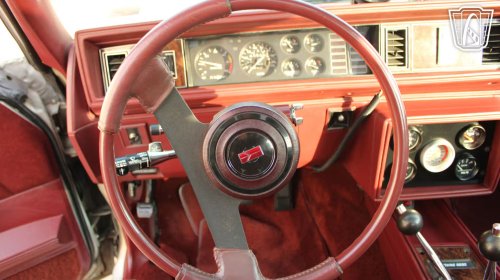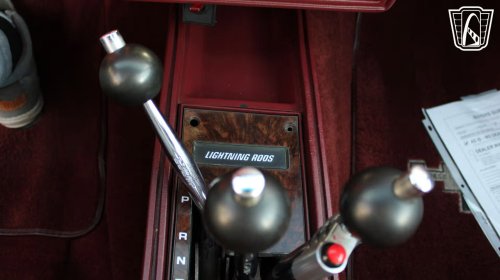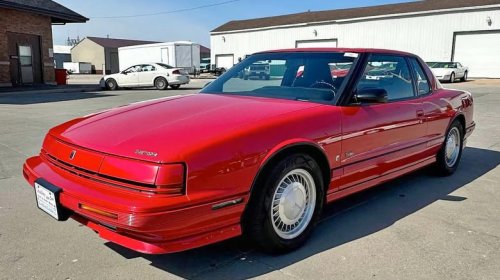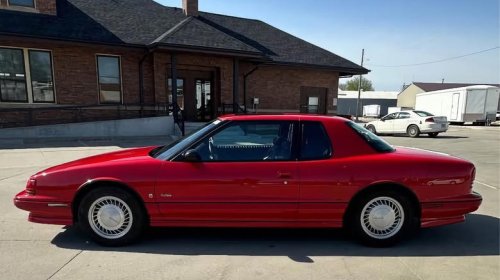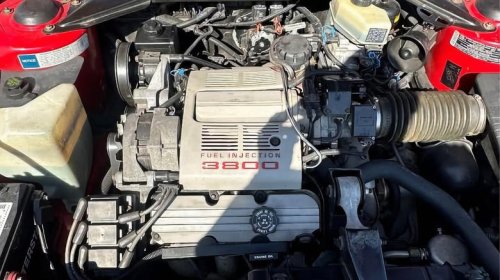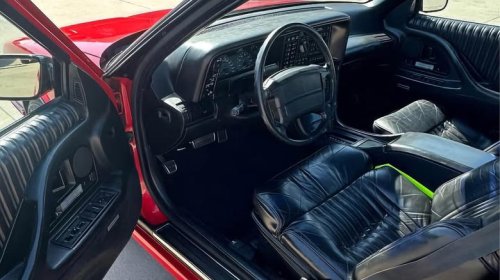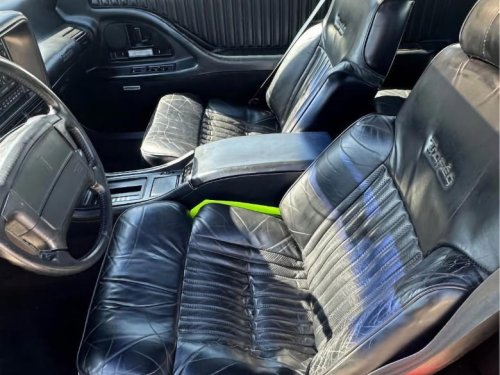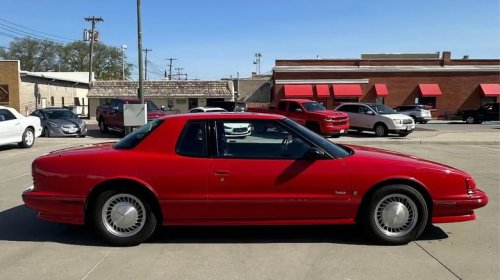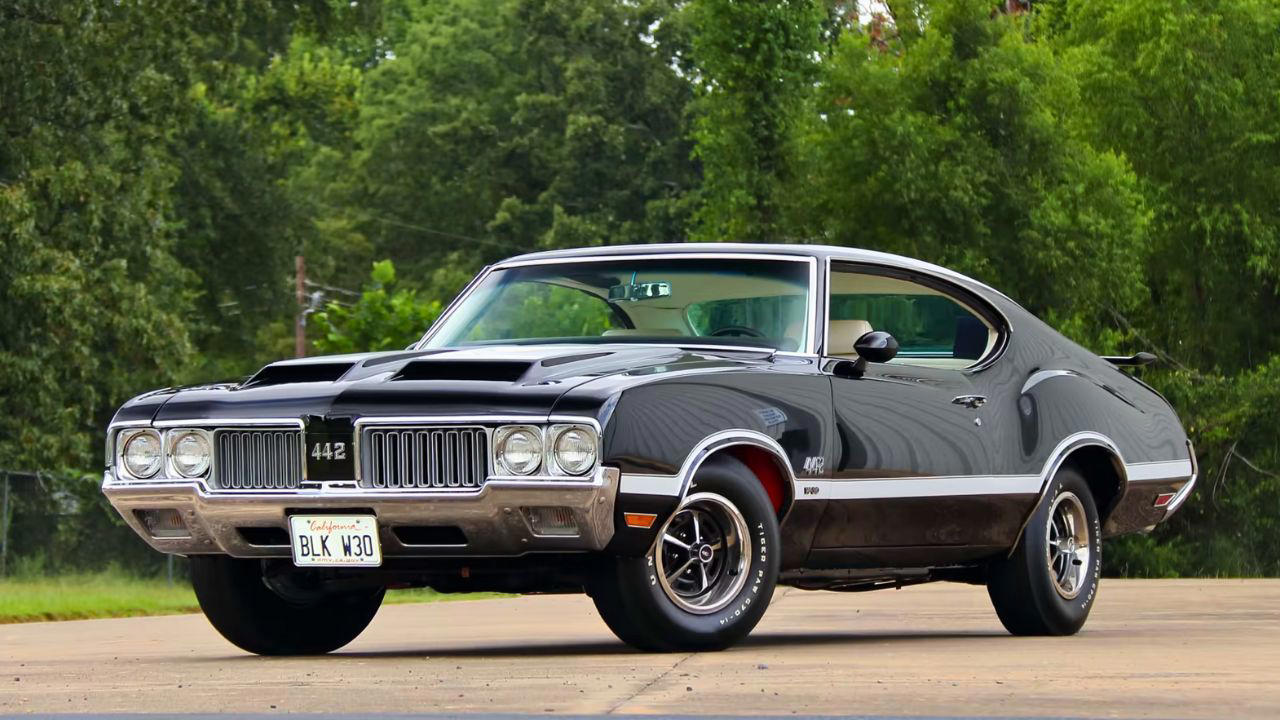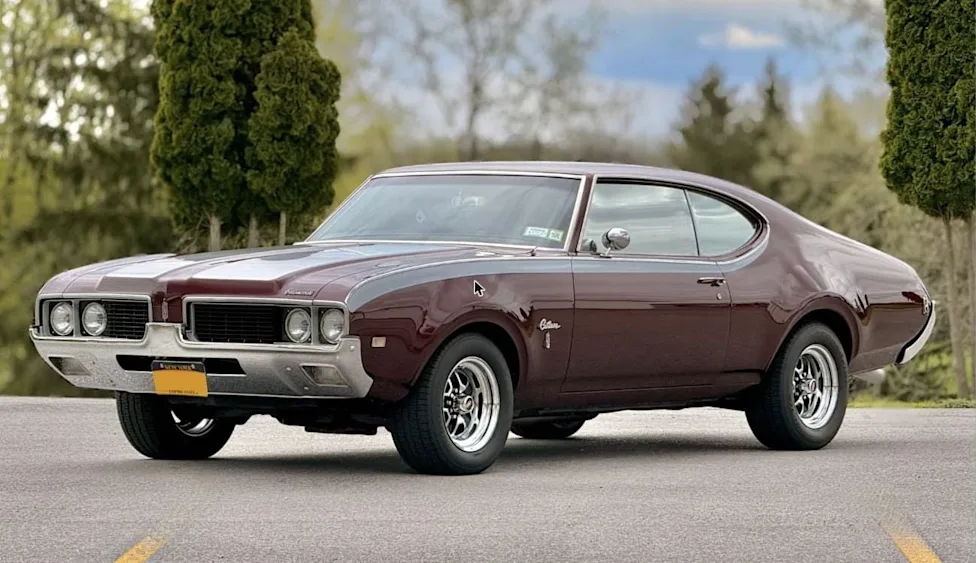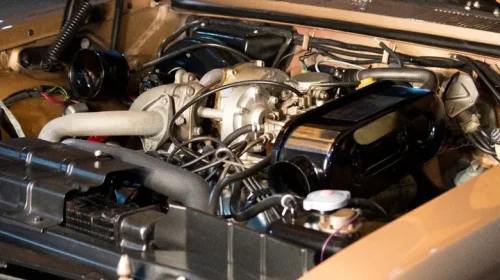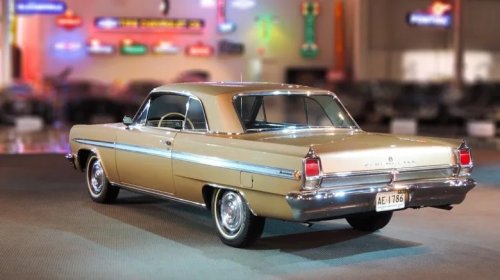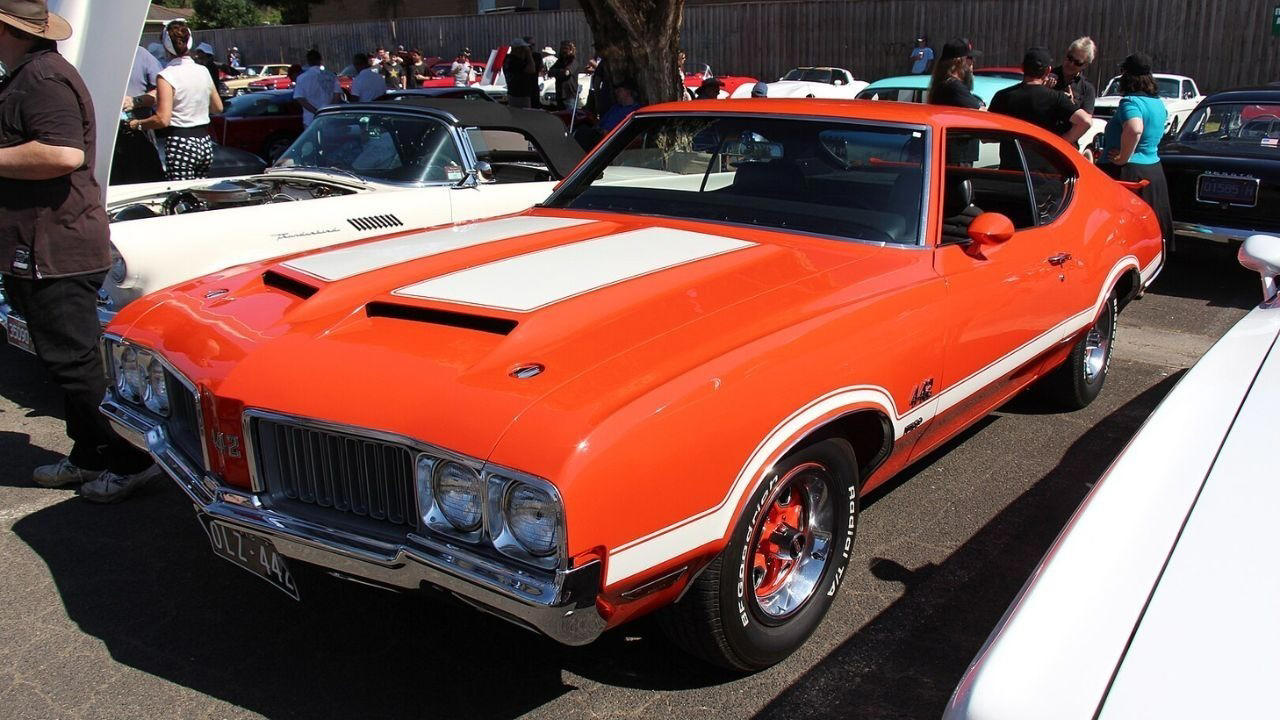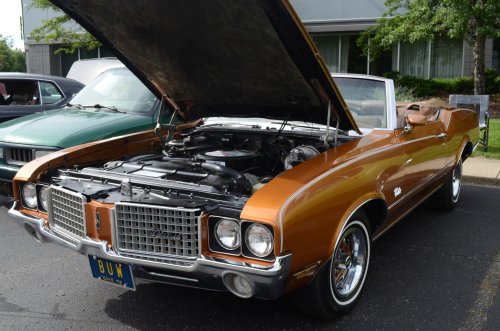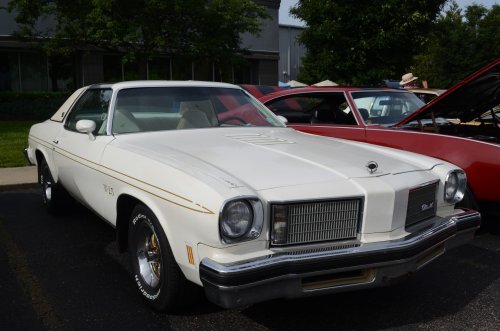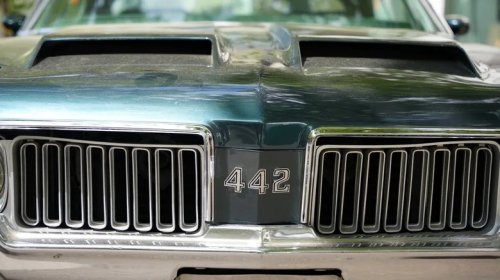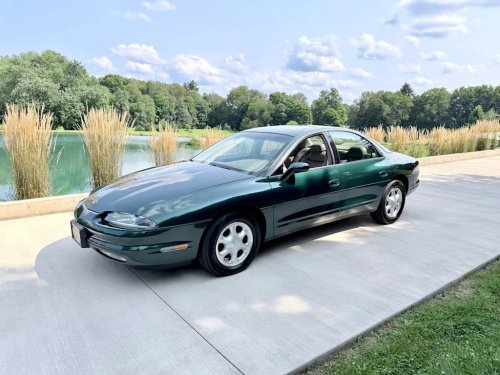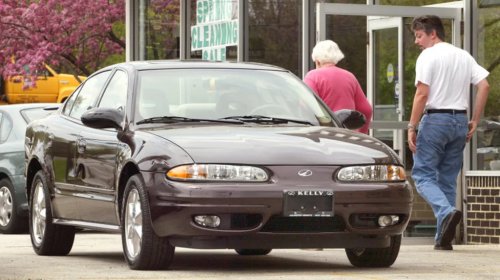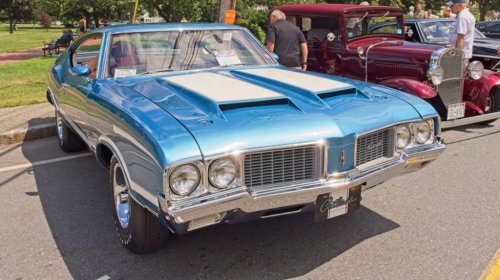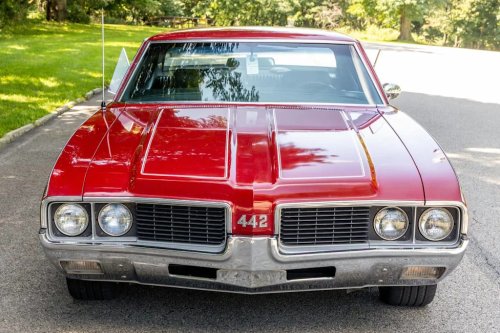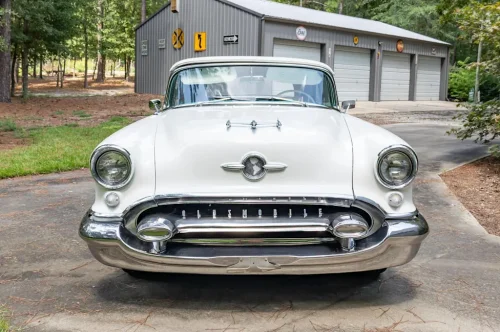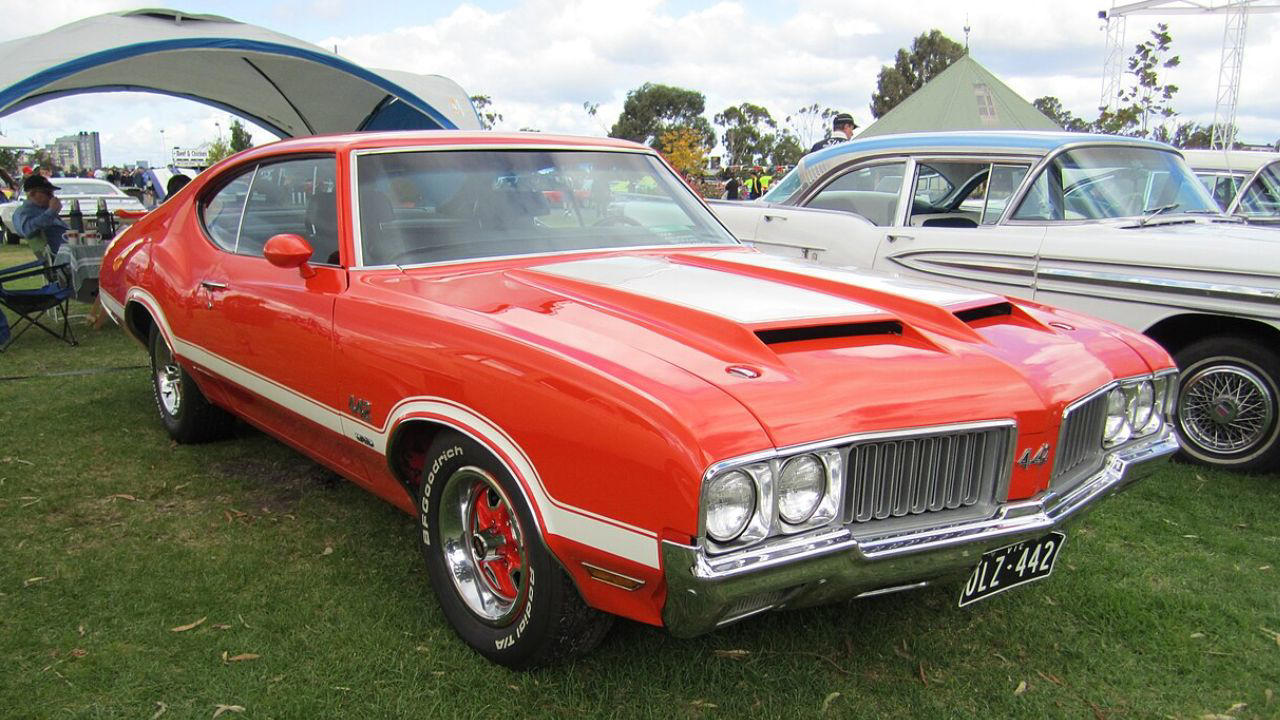

















Oldsmobile turned numbers into identity with the 442 and it stuckOldsmobile did something deceptively simple in the 1960s. It turned a string of digits into a promise, then into an identity. The 4-4-2 badge began as a literal spec sheet in code, but over time it became shorthand for a particular kind of American performance car, one that outlived the muscle era that created it. Those three numbers shifted meaning several times, yet the emblem stayed glued to Oldsmobile’s most desirable machines. The way that happened says as much about marketing and memory as it does about carburetors and cubic inches. The birth of 4-4-2 as a spec sheet in code The Oldsmobile 4-4-2 arrived in the mid 1960s as a performance package for the Cutlass, part of General Motors’ response to the growing appetite for midsize muscle. According to period descriptions, the designation originally described three specific features on the first cars: a four barrel carburetor, a four speed manual transmission, and dual exhausts. That mechanical recipe, spelled out in digits, is echoed in period references to a four-barrel carb, four-speed gearbox and twin pipes, a formula that turned the 4-4-2 name into an engineering checklist rather than a poetic model name. Enthusiast explanations from owners and clubs still repeat that original definition, with one widely shared summary stating that in 1964 the 4-4-2 name meant “four-barrel, four-speed, dual exhaust.” In that shorthand, 442 means 4 barrel, 4 speed, dual exhaust, a neat compression of specs into a numeric badge that could be read at a glance in the dealership lot. That clarity was not an accident. Oldsmobile was selling a performance option on a family car, and the digits on the fender signaled that this Cutlass was something different. The numbers functioned like a menu of hardware upgrades, promising a hotter engine, a more involved transmission, and a more vocal exhaust before a shopper ever looked under the hood. Shifting definitions and the 400-cubic-inch era The trouble, at least for purists, is that Oldsmobile did not leave the definition alone. As the muscle car wars escalated, the company enlarged its engines and juggled driveline combinations, yet it kept the familiar badge. One detailed history of the name describes how the meaning of 4-4-2 went through “shifting definitions” as Oldsmobile chased performance and regulations. In that account, the second four in 4-4-2 later came to be linked with a “four-o” designation tied to displacement rather than a four speed transmission. By the late 1960s, the label had already started to detach from a strict three-part formula. A detailed club writeup notes that at one stage the name signified a 400 cid engine, a four barrel carb, and dual exhausts, with the 400 figure replacing the original transmission reference in the code. In that telling, the badge became a compact way to advertise the 400 cubic inch V8 sitting in the engine bay, while still nodding to the four barrel and dual pipes that defined the first cars. Other enthusiast histories echo that progression. One overview of the car’s evolution explains that the “4-4-2” name derives from the original car’s four-barrel carburetor, four-speed manual transmission, and dual exhausts, but also acknowledges that the meaning changed as Oldsmobile revised the package. That duality, a fixed badge with a moving definition, is part of what makes the 4-4-2 story so unusual among muscle car nameplates. Even as the definition moved from transmission to displacement, the spirit of the code remained the same. The numbers still told buyers that this Oldsmobile carried the hottest engine and the most performance focused hardware available on the midsize platform. From option code to standalone identity What began as a package for the Cutlass soon became a model in its own right. Coverage of the era notes that in 1968 the Oldsmobile 442 became its own model, no longer just a box on the order sheet. That shift from option to standalone car is a key moment in the way the digits turned into identity. The numbers were no longer a suffix that modified “Cutlass,” they were the name. By then, Oldsmobile had discovered that the badge carried real weight with younger buyers. One historical overview of the line points out that marketing was much more youthful and organized in this period, and that sales of the 442 rose steadily through the sixties and early seventies. In other words, the company leaned into the numbers as a brand within a brand, wrapping them in advertising that promised speed, style, and a certain rebellious polish. Performance backed up the image. A widely shared breakdown of the second generation cars describes the Oldsmobile Cutlass 442 as a model that is often regarded as the pinnacle of the brand’s performance cars. That same account cites figures of around 365 hp and about 500 lb-ft of torque for strong versions, with a W-30 high performance variant rated at 370 hp. Those numbers, 365, 500, 370, gave the badge real substance at a time when horsepower was a central part of the sales pitch. Special editions added more mystique. Reports on the collaboration between Oldsmobile and Hurst Performance highlight the Hurst/Olds 442, noting that the 1968 version could run 0 to 60-mph in just 5 seconds according to period testing. That kind of acceleration turned the digits into something enthusiasts could feel from the driver’s seat, not just read on a brochure. By the early 1970s, the 442 name had become one of the most recognizable performance badges in the showroom. A museum history describes the Oldsmobile 442 as one of the most iconic muscle cars of the 1960s and 1970s, a car that balanced performance and everyday usability in a way that resonated with buyers. In that telling, the Oldsmobile 442 is presented as a high point of the brand’s performance era, a role that explains why the badge endured even as the mechanical formula shifted. Regulations, reinvention and the meaning of 442 The muscle car boom did not last. Insurance costs, emissions rules and fuel crises all hit performance models hard in the 1970s. Oldsmobile responded by softening the hardware, yet the 442 name survived. A social media history of the designation notes that the 442 name came to be a sign of performance in the 1960s and that, over time, it no longer described any specific mechanical options. Rather than any specific mechanical options, the 442 name had come to signal a performance oriented Oldsmobile in general, even if the underlying specs no longer matched the original formula. That shift from literal code to symbolic label is clear in later explanations of the name. One detailed breakdown of its “convoluted history” explains that 442 stood for “four-barrel carb” in its early form, but that later cars wore the badge with different combinations of engines, transmissions and exhaust layouts. That same account notes that in 1990 Oldsmobile gave the 442 name one last hurrah on the Oldsmobile Cutlass Calais Quad442, a compact front wheel drive car that shared almost nothing mechanical with the 1960s originals apart from its performance intent. Other retrospectives on the brand’s history point out that the original muscle car era branding would eventually be applied to cars with a different mechanical recipe again. One widely shared summary explains that the badge later appeared on models with a 400-cubic-inch V8 that did not necessarily adhere to the old four speed manual and dual exhaust rulebook. In this reading, the digits became a flexible emblem that Oldsmobile could attach to whichever car it wanted to position as the performance choice at a given moment. Owners and clubs tracked these changes closely. A spotlight feature from a dedicated Oldsmobile group walks through the 442 evolution and confirms that by the early 1980s the package codes and suspension upgrades, such as the FE2 and FE3 setups, mattered as much as the original carburetor and transmission references. That same piece shows how the 442 label survived into the 1981 to 1987 period, with the W41 suspension package included on certain cars, even as the engines and emissions systems looked very different from the 1960s heyday. Why the digits stuck when the hardware changed By the time Oldsmobile applied the badge to the Oldsmobile Cutlass Calais Quad442, the name had traveled a long way from its first four barrel, four speed, dual exhaust recipe. Yet the persistence of those numbers raises a simple question. Why did they stick, even when the literal meaning no longer applied? Part of the answer lies in how car buyers process information. The original 4-4-2 formula was easy to remember and easy to explain. It encoded performance in a way that felt technical but accessible. Once that association took hold, Oldsmobile could rely on the memory of the 1960s cars to give later 442s instant credibility, even if the new models were smaller, cleaner and more regulated. Another part of the answer is emotional. The 442 badge was attached to some of Oldsmobile’s most charismatic products. The big block cars of the late 1960s, with their 400 cid engines and optional W-30 packages, offered serious performance. The Hurst/Olds collaborations added a layer of drag strip theater. When drivers remembered those cars, they remembered the badge that sat on the fender, not the exact carburetor size or transmission code. That emotional residue meant the numbers could survive even as the company reinterpreted them. A compact front drive Quad442 shared little with a late 1960s 400-cubic-inch coupe, yet both carried the same three digits. For loyalists, the badge was a promise that Oldsmobile still cared about performance at a time when the brand’s broader lineup was tilting toward comfort and efficiency. The 442 story also fits a wider pattern in automotive branding. Other manufacturers turned alphanumeric codes into icons, from BMW’s M3 to Nissan’s 240Z, but Oldsmobile did something more literal at the start. It used the numbers as a direct description of hardware, then watched as that description evolved into something more symbolic. The shift from a precise formula to a flexible identity mirrors the way car culture itself moved from obsessing over specific mechanical combinations to celebrating badges and lineages. How enthusiasts keep the code alive Oldsmobile as a brand is gone from new car showrooms, but the 442 identity remains active in clubs, auctions and online communities. Detailed histories on enthusiast sites, such as the overview hosted through an image link to the Oldsmobile 442 page, catalog the changing definitions of the badge and document the various model years and options that wore it. Those writeups serve as both technical references and cultural memory, preserving the story of how a spec code became a legend. Collector focused outlets also play a role in maintaining that identity. A feature from a sales and history site, accessible through a blog link about the Oldsmobile 442, frames the car as a desirable classic and highlights how its performance credentials and limited production variants make it a standout in the muscle car market. Auction descriptions routinely emphasize the presence of the 442 badge, the correctness of the engine and transmission, and the presence of factory options like the W-30 package, all of which reinforce the link between the digits and authentic performance. More from Fast Lane Only Unboxing the WWII Jeep in a Crate 15 rare Chevys collectors are quietly buying 10 underrated V8s still worth hunting down Police notice this before you even roll window down