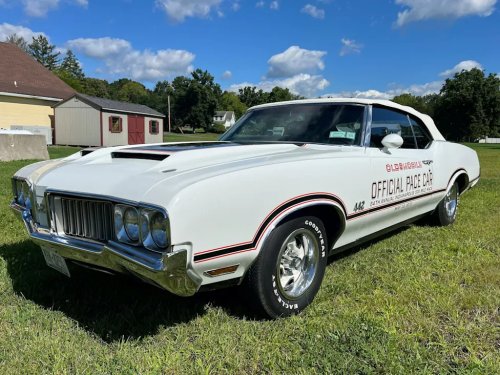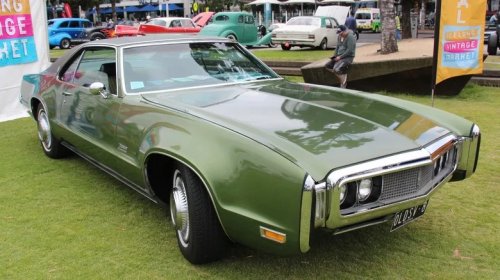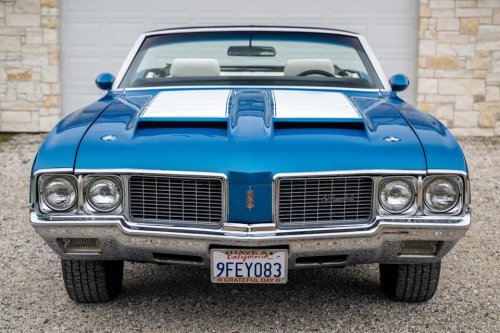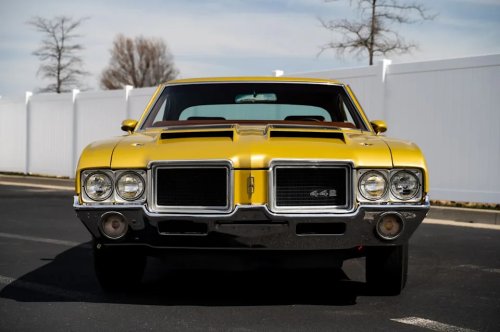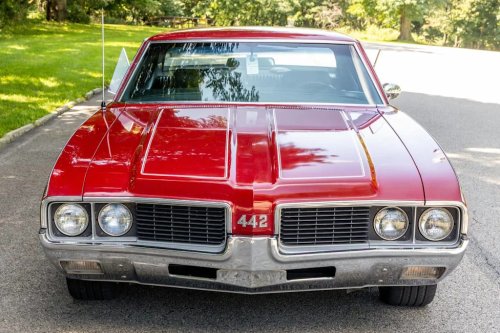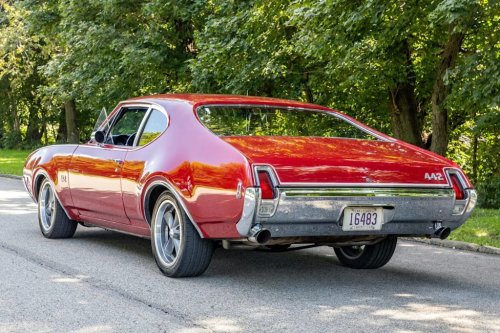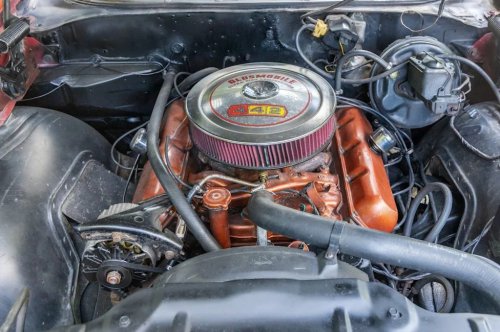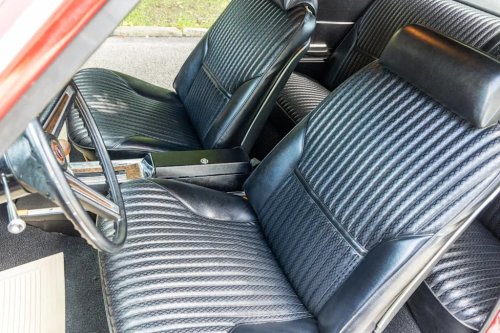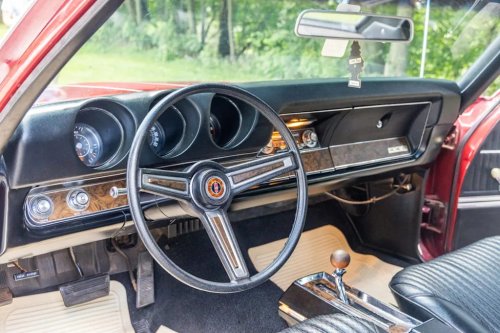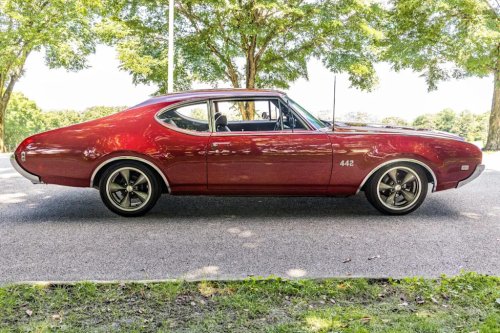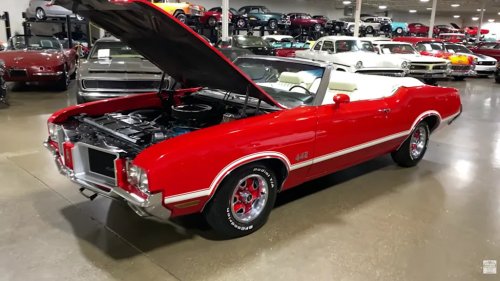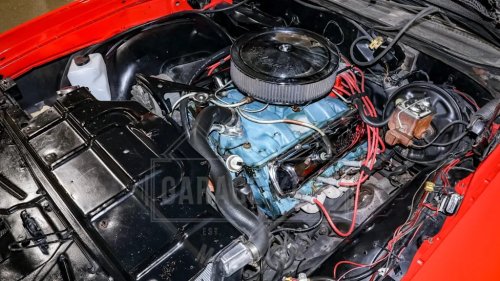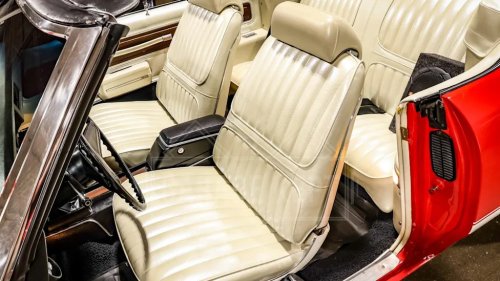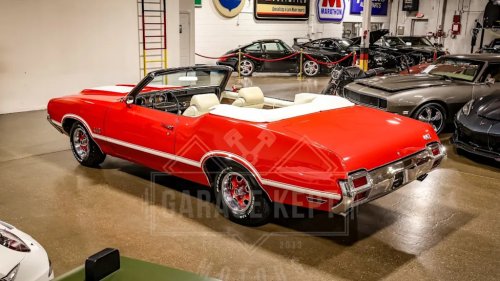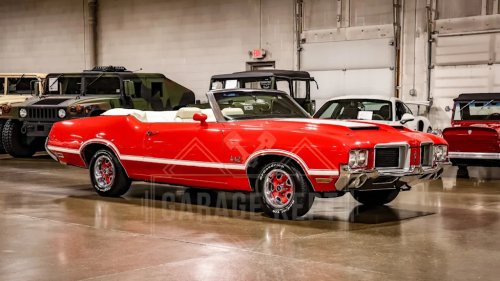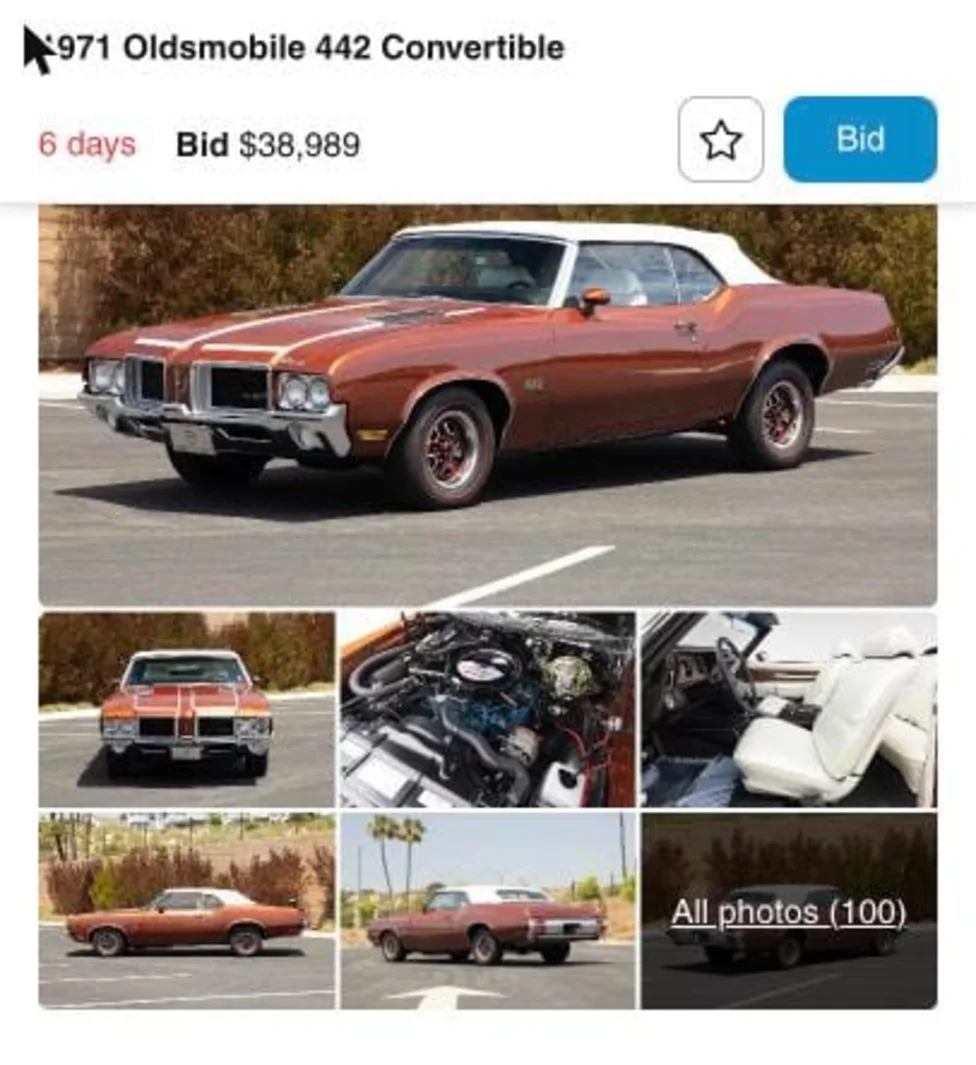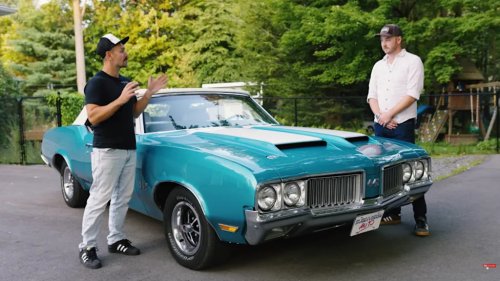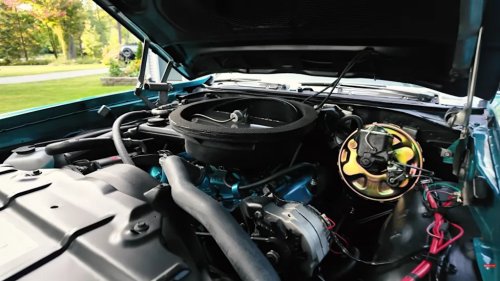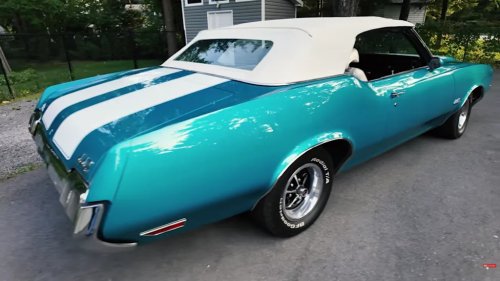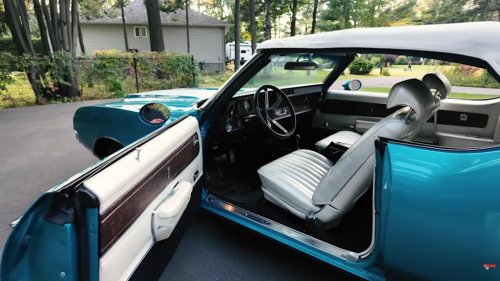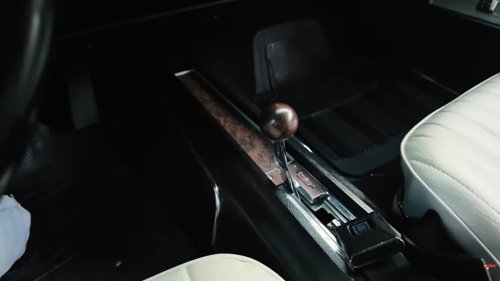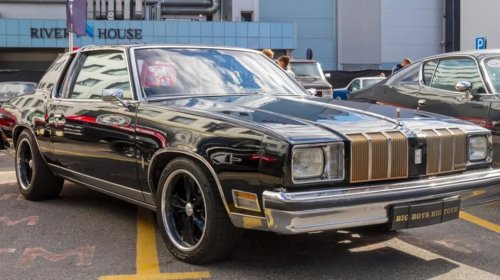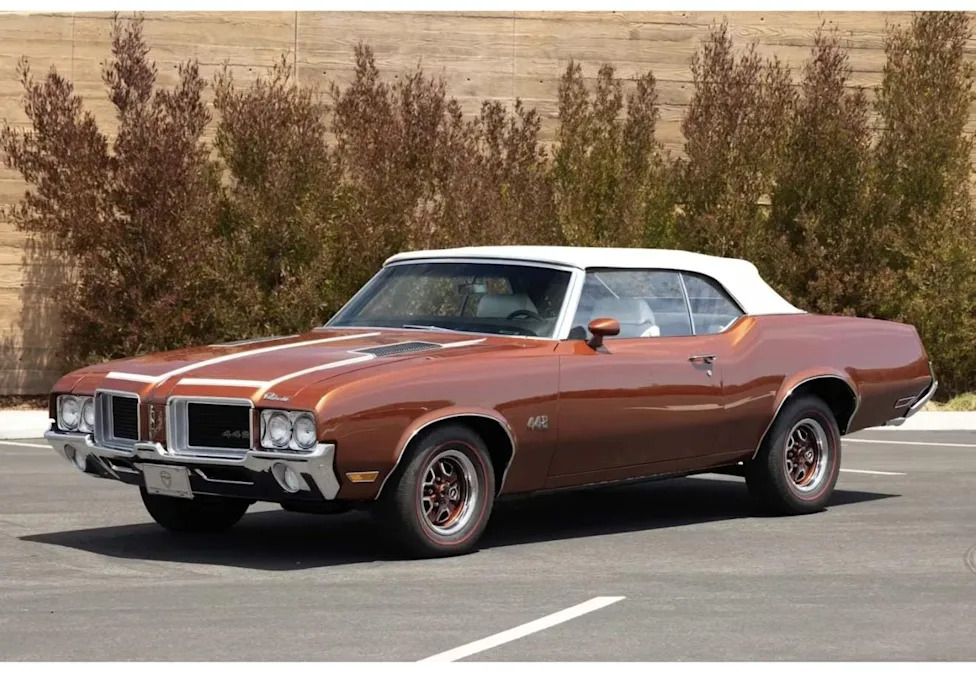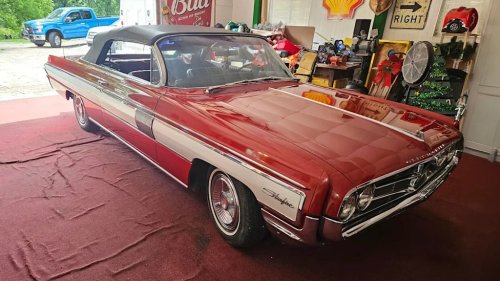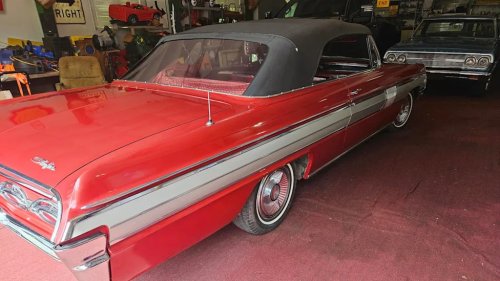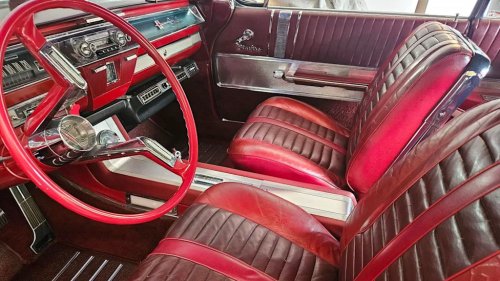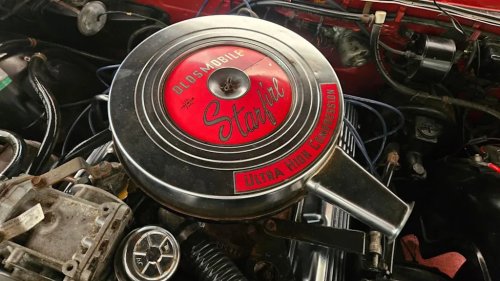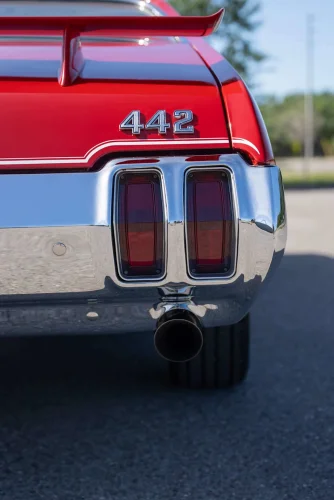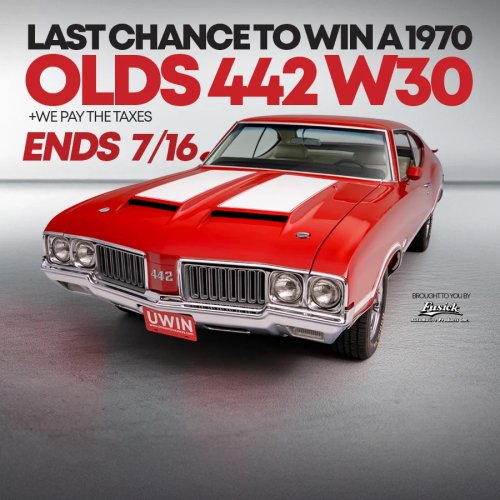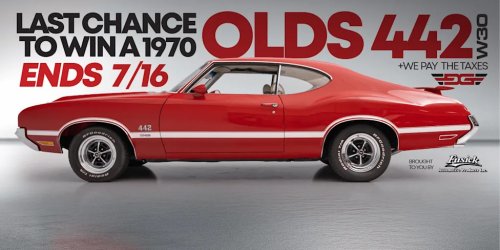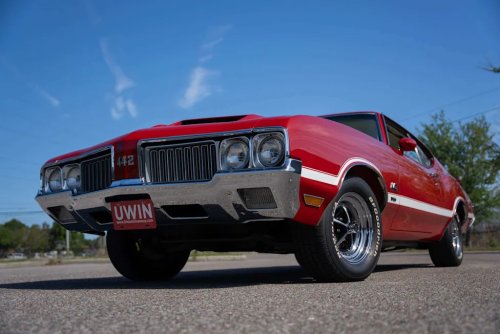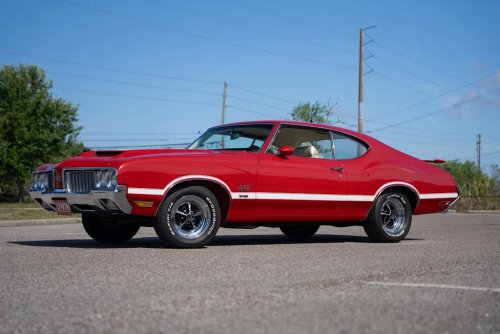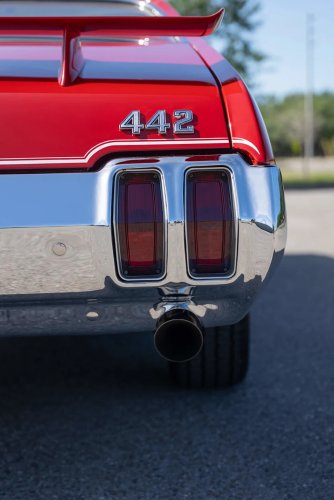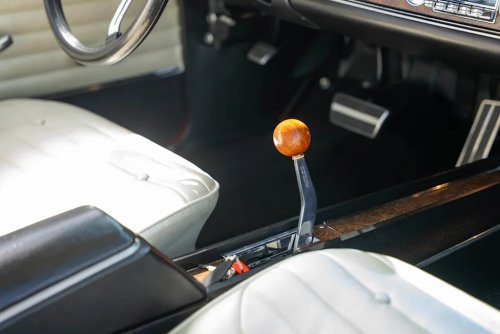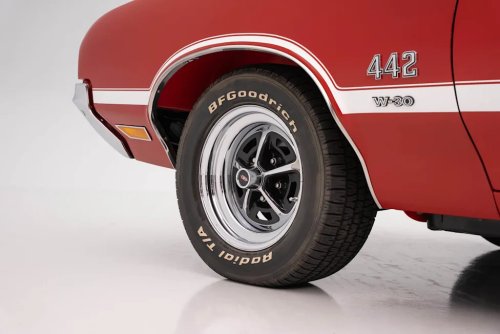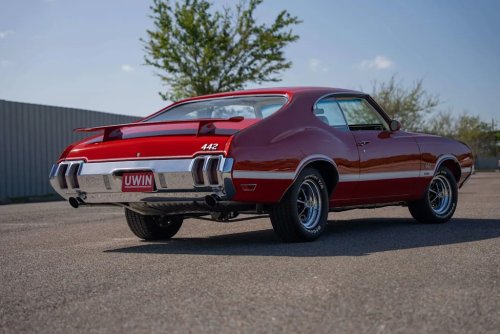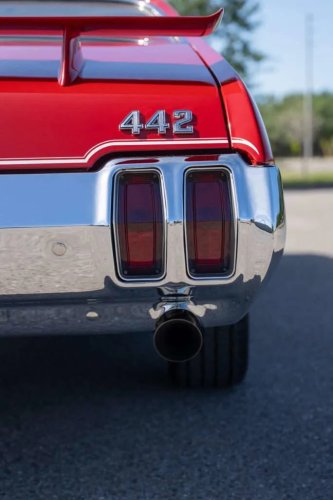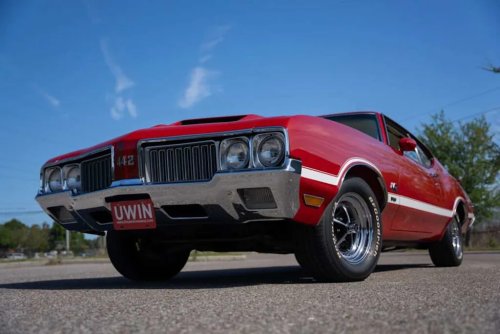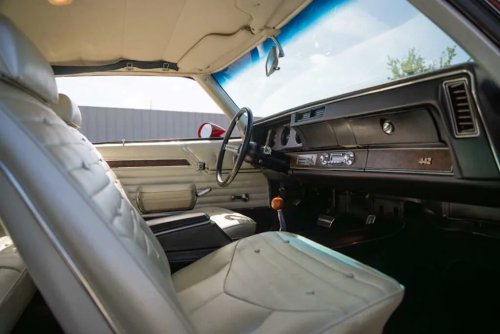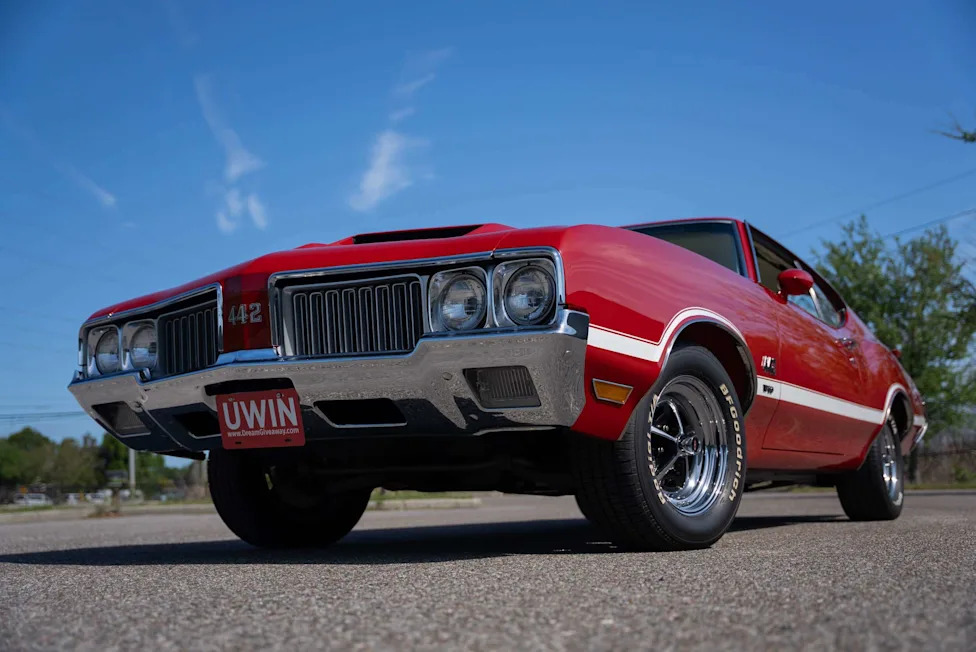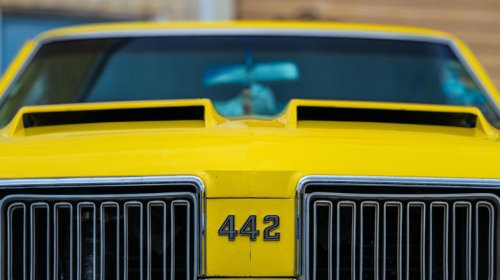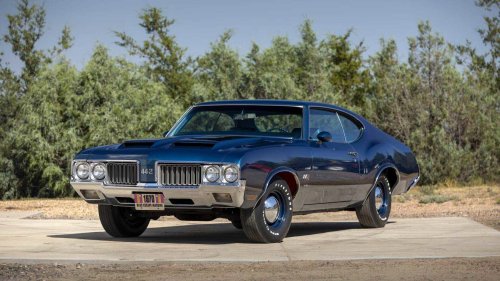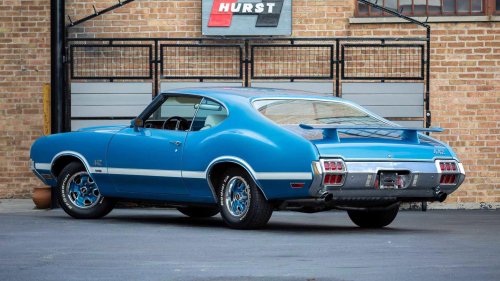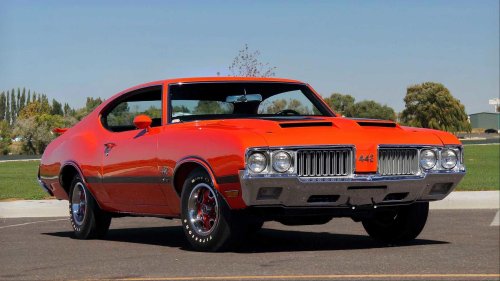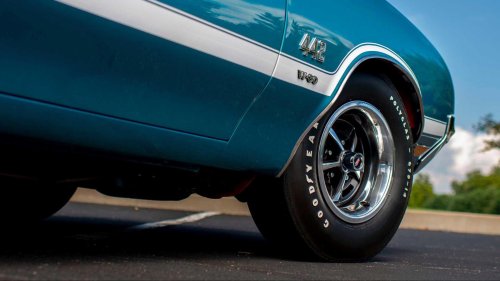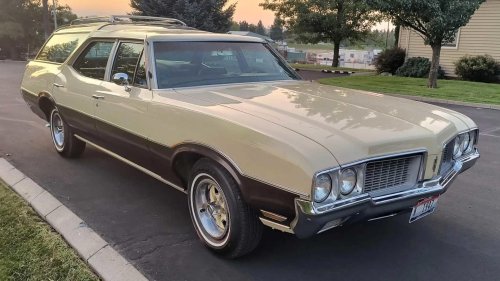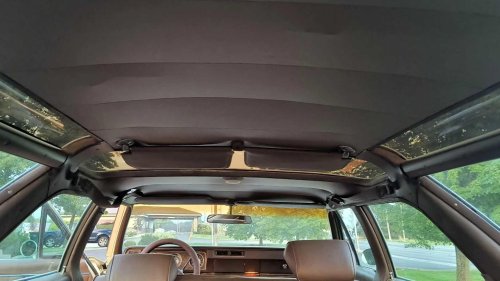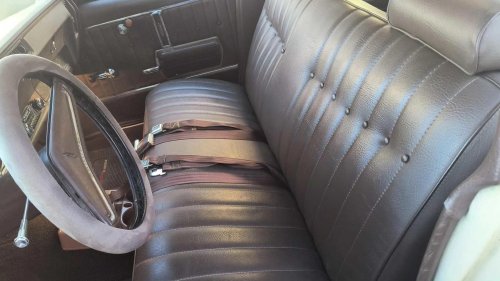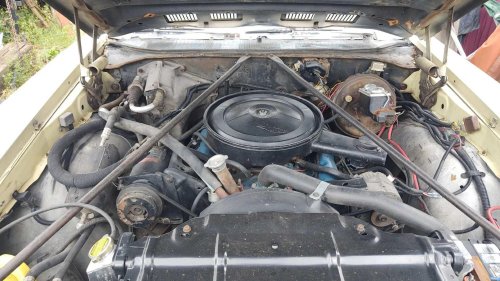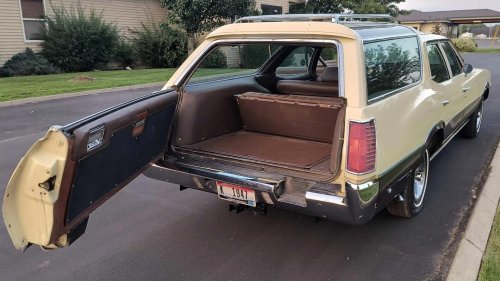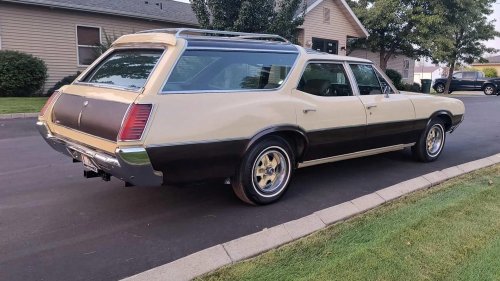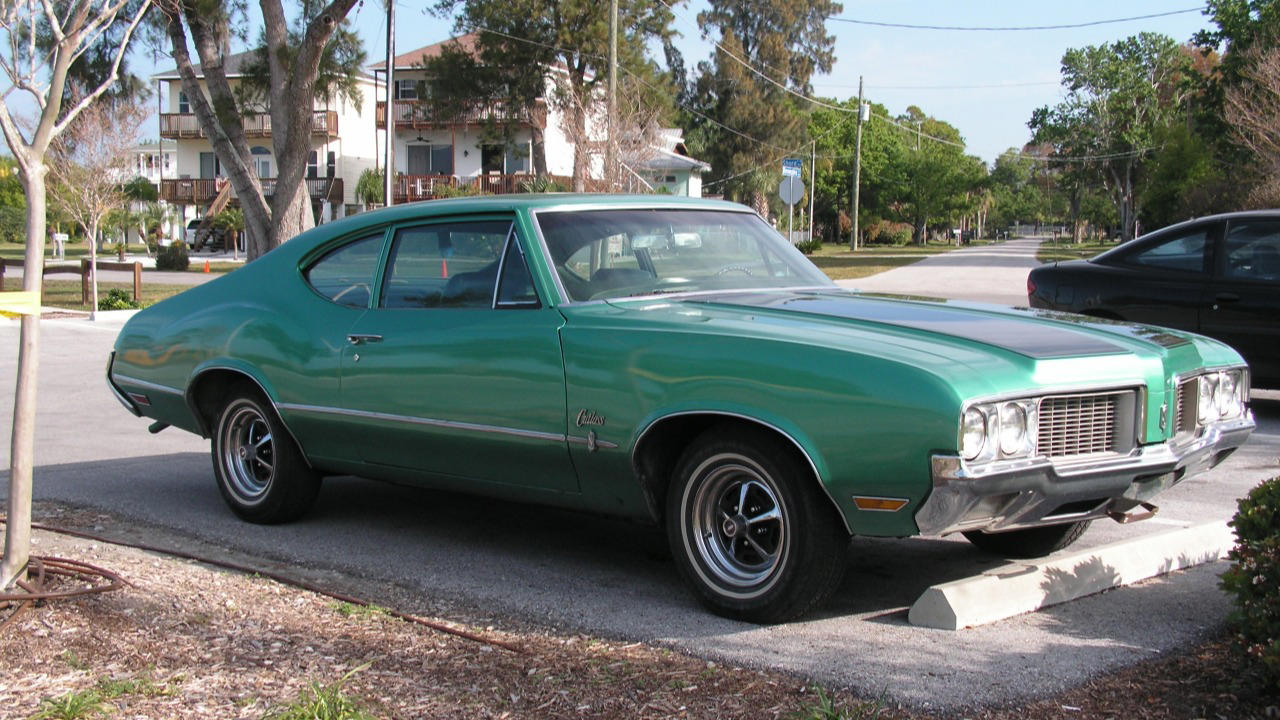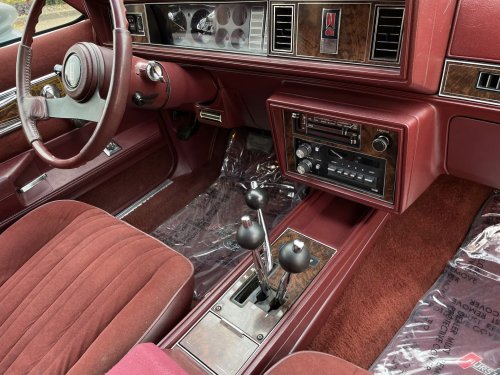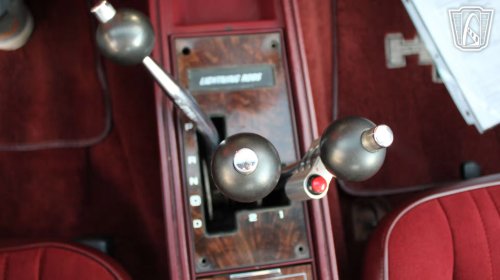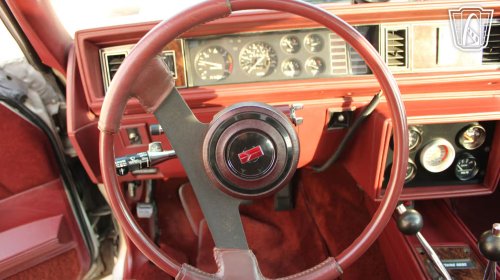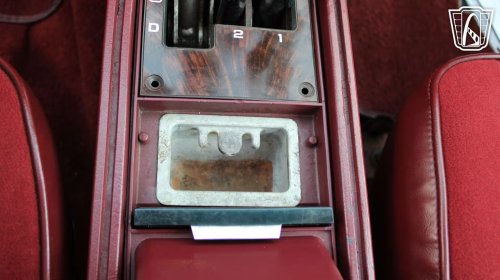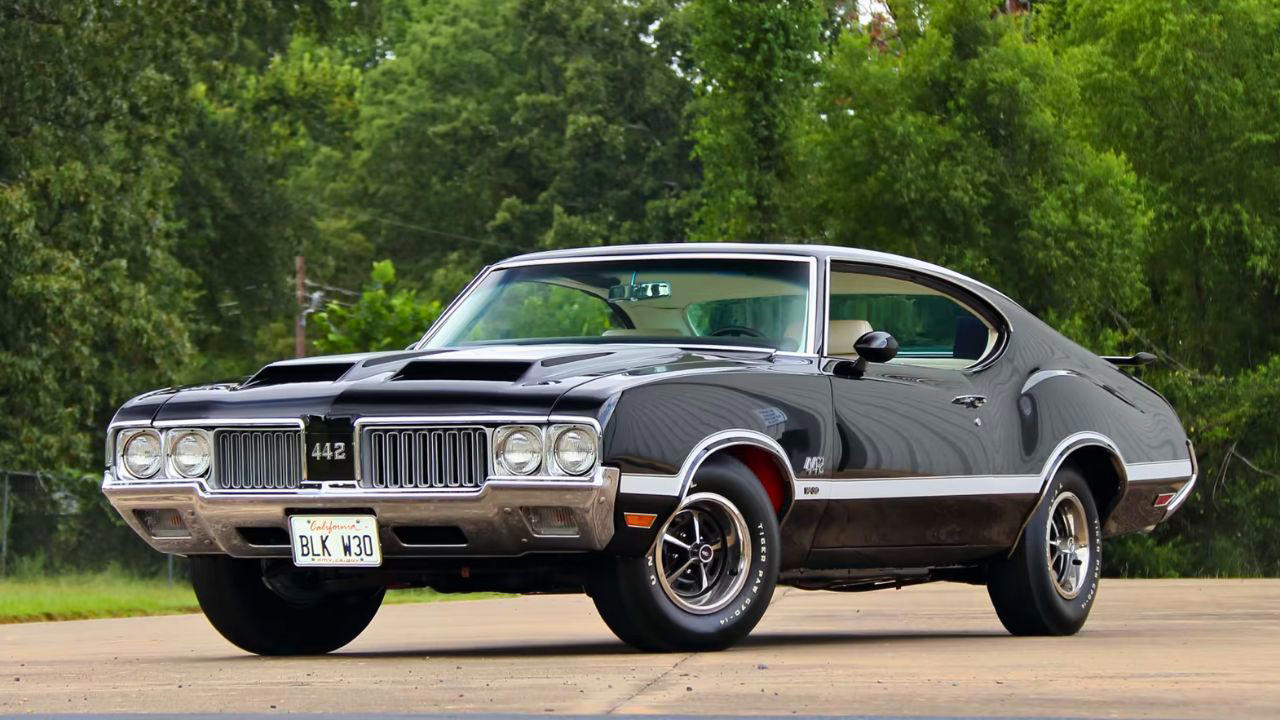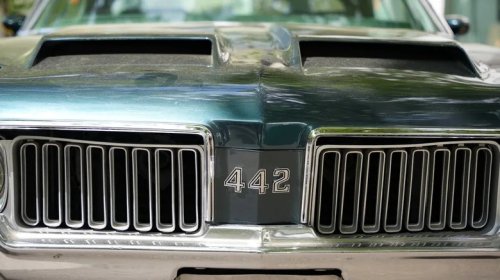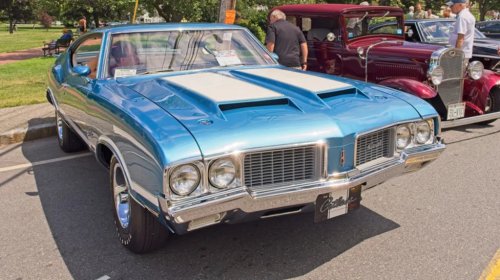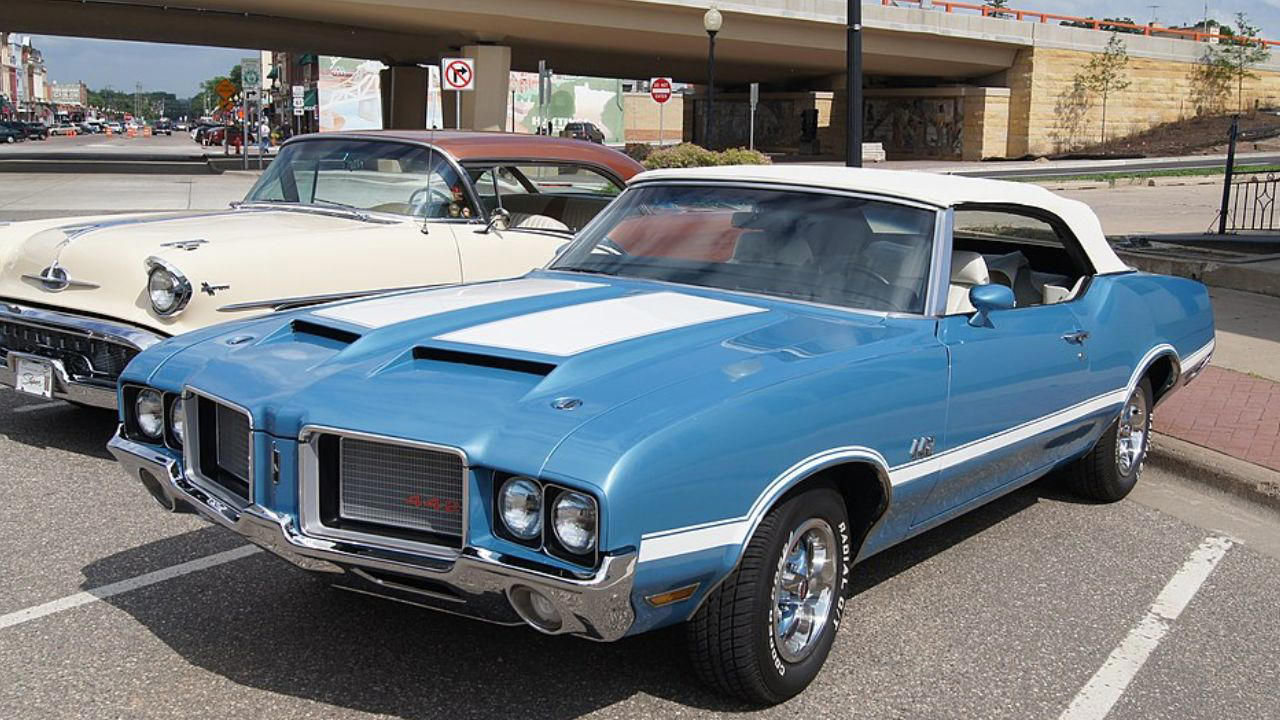

















A 1972 Oldsmobile 442 can still surprise drivers who expect lessThe 1972 Oldsmobile 442 arrived just as Detroit performance was being throttled by insurance companies, emissions rules and rising fuel prices, yet the car still carried enough punch to catch modern drivers off guard. What appears to be a mellow, chrome-heavy cruiser can still surge forward with authority, bark its rear tires and remind anyone in the next lane that Oldsmobile knew how to mix comfort with serious speed. More than fifty years later, this final-year 442 has become a sleeper in plain sight, often overshadowed by earlier, higher-strung models but prized by owners who understand how much performance and character remain under that long hood. The last year of a famous badge By 1972 Oldsmobile was closing the book on the original 442 formula. The model had started as a street fighter, then evolved into a more refined muscle machine, and by its final season it had become the brand’s last full-blooded performance package on the intermediate Cutlass. Collectors often point to the 1972 Oldsmobile 4-4-2 convertible highlighted on AutoHunter as a snapshot of that final chapter, with the Cutlass Supreme body, bright trim and optional performance hardware that defined the era. Specialists who track these cars describe the 1972 4-4-2 as a model that kept much of the attitude from earlier years while shifting toward luxury. A detailed buyer’s guide from Hemmings notes that the 4-4-2 package had become an option on the Cutlass line rather than a standalone model, yet it remained instantly recognizable through its striping, badging and available big-block power. Enthusiasts within Oldsmobile circles often call the 1972 Oldsmobile 442 the “final roar of a golden era,” a phrase that appears in a widely shared discussion on 1972 Gran Torino that also compares the car’s presence against a Ford rival, the Gran Torino Sport. That same conversation highlights how the Gran Torino Sport was known for its bold front grille and muscular proportions, yet even fans of Ford’s fastback concede that the Oldsmobile had a unique mix of muscle and refinement. Power that still feels modern On paper, the 1972 442 might not intimidate drivers raised on modern horsepower wars, since published net horsepower numbers look modest compared with late 1960s gross ratings. The story behind the numbers is more interesting. A Facebook group post focused on the 1972 Oldsmobile 442 explains that the 442 could sprint from rest to highway speeds quickly enough to keep pace with contemporary muscle, even after compression ratios dropped, and that Oldsmobile still tuned the big-block for strong torque. Another enthusiast post in the same Oldsmobile community describes how the 1972 Oldsmobile 442 Hardtop remained a “true muscle car icon” and emphasizes that it was Equipped with a potent V8 that delivered both sound and speed. That description matches what owners still experience: a broad wave of torque that arrives low in the rev range and a willingness to pull hard through passing maneuvers, even when the car is loaded with passengers. One detailed Oldsmobile post focused on the 1972 model year highlights the figure “442 m” as part of its celebration of the car’s performance heritage, tying the badge directly to the idea of muscular acceleration and highway capability. In that same discussion, Oldsmobile fans repeat the “442” designation itself as shorthand for the entire performance package, a reminder that the badge has become a performance metric in its own right. How the 442 formula evolved by 1972 By the early 1970s the original meaning of 4-4-2 (4-barrel carburetor, 4-speed manual, dual exhaust) had blurred, but the spirit remained. The 1972 cars typically paired a 455 cubic inch V8 with either a manual or automatic transmission, and performance packages such as W-30 could still be specified. A feature on an auction-grade W-30 car describes “The Power of 442 Plus W-30” and links that combination to a 455 cubic-inch V-8 with upgraded induction, camshaft and low-restriction exhausts, making the Plus package a serious performer even by modern standards. Video walkarounds of surviving cars help fill in the sensory details. In one clip, host Stephen Yoti visits Highen Classics in Auburn Massachusetts to examine a 1972 Oldsmobile 442 and points out the subtle styling changes, from the grille texture to the hood louvers, that distinguish it from a standard Cutlass. Another video titled “1972 OLDSMOBILE 442 W30! Bumper-To-Bumper Showcase” spends time on the engine bay and undercarriage, explaining how the W-30 equipment sharpened throttle response and gave the car a more aggressive stance, even when the paint color looked understated compared with the almost orange hues seen on some earlier cars. Owners who drive these cars regularly confirm that the 442 formula still works in modern traffic. A Facebook post from an American car enthusiast page describes a 1972 Oldsmobile Cutlass 442 as a “powerhouse” that delivers exhilarating performance and an unmistakable rumble while still offering a welcoming environment for all passengers, a reminder that Oldsmobile always aimed for comfort as well as speed. From drag strip hero to refined bruiser During the late 1960s the 442 had a reputation as a street and strip weapon, but by 1972 it had shifted toward a grand touring personality. The chassis still used a traditional body-on-frame layout, yet engineers had tuned the suspension for a smoother ride without completely erasing handling capability. Period road tests and current owner reports describe a car that leans more in corners than earlier versions but tracks steadily at highway speeds and soaks up rough pavement with ease. A Facebook post that compares the 1972 Oldsmobile 442 with the Gran Torino Sport frames the Olds as a car that combined “muscle, luxury, and unmistakable presence” better than most of its peers. The same post, shared under the heading “1972 Oldsmobile 442 Ready To Leave Its One and Only Family,” notes that 1972 brought several changes to the Oldsmobile lineup yet the 442 still projected authority, which is why some enthusiasts refer to it as TorqueKing when discussing its highway passing power. Videos of real-world driving back up that reputation. In one clip titled “‘72 Olds 442 Convertible for sale with test drive, driving,” host Tony Fleming of Fleming’s Ultimate Garage takes a 442 ragtop onto public roads and repeatedly demonstrates how a gentle squeeze of the throttle is enough to surge ahead of traffic. The car’s automatic transmission shifts smoothly, but the V8’s torque is the star of the show, and the soundtrack alone makes clear why the badge still commands respect. Convertible glamour, sleeper performance Among 1972 Oldsmobile 442 variants, the convertible has taken on special status. A spotlight feature on a 1972 Oldsmobile 4-4-2 convertible listed through AutoHunter describes the car’s Cutlass Supreme body, power-operated soft top and upscale interior trim as key attractions for collectors who want open-air cruising without giving up performance. The same listing notes that the car’s underhood hardware still provides strong acceleration, so the sight of a pastel-colored ragtop can be misleading for anyone who assumes it is purely a boulevard cruiser. Another story about a rare 1972 Olds 442 ragtop that stayed in the same family since new highlights how some of these cars carried the L75 455 V8, a “huge V8 surprise” that remains hidden until the driver floors the throttle. The report explains that while performance figures had softened compared to earlier years, they still carried muscle credibility, and that only about 30 coupes with similar specifications left the factory, which adds to the sense that these cars can catch onlookers off guard. Enthusiast groups dedicated to 1970s nostalgia often share images of a 1972 Olds Cutlass 442 convertible leaning into a turn, emphasizing how the long, low body still looks composed when driven briskly. One such post from a “Do You Remember The 70s” fan club mentions the Oldsmobile Cutlass and the 442 in the same breath as the 1970 Oldsmobile Cutlass 442 Convertible 4-Speed, highlighting how the lineage of Convertible performance and Speed carried through multiple model years and kept Oldsmobi fans engaged. Why some drivers underestimate it Several factors contribute to the 1972 442’s sleeper status. First, styling. The car shares much of its sheetmetal with the more common Cutlass Supreme, and without stripes or W-30 decals it can blend into traffic as just another early 1970s GM coupe or convertible. Chrome bumpers, vinyl roofs and wire wheel covers on some examples further reinforce the impression of a comfortable cruiser rather than a performance car. Second, the shift from gross to net horsepower ratings in the early 1970s makes the published numbers look weaker than they feel from behind the wheel. Enthusiast posts in Oldsmobile groups repeatedly stress that the 442’s real-world acceleration still surprises drivers, especially given the car’s age, and that the badge “442” itself has become a shorthand way of signaling that the car has more in reserve than the spec sheet might suggest. Third, the market has long treated the 1972 models as more affordable than their late 1960s counterparts. A buyer’s guide that examines the 1972 4-4-2 notes that, since the 1972 4-4-2 is generally valued lower than its immediate predecessors, relative bargains may be had. The same analysis, accessible through a focused Since the link, points out that this pricing gap allows enthusiasts to enter the muscle car world without paying top-tier money, which in turn keeps more cars in regular use rather than locked away in collections. How owners keep the surprise factor alive Owners who want their 1972 Oldsmobile 442 to retain its ability to shock modern traffic typically focus on three areas: mechanical health, subtle upgrades and driving technique. Regular maintenance of the 455 V8, including ignition tuning and carburetor calibration, helps the engine deliver the strong low-end torque it was designed to produce. Many enthusiasts also invest in modern radial tires and upgraded brake components that fit behind stock-style wheels, preserving the period look while improving stopping power. Some owners choose to retain factory-correct appearance while adding hidden performance enhancements such as improved exhaust systems or slightly more aggressive camshafts. A bumper-to-bumper showcase of a 1972 OLDSMOBILE 442 W30 illustrates how careful detailing and correct parts can make the car look showroom fresh while the engine bay hides subtle improvements that enhance responsiveness without advertising the changes. Insurance specialists who work with classic car owners often encourage 442 drivers to seek agreed-value coverage that reflects the car’s rising profile. A partner link through a Hagerty insurance banner associated with the 1972 Oldsmobile 4-4-2 convertible listing directs potential buyers to insurance quotes tailored to classic vehicles, which helps ensure that the surprise factor does not come with financial risk if the unexpected happens on the road. More from Fast Lane Only Unboxing the WWII Jeep in a Crate 15 rare Chevys collectors are quietly buying 10 underrated V8s still worth hunting down Police notice this before you even roll window down