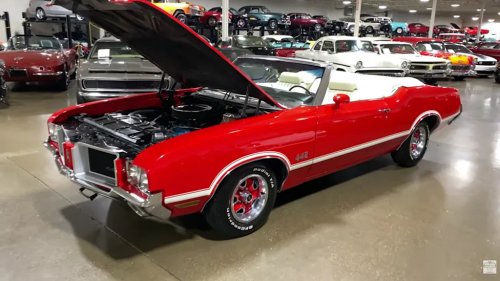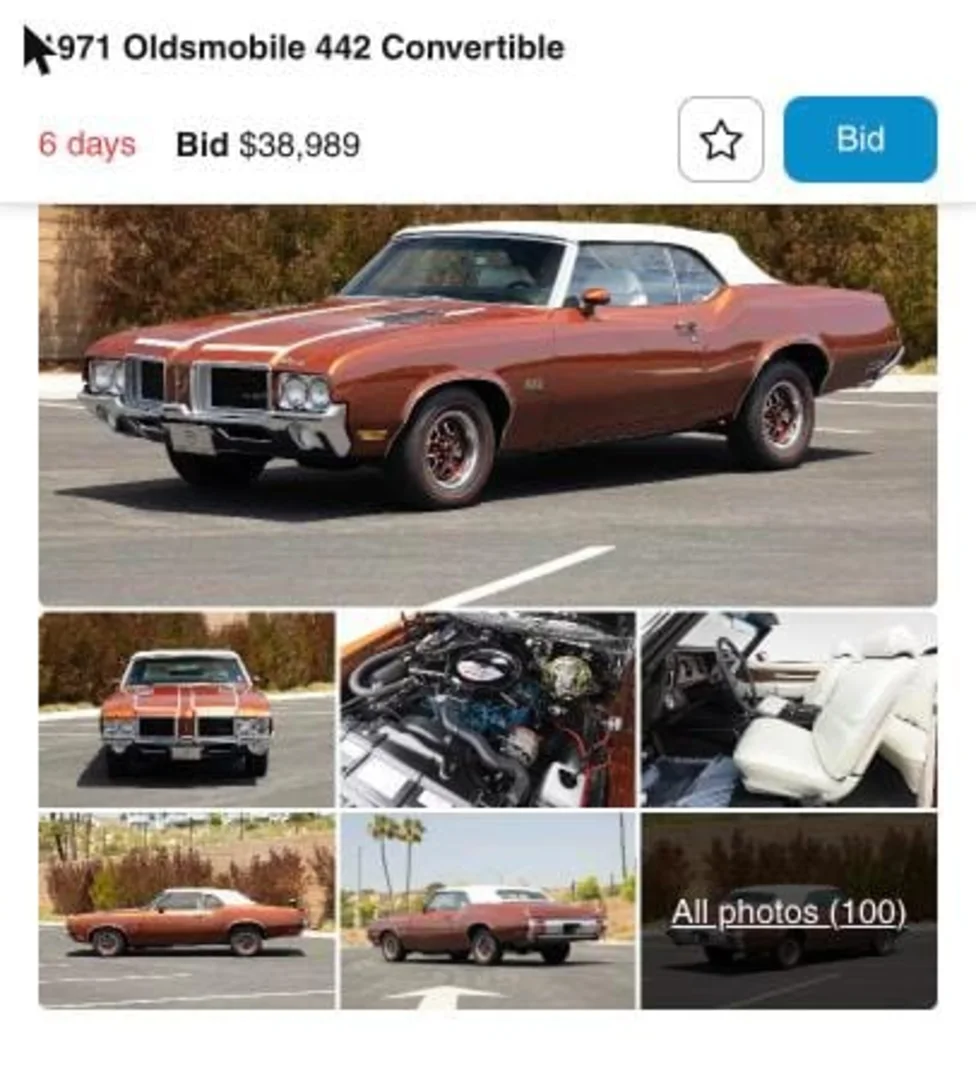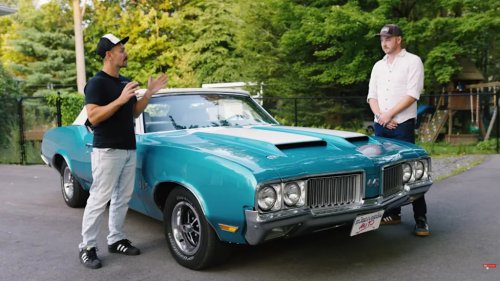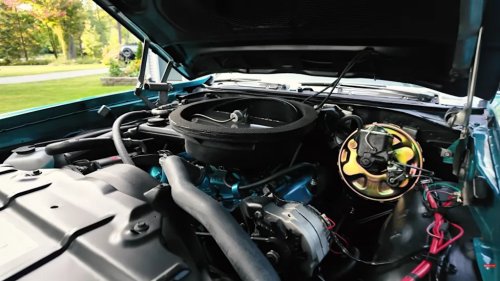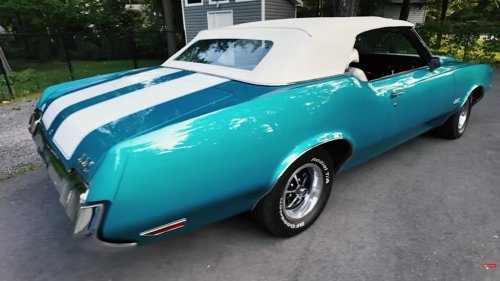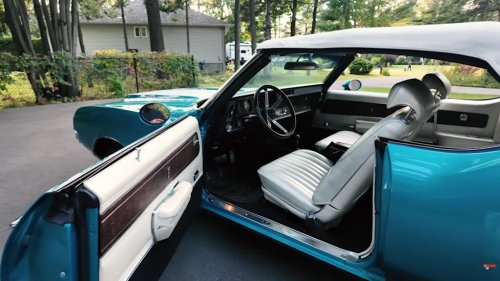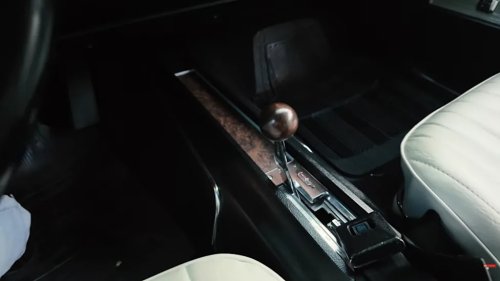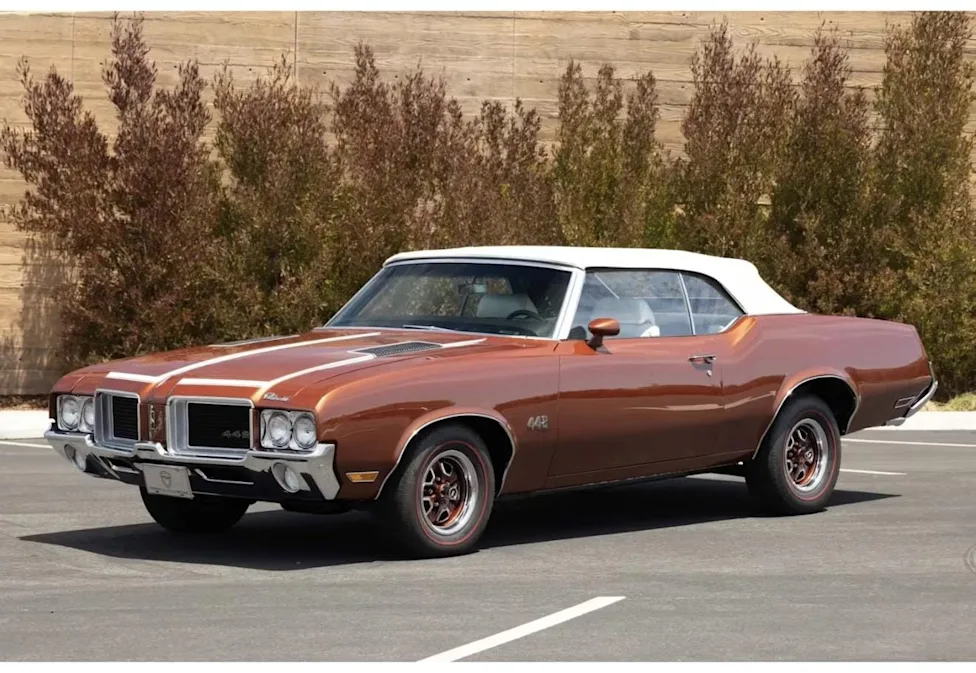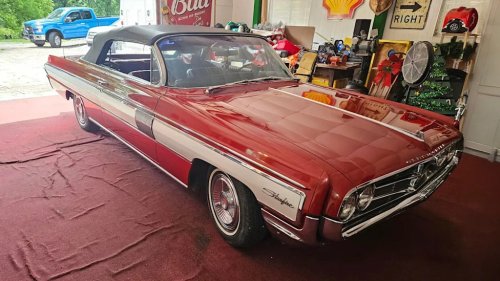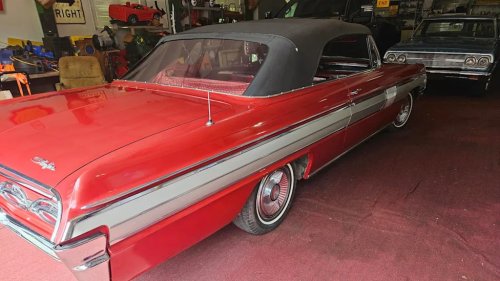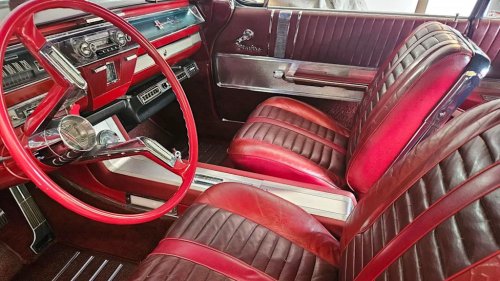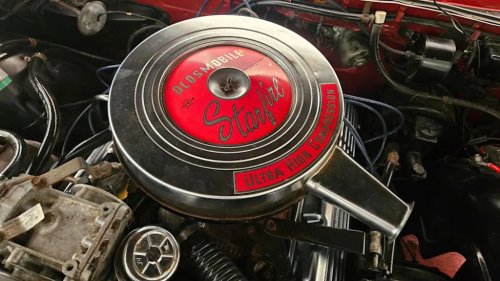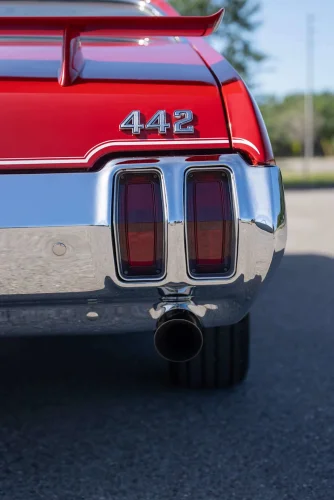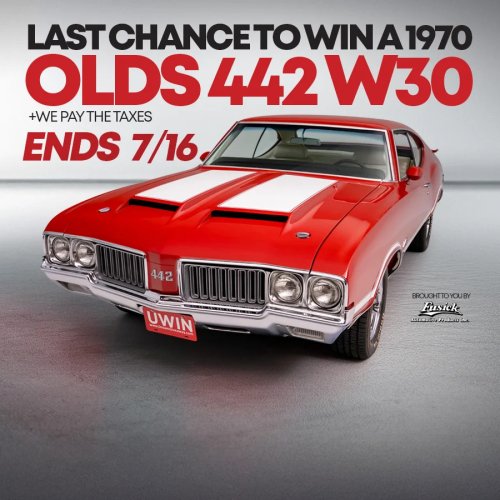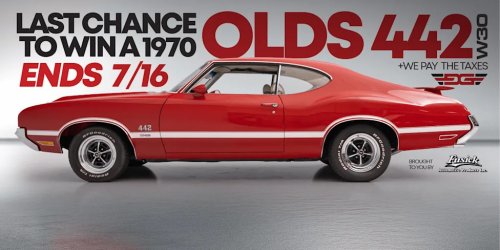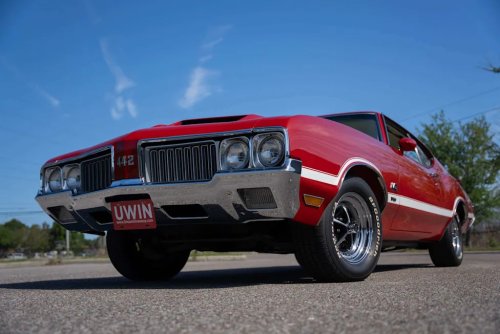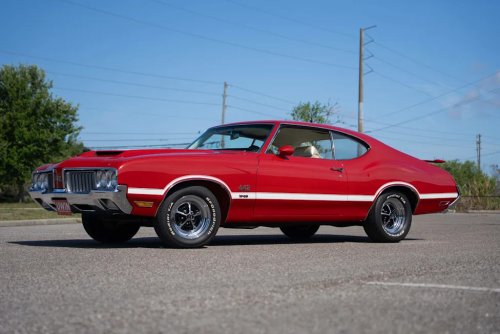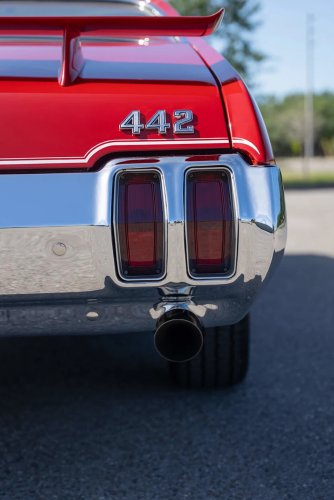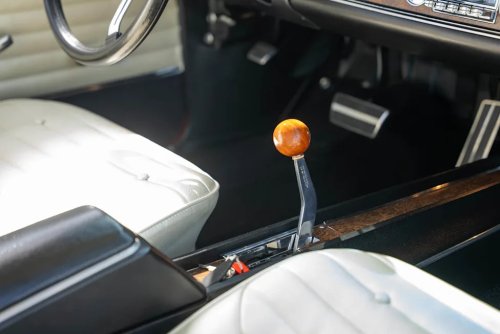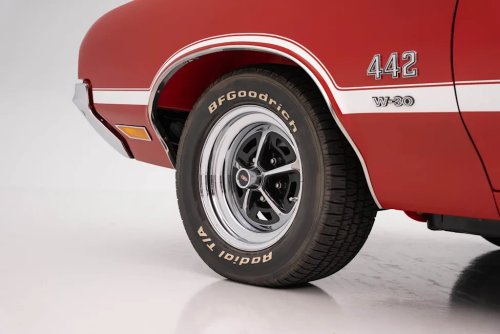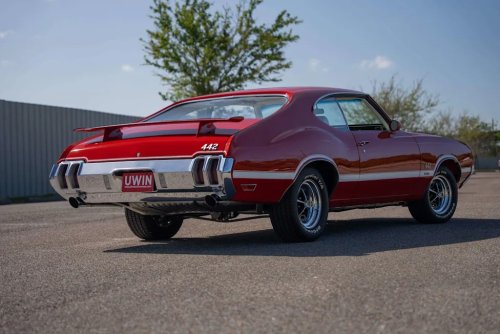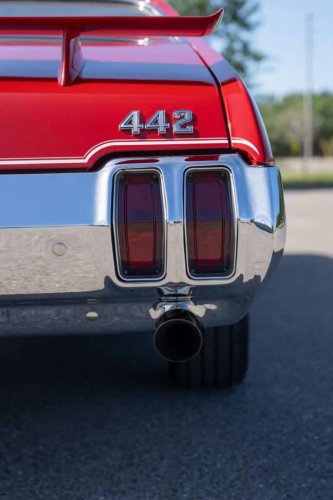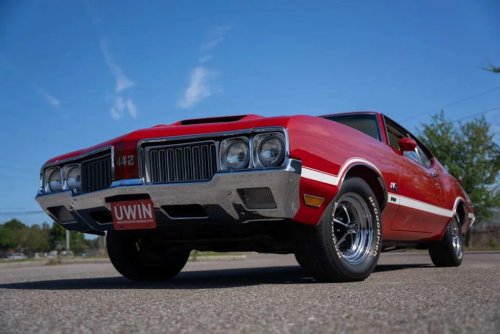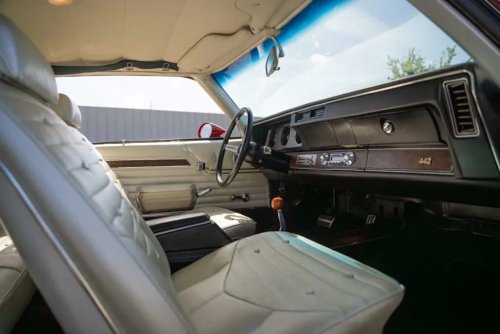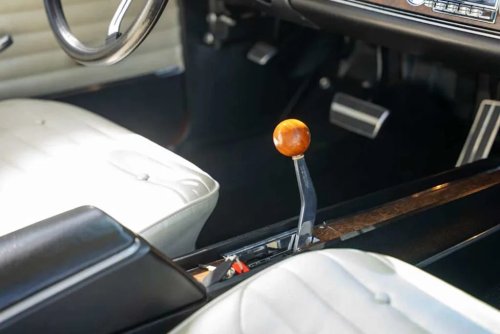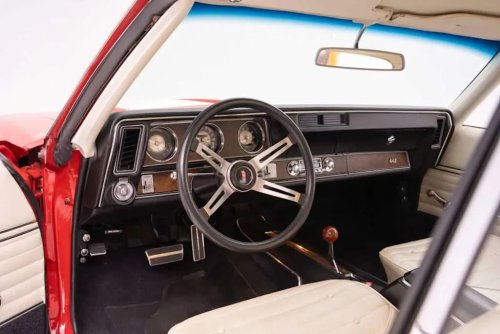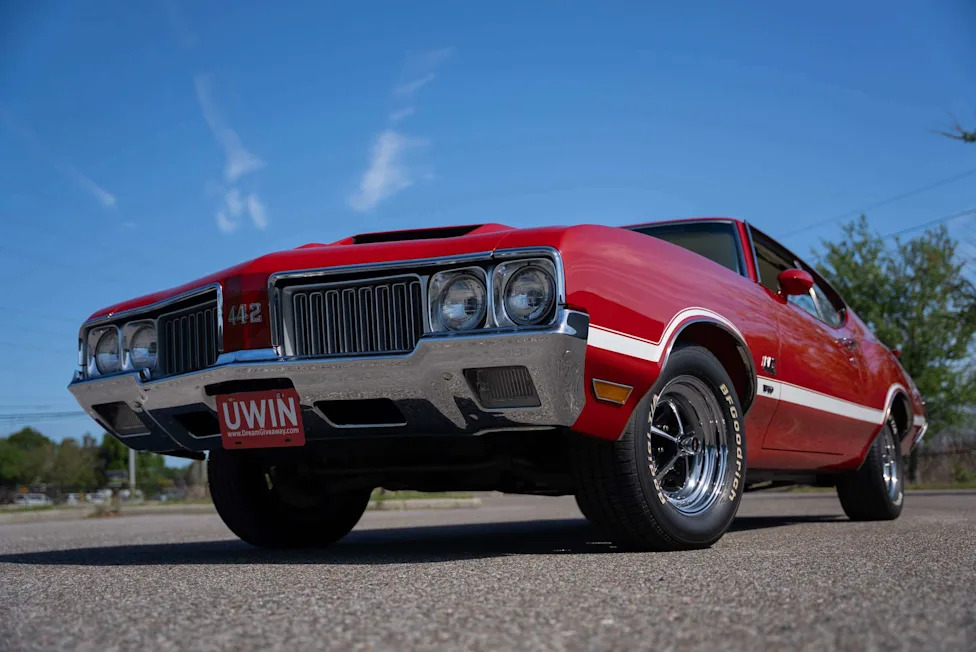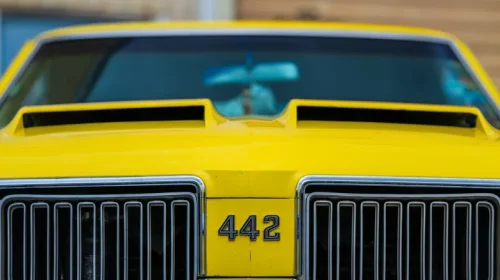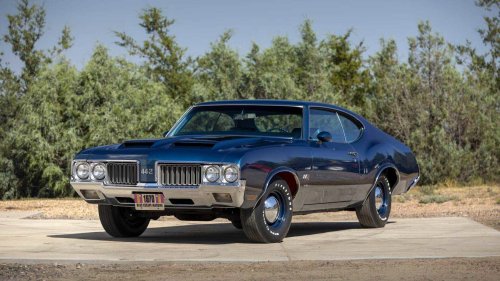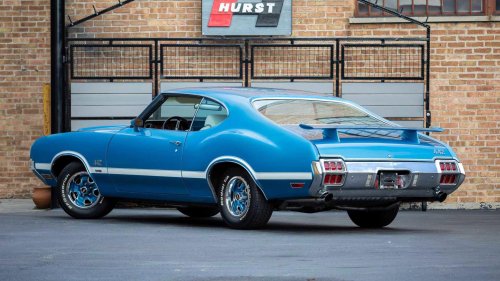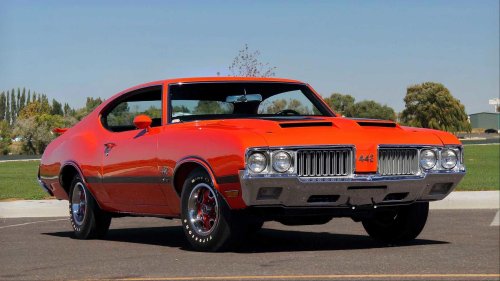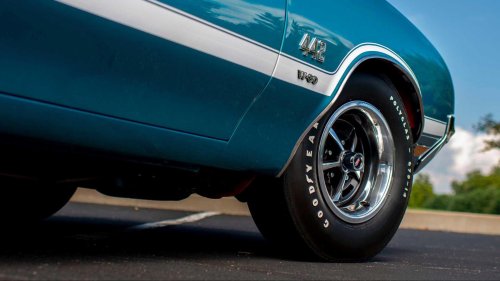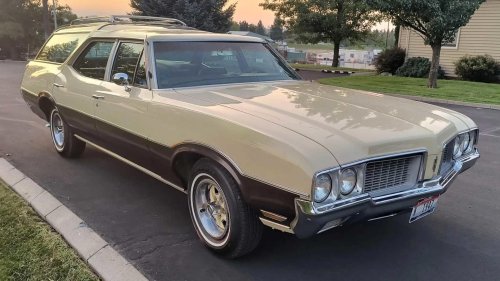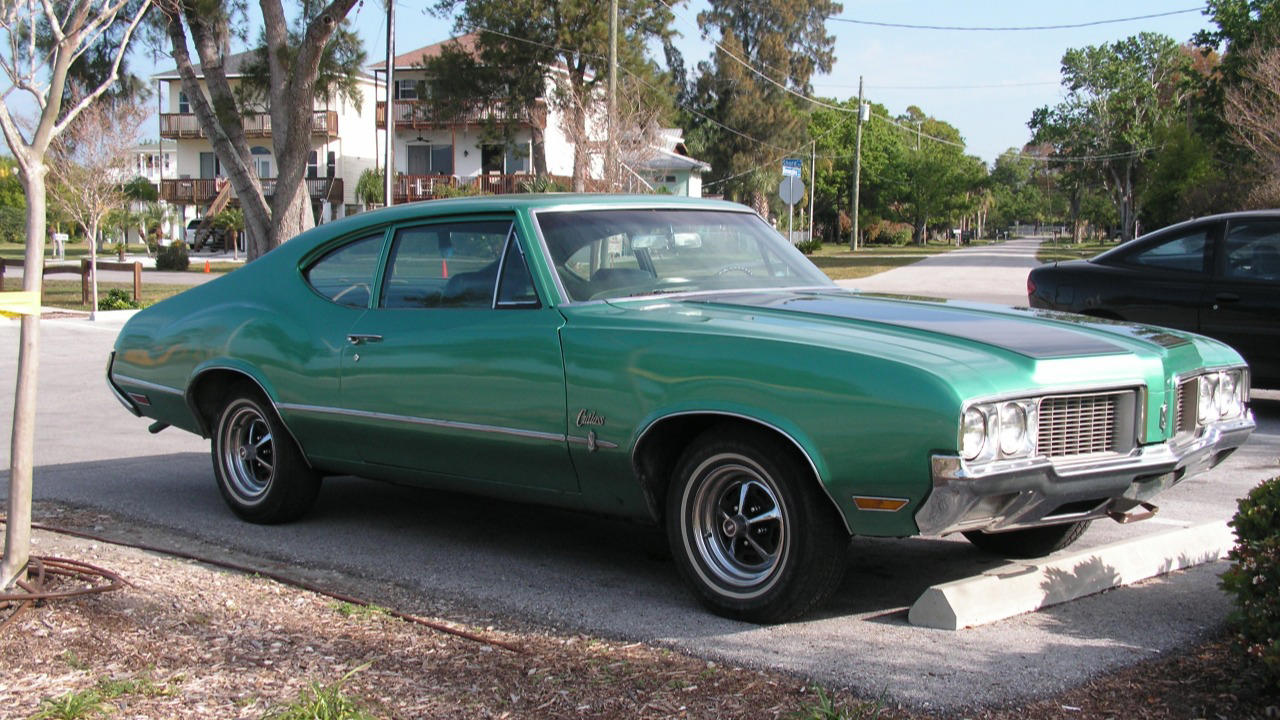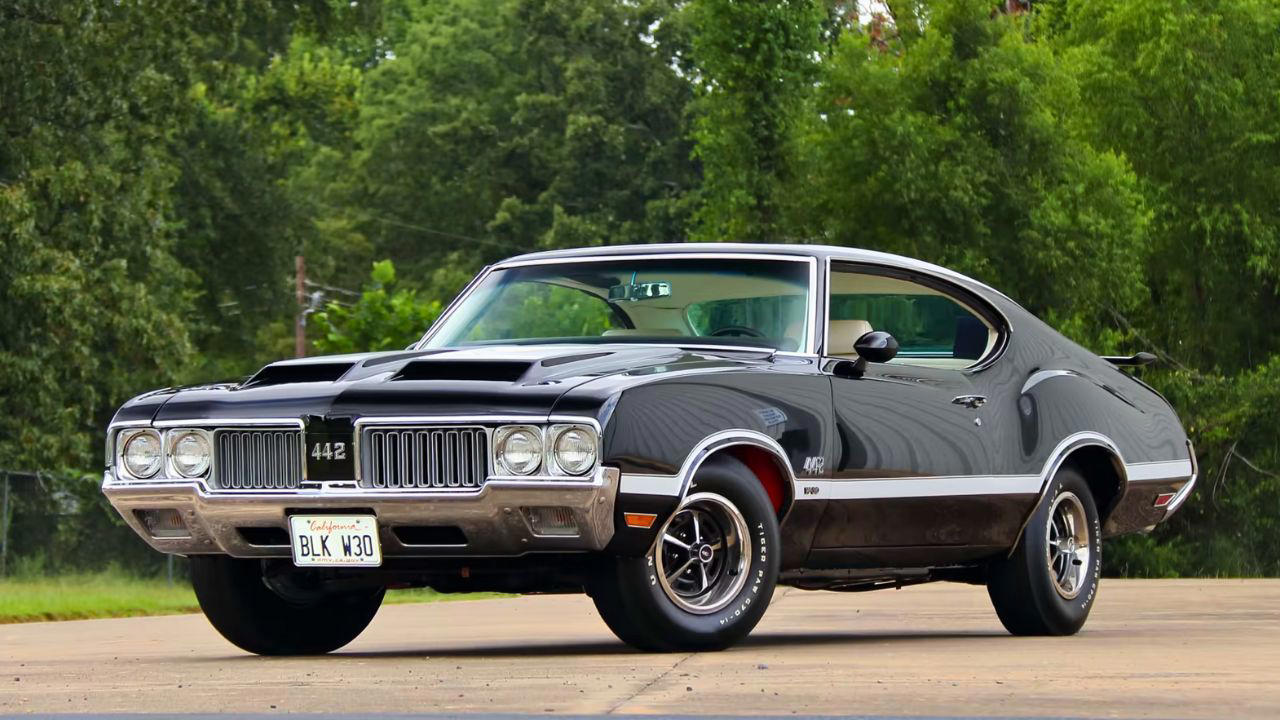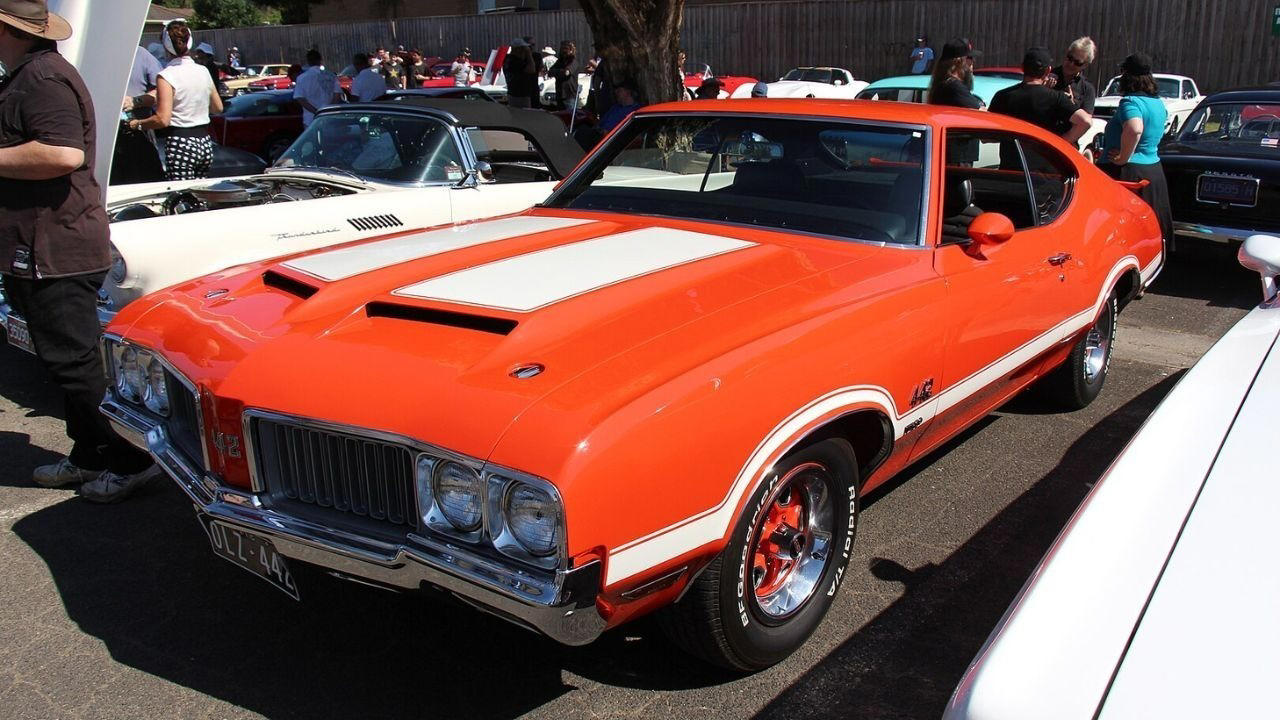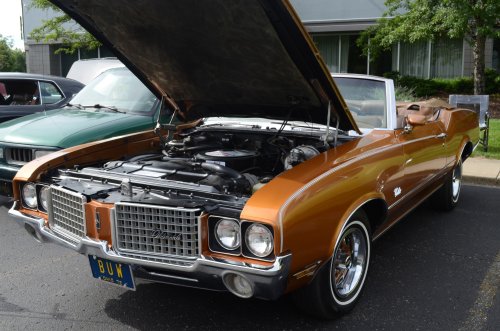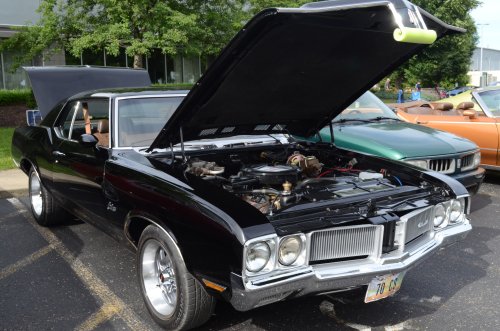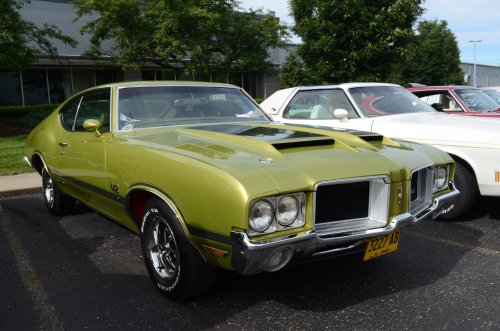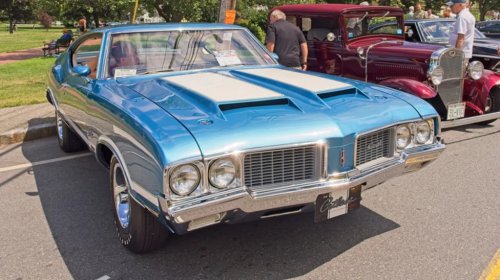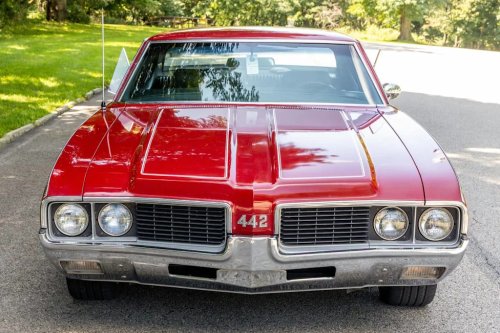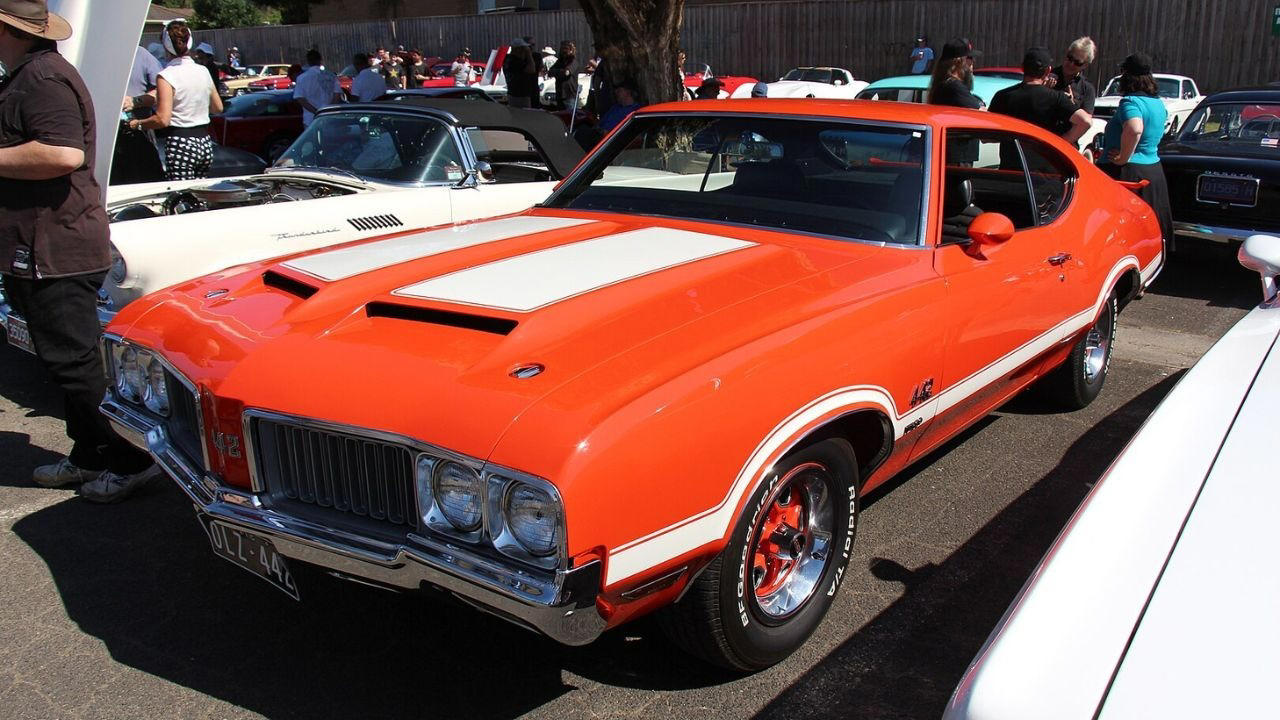



















The 1970 Oldsmobile 442 W-30 delivered performance but came with rising ownership costsThe 1970 Oldsmobile 442 W-30 arrived at the peak of the muscle car horsepower race, and it did not pretend to be sensible. It delivered big-cube acceleration, quarter-mile credibility and a visual swagger that helped define the era. Yet even when new, that performance came with rising costs for fuel, insurance, maintenance and, today, eye-watering purchase prices. Viewed from a distance of more than half a century, the 1970 442 W-30 stands as a high watermark for Oldsmobile and a turning point for owners. It offered high speed and exclusivity, but it also previewed how quickly the economics of muscle car ownership could turn against enthusiasts. The corporate green light that unleashed Oldsmobile General Motors had long capped engines in intermediate cars at 400 cubic inches. In 1970, that internal limit was lifted, ending the era of the corporate 400 ceiling and giving divisions a chance to stuff their biggest V8s into midsize platforms. According to coverage of a particularly original example, Oldsmobile seized that opening and pushed the 442 W-30 to the front of the street performance pack. The 442 itself had already evolved from an option code into a full-fledged performance model, but the 1970 car is often treated as the purest expression of Oldsmobile’s muscle ambitions. GM’s own heritage archive describes the 1970 Oldsmobile Cutlass 442 as a second-generation model that raised the bar in the horsepower race, with the W-30 package built on that foundation and marketed as the most aggressive configuration the brand would sell to the public. The factory presentation notes that the car carried a 442 badge and that the W-30 specification sat at the top of the lineup, framed in official material with the phrase With the W-30 equipment as the halo. Inside the W-30 package The W-30 option turned the already potent 442 into a focused drag strip weapon. A breakdown of the package highlights the use of lightweight components, revised induction, and a hotter camshaft, all wrapped around the legendary 455 Rocket engine. A detailed explainer on the specification describes how Rocket branding and the 455 displacement became central to Oldsmobile’s performance image, with the W-30 version tuned beyond the standard big-block. Technical coverage of the engine family notes that the W-30 unit used a more aggressive cam profile than the regular 455 and unique cylinder heads. A guide to 1970 to 1972 W-30 cars points out that the W-30 engine was painted metallic blue across those years and that Correct W-30 heads are often misrepresented in the restoration world because of their desirability. The package also bundled specific gearing and, in many cases, the Turbo Hydra-Matic automatic transmission, which contemporary drag strip tests treated as a serious performance tool rather than a comfort choice. One retrospective on a car that returned to a family after decades notes that period tests by Car Life confirmed that the 442 W-30, equipped with the Turbo Hydra-Matic (spelled in that coverage as Turbo Hydra), was a legitimate contender at the strip. That combination of brute torque, relatively low weight for such a large engine and optimized gearing made the W-30 one of the fiercest factory Oldsmobiles ever built. Performance numbers that matched the marketing For all the marketing bravado, the 1970 442 W-30 backed up its reputation with measurable performance. A period-style specification sheet compiled for collectors lists the car’s Weight at 3,801 lbs. In independent testing, the car recorded 0 to 60 miles per hour in 6.6 seconds and a quarter mile in 14.8 seconds at 95 miles per hour. Those figures, attributed to Motor Trend, place the car firmly among the quickest showroom machines of its era, especially when adjusted for the relatively narrow street tires and conservative gearing common at the time. Modern performance databases support that picture. A specification table for the Oldsmobile 442 Cutlass W30 lists the model as a Car of the Coupe body type, with Curb weight and engine layout details that align with period road tests. The same resource identifies the Oldsmobile 442 Cutlass as a rear-wheel-drive Coupe with a front-mounted V8, reinforcing that the W-30 achieved its numbers without exotic hardware, relying instead on displacement and tuning. Contemporary enthusiasts sometimes compare those figures to modern performance sedans and find the raw acceleration modest. In the context of 1970, however, a midsize Oldsmobile that could cover the quarter mile in the mid fourteens while carrying full interior trim and optional air conditioning was remarkable, especially given that many buyers drove the same car to work during the week. Visual drama and rare configurations Appearance was part of the package. The 442 W-30 combined functional scoops and stripes with Oldsmobile’s more upscale trim, which helped it stand apart from stripped-out competitors. Auction coverage of a high-profile example describes the 1970 Oldsmobile 442 as the peak of Oldsmobile, highlighting the way collectors now view the blend of luxury and aggression. Certain configurations are especially scarce. A detailed enthusiast guide to the model notes that W-30 convertibles are particularly rare, with fewer than 300 produced. That guide includes a section labeled Awards and Recognition and describes the car as Widely regarded as one of the most desirable Oldsmobiles ever built. The low production volume of those convertibles, combined with the model’s reputation, has helped drive values into the six-figure range for the best examples. Even among hardtops, originality and specification matter. A feature on an exceptionally preserved W-30 refers to it as a kind of Discovered time capsule, reinforcing how few unrestored cars remain. Fuel, insurance and the price of speed in 1970 Even when new, the 442 W-30 was not cheap to run. Big-block American performance cars of the early 1970s commonly returned fuel economy figures in the low teens. A broad survey of the period describes average passenger car consumption from 1969 to 1974 at 13.5 m miles per gallon, or 17.4 liters per 100 km, and links that thirst to the vulnerability that became clear during the 1973 oil crisis. That context, captured in a historical overview of the so-called malaise era, helps explain why the 455-powered Oldsmobile quickly looked extravagant once fuel prices spiked. Insurance costs also rose sharply for owners of high-performance models. A feature on muscle car coverage explains how insurers began to treat big-engine intermediates as high-risk, with underwriters singling out cars like the 442, GTO, and Chevelle for surcharges. In that account, writer Troy Anderson notes that the industry itself helped put the brakes on the muscle car era by making premiums for young drivers prohibitively expensive. For a 1970 Oldsmobile 442 W-30 buyer, that meant the monthly cost of keeping the car on the road could quickly rival the car payment. Maintenance expectations added another layer. The W-30’s higher compression and hotter camshaft demanded careful tuning and premium fuel. Owners who drove their cars hard faced frequent tire replacement and brake work, and those who lived in harsh climates had to contend with rust. One owner reminiscing about a 1970 442 W-30 recalled that the car finally rusted out in 1980 in Vermont, noting that it still ran well but the rust had simply gone too far and adding the phrase, “Think the original sticker,” when comparing past prices to present values. From used car to blue-chip collectible For years, cars like the 442 W-30 were simply aging used vehicles, often driven hard and left to deteriorate. As nostalgia for the muscle era grew, so did interest in well-preserved examples. A valuation guide focused on the model states that, typically, a buyer can expect to pay around $89,750 for a 1970 Oldsmobile 4-4-2 W-30 in good condition with average specification. The same source notes that the highest recorded sale in the last three years reached $203,500, underscoring how far values have climbed from original sticker prices. Those numbers reflect a broader shift in how the market treats peak-era muscle cars. Where once buyers focused on more famous nameplates, the 1970 Oldsmobile 442 has gained recognition as a serious performance car in its own right. One social post promoting a high-profile auction appearance simply labels the 1970 Oldsmobile 442 as Muscle Car Time, capturing the sense that each surviving W-30 is now a piece of rolling history rather than just an old Oldsmobile. The value surge has practical consequences. Insurance for collector-grade W-30s now revolves around agreed-value policies; restoration costs have risen, and parts specific to the W-30 package command premiums. At the same time, the financial upside has encouraged meticulous restorations that might not have been economically viable when the cars were merely inexpensive used performance machines. Why the 442 W-30 still matters to enthusiasts Enthusiast discussions continue to ask whether the 1970 442 W-30 can stand beside more famous rivals from Chevrolet, Pontiac or Dodge. A detailed video breakdown of the model’s strengths argues that the W-30 package, lightweight components and 455 Rocket engine give the car every right to compete with better-known legends, even if Oldsmobile never fully leaned into that image in its marketing. That analysis emphasizes the combination of torque, relative refinement and rarity as key factors in the car’s ongoing appeal. Written explainers echo that view. One feature framed around the question What Is the 4-4-2 W-30 Option describes how, in 1970, the muscle car arms race was in full force and GM had dropped its engine-size restriction, allowing Oldsmobile to create one of the most potent combinations in its history. The W-30 package is presented there as a carefully curated group of parts rather than a simple power rating, which helps explain why collectors obsess over correct components today. Community conversations also reinforce the model’s status. A social group dedicated to the 1970 Oldsmobile 442 W-30 treats the car as a benchmark, sharing build sheets, restoration photos and period documents. Shared posts about specific cars often highlight whether they are true W-30 examples, whether they retain their original engines and how closely they match factory specifications. In that context, the 442 W-30 has become a kind of reference point for what a fully loaded GM muscle car should be. The ownership equation: then and now For a buyer in 1970, the decision to order a 442 W-30 involved a straightforward tradeoff. The car provided standout acceleration, styling and status, but it consumed fuel at a rate in line with the broader average of 13.5 m miles per gallon and carried insurance premiums that rose sharply as underwriters reacted to accident statistics. Owners accepted frequent tune-ups and the risk of rust as part of the deal, often because the car was their primary transportation. Today, the equation looks very different. The upfront cost has multiplied many times over, with good examples routinely valued near $89,750 and the best cars selling for more than $200,000. Fuel and maintenance remain expensive, but most owners treat their cars as occasional-use collectibles, which spreads those costs over fewer miles. At the same time, restoration parts, specialist labor and storage have become significant line items in the budget. More from Fast Lane Only Unboxing the WWII Jeep in a Crate 15 rare Chevys collectors are quietly buying 10 underrated V8s still worth hunting down Police notice this before you even roll window down