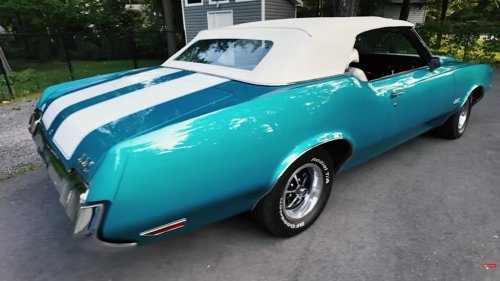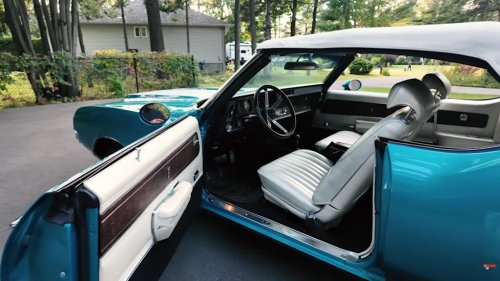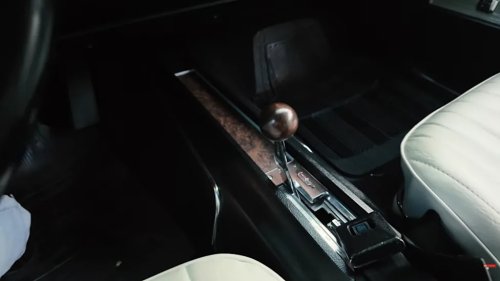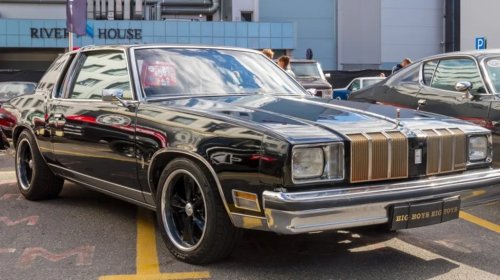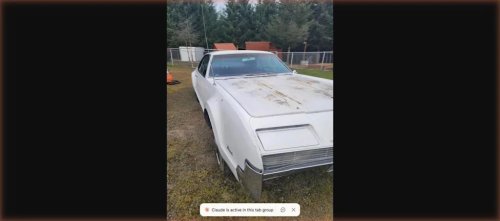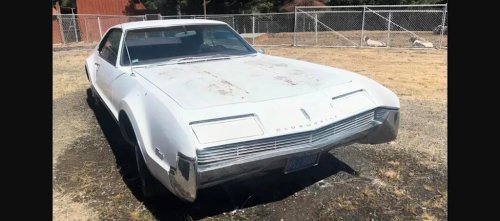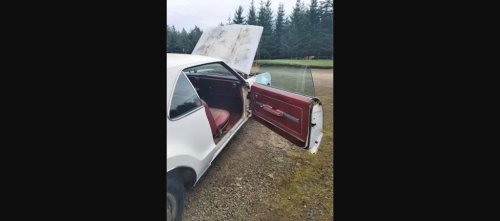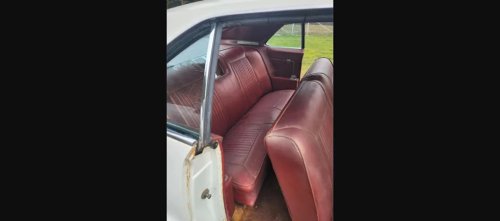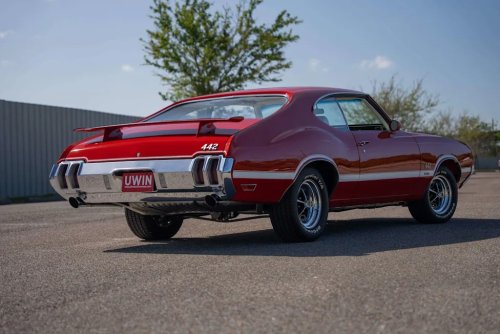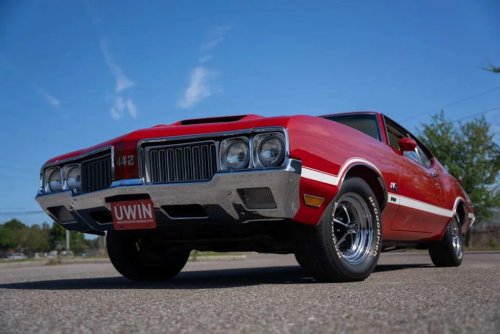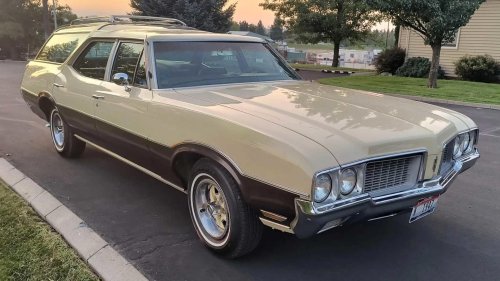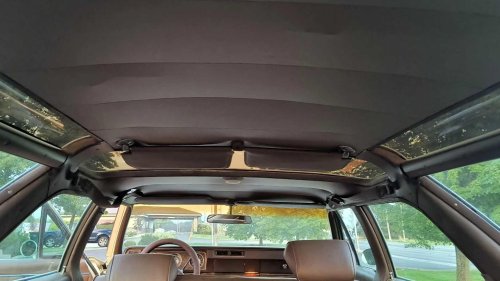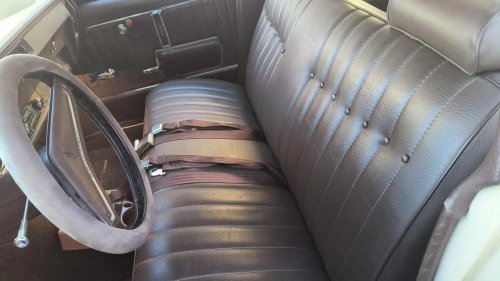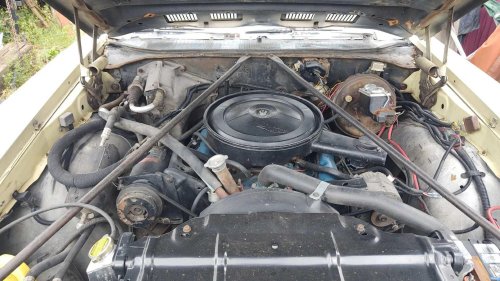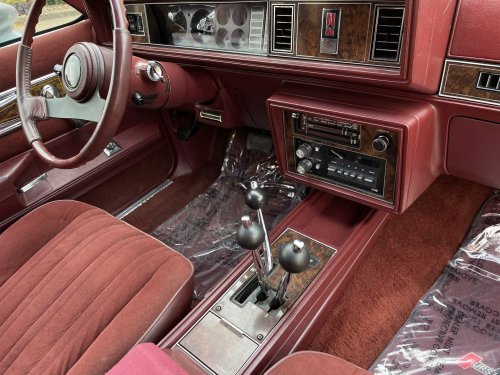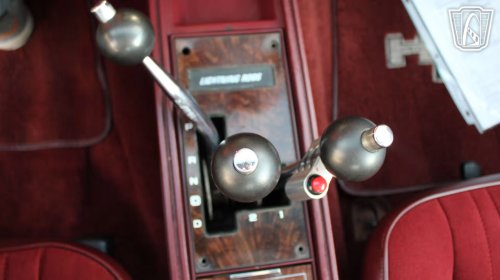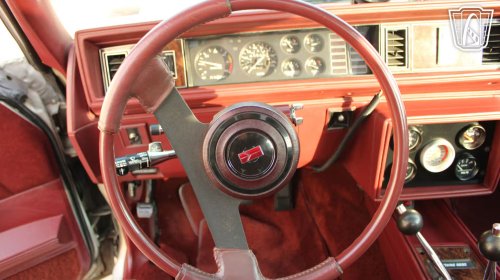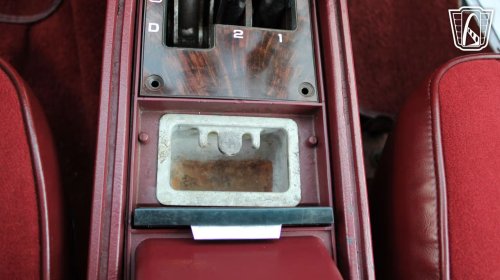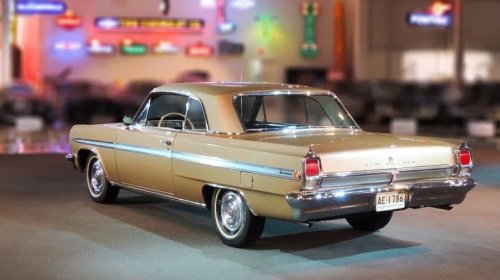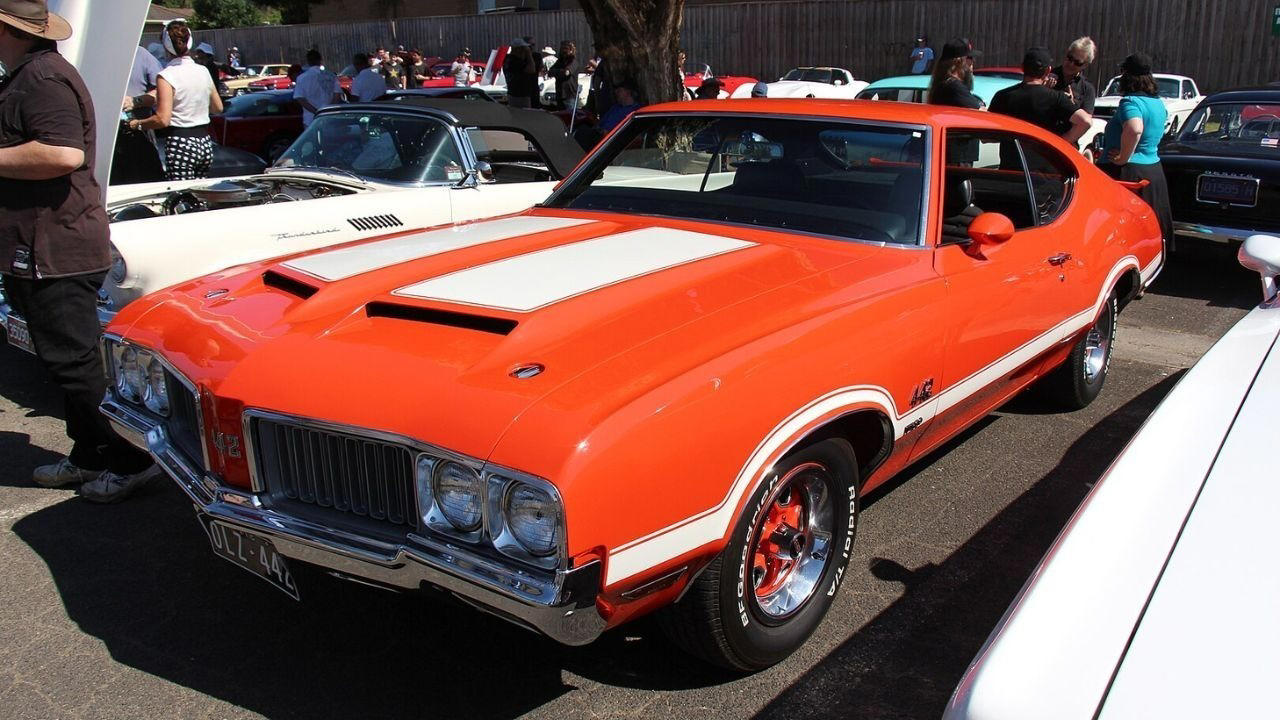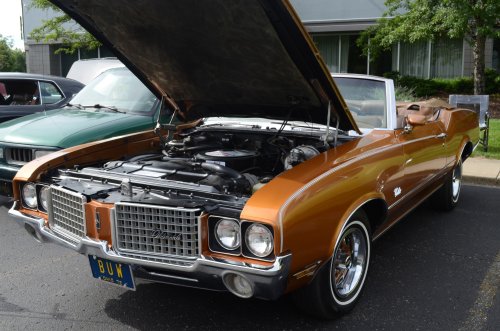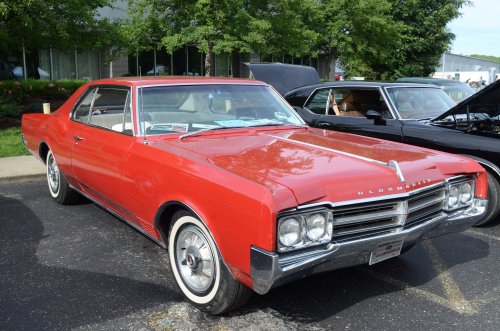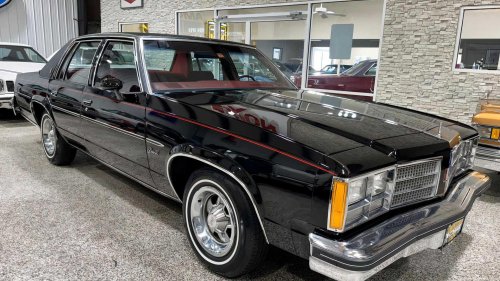
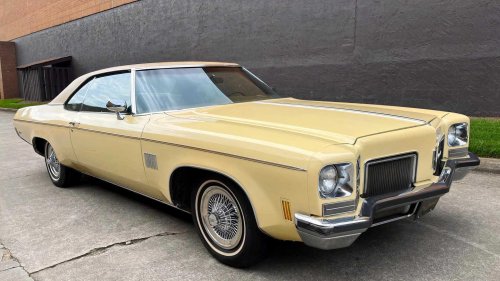
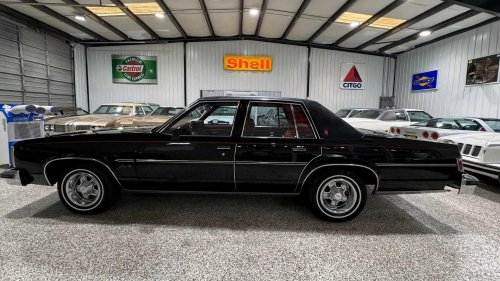
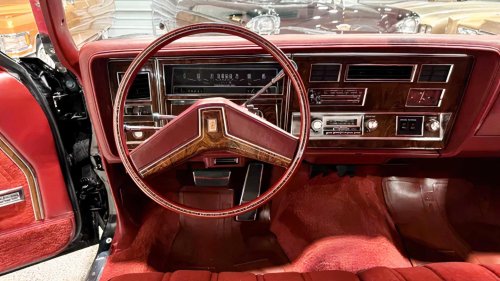
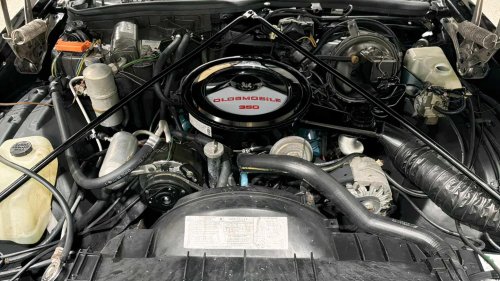
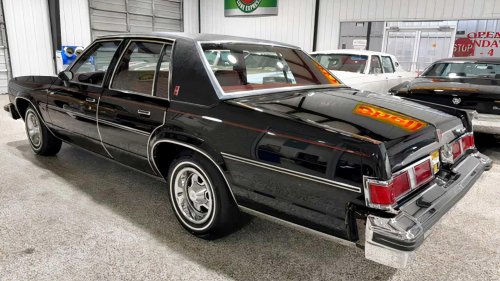
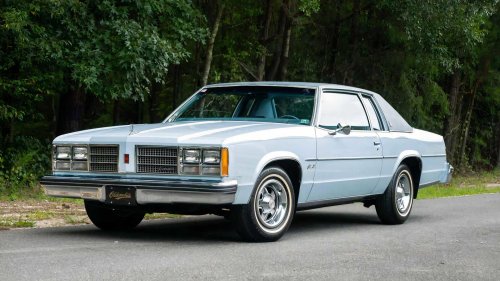
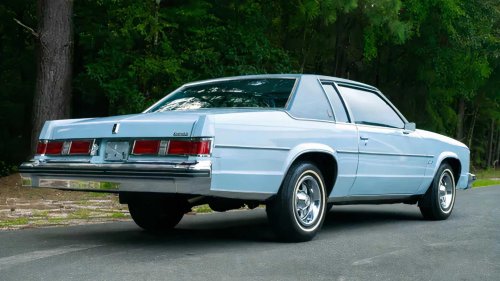



















Muscle Cars have long been known for roaring down highways, catching eyes at drive-ins, and igniting conversations about their power and looks. But the 1970s were a tumultuous time for them – a period plagued by oil crises, emissions rules, and changing consumer priorities. It created an environment for another type of car to emerge – one that would later quietly take over the roads. It was unassuming and easily overlooked.It didn’t have the thunder of a V8 or the name recognition of a Mustang or Charger. Yet millions of Americans still bought it year after year, becoming a silent fixture of suburban life. What made it special wasn’t horsepower or status. Its mix of comfort, reliability, and versatility meant it could carry a family across highways in comfort and style without attracting any unwanted attention. While some of the hottest muscle cars of the '70s fought for the spotlight, this car was quietly winning the hearts of everyday motorists. Despite being everywhere at the time (or perhaps because of it), this is a classic that barely anyone talks about today. The Oldsmobile Delta 88 Quietly Dominated The '70s Bring A TrailerAlthough Oldsmobile introduced the Delta 88 name back in 1949, spanning multiple decades, it was the full-size models built throughout the 1970s that cemented its reputation as one of America’s most recognizable full-size family sedans.It occupied a unique position in the market by offering luxury comfort, spacious interiors, and dependable engineering at a price accessible to middle-class families and professionals. It was a car that became recognized for its ability to take its driver wherever they needed to be in comfort without drawing too much attention from onlookers.Bring A Trailer As a result, it didn’t take long for the Delta 88 to become a commercial success for its maker, with Oldsmobile selling over 260,000 units in 1973 alone. By 1979, Delta 88 sales made up about a quarter of all Oldsmobiles sold despite the last decade throwing a series of curveballs that could have sabotaged its success.It wasn't just popular either; it was essential, keeping Oldsmobile competitive against the likes of Buick LeSabres, Mercury Marquis, and Chrysler Newports in a time of changing consumer expectations. While the Delta 88 did not have the performance of contemporary muscle cars, its sales success was no accident. It was carefully positioned between affordability and prestige. It appealed to suburban buyers looking for comfort, status, and reliability—a mix that made it a quiet but significant player of the decade. Why The Delta 88 Dominated The 1970s Market Bring A TrailerThe Delta 88’s success wasn’t just luck; it was the result of careful planning and engineering that addressed the challenges of the decade. To do this, it was successful in balancing luxury and practicality—one of its biggest advantages. It provided spacious interiors and comfortable seating that gave drivers a sense of prestige, without asking a high price for the privilege. As highway driving became more common among America's suburban families, the Delta 88 was a car you would happily accumulate high miles in.The 1970s were a tough time for manufacturers, with tougher emissions standards, mandatory safety features, and the oil crisis all impacting consumer priorities. GM’s platform strategy played a crucial role in keeping the Delta 88 competitive. The car was built on GM’s B-body platform, which it shared with other divisions, including Buick and Pontiac. This setup allowed Oldsmobile to provide multiple trim levels, body styles, and interior options without significantly raising production costs.Bring A TrailerThe 1977 downsizing of GM’s B-body platform was especially important. The Delta 88 became lighter and more fuel-efficient while retaining interior space. It also offered a range of engines, from small and economical V6s to more powerful V8 options, all carrying a reputation for reliability. Consequently, it stood up to the most popular cars in America at the time, such as the Chevrolet Impala, Caprice and Plymouth Fury.In essence, its mix of design foresight, regulatory flexibility, and platform efficiency produced a car that attracted a wide audience, ensuring its popularity year after year. The Delta 88's Engineering And Design Bring A TrailerThe Delta 88 didn’t rely on making copious amounts of horsepower to make headlines. That was easy. Instead, its engineering quietly set the standard for full-size American sedans. It came with several powerful V8 options, from a smooth 350 cubic inch base engine to a powerful 455 cubic inch Rocket V8 in higher trims. All models shared Oldsmobile’s “Rocket” lineage, balancing torque and drivability. This allowed for smooth highway acceleration, even as emissions rules and fuel concerns limited raw output—again, appealing to buyers looking to drive greater miles on American highways.It wasn't fast by enthusiasts' standards, but it provided a smooth and capable feel during everyday driving—which for its target market is what mattered most—everyday usability.Ride quality and cabin comfort received equal attention. The suspension tuning aimed for stability and did a good job absorbing road imperfections, and the insulation created a quiet, premium-feeling interior that was rare in mainstream sedans of that time.Note: Engine options varied by year; the 403 ci was available in other early- to mid-1970s Delta 88s but not in the 1973 model.Bring A TrailerTypical buyers of a Delta 88 were middle-class professionals and suburban families who wanted a car that balanced comfort, style, and reliability without costing the earth. It offered a taste of luxury without the high price of a Cadillac, and marketing strategies leaned into this to attract prospective, semi-affluent motorists. Oldsmobile highlighted quiet sophistication, roomy interiors, and smooth performance, which successfully enticed buyers into showrooms who valued a reliable sedan over high performance.In many ways, the Delta 88 became the suburban family car of choice, and its mix of smart engineering, flexible trim options, and wide buyer appeal allowed the Delta 88 to dominate sales. Auction Reality: How The Delta 88 Trades Hands Today Bring a TrailerToday, the Oldsmobile Delta 88 is a quiet bargain for buyers in the know. Valuation data from The Classic Valuer shows a median sale price of about $12,000 to $13,000. Some concours-level examples sometimes go for over $55,000. Broader Classic.com market listings, meanwhile, show many 1966 Delta 88 sales clustering between roughly $13,000 and $21,000, depending on condition and body configuration.Unlike muscle cars or rare models, most Delta 88s sell for the low tens of thousands or even less, telling a story about how the market sees its relevance today. For example, a 1978 Oldsmobile Delta 88 Royale Town Sedan with just 14,000 miles sold for $16,000 on Bring a Trailer in September 2024 – pretty modest compared to more famous classics.Similarly, a 1972 Delta 88 Royale Hardtop Coupe sold for $12,600 on Bring a Trailer in 2023. Despite this being a rare body style from that decade, it's not enough to command the high-end prices of the collector car market. These prices are hardly worth writing home about, but they show the Delta 88 is still unnoticed by collectors. Unlike the more expensive cars of Cadillac or Lincoln—luxury cars that are now actually rising in value—the Delta 88 relies on practical appeal and niche interest and is the understated giant of the 1970s. Overlooked By Enthusiasts, Yet Central To 1970s Automotive Culture Bring A TrailerDespite its popularity, the Delta 88 rarely shows up in conversations about 1970s American cars. While it was clever and represented good value for money, it still didn’t have the performance on tap commonly associated with American muscle cars, nor did it match the appeal of European imports. Instead, it prioritized practicality in an affordable package above drag-trip times.The Delta 88's dominance was quiet, unassuming, and practical, and in looking back, it shows a unique type of success. It ruled its time through consistency, versatility, good value for money, and subtle style rather than attracting headlines or chasing horsepower supremacy. But ironically, that's also the reason it's not as well remembered today.After the late 1970s kicked off a downsizing trend among manufacturers and the increase in Japanese imports shifted focus to smaller, more fuel-efficient vehicles, full-size sedans like the Delta 88 faded into the background.It was perhaps also a victim of its own success. Since it was sold in such large numbers, it was seen so frequently on suburban driveways that it came to symbolize everyday American life, quietly defining the decade without ever becoming a prominent symbol of the era. The Delta 88 may be overlooked today, but its legacy is enduring: it quietly shaped American automotive strategy while defining the lives of millions of drivers.Sources: HotCars, Bring a Trailer, Classic.com, The Classic Valuer