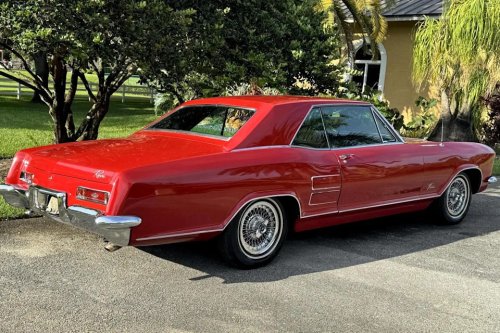
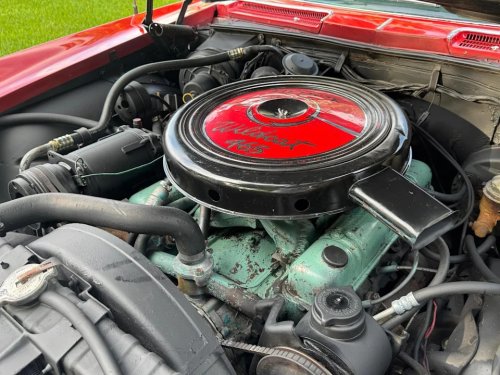
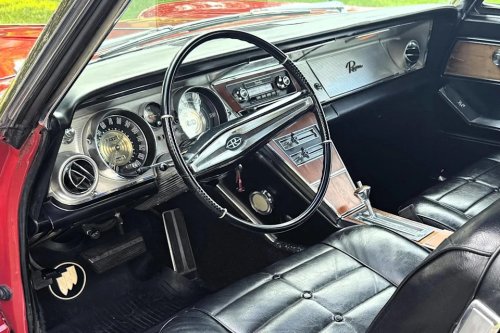
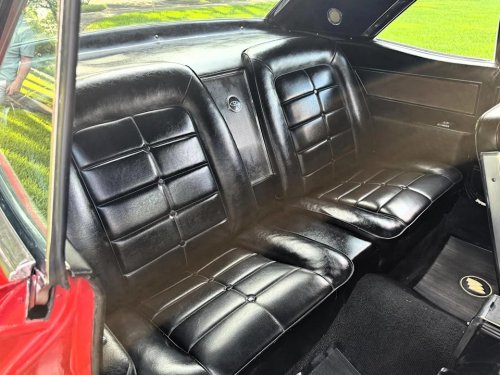
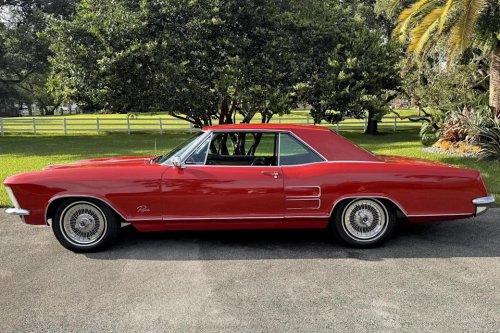
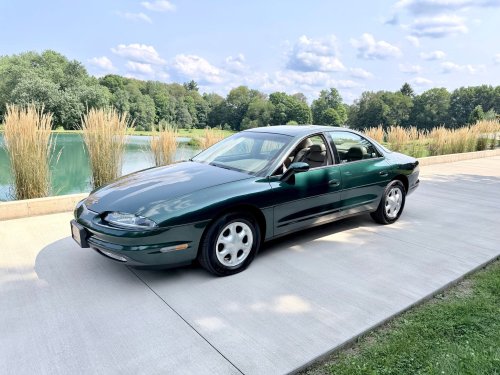
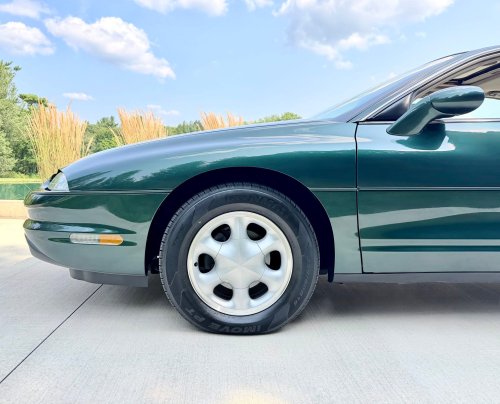
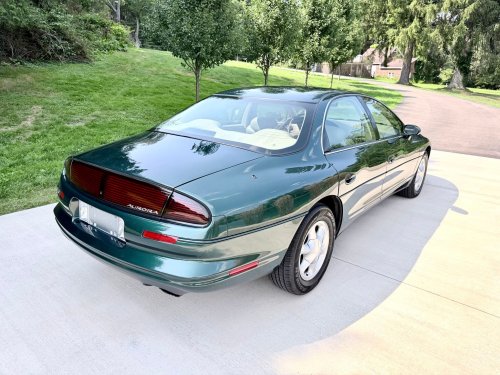
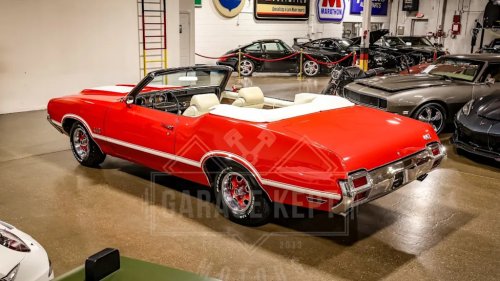
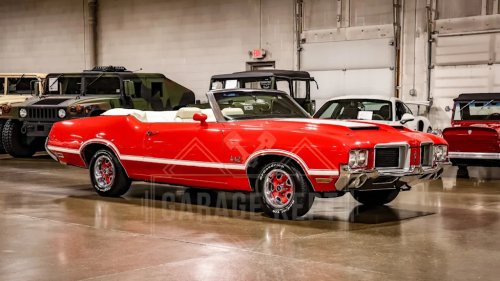
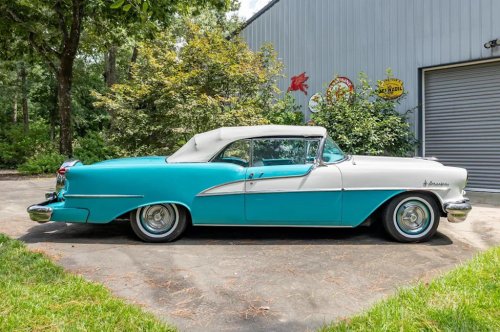
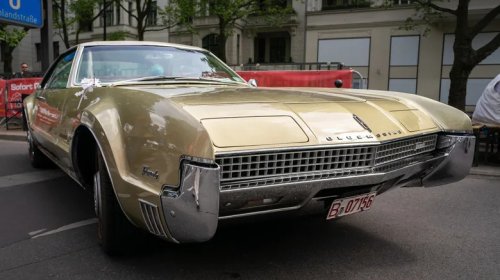
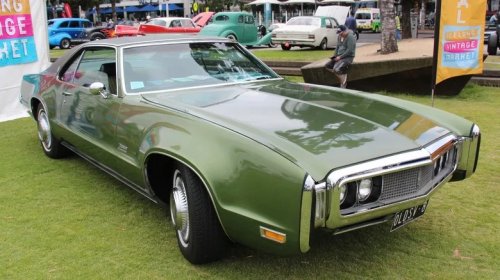
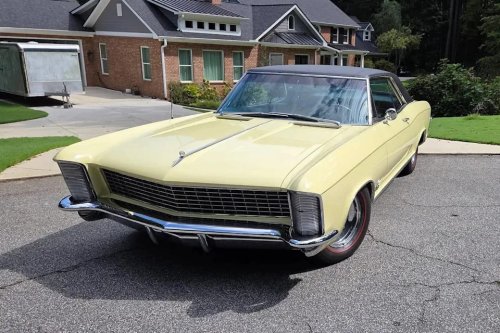
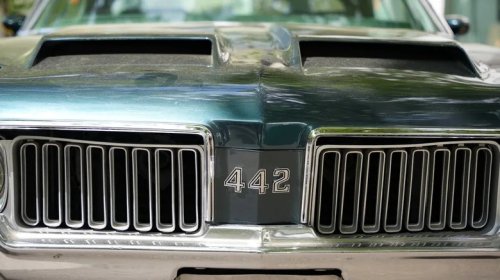
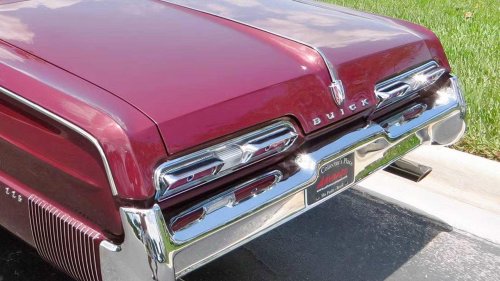
1967 Buick LeSabre and 1967 Oldsmobile Delta 88 delivered comfort but only one aged wellThe 1967 Buick LeSabre and 1967 Oldsmobile Delta 88 were cut from the same General Motors cloth, built to carry American families in quiet comfort at highway speeds. Both delivered on that promise when new, with soft suspensions, big trunks, and V8 power. Half a century later, however, collectors and drivers have not treated them equally, and only one of these full-size cruisers has truly matured into a sought-after classic. The year Buick hit its stride Among Buick loyalists, 1967 often stands out as a high point for the brand. Enthusiasts describe 1967 as an “awesome year for Buick,” with some going so far as to argue it may have been the best in the division’s history, thanks to a strong full-size lineup and confident styling that still reads as upscale today. That context matters for understanding how the LeSabre entered the market: it was the accessible gateway into what many fans see as peak Buick. Period owners recall that a 1967 Buick could work hard without complaining. One driver recounts a family 1967 Buick that served as a “heavy-duty family workhorse,” constantly on the move for four years and remembered as “one tough car,” a reputation that still colors how the LeSabre is viewed among classic buyers. In the General Motors hierarchy, enthusiasts on forums later summed it up succinctly: “Yeah, basically all of this; officially, Buick was always one notch above,” with an image built on proven, reliable and understated design that aged gracefully. Under the hood, Buick’s engineering choices supported that image. A valuation reference for the 1967 Buick LeSabre Base highlights the “superb, lightweight 300-cid V-8,” which had been stroked to 340 cubic inches for 1966 and then bored to 350 for 1968. That evolution shows a focus on smooth torque and durability rather than radical experimentation. A separate listing for a 1967 Buick LeSabre Convertible describes a 340 cubic inch V8 paired with an automatic transmission, power steering, power brakes and an automatic convertible top, all aimed at effortless driving rather than raw performance. Oldsmobile entered 1967 in a more complicated position inside GM. One analysis of the brand’s later struggles notes that Oldsmobile was squeezed between Pontiac, which retained strong performance and youth appeal, and Buick, which held on to its more premium, conservative image. That squeeze would shape how the Oldsmobile Delta 88 was marketed and remembered, especially once the new-car gloss faded and the used-car market began to sort winners from also-rans. Delta 88: the family car that tried to be everything The Oldsmobile Delta 88 carried a proud badge. References to The Oldsmobile Delta remind readers that this full-size line ran from 1949 to 1999 and was frequently Oldsmobile’s mainstay. The 1967 version was intended to be the family car that did not forget the family, with room, comfort and a sense of quiet status. Commenters looking back on the model describe Oldsmobile as bearing the brunt of corporate overlap, caught between Pontiac’s excitement and Buick’s refinement, which made it harder for the Delta 88 to carve out a clear identity. Driving impressions from enthusiasts keep circling the same theme: smoothness. A detailed walkaround of a 1967 Oldsmobile presented by Rare Classic Cars focuses on the ride quality and the way the car glides over the road, reinforcing the idea that Oldsmobile tuned the Delta 88 for comfort first. Another video of a night-time drive in an Olds Delta 88 highlights the “one year only front end” and describes the front styling as “tornadoesque,” tying the design language to other Oldsmobile models of the era while again emphasizing how quietly the big sedan moves at speed. Visual tours of surviving examples show that the 1967 Oldsmobile Delta 88 could be “beautiful beautiful,” with long, low lines and a presence that still appeals to fans of full-size American iron. One enthusiast video introduces a “beautiful beautiful 1967 Osmo Mobile Delta 88,” a slip of the tongue that still clearly identifies the car and underscores how the 88 name has become shorthand for Oldsmobile’s classic big cars. Yet, for all that visual and dynamic charm, the Delta 88’s positioning as a family car had a double edge. A Quora discussion of why the Oldsmobile Delta 88 was considered the family car that did not forget the family points to Oldsmobile’s role as a middle child between Pontiac and Buick. That left the Delta 88 carrying a lot of responsibility for volume sales without the clear prestige of Buick or the performance halo of Pontiac, a gap that would matter once these cars aged and buyers started choosing which survivors to save. How they drove when new On the road, both cars aimed for the same target: a relaxed, quiet ride with enough power to make highway passing easy. Contemporary-style driving videos and owner memories paint a picture of big steering wheels, soft suspensions and engines that delivered torque at low revs rather than high-strung horsepower. For the LeSabre, that character was anchored by Buick’s small block V8 family. The reference to a 300-cid engine that grew to 340 and then 350 cubic inches shows how the brand refined a proven design rather than reinventing it. In a convertible example, the 340 cubic inch V8, automatic transmission and power features created a package that could cruise with the top down without demanding much from the driver. Enthusiasts discussing 1967 full-size Buicks often highlight how quiet and composed these cars feel even by modern standards, with some arguing that 1967 may have been the best single year for Buick’s big-car tuning. Oldsmobile, meanwhile, chased an even softer ride with the Delta 88. The night drive in an Olds Delta 88 shows the car floating along dark roads, the driver commenting on the way the suspension soaks up imperfections. Another video walkaround from Osmo Mobile Delta 88 fans emphasizes the car’s “beautiful beautiful” presence and the ease with which it accelerates, again reinforcing that Oldsmobile tuned the car for smoothness rather than sharp handling. Both cars shared the typical full-size GM traits of the era: generous interior space, wide bench seats, and dashboards filled with chrome accents and simple gauges. Owners remember them as comfortable long-distance machines. A commenter recalling a family 1967 Buick describes it as constantly on the go, hauling people and cargo without complaint, which fits the broader image of these cars as dependable workhorses rather than fragile showpieces. In a direct comparison, a social media discussion where one poster’s Dad had both a 1967 Oldsmobile Delta 88 and a Buick from the same era captures the shared strengths and weaknesses. The writer calls both “real sharp and powerful cars,” but also notes “major rust issues” and leaks around the rear window into the trunk on each, illustrating that while the drivetrains were stout, body durability was a weak point across GM’s full-size lines. Rust, reputation and survival That last point is critical for understanding why only one of these comfort cruisers has aged well in the market. The comment that both cars suffered “major rust issues” and that Dad’s examples leaked around the rear window into the trunk shows how corrosion and water intrusion plagued these models. In wetter climates, many LeSabres and Delta 88s simply dissolved, leaving fewer candidates for restoration. Mechanical reliability helped the survivors. Buick’s reputation for solid, understressed engines and transmissions has carried into the present, with enthusiasts on a Buick forum describing the brand as focused on “proven, reliable, understated design.” That perception encourages owners to keep LeSabres running rather than parting them out, and it supports a modest but steady collector following. Oldsmobile’s story is more complicated. The brand’s later decline and eventual disappearance from the market cast a shadow backward on models like the Delta 88. A Quora analysis of Oldsmobile’s position notes that the division bore the brunt of internal competition as it was squeezed between Pontiac and Buick, which eroded its distinct identity. Without an active brand presence to reinforce nostalgia, the Delta 88 had to rely on enthusiasts alone to keep its memory alive. Even so, the Delta 88 did earn a loyal base. Discussions of why the Oldsmobile Delta 88 was seen as the family car that did not forget the family emphasize its combination of comfort and practicality. Owners appreciated that it could haul kids and luggage without feeling cheap or stripped, and that image of a trustworthy family companion has helped some buyers seek out surviving cars today, especially those that remain close to factory condition. What the market says now Current valuation data and auction results reveal how differently the two models are treated in the classic market. For the 1967 Oldsmobile Delta 88 Base, a valuation guide lists prices ranging from $3,000 at the low end to $26,000 for stronger examples, with both figures tied to Mecum Auctions sales in North America. That spread reflects the gap between tired survivors and well-preserved or restored cars. The top of the Oldsmobile market climbs higher when a car is particularly original. A listing of the 1967 Oldsmobile 88 market notes an Oldsmobile Delta 88 described as Original and Highly Original with 25k mi TMU in Charlotte, North Carolina that reached $54,900 earlier this year. That result shows that collectors will pay real money for an exceptional Delta 88, especially when mileage is low and authenticity is high. Broader pricing tools that track the Oldsmobile Delta 88 line, often abbreviated simply as 88, confirm that the car is recognized as a full-size classic produced across five decades. A FAQ page titled THE FAQs and a section labeled Tell Me More describe the Oldsmobile Delta 88 as a full-size car produced from 1949 to 1999 and frequently Oldsmobile’s volume leader, which gives the 1967 model historical weight even if it lacks the flash of a muscle car. On the Buick side, market data for the 1967 LeSabre is thinner at the very top but more consistent in the middle. A listing for a 1967 Buick LeSabre Custom described as Original and Highly Original with 31k mi TMU and an automatic transmission in Mundelein, Illinois shows a last asking price of $23,90, a figure that likely reflects a midrange driver-quality car rather than a concours star. The presence of multiple similar listings suggests that LeSabres trade hands steadily at modest prices rather than spiking at headline-grabbing numbers. Valuation references for the 1967 Buick LeSabre Base, which highlight the 300-cid engine’s evolution to 340 and 350 cubic inches, frame the car as an affordable entry point into classic Buick ownership. Combined with the brand’s reputation for toughness, that positioning makes the LeSabre a logical choice for enthusiasts who want a usable cruiser without paying muscle car premiums. Which one truly aged well? Judged purely by day-to-day livability, both the 1967 Buick LeSabre and the 1967 Oldsmobile Delta 88 still deliver what they promised when new. Each offers a soft ride, generous space and V8 power that feels effortless in modern traffic. Enthusiast videos of full-size 1967 Buicks capture the satisfaction of gliding along in a car that some fans consider part of Buick’s best year, while night drives in the Delta 88 show how quiet and composed Oldsmobile’s big sedan remains. More from Fast Lane Only Unboxing the WWII Jeep in a Crate 15 rare Chevys collectors are quietly buying 10 underrated V8s still worth hunting down Police notice this before you even roll window down



















 +69 others