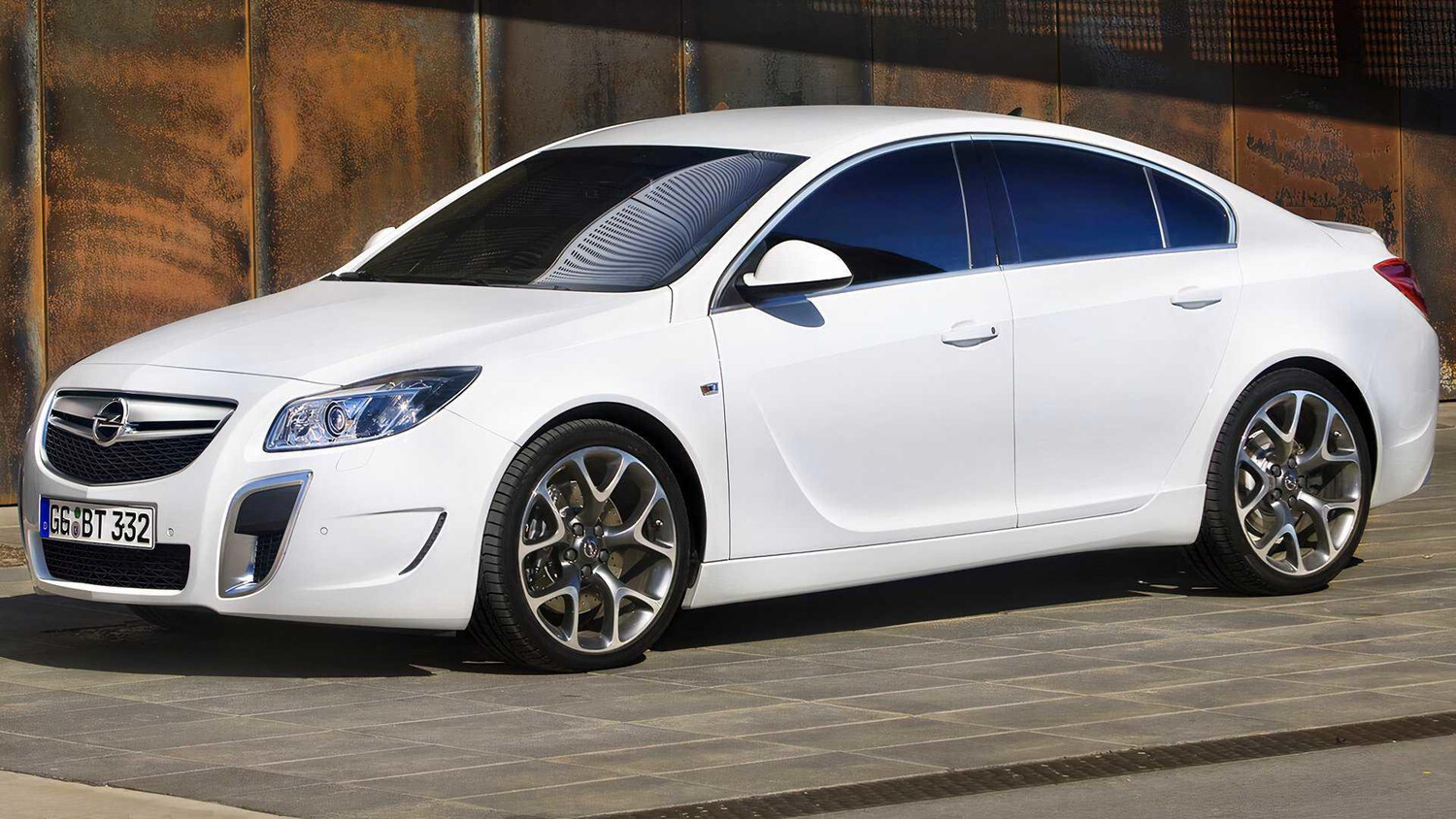
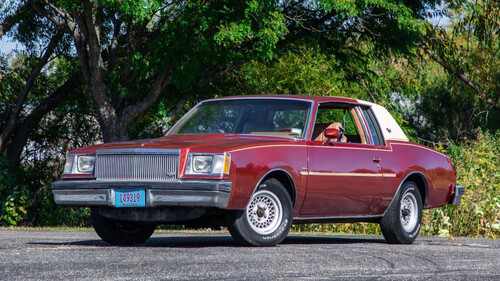
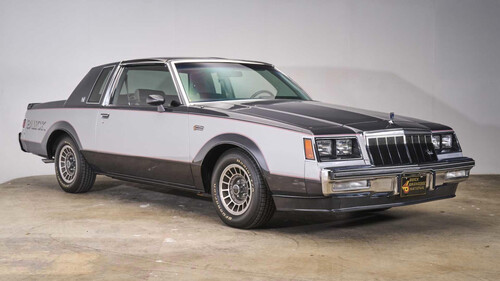
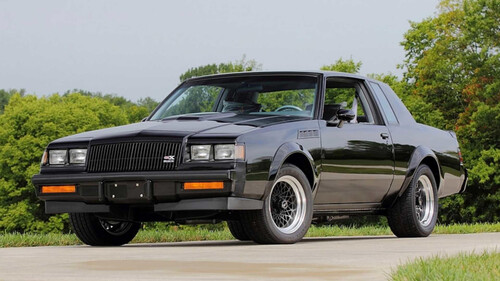
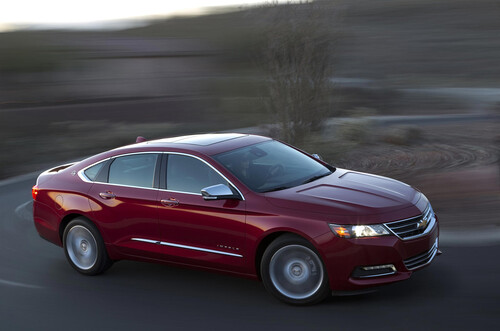
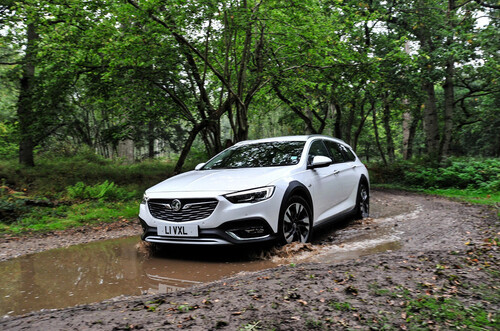
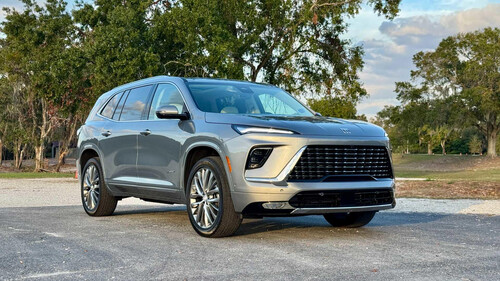
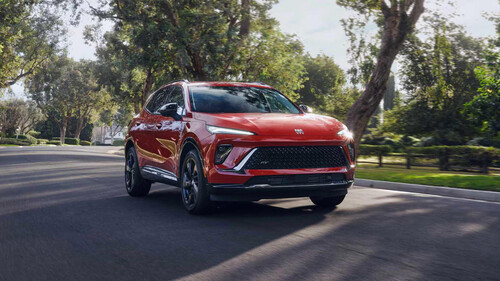
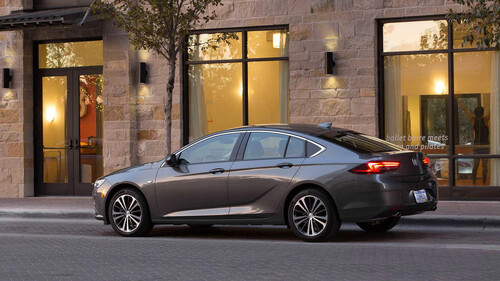
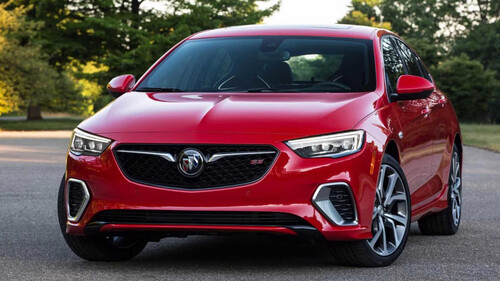
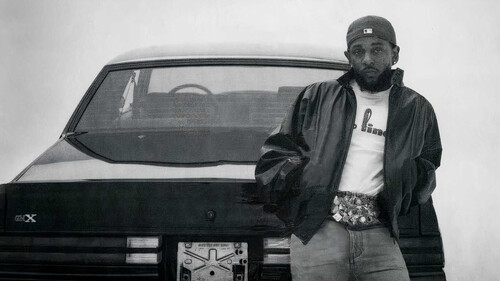
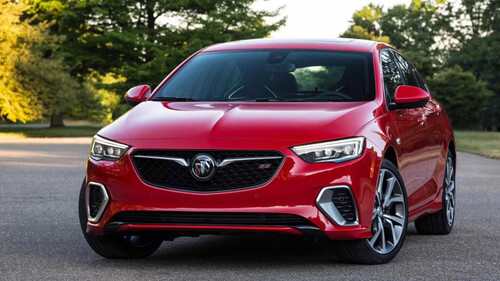
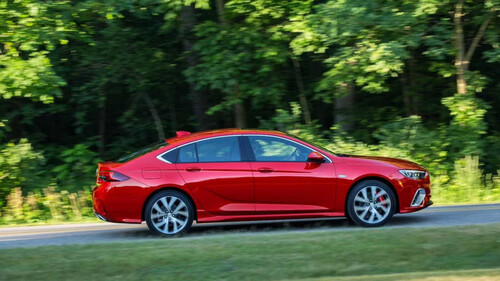
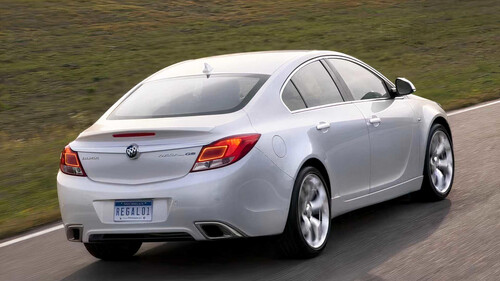
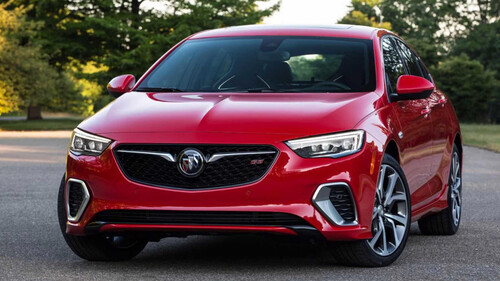
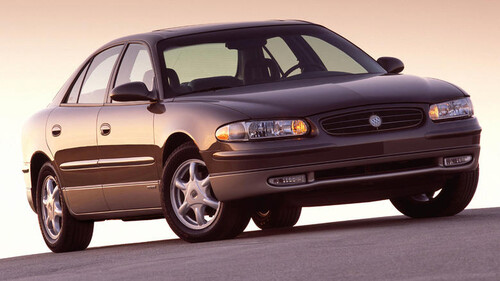
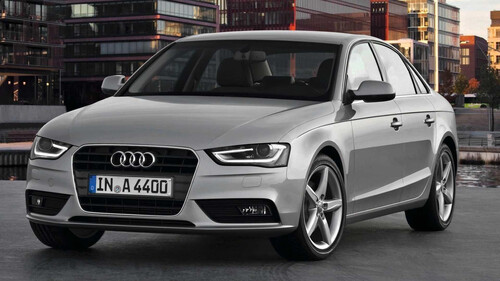
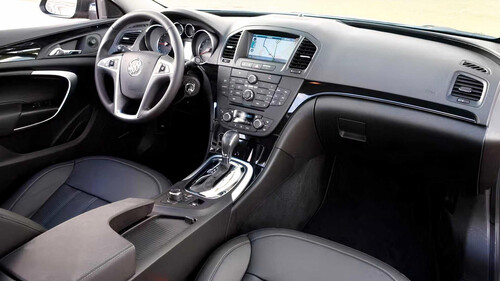
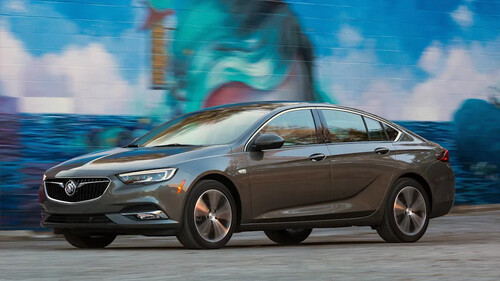
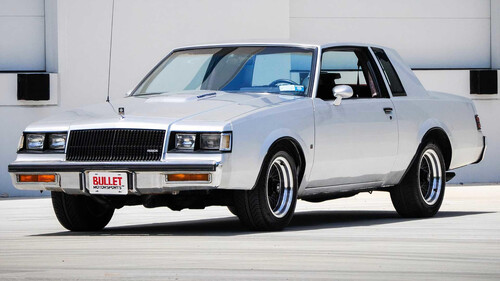
If anyone asks you about Buick today, your default answer would most likely be a "brand that makes cars for old people." This has been the perception of Buick from the 2000s till date. The vehicles they made were boring-looking premium sedans that valued comfort over everything. But Buick used to be a cool brand in the 80s with the Grand National that went on to become a top tier performance car, but that was where they peaked. But while performance is not even associated with Buick anymore, technology and modern engineering have helped the brand improve greatly on the vehicles they make. This allowed them to build a car in the mid-2000s that looked completely normal on the outside, but became the fastest car to wear the Buick badge. The Legend Of The Blacked-Out Silhouette Bring a Trailer To understand why some people speak so fondly of Buick, you have to go back to the mid-1980s. The automotive landscape at this time was different for everyone. The oil crisis was still in effect and big V8 cars were no longer in demand. Buick had the Regal at the time, and that was the perfect base for a performance car. Then came the Grand National. We know them to be all black, but this was from 1984, the original 1982 models were charcoal gray. For the first time ever, a high-performance American car was proud to have a turbocharged V6 under the hood with peak power at 245 horsepower and 355 pound-feet of torque in 1987. In the same year, Buick introduced the GNX (Grand National Experimental) as a final send-off to this model.It wore the sinister blacked-out look as the later Grand Nationals and had the same 3.8-liter turbocharged V6. It officially made 276 horsepower and 360 pound-feet of torque, which was said to be underrated from the factory as cars actually made 300 horsepower and 420 pound-feet of torque. This was paired with a four-speed auto sending power to the rear wheels. This was a very fast car as it was famously quicker than the Ferraris and Corvettes of its era, earning the nickname "Darth Vader’s car."It Still Remains The Peak Of BuickBring A Trailer For many enthusiasts, the GNX wasn't just a car, it was an engineering revolution and something no one expected from this brand. After the G-body platform was retired, Buick’s focus shifted dramatically. The brand immediately pivoted away from performance cars to focus on premium comfortable cars. But the GNX created such a huge impact and became culturally significant that it created a vacuum that still hasn't been filled. We see that even today with rappers like Kendrick Lamar making an album namedGNXwith the car on the cover. Every sporty attempt from Buick was always met with comparisons to the GNX and nothing could measure up to it. So when people who have any love for Buick talk about them, they always refer back to 1987. Buick Became A Brand Known For Quiet Luxury Buick By the 2010s, Buick seemed to have a direction they were headed. They became synonymous with "Quiet Tuning"—a marketing term they used for making a car so silent and isolated from the road. This move also determined their target demographic age and the cars had to appeal to that crowd. Soft suspensions, chrome accents, and bench seats even became the standard. None of this appealed to a younger buyer and instantly gave it the perception of the Grandma/grandpa car. It was "understated luxury," which in automotive terms often meant "boring." No Performance Cars In The Lineup Chris Kluever The lineup has transitioned almost entirely to crossovers and SUVs like the Enclave, Encore, Envista, and Envision. Buick may be struggling a bit in the US, but these cars are a hit in the Chinese market with over 80% of its global sales coming from China. This is because Buick is viewed as a high-tech brand over there, which fits into that ecosystem. China is the main reason Buick is still in business. There are no manual transmissions, no aggressive aero, and certainly no turbocharged monsters under the hood. The performance heritage of the brand seemed to have been permanently traded for quiet sophisticated luxury. The Buick Regal GS Is The Fastest Buick Ever Buick The Regal name still continued and in 2012-2017, Buick made an attempt at a sporty version known as the GS (Gran Sport). At first glance, it looked like the typical Buick Regal at the time, which was a handsome, somewhat conservative, executive sedan. This was the typical Buick design at the time, but the GS had a more sporty front and rear bumper with new 19-inch wheels as standard with an optional 20-inch setup. Under the hood was nothing specialIt had a 2.0-liter turbocharged inline-four that made 270 horsepower and 295 pound-feet of torque. You could pair this with either a six-speed auto or a six-speed manual, which adds some credibility to its sportiness, but it was front-wheel drive only. While the GNX was a drag-strip king designed to dominate the quarter-mile, the Regal GS was a high-speed cruiser. With a limited top speed of 162 mph, the GS comfortably outpaced the GNX's 124 mph top speed. This was not achieved through raw power but high-tech turbocharged engineering and a chassis built for a completely different continent. A European Car In An American Suit Stellantis/OpelUnderneath the Buick badges, the Regal GS was a rebadged Opel Insignia, a car developed by GM’s German subsidiary Opel for high speeds on the Autobahn. It even had Brembo brakes and a sophisticated HiPer Strut (High-Performance Strut) front suspension made by GM to manage torque steer. The Opel Insignia OPC even had a turbo V6 making 321 horsepower and all-wheel drive, which the Regal GS never got. This was a sports sedan that had more in common with a BMW 3-Series or Audi A4 than it did with any Buick. It was sporty, responsive, and built to sustain triple-digit speeds for hours. The Buick Regal GS simply got the less impressive engine. Raw Power Vs Aerodynamics BuickWhen you pit the GS against the GNX, you’re looking at a fascinating battle between two different types of vehicles. The GNX was built for all out speed but looked like a very intimidating brick. It had enough raw power to punch a hole through the air. When it comes to short sprints to 60 mph and the quarter mile, the GNX still wins, but once we leave the drag strip for the open highway, the GS wakes up. The modern Regal had aerodynamics in mind and its shape was designed to minimize drag and maintain stability at speeds that would make a G-body Buick feel like it was about to fall apart. The Buick Regal GS Is One Of Those Ultimate Sleepers Buick We hear the term sleeper cars a lot and this car may be one of the ultimate sleeper cars on the planet. Because of the Buick badge, no one would ever assume this car was capable of reaching speeds of 160 mph when most cars like it top out at 120-130 mph. It has no wings, no loud exhaust, and a turbo four-banger, but underneath is a capable chassis that had been tuned at the Nürburgring. Most people will just assume you’re a very sensible person on your way to a corporate meeting. It is a "wolf in sheep’s clothing" in the truest sense and it wouldn't fall apart on the track either. A Great Bargain On The Used Market BuickDespite all these great features, the badge may still not attract you to the brand. But if you want an invisible daily driver that will keep up with entry-level sports cars, then the GS is currently one of the best bargains on the used market. Since no one cares about this car, and it doesn't have the hype of a BMW, you can find well-maintained examples for around $10,000. This is a bargain for a car with a manual transmission option, Brembo brakes, and great driving dynamics.Now, this will never have the street cred of the GNX. In fact, most people don't know and don't even care if this car exists. To them, the GNX remains the peak. But when you hit the open road and see that needle climb past 150 mph in Mexico, you'll realize the fastest Buick wasn't built in the 80s but in the modern era in plain sight, but no one even knows about it.Sources: Buick, Opel, Stellantis.