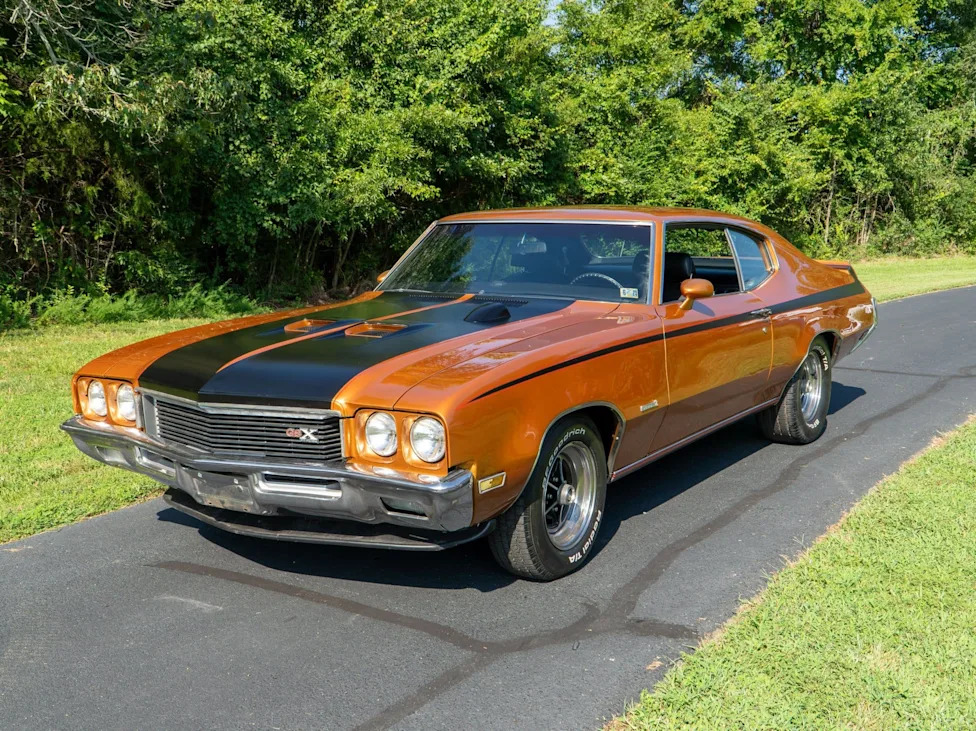
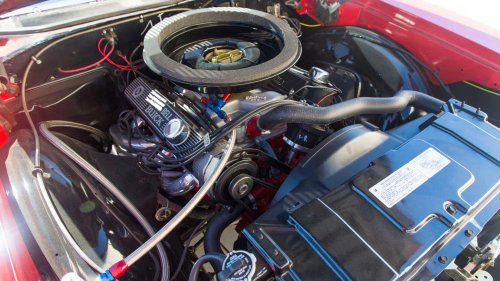
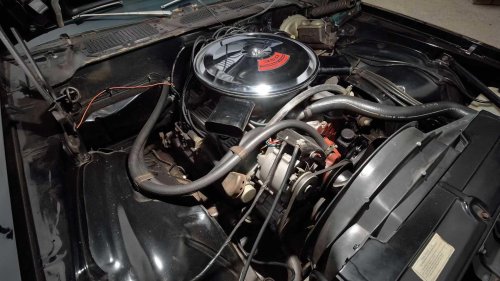
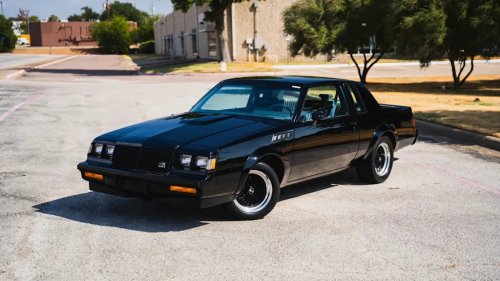
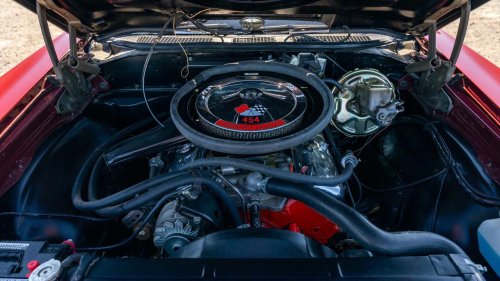
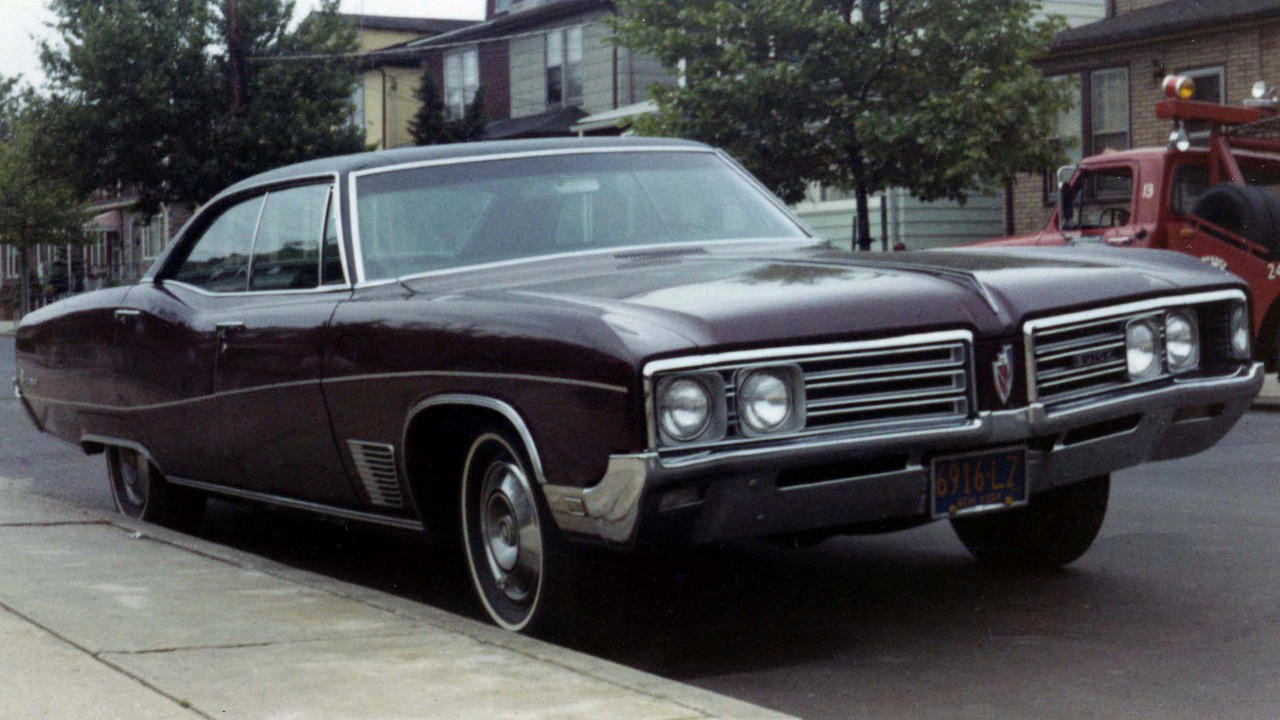
The 1970 Buick Wildcat sits in an odd corner of the classic car world, large and luxurious yet often overshadowed by flashier muscle machines from the same era. That underestimation is exactly what keeps surprising collectors, who are finding that this full-size cruiser offers rarity, power and value in a way that feels increasingly out of step with its modest reputation. As more attention turns to overlooked nameplates from the late 1960s and early 1970s, the Wildcat’s final model year is emerging as a case study in how a car can be both under the radar and quietly coveted. Rarity that sneaks up on the market On paper, the 1970 Buick Wildcat looks like a typical big American car from the end of the full-size performance era, but its production numbers tell a different story. The second generation Wildcat, built from 1965 through 1970, contributed to a Yearly Total of 73,561 in 1968, a figure that underscores how quickly full-size performance Buicks once moved. By the time the 1970 model year arrived, the Wildcat was nearing the end of its run, and the car’s presence in show fields today feels far thinner than those late‑1960s totals might suggest. That gap between the nameplate’s historical footprint and its current visibility is one of the first things that catches collectors off guard. The surprise only deepens when I look at the convertible. Reports on a 1970 Wildcat Convertibles project car point out that Of the 1,244 Wildcat Convertibles produced, very few survive in restorable condition, let alone as clean drivers. That figure, 1,244, puts the open‑top Wildcat in territory that many collectors would normally associate with far more hyped muscle cars. When a full-size Buick shares that kind of scarcity but still trades below the feverish prices of better-known halo models, it creates a quiet opportunity that seasoned buyers are starting to notice. Big-block power hiding in a luxury shell What really unsettles expectations is how much performance Buick baked into a car that looks, at first glance, like a pure boulevard cruiser. The 1970 Wildcat could be ordered with a 455 cubic inch V8, and coverage of a deteriorating Buick Wildcat Convertible underscores that the 455 was not just a marketing flourish. In an era when displacement was a calling card, the presence of a 455 in a full-size convertible that most people remember as a comfortable family car feels almost subversive. It is the kind of specification that makes a casual observer do a double take once the hood is open. Enthusiast discussions about the 1970 Wildcat’s drivetrain, including threads where a Well Known Member greets another user with a friendly “Hello” while dissecting the 455’s details, show how much technical interest hides behind the car’s low profile. Those conversations often focus on the Wildcat’s ability to blend torque-rich acceleration with the long‑legged comfort expected from a Buick of that era. When I compare that blend to the more single‑minded focus of many intermediate muscle cars, the Wildcat’s dual personality stands out. It is a big, quiet cruiser that can still deliver the kind of shove that enthusiasts associate with dedicated performance models, and that contrast is a key part of why it keeps catching collectors off guard. Image Credit: Hip, via Wikimedia Commons, CC BY-SA 3.0 The Custom trim’s quiet prestige Trim hierarchy is another area where the 1970 Wildcat defies casual assumptions. The Custom trim sat at the top of the range, and contemporary coverage notes that The Custom, available in two- and four-door hardtops as well as the convertible, represented the pinnacle of Bui luxury and style for that model line. In practice, that meant more elaborate interior appointments, additional brightwork and a general sense that this was the Wildcat aimed at buyers who wanted something a step above the typical full-size car. Yet because the Wildcat name never achieved the same long-term fame as some of Buick’s other badges, that top-tier status is easy to overlook today. Valuation data reinforces how underappreciated that prestige remains. According to pricing tools that track the 1970 Buick Wildcat Custom, a buyer can Typically expect to pay around $11,850 for a 1970 Buick Wildcat Custom in good condition with average spec. For a top‑trim, big‑block capable full-size from a major American brand, that figure is striking. I see plenty of intermediate muscle cars with rougher equipment levels and far higher production totals trading for more. The gap between the Custom’s original positioning as the most desirable Wildcat and its relatively modest current valuation is another way the car upends expectations. A convertible that tells a larger story The 1970 Wildcat convertible has become a symbol of a broader shift in how collectors think about the end of the classic full-size era. Recent coverage of a neglected Buick Wildcat Convertible with a 455 under the hood describes the car nearing the end of its life, yet still serving as a rolling reminder of a forgotten era of American motoring. When I look at that story alongside the production figure of 1,244 convertibles, the car starts to feel like a time capsule. It captures a moment when Detroit was still building large, comfortable open cars with serious power, just before emissions rules, insurance costs and changing tastes pushed the market in a different direction. Another report on the same car highlights how the rarity of this particular convertible makes its deteriorated condition especially poignant, noting again that Of the Wildcat Convertibles built, only a fraction remain. That tension between scarcity and neglect is part of what surprises collectors when they encounter a Wildcat in the wild. It is not just that the car is rare, it is that its survival often feels accidental, the result of an owner who saw value in something the broader market had not yet fully recognized. For enthusiasts who enjoy rescuing overlooked models, the 1970 Wildcat convertible has become a compelling, if challenging, target. Why value and perception still lag behind For all its rarity, power and top‑trim cachet, the 1970 Wildcat still trades at prices that lag behind its spec sheet, and that disconnect is central to its ongoing ability to surprise. The valuation figure of $11,850 for a Typically equipped Wildcat Custom in good condition suggests that the market has not fully priced in the car’s combination of low production, big-block availability and high trim level. When I compare that to the attention lavished on more famous muscle nameplates, it is clear that the Wildcat still suffers from a perception gap. Many buyers simply do not associate the name with performance or collectability, even though the hardware and build quality are there. Part of that lag stems from the way the Wildcat straddles categories. It is not a compact or intermediate muscle car, so it does not fit neatly into the most heavily marketed slice of the classic performance world. At the same time, it is more athletic and better equipped than many of the full-size sedans that share its footprint. Enthusiast discussions, such as the Wildcat 455 threads where owners trade notes on drivetrains and styling, show that the car has a dedicated following, but not yet a mass audience. That in‑between status keeps prices relatively approachable while the car’s underlying qualities continue to surprise the collectors who take a closer look.



















 +9 others