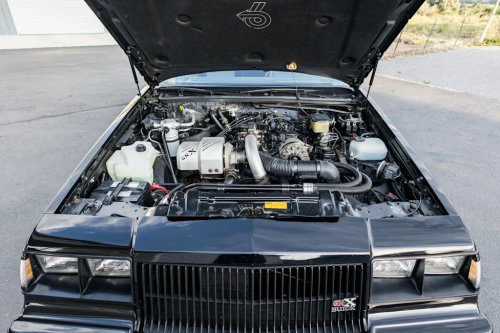
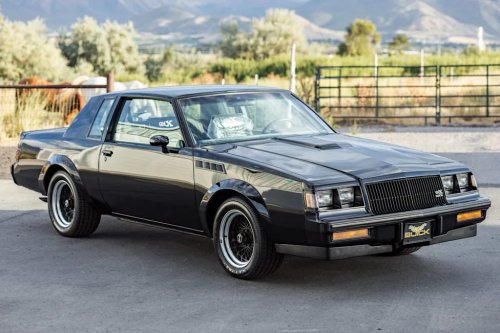
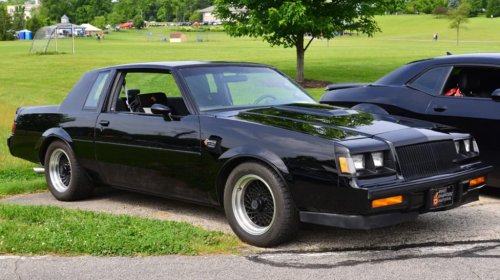
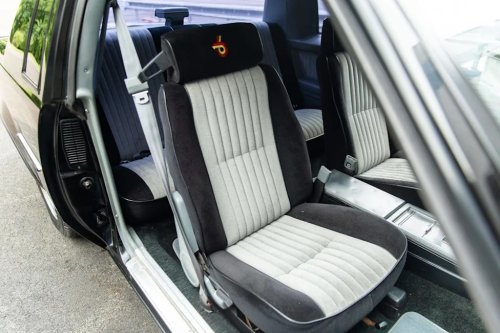
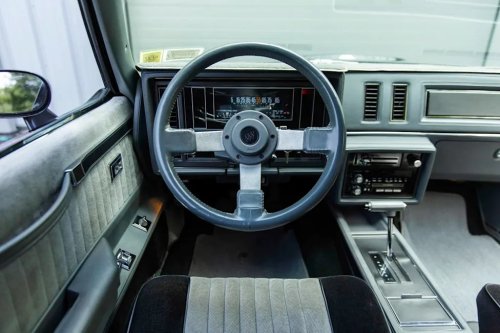
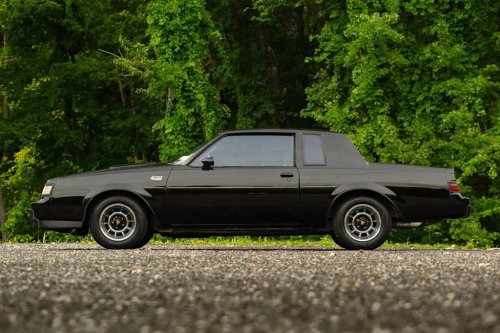
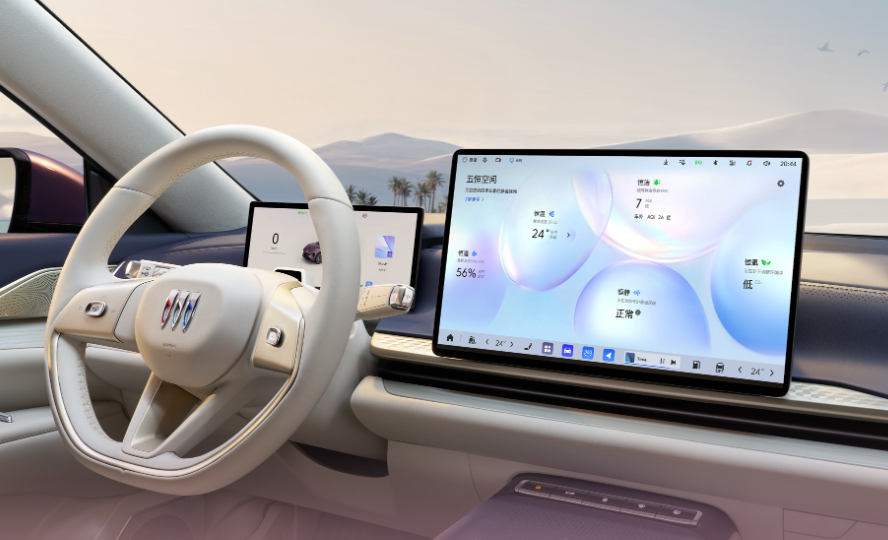
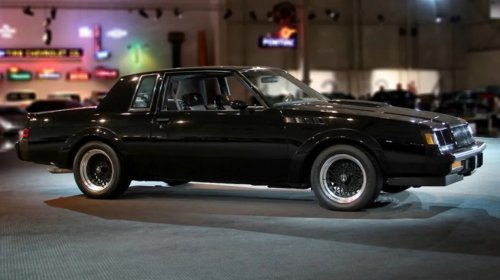
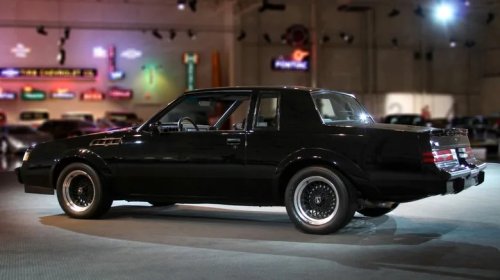
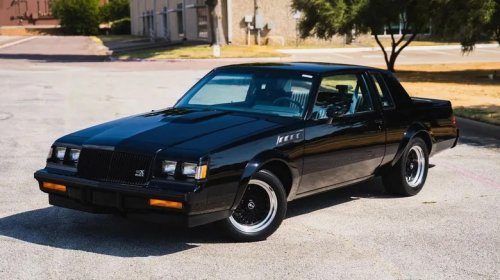
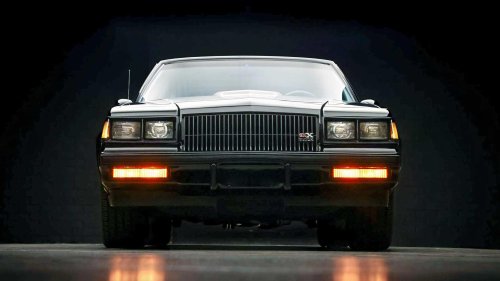
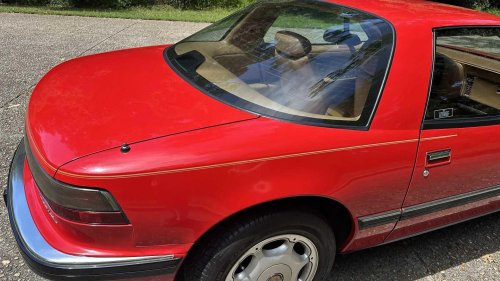
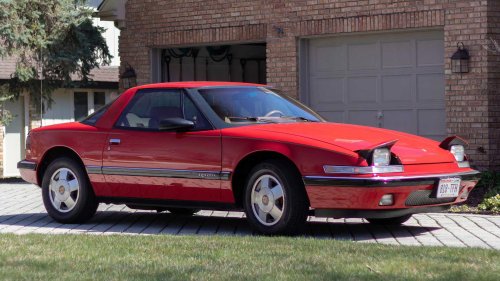
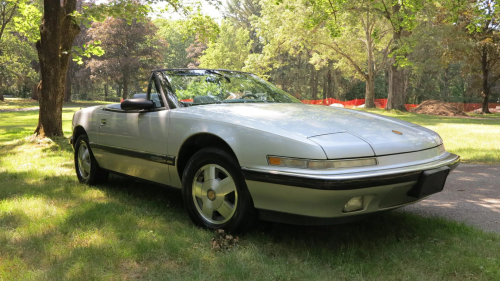
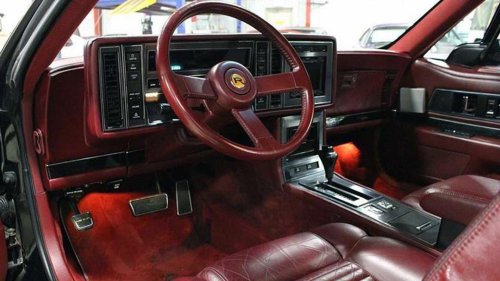
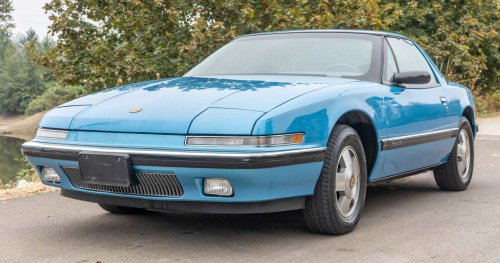
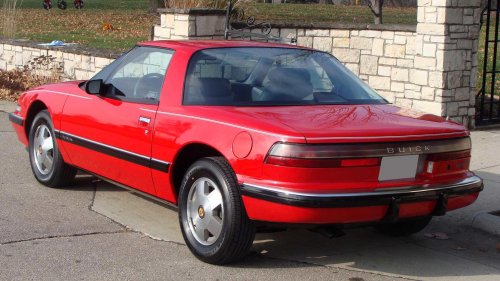
Buick once tried to build the sort of car almost nobody expected from Buick — a sleek, pricey, two-seat halo machine meant to make people stop mid-stroll and say, "Wait, that came from the folks with the plush seats?" It sounded odd, because it was odd.The car arrived hand-built, full of unusual tech, and aimed at buyers who wanted leather, comfort, and a little driveway drama without waking the neighbors. It promised class, calm, and enough style to make a country-club valet look twice. Then it slipped into the fog. Today, even many car people need a second to remember it. Buick Had A Problem It Couldn’t Ignore Bring a Trailer By the late 1980s, Buick knew it had a strange kind of success problem. The brand had loyal buyers, and many of them loved exactly what Buick sold — quiet cabins, soft seats, long hoods, polite road manners, and dashboards that seemed designed for people who used the word "slacks" without irony. Buick made good cars for its audience. The trouble came from the audience itself. Safe can sell, but safe can also turn into wallpaper. A car can be tasteful, solid, and nicely trimmed, yet still fail to make anyone under 45 daydream during a boring meeting.Buick did try to flash a little attitude. The turbocharged Regal Grand National and GNX gave the brand real street credit, and the T-Type trim line added some blacked-out bite across the showroom. Those cars proved Buick engineers knew where the fun switch lived. However, most buyers still saw Buick as the place for mature comfort, not a place to shop for a stylish weekend prize.The market had also moved. Imported luxury coupes and roadsters had become poster material for adults with money. Mercedes-Benz, BMW, Porsche, Nissan, and other brands sold an image as much as sheetmetal. Their cars felt modern, sharp, and a bit exclusive, and Buick had nothing against them. The brand needed a showroom magnet, something that could make a shopper wander past a Park Avenue and ask what else the brand could do. The Car That Was Too Strange To Fit Anywhere BaT That idea created a trap from the start. Buick wanted a two-seat car that could draw attention, but it did not want a raw sports car. General Motors already had the Corvette for that job, and Pontiac had the Fiero for the mid-engine, oddball crowd. Cadillac also wanted a piece of the high-end two-seat roadster market. Buick had to aim at a thinner slice — the buyer who liked sporty style but still wanted quietness, easy entry, a real trunk, and a ride that would not punish a spine over railroad tracks. That sounded clever on paper. A Buick two-seater could offer the special feeling of a roadster or personal luxury coupe without asking its owner to heel-toe downshift on the way to brunch. It could be roomy for two, calm on the highway, and dressed well enough to park outside a nice restaurant without looking like it came from a rental lot. Buick product planners heard from buyers who wanted comfort, a useful trunk, and long-trip ease.Buick wanted excitement, but not harshness. It wanted exclusivity, but it still had to sell through the same dealers that moved sensible sedans. It wanted a modern image, but the badge carried decades of calm. That is a tough recipe. If a sports car is a double espresso, this project wanted to be a cappuccino with extra foam and lumbar support. Not a bad drink, but hard to market to people who came in craving caffeine. The Forgotten Car Was The Buick Reatta Bring a Trailer The mystery car was the Buick Reatta, a two-seat personal luxury coupe launched for the 1988 model year. Buick built it to act like a flagship with a little swagger, a low-volume car that could pull attention toward the brand and tell the world that Buick still had a pulse above idle. The Reatta name also fit the brand's "quietly different" mood — it came from "reata," or "riata," a Spanish word for lariat, and Buick added the extra "t" for trademark reasons. That gave the car a western-sounding badge, even though it behaved less like a rodeo horse and more like a very calm ranch owner with excellent credit.The backstory made the car even stranger. GM designers had played with two-seat luxury ideas for years, and Cadillac’s Allanté program pulled corporate attention toward the pricier roadster side of the house. Buick kept working on a closed two-seater instead, which helped the car avoid a direct fight with Cadillac but also locked it into a shape that some buyers did not know how to read. Was it a coupe? A sports car? A baby Riviera with fewer chairs? Yes, sort of, and that was the issue.The Reatta looked like nothing else in a Buick showroom. It had a sleek, rounded body, pop-up headlights, a short wheelbase, a long rear glass area, and a two-seat cabin with real luggage space behind the seats. Under the skin, it shared much of its thinking with GM’s E-body luxury cars, especially the Buick Riviera, but it wore its own shape. Buick assembled it at a special Lansing, Michigan, craft facility where cars moved from station to station instead of rushing down a normal line. Workers handled the job in teams, and automatic guided vehicles moved the cars between stations. Not Your Typical Buick via Bring A TrailerThe hardware was an interesting mix. Buick gave the Reatta a 3.8-liter V6, front-wheel drive, and a four-speed automatic. The 1988 car was listed at 165 horsepower and 210 pound-feet of torque, with a 9.1-second run to 60 mph and a 122-mph top speed. Those numbers did not scare any Corvette owners into hiding under the bed, but that was never the plan anyway. They did make sense for a smooth two-seat cruiser that cared more about silence, stability, and “arriving refreshed” than setting tires on fire.While not exotic, the 3800 V6 also gave the car a very Buick kind of charm. It was durable, familiar, and about as stressed as a golden retriever in a sunbeam. The Reatta’s fully independent suspension and four-wheel disc brakes with anti-lock control helped it feel more composed than many people expected, even if it never begged anyone to find an autocross.Via Mecum Auctions The cabin carried the weirdest and most forward-looking part. Early Reattas used a CRT touchscreen-style control center for audio, climate, trip, gauge, and diagnostic functions. In 1988, that felt like science fiction with a warranty. Today, it looks like a tiny arcade cabinet got hired to run the heater. Still, Buick deserves credit – while most cars still used knobs and sliders, this coupe asked owners to tap a screen years before touchscreens became the default way to make drivers angry. It was clunky but bold. Buick dropped the screen later, but the early setup remains one of the car’s best conversation pieces. Why The Reatta Never Became A Legend BringaTrailer The Reatta had style, rarity, and novelty, but it never solved its identity problem. Buick priced the coupe around $25,000 at launch, which put the car in serious money territory for the time. At that price, shoppers wanted a clear answer — they wanted speed, prestige, or practicality. The Reatta offered pieces of all three, but it did not land a knockout punch in any single round.Total production reached only 21,751 cars over four model years. The first shortened model year reached 4,708 cars, 1989 climbed to 7,009, 1990 became the best year with 8,515, and 1991 fell to 1,519. Those are not kit-car numbers, but they are not halo-car victory-lap numbers either. For a big automaker with Buick’s dealer network, that volume made the Reatta rare by accident.Enthusiasts saw the two seats, low roof, and pop-up lights, then looked under the hood and found a calm V6 driving the front wheels. Traditional Buick buyers saw the price and wondered where the rear seat went. Luxury shoppers could spend more and get a stronger badge, or spend differently and get sharper performance. The Reatta sat at a party with three friend groups and never knew which conversation to join.The convertible version tried to add more desire for 1990. The open-top Reatta looked better to many eyes, and it gave the car the sunny-weekend mood it always seemed to want. But it arrived late, carried a high original MSRP of $35,000, and kept the same basic personality. The top used a manual setup designed with ASC, with a glass rear window, defroster, and rigid tonneau cover. Nice touches, sure, but not enough to rewrite the script. The Reatta Wasn’t A Failure, It Was A Missed Connection via Mecum Auctions The Reatta survives in memory because it missed the normal boxes. It was too soft for sports car purists, too small for Buick loyalists, and too unusual for the luxury market to fully trust. Yet that awkwardness gives it flavor now. Plenty of forgotten cars failed because nobody cared, but the Reatta failed to stick because Buick cared in a very Buick way. It tried to be daring without being rude.That makes the car more interesting than its sales numbers suggest. Buick built a modern two-seater with hand-finished attention, a sleek body, a smooth V6, an advanced cabin interface, and enough comfort for a long highway run. It was aimed at adults who wanted a special car but still liked quiet door seals. That may not sound heroic, but it took nerve. A brand known for calm tried to sell cool without losing its manners. Buick deserves credit here.That is why the car has aged in a more interesting way than some quicker rivals. The Reatta never pretended it was secretly a track weapon, and nobody needs to rewrite history and claim it was one camshaft away from Le Mans. Its appeal lives in the exact mix that hurt it new — the comfortable ride, the weird cabin tech, the low-volume build, and the way it turns a gas-station stop into a small trivia contest.Source: Buick, Car and Driver


















 +78 others