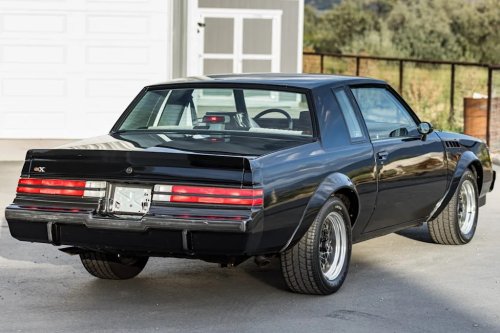
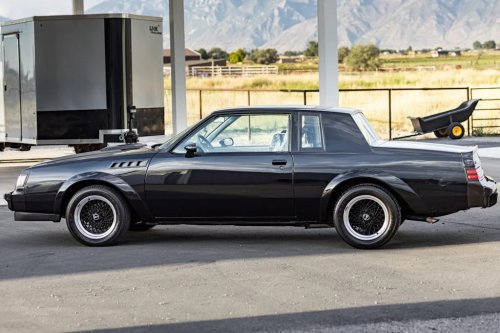
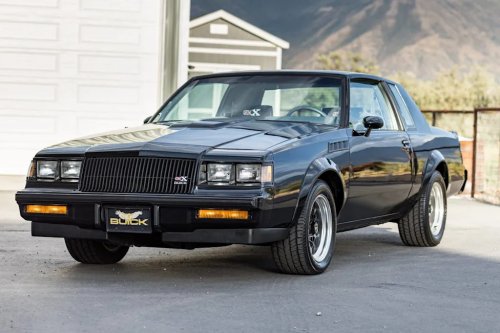
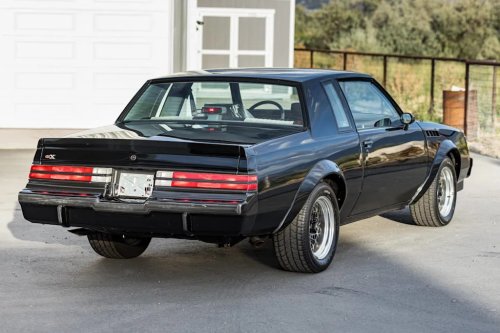
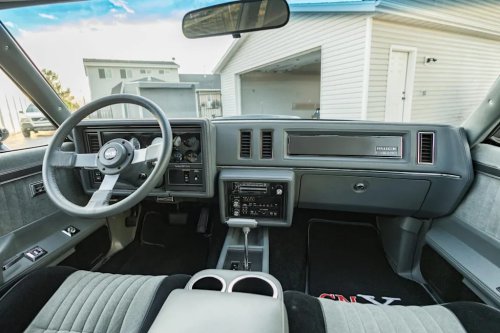
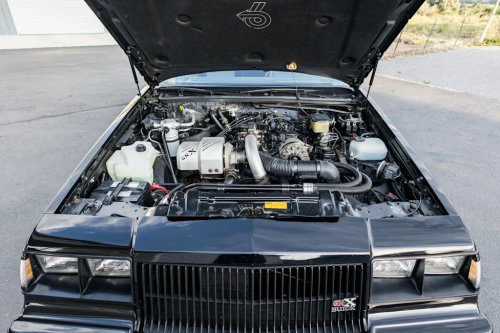
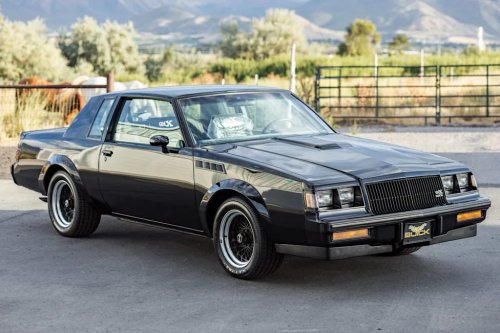
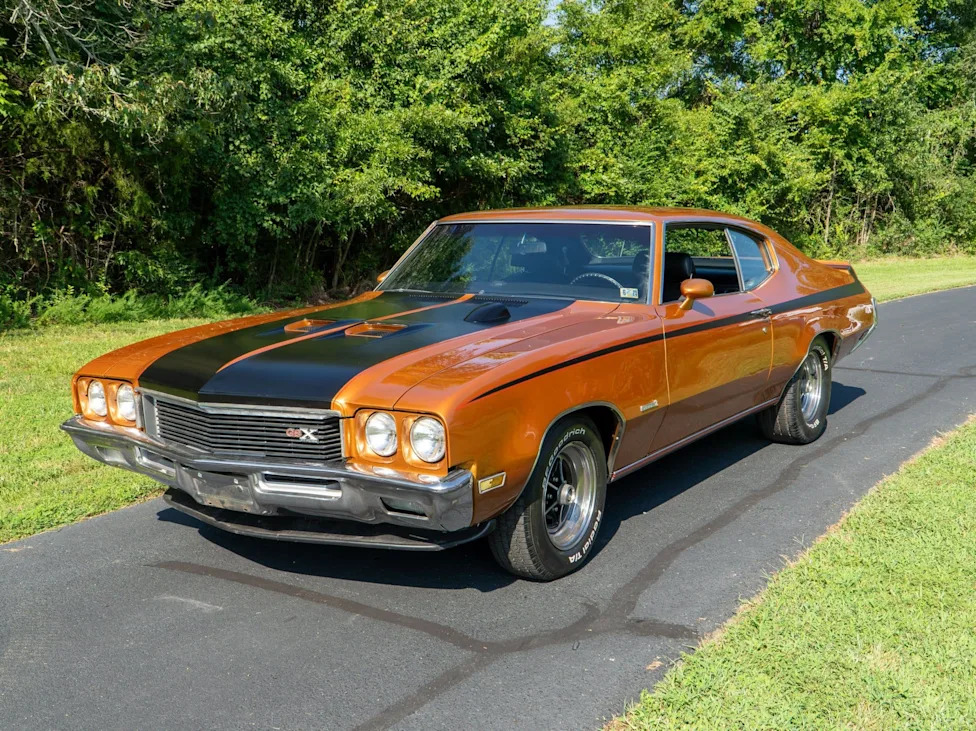
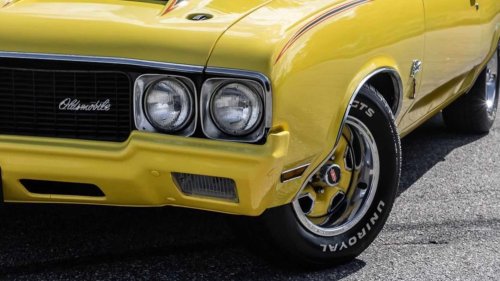
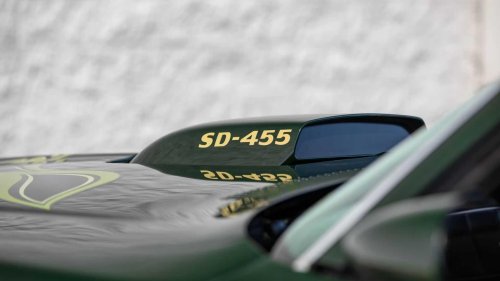
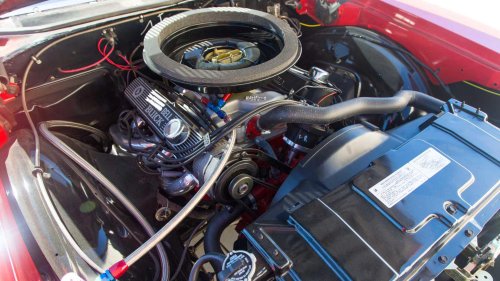
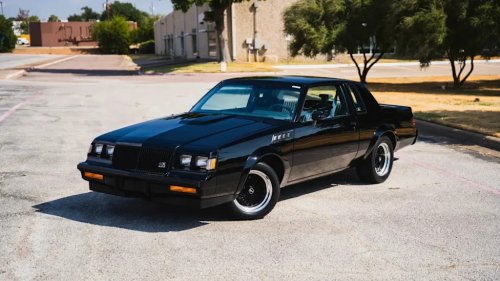
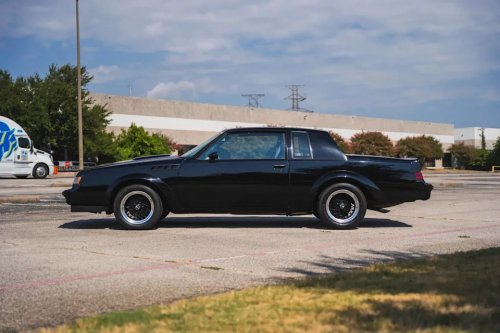
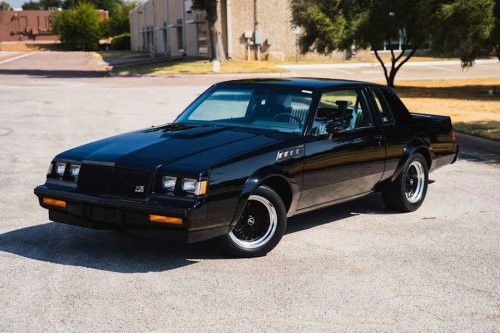
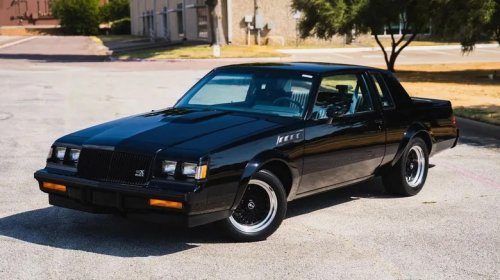
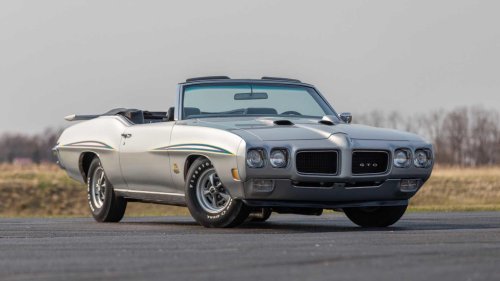
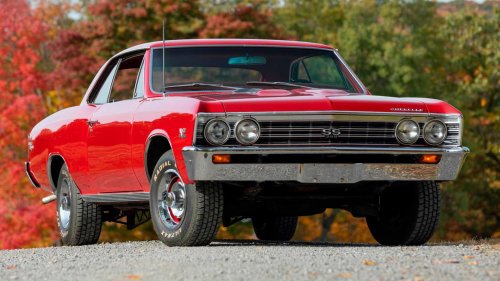
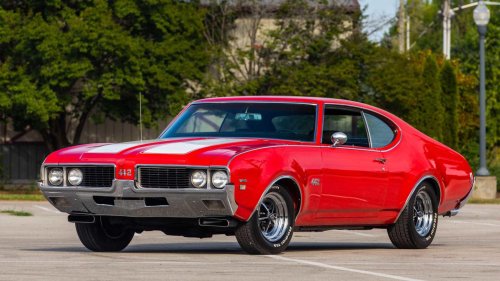
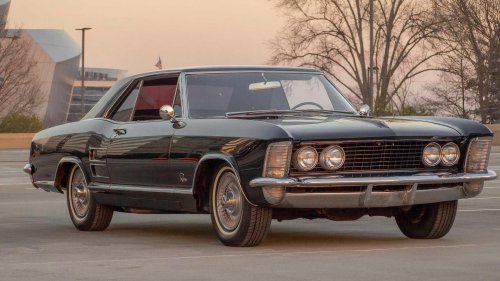
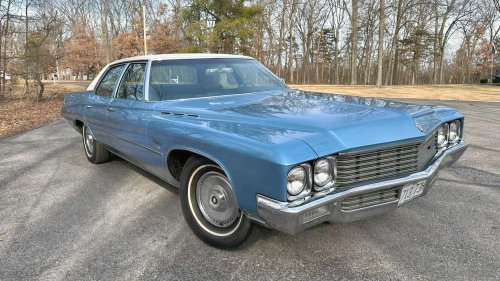
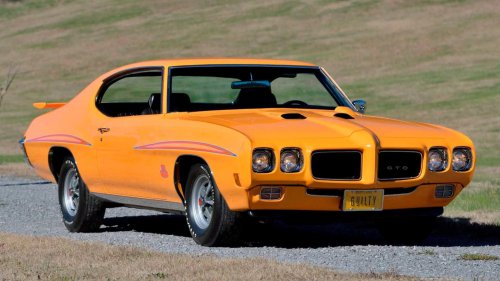
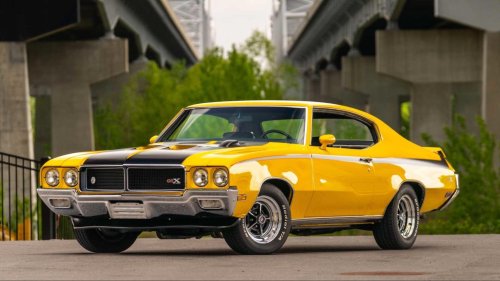
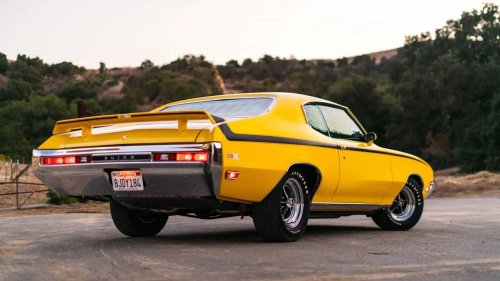
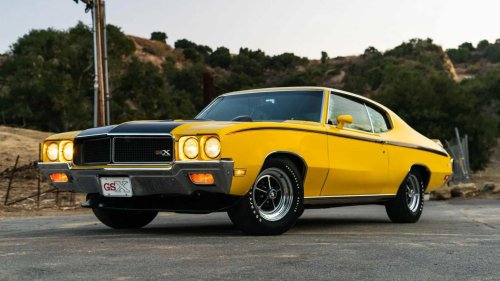
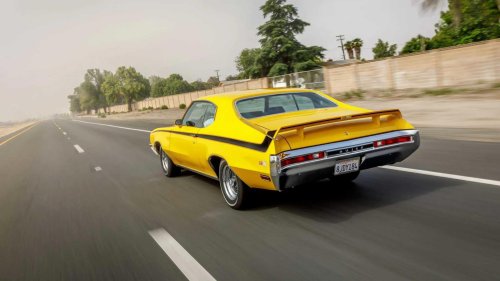
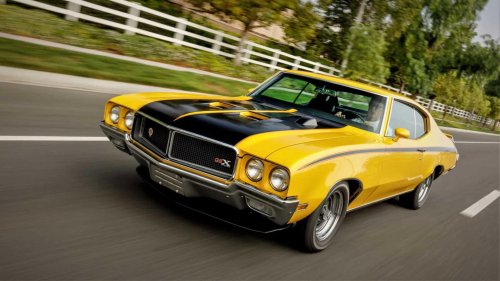
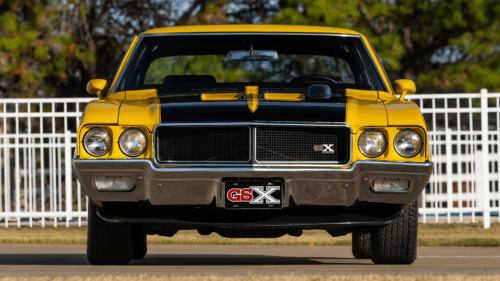
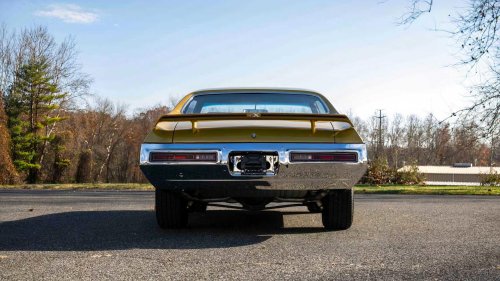
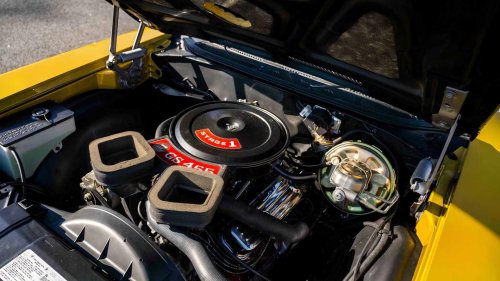
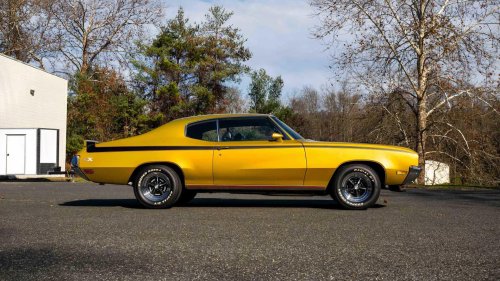
In 1970, one GM muscle car posted numbers that should have rewritten the pecking order. The muscle car era was producing some of the most powerful machines in American automotive history, every carmaker pushing the next to its engineering limits. There was no clear winner when it was all coming to an end. Every brand had its equivalent, and they all went head-to-head. But the competition had its casualties. Some cars were capable of being a cut above everything else, and nobody looked because they were too busy chasing the big names instead. When GM's Muscle Car War Had No Clear Winner Mecum Inside GM, the situation mirrored what was happening across the entire industry. The hierarchy between divisions was driven as much by marketing presence and brand identity as by engineering. At the same time, an outside force was reshaping the market faster than anyone expected. Insurance costs were climbing hard and fast, pushing buyers to weigh performance against perception in ways they hadn't needed to before. The market peaked around 1970. One car was still trying to make its case, with almost no runway left. The Pecking Order That Defined An Era Mecum The pecking order inside GM alone was vicious. Pontiac owned the GTO nameplate and every inch of performance reputation that came with those three letters. Chevrolet had the Chevelle SS 454. Oldsmobile backed the 4-4-2 W-30 with genuine factory drag racing credibility, and it showed up at the strip every time it needed to. As a buyer in 1970, you had three established performance brands from the same company, each with its own fanbase, its own war stories, and its own place in the pecking order. Rising insurance premiums meant that if you arrived without a budget and a brand already locked in, the decision only got harder. What Separated A Contender From A Footnote Mecum That era produced more performance cars than buyers could keep track of, and most got buried before they could prove a single thing. The cars that cut through the noise did it two ways: factory-backed motorsports presence and showroom visibility. A few brands cracked both. Buick couldn't crack either one. Their reputation was built on upscaled luxury and refined comfort, aimed at buyers who wanted refinement over raw power and a quiet highway over a quarter-mile war. The brand was not taken seriously. Credibility at the strip had to be earned from absolute zero. By 1970, with the muscle era already tipping toward its end, the clock was almost out of time. The Car Detroit Refused To Take Seriously Bring a TrailerBuick wasn't a performance brand, but the engineers inside the division had done something that deserved serious attention. Detroit was too focused on the cars already stealing headlines to understand what Buick had quietly put together. The badge was the real problem. In the muscle car hierarchy, perception wasn't just marketing, it was hard currency. And Buick was flat broke on that front, walking into the performance wars carrying a luxury reputation and nothing to back it up at the track. Why Brand Reputation Can Kill A Performance Car Bring a Trailer The car was announced through a separate pamphlet rather than the standard Buick model catalog, and that one decision limited its showroom visibility from day one. Buyers hunting for muscle went straight to Pontiac and Chevrolet. They weren't stopping to read a Buick spec sheet. The car was built as Buick's direct answer to the GTO Judge and the Chevelle SS, but Buick was the kid in the room who gave the right answer after the popular names had already claimed the floor. Not because the answer was wrong, but because nobody knew Buick was even in the argument. The Badge That Buried The Performance Car Mecum Buick's showroom identity in 1970 was built around the Riviera and the LeSabre. Buyers walking through those doors were shopping for refinement, not a quarter-mile weapon. The performance market had its own geography: Pontiac dealers, Chevrolet dealers, the occasional Oldsmobile stop. Buick wasn't on that map. Even with the GSX pamphlet in existence, there was no reason for a performance buyer to be standing in a Buick showroom to find it. The brand had to overcome its own identity before it could make any case about the car itself. In 1970, with the muscle era running out of road, that was a battle it couldn't win quickly enough. Buick GSX: The Muscle Car GM Built To Win But Forgot To Sell Mecum The car is the Buick GSX, built to put the GTO and the Chevelle SS on notice, and capable of backing that up. On paper and on the strip, it delivered on the promise. The problem was never what the car could do. The problem was convincing a market that had already made its decision about what the Buick badge stood for. Getting that done in 1970, with the muscle era burning toward its end, was a battle the GSX couldn't win fast enough. What The GSX Stage 1 Brought To The Fight In 1970 Bring a Trailer The GSX arrived as a $1,100 performance and appearance package on the $3,098 base GS 455, keeping the total well under five grand. Standard fitment included fiberglass front and rear spoilers, a hood-mounted tachometer, G60-15 white-lettered tires on 15-inch chrome wheels, and full-length black stripes outlined in red pinstripe. The Stage 1 added the 455 cubic-inch V8 running 10.5:1 compression, a hotter camshaft with .490-inch lift, a specially tuned Rochester Quadrajet four-barrel, and a 3.64 positive traction limited slip final drive. Power output was rated at 360 horsepower and 510 pound-feet of torque at 2,800 rpm. Transmission choice was a Hurst close-ratio 4-speed manual or Turbo Hydra-matic 400 automatic 3-speed. In 1970, the only color options were Saturn Yellow and Apollo White. The Production Collapse That Sealed Its Fate Bring a Trailer Total 1970 GSX production came to 678 units, with the build window running only from approximately March to May. That alone made it one of the most compressed factory muscle car runs of the era. For 1971, the GSX became an option package available on any Gran Sport, and production dropped to 124 units across all engine variants. The 1972 model year was the final run, at just 44 units. Three years, roughly 846 units total, never once crossing the thousand-unit mark. The cause wasn't a recall or a brand scandal. The muscle car market simply moved on before Buick had finished making the case for the fastest thing in the lineup. The Period Tests That Should Have Started More Arguments Bring a Trailer The 1970 Buick GSX Stage 1 had the numbers to back every claim Buick was making. Quarter-mile results that cleared both the GTO and the Chevelle SS in standard configuration. The GSX had one of the highest rated torque figures for a muscle car in American automotive history. The problem wasn't the performance. It was that the Buick badge meant the story never spread far enough to reach the buyers who needed to hear it most. The Quarter Mile Results That Should Have Made Headlines Bring a Trailer Period testing of the 1970 Buick GSX Stage 1 produced a 13.38-second quarter mile at 105.5 mph, with 0-60 in 6.0 seconds. Those numbers put it squarely among the fastest American production cars of 1970. The 510 pound-feet of torque arriving at just 2,800 rpm was the highest of any American production performance car of the era, a record the GSX held until 2003 when it was surpassed by the Dodge Viper's V10. Buick GSX Stage 1 Engine Specs That is not the spec sheet of a car that deserved to disappear after three model years. It is the spec sheet of a car that should have had a mythology to match its performance. The badge made sure it didn't. The Rivals The GSX Put Up A Real Fight Against MecumThe GTO Judge with the Ram Air III ran the quarter mile around 14.5 seconds, with the Chevelle SS 454 LS5 in roughly the same territory. The Stage 1's 13.38 at 105.5 mph cleared both in standard trim. The one exception was the LS6 Chevelle making 450 hp, which ran similar times, but that was a significantly higher-cost option and not the comparison most buyers were actually making at the dealership. Why Collectors Are Finally Settling The Argument Mecum Time has a way of revealing what was undervalued. The Buick GSX was ignored when it mattered most, sold in numbers so small it barely registered in the muscle era, despite being blisteringly quick. Fifty years later, the auction results are making the case Buick never could. Values are firmly in six-figure territory, the gap between the GSX and its rivals on the collector market is closing fast, and the rarity argument only gets stronger every year. The Numbers Doing The Real Talk Mecum Classic.com records confirm the trajectory. A 1970 Buick GSX Stage 1 sold for $236,500 in Scottsdale in January 2025, the highest recorded sale on the platform for the model. Another went for $162,000 in July 2024, a third for $154,000 in May 2025. Multiple examples changed hands in the $132,000 to $140,000 range across 2022 and 2023. A 1971 GSX Stage 1 sold for $85,000 in January 2024. There have been no significant pullback across the full five-year window, and the strongest results have all come on matching-numbers, verified examples. What Makes The Buick GSX Stage 1 The Most Undervalued American Muscle Car Mecum With 44 units in 1972 and roughly 850 total across three years, the rarity is structural, not manufactured. Matching-numbers Stage 1 examples consistently outperform modified cars at auction, pointing to genuine collector demand rather than short-term hype. Against comparable GTO Judge and Chevelle SS peers, the GSX still trades at a discount on a straight performance-to-rarity basis. The rivalry didn't end in 1972. The GTO and the Chevelle SS never had to wait this long for the respect they were owed. The GSX still has some catching up to do, but the numbers at auction are starting to make the argument Buick never quite managed to.


















 +58 others