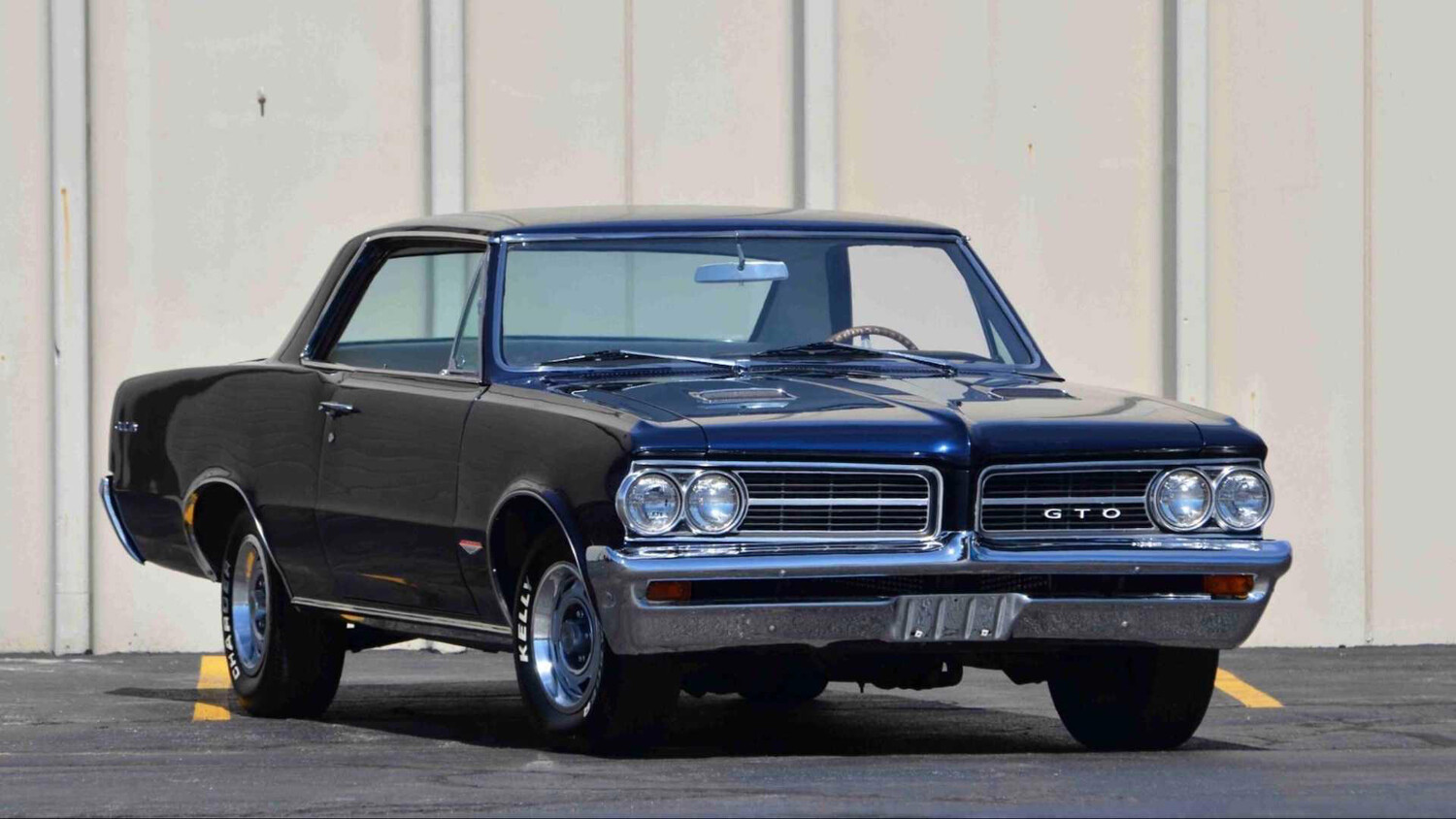
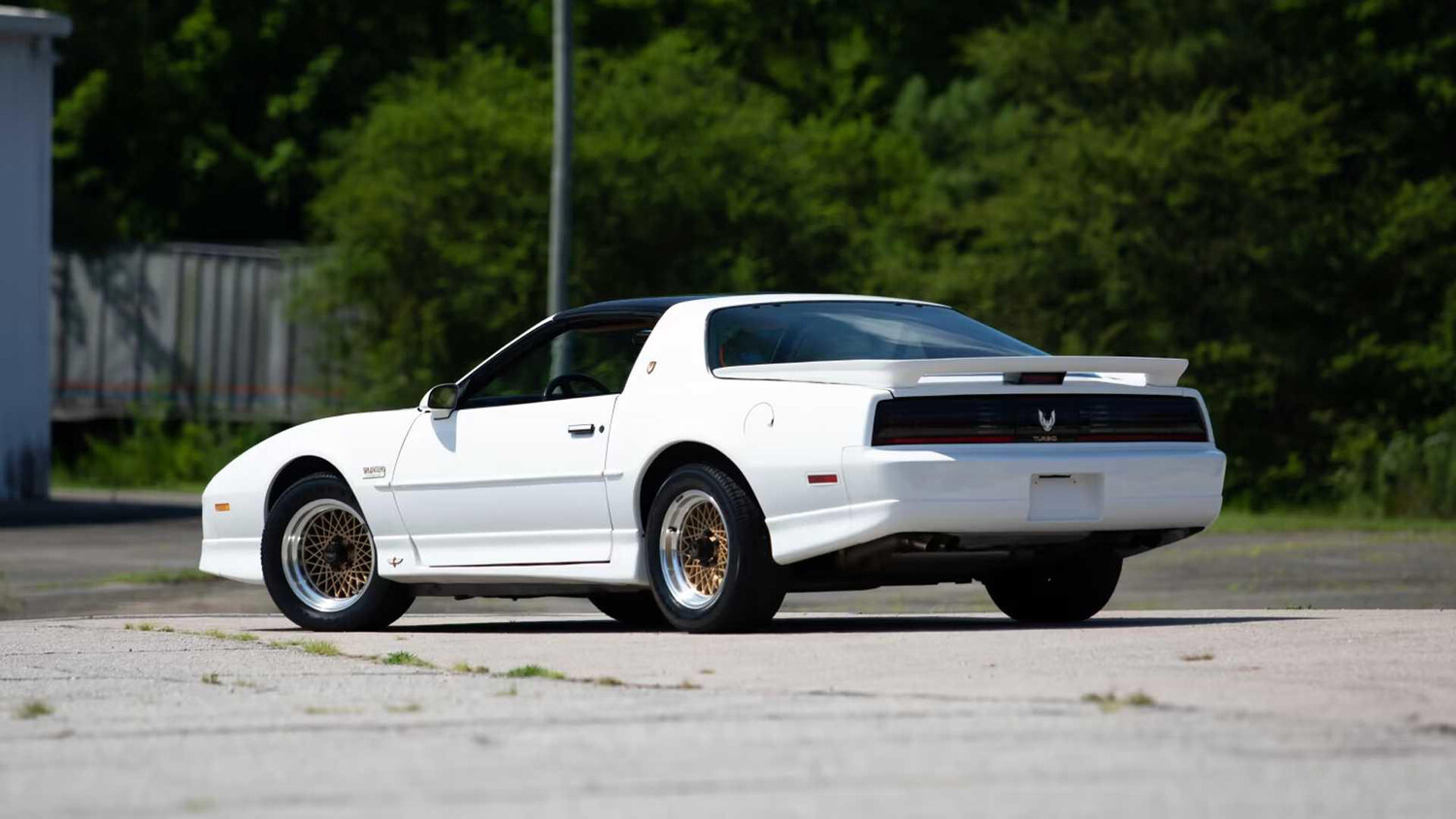
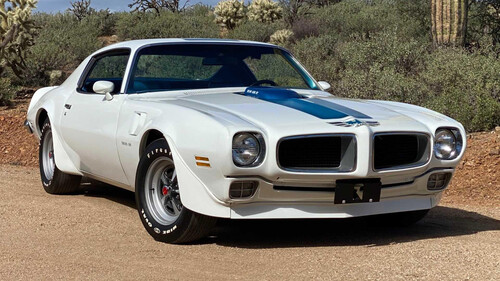
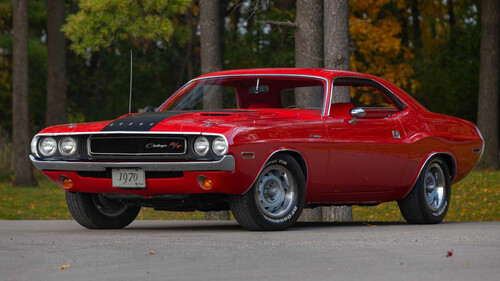
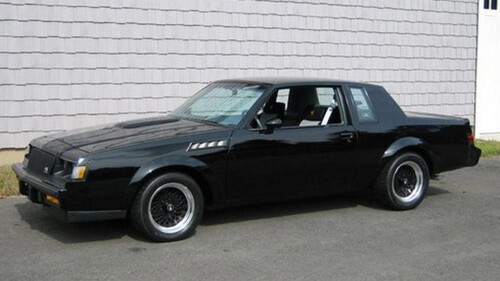
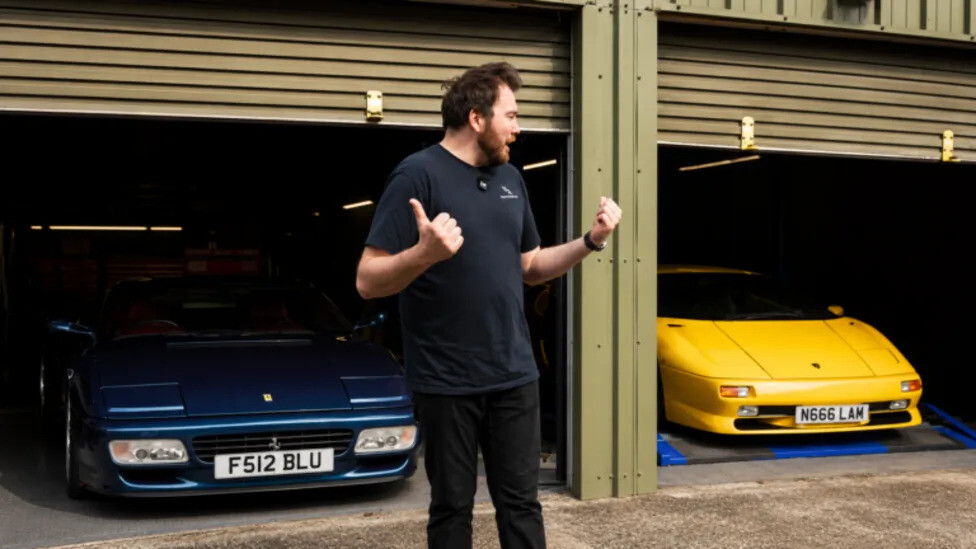
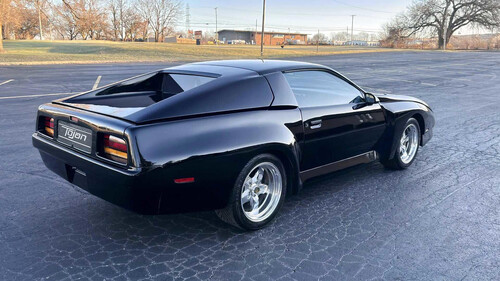
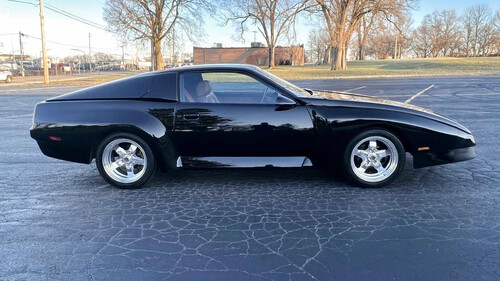
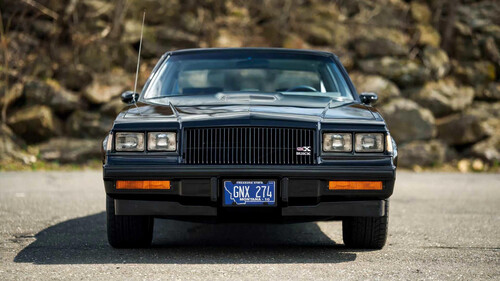
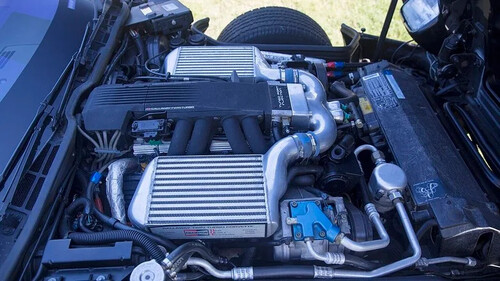
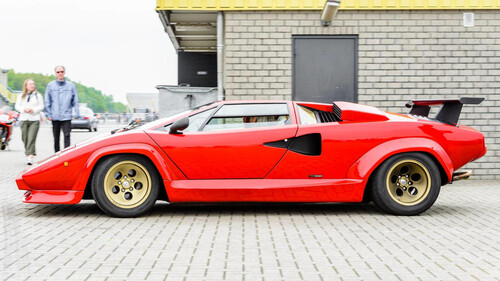
Henry Ford once said, "Coming together is a beginning, staying together is progress, and working together is success." But it wasn't the Blue Oval that proved that collaborating was the key to success in the '80s, especially if success in this instance was the simple act of beating exotic supercar manufacturers at their own game. Instead, it was two divisions of General Motors that took the legendary turbo V6 from the Grand National and gave it the chassis it deserved, outrunning some of the most exotic mid-engine supercars (and the Chevy Corvette) in the process. And it all happened almost by accident. Muscle Cars Needed A New Direction In The '80s Mecum It is no secret that the muscle cars scene died out as quickly as it had taken off. Having been kicked off by the Pontiac GTO in 1964, you could argue that muscle cars flew too close to the sun, with many models packing competition engines that pushed almost 500 horsepower and 500 lb-ft of torque, for truly terrifying performance. Naturally, these tire-shredding machines caught the attention of insurance companies, who started dishing out eye-watering premiums, before the oil crisis and emissions regulations of the early '70s stopped them in their tire tracks.Japanese companies filled the gap, with lightweight sports cars that aped muscle models, albeit with thrifty motors. By the '80s, the American formula of ginormous V8 and two-doors hadn't really recovered, and imports showed that turbocharging could get the same results, just without the thirst. US carmakers needed a new direction. The Buick Grand National Was An Unlikely Muscle Car Hero Bring A TrailerWith so many glittering names from the Golden Era of muscle cars—GTO, Charger, Camaro, Mustang, Chevelle—it is perhaps surprising that Buick rose to the top in the '80s with arguably the most potent two-door coupe on sale. The regular Buick Grand National packed 245 horsepower and 355 pound-feet of torque from its turbocharged 3.8-liter V6 by 1987. This was good for mid-14-second quarter-mile runs and enough to terrify even the newfangled European sports cars. The limited-edition Buick GNX (Grand National Experimental) of 1987 was an evolved version of the Buick Grand National and a collab with ASC/McLaren. With only 547 built, these cars were equipped with a 276 hp, blueprinted turbo V6 and could hit 60 mph in 4.9 seconds. Pontiac Ended Up Making The Fastest American Sports Car Of The '80s By Accident Hank O'Hop/Valnet With the Pontiac Trans Am approaching its 20th anniversary in 1989, the company was invited by the Indianapolis Motor Speedway officials to provide a pace car for the 73rd running of the Indianapolis 500. This would have been a great opportunity for Pontiac to phone it in, with a lightly tuned V8 Trans Am trundling around the track, followed by the inevitable sales of stickered-up limited editions to fans still on a high from a day out at the races. But Pontiac didn't do that. Instead, the Screaming Chicken purveyor decided to create and engineer an entirely new performance variant that you would be able to buy in the showrooms. The fact that it would make mincemeat of cars like the Ferrari Testarossa and Chevy Corvette Z51 was an unexpected bonus. The Trans Am Anniversary Was A Supercar In A Muscle Car Body Bring a Trailer On the outside, the 1989 Pontiac 20th Anniversary Trans Am looked pretty much like a regular Trans Am. Under the hood, it was a different beast altogether. The Turbo Trans Am (TTA), which was built in partnership with Prototype Automotive Services, is fitted with that 3.8-liter turbocharged V6 from the Buick Grand National. However, the unit was fitted with a new set of cylinder heads to ensure it fit in the Firebird's engine bay. The Anniversary Outgunned Even The Buick Grand National BringATrailer These changes actually improved the airflow (and have a more efficient combustion-chamber shape) with the engine rated at 250 horsepower and 340 lb-ft of torque. An AiResearch T3 turbocharger is mounted in the corner of the engine compartment and is channeled through an intercooler mounted just behind the radiator. One magazine reckoned that the true power was at least 300 hp when it launched the car to 60 mph in 4.6 seconds and covered the quarter mile in 13.4 seconds. The Anniversary Was Secretly The Best Grand National Buick Ever Built — Just With The Wrong Badge Mecum Auctions What really made the Turbo TA stand out was the WS6 Level III Performance Suspension package, with tuned coil springs, Delco gas-charged shocks, four-wheel disc brakes, and a fixed-ratio 12.7:1 ratio steering box. The brakes were upgraded to 1LE-spec, using vented Repco 12-inch Caprice police rotors.The upgrades possibly helped to address the handling complaints that had been leveled at cars like the GNX. One period review wrote of the GNX: "In the real world, when the road deviates from straight ahead or its surface becomes rougher than a pool table, the GNX rattles and bounces like bolts in a blender. Clearly, the engine and the chassis are in separate leagues. What we have here is a great powerhouse of a motor looking for a nice place to live." The TA had more grip, and is "wonderfully stable at the limit," although it also lost "its manners when the road gets rough." Hemmings says that the TTA combined "GM’s best engine and GM’s best chassis". The Anniversary Was Killed Off Too Soon Bring A Trailer The Anniversary Trans Am cost $30,717 new in 1989, which was around the same price as a base Corvette. There were just 1,555 units built, most with T-Tops, although Hagerty says that 40 hardtops and three convertibles were also made. Ultimately, the model was designed to be a special edition for the Indy race, and PAS was producing it in a small-scale production run. However, it could be argued that as soon as magazines realized how potent the TTA was, this limited-run model was outshining the Corvette in broad daylight.It was thought that the 250 hp figure was underrated to not make the Corvette look bad. The Z51 package Corvette of 1989 came with a fuel-injected, 5.7-liter V8 delivering 245 hp, but that would only get it to 60 mph in six seconds. To make matters worse, Chevy was about to launch its flagship C4 ZR-1, a car that had extensive development thrown at it, with a lot of the work carried out by Lotus. Was it a coincidence that the TTA was canned just as the ZR-1 (which hit 60 mph in an identical 4.6 seconds) was released? It certainly wouldn't have looked good, especially as the ZR-1 cost $20,000 more at $51,000 new. The Anniversary Is An '80s Supercar For A Tenth Of The Price MecumAt this point, let's remember that a 12-cylinder Ferrari Testarossa of 1989 would get to 60 mph in 5.0 seconds on a good day, and that was six figures new. A highly sought-after 1989 Lamborghini Countach 25th Anniversary would get you to the same speed in 4.7 seconds. That means that the TTA would outrun both of them for a fraction of the price. The same is true in 2026.The Turbo Trans Am of 1989 costs $31,100 now in good condition, according to Hagerty Valuation Tools. A 1989 Lamborghini Countach Silver Anniversary costs a cool $500,000. A 1989 Ferrari Testarossa is a bit more affordable, but it will still cost $158,000. Rarity, speed, and a cool backstory make the Turbo Trans Am a really cool classic buy, for not a lot of money.