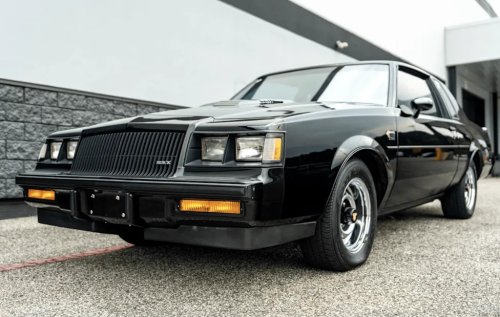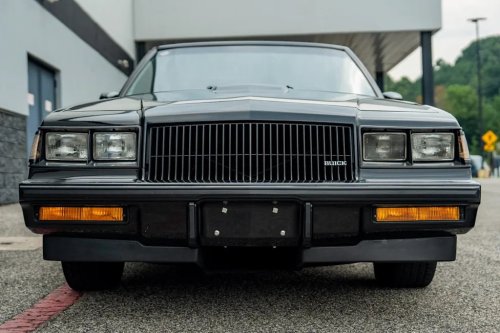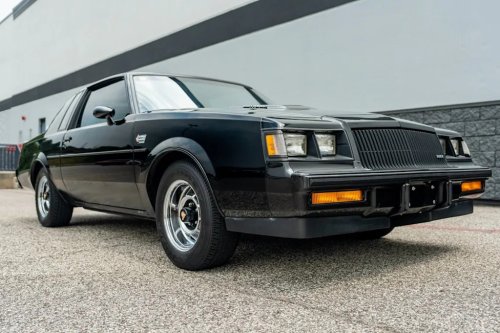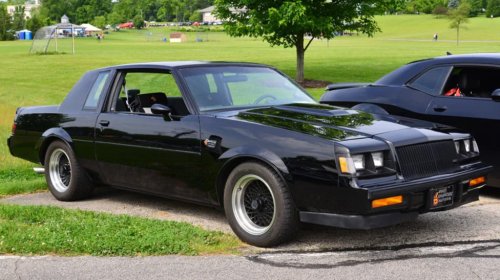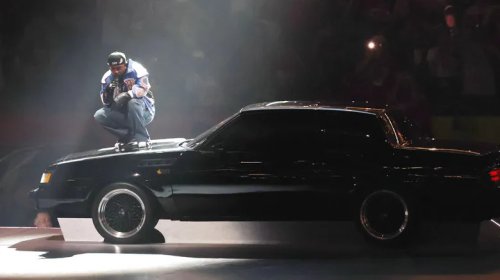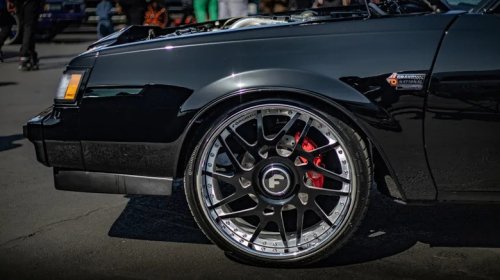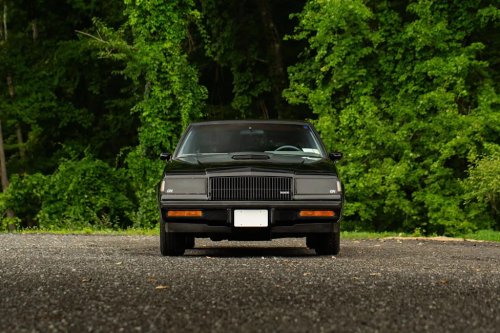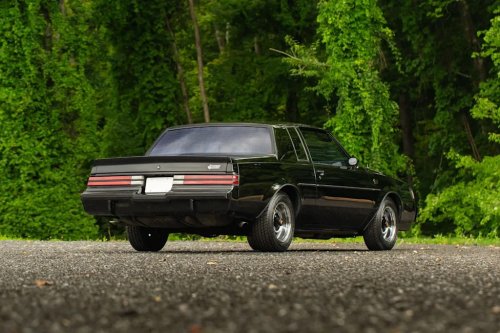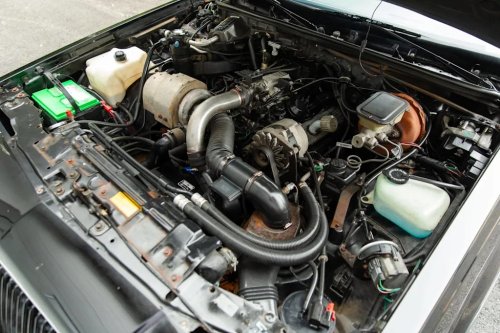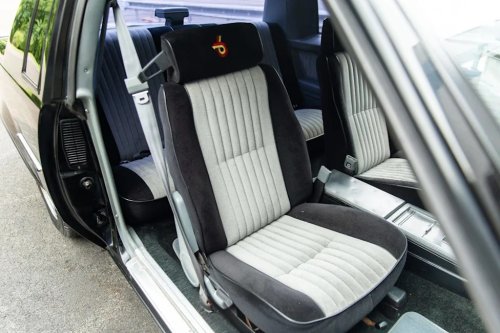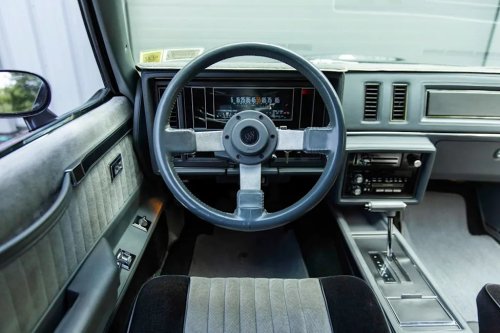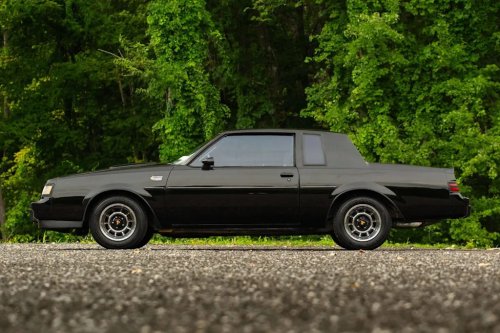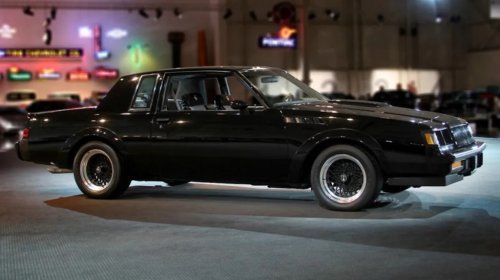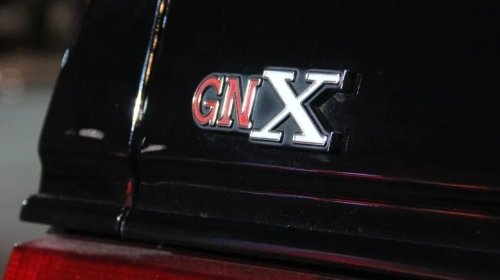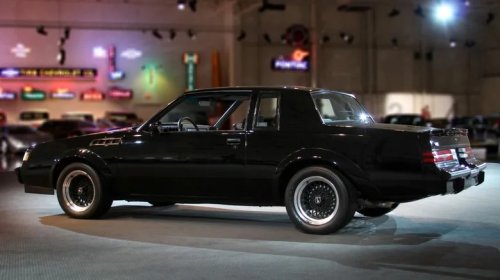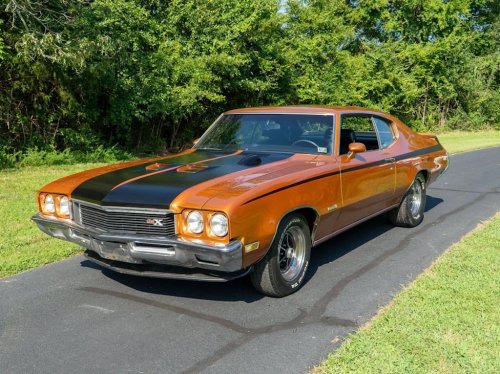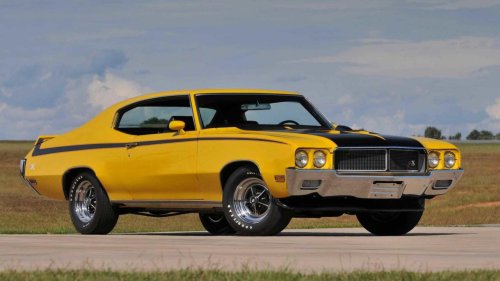
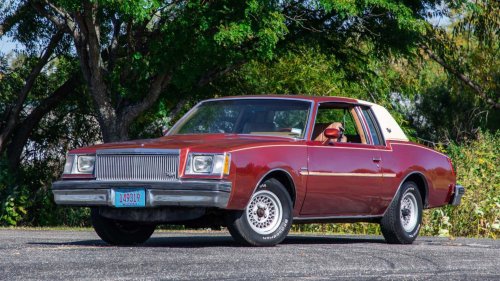
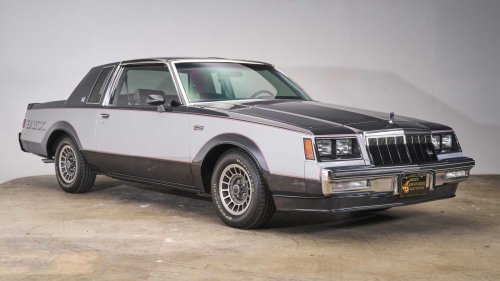
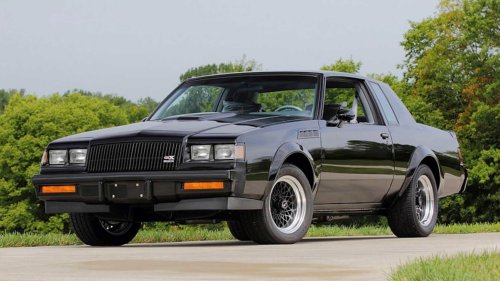
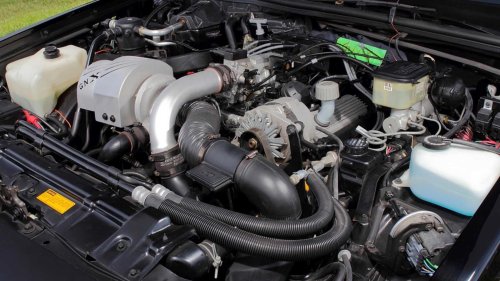
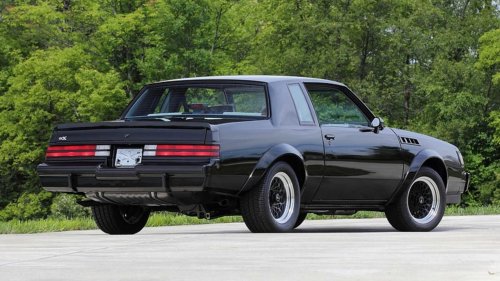
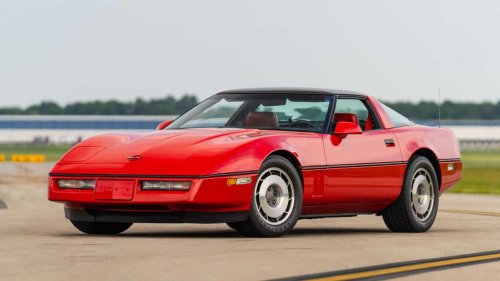
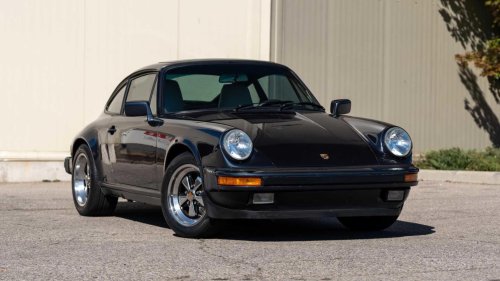
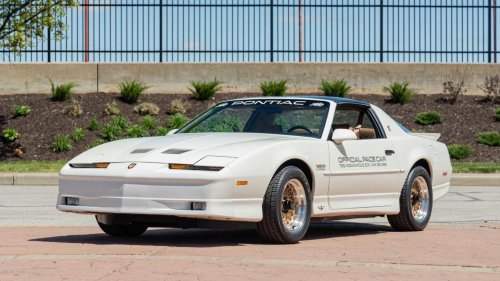
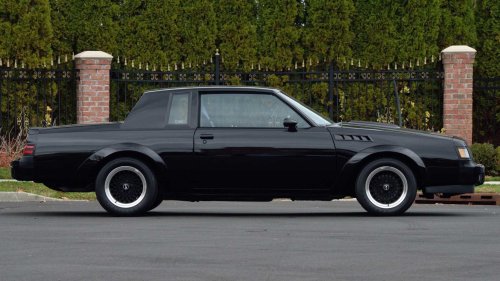
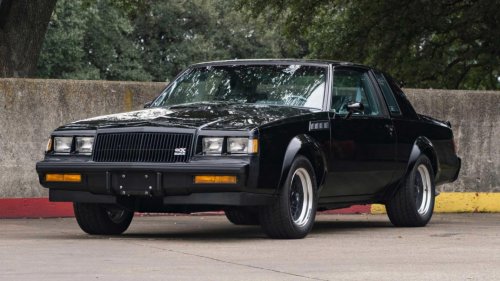


















The Golden Age of American Muscle was a magical time when everything on the street was itching for a brawl, but as soon as it arrived, it was gone. It lasted just 8 short years, from 1964 with the introduction of the Pontiac GTO to 1971, when the 426 Street Hemi was discontinued. What came next is known as the Malaise Era, in which government emissions mandates and consumer demand for better fuel economy robbed the mighty street machines of their juice, leaving them as Muscle Cars In Name Only (MCINOs). Next, the badass style of the classics took a hit, steering them more towards the pseudo-luxury land yacht segment, or in the case of the Ford Mustang, a literal Pinto.Things finally started to turn around in the 1980s, the best decade of all time, when cool became, well, cool again, with notable rides like the Fox Body Mustang GT and Chevy IROC-Z getting young people excited about cars again. While the performance began to creep back up to the point that muscle cars were once again faster than family wagons, it wasn't quite there yet. Then, in 1987, Buick, the least likely company to make a splash, unleashed the GNX, which was not only the most kick-ass ride of the decade, but the car that officially put the Malaise Era to sleep. "GNX" wasn't just some random letters, but had meaning for both this amazing car and Buick's image and relevancy. 1970 Buick GSX Was King Of The GM Muscle Cars Mecum Waterloo, The Charge of the Light Brigade, and the Battle of Little Big Horn were some of the biggest military blunders in history, but pale in comparison to how GM sabotaged their own Golden Age Horsepower Wars campaign. In 1963, a year before America went muscle car crazy, GM banned its divisions from equipping engines larger than 400 cubic-inches in intermediate cars, and the result was a full surrender to Mother Mopar and her high-output 440 and 426 Hemi big-blocks. In 1970, GM tried to salvage the mission by removing the ban, and Buick seized the opportunity by equipping their A-Body GSX muscle car with a 370-horsepower, 510 pound-feet of torque 455 V8. Other GM rides went with big-blocks as well, but none of them could touch the 13.38-second quarter-mile of the '70 GSX. This is the car that would inspire Buick to reclaim their title as King of the GM street machines with the 1987 GNX. Buick Regal Relevancy Revival of '78 Mecum Buick had that one year in 1970, when they were seen as a youthful, performance-oriented brand, but for the most part, both before and after, they made the cars for older people who did an okay job of planning for their retirement. In the late '70s, Buick decided they wanted to once again appeal to a younger crowd and shed the grandpa-mobile reputation, but they did it in a very curious way. In 1978, they chose the Regal, a car that looked more at home in a Florida retirement community than a drag strip, and put in a 3.8-liter turbocharged V6. Producing between 150 and 165 hp, the '78 Buick Regal Sport Coupe was capable of a 10-second 0-60 time, which seems super-slow to us now, but was blistering back then. This car didn't shake the gramps rep for Buick, but it was the grandfather of the GNX and that's a pretty cool thing to be. Totally Rad 1982 Grand National Bring a Trailer As it turns out, the Buick Regal wasn't the Geezer Special people thought it was, it just needed cooler trim and wheels, as well as way less padded vinyl body accents. In 1982, they created a very small number (215 units) of the Grand National to celebrate Darrell Waltrip's NASCAR success while driving for Buick. Most of these cars were underpowered with 125-hp naturally-aspirated 4.1-liter V6 engines, but maybe 50 or so came with a much better 175-pony 3.8-liter turbocharged six-cylinder. The Regal Sport Coupe was renamed the T-Type in 1983 and then, in 1984, the Grand National started seeing bigger production numbers. Both cars climbed in performance with the 3.8-liter turbo V6 that eventually got to 245 hp by 1987, but that was just a precursor to what the GNX was about to bring. Grand National’s 1987 GNX Swan Song Mecum Many people think that the 1987 Buick GNX replaced the T-Type, which was renamed the Turbo-T, and Grand National, but both of those variants still existed that year. In fact, they both had banner years with the Turbo-T moving 1,547 units and the Grand National selling an impressive 20,193 cars. Despite strong sales, the turbo Regals were discontinued after 1987 and the reason is more GM meddling. There's a popular misconception that the turbocharged Regals were canned because they were embarrassing the Corvette, which they were, but the real reason is that GM discontinued the RWD G-body platform, replacing it with a FWD version. In any case, Buick sent the Regal out in style with the '87 GNX.The OG Buick GSX, which served as inspiration for the 1987 GNX, derived its name from the fact that it was an eXperimental Gran Sport. Since Buick was chasing that kind of performance and prestige, they dubbed their new Halo Car the Grand National eXperimental, or simply GNX. Technically, it should have been the GNE, but as Elon Musk can attest, throwing an X in the name of anything makes it 100% more badass. There's probably some science behind that as X evokes certain feelings, mostly of fear and dread, but commonsense says this was the perfect name for this hyper-aggressive '80s superstar. Any other name wouldn't carry the awe and respect people have for this Buick high-performer, even to this day. Underrated McLaren/ASC Turbocharged Masterpiece Mecum What made the GNX so special and stand apart from the T-Turbo and Grand National was its version of the 3.8-liter turbocharged V6. The GNX used a special Garrett T-3 turbocharger with a lightweight ceramic turbine wheel that allowed it to spool faster and improve boost response, as well as a larger intercooler. Buick shipped the engines and turbochargers to McLaren/ASC for final assembly, where they worked their magic to get these engines dialed in. The official rating for these V6s is 276-hp and 360 lb-ft of torque, which is a complete joke. Estimates are more like 300+ ponies and over 400 lb-ft, with anecdotal evidence that it was purposefully underrated. GM, which has always downplayed the true power of its cars, didn't think the image of a super-powered coupe was good for business or for the insurance premiums of their customers. The Darth Vader Muscle Car Mecum It's actually quite astonishing at how much cooler the 1987 GNX looks when compared to the 1987 Regal Sport Coupe considering they are essentially the same car. Those two models were the bookends for the second-gen Regal and there was no significant redesign over its run, which shows the true power of the Dark Side. Known as the "Darth Vader" car because its triple-black scheme projected the same kind of ominous presence as the Star Wars baddie and evoked the same level of terror.In a way, the '78 Regal was Anakin Skywalker, because it had some okay power but was harmless looking, and then the GNX unlocked the power of The Force to transform itself into the omnipotent Lord Vader. For those non-Star Wars nerds that don't get any of these references, Anakin was once a good guy, but was consumed by evil and became Darth Vader, the point being, they are the same person like the two Buicks are the same car. 1987 GNX Corvette-Killer Mecum As was mentioned, the power rating on the GNX was laughably inaccurate, but we don't need to throw it on a dyno to prove it. A period test drive recorded the GNX hitting 0-60 in 4.7 seconds and blazing a quarter-mile in 13.5-seconds, which is impossible for a 3,600-pound car to do with only 276 hp. The 1987 Chevrolet Corvette weighed 300 pounds less, and had a 240-hp 5.7-liter V8 with a 5.8-second 0-60 time and a 14.4-second quarter-mile. If the GNX's power rating was true, it would have been slower or at least equal to the 'Vette, but instead it blew the Chevy's fiberglass doors right off their hinges. Mystery solved. Euro Sports Cars Are No Match For The Badass Buick Mecum The GNX didn't just wage domestic terrorism on the streets in '87, it targeted the Euro sports cars as well. A 1987 Porsche 911 Carrera was the ride of choice for yuppie ding-dongs who didn't know anything about cars, but wanted to project the image of a big-shot enthusiast. Imagine the smugness draining from the face of one these dudes, when a car shaped like grandpa's Buick Regal completely dusted him at a stoplight.The '87 Porsche 911 Carrera with a 217-hp 3.2-liter flat-six was good for a 6.0-second 0-60 time and a painfully slow 14.5-second quarter-mile ET, which actually isn't very good at all. For the record, a 1987 Ferrari 328 GTS could only hit 13.8 seconds in the quarter-mile, so even Magnum P.I. was getting scorched. Yeah, we know he actually drove a 308, but they're basically the same car. GNX's Soul Reborn in the Pontiac Firebird Trans Am Mecum The Buick GNX was only produced in 1987, which is kind of sad if you think about it, but it did live on in a way under the hood of a Pontiac Trans Am. The limited-run 1989 Pontiac Turbo Trans Am 20th Anniversary Pace Car Edition was built to commemorate two decades of the Firebird's most lethal trim, but it shockingly didn't come with a V8, for the first time ever. Instead, it had a modified version of the GNX's 3.8-liter turbocharged V6, that was also ridiculously underrated at 250 hp and 340 lb-ft of torque. With ETs in the low-13s, there's simply no way this special-edition Trans Am was only packing 250 ponies, and it was probably well in excess of 300. The real bummer here, however, is that Pontiac only produced 1,555 of these bad boys for a single year, and then the Buick 3.8-liter turbo V6 was never heard from again. 1987 Buick GNX Production And Value Mecum Speaking of limited runs, Buick only produced 547 units of the 1987 GNX which, combined with its awesome performance, makes for an extremely rare and valuable collectible. Hagerty sets the value of this remarkable car at $90,000 for a barely-running fair condition GNX with a missing door and all the way up to $278,000 for a Concours-condition show car. Keep in mind that this is a ride from the '80s, not the Golden Age of American Muscle, nor does it have 426 Hemi or 454 LS6. To put that in perspective, a 1970 Dodge Charger Hemi R/T has a top condition value of $196,000, and they only ever made 112 of them. The Buick GNX is the first GM car to ever beat Hemi-powered Mopar, but it wasn't on the streets. GNX Drives More Across the Auction Blocks Than the Streets Mecum The story of the limited one-year run of the '87 GNX almost reads like a Shakespearian tragedy, but the worst final act is that it doesn't appear that too many people ever got to enjoy unleashing their sound and fury on the streets. There are literally dozens of auction listings of low-to-no-mileage GNXs that people sat on as an investment, instead of freaking out yuppies in 911s.That car pictured above, touted as the "last GNX built" with only 68 miles on the odometer, sold for $242,000 at Mecum Kissimmee 2017, so apparently the investment strategy paid off, but where's the fun? Mecum has listed 48 GNXs since 2012, and nearly all of them are sub-1,000-mile cars. Bring a Trailer has had 58 GNX listings since 2018, and they too are practically never-driven cars.Sources: Bring a Trailer, Hagerty, Mecum