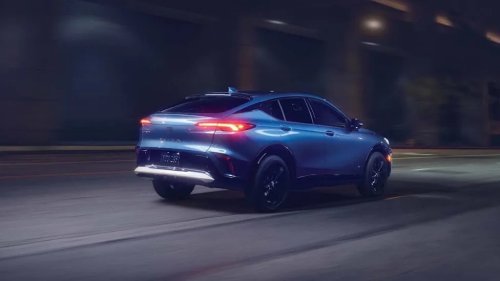
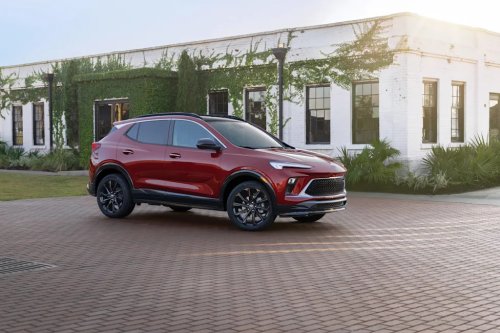
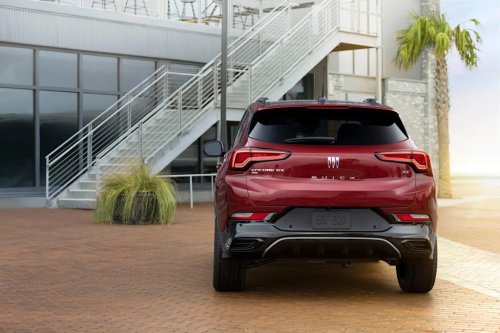
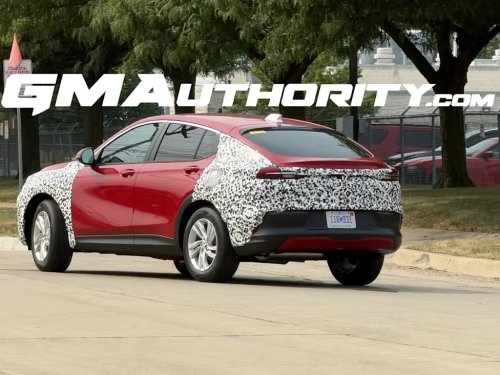
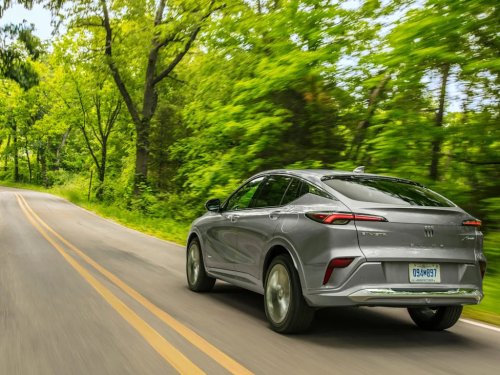
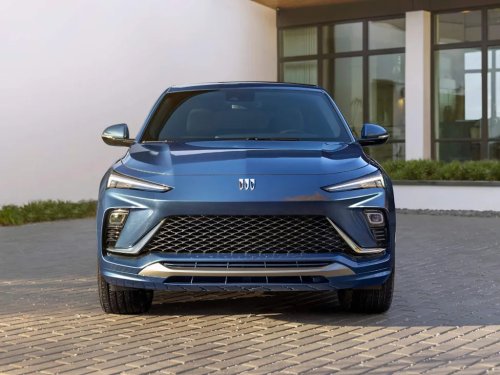
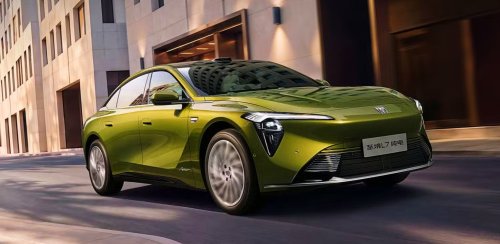
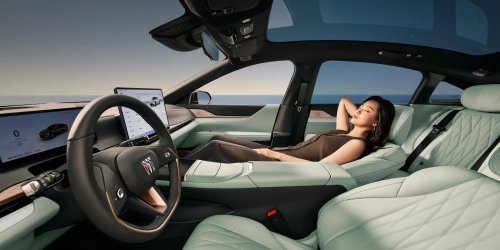
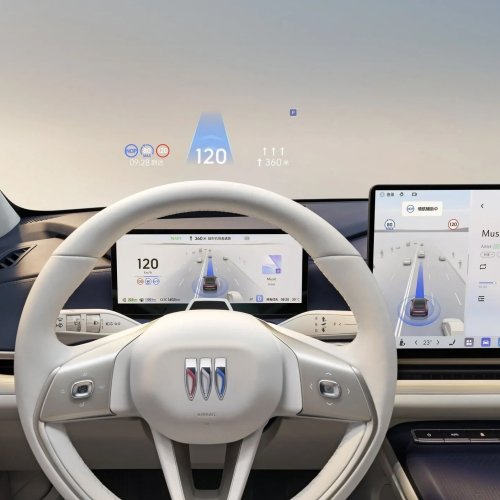
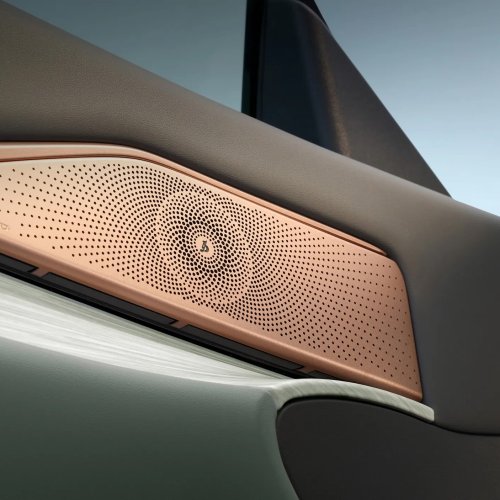
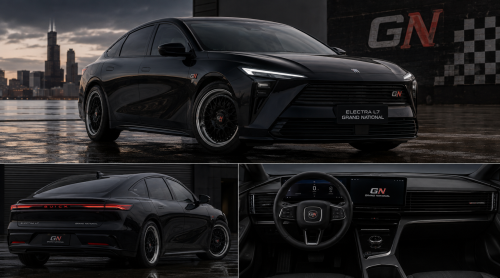
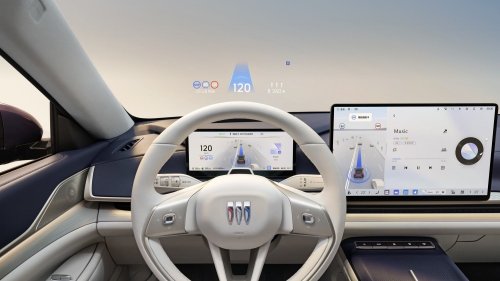
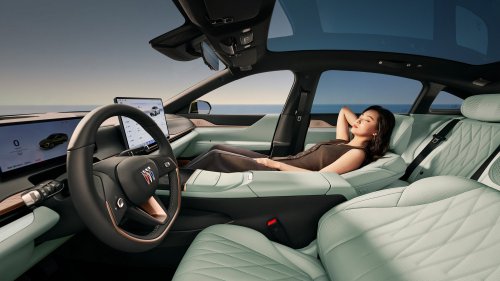
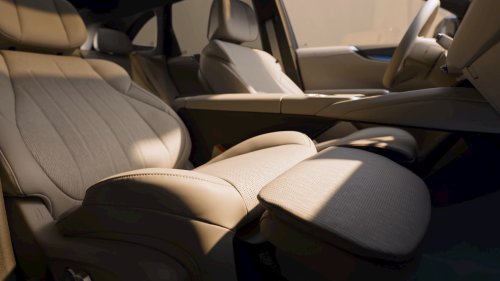
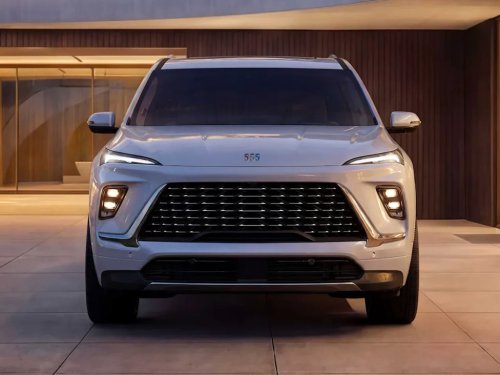
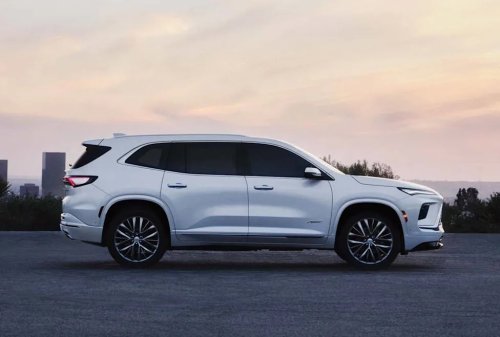
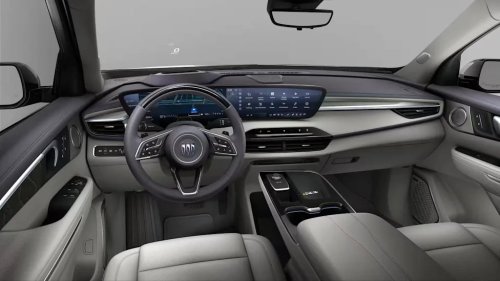
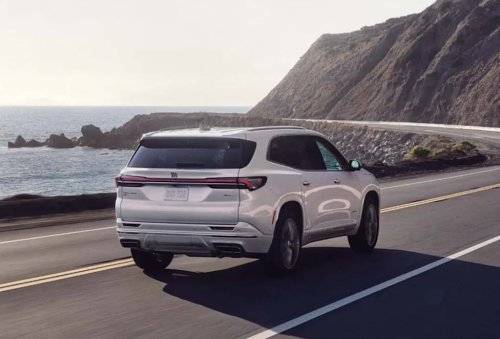
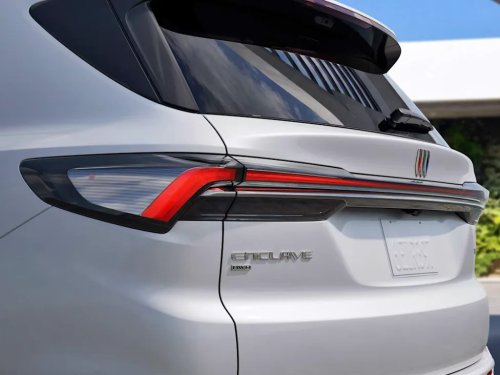
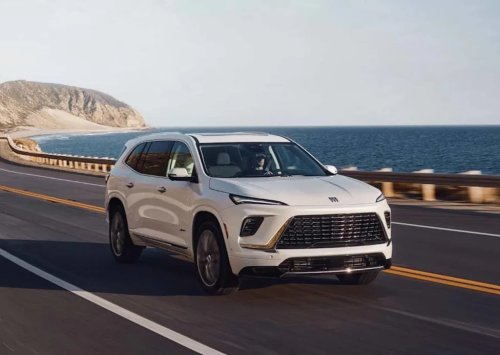
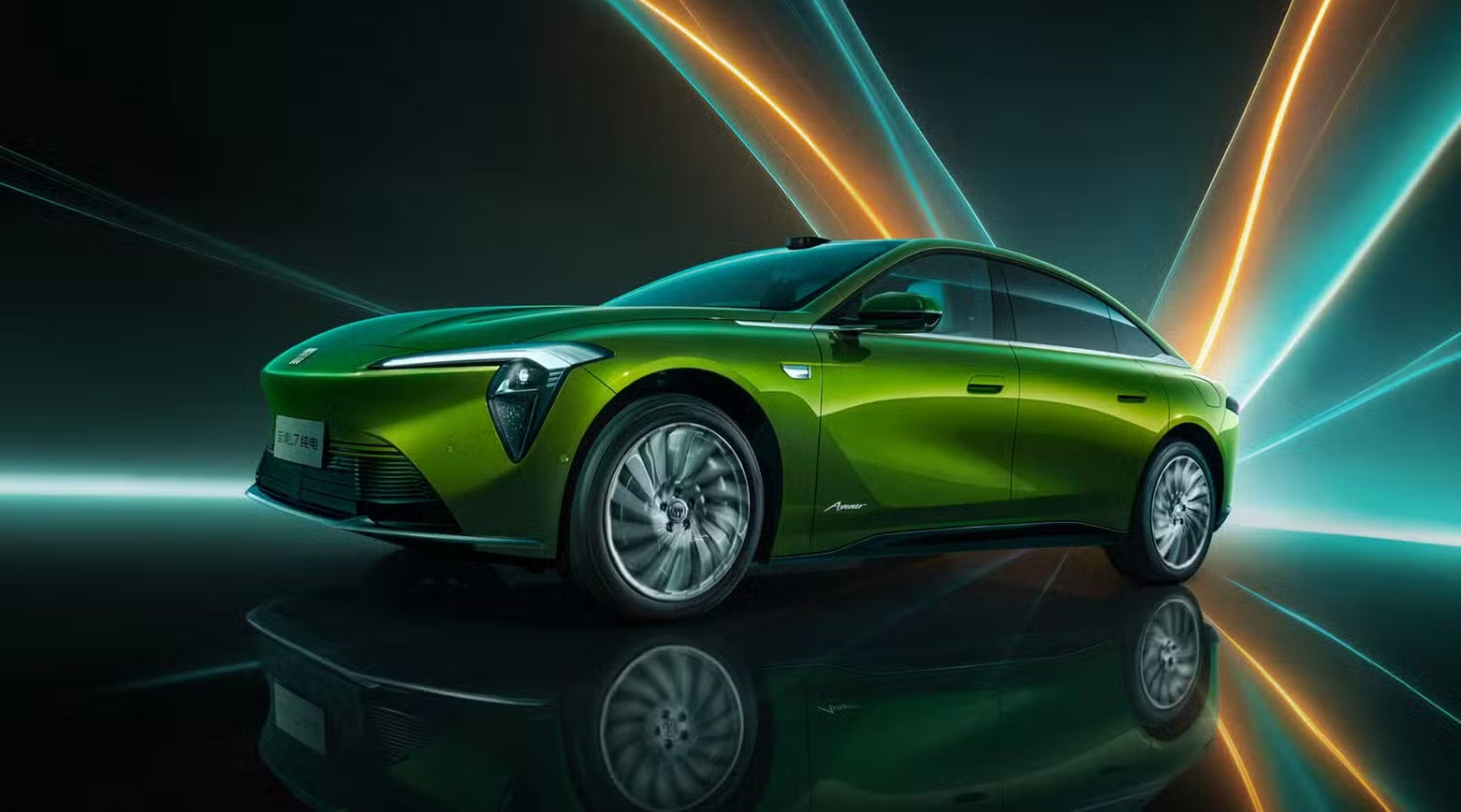
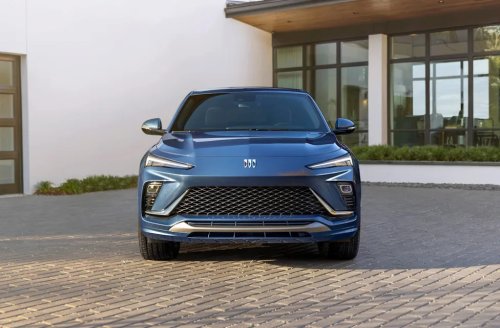
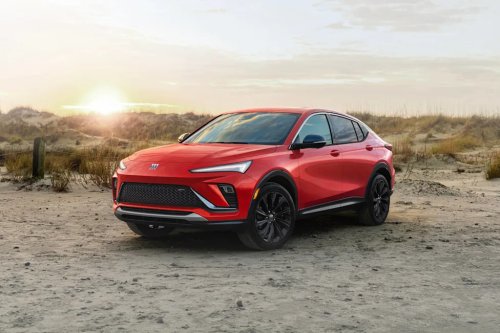
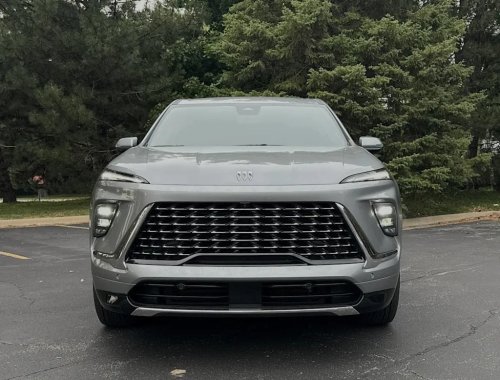
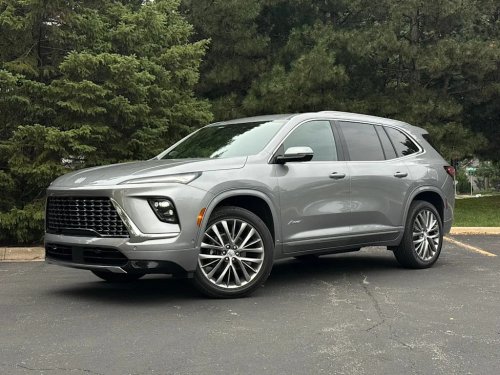
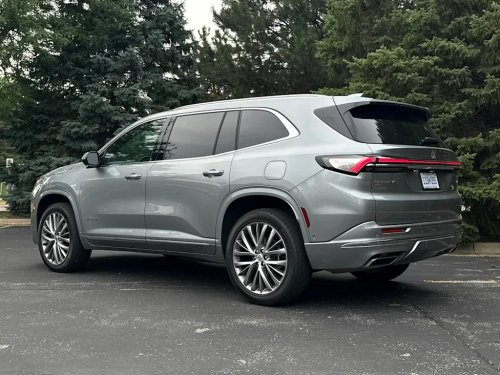
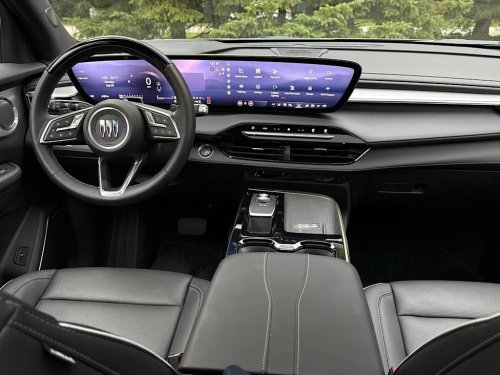
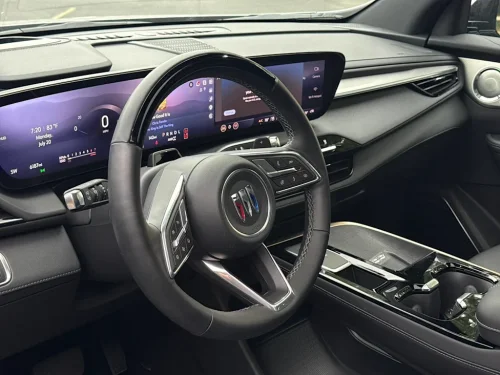
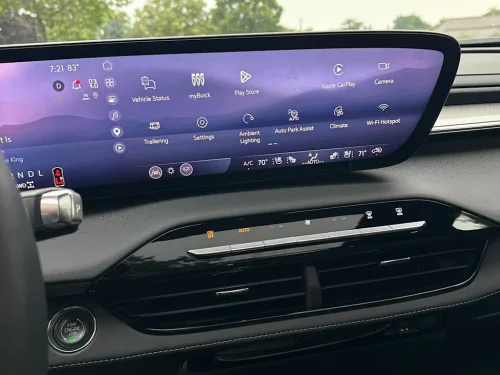
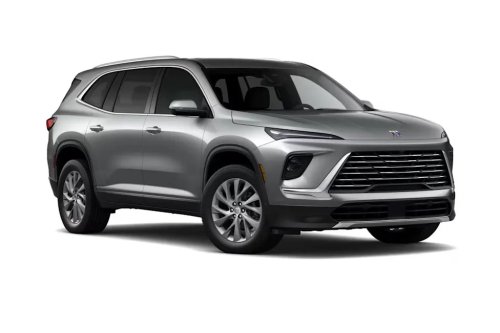
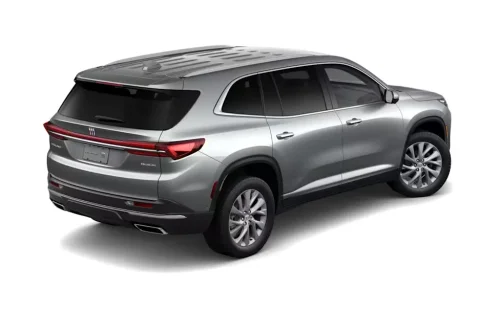
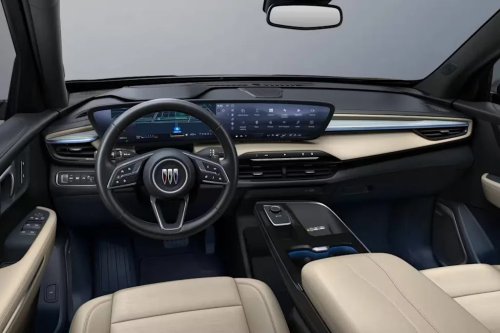
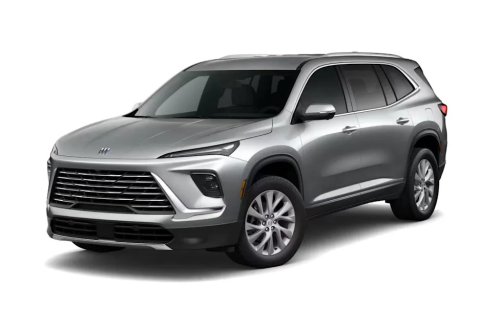
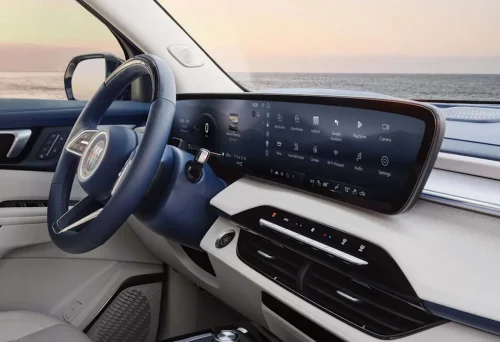
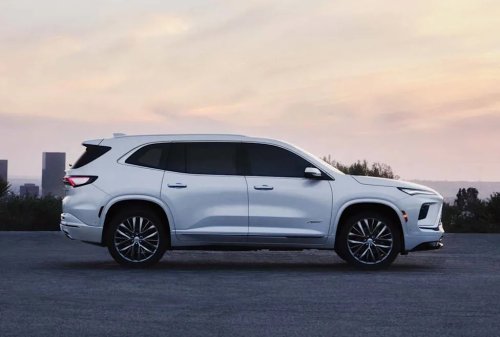
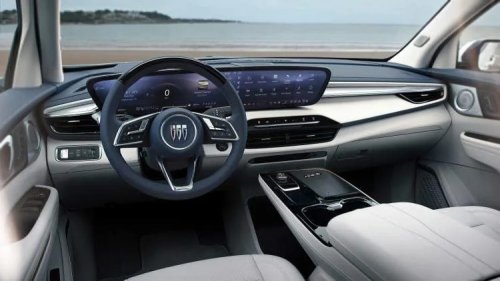
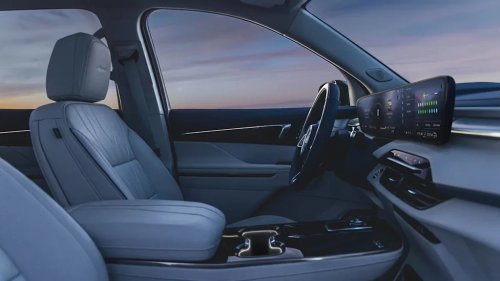
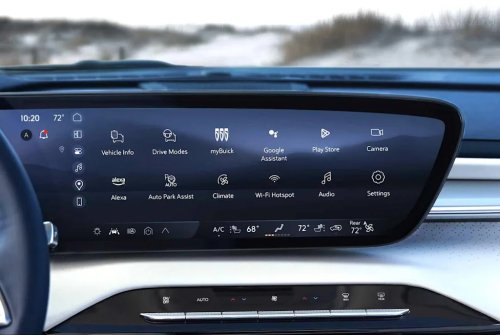
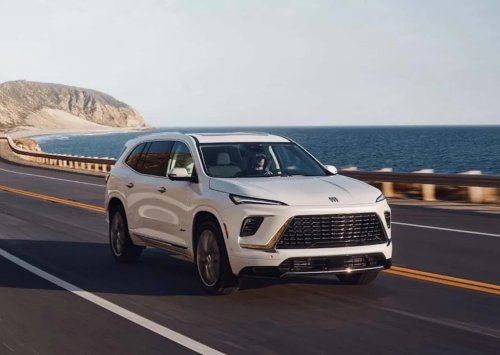
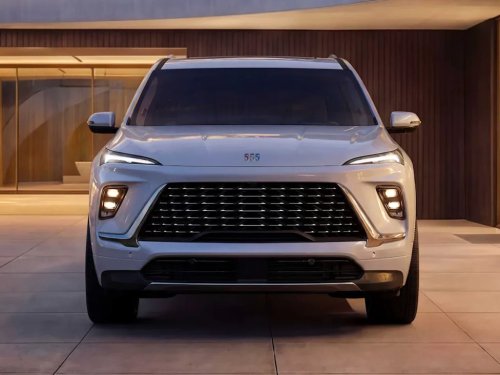
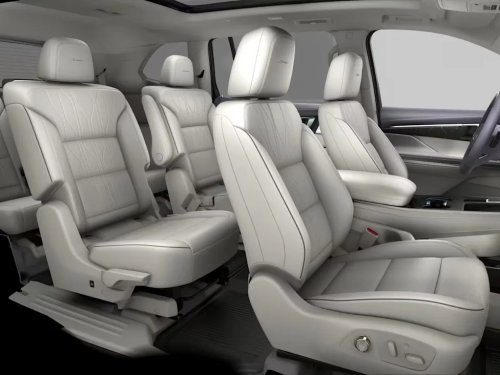
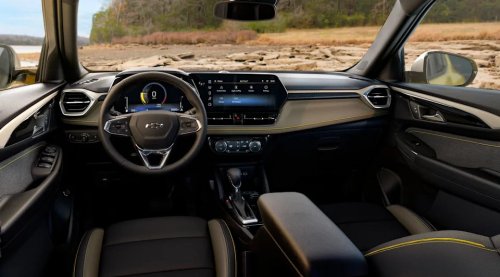
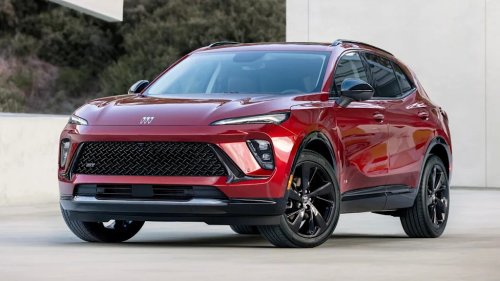
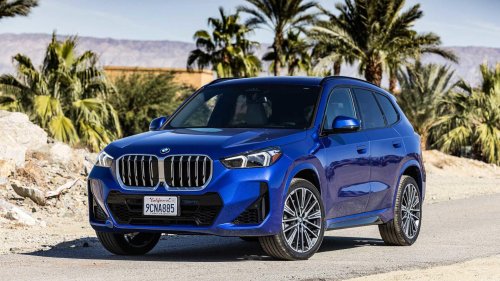
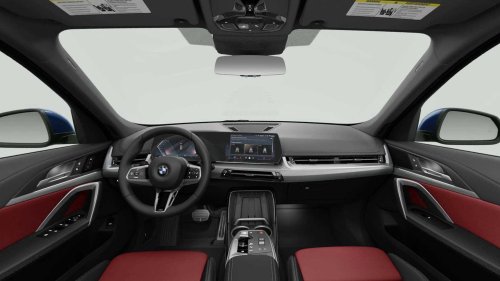
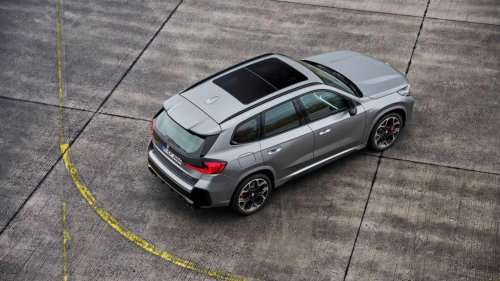
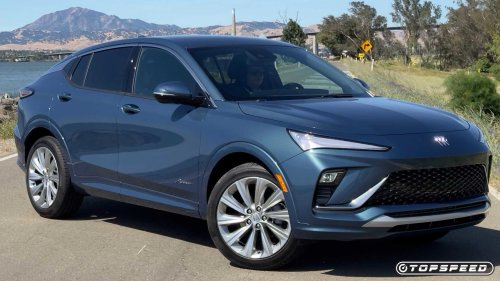
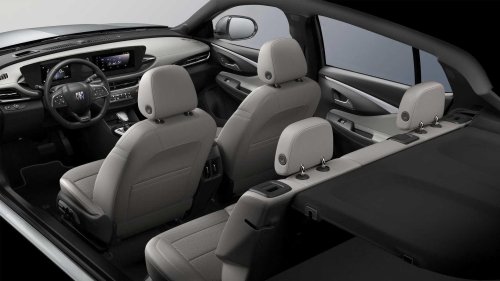
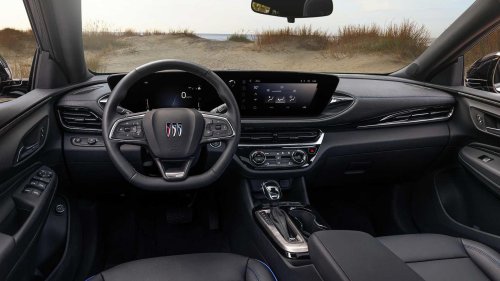
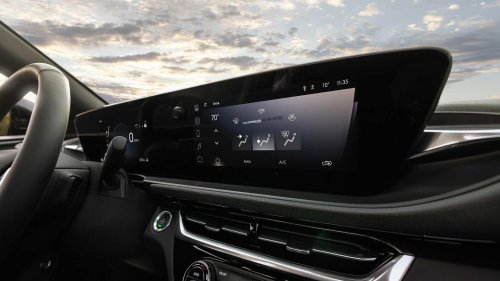
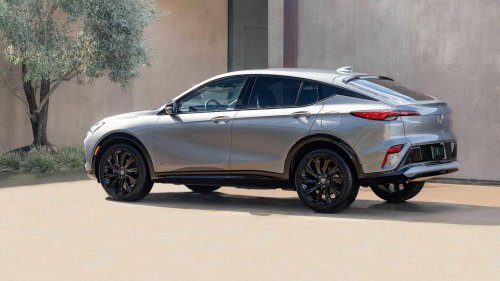
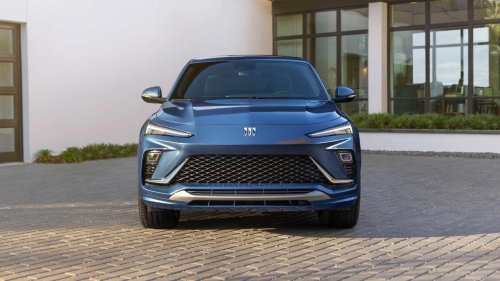
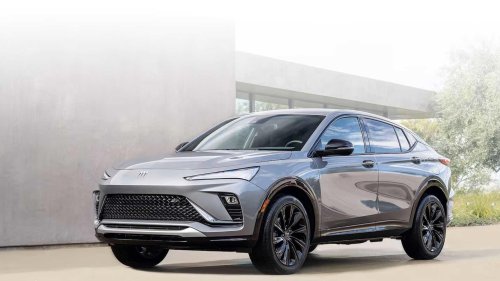
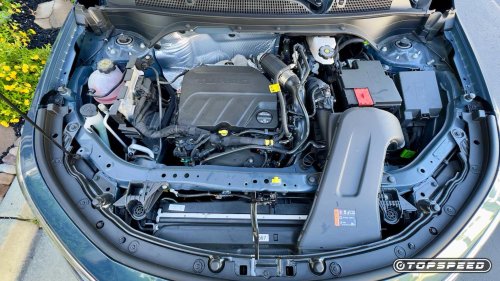
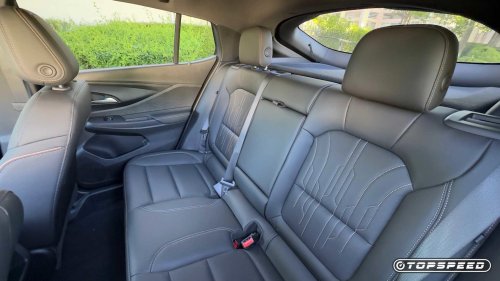
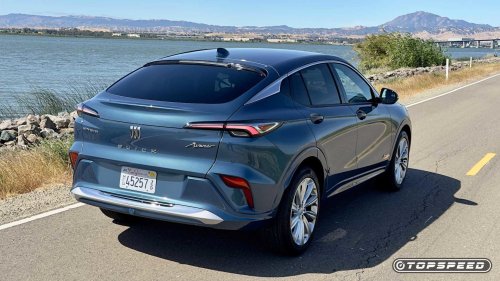
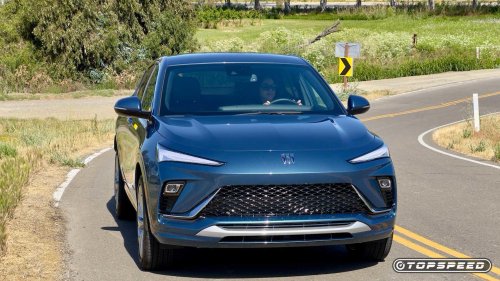
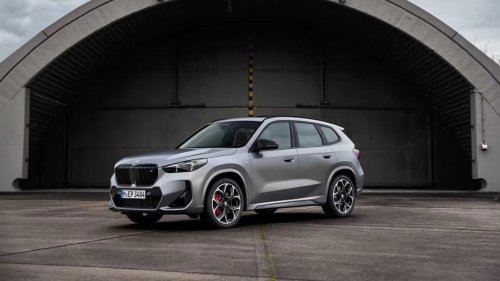
Luxury has traditionally been about aspiration. Buyers paid extra for better materials, stronger performance, quieter cabins, and the intangible status that came with a premium badge. But in today’s compact crossover market, that formula is beginning to break down. Entry-level luxury SUVs have become dramatically more expensive, while mainstream brands have steadily closed the gap in design sophistication, interior technology, and ride refinement. The result is a growing sense among buyers that they may be paying more for a logo than for a genuinely better vehicle.That shift is forcing a rethink of what luxury actually means in 2026. Is it about badge prestige, or is it about the way a vehicle makes you feel during everyday use? For many buyers, comfort, design, technology, and low ownership stress matter more than outright performance or heritage branding. That’s creating space for a new generation of mainstream crossovers that deliver a premium experience without premium pricing, and in some cases, they’re beginning to make traditional entry-level luxury models look increasingly difficult to justify. Why Entry-Level Luxury Crossovers Are Starting To Feel Overpriced BMW The entry-level luxury crossover segment was once one of the smartest ways to access premium motoring without stretching into six-figure territory. Vehicles like the BMW X1, Mercedes-Benz GLA, and Audi Q3 offered buyers an upscale badge, premium interiors, and sharper driving dynamics at relatively attainable prices. Today, however, that value proposition is under growing pressure.Take the BMW X1 as an example. For 2026, the base xDrive28i starts at around $43,200, but most buyers won’t leave the dealership anywhere near that figure. Add common options like upgraded wheels, premium audio, adaptive cruise control, heated seats, and driver-assistance packages, and the sticker can quickly approach $50,000. That’s no longer “entry-level” money for many households. The Mainstream Is Catching Up Quickly BMW At the same time, mainstream manufacturers have dramatically improved what buyers can expect from non-luxury crossovers. Features once reserved for premium brands, digital displays, wireless smartphone integration, advanced safety suites, soft-touch cabins, and sophisticated exterior styling, are now common at far lower price points.That makes the luxury premium harder to defend. Yes, vehicles like the X1 still offer undeniable strengths. Its turbocharged 2.0-liter engine delivers 241 horsepower and 295 pound-feet of torque, giving it performance credentials many mainstream rivals can’t match. But increasingly, that’s not what most buyers prioritize. Daily usability, comfort, fuel economy, reliability, and overall ownership costs now matter more than 0-60 times. Luxury Brands Are Also Facing A Victim-Of-Their-Own-Success Problem BMW Many of the features that once made them feel special, like digital instrument clusters, panoramic roofs, ambient lighting, and advanced driver aids, have become commonplace. The experiential gap between luxury and mainstream has narrowed dramatically, while the pricing gap continues to widen. For buyers paying attention, that creates an obvious question: if mainstream brands now deliver 80 percent of the luxury experience for significantly less money, how much is that badge really worth? How The Buick Envista Delivers Premium Style Without The Premium Price Tag Lyndon Conrad Bell | TopSpeed The most impressive thing about the 2026 Buick Envista is how convincingly it mimics the visual sophistication of far more expensive vehicles and starts at just $24,700. Buick could have easily created another anonymous economy crossover, but instead the company designed something that genuinely turns heads. The Envista’s proportions immediately stand out. Its low roofline, stretched body, and wide stance create a planted appearance rarely seen in affordable compact crossovers. At 182.6 inches long, the Envista is actually longer than the BMW X1, giving it a more substantial road presence.Buick also avoided the awkward upright shape that plagues many small SUVs. Instead, the Envista adopts a coupe-inspired silhouette that feels much more premium and contemporary similar to a BMW X2. The narrow LED lighting signatures, clean body surfacing, and large grille treatment give it an appearance more reminiscent of European luxury crossovers than budget-focused transportation appliances.Buick Inside, Buick continues the upscale illusion surprisingly well. Even base trims receive an 11-inch infotainment touchscreen paired with an eight-inch digital gauge display integrated into a single sweeping panel. The dashboard design looks clean and modern, avoiding the excessive clutter that still exists in some mainstream competitors. A Cabin Designed With Intention Buick Soft-touch materials, contrast stitching, gloss-black trim, and available leatherette upholstery help elevate the cabin atmosphere. While it doesn’t fully replicate the genuine leather and intricate detailing found in higher-end German vehicles, the Envista’s interior feels far more expensive than its price tag suggests. Importantly, Buick also understands restraint. Rather than overwhelming drivers with layers of menus and complicated controls, the Envista maintains a straightforward user experience. The infotainment system supports wireless Apple CarPlay and Android Auto, while physical climate controls remain accessible and intuitive.Buick This balance between modern technology and usability is something luxury manufacturers sometimes struggle with. BMW’s latest interiors certainly look futuristic, but some buyers find the heavy reliance on touchscreen-based controls unnecessarily complicated. The Envista instead focuses on delivering technology that enhances daily usability rather than simply showcasing innovation. Sleek Coupe-Inspired Design Gives It More Road Presence Buick One of the biggest reasons the Buick Envista feels more premium than its price suggests is because it simply doesn’t look cheap. Compact crossovers often struggle with proportions. Packaging requirements force designers into tall, narrow shapes that prioritize practicality over elegance. Buick cleverly sidestepped this issue by giving the Envista a lower, sleeker profile than many competitors.Buick The sloping roofline creates a sporty fastback appearance without becoming overly dramatic. Combined with its long hood and relatively low ride height, the Envista achieves a visual sophistication usually associated with luxury European brands. Even details like the frameless-style grille treatment and slim LED daytime running lights contribute to the premium aesthetic. On higher trims, larger wheels and gloss-black accents further enhance the upscale appearance. This Matters More Than Many Enthusiasts Like To Admit BuickBuyers in this segment often want emotional appeal just as much as practicality. They want a vehicle that feels aspirational when parked in the driveway or pulling into a restaurant valet lane. The Envista succeeds because it looks significantly more expensive than it actually is. Meanwhile, the BMW X1 has gradually become more conservative and upright in its styling. While still attractive, its proportions emphasize practicality over sleekness. The Envista, by comparison, appears more daring and fashion-forward despite occupying a much lower price bracket.There’s also an undeniable advantage to Buick’s understated branding. Unlike aggressively sporty luxury crossovers that can sometimes feel overly attention-seeking, the Envista projects quiet sophistication. It feels mature and refined rather than flashy. That approach aligns perfectly with Buick’s broader strategy. The brand has shifted away from its traditional retirement-community image and is now targeting younger buyers who want premium experiences without premium pricing. Quiet Ride Quality, Upscale Cabin Materials, And Modern Tech Create A Near-Luxury Experience Lyndon Conrad Bell | TopSpeed Luxury is about far more than horsepower figures or badge prestige. In everyday driving, refinement often matters more than outright performance. This is where the Buick Envista genuinely impresses. Under the hood sits a turbocharged 1.2-liter three-cylinder engine producing 137 horsepower and 162 pound-feet of torque.On paper, those figures appear very modest compared to the 2026 BMW X1’s significantly more powerful 241-horsepower turbocharged four-cylinder. And yes, the all-wheel-drive X1 is unquestionably quicker. But Buick tuned the Envista for smoothness and efficiency rather than outright speed.The Envista rides smoothly. The Buick also steers with precision and offers reassuring braking performance. What’s more, the Envista is impressively quiet. Further, Buick’s smallest offering exhibits poise on city streets and stability on the highway.- Lyndon Conrad Bell, TopSpeed JournalistAround town, the torque delivery feels adequate for daily commuting, while the six-speed automatic transmission operates unobtrusively during relaxed driving. More importantly, Buick focused heavily on noise isolation and ride comfort. The Envista delivers a surprisingly quiet highway experience for a vehicle in its price range. Wind and road noise remain impressively subdued, contributing significantly to the upscale feel. The Suspension Tuning Also Favors Comfort Over Sportiness Lyndon Conrad Bell | TopSpeed Unlike some compact crossovers that feel overly stiff in an attempt to appear athletic, the Envista prioritizes composure and smoothness. It absorbs broken pavement confidently and avoids the harshness that sometimes affects entry-level luxury vehicles fitted with large wheels and firmer suspensions. Fuel economy is another strong point. The Envista achieves an EPA-rated 28 mpg city and 32 mpg highway, with 30 mpg combined. That efficiency becomes increasingly valuable as fuel prices fluctuate and ownership costs continue rising.Cabin space is also surprisingly competitive. Rear-seat legroom measures 38.7 inches, while total cargo capacity reaches 42 cubic feet with the rear seats folded. Although the BMW X1 offers greater maximum cargo space, the Envista still provides more than enough practicality for typical family use.Technology integration further strengthens the near-luxury impression. Standard wireless smartphone connectivity, and available on the $29,500 range-topping Avenir you'll find adaptive cruise control, heated seats, and advanced safety systems that create a feature-rich environment that feels thoroughly modern. Affordable Ownership Costs Make German Luxury Alternatives Harder To Justify Lyndon Conrad Bell | TopSpeed The biggest advantage enjoyed by the Buick Envista isn’t simply its lower purchase price at under $30,000; it’s the total ownership experience. Luxury vehicles almost always cost more to insure, maintain, and repair than mainstream alternatives. German brands in particular carry a reputation for expensive servicing and higher long-term maintenance costs once warranties expire.The Envista changes the equation because it delivers much of the premium experience while retaining mainstream ownership economics. Lower insurance premiums, less expensive routine maintenance, and reduced repair costs all contribute to a more financially sensible ownership proposition. For many buyers, especially younger professionals or growing families, those savings matter far more than acceleration times. The Buick Also Avoids Some Of The Complexity Associated With Luxury Vehicles Lyndon Conrad Bell | TopSpeed Simpler engineering often translates into easier long-term ownership. While some online discussions have raised questions regarding the long-term durability of the Envista’s EcoTec turbocharged three-cylinder engine, many owners report positive early experiences and praise the vehicle’s overall value proposition.BMW BMW ownership, meanwhile, remains more demanding financially. Even basic maintenance items can cost significantly more than comparable services on mainstream vehicles. Tires, brakes, and out-of-warranty repairs all tend to carry premium pricing. That creates an increasingly important question for consumers: how much is the badge actually worth? For buyers who prioritize driving dynamics above all else, the BMW X1 still justifies its existence. It’s faster, sharper, and more engaging behind the wheel.But for the majority of crossover shoppers focused on comfort, design, technology, and value, the Envista makes a remarkably convincing case for the price. It offers the appearance and ambiance of a luxury crossover without the financial stress traditionally associated with luxury ownership. And in today’s market, that may be the smartest luxury of all.



















 +74 others