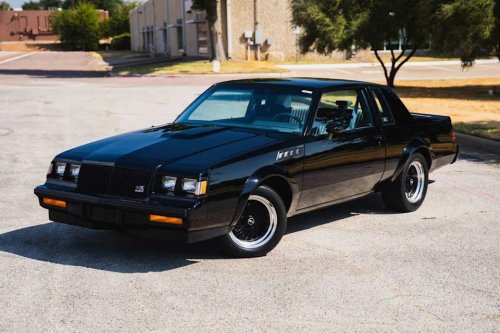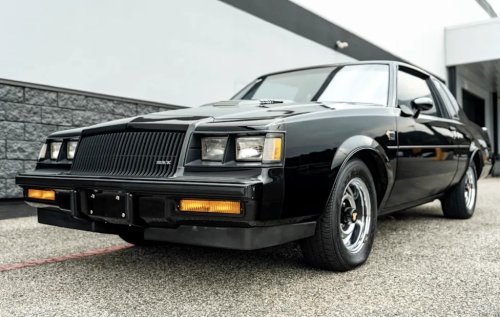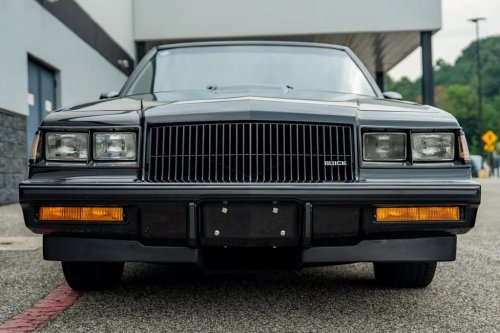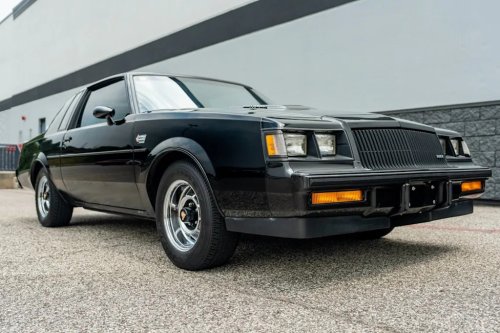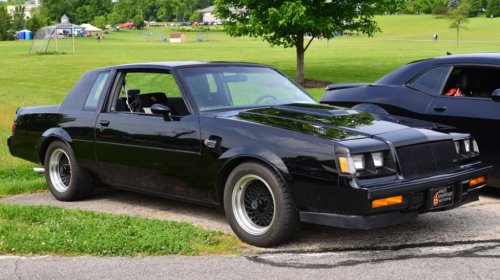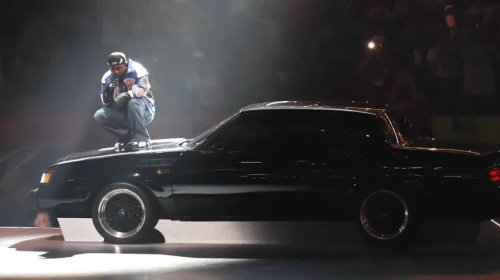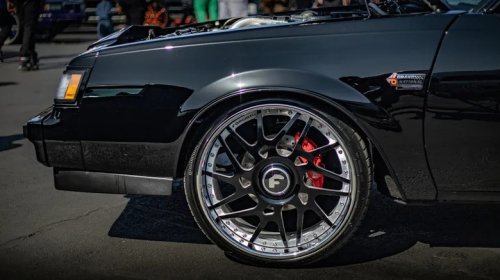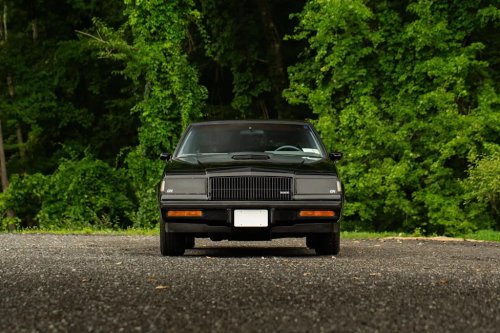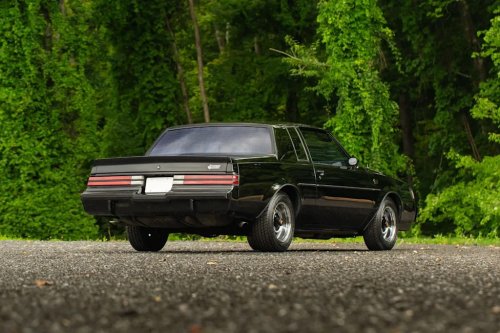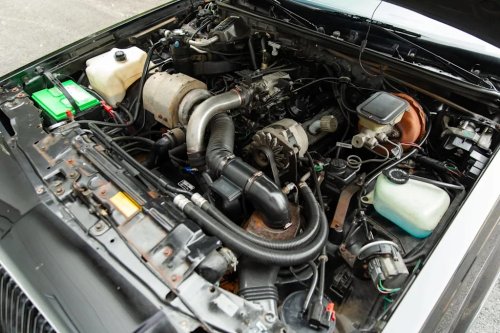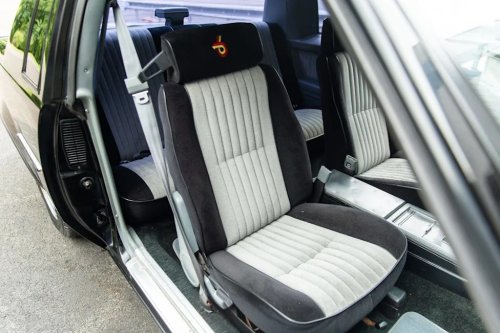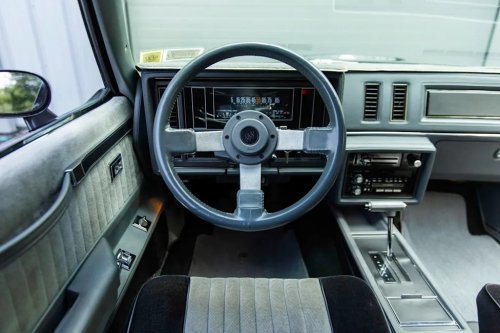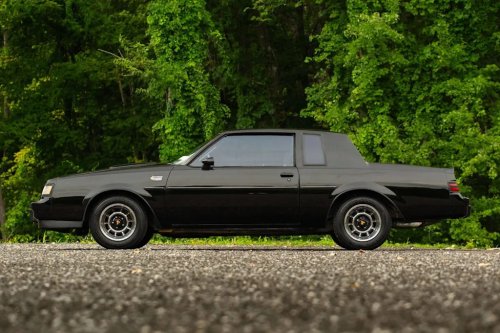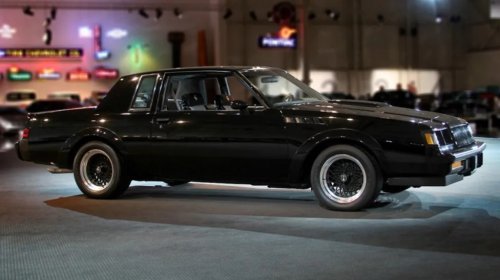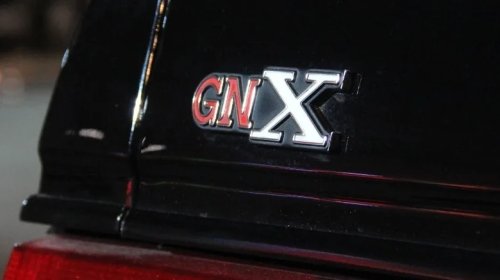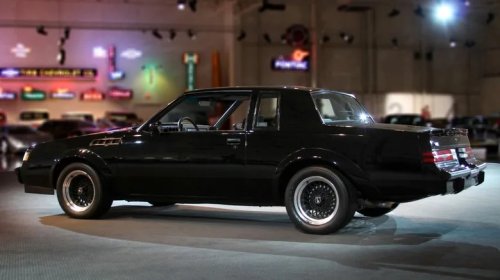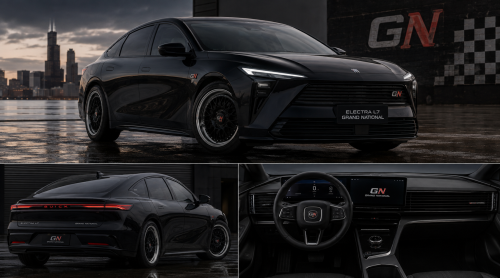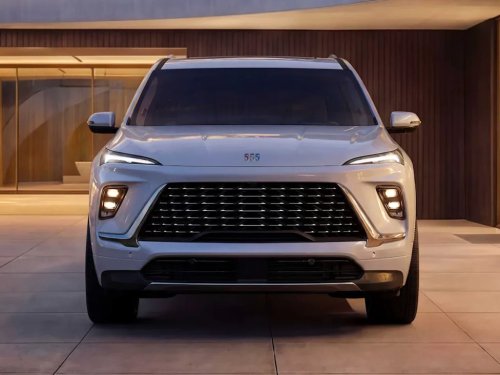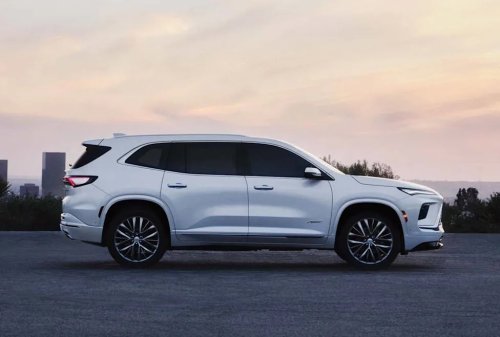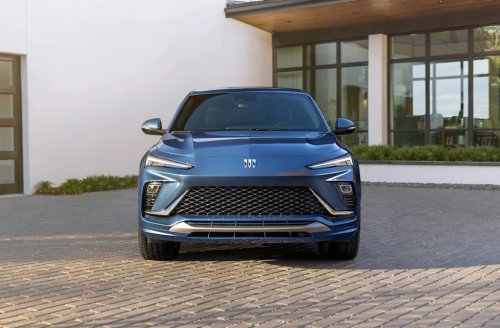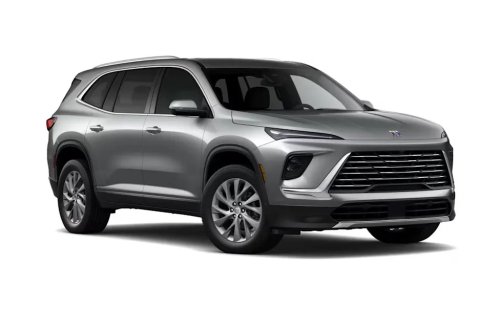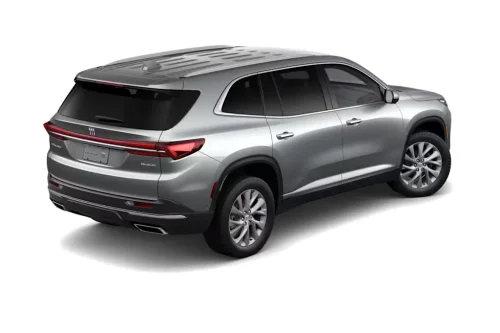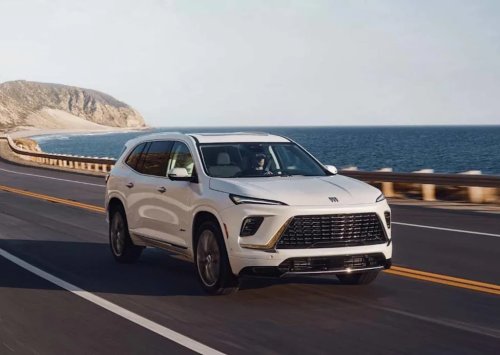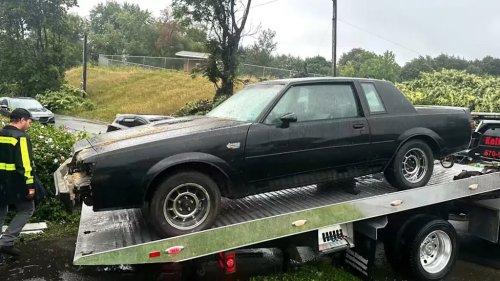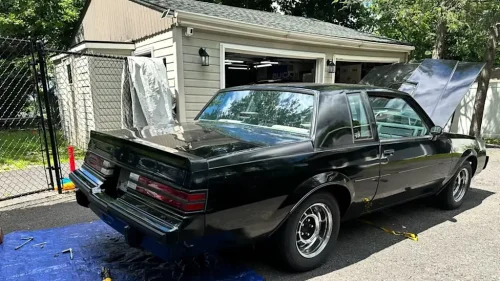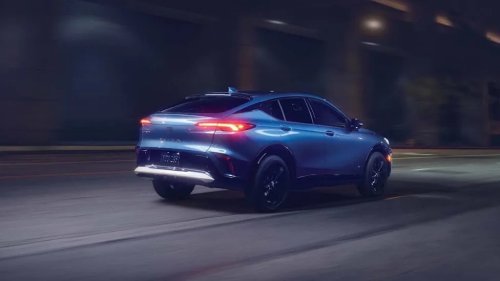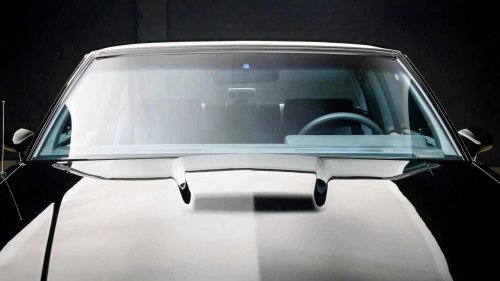
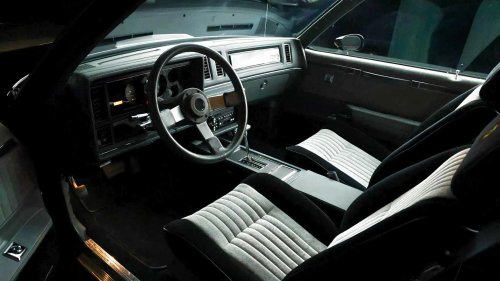
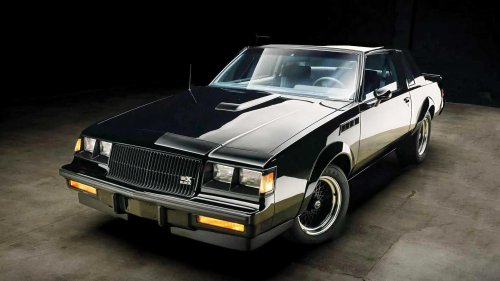
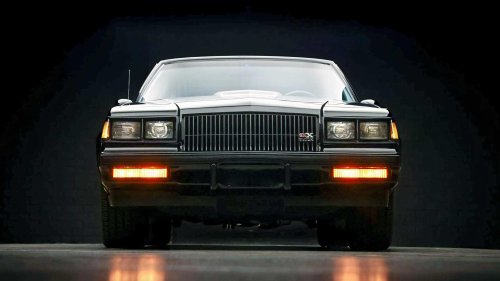
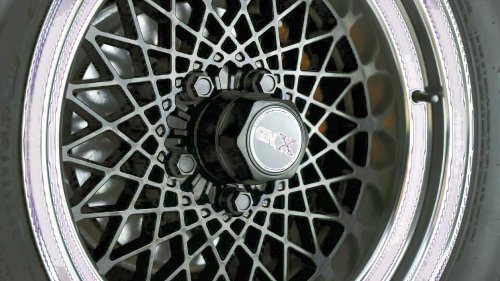
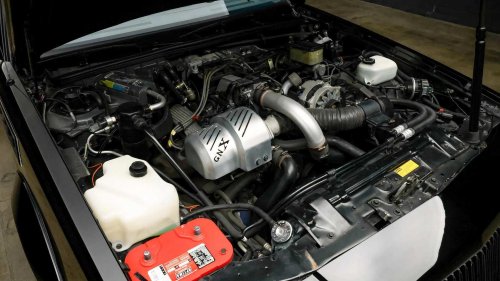
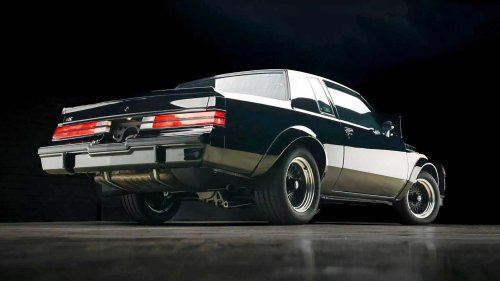



















The Malaise Era was a rough patch of U.S. automotive history, when brands closely associated with performance in the sixties became mere shadows of their former selves. A perfect storm had ended the golden age of muscle cars in the early seventies through a mixture of reduced compression ratios and power, more stringent emission standards and the OPEC oil embargo of 1973. Other factors were also at play, flipping the script on the American car market and leaving horsepower-hungry buyers in the lurch. Manufacturers shifted their focus away from outright performance to things like comfort and fuel efficiency, which left no room for huge gas-guzzling V8s. Performance Makes A Gradual Comeback Bring a TrailerNonetheless, the desire for big-block muscle lingered among ardent car nuts despite the changing times. Models such as the Chevy Monza or Ford Mustang II still had sporty aesthetics, but without the performance capabilities to actually back them up in any meaningful way. Things stayed pretty much the same until the mid-eighties and, by then, America was craving some good old brawn to be unleashed on the streets. Performance made its gradual comeback, horsepower figures were on their way up, and the automotive dark ages came to an end after 1983. There were still a few years to go before the fully-fledged renaissance of the nineties, but car nuts had plenty of reasons to be optimistic. The Best Was Yet To Come Bring a TrailerThen Buick decided to do something radical toward the tail end of the 1980s, despite its brand identity being more closely associated with plush comfort and an older demographic at the time. The automaker had already been producing the Regal Grand National with a 3.8-liter turbocharged V6 since 1984, slowly turning away from the more common V8s in favor of forced induction and fewer cylinders. At first, turbo Grand Nationals were good for up to 200 horsepower, but the stable was more crowded by 1987 with 245 ponies prancing around it. Buick wanted to push the envelope even further, though, so as to give the aging, rear-wheel-drive G-body platform a proper send-off. Darth Vader In Automotive Form Bring a TrailerIt would be replaced by GM’s front-wheel-drive W-body the following year, but not before Buick molded it into the ultimate expression of American automotive might. What we’re referring to here is the murdered-out GNX, produced for just one year in ‘87 and fondly remembered by us gearheads today. It gave exotic European supercars a good run for their money and threw the whole “no replacement for displacement” idea straight out the window. The GNX was an absolute marvel worthy of its place among the all-time greats, so let’s dive straight into the deep end and see what it brought to the table.Only 547 units were made during the car’s short production run, all based on the standard Grand National but dialed up a notch in collaboration with ASC/McLaren. Buick planned on building just 200 GNXs at first, then it decided to make 500 as a nod to the Indy and Daytona races, but ended up with 547 copies due to special dealership incentives. Pricing was rather steep to say the least, with an MSRP of $29,290 compared to just over $18k for a fully-loaded Grand National and dealer premiums driving that number up even further. So what on Earth warranted an MSRP in 1987 higher than that of Buick’s 2026 Envista ST crossover? What Made The Buick GNX Such A Treat? Bring a TrailerStarting with the hardware installed under the hood, the GNX (short for Grand National Experimental) flexed a beefed-up version of that turbocharged 3.8-liter we mentioned earlier. It featured a bigger Garrett T3 turbocharger complete with a ceramic impeller, dual exhausts ending in less restrictive mufflers, and an oversized intercooler to feed plenty of cold air into that blower. The engine came with a stout 276 ponies and 360 pound-feet of torque according to official ratings, but these figures were widely believed to be underrated so as to not upset GM by overshadowing the Chevy Corvette. Embarrassing Everything From The Corvette To European Supercars Bring a TrailerAll that power traveled to the rear wheels by way of a TH200-4R automatic gearbox, launching the GNX from zero to 60 mph in just 4.7 seconds. It’s nearly impossible to overstate how impressive that is, because it made Buick’s coupe faster than a contemporary ‘Vette and even some European exotics like the Ferrari 328 or a Porsche 911 Turbo. And the fuel-injected Lamborghini Countach with its 5.2-liter naturally aspirated V12 also reached 60 mph from a standstill in 4.7 ticks. Seriously, though; just let that sink in for a minute. Understated, But Fantastic In Every Way Bring a TrailerThe GNX would also finish the quarter-mile run in a mere 12.7 seconds, before reaching its electronically-limited top speed of 125 mph. And, in theory, the car might’ve exceeded 150 mph if it weren’t for that factory-imposed governor. Beefier suspension, functional fender vents and wider black mesh wheels with GNX branding were on the menu, as well, but the coupe’s aesthetic was otherwise fairly understated. That sinister, blacked-out paintwork did give away its true nature, though, and it wasn’t long before the model solidified its status as a true performance icon. But, all things considered, we would argue that Buick’s beast still didn’t get as much praise and attention as it should have. Legendary, And Still Underrated Bring a TrailerFor starters, it never really had the time to maximize its impact with that painfully short production run, and the timing was also a little awkward. The GNX arrived long after the muscle car heydays but before the true performance revival of the nineties. So, it was something of a misfit on a market filled with econoboxes and family sedans. Moreover, the fact that Buick was better-known for comfort rather than raw performance didn’t help, because it left the GNX without the solid brand reputation to back up its pedigree. Yet had it been allowed to stay in the spotlight for just a little longer, the model would’ve earned far more clout than it actually did.It’s not that people didn’t respect it, of course, bt its reputation still hasn’t quite reached the god-tier level it should have. Given the car’s performance, rarity and distinctly ominous look, the GNX name should be mentioned in the same conversations as the Ferrari F40, Lambo Countach or later JDM legends like the R34 Skyline. It’s rarely ever thought of in that way, however, which is a real shame considering how big of a deal it really was. And you’ll need a small fortune to get your hands on one such specimen today, as average auction prices currently sit in the neighborhood of $200k. That puts the GNX in a pretty interesting place, where it commands a ton of admiration as a cult classic while still deserving so much more. But then again, isn’t this understated brilliance part of its charm?