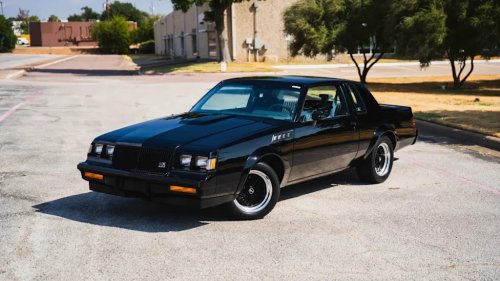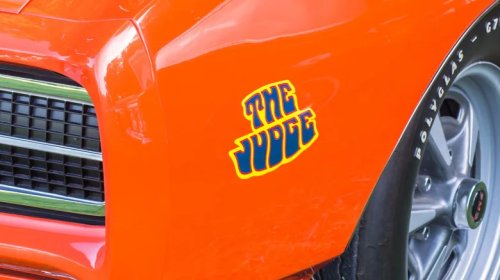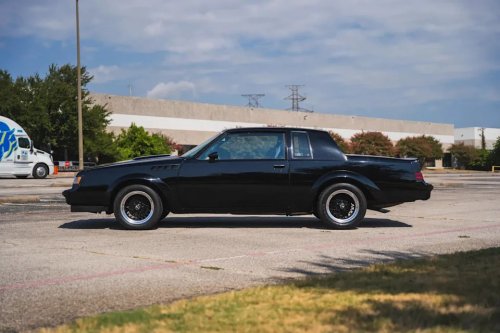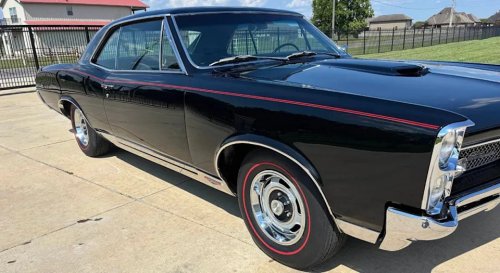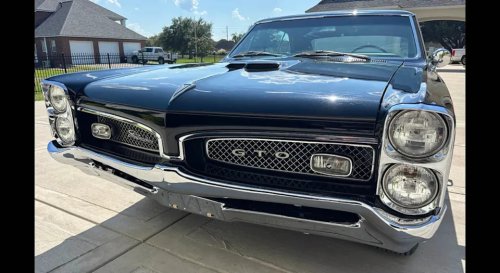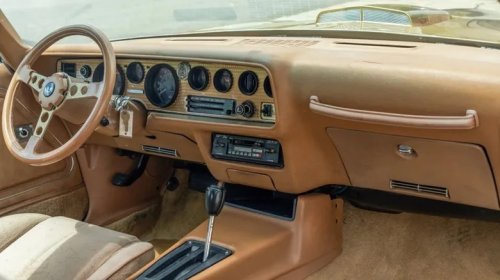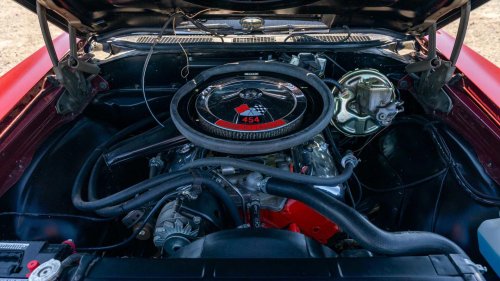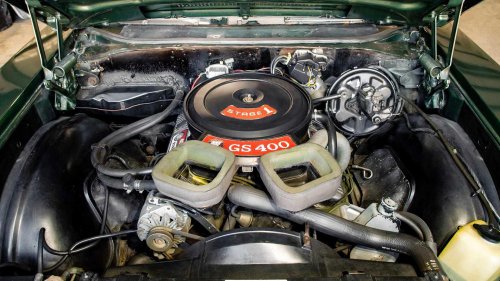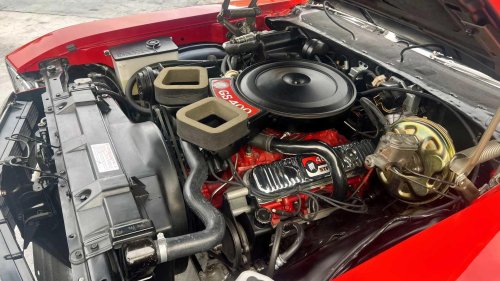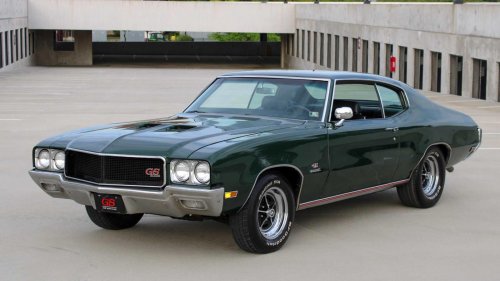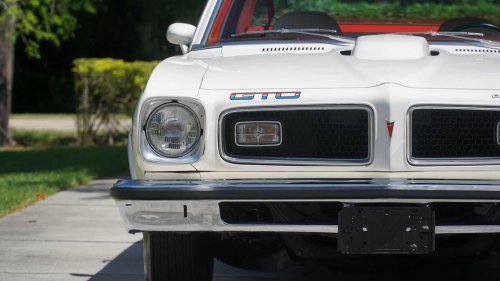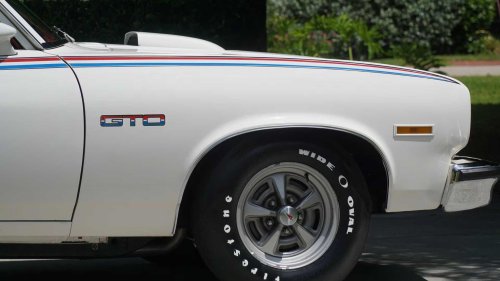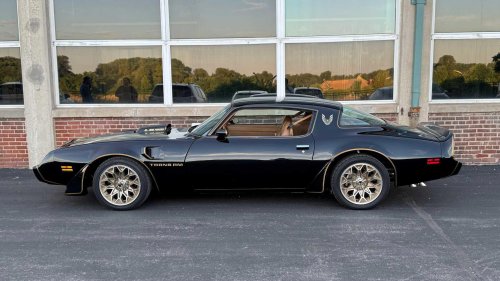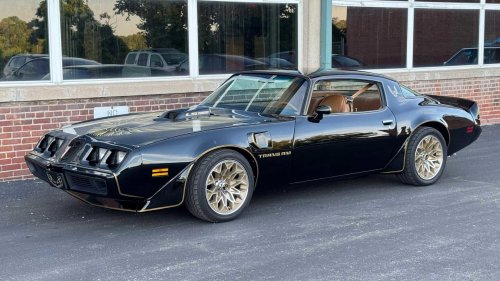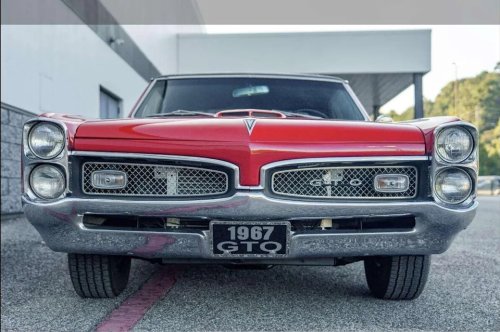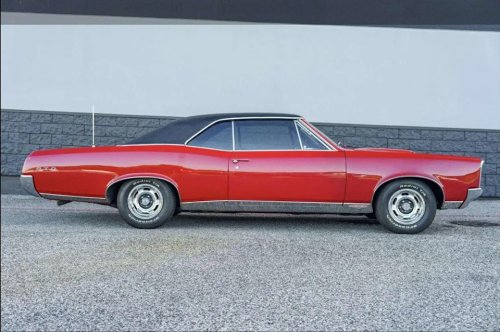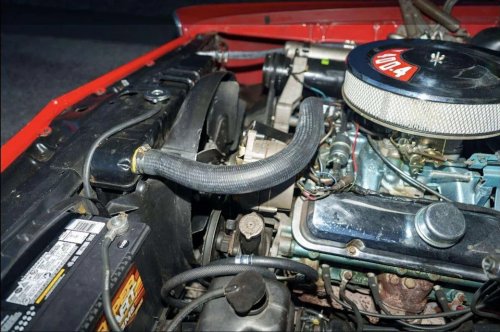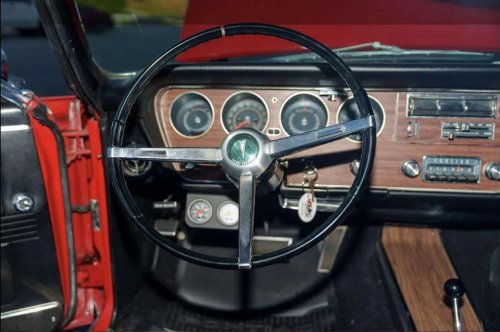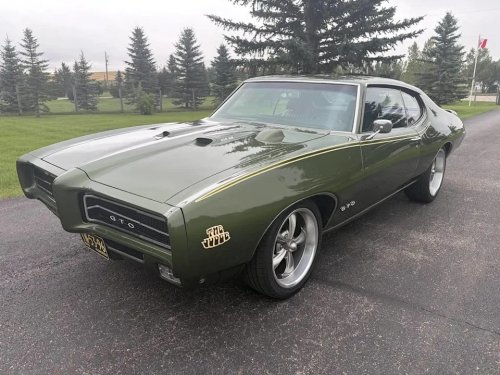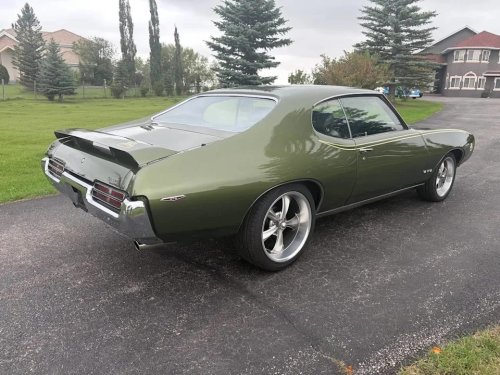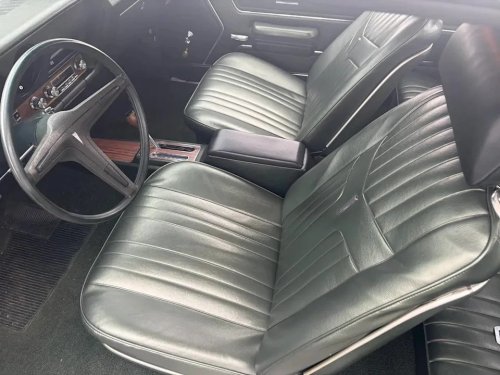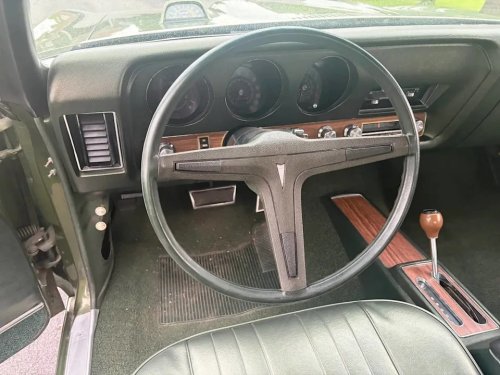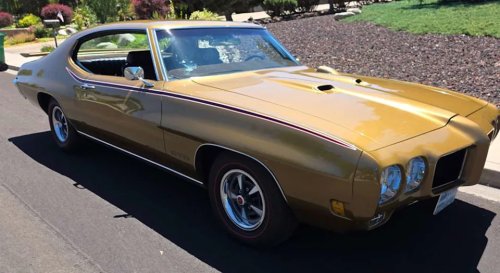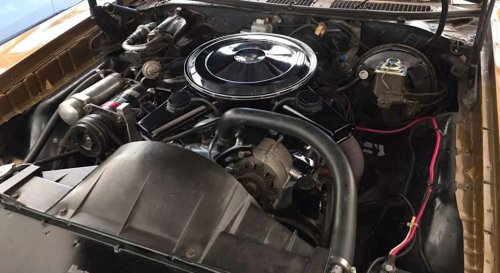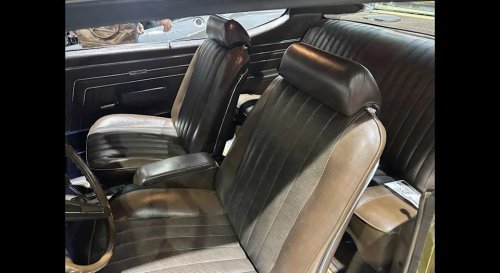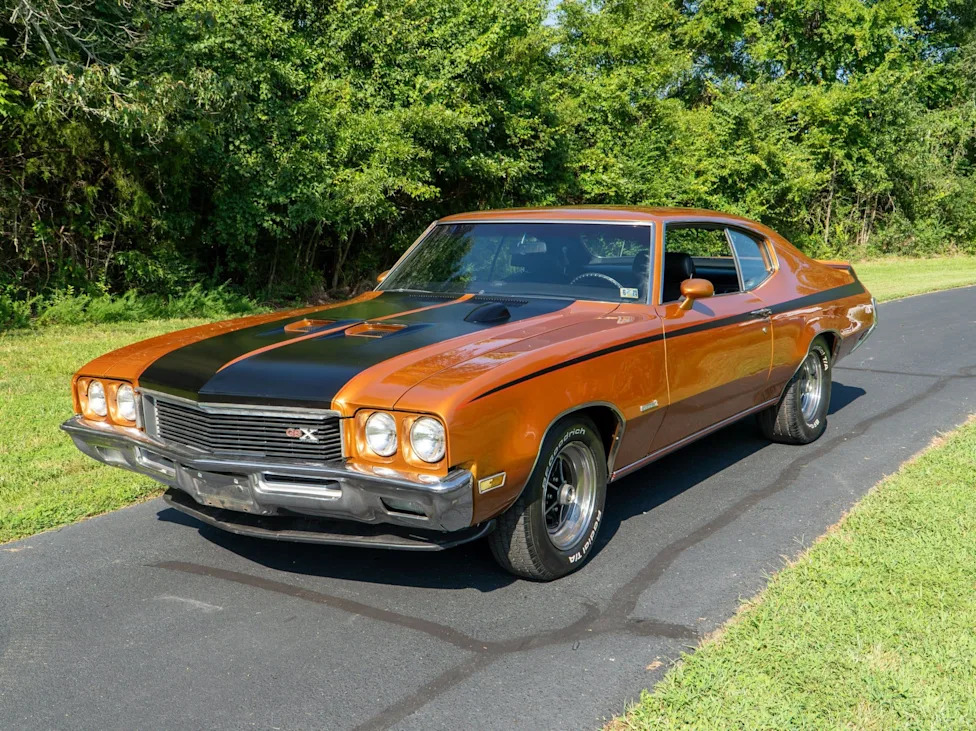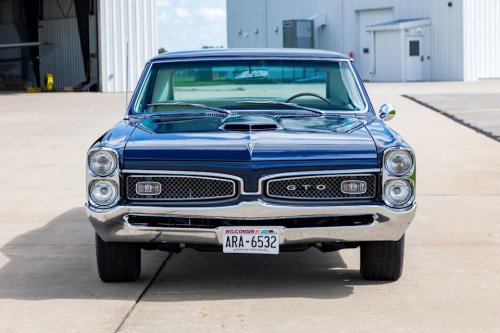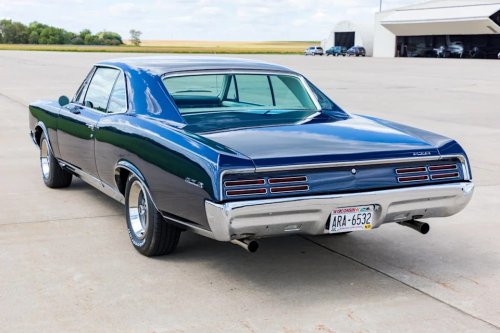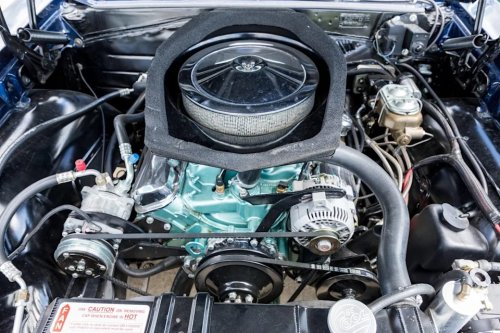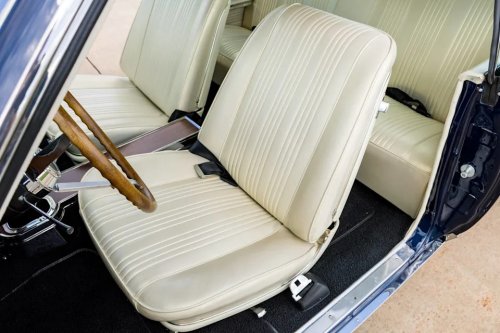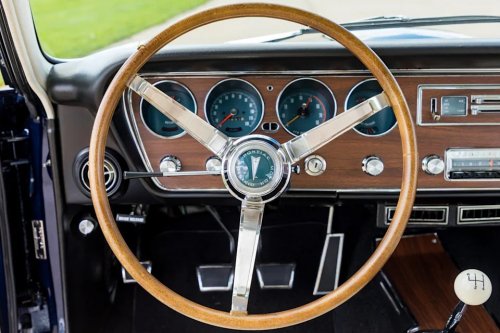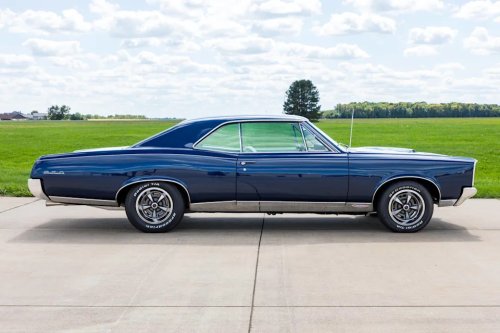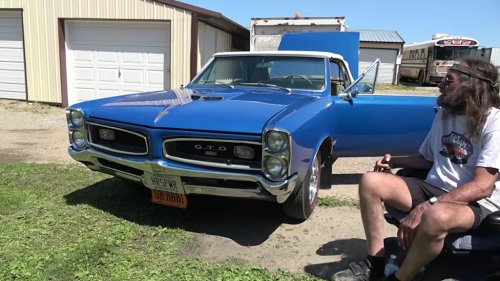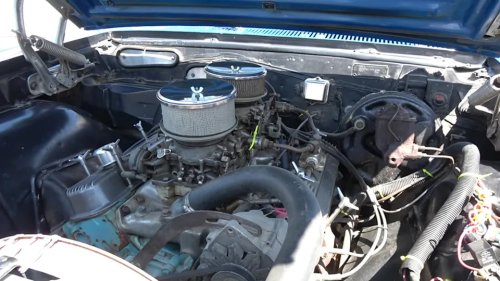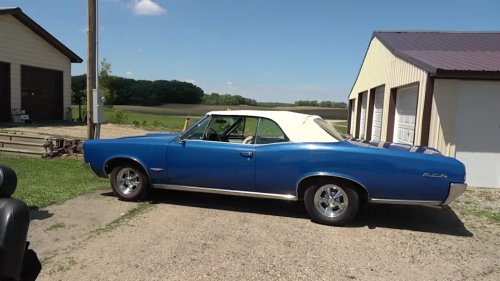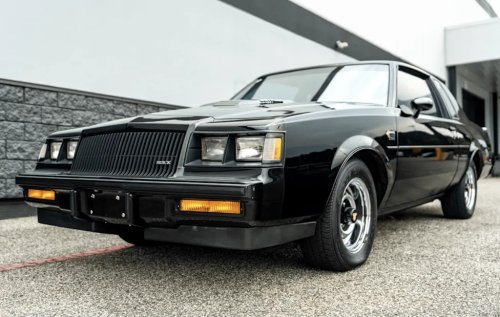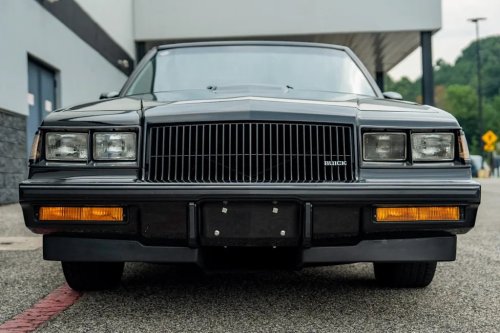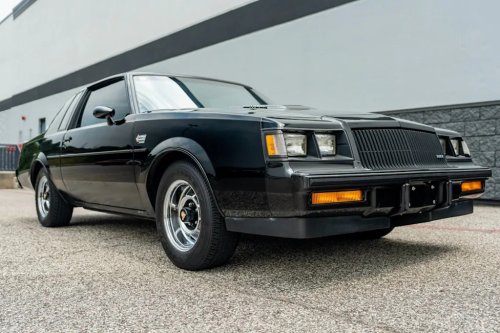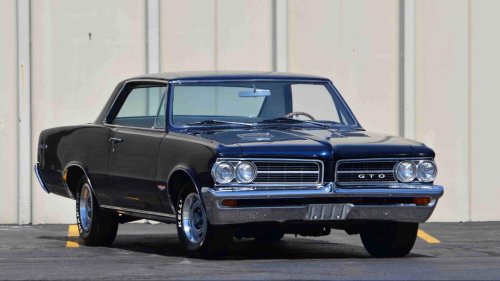
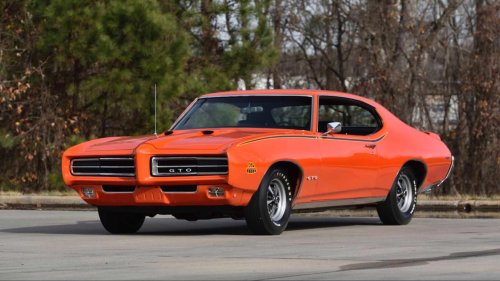
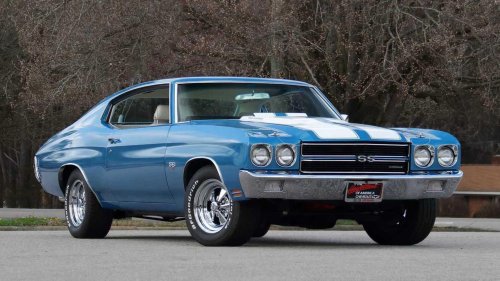
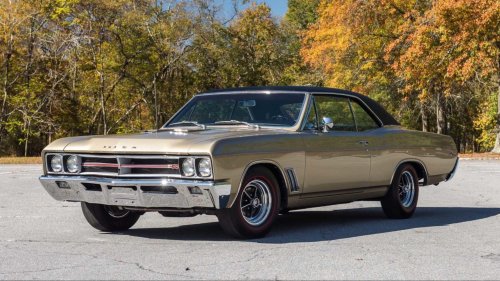
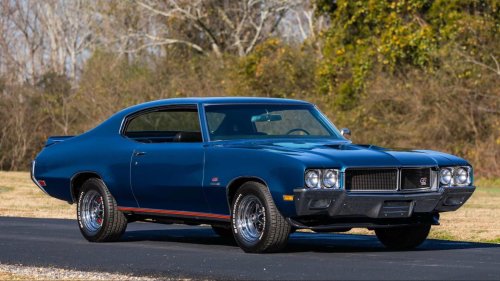
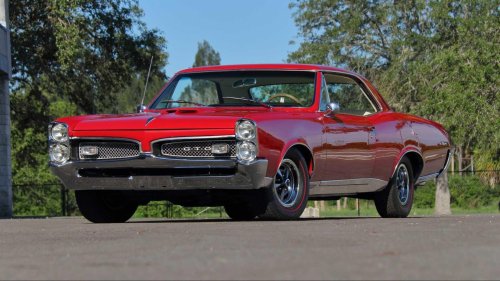
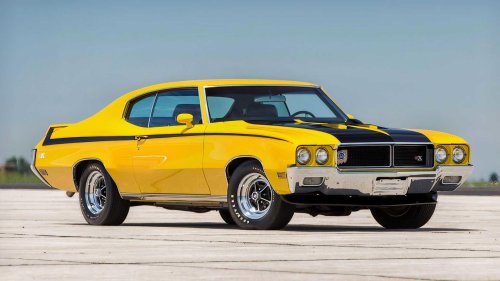
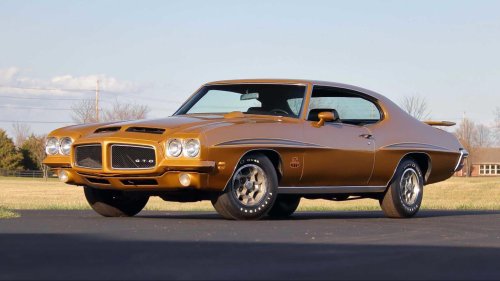
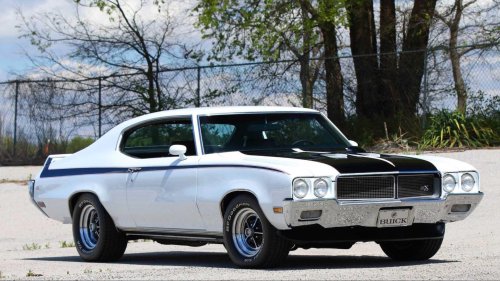
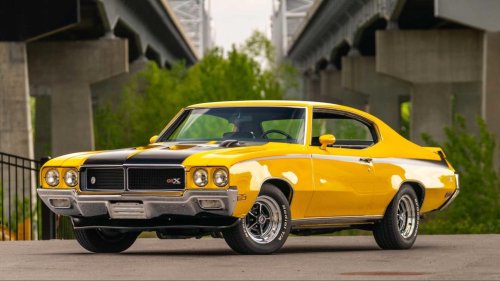
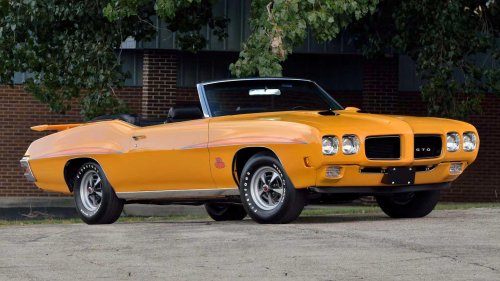


















When the Pontiac GTO debuted in 1964, nobody had any idea it would launch a craze, but within months, all automakers were trying to replicate its success. The GTO didn't invent the American performance car, but it was the first to put that power in an affordable package which was appealing to the then-untapped youth market. The formula of a two-door intermediate with a powerful V-8 that anyone can afford was a winner and the muscle car was born.Because the GTO started the Golden Age of American Muscle, many people today assume it was the King of the Streets back in the day, but that's simply not true. The GTO wouldn't be the founding muscle car if it was slow, and in fact, it was pretty badass, but there were other models that could humble it, mostly predatory Mopars and even some within the GM stable. While the GTO was the highest profile car of the classic era, there was a slept-on Buick that could blow its doors off. Big Engine Ban Costs GM Muscle On The Streets Mecum On the eve of the Golden Age in 1963, GM arbitrarily banned all of its divisions from equipping engines larger than 400ci. From the beginning, the GTO, Olds 442, and Chevy Malibu Chevelle SS were limited to small-blocks that ranged between 300–348 horsepower. That was fine for dusting a 200-pony Ford Mustang, but Dodge and Plymouth rides had access to terrifying big-blocks. In the early years, Mopar had the mighty Wedge engines and then came the 440 Magnum, 426 Street Hemi, and 440 Six-Pack that put their cars in the 375-425 horsepower zone. While top Dodge and Plymouth muscle cars were running in the 13s, the GM rides were wallowing in the 14s and even 15s, which was unacceptable back then. Valiant Small-Block Contenders Mecum Necessity is the Mother of Invention and since the GM divisions were capped at 400 cubic inches and getting embarrassed on the streets, they found ways to squeeze every last bit of power out of the engines they were limited to. Chevy developed a 375-horsepower version of the 396ci V-8 that at least kept the Chevelle SS from getting laughed at by the Mopar crew, but it was still a 14-second car. Pontiac built a 400ci Ram Air IV engine for the 1969 GTO Judge that produced 370 horsepower and 445 pound-feet of torque, that on paper was weaker than the Chevelle SS 396, but on the streets was far superior. With a 13.6-second quarter-mile ET, the '69 GTO Judge Ram Air IV was the first 13-second GM car of the Golden Age. Big-Block Liberation Day Mecum After hearing, "Mopar is killing us!" from its divisions and every dealer in the country for six solid years, GM finally lifted its big engine ban in 1970, unleashing a big-block frenzy. Buick, Olds, and Pontiac all had their own 455ci V-8s that gave their muscle cars some much-needed respect on the streets. Chevy came out with a 454ci V-8 for the Chevelle, with a 450-horsepower, 500 pound-feet of torque LS6 variant that could finally challenge Chrysler 426 Street Hemi. With a 13.4-second quarter-mile, the '70 Chevelle SS 454 LS6 wasn't entirely a Mopar killer, but it was a beater of some Hemi Dodge and Plymouth cars and that's all the Bowtie faithful had been asking for since the classic era began. The Buick That Broke GM's Own Rules And Beat The Chevelle Mecum The Pontiac GTO and Chevy Chevelle are the GM muscle car superstars, but their forgotten A-body sibling, the Buick Gran Sport was just as cool and would eventually be guilty of fratricide. The Gran Sport came late, being introduced in 1965 as a performance trim of the mid-size Skylark. It was actually kind of a rebel car because it was equipped with 400ci Nailhead V-8, which was in defiance of GM's 400 cubic inch limit. Eventually, they developed a proper 400ci V-8 that, in 1969 with the Stage 1 performance upgrade, produced 340-horsepower and 440 pound-feet of torque. Most importantly, a '69 GS 400 was faster than a '69 Chevelle SS 396, but it still lagged behind the GTO Judge. GS 455 Stealth Superstar Mecum Post-big engine ban, Buick quietly created the most killer GM muscle car of the classic era, and it's as anonymous today as it was dismissed back in the day. By 1970, the Gran Sport had become its own model and was renamed the GS followed by its engine size, like the GS 350 or GS 400. It was the GS 455, however, that would challenge the Chevelle and GTO for GM supremacy. As the name would suggest, the '70 GS 455 was packing a 455ci V-8 that was built with radical thin wall construction and was hundreds of pounds lighter than the other GM big-blocks. With the Stage 1 performance package, the GS 455 produced 360 horsepower and a mind-blowing 510 pound-feet of torque, the most for any American car until the 2003 Dodge Viper SRT-10 finally beat it with 525. Evolution of the GTO's Power MecumOne of the coolest things about the first-gen GTO is that it came with the best engine Pontiac offered, with no weenie displacement options. In 1964, the competent 325-pony 389ci V-8 was upgradable to a triple two-barrel "Tri-Power" carburetor setup that was good for 348 horsepower and 428 pound-feet of torque. That power was increased to 360 horsepower, but mid-model year in 1966, GM decided to ban multi-carb engines for everything but the Corvette, so Pontiac bored out the 389 to 400 cubic inches with a single four-barrel that still maintained the same level of power. The aforementioned 400 Ram Air IV was eventually replaced by a big-block 455ci V-8 that was rated at 360 horsepower and 500 pound-feet of torque. The Mighty 1970 Buick GSX Stage 1 Mecum If the 1970 Buick GS 455 is tragically forgotten, and it is, the GSX special edition of it is more obscure than a Dennis Miller reference, which we acknowledge is a pretty obscure reference in of itself. The '70 Gran Sport eXperimental was a limited edition package meant to capitalize on the space race craze of the Apollo moon landing missions. Available in either Saturn Yellow or Apollo White, only 687 units were built, mainly to generate foot traffic and interest at dealerships. The GSX had the same power as the GS 455, but it was definitely more than just an appearance package.The GSX came with a heavy-duty suspension, better cooling system, beefier rear axle, power front disc brakes, and wider tires to stick that launch. Of course, the appearance upgrades were nice too, with a functioning hood scoop, bold black hood stripes and slick body stripes. It's hard to believe such a striking set of wheels with unreal performance like this can fade from memory, but that's what happened. Of course, anyone who ever got shellacked by a '70 GSX Stage 1 remembers it and probably suffers from PTSD, haunted by visions of its tail lights disappearing into the night with the roar of the 455 echoing in their mind. GSX Vs. GTO Judge Mecum '70 GSX Stage 1 vs. '70 GTO Judge Drag Race In 1970, the 400ci Ram Air IV was still available, but this is a big-block grudge match, so the GTO Judge lining up has a 455ci V-8. Realistically, it doesn't even matter, because the '70 GSX Stage 1 could whip 'em both all day long. The GSX Stage 1s massive torque rockets it off the line and there's no looking back, beating the GTO Judge by more than a second. Here's a little secret about the 1970 Pontiac 455: it wasn't nearly as good of an engine as the 400 Ram Air IV and all it really did was add weight to the GTO Judge without bringing any extra power. The GSX, on the other hand, had a superior power-to-weight ratio that helped it kick the stuffing out of the Goat, establishing it as the G.O.A.T. King of the GM A-Bodies Mecum The 1970 Buick GSX Stage 1 wasn't just better than the GTO Judge, it was the best GM made for the entire Golden Age of American Muscle. The '70 Chevelle SS 454 LS6 was close with a 13.4-second ET, but the GSX beat it by six-hundreths of a second, which doesn't sound like a lot, but it's enough to take a drag race. The equally anonymous '70 Oldsmobile 442 W-30, with a 370-horsepower, 500 pound-feet of torque 455ci V-8, ran the quarter-mile in 14 seconds flat, so it's only really good for beating up on the GTO Judge. All the GM A-Bodies are the same basic cars in terms of styling, so it seems like the best performing one should be the most famous, but that's clearly not the case here. Buick GSX Prices and Values Mecum Most people might not remember the '70 GSX Stage 1, but Hagerty sure does, giving it a $78,700 value for a project car and $196,000 for a Concours condition example. A 1970 Buick GS 455 Stage is worth considerably less with a value range of $29,400-$127,000, making it a pretty decent value for a raging classic street machine. Then there's the '70 Chevelle SS 454 LS6, which leads all GM muscle cars with an $80,400 value for a beater and $229,000 for a show car. There were 678 GSX cars built, but only around 400 of them were Stage 1s, so it is a genuine unicorn car and is maybe a bit undervalued currently. GSX Vs. GTO Judge on the Auction Block Mecum Auctions Much like how the drag race between the GSX and GTO Judge wasn't close, the battle of the auction block isn't much of a competition either. A 1970 Pontiac GTO Judge Ram Air IV convertible sold for $1.1 million at Mecum Kissimmee 2023, becoming the all-time highest selling GM muscle car. The top GSX auction sale we could find was $236,500, which is better than the Hagerty value, but nowhere near the million-dollar Goat. Then again, the GSX wasn't available with a drop-top, so it's not really a fair comparison. A '70 hardtop Ram Air IV sold for $220,000, but again, that's not the car that''s in competition with the GSX, so we tracked down the highest auction sale for a 455, and it was $155,000, so the Buick pulls off another stunning victory.Sources: Buick, Hagerty, Mecum