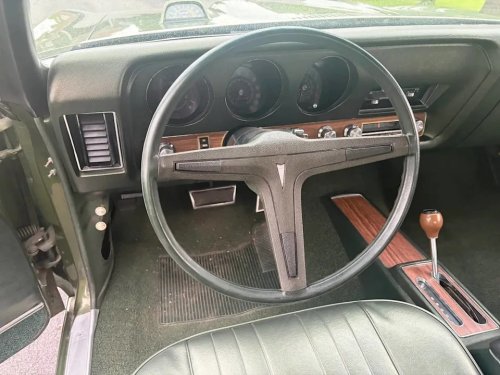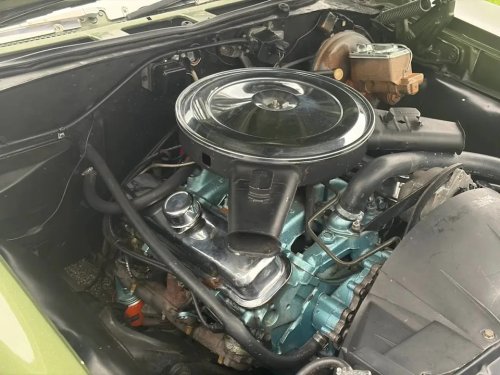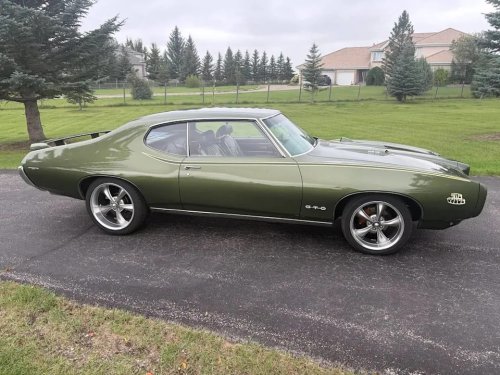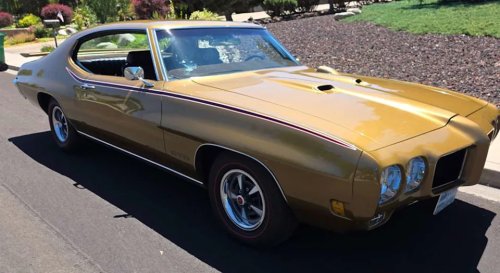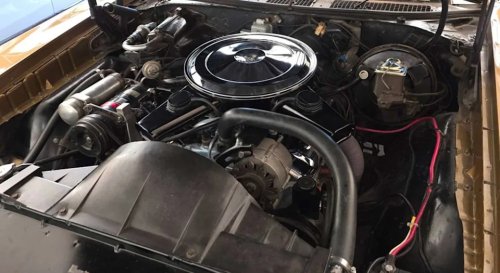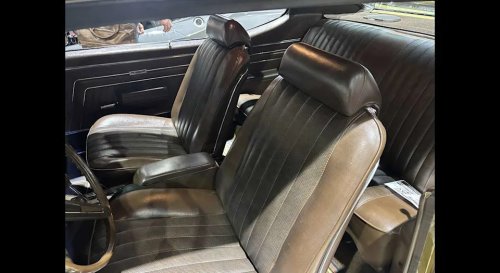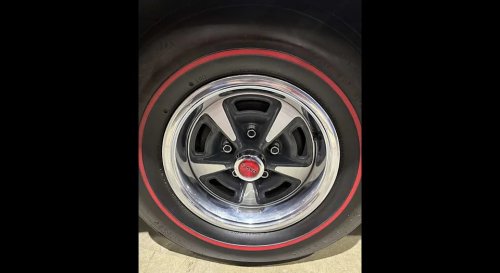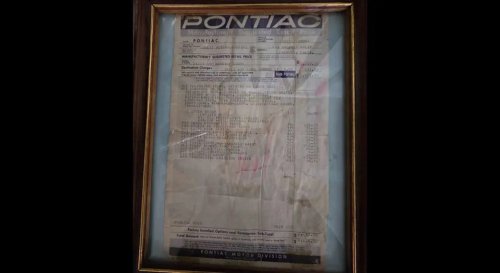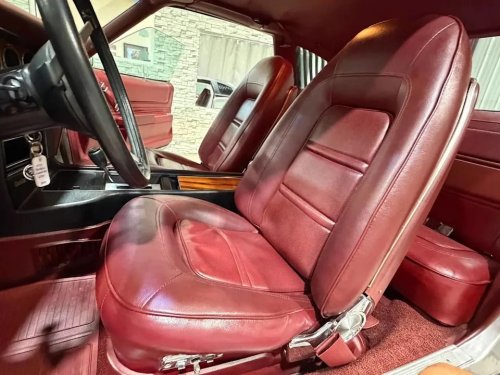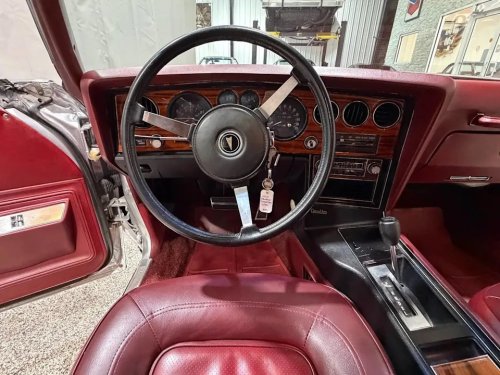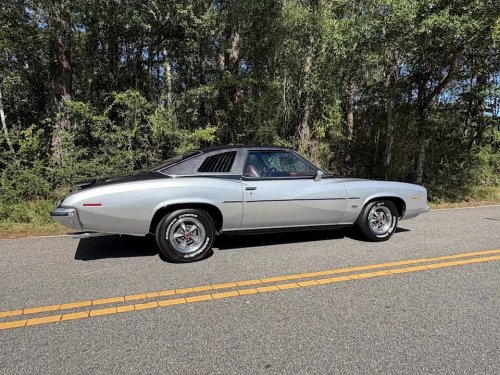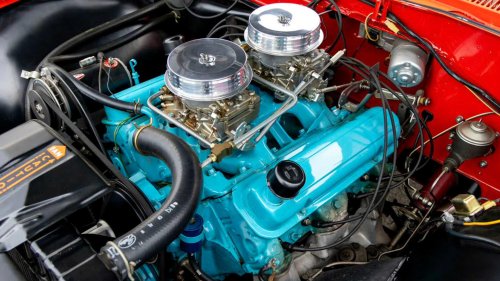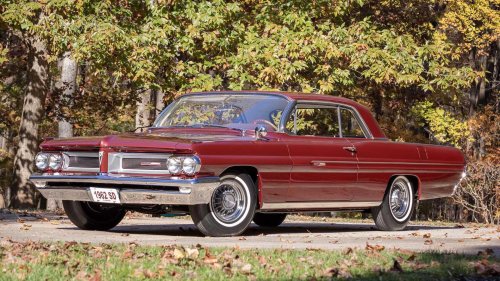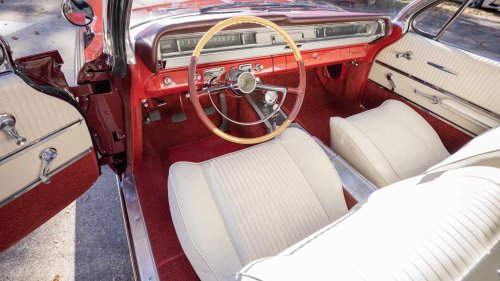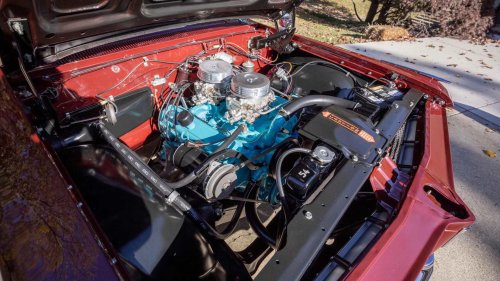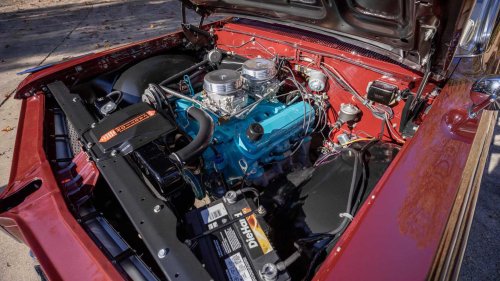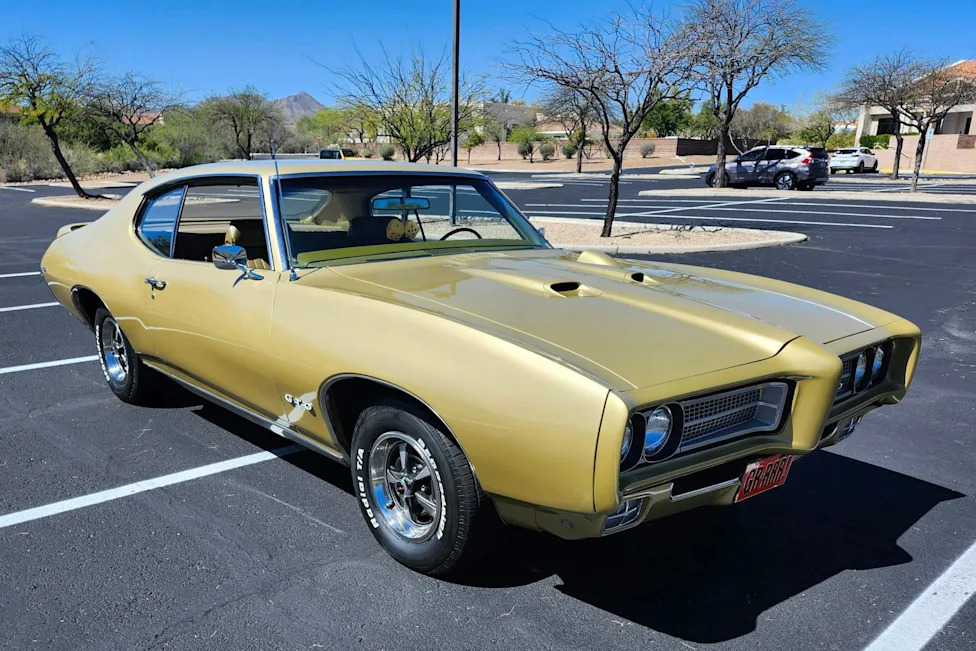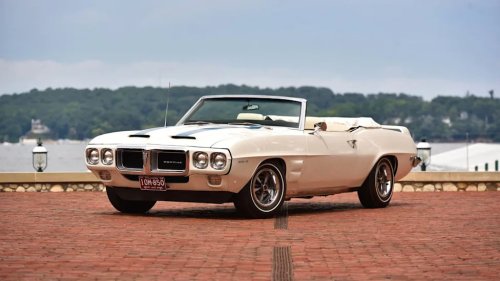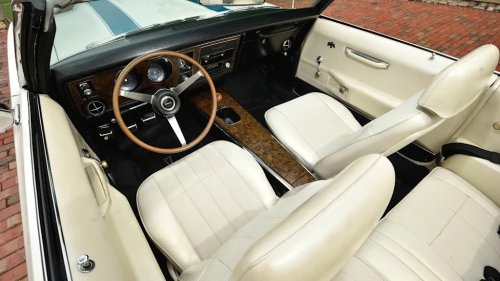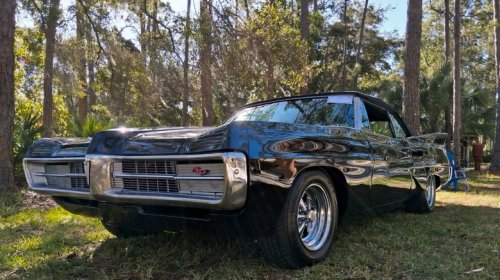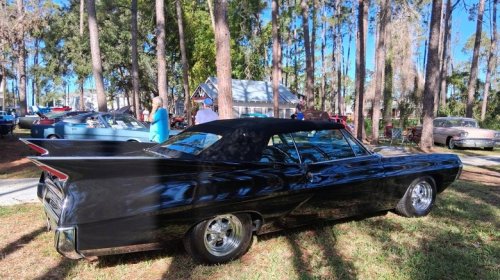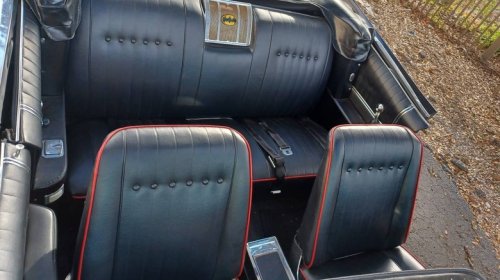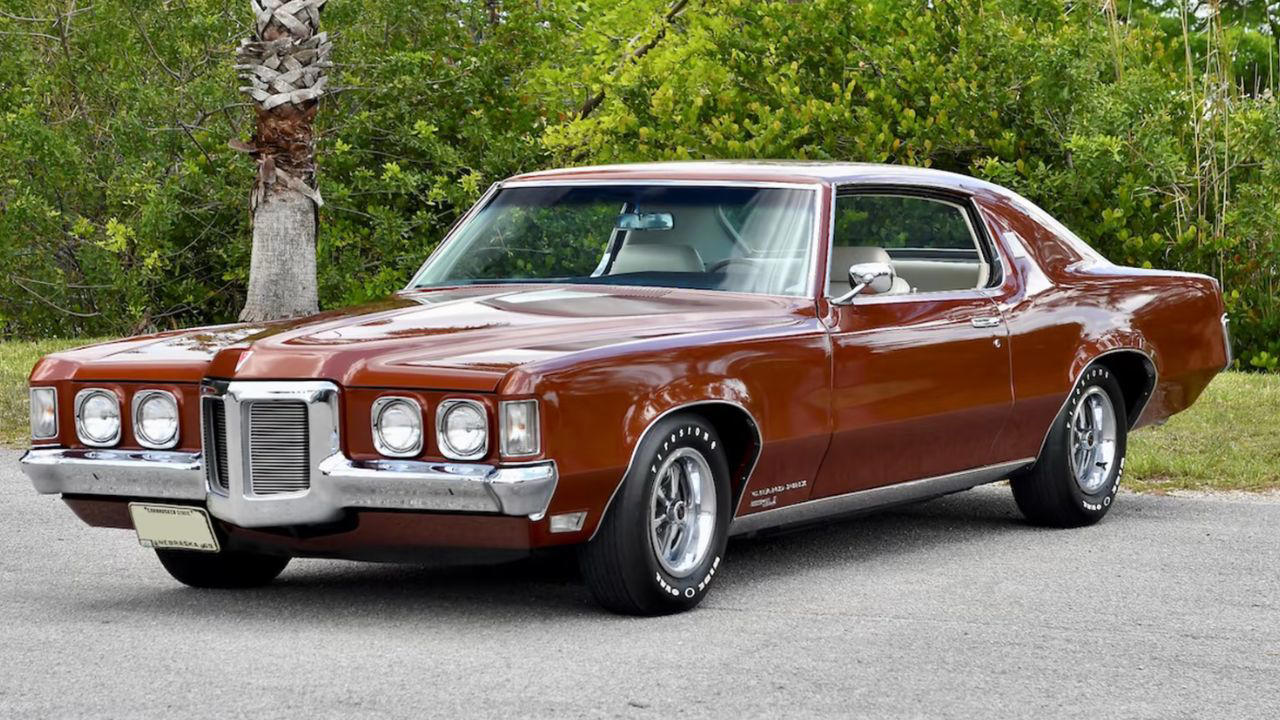



















How the 1969 Pontiac Grand Prix helped redefine personal luxuryThe late 1960s were a transformative period for the American automobile industry. Muscle cars were grabbing headlines, pony cars were attracting younger buyers, and luxury vehicles continued to grow in size and complexity. Amid these shifting trends, Pontiac introduced a car that would help reshape an entire market segment: the 1969 Pontiac Grand Prix. While the Grand Prix had existed since 1962, the 1969 model represented a complete rethinking of the nameplate. Rather than competing directly with traditional full-size luxury cars, Pontiac created a stylish personal luxury coupe that blended premium comfort, sporty design, and strong performance. The formula proved remarkably successful and helped redefine what buyers expected from a personal luxury car. More than just a redesign, the 1969 Grand Prix became a blueprint that many competitors would follow in the years ahead. Pontiac Saw an Opportunity By the late 1960s, the personal luxury market was gaining momentum. Cars such as the Ford Thunderbird demonstrated that many buyers wanted something different from traditional luxury sedans. They were looking for vehicles that offered comfort and prestige while maintaining a sporty, individualistic character. Pontiac executives recognized this growing demand and saw an opportunity to reposition the Grand Prix. The challenge was finding a way to deliver upscale styling and features without the cost of a large, expensive platform. Pontiac’s solution was both innovative and practical. A New Approach to Design Under the leadership of Pontiac general manager John DeLorean and designer Bill Mitchell’s influence at General Motors, the 1969 Grand Prix was developed using a unique strategy. Instead of sharing a full-size platform with larger luxury models, the new Grand Prix utilized a modified version of GM’s intermediate A-body architecture. This allowed Pontiac to create a vehicle that looked substantial and luxurious while reducing manufacturing costs and overall weight. Designers gave the car an exceptionally long hood and a relatively short rear deck, creating proportions that made it appear more expensive than it actually was. The dramatic styling immediately distinguished the Grand Prix from other vehicles on the road. Luxury Without Excessive Size One reason the 1969 Grand Prix resonated with buyers was its balance between luxury and practicality. Traditional luxury cars of the era were often enormous, emphasizing rear-seat space and formal styling. The Grand Prix took a different approach. It focused on the driver and front passenger, creating a more intimate and personal experience. The cockpit-inspired interior featured a wraparound dashboard that placed controls within easy reach. Rich materials, woodgrain trim, and available upgrades helped create an upscale atmosphere that rivaled more expensive competitors. This emphasis on personal comfort became a defining characteristic of the personal luxury segment. Performance Remained Important Unlike many luxury cars of the period, the Grand Prix did not abandon Pontiac’s performance heritage. The standard engine was a 400 cubic-inch V8 that delivered strong power and smooth operation. Buyers seeking additional performance could choose larger engine options, including the potent 428 cubic-inch V8. This combination of luxury and performance appealed to customers who wanted more than just a comfortable cruiser. The Grand Prix could provide effortless highway travel while still delivering the acceleration expected from a Pontiac. The balance helped separate it from competitors that focused primarily on comfort. Strong Sales Validated the Concept The redesign proved to be a tremendous success. Sales of the Grand Prix increased dramatically after the introduction of the 1969 model. Buyers responded enthusiastically to the combination of elegant styling, premium features, and attainable pricing. The car attracted customers who might otherwise have considered larger luxury models or sporty coupes from competing manufacturers. Its popularity demonstrated that there was significant demand for vehicles that blended luxury, style, and performance in a more personal package. Competitors Took Notice The success of the 1969 Grand Prix did not go unnoticed throughout the industry. Other manufacturers quickly recognized the appeal of Pontiac’s formula. Throughout the 1970s, personal luxury coupes became one of the most popular segments in the American market. Vehicles such as the Chevrolet Monte Carlo, Oldsmobile Cutlass Supreme, Buick Regal, and Chrysler Cordoba embraced similar concepts, combining upscale styling with intermediate-sized platforms and driver-focused interiors. The Grand Prix helped establish many of the design and marketing principles that would define the segment for years. A Lasting Legacy Today, the 1969 Grand Prix is widely regarded as one of the most influential Pontiac models ever produced. Its striking proportions, innovative packaging, and successful blend of luxury and performance helped reshape buyer expectations. Rather than viewing luxury strictly through the lens of size and opulence, the Grand Prix emphasized style, individuality, and driving enjoyment. The model’s impact extended far beyond Pontiac, influencing an entire generation of personal luxury vehicles that followed. Collectors continue to appreciate the 1969 Grand Prix not only for its distinctive design but also for its importance in automotive history. Conclusion The 1969 Pontiac Grand Prix helped redefine personal luxury by proving that upscale comfort, sporty styling, and strong performance could coexist in a single package. Through clever engineering, dramatic design, and a driver-focused philosophy, Pontiac created a vehicle that appealed to a new generation of buyers. Its success reshaped the personal luxury market and inspired countless competitors, ensuring that the 1969 Grand Prix remains one of the most significant and influential American cars of its era. More from Fast Lane Only Unboxing the WWII Jeep in a Crate 15 rare Chevys collectors are quietly buying 10 underrated V8s still worth hunting down Police notice this before you even roll window down