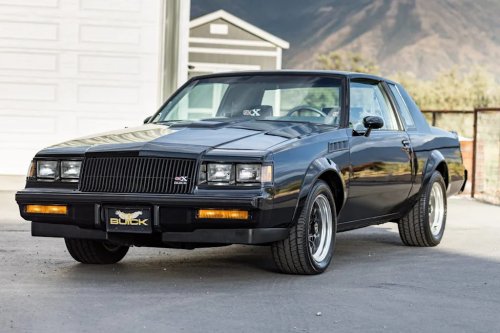
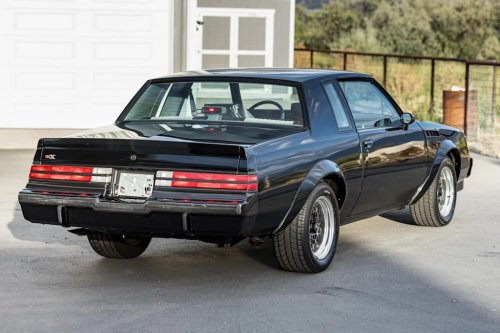
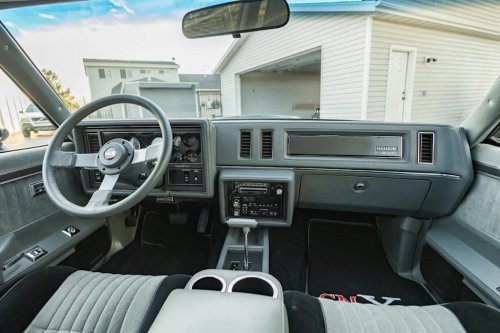
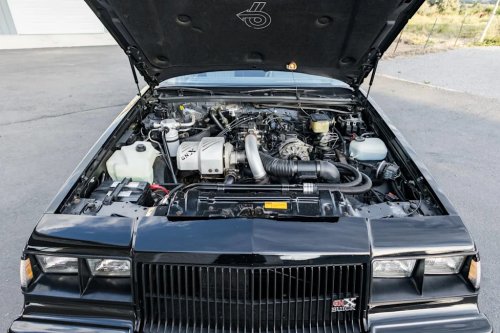
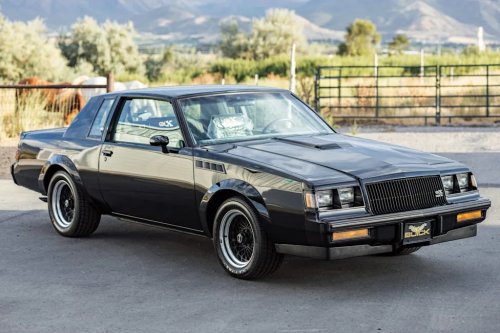
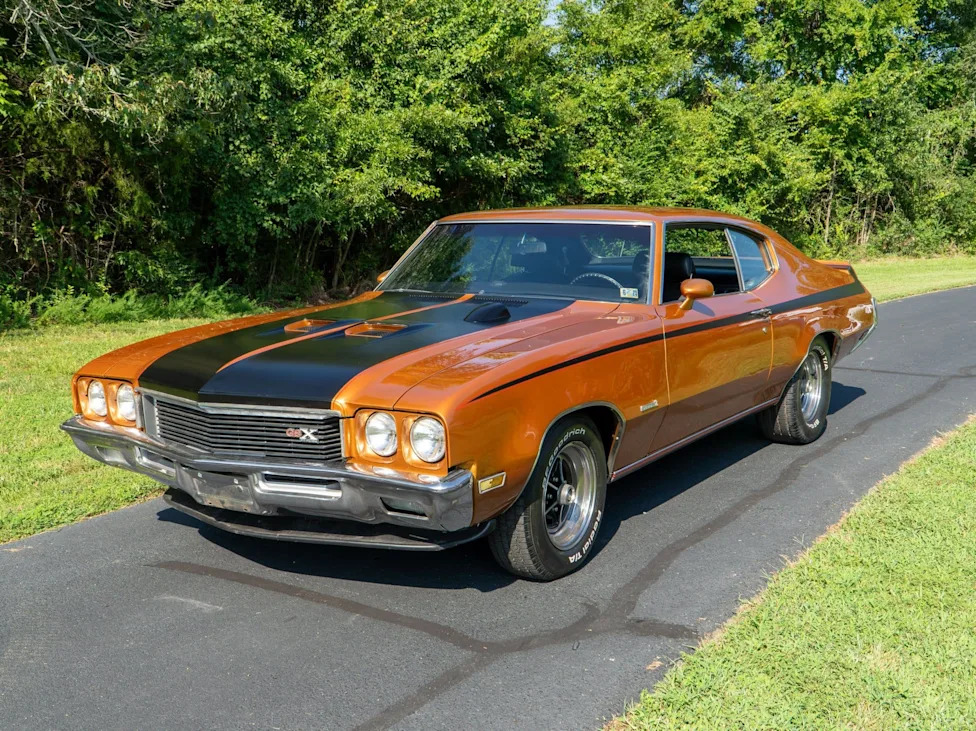
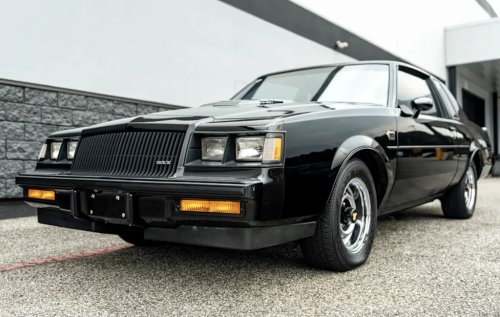
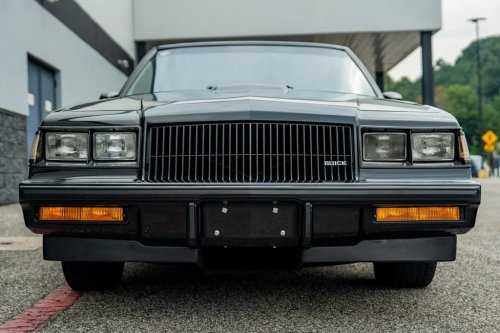
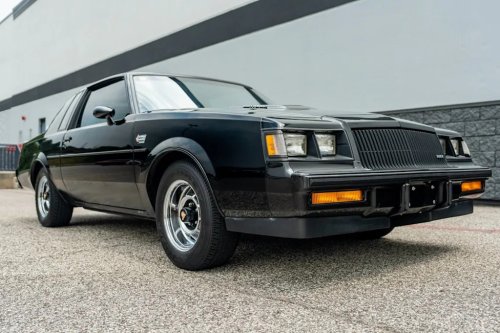
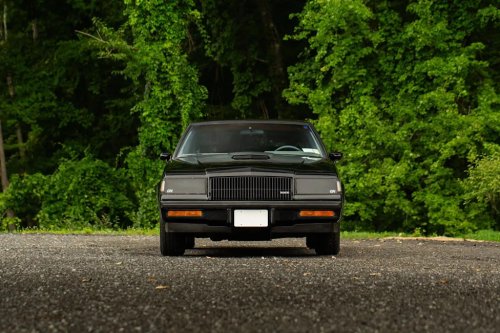
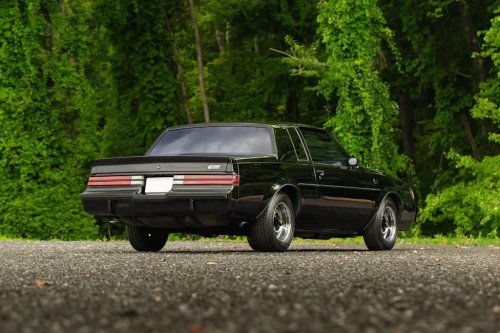
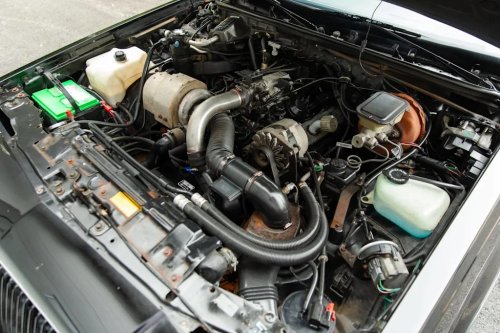
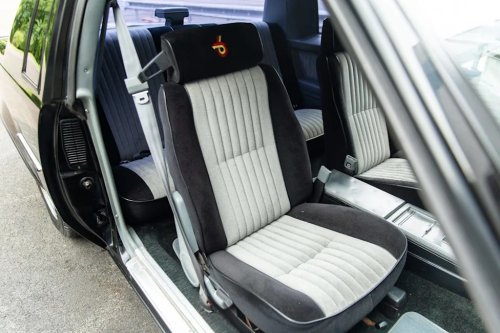
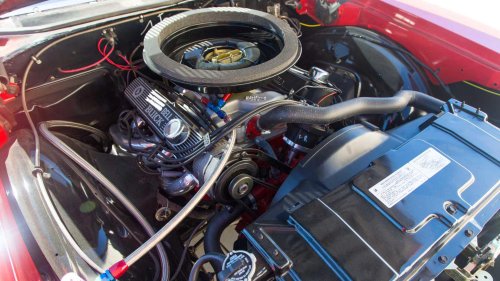
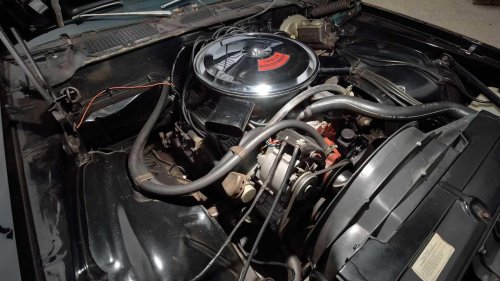
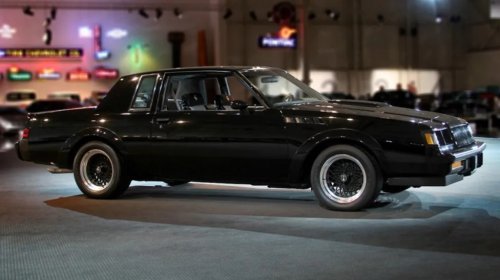
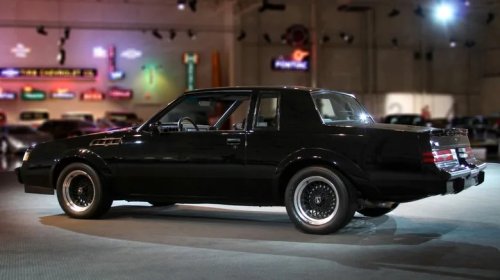
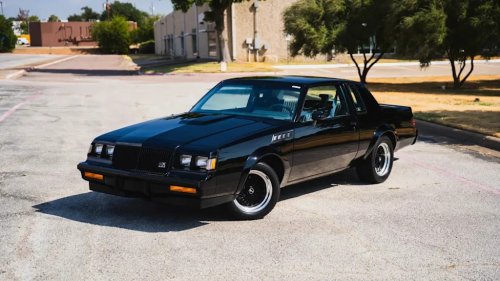
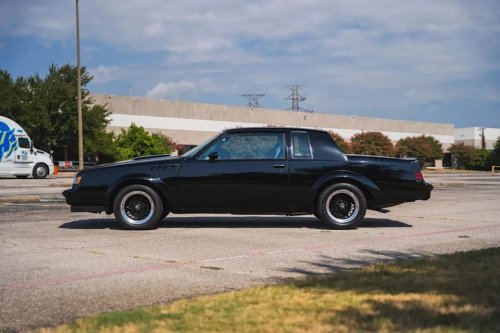
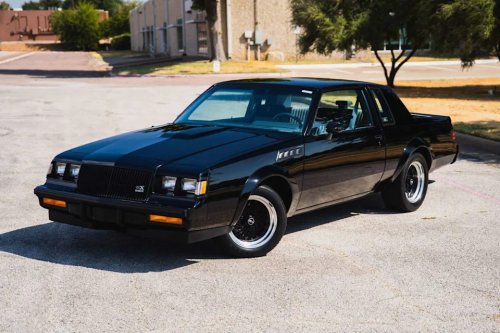
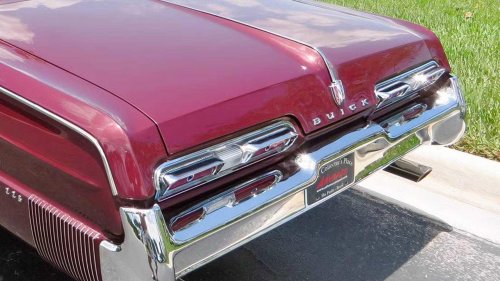
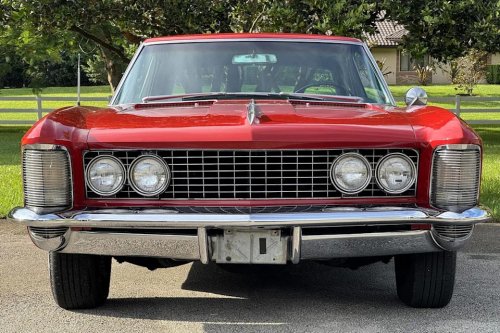
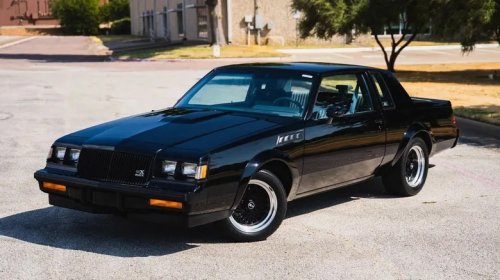
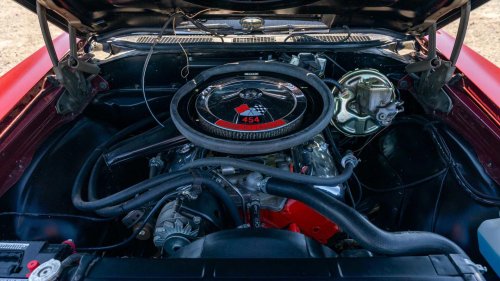
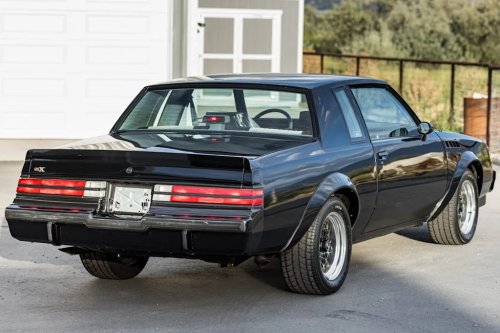
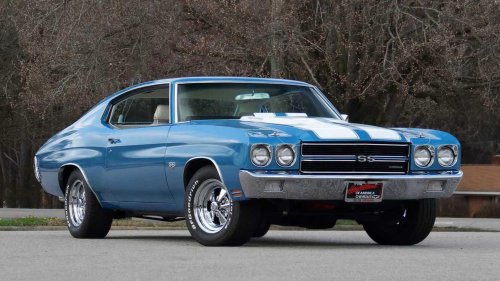
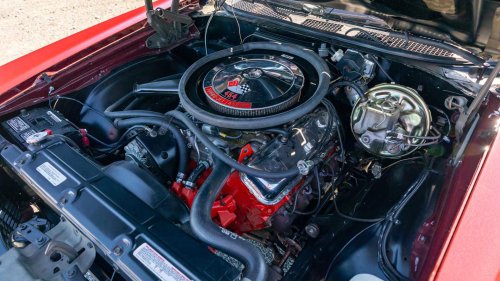
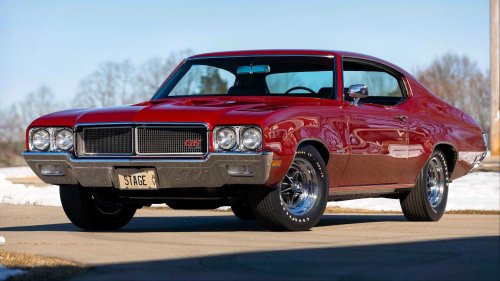
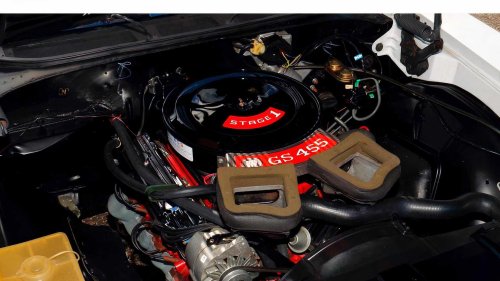
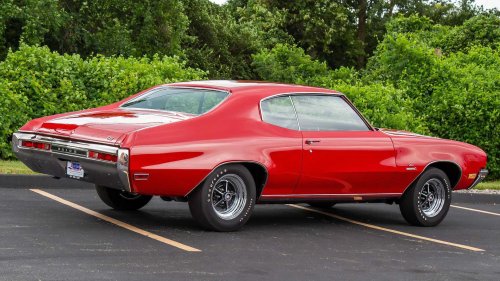
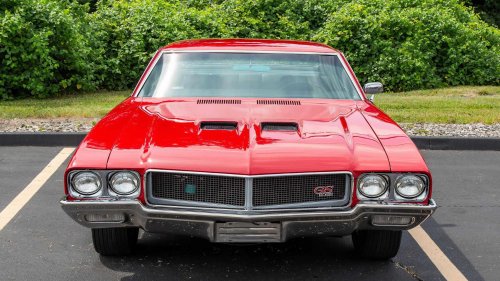
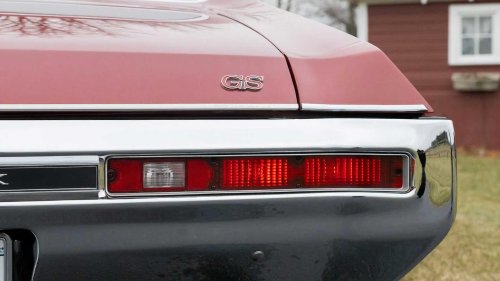
One American production muscle car hit harder than anything Detroit put on the street in 1970. It made more advertised torque than the legends people still argue about at gas stations, auctions, and comment sections. Yet when the usual muscle car roll call begins, this car often sits outside the room, probably parked quietly by the valet.That gap between reputation and reality gives the story its bite. The cars people remember most had louder colors, wilder ads, scarier badges, or better fan clubs. This one had a cleaner suit, a calmer face, and a right foot made of bad decisions. The Muscle Car Story Everyone Tells Leaves Out One Brutal Truth Mecum The 1970 muscle car myth usually starts with the Chevrolet Chevelle SS 454 LS6, and that makes sense. Chevy rated the LS6 at 450 horsepower, which is still a massive threat. Add the Hemi ’Cuda, the Dodge and Plymouth big-block crowd, and Pontiac’s GTO, and the era starts to look simple. On the street, however, one low-profile car felt quicker than all of them.Mecum That is where the popular story gets lazy, because it remembers image better than impact. The brutal truth was that the car with one of the most shocking torque ratings of the classic muscle era came from the division known for comfort, quiet interiors, and owners who probably called the police on their own burnout. That made the punch even funnier. Detroit’s Most Overlooked Monster Didn’t Win With Flash MecumBuick built its performance image around “going fast with class.” That idea sounds like something printed on a country club napkin, but the hardware told a different story. The company knew how to build engines with deep lungs. It also knew how to make a car feel expensive while it did something wildly irresponsible.The result made almost no sense to people who judged cars by personality. A Buick could cruise quietly, wear nice trim, and still leave a nasty pair of black lines behind it. It did not shout “street racer.” It looked like the street racer’s banker, which might be even scarier.That refined identity hurt its legend later. Enthusiasts often reward drama and remember hood scoops, decals, shaker assemblies, and names that sound like prizefighters. Buick brought torque, traction, and dignity. Sadly, dignity never sold as many bedroom posters as a cartoon bird holding a helmet. The Forgotten King Was The 1970 Buick GS 455 Stage 1 MecumThe car was the 1970 Buick GS 455 Stage 1, and its headline number still looks ridiculous: 510 lb-ft of torque at only 2,800 rpm. Buick rated the Stage 1 at 360 hp at 4,600 rpm, but the torque figure did the real talking. It arrived low in the rev range, where drivers actually felt it, not way up near the edge of mechanical panic.That number made the Buick a torque king among American muscle and performance cars. The old claim often says the Stage 1 held America’s production-car torque record until the 2003 Dodge Viper arrived. Strict record nerds can point to the 1970 Cadillac Eldorado’s 500-cubic-inch V8, which Cadillac rated at 550 lb-ft, but that car belonged to the luxury cruiser world, not the street-fight muscle class. In the muscle-car conversation, the Buick’s 510 lb-ft became the big number that stood until the Viper’s V10 finally dragged the title into the modern era.Mecum The Stage 1 package made the 455 more than a badge special. Period coverage and later Buick records point to a hotter cam, larger valves, revised heads, richer carburetor tuning, and other changes that helped the big engine breathe. In plain English, Buick gave the big motor better lungs, then acted calm about it.The joke, of course, sits in the horsepower rating. Buick claimed only 10 more horsepower for the Stage 1 than for the standard 455. That raised eyebrows then, and it still does. A $199 option did not magically add a few internal upgrades just to gain a small bump in horsepower. Enthusiasts have argued for decades that Buick underplayed the engine, partly because everyone in Detroit played games with ratings, insurance, and corporate politics. It Could Outrun Some Of The Era's Monsters Bring a TrailerHagerty says a period test showed a Stage 1 to run a 13.38-second quarter-mile pass at 105.5 mph. The same test showed 0-60 mph in 5.5 seconds. That made the Buick one of the quickest American production muscle cars of its time, and it did it with a curb weight of around 3,800 pounds.Those numbers explain why the 360-hp rating never told the full story. Many enthusiasts estimate real output above 400 h in gross-rpating terms, though hard dyno evidence varies by engine, tune, and test method. The safer lesson matters more than the exact bench-racing number. Buick rated the Stage 1 conservatively, and the track exposed it.Bring a Trailer Against accepted heroes, the Buick could shock people. Contemporary and later comparisons often place the Stage 1 near the top of the 1970 muscle pile, close enough to scare the LS6 Chevelle and quicker than many better-known cars depending on test, tires, gear, and driver. Some accounts compare it favorably against cars like the GTO and Hemi ’Cuda, which proves the Buick’s problem never came from speed. It came from memory.A modern drag race put on by Cars and Zebras made the point even louder. In a filmed matchup between a 1970 Buick GS 455 Stage 1 and a 1970 Chevelle SS 454 LS6, the Buick ran 12.96 seconds while the Chevelle ran 13.24. One race does not rewrite all of muscle history, because setup and conditions matter. Still, it shows why the Stage 1 deserves a seat at the grown-up table. The Buick Badge Is Exactly Why This Record Vanished From Memory Bring a Trailer The Buick badge both made the car special and helped bury it. Chevrolet, Pontiac, Plymouth, and Dodge built louder legends because their images fit the muscle-car fantasy better. Buick carried a luxury reputation. It sold comfort, trim, and status to buyers who wanted speed without yelling about it. That brand image made the GS 455 Stage 1 easy to overlook once the tire smoke cleared.That creates the best irony in the whole story. The so-called grandpa brand built one of Detroit’s hardest-hitting muscle cars, then watched history hand the spotlight to flashier siblings and rivals. Buick had the torque, the track numbers, and the engineering, but it intentionally lacked the bad-boy costume. Apparently, history likes a costume. History may also need glasses.Bring a Trailer The 1970 Buick GS 455 Stage 1 deserves more than a footnote. It proved that muscle did not always arrive with a cartoon name or a billboard-sized wing. Sometimes it wore a clean grille, a quiet badge, and enough low-end torque to make the rear tires question their career choices. That is why the car still matters. It reminds enthusiasts that legends do not always come from the loudest corner of the lot. Sometimes the real monster leaves early, says nothing, and gets home before anyone else knows the race started.Source: Buick, Hagerty


















 +23 others