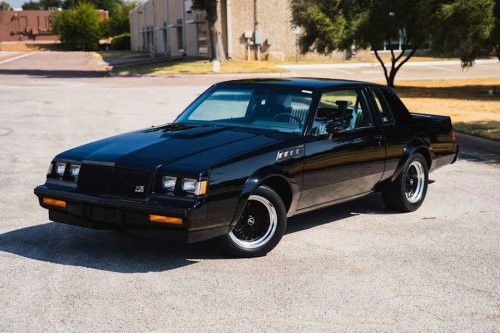
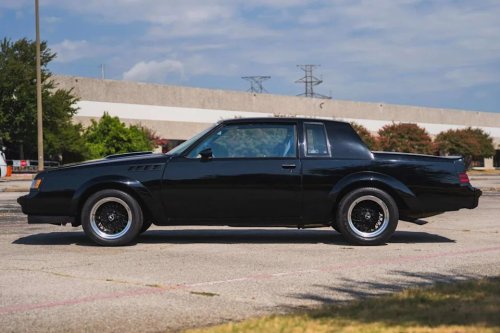
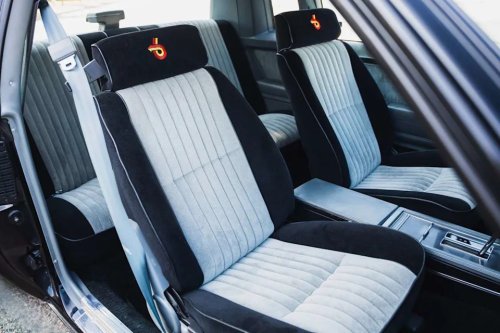
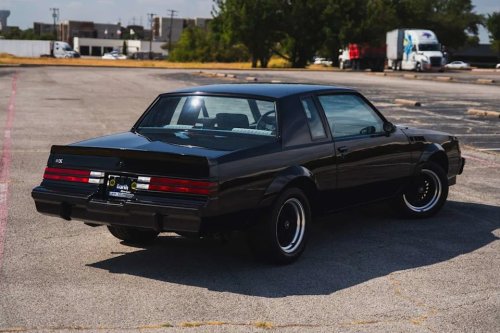
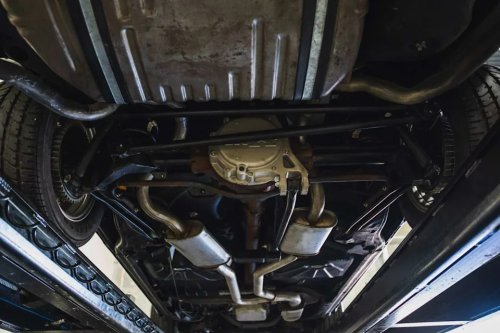
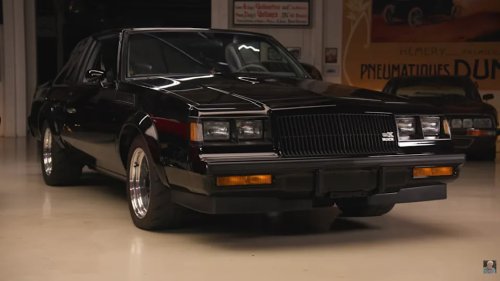
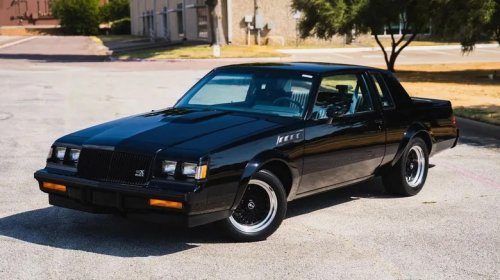
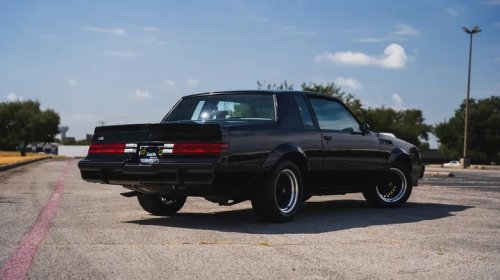
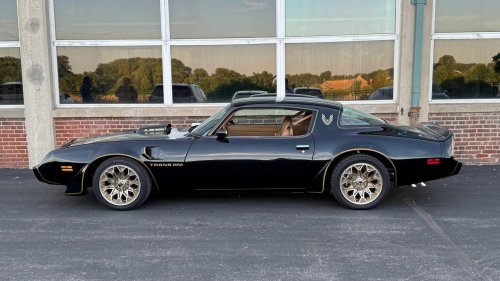
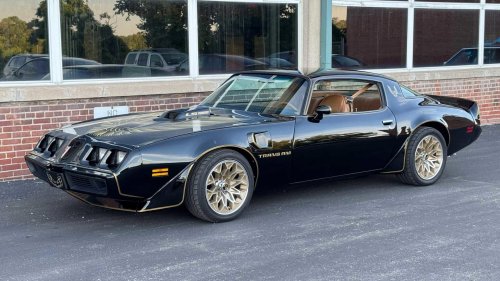
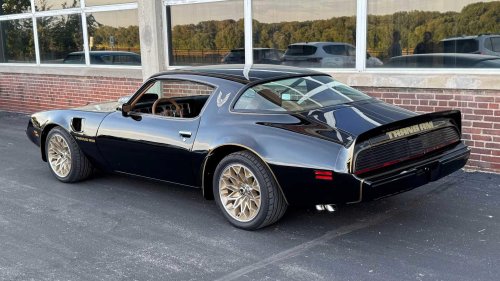
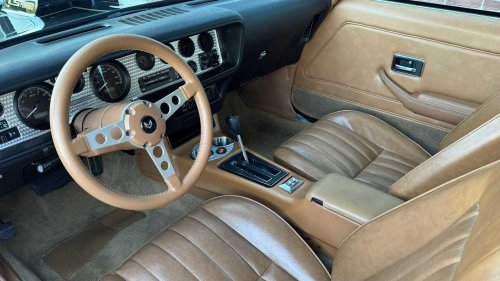
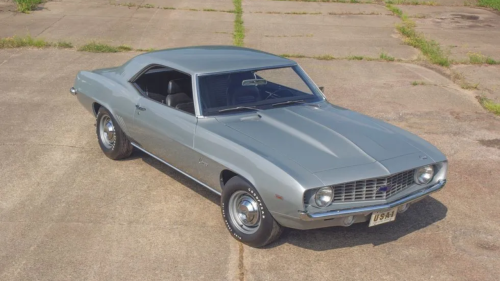
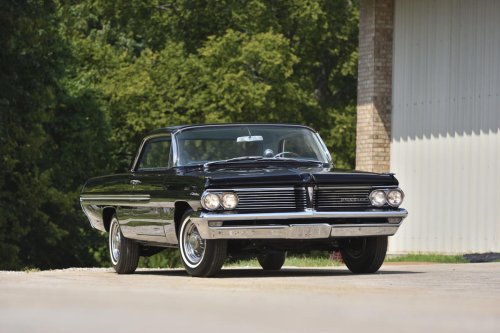
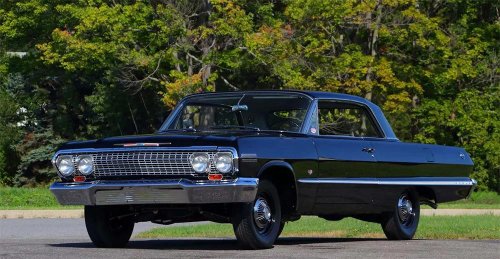
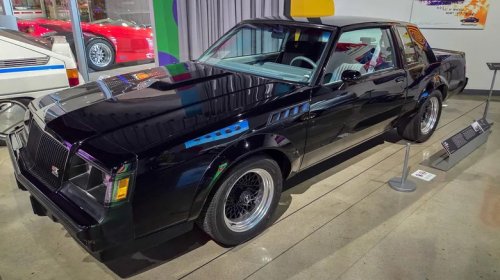
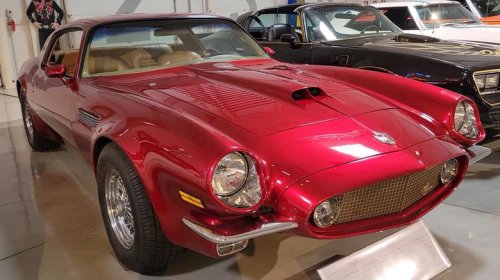
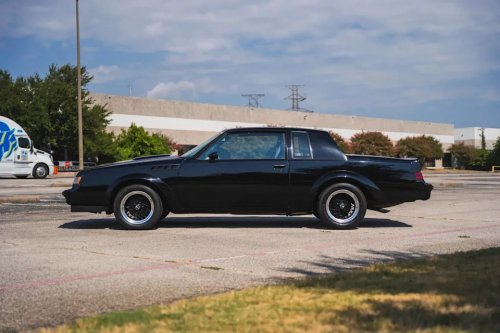
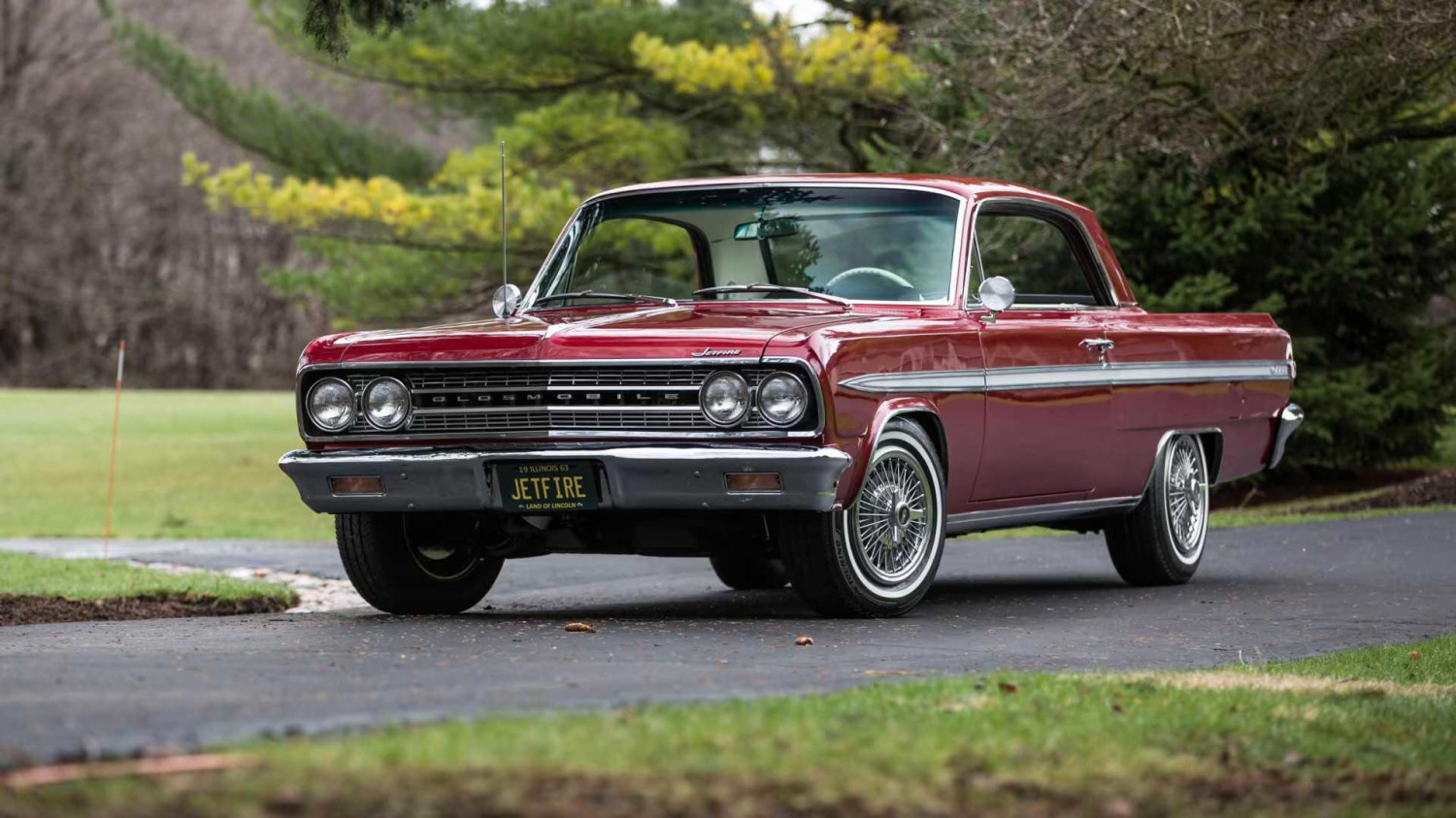
When most people think of classic American muscle cars, they picture big, naturally aspirated V8s under long hoods, delivering raw, unfiltered power to the rear wheels. Throughout the late 1960s and early 1970s, that formula dominated the streets. But by the mid-1970s, things began to shift. The Malaise era, driven by stricter emissions regulations and rising fuel costs, forced manufacturers to experiment with new ways of making power. Some of those attempts were forgettable, but others planted the seeds for future performance cars.One of the most iconic success stories came from Buick. In the 1980s, the Grand National and GNX proved that turbocharging could make V6 engines exciting. But Buick wasn’t the first GM division to explore forced induction V8 power. That honor belongs to Oldsmobile, which introduced the Jetfire in 1962. The Jetfire featured a turbocharged V8, making it one of the earliest turbocharged American muscle cars.However, lost in the shuffle of GM’s experiments with turbocharged cars was a lesser-known Pontiac that quietly arrived with a turbo under the hood. While it didn’t grab headlines like the GNX or pioneer the path like the Jetfire, it represented a bold attempt to evolve the muscle car formula during a time when performance took a back seat. Pontiac Built The Trans Am Turbo In 1980 Before Buick Made It Cool 1980 Pontiac Firebird Trans Am Turbo Front Three Quarter Engine Specs (Source: General Motors, Mecum)The 1980 Pontiac Trans Am Turbo hit the streets five years before the Buick Grand National began turning heads. While Buick’s turbocharged GNX would later dominate headlines in the mid-1980s, Pontiac had already taken a crack at forced induction during one of the most challenging periods in American automotive history. The 1980 Pontiac Trans Am Turbo was GM's initial attempt to overcome the challenges of the Malaise Era.Under the hood of the 1980 Trans Am Turbo used a 301 cubic inch (4.9-liter) V8 was equipped with a single Garrett TB305 turbocharger. This engine was a departure from Pontiac’s earlier high-displacement powertrains. It produced 210 hp and 345 lb-ft of torque, figures that may not sound impressive today but stood out in 1980. That same year, the standard 5.0-liter V8 in the base Trans Am made just 150 hp. Pontiac paired the turbo V8 with a three-speed automatic transmission and a specially tuned suspension setup to handle the added torque.Unique styling elements set the Turbo model apart, including a “turbo boost” gauge on the hood bulge and revised hood scoops that directed air to the turbocharger. The car also came with functional upgrades like a strengthened rear axle and improved cooling systems. It was not a drag strip hero, but it delivered smoother mid-range power than the naturally aspirated options available at the time.Pontiac’s Trans Am Turbo was significant because it reflected GM’s early response to emissions and fuel economy pressures without fully abandoning performance. Although the 301 Turbo only lived for two model years, it laid the groundwork for GM’s future turbocharged platforms. More importantly, it proved that American muscle could adapt when it had to.While Buick later perfected the formula with the Grand National, Pontiac’s effort came first. In a time when muscle cars were fading, the Trans Am Turbo was GM’s reminder that performance still had a place in the lineup. The Buick GNX Is Still The Coolest Turbo V6 Muscle Car 1987 Buick GNX front side Engine Specs (Source: General Motors, Mecum)The Buick GNX still holds its place as one of the coolest muscle cars to wear a turbo V6 badge. While traditionalists often expect a rumbling V8 in their American performance cars, the GNX changed the rules in 1987. Buick built it for just one year, and today, it remains a sought-after collector’s item. According to Classic.com, the average market value for a GNX stands at $155,498, accounting for eight recorded sales over the past 12 months.Under the hood, the GNX packed a 3.8-liter V6 engine with a single turbocharger and an air-to-air intercooler. Buick (under)rated the engine at 276 hp and 360 lb-ft of torque. Paired with a 4-speed automatic transmission, the GNX delivered serious performance. Independent testing at the time showed the GNX perform 0-60 mph runs in just 4.7 seconds, quicker than many contemporary V8 sports cars, including the Chevrolet Corvette.To handle that kind of output, Buick partnered with ASC/McLaren to enhance the suspension, cooling, and drivetrain components. The GNX used a unique torque arm rear suspension and larger tires for better grip. Buick also equipped it with functional heat extractors on the fenders and a revised instrument cluster that emphasized performance monitoring.The GNX is endeared and desired because it stepped away from the generally accepted formula of a muscle car, and then defied expectations. It used a V6, skipped flashy styling, and still outran more expensive competitors. It proved that muscle could evolve and that forced induction had a real future in American performance cars. In a world dominated by V8 nostalgia, the GNX still earns respect the hard way; through performance, rarity, and smart engineering. The 1962 Oldsmobile Jetfire Was The First Turbo V8 Muscle Car 1963 Oldsmobile Jetfire Turbo V8 Front Three Quarter Engine Specs (Source: General Motors, Mecum)Before the Buick GNX or the Pontiac Trans Am Turbo grabbed headlines with their boosted performance, the 1962 Oldsmobile Jetfire quietly became the first American muscle car to use a turbocharged V8. While it didn’t enjoy the success or staying power of its successors, the Jetfire paved the way for future experiments in forced induction muscle.Under its hood sat a 3.5-liter (215 cubic inch) aluminum V8 engine equipped with a Garrett turbocharger. The setup produced 215 hp and 300 lb-ft of torque, matching 1 hp per cubic inch. Oldsmobile paired the engine with a 4-barrel carburetor and a 10.25:1 compression ratio. It also featured a “Turbo Rocket Fluid” system, which was a water-methanol injection mix stored in a separate tank to help prevent detonation under boost.While the Jetfire’s performance was impressive for the era, its complexity became its downfall. The Turbo Rocket Fluid system required constant refills and careful maintenance. Many owners found the process confusing or simply ignored it, leading to engine knock or turbo issues. Dealerships often removed the turbo systems entirely under warranty. By 1963, Oldsmobile discontinued the Jetfire, ending its brief production run of just two years. Despite its failure, the Jetfire remains an important first step in the story of the turbocharged American muscle car.





















 +48 others