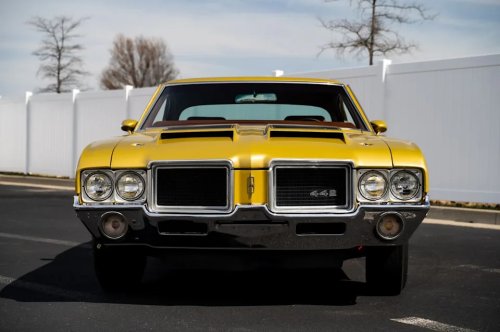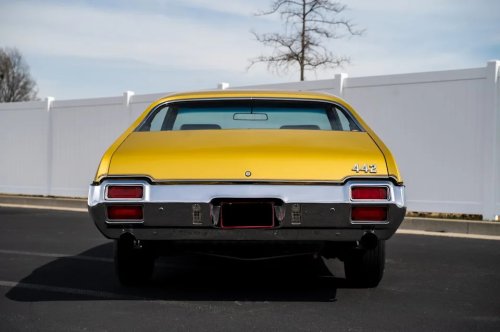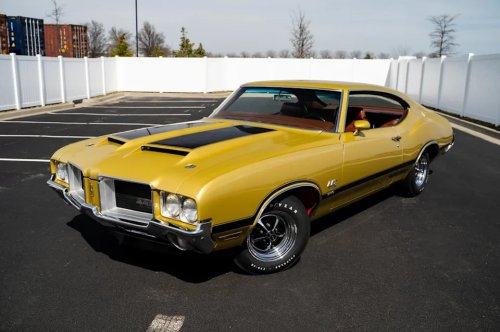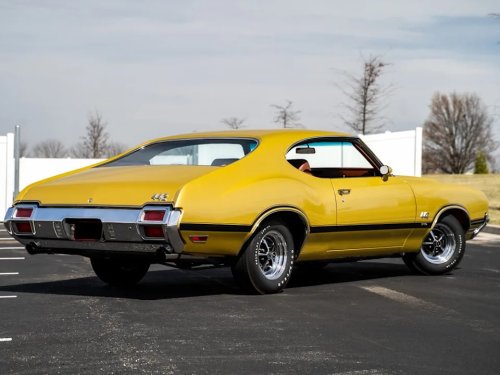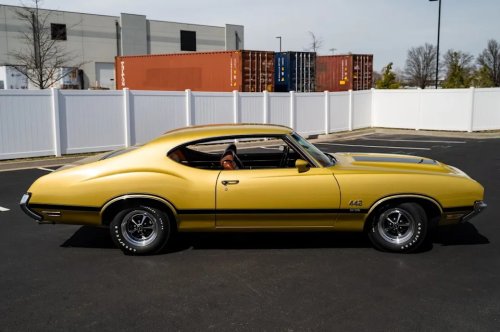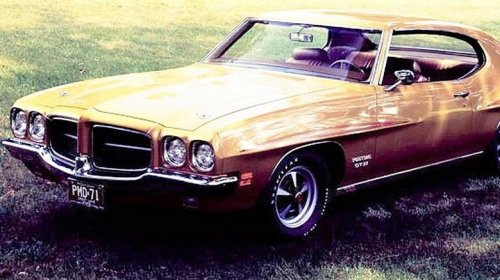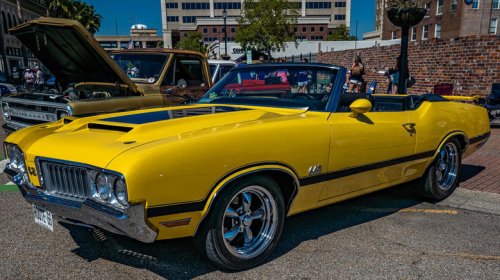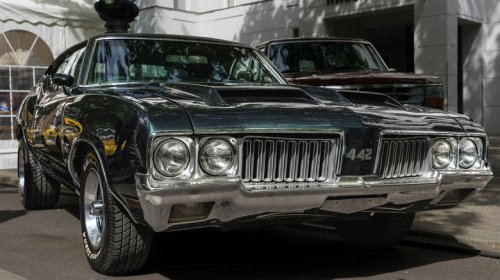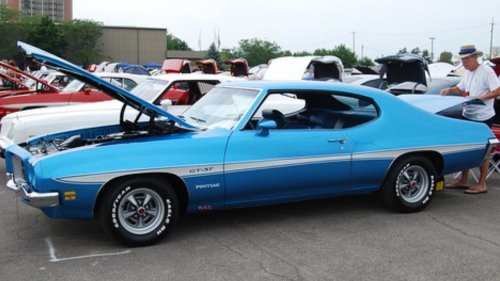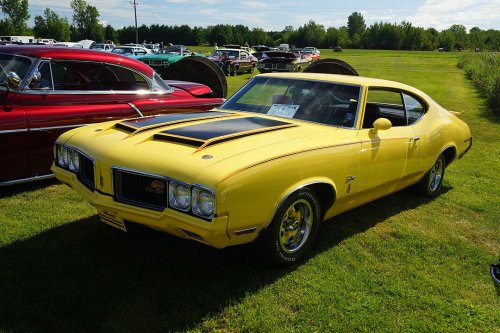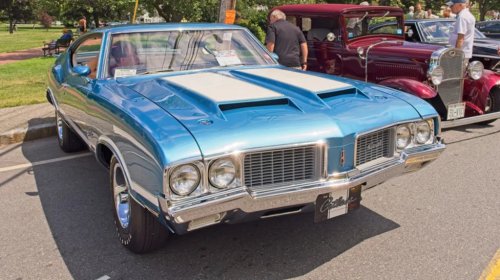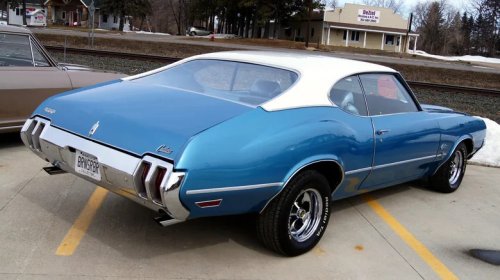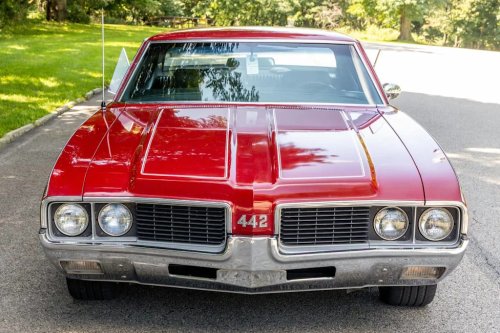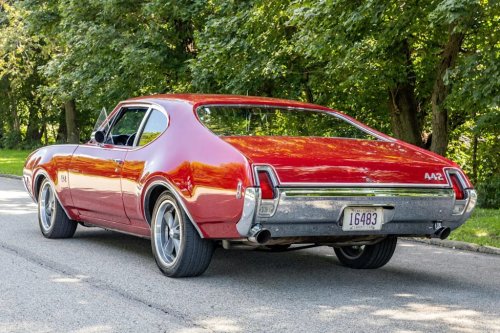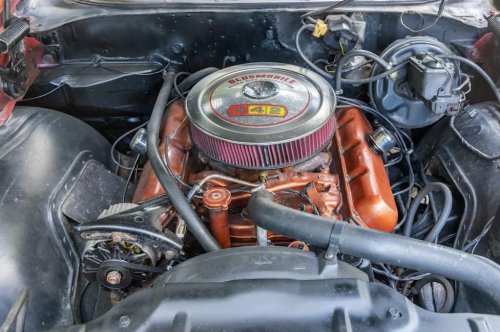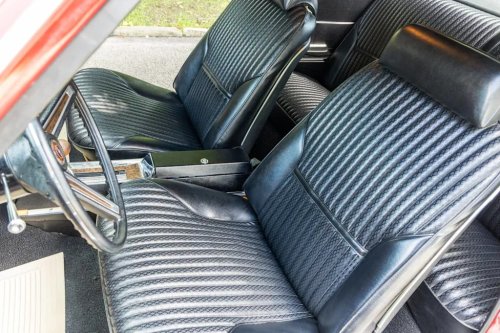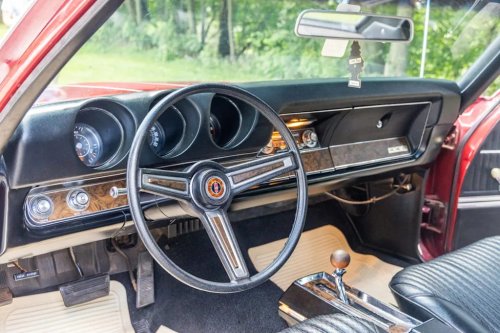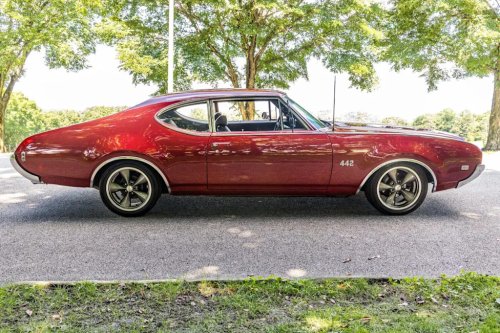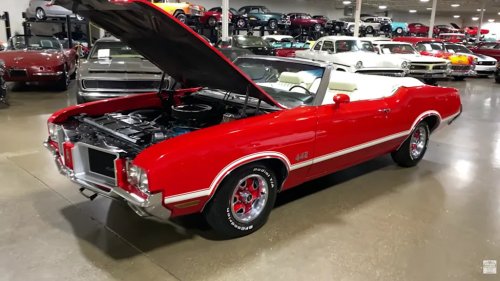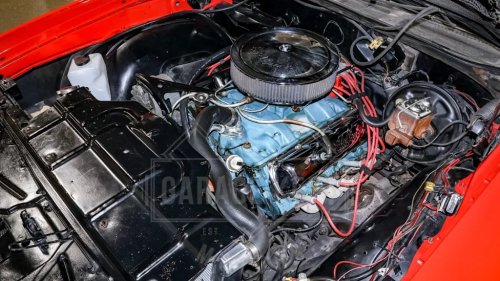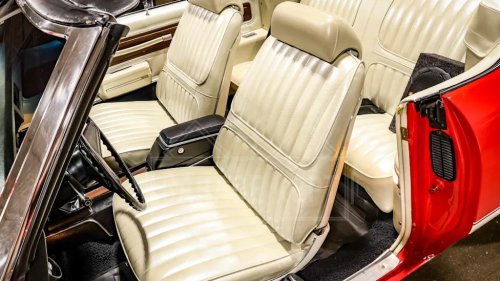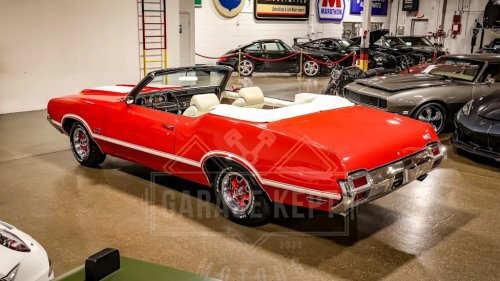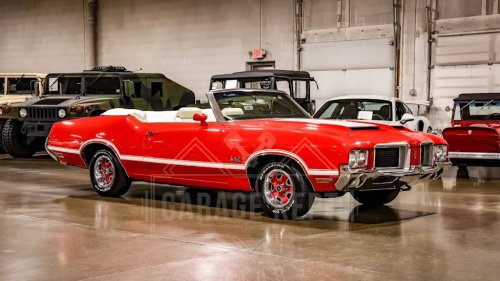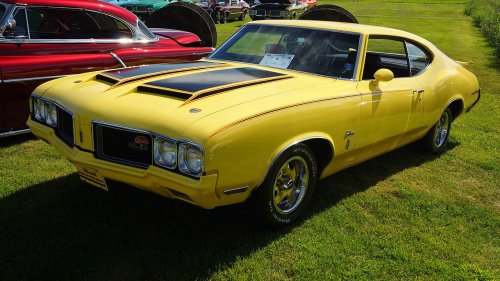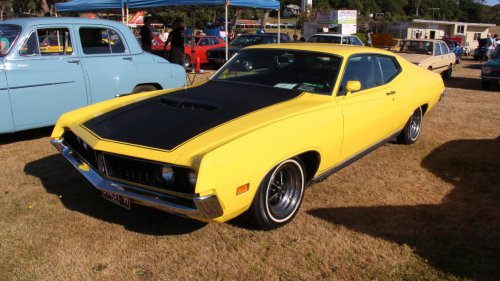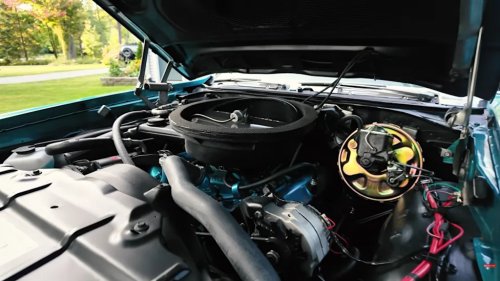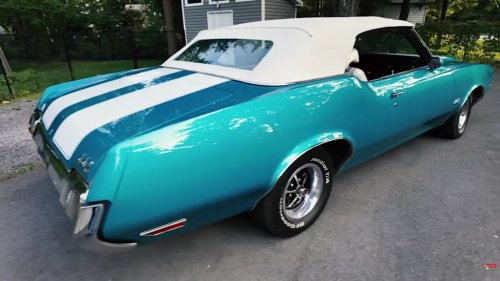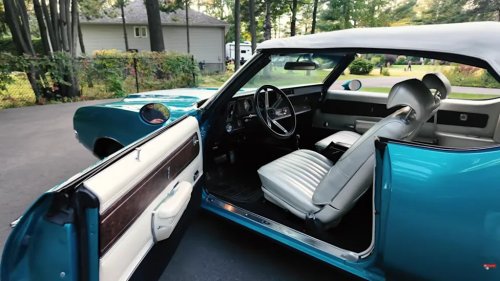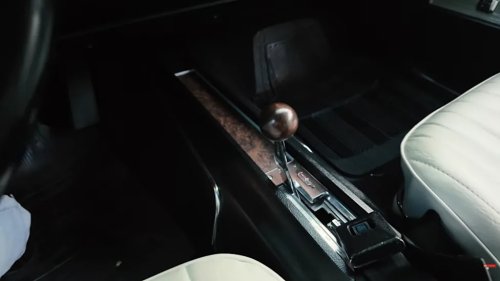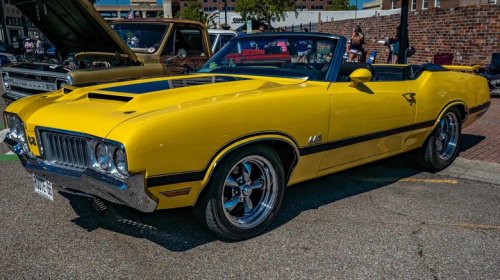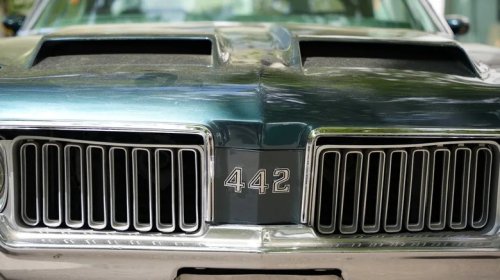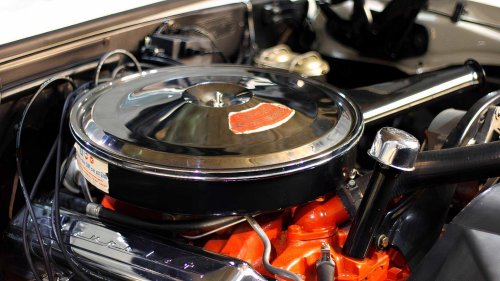

























Most folks reading this article know about the American classic muscle car era. In short, the famed time period largely began in 1964, when Pontiac introduced the GTO. Throughout the years following, nearly all American automakers produced at least one muscle-bound model. Even brands you wouldn't consider sporty today, like Buick or Mercury, got in on the action.Oldsmobile was in on it, too. The now-defunct General Motors subsidiary produced 442 muscle car, based on the Cutlass. The 442 wasn't as popular as other big-name muscle cars, such as the GTO or Chevrolet Chevelle SS, but its target demographic wasn't exactly the same. Instead of being flashy and in-your-face, the 442 was oriented more towards older folks with a bit more money to spend who didn't want everyone to know they had a 365-horsepower muscle car.However, the 442 was, still, a muscle car, meaning its insurance premium was expensive at the time. So, in order to attempt to attract a younger, less-affluent crowd to the brand, Oldsmobile created a diet version of the 442 called the Rallye 350. Yellow-Clad Muscle With A Young Soul Bring A Trailer Oldsmobile Rallye 350 Key Points Produced for the 1970 model year only Boasted a 350 CID V8 Carried a lower insurance premium Meant to mimic the look of a supercar Carried the internal option code "W45" Once the 1964 Pontiac GTO was released, insurance companies figured out just how recklessly a powerful, lightweight car could be driven by young people, the premiums began to creep higher for performance models. By the late 1960s, an average insurance premium for a muscle car was up to three times more expensive annually than a normal car. Of course, since young people typically have less money, many weren't able to afford to insure a full-blooded muscle car.To combat this, a handful of brands began building muscle-bound models that had a bit less horsepower, at least on paper. Pontiac introduced the LeMans GT-37, and Oldsmobile introduced the Rallye 350. However, unlike the Pontiac GT-37, which offered a choice between three engines at most, the Olds only boasted a single 350 CID mill. However, while its engine may have been smaller than some others at the time, the Rallye 350 made up for this in other ways.Bring A Trailer Upon its release, the Olds Rallye 350 sported a starting price of about $3,252, or about $27,792 in today's money. Its sticker price was about $100 less than the full-bodied 442 muscle car, which really isn't a huge difference. However, because of its smaller engine, it fit into a much lower insurance bracket and, as we said before, this meant Rallye 350 owners who happened to be under the age of 30 would save a boatload of cash every year on insurance.Bring A Trailer One of the key hallmarks of the Oldsmobile Rallye 350's youthful appeal was its styling. While all other Oldsmobile Cutlass-derived models, including the 442, sported a healthy dose of chrome, the Rallye 350 ditched all of that shininess for a smattering of yellow paint on its bumpers and trim. A set of Super Stock II rally wheels was included with the Rallye 350 package, along with various decals and striping specific to the model.Oldsmobile's idea behind the special paint and decal job was to make the Rallye 350 look more performance-oriented in an effort to further entice young men to buy one. Whether that choice actually made the model look like a muscle machine is up to you to decide. The Oldsmobile Rallye 350's Mechanical Make-Up Bring A TrailerThe Rallye 350 boasted a single engine option, a 350 cubic-inch Oldsmobile V8. However, it wasn't the run-of-the-mill Olds V8 found in regular models like the 88. Instead, it was an L74-coded high-compression iteration of the 350 CID V8, boasting upgraded cylinder heads milled slightly shorter to increase compression. A four-barrel Rochester carburetor sat atop the L74's intake manifold, and it also boasted a sealed air intake that was fed a healthy dose of wind from the Rallye 350's functional pair of hood scoops.Bring A Trailer Further enhancing its performance potential was an upgraded suspension, which Oldsmobile coined Rallye-Sport Suspension. Part of the package, which was also known by its factory option code FE2, was a set of heavy-duty springs on all four corners, along with a pair of stabilizer bars meant to increase rigidity and decrease body roll under hard cornering. However, Oldsmobile also designed the FE2 suspension to be comfortable on the road, as well.We lay out the 1970 Oldsmobile Rallye 350's detailed engine and performance specs in the table below:*Specs courtesy of HemmingsBring A TrailerInside, the Rallye 350 was a bit more discreet in its styling, but there were still a couple of sporty upgrades to pick from, such as a sport steering wheel. A flat bench seat was standard, but you could go with a pair of bucket seats with a console shifter up front. Air conditioning was optional, as well, along with an AM/FM radio with a built-in eight-track player. Oldsmobile's Tic-Toc Tac was also optional, which added a tachometer to the inset analog clock. Current Pricing Bring A TrailerWhile the Rallye 350 isn't as powerful or sought-after as the Oldsmobile 442, it's still an older model worth your attention, especially if you've got a soft spot for American performance models. Because there were only about 3,500 examples produced, the Rallye 350 is on the rarer side, but you can still find a good example for sale every so often. According to Hagerty.com, a Good-condition 1970 Oldsmobile Rallye 350 with matching numbers fetches an average price of about $31,900. The Rallye 350 Wasn't Long For This World Bring A TrailerDespite its in-your-face styling and unique mix of options, the Oldsmobile Rallye 350 didn't do very well in terms of sales. According to archival info, Oldsmobile managed to shift just 3,547 Rallye 350s during the 1970 model year. For contrast, the Rallye 350's big brother, the 442, managed to move 22,877 units in 1970. That means the Rallye 350 was not, in fact, attracting nearly enough young people, as most were willing to pay the increased insurance premiums for the 442's 455 CID V8, boasting a significant increase in power.Another fly in the Rallye 350's ointment was its styling. It's reported that many would-be buyers thought the vehicle was much too flashy for what it was, a baby muscle car with a small-block V8 under its hood, hardly anything to boast too strongly about. Pontiac's baby muscle car, the '71 LeMans GT-37, was much more discreet looking, and sold nearly twice as much as the Oldsmobile Rallye 350 did in 1970, likely due to its understated looks and optional 455 cubic-inch engine.Bring A Trailer In the end, it seems Oldsmobile's attempt to appeal to the younger crowd was a bit too heavy-handed. When you think of what young men would want, you may think of things like flashy paint and less chrome. However, in reality, most of those buyers would probably rather be taken seriously, and it's hard to take a big, yellow Oldsmobile with loads of decals and yellow wheels seriously.