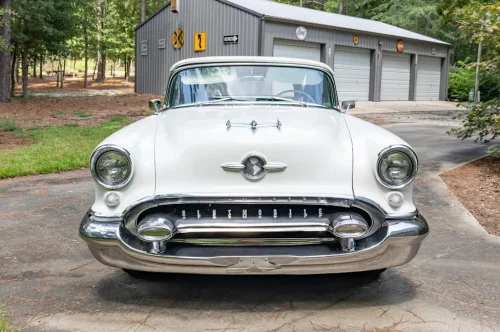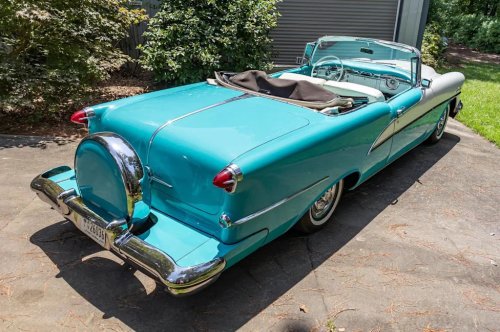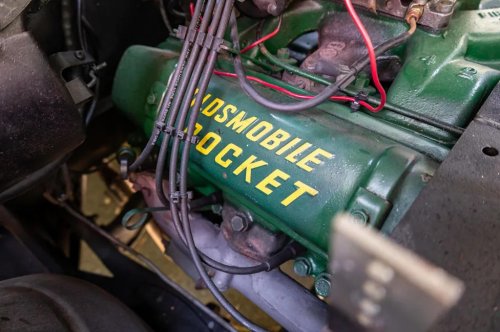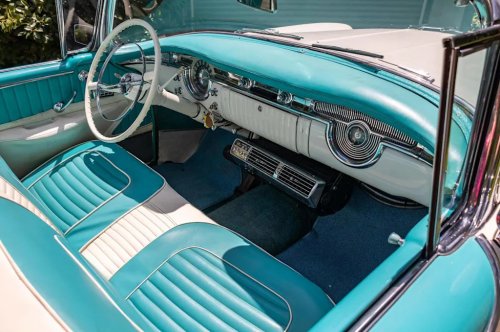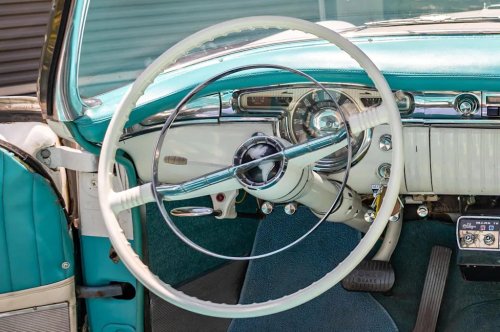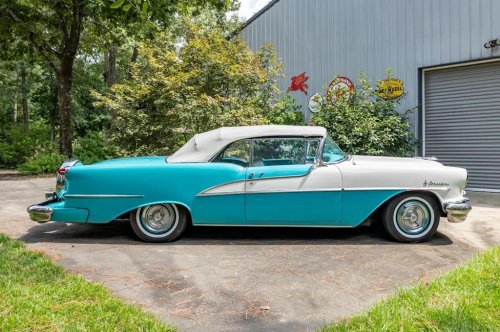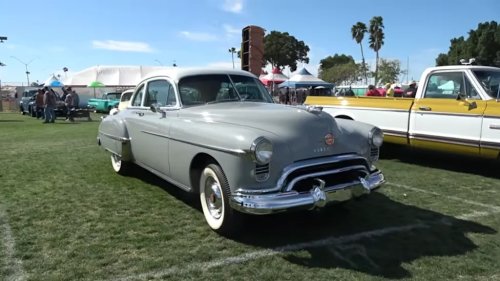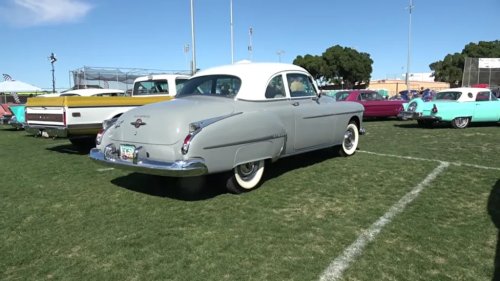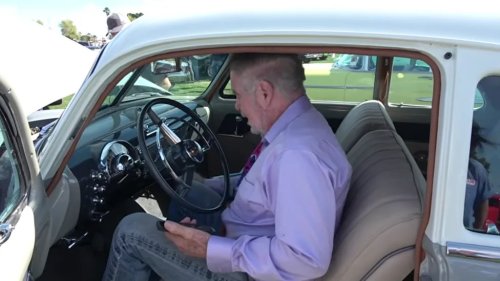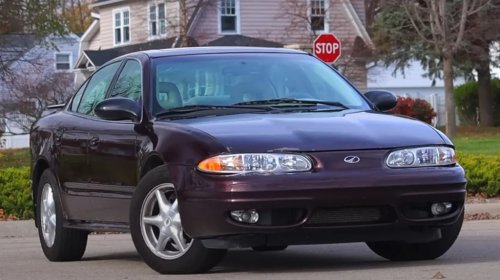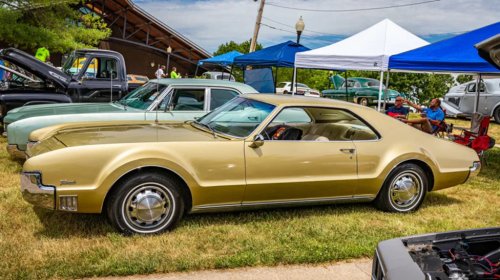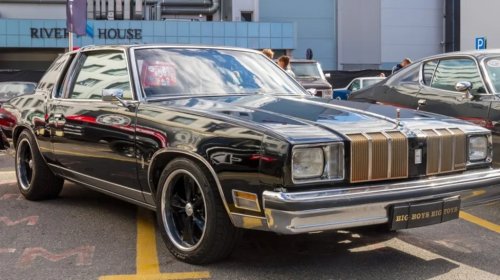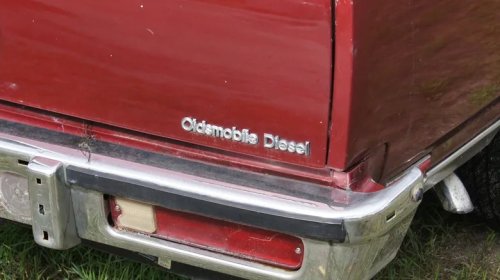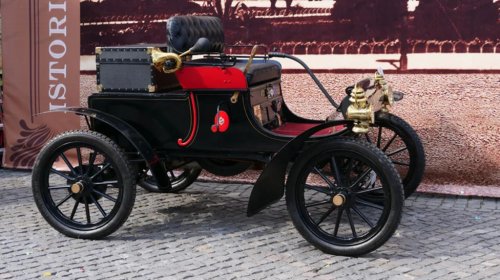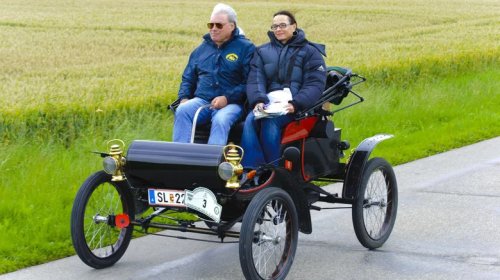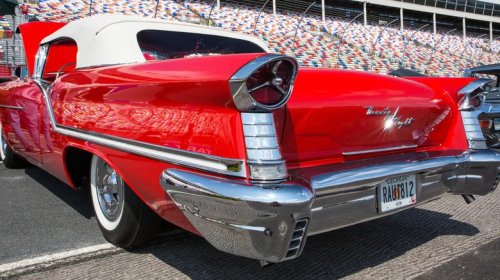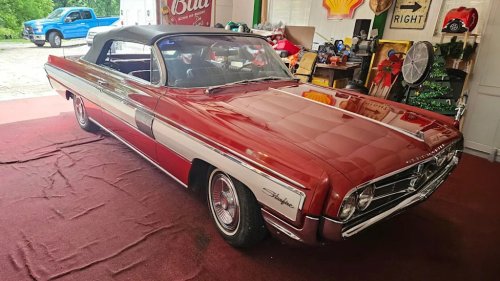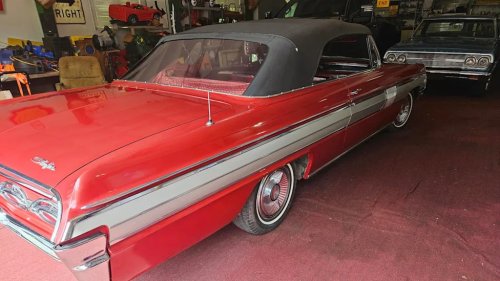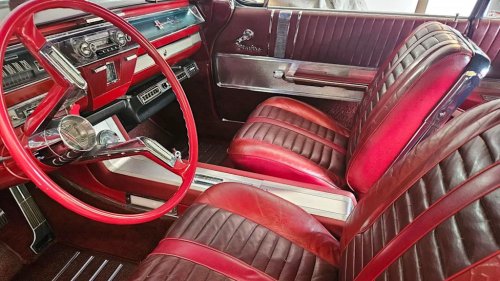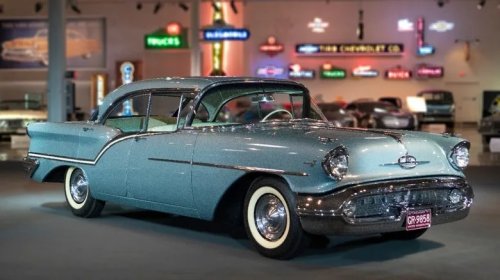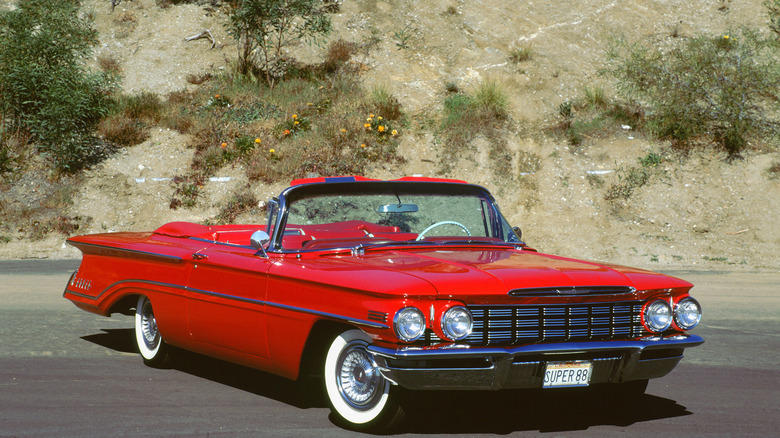
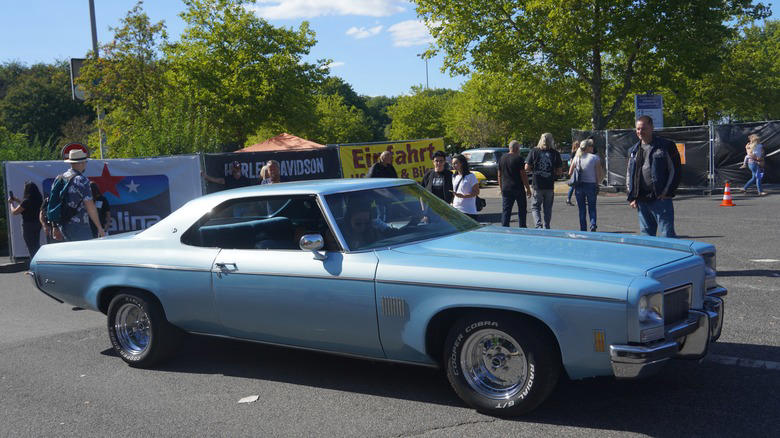



















The Oldsmobile Rocket 88 V8 303The Oldsmobile Rocket 88 V8, which debuted in 1949, was a big deal. In hindsight, you could argue it was the moment that ushered in the American muscle car era. This 5.0-liter engine, developed to fill a model gap in Oldsmobile's portfolio, was one of the earliest modern high-compression, overhead-valve V8s. Originally designed for the larger Oldsmobile 98 series, its placement in the lighter 88 series chassis resulted in a powerful combination that dominated the NASCAR circuit from its debut until 1952.The Rocket was constructed from durable materials like steel and aluminum, featuring a 3.75-inch bore and a 3.438-inch stroke. It also had 135 horsepower and an impressive 253 lb-ft of torque — substantial figures for its era. These specs enabled the Rocket 88 to live up to its name, hitting a top speed of 97 mph and covering a quarter mile in 18 seconds. This performance not only excited racing fans but also "rocketed" sales by appealing to a post-war audience very eager for power and speed.The engine's impact went beyond the track, too. The first generation powered several Oldsmobile models until 1953, notably the sporty Super 88, which had even more horsepower thanks to a four-barrel carburetor modification. This engine inspired designs across the General Motors portfolio, from Cadillac to Buick, and was even adapted for a variety of other purposes like irrigation pumps (funnily enough) and as a prototype diesel in GM research programs.The Oldsmobile 403 V8This engine, built from 1977 to 1979, didn't quite reach the legendary status of the Rockets but had many of the same specs as the 350. Like the 350, the Oldsmobile 403 V8 is a small block engine, but with a larger bore of 4.351 inches. It produced 185 horsepower and 320 pound-feet of torque. Despite its power, the engine had a low fuel efficiency, getting an estimated 12 miles per gallon in the city and 16 on the interstate.The Oldsmobile 403 was distinguished by some unique features and, unfortunately, the problems it encountered. Its large bore was a double-edged sword, increasing the engine's power output while also creating cooling issues and the possibility of overheating. This was made worse by the emissions restrictions at the time, which required the use of restrictive heads with big combustion chambers and insufficiently small ports, limiting the engine's actual capacity.The 403 V8 engine powered a wide range of General Motors cars. Some notable examples included the 1977 Oldsmobile Cutlass, the Delta 88, and even the GMC Motorhome. The Delta 88, in particular, became famous as the official pace car for the Indy 500 in 1977, officially earning the 403 a place in motorsport.