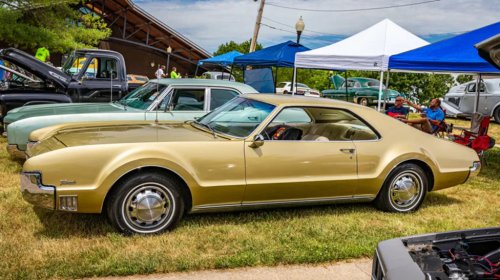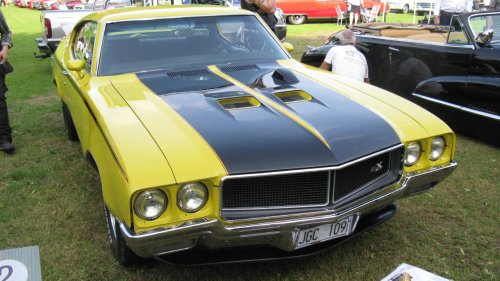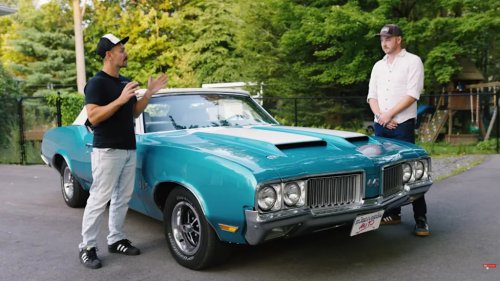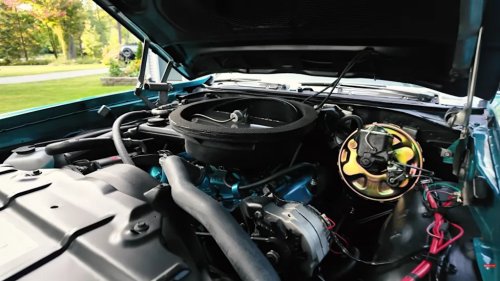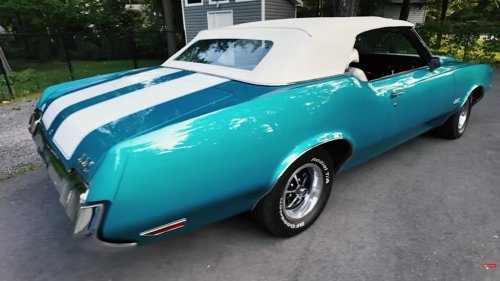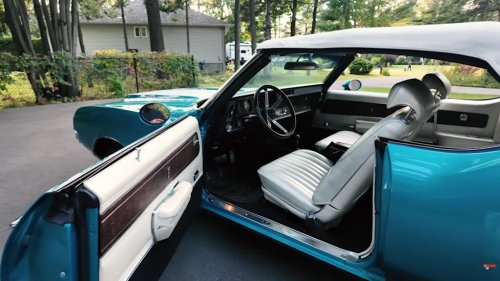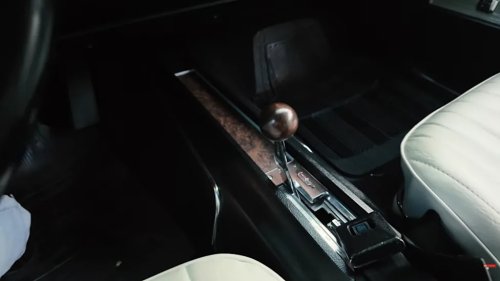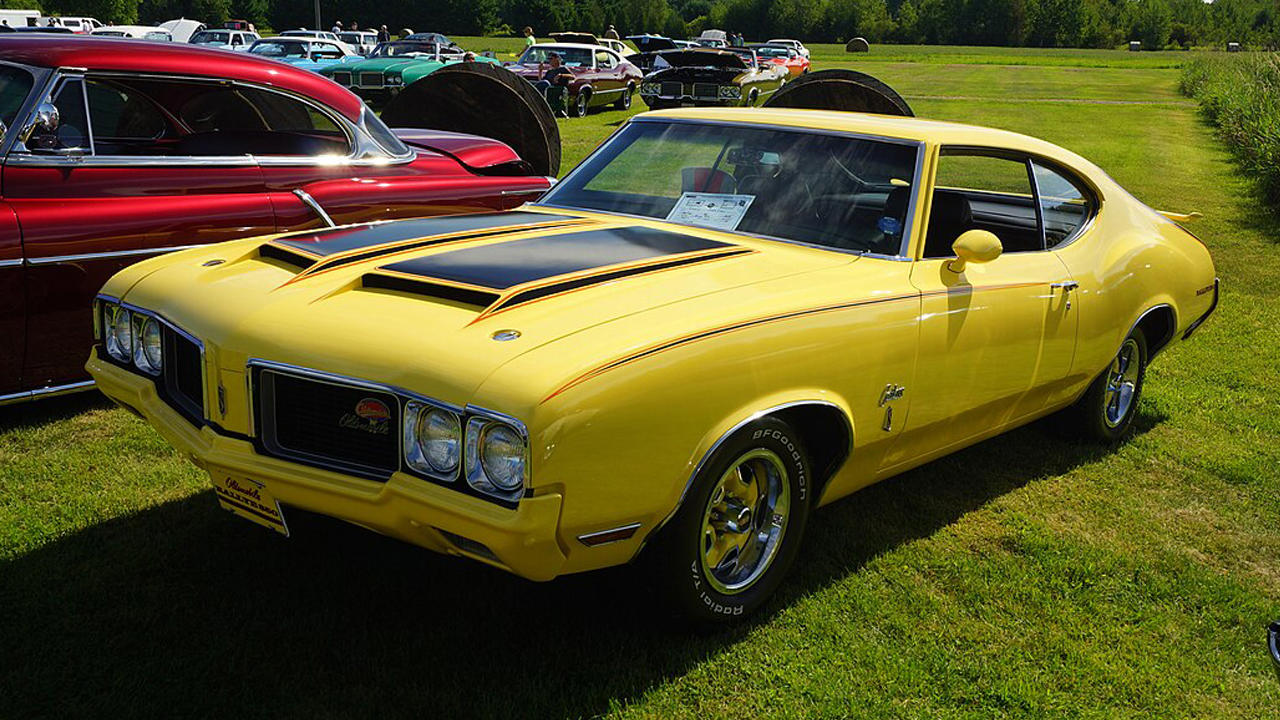



















How the 1970 Oldsmobile Rallye 350 challenged muscle car expectationsBy 1970, the muscle car formula seemed well established. If an automaker wanted to build a serious performance machine, the recipe appeared straightforward: start with a midsize car, install the largest engine available, add aggressive styling, and market it to buyers hungry for horsepower. Across Detroit, manufacturers were locked in a relentless battle to produce bigger engines and faster acceleration figures. The numbers kept climbing. Engines grew from 389 cubic inches to 400, then 426, 440, 454, and beyond. Horsepower became the headline, and many enthusiasts judged performance cars primarily by what sat under the hood. Then Oldsmobile introduced the Rallye 350. At first glance, the car looked like a joke aimed directly at muscle car convention. It wore bright Sebring Yellow paint from bumper to bumper. Its body-colored urethane front bumper seemed almost cartoonish compared to the chrome-heavy styling of the era. Most surprising of all, it didn’t carry Oldsmobile’s biggest engine. Instead, it used a 350-cubic-inch V8. Yet beneath the unusual appearance and smaller displacement was a surprisingly clever idea. The Rallye 350 challenged the assumption that muscle car performance depended entirely on massive engines. It proved that a lighter, well-balanced package could still deliver an engaging driving experience. In many ways, the Rallye 350 was ahead of its time. While competitors continued chasing ever-larger engines, Oldsmobile briefly explored a different path. Oldsmobile Already Had Serious Muscle Cars One reason the Rallye 350 seemed so unusual was that Oldsmobile didn’t need to prove its performance credentials. The division had already established itself as a major player in the muscle car market. Cars like the Oldsmobile 442 earned strong reputations for combining powerful engines with refined road manners. By 1970, the 442 had become one of the most respected muscle cars in America, capable of competing directly against offerings from Pontiac, Chevrolet, Dodge, and Plymouth. Oldsmobile understood horsepower. It also understood that the market was changing. Insurance rates were climbing, particularly for high-displacement performance cars. Younger buyers often struggled to afford both the purchase price and the insurance premiums attached to the biggest muscle machines. The company saw an opportunity. What if performance could be delivered differently? The Rallye 350 Targeted a New Buyer Rather than competing directly against the most powerful muscle cars on the market, the Rallye 350 pursued a different audience. Oldsmobile wanted to attract enthusiasts who still cared about performance but needed something more affordable than a fully equipped 442. The Rallye 350 would provide sporty styling, respectable power, and strong handling characteristics without the higher costs associated with larger engines. The idea was surprisingly practical. Many buyers didn’t necessarily need a 455-cubic-inch V8. They simply wanted a fun and engaging car. Oldsmobile believed it could satisfy those customers while also reducing insurance concerns and purchase prices. The result was one of the most unconventional muscle car experiments of the era. The Bright Yellow Paint Was Impossible to Ignore Nothing about the Rallye 350 was subtle. Every example left the factory painted in Sebring Yellow. Not most of the car. The entire car. The body, bumpers, mirrors, wheels, and many exterior components received matching yellow finishes. The decision immediately separated the Rallye 350 from virtually every other muscle car on the road. Detroit’s performance cars often used bold colors, but few manufacturers embraced a single-color approach this aggressively. Oldsmobile wanted attention. The Rallye 350 delivered it. The bright paint transformed an otherwise conventional Cutlass-based coupe into something impossible to overlook. Even today, a Rallye 350 stands out in a crowded car show. The Urethane Bumper Was Unusual One of the car’s most distinctive features was its body-colored front bumper. At a time when chrome dominated automotive styling, Oldsmobile used a flexible urethane bumper integrated into the vehicle’s appearance. The design looked futuristic. It also foreshadowed styling trends that would become more common during the following decade. By painting the bumper the same color as the body, designers created a seamless appearance rarely seen in 1970. The feature contributed significantly to the car’s identity. Without it, the Rallye 350 might have looked merely unusual. With it, the car looked genuinely different. Why a 350-Cubic-Inch Engine? Perhaps the most controversial aspect of the Rallye 350 involved its engine. Many enthusiasts assumed a serious muscle car required maximum displacement. Oldsmobile disagreed. The Rallye 350 used a high-performance version of the company’s 350-cubic-inch Rocket V8. Officially rated at 310 horsepower, the engine delivered respectable output and strong overall drivability. More importantly, the smaller engine reduced weight compared to Oldsmobile’s larger big-block offerings. That weight reduction improved balance and handling. The Rallye 350 wasn’t trying to dominate drag strips through brute force. It sought a more well-rounded performance experience. In that sense, it challenged one of the core assumptions of the muscle car era. Lighter Weight Had Advantages The muscle car movement often emphasized horsepower while overlooking another important performance factor. Weight matters. A lighter vehicle accelerates more efficiently, changes direction more easily, and places less strain on brakes and suspension components. The Rallye 350 benefited from carrying less weight over its front axle than some larger-engined competitors. As a result, many drivers found the car surprisingly responsive. It felt agile. It felt balanced. And it often proved more enjoyable on winding roads than some of the era’s heavier big-block machines. These characteristics appealed to enthusiasts who valued more than quarter-mile performance. Handling Became Part of the Conversation Although most muscle car marketing focused on acceleration, the Rallye 350 encouraged buyers to think about handling as well. Oldsmobile equipped the car with performance-oriented suspension components that enhanced its road manners. The combination of reduced front-end weight and upgraded suspension tuning created a package capable of delivering a more sophisticated driving experience. This approach reflected broader changes occurring within the automotive world. Enthusiasts were beginning to appreciate cars that could corner effectively in addition to accelerating quickly. The Rallye 350 anticipated that shift. It wasn’t a sports car, but it represented a move toward more balanced performance. Buyers Didn’t Quite Understand It Despite its strengths, the Rallye 350 faced a significant challenge. The market wasn’t entirely ready for its message. In 1970, muscle car buyers often equated engine size with status. Larger displacement engines carried prestige and generated excitement. The Rallye 350’s emphasis on balance and affordability proved harder to communicate. Many customers simply compared cubic-inch figures and concluded that bigger must be better. As a result, sales remained relatively modest. Oldsmobile’s experiment failed to achieve the commercial success the company hoped for. Yet that doesn’t mean the concept lacked merit. Timing Worked Against It The Rallye 350 arrived during a period of enormous change. Insurance costs continued rising. Emissions regulations loomed. The muscle car era itself was beginning to evolve. Ironically, many of the qualities that limited the Rallye 350’s appeal in 1970 would become increasingly relevant only a few years later. As horsepower declined throughout the industry, buyers began paying more attention to handling, efficiency, and overall balance. The Rallye 350 had already explored those ideas. Unfortunately for Oldsmobile, it arrived slightly ahead of the market. Collectors Have Reconsidered the Car For many years, the Rallye 350 remained one of the more overlooked performance cars of the era. Collectors often focused on 442s, Hemi-powered Mopars, and big-block Chevrolets. Over time, however, attitudes changed. Enthusiasts began recognizing the Rallye 350’s uniqueness. Its one-year-only production, distinctive appearance, and unusual mission helped elevate its status. Today, surviving examples are highly sought after. Collectors appreciate the very qualities that once limited the car’s popularity. Its individuality has become its greatest strength. A Different Kind of Muscle Car The 1970 Oldsmobile Rallye 350 succeeded because it dared to challenge convention. Rather than participating directly in the cubic-inch arms race, Oldsmobile explored an alternative vision of performance. The company emphasized balance, handling, affordability, and visual distinctiveness at a time when most competitors focused almost exclusively on horsepower. The result was one of the most unusual muscle cars of the era. It wasn’t the fastest. It wasn’t the most powerful. But it may have been one of the most interesting. The Muscle Car That Asked Different Questions Looking back, the Rallye 350 feels remarkably modern. Its emphasis on reduced weight, balanced performance, distinctive styling, and accessible ownership costs aligns closely with ideas that would become increasingly important in later decades. In 1970, however, those priorities seemed unconventional. The market still worshipped big engines and maximum horsepower. Oldsmobile challenged that mindset. The Rallye 350 proved that performance could come in different forms. More than fifty years later, that lesson remains just as relevant. And that’s why the bright yellow Oldsmobile that once confused so many buyers has become one of the most fascinating muscle cars of its generation. More from Fast Lane Only Unboxing the WWII Jeep in a Crate 15 rare Chevys collectors are quietly buying 10 underrated V8s still worth hunting down Police notice this before you even roll window down