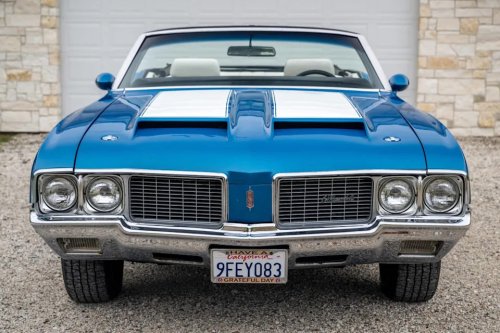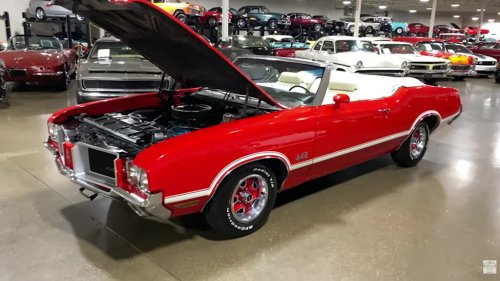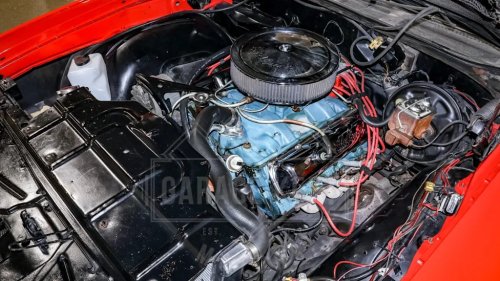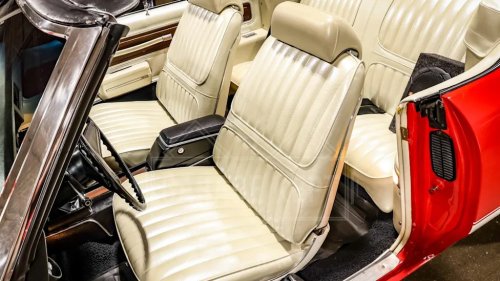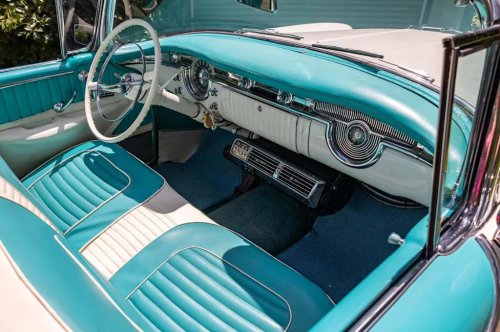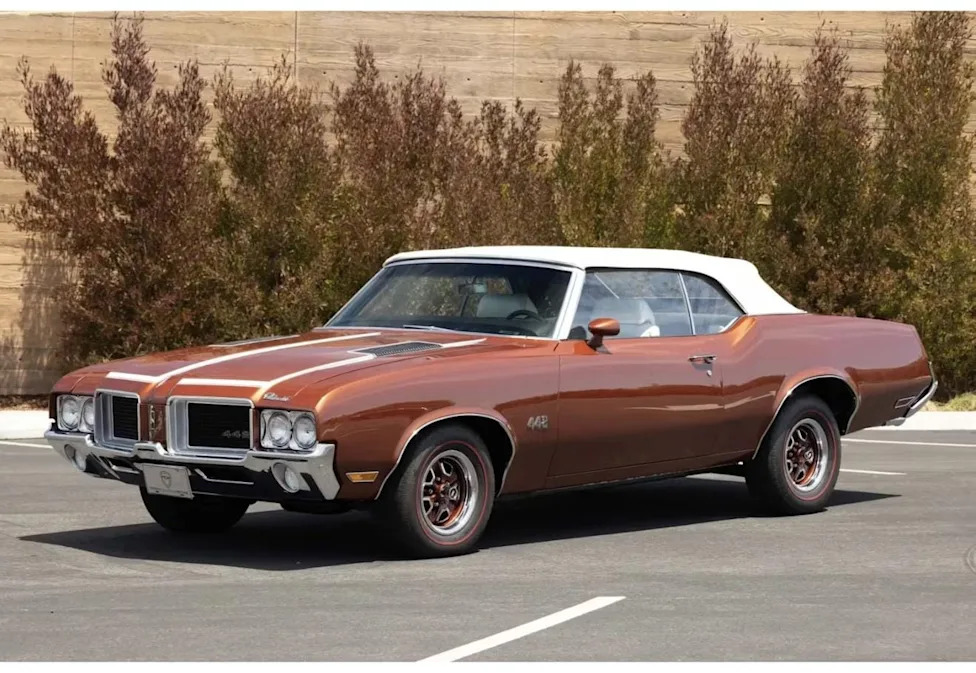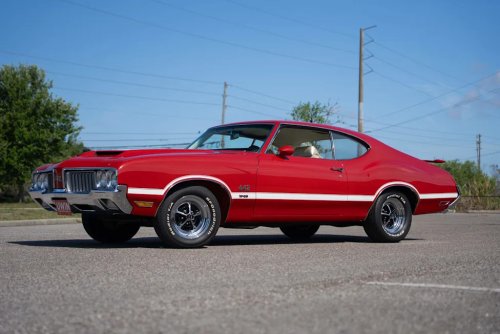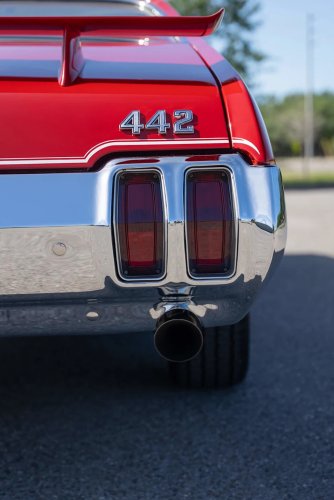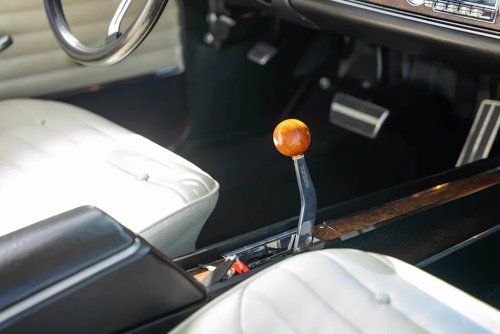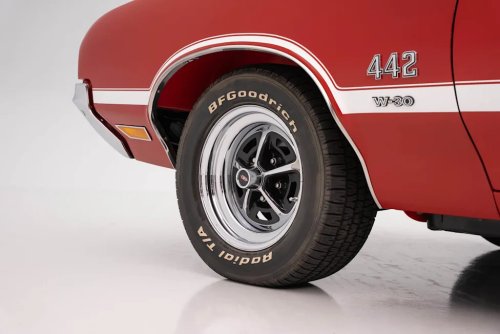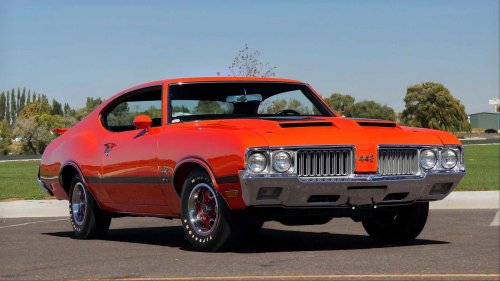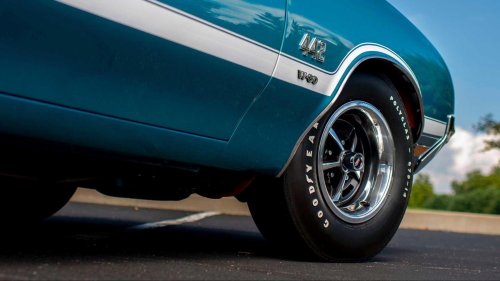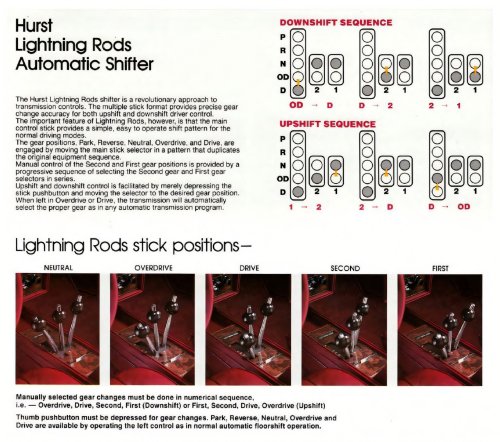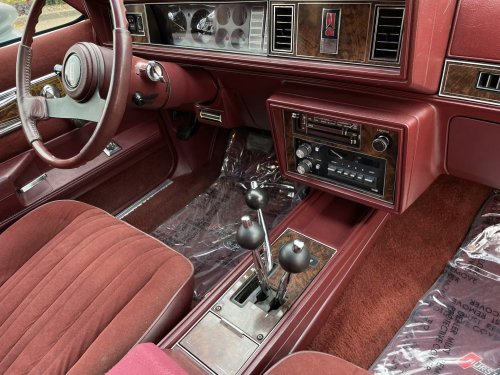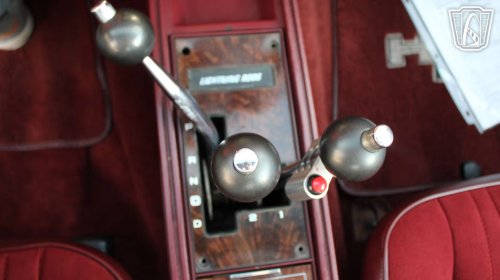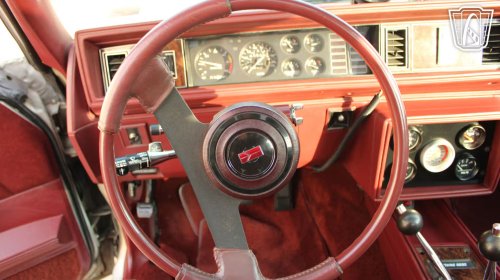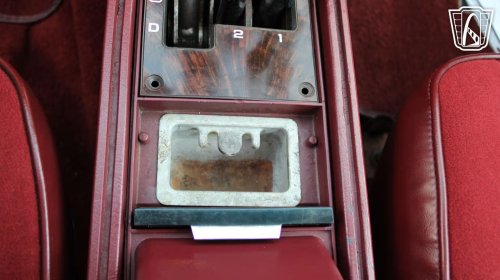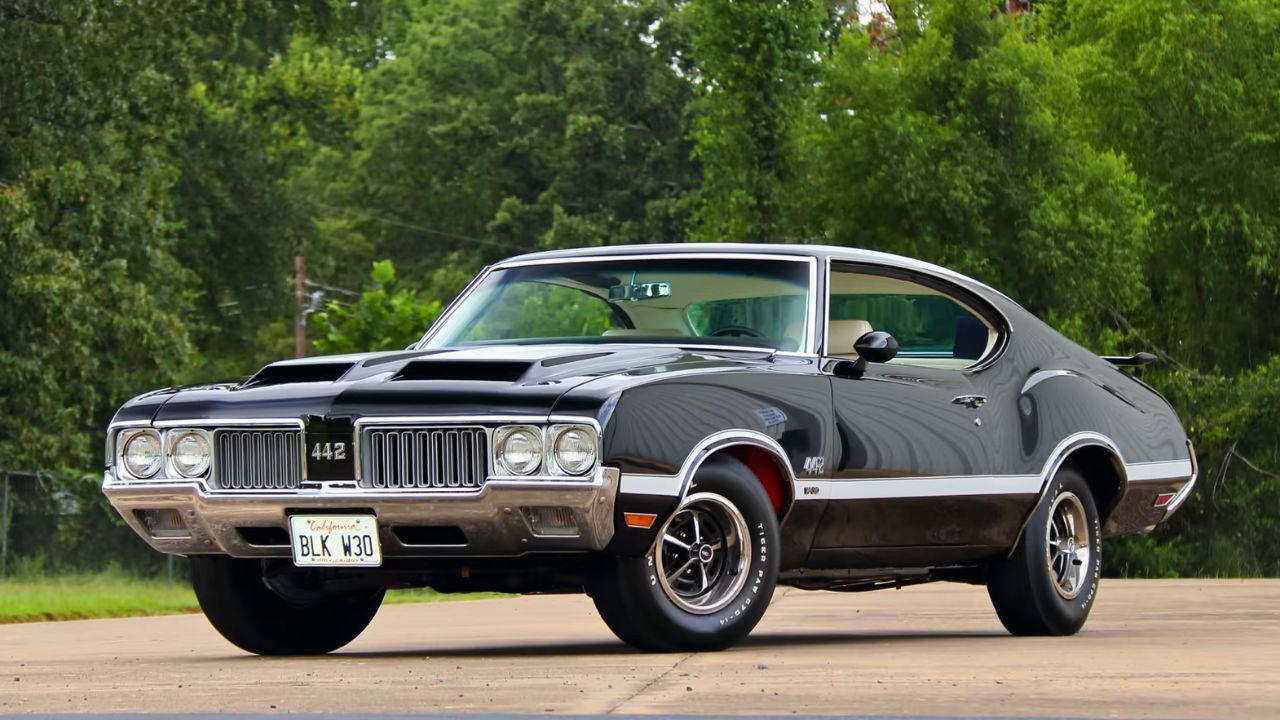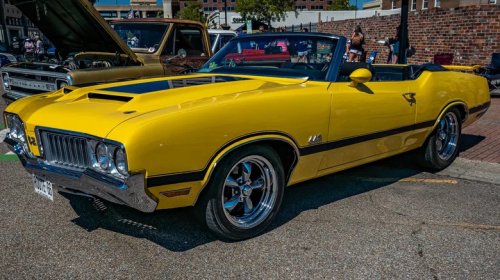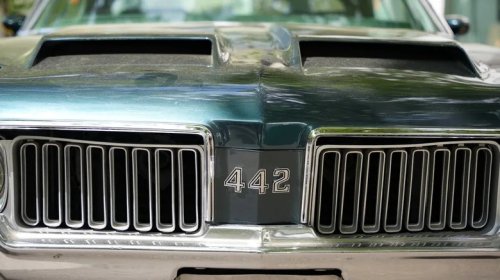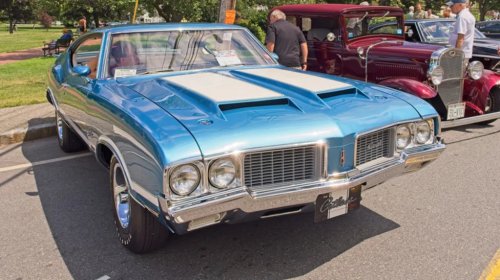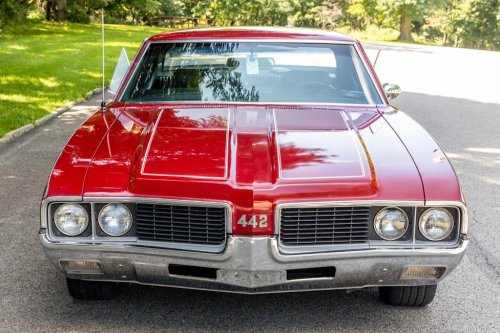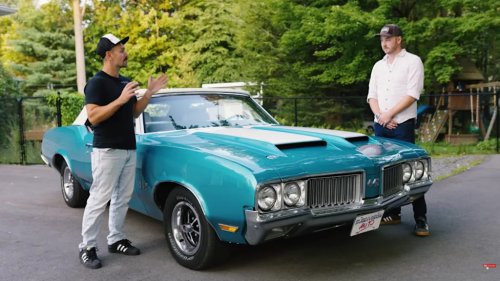
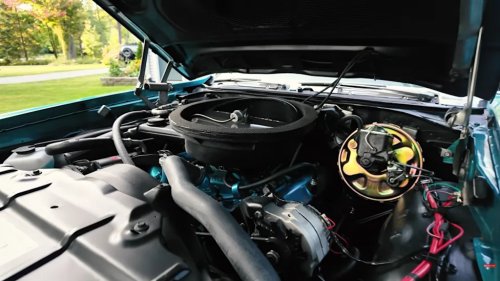
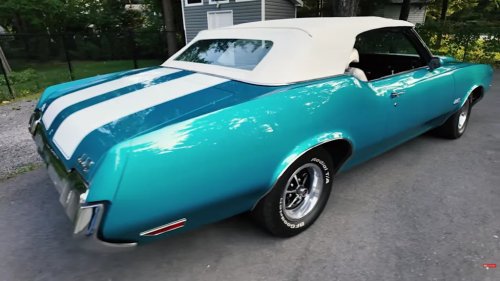
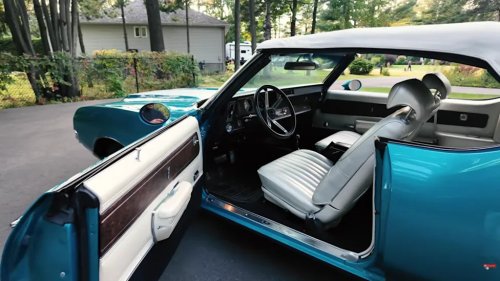













Image Credit: Subdivision Auto / YouTube.Some classic cars survive because collectors hide them away, while others stay alive because families keep driving them. A 1970 Oldsmobile 442 convertible featured by the Subdivision Auto YouTube channel belongs firmly in the second category, carrying decades of family memories along with its 455-cubic-inch V8.The car belongs to Nick Genge, whose father, Steve, bought the Oldsmobile in 1984 after finding it sitting in a barn. Steve would keep the 442 for more than three decades, modifying it to suit his tastes and creating the kind of stories that eventually became part of the car's identity.Following Steve's death in 2018, Nick, his mother, and his sister decided the Oldsmobile deserved another chapter. They began a lengthy restoration intended as a tribute to him, although returning the convertible to exact factory specification was never the goal.AdvertisementAdvertisementInstead, the family restored the car in a way that preserved Steve's influence while making the 442 reliable enough to enjoy regularly. Nick's mother and sister both drive it, while Nick finally gets to experience a car he spent much of his childhood waiting to get behind the wheel of.A Real 442 With A 455 V8Image Credit: Subdivision Auto / YouTube.The 442 started life as an Oldsmobile performance package during the 1960s before becoming its own model for the 1968 through 1971 model years. By 1970, Oldsmobile had made its 455-cubic-inch V8 standard equipment, giving the 442 the big-block muscle expected during one of Detroit's most competitive performance eras.Nick's convertible retains its original numbers-matching drivetrain and uses a three-speed automatic transmission. The car also features a Hurst Dual-Gate shifter, commonly marketed in period as the "His and Hers" shifter, which allows the driver to manually hold and select gears when desired.Steve's car did not originally have its current Ram Air setup. He installed the hood and induction system after acquiring another 442, creating the combination he wanted rather than preserving the convertible exactly as Oldsmobile originally delivered it.The Restoration Kept The Family HistoryImage Credit: Subdivision Auto / YouTube.When Steve purchased the car, it wore a medium-to-dark blue exterior with a matching blue convertible top. He eventually repainted it white with black stripes, inspired by the 1970 Indianapolis 500 pace-car appearance, although he never completed the full replica treatment.AdvertisementAdvertisementThe family considered several colors when the restoration began, including keeping the familiar white-and-black combination. Their eventual choice was Aegean Aqua, a special-order Oldsmobile shade from 1970 that closely matched the color worn by Nick's mother at her wedding.White stripes remained part of the finished design because they connected the restored car to Steve's earlier version. Although the stripe placement is not completely factory-correct, preserving the family's interpretation of the car mattered considerably more than chasing concours judging points.Modern Fuel Injection Makes It Easier To DriveMuch of the Oldsmobile's mechanical character remains intact, including its enormous 455-cubic-inch V8. One significant modernization is a Holley Sniper electronic fuel-injection system installed in place of the traditional carburetor.The change was made because the family wanted a dependable driver rather than a classic that required constant attention. Before the restoration, the Oldsmobile could be difficult to start and sometimes stalled while sitting at traffic lights, problems the EFI conversion was intended to eliminate.AdvertisementAdvertisementA Stage 2 shift kit also gives the automatic transmission noticeably firmer shifts, with enough aggression to chirp the tires during acceleration. Nick is not interested in abusing the freshly restored car, though he is equally determined not to turn it into something that only sits inside a garage.Its Original Interior Still Has Plenty Of CharacterImage Credit: Subdivision Auto / YouTube.Inside, a surprising amount of the original cabin remains. The dashboard and center console survived decades of use, while the seats were recovered and several trim pieces were refurbished during the restoration.The convertible was also equipped with an impressive collection of comfort features for its era. Air conditioning, power windows, power steering, power brakes, a sport steering wheel, a glass rear window, and Oldsmobile's combination tachometer-and-clock instrument help make the car unusually well equipped.Those features also reinforce why the family can comfortably use the 442 instead of treating every outing as an event requiring perfect conditions. Even with its enormous engine and considerable appetite for fuel, the Oldsmobile remains a car they can simply get into and enjoy.Driving It Keeps His Father's Memory AliveImage Credit: Subdivision Auto / YouTube.For Nick, finally driving the 442 carries complicated emotions. He spent years looking forward to reaching the age when he could legally and practically drive the family muscle car, only for his father to pass away before they could properly share that experience.AdvertisementAdvertisementNick now recognizes that some of his strongest memories are not about sitting behind the wheel at all. They are about sitting beside his father while Steve drove the Oldsmobile, listening to the V8 and experiencing the car together.That connection explains why resale value and absolute originality were never the priorities during the restoration. The finished 442 preserves Steve's choices, incorporates new decisions made by his family, and continues accumulating miles instead of becoming a static memorial.Would you keep a family-owned muscle car exactly as your parents built it, or restore it to factory specifications? Which Golden-era muscle car would you most want to inherit and keep on the road?If you want more stories like this, follow Guessing Headlights on Yahoo so you don't miss what's coming next.