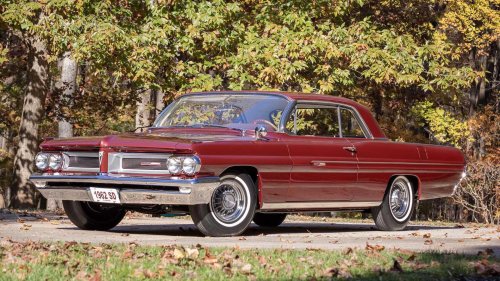
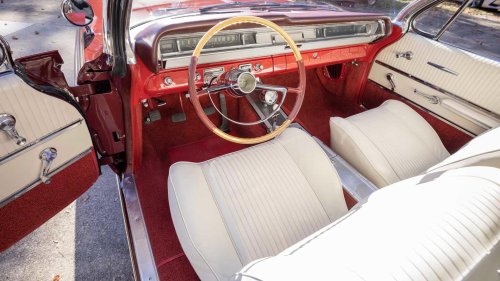
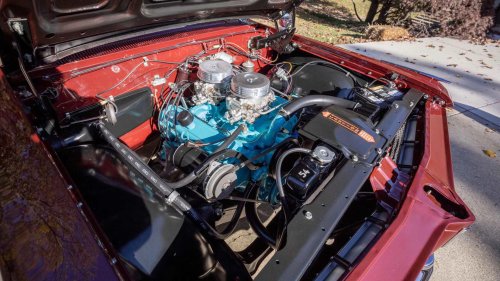
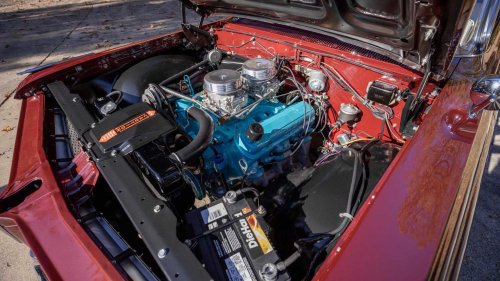
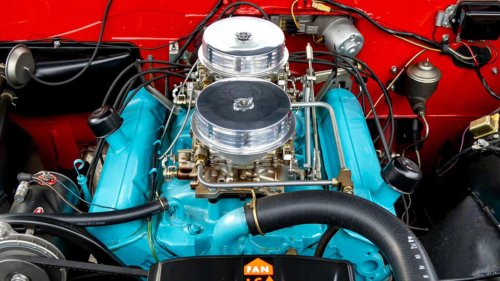
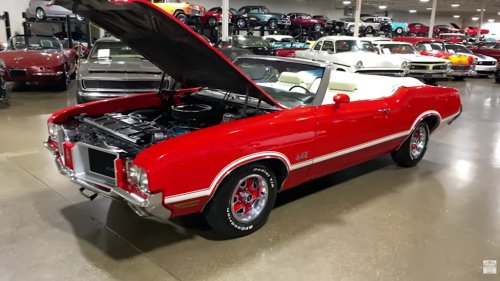
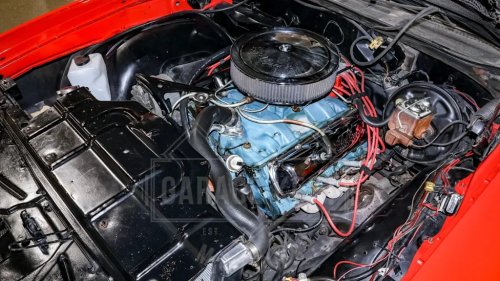
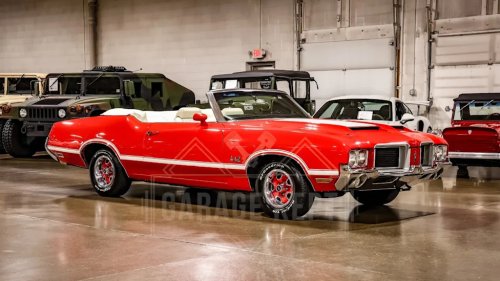
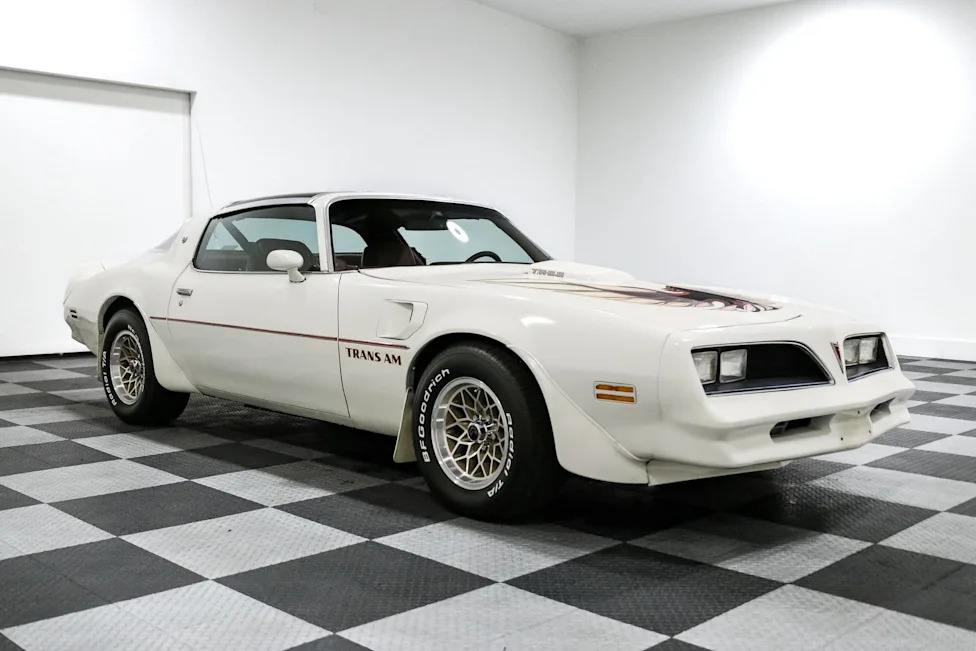
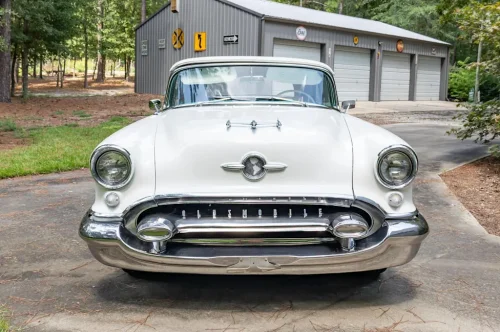
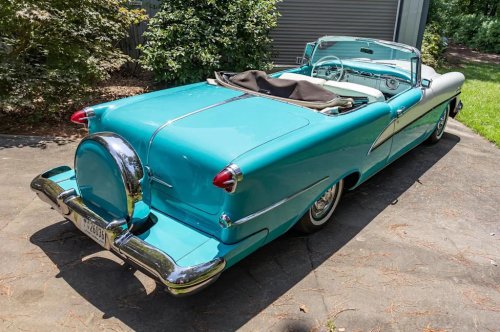
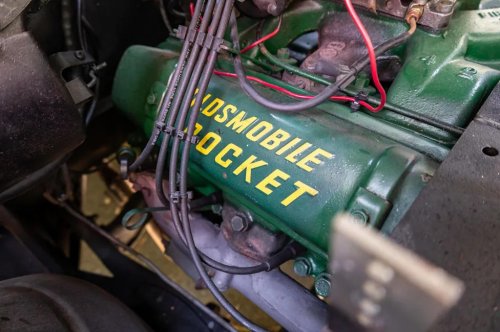
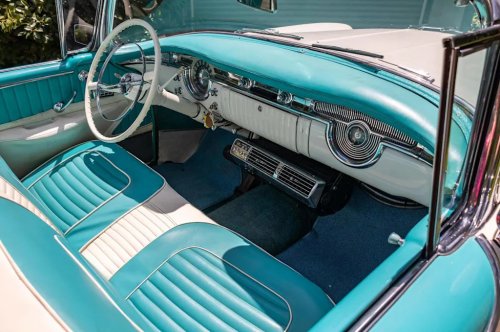
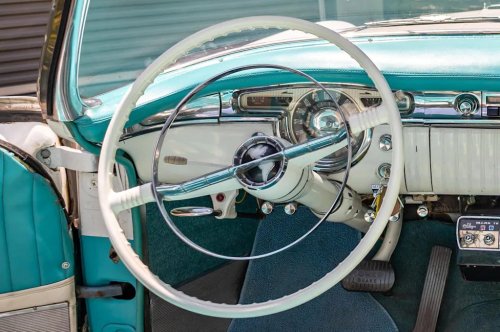
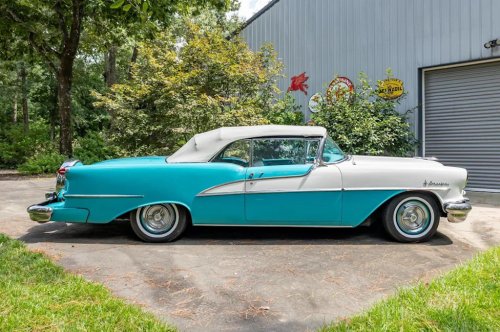
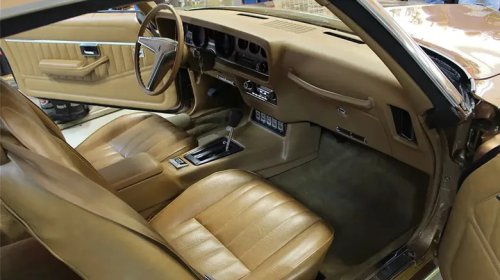
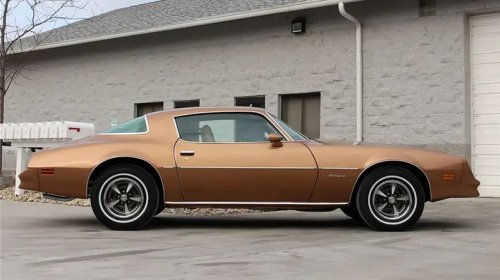
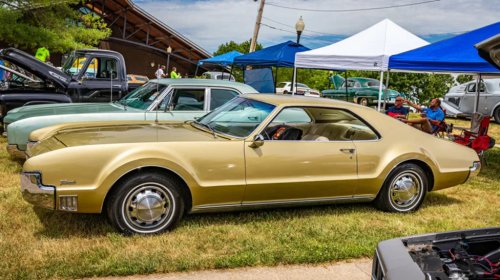
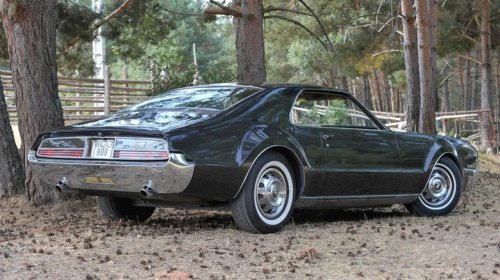
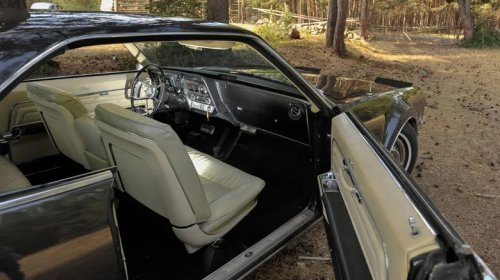
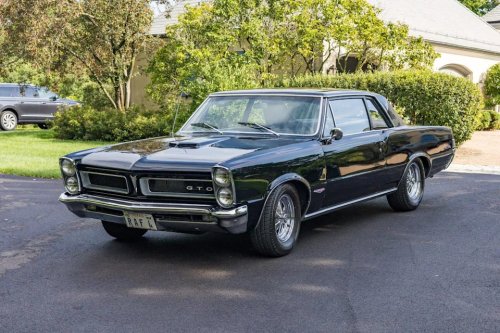
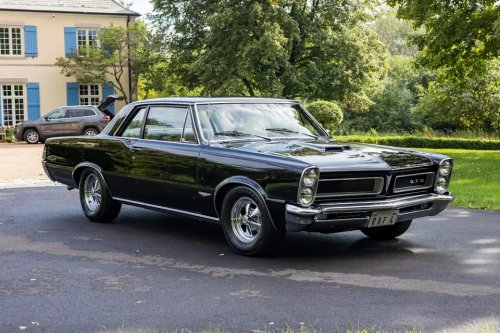
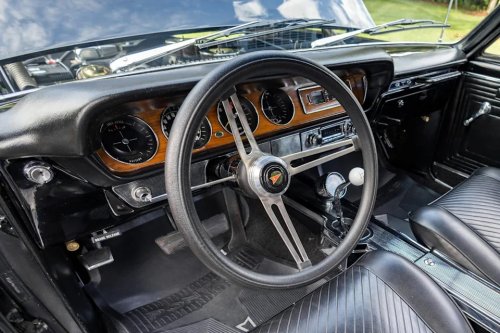
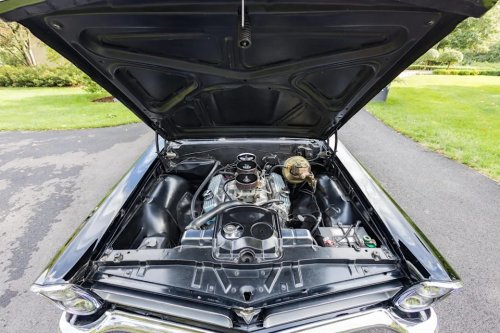
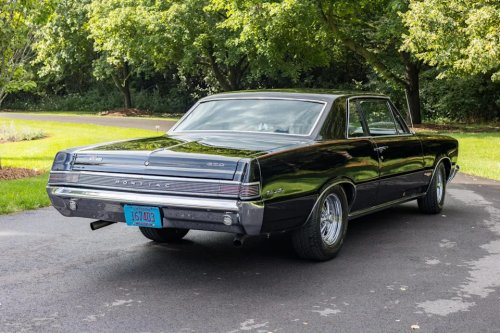
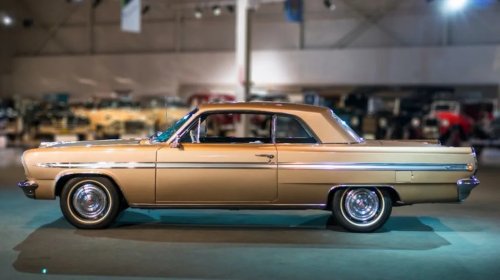
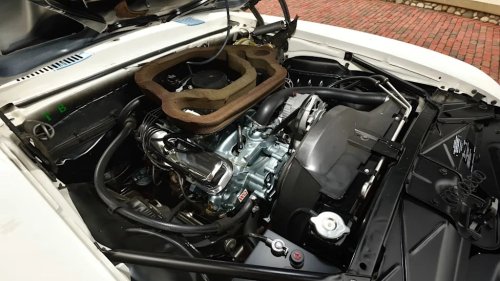
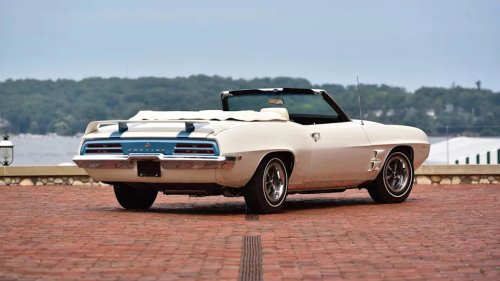
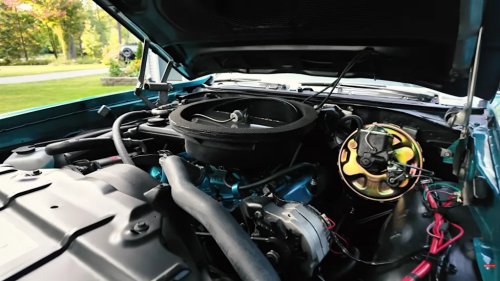
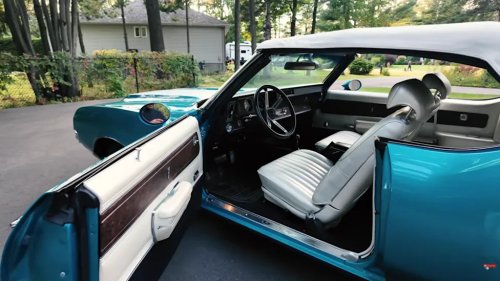
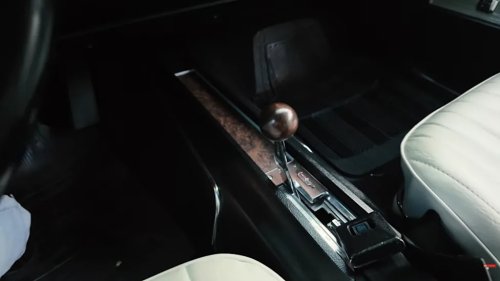
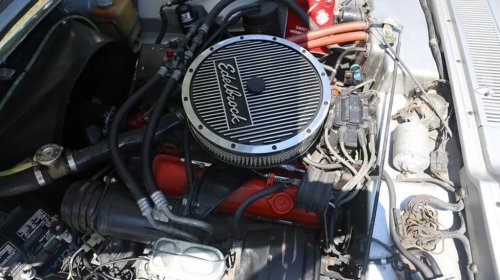
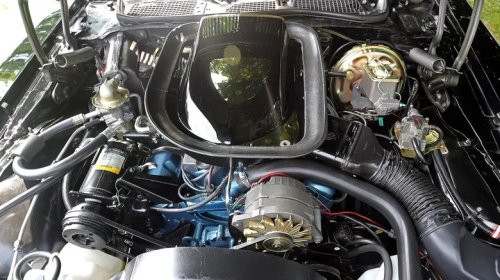
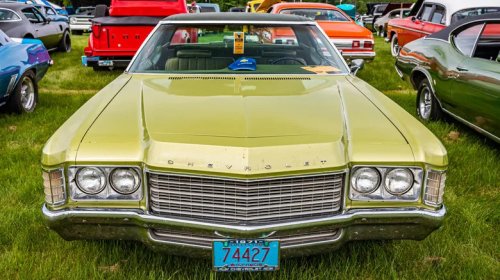
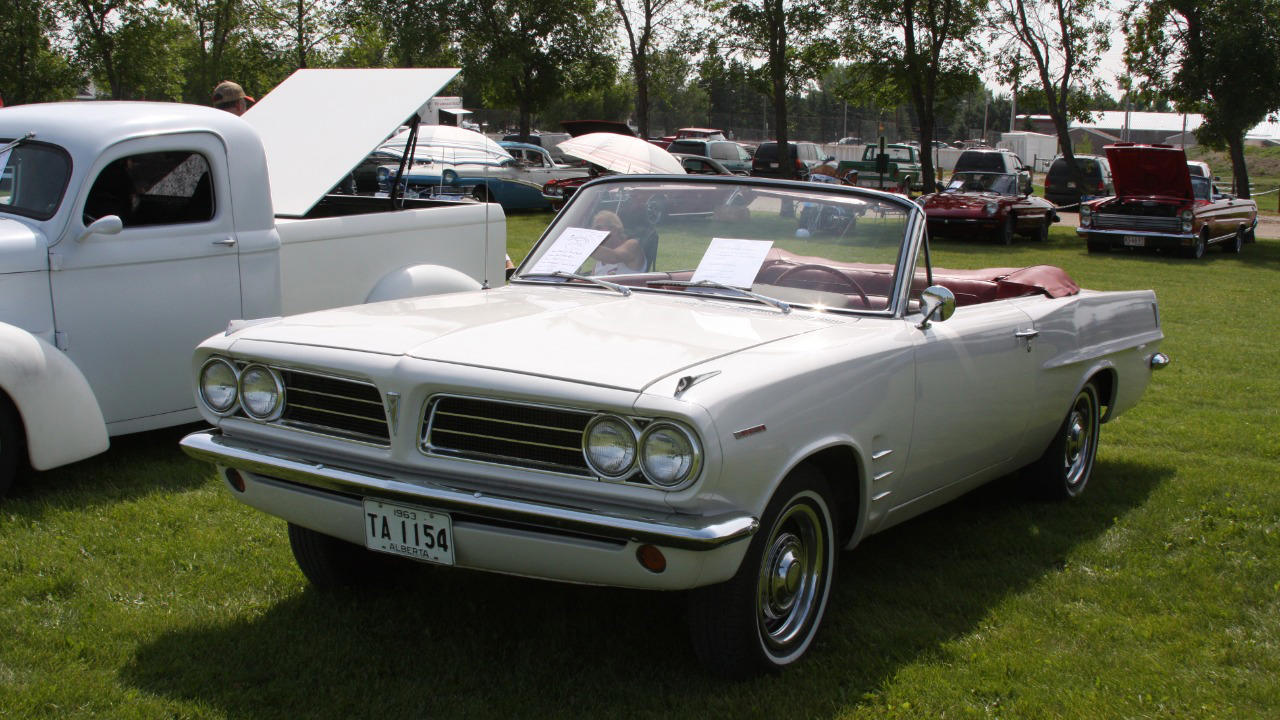
1963 Pontiac Tempest vs 1963 Oldsmobile F-85 one took a risk that didn’t age wellThe 1963 Pontiac Tempest and the 1963 Oldsmobile F-85 rolled out of the same corporate universe, but they did not follow the same script. One tried to rewrite the rules of American car engineering, the other quietly refined the formula buyers already trusted. Six decades later, that contrast helps explain why one of these compact GM cousins is remembered as a brave misstep while the other looks like the safer, smarter call. Both cars emerged from the early 1960s push to answer the compact threat from the Corvair and imported sedans, yet they represent two very different ideas about risk. The Tempest chased radical hardware and European-style balance, while the F-85 experimented with powertrain technology in a way that dazzled on paper but stumbled in driveways and service bays. The compact experiment that split in two A year after the Corvair arrived, General Motors launched a trio of compact models known internally as the BOP triplets, short for Buick, Oldsmobile, and Pontiac. The family included the Buick Special, the Oldsmobile F-85, and the Pontiac Tempest, all conceived to give each division its own answer to small-car buyers who were drifting toward imports and the Corvair. Contemporary analysis of the Pontiac Tempest notes that these cars were designed to share basic structure and dimensions, yet Pontiac chose a very different path for what sat underneath. That shared structure was a unitized body shell that also underpinned the Buick Special and the Oldsmobile F-85. One technical history points out that the Tempest did not just share this shell with Buick and Oldsmobile, it was also engineered to accept the same aluminum V8 and two-speed automatic that were optional on its siblings. As one period account put it, the Tempest shell was common with the Buick Special and the F-85, yet Pontiac layered its own drivetrain concept on top of that shared starting point, a fact that later commentators describe as still more curious than the body sharing itself. Oldsmobile, by contrast, kept the F-85 closer to Detroit orthodoxy in layout. Reporting on Oldsmobile’s 1963 lineup describes the F-85 as a senior compact that continued on a 112-in wheelbase platform. That same overview specifies that the F-85 remained on this 112-in foundation in 63, with squared-off styling and about four inches more overall length than the prior version. In other words, Oldsmobile focused on conventional refinement of a front-engine, rear-drive sedan rather than the kind of radical packaging Pontiac chose. Pontiac Tempest: rope-drive radicalism The Pontiac Tempest story starts with a willingness to question almost every assumption about how an American compact should be built. A detailed technical history describes how, after the Corvair challenged Detroit with a rear engine and swing axle, Pontiac responded with its own great departure from the usual formula. From 1961 to 1963, the Pontiac Tempest placed its transmission and differential at the rear in a transaxle and connected them to the front-mounted engine with a long, flexible driveshaft that enthusiasts came to call the rope drive. That same account notes that this was the other big break from Detroit norms that followed the Corvair, and that the Tempest shared its basic body with the Buick Special and Oldsmobile F-85 while hiding a very different powertrain concept underneath. The technical description of this layout is laid out in detail in a widely cited piece on the rope-drive Tempest. The rope drive was not just a marketing gimmick. By putting the transaxle at the rear and linking it with a curved, high-speed shaft, Pontiac engineers achieved close to 50 to 50 front-rear weight distribution. Period testers praised that balance, noting that the Tempest’s near equal weight split brought lighter steering effort, reduced understeer, improved traction, and stronger braking compared with more nose-heavy American sedans. One retrospective on a 1963 Pontiac Tempest LeMans highlights how testers liked that 50 to 50 balance and argued that Pontiac had almost managed to build a domestic rival to the kind of balanced European sedans that BMW would later popularize. The engine was nearly as unconventional. Instead of a clean-sheet four-cylinder, Pontiac took its familiar 389 cubic inch V8 and removed one bank of cylinders. A contemporary enthusiast discussion of the 1963 Tempest notes that the base four was basically a 389 cut in half. That same account explains that in 61 the engine came with a 2 bbl carburetor, in 62 a 4 bbl was added, and by 1963 Pontiac dropped the Buick division aluminum V8 option in favor of its own powerplants. The phrasing “Which was basically a 389 cut in half. In 61 it came with a 2 bbl. In 62 a 4 bbl. was added. In 1963 Pontiac dropped the Buick div…” appears verbatim in that enthusiast source and captures how unusual the solution looked even to fans. Engineering deep dives have since detailed how the rope-drive shaft itself was surprisingly slender, just 16.5 mm on automatics and 19.1 mm on manuals. One feature on the Tempest explains that the shaft could be so thin because it ran at engine speed, with torque multiplication handled at the rear, which reduced the twist load on the shaft. The same piece notes that this allowed the driveshaft to curve under the floor, which gave Pontiac the freedom to lower the transmission tunnel and maximize interior space in the compact shell. That technical description appears in a feature that describes how the shaft could be yet still survive real-world use. Contemporary promotion likened the Tempest layout to European practice, and later video explainers have pointed out that the architecture was similar in spirit to some foreign makes of the era. One such piece on strange automotive inventions explains that the 1961 Tempest’s transaxle concept echoed layouts seen in imported cars and notes that for the 1961 model year, Pontiac Ozmobile and Buick would get their versions of a compact platform. That video underscores how the Pontiac Ozmobile and compacts shared broad themes but diverged in execution. On the road, the payoff was real. A social media post from Musclecar Films calls the 1961 to 1963 Tempest perhaps the most radical drivetrain arrangement of the era and credits its split powertrain and independent rear suspension with giving it outstanding ride and handling compared with typical American sedans. That same commentary argues that the Tempest was one of the most innovative American cars of its time, a view echoed in other retrospectives that single out its independent rear end and transaxle as forward-looking features that would not become mainstream in Detroit for decades. Yet the engineering boldness came at a cost. The compact Tempest was expensive to build, and later coverage of the 1961 to 1963 models notes that the relatively high production cost of the transaxle and rope-drive layout, combined with only modest sales, meant the end of the line was coming quickly. One overview of the 1961 to 1963 Pontiac Tempest explains that this reality, coupled with the cost penalty, sealed the fate of the transaxle Tempest after only three model years. That summary of the end of the underscores how the risk did not translate into sustainable volume. Oldsmobile F-85: conservative shell, radical boost If Pontiac took its risk in the basic layout of the Tempest, Oldsmobile focused its gamble on what sat atop the F-85 platform. As a senior compact, the 1963 Oldsmobile F-85 used a conventional front-engine, rear-drive layout on a 112-in wheelbase, with squared-off styling and a bit more length than earlier versions. An overview of Oldsmobile’s class of 1963 confirms that the F-85 continued in 63 on the same 112-in wheelbase platform, with four inches more overall length and a more formal look, positioning it as a slightly upscale compact within the GM hierarchy. The real headline for Oldsmobile was the turbocharged Jetfire variant, which used the F-85 body as a launchpad for one of the boldest engine experiments of the era. Several modern explainers describe the Jetfire as the world’s first turbocharged production car, and one video that revisits the model states that this compact Oldsmobile was actually the world’s first turbocharged production car, not only fast but also a crazy engineering feat for the time. That video on how car needed “Turbo” to run explains that the Jetfire’s turbocharged V8 required a special fluid injection system to keep detonation in check. Another enthusiast video frames the Jetfire as the forgotten turbocharged legend of Oldsmobile and asks viewers if they know which car paved the way for turbocharging technology in the automotive industry. The narrator then explores how the Jetfire’s forced induction setup and high compression ratio were ahead of their time, presenting the compact Oldsmobile as a pioneer that arrived before the hardware and fuel systems were ready. That story of the forgotten turbocharged legend underlines how ambitious the F-85-based Jetfire really was. Additional coverage of the Jetfire emphasizes that the car’s turbocharged V8 ran a compression ratio that was far higher than what most modern turbo engines use. A technical explainer on fluid injection notes that most modern turbocharged engines run compression ratios between 8:1 and 9:1 to avoid detonation, the uncontrolled combustion that can destroy pistons and valves. The Jetfire’s designers tried to solve this by injecting a special mixture into the intake, a concept revisited in a video that describes how one mechanic’s “weird” fluid injection made such high compression viable. That video points out that most modern turbocharged are far more conservative on compression, highlighting just how aggressive Oldsmobile’s setup was. Enthusiast and technical writers often describe the Jetfire as a world first turbo car with a fatal flaw. One analysis of the model explains that the Jetfire was undoubtedly ahead of its time but that being so far ahead created problems in daily use. The same piece notes that owners were expected to keep a separate tank filled with a proprietary “Turbo Rocket Fuel” fluid to prevent detonation, and that many drivers either neglected the system or had trouble finding the correct mixture. That account of the world first turbo argues that the complexity and maintenance demands scared off buyers and dealers alike. Another modern feature on the Jetfire calls it the first turbocharged muscle car and explains that the troubles with the complicated fluid system and sensitive turbo hardware cut the dream short. That overview of the Jetfire’s story notes that the car was ahead of its time but that the problem with being so far ahead is that customers and service networks may not be ready. The piece, titled around the idea that the Jetfire was the first turbocharged muscle car, includes a section called The Troubles That Cut The Dream Short and concludes that the concept was sound but the execution and support infrastructure were not. The same feature on The Jetfire frames it as a cautionary tale. Video retrospectives reinforce this point. One clip describing a rare rocket-powered beast that nobody remembers sets the Jetfire in the context of a time when American muscle ruled the roads and a daring experiment tried to challenge tradition. The narrator explains that in an era of big displacement and simple carburetors, the idea of a small-displacement turbocharged V8 with fluid injection felt alien to buyers and mechanics. That video on the rare rocket-powered beast underscores how the Jetfire’s technology, not its basic chassis, became the risky bet. Which risk aged worse? Looking back from the 2020s, both the Tempest and the F-85 took chances that did not translate into long-term production success. The way those risks aged, however, is very different. The Tempest’s rope-drive concept is now widely praised as visionary. Musclecar Films calls the 1961 to 1963 Tempest one of the most innovative American cars of its era and highlights its radical drivetrain arrangement and independent rear end. A detailed technical history describes the car as a magnificent kludge, an ingenious but complex solution that delivered genuine benefits in balance and ride. Video explainers on strange automotive inventions place the Tempest alongside the Corvair as a rare Detroit attempt to copy European-style transaxles and weight distribution. Even enthusiast videos that focus on Pontiac’s legendary 4-cylinder muscle car icon frame the Tempest’s big four as a bold attempt to wring performance and efficiency from a cut-down V8, a story revisited in a feature that notes how car enthusiasts often marvel at the sleek designs and raw power of classic muscle cars but are surprised to learn that one of the most interesting engines of the 1960s was a four-cylinder Pontiac. Those same sources also acknowledge that the Tempest layout was costly and complicated. The HowStuffWorks overview of the 1961 to 1963 Tempest stresses that the relatively expensive production cost, combined with market realities, meant that the transaxle and rope drive were dropped after only a short run. The car’s mechanical complexity also created headaches for owners and mechanics who were used to straightforward front-engine, rear-drive setups with solid rear axles. The result is a car that historians admire but that mainstream buyers rejected quickly, which supports the argument that Pontiac’s risk did not age well in commercial terms even if it looks brilliant to modern engineers. The Oldsmobile F-85, by contrast, has a split legacy. The basic sedan and coupe, built on the 112-in wheelbase platform with conventional layout, did not shock buyers or service departments. They fit neatly into the early 1960s American market as slightly upscale compacts. The radical part was confined to the Jetfire variant, which bolted a turbocharger and fluid injection system onto the otherwise familiar package. Modern videos and articles consistently describe the Jetfire as a world first turbo car with a fatal flaw and as the first turbocharged muscle car whose troubles cut the dream short. Owners who failed to maintain the Turbo Rocket Fuel system or who pushed the engine hard without proper fluid levels experienced detonation and reliability issues, which in turn led dealers to disable or remove the turbo hardware on many cars. From a historical perspective, the Jetfire’s risk looks worse because it poisoned the well for turbocharging in American passenger cars for years. Technical explainers on modern turbo engines, which typically run compression ratios between 8:1 and 9:1, often mention the Jetfire as an example of what happens when compression and boost outrun fuel and control technology. The need for a separate fluid tank, the sensitivity of the system, and the lack of dealer training combined to create a reputation for fragility. That reputation made both buyers and engineers wary of turbocharged gasoline engines in mainstream American cars until electronic fuel injection and knock sensors arrived decades later. By contrast, the Tempest’s rope-drive transaxle did not have the same chilling effect on future designs. While Pontiac itself abandoned the layout after 1963, the idea of a rear transaxle and independent rear suspension lived on in European cars and later in American performance models that used similar concepts with more modern materials and manufacturing. The Tempest is now cited in technical histories as an early American attempt at a layout that would later become common in sports cars and premium sedans. In that sense, the risk looks farsighted, even if Pontiac’s specific implementation was too complex for its price segment. Market values and enthusiast interest also tell a story. Modern valuation tools treat the 1963 Pontiac Tempest as a niche collectible, with particular interest in LeMans and high-performance variants that used the big four or V8 engines. Enthusiast groups share photos of surviving cars, including images such as the 1963 Pontiac 2217 DR-90-46 p3 that appears in archival collections, and credit photographers like Alfvanbeem whose work is shared under Creative Commons licenses. The 1963 Pontiac 2217 image, along with other photos discovered via the citation trail from Magnificent Kludge: Rope Drive Pontiac, helps keep the car in the public eye. The Jetfire, meanwhile, is often discussed more for its cautionary tale than for its driving experience. Enthusiast shops sell merchandise that references Oldsmobile and the Jetfire’s world first turbo car with a fatal flaw, and social media sharing links such as the Facebook and Twitter share URLs for that story show how the narrative of a brilliant but flawed experiment resonates with modern audiences. Yet surviving Jetfires are rare, and the model’s reputation for fragility means that many collectors approach it as a museum piece rather than a car to drive regularly. Shared roots, diverging legacies What makes the 1963 Pontiac Tempest versus 1963 Oldsmobile F-85 comparison so compelling is that both cars started from the same corporate push and, in structural terms, from the same unitized shell. The BOP compact program gave Buick, Oldsmobile, and Pontiac a common toolkit. Pontiac chose to use that toolkit to challenge Detroit orthodoxy on layout, with a rope drive, rear transaxle, and a big four-cylinder derived from a 389 V8. Oldsmobile kept the basic chassis conservative but used it as a platform for the Jetfire, the world’s first turbocharged production car that demanded “Turbo Rocket Fuel” and complex fluid injection to survive. More from Fast Lane Only Unboxing the WWII Jeep in a Crate 15 rare Chevys collectors are quietly buying 10 underrated V8s still worth hunting down Police notice this before you even roll window down The post 1963 Pontiac Tempest vs 1963 Oldsmobile F-85 one took a risk that didn’t age well appeared first on FAST LANE ONLY.



















 +2 others