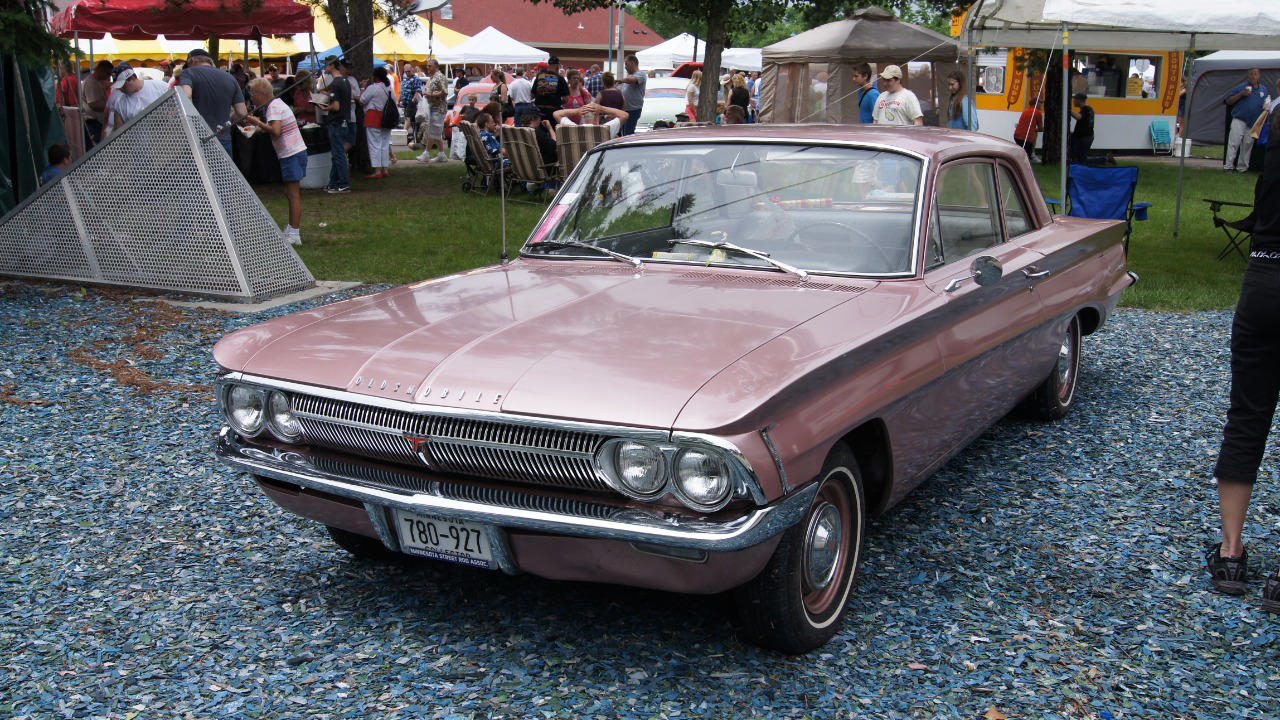
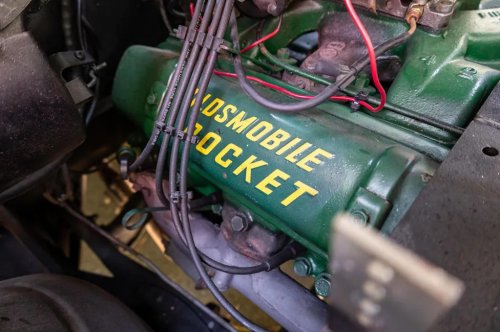
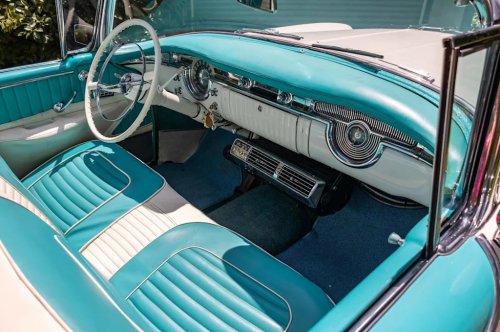
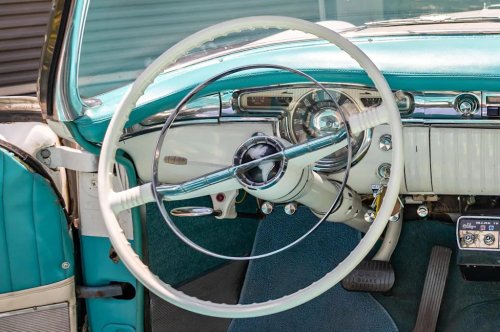
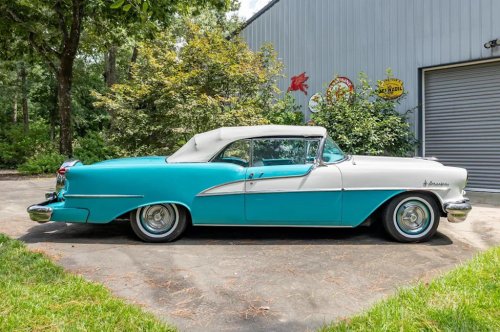
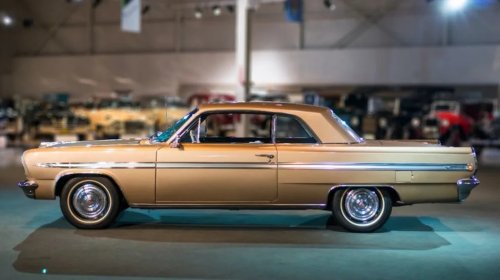
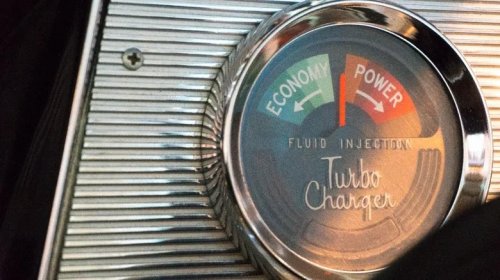
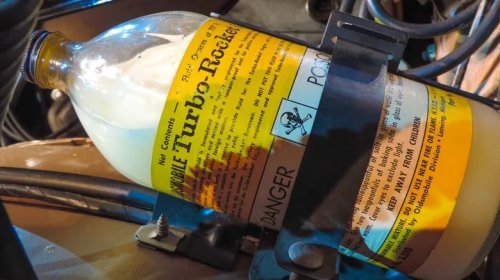
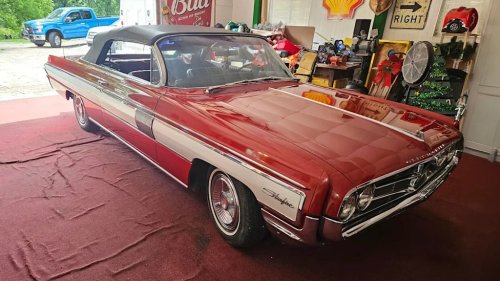
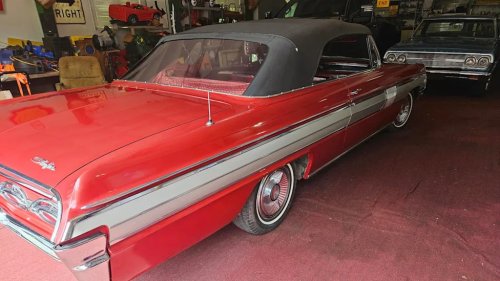
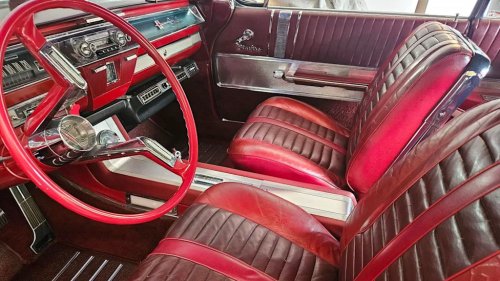
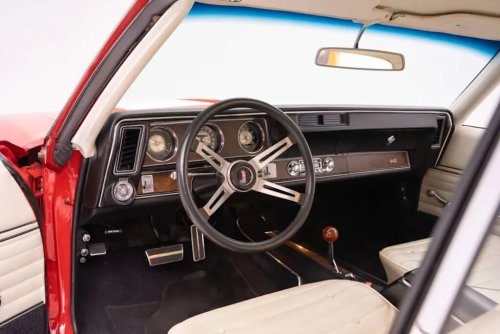
Mechanics warn the 1962 Oldsmobile F-85’s early engineering choices can surprise buyersTo the casual buyer, a 1962 Oldsmobile F-85 can look like a tidy early compact with clean lines and midcentury charm. Mechanics who know these cars well say the reality under the skin is far stranger, shaped by ambitious engineering that still catches modern owners off guard. From an aluminum V8 and experimental turbocharging to delicate transmissions and a rust-prone structure, the F-85 rewards preparation more than impulse. Specialists describe the car as a landmark in American innovation and, at the same time, a magnet for maintenance surprises. Anyone hunting for a survivor or a restomod base is urged to understand how those early choices affect reliability, cost and even basic drivability before money changes hands. The compact that tried to be advanced and affordable Oldsmobile aimed the F-85 at buyers who wanted a smaller car without giving up comfort. The series carried the number 85 in its name and, in Jetfire form, the instrument panel was described as F-85 pure and simple, dominated by a horizontal 120-mph speedometer in a pod directly ahead of the driver. That straightforward cabin disguised a very different approach under the hood compared with many domestic rivals. Period coverage of the 1962 and 1963 F-85 Jetfire describes how Oldsmobile engineers tried to leapfrog competitors by pairing a lightweight aluminum V8 with cutting-edge forced induction. The basic compact platform shared roots with other so-called Y Body Luxury Compacts, including similar cars from Buick and Oldsmobile that were intended to be modern but not radical in appearance. The radical part lived in the driveline, and that is where most of the surprises for current owners still lie. An aluminum V8 that was light, lively and fragile The F-85’s small-displacement aluminum V8 remains one of its biggest selling points for enthusiasts and one of its biggest headaches for shops. On enthusiast forums that focus on the aluminum V8 in a 1962 Olds F – 85, owners repeat a key detail pulled from a period article on the engine: it suffered an abnormally high scrap ratio due to hidden block-casting porosity. That porosity was an early warning that the light metal design could be delicate when subjected to real-world abuse. Mechanics who have rebuilt these engines describe common issues that trace back to that early casting technology. Coolant seepage into oil passages, head gasket failures and warped decks show up more often than on comparable iron V8s. The porosity that drove up the scrap rate in production now translates into more careful inspection during any modern rebuild. Shops often pressure-test blocks and heads as a matter of course, and some advise buyers to budget for machine work even on engines that appear to run well. Heat management is another recurring theme. Aluminum sheds heat quickly but is also more vulnerable to localized hot spots if coolant passages are partially blocked. Mechanics caution that marginal radiators, tired water pumps or incorrect thermostats can accelerate wear. In practical terms, a buyer who expects the F-85 to behave like a later small-block Chevrolet may be surprised by how unforgiving the early aluminum design can be if cooling and lubrication are not close to perfect. The Jetfire experiment and its turbocharged complications Where the standard F-85 was ambitious, the Jetfire version was outright audacious. Detailed model histories explain that in 1962 and 1963 Oldsmobile offered a short-lived turbocharged variant of the compact F-85. The car was called Jetfire and used the same basic aluminum V8 with a turbocharger that pushed it into territory few American production cars had explored. Video explainers on the forgotten turbocharged legend of Oldsmobile describe how this setup paved the way for turbocharging technology in the automotive industry and frame the Jetfire as a direct ancestor of modern boosted engines. Another enthusiast video on the rare rocket-powered beast that nobody remembers casts the car as a daring experiment during the height of American muscle, one that challenged tradition by relying on smaller displacement and forced induction rather than sheer cubic inches. The engineering challenge was detonation control. Contemporary analysis of how Oldsmobile prevented knock in these engines details how the company turned to aviation-style solutions. Oldsmobile fitted the F-85 Jetfires with bottles of a special fluid, marketed as Turbo Rocket Fluid, that was injected to cool the intake charge and suppress detonation. A separate technical breakdown of how one mechanic’s weird fluid injection made high-compression turbocharging viable reinforces the broader point: most modern turbocharged engines run compression ratios between 8:1 and 9:1 to avoid detonation, while the Jetfire tried to run higher compression with chemical help. Mechanics today see the legacy of that choice in two ways. On the one hand, survivors are rare and historically significant, which pushes values up. On the other, the original fluid injection hardware, sensors and safety interlocks are complex, hard to service and often missing. Many cars had their turbo systems removed or disabled, sometimes in period, and brought back to a more conventional carbureted setup. Buyers who expect plug-and-play turbo thrills can instead inherit a box of mismatched parts and a long to-do list. Turbo Rocket Fluid and the realities of ownership The Jetfire’s reliance on Turbo Rocket Fluid is where the romantic story of early turbocharging collides with the practical realities of keeping a 1960s experiment on the road. Technical writeups on the Jetfires explain that the system monitored fluid level and would limit boost or even close the throttle if the bottle ran dry, in an attempt to protect the engine. That level of interlock was advanced for its time but it also created a car that could suddenly feel gutless or refuse to perform if the owner ignored a special filler cap in the engine bay. Modern mechanics point out that the original fluid blend is no longer available as a factory product. Some owners mix their own alcohol and water solutions, others retrofit the system to use modern water-methanol injection kits, and a significant number bypass the safeguards entirely. Each of those choices has consequences for reliability and originality, which is why specialists urge buyers to inspect the Turbo Rocket Fluid system closely on any Jetfire. Cost is another factor. Even if the turbo hardware is intact, rebuilding period compressors, wastegates and carburetors that were designed around the fluid system is more involved than refreshing a naturally aspirated setup. Shops that have restored Jetfire coupes describe parts hunting that can stretch across months and bills that can exceed the purchase price of a driver-quality car. Collectors who understand that tradeoff accept it as the price of owning one of the first production engines with a Turbocharger. Those who do not can be blindsided. Transmission quirks that still puzzle owners The F-85’s automatic transmissions create a different kind of surprise. A technical Q&A on what is causing transmission slippage and chatter in a 1962 Oldsmobile F-85 Cutlass with an F-85 Hydra-Matic transmission describes an owner who had the unit rebuilt, only to see it slip again and chatter on engagement. The exchange highlights how sensitive these early automatics can be to setup, fluid choice and linkage adjustment. Another discussion on 62 Old F85 Hydramatic issues emphasizes that in many cases a TV linkage out of adjustment will affect the shift points only and can alter line pressure due to greater throttle opening at a given pedal position. Mechanics who work on these cars say that phrase, ONLY, understates how quickly misadjustment can snowball into heat, wear and early failure. Buyers who assume any transmission problem can be cured with a generic rebuild risk repeating the same cycle of slippage and chatter if the external controls are not corrected. Shops also flag the limited availability of some internal parts. While basic seals and friction materials remain accessible, certain valves, drums and hard parts are scarce. That scarcity pushes some owners toward manual swaps or later automatic conversions. Purists may resist those changes, but from a service perspective, a thoughtfully executed transmission update can transform daily usability, especially on cars that will see regular highway miles. Chassis rust and structural surprises Underneath, the F-85 carries another set of potential ambushes. A long-running advice thread on just wondering what a 1962 Oldsmobile F 85 would be worth includes a specific warning under the heading 1962 Oldsmobile F-85: Addressing Floor Pan Rust Repair. It notes that F-85 models often face floor pan rust and corrosion, leading to structural issues that go beyond cosmetic concern. Mechanics who have had these cars on lifts describe soft spots around the front footwells, body mount points and the rear seat pan. Water intrusion from tired door seals and windshield gaskets can accelerate the process. Once the floor pan begins to separate from the inner rockers, door alignment and body flex problems follow. Buyers looking at a seemingly solid car are advised to probe the underside thoroughly, since fresh undercoating can conceal patchwork or thin metal. Rust is not limited to the floor. Wheel arches, lower fenders and trunk drop-offs also collect debris and moisture. However, structural rust in the floors and frame rails is what most concerns shops, because it affects safety and the cost of restoration. Replacing large sections of the pan on a unibody-style compact is labor intensive and can require bracing the shell to maintain alignment. That kind of work can easily eclipse the purchase price of a driver-grade F-85 if the buyer misjudges the extent of corrosion. How the F-85 compares with its Y-body cousins Context from period and modern commentary on a 1962 Oldsmobile F-85 Cutlass Club Coupe helps explain how the car fits into its family. The piece notes that it was not the intention, but the Buick and Oldsmobile versions of the Y Body Luxury Compacts ended up less radical in styling than their engineering underpinnings might suggest. That mismatch between conservative looks and advanced hardware is part of why the F-85 still surprises people who encounter it at a show or in a classified ad. Buick’s version of the aluminum V8 eventually gained a reputation for durability once manufacturing techniques improved and displacement grew. By contrast, the early Oldsmobile installations carried the brunt of the teething problems. Mechanics who work on both brands say parts interchange can help, but subtle differences in castings and ancillaries mean that not every Buick solution drops neatly into an Oldsmobile bay. More from Fast Lane Only Unboxing the WWII Jeep in a Crate 15 rare Chevys collectors are quietly buying 10 underrated V8s still worth hunting down Police notice this before you even roll window down