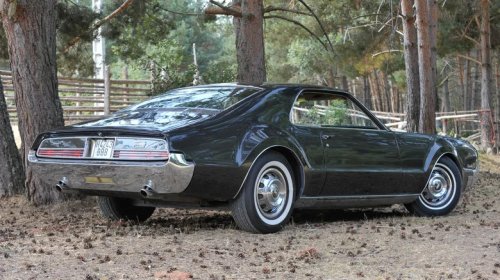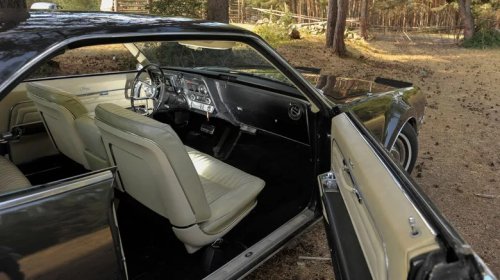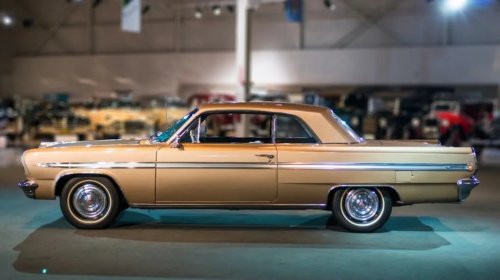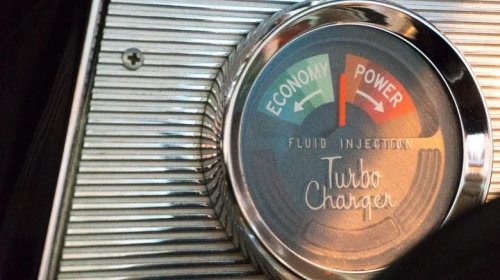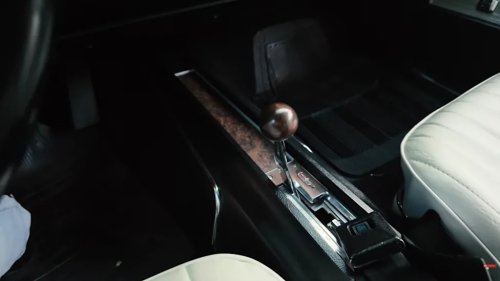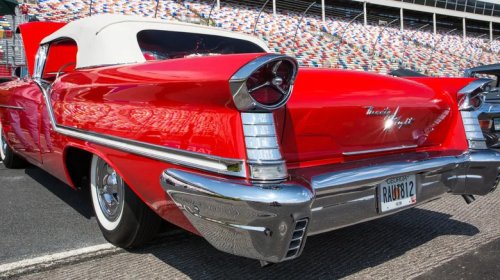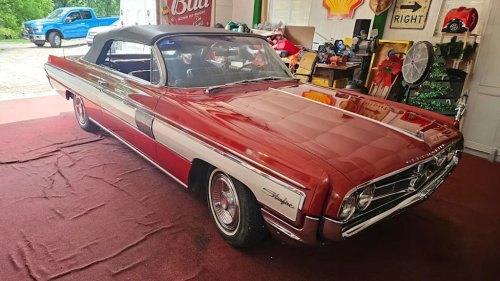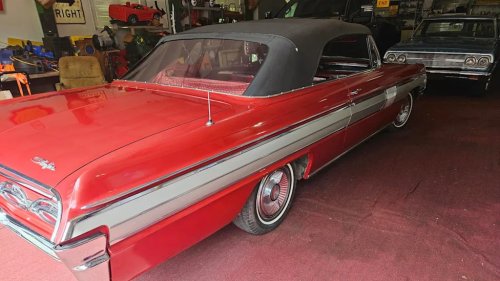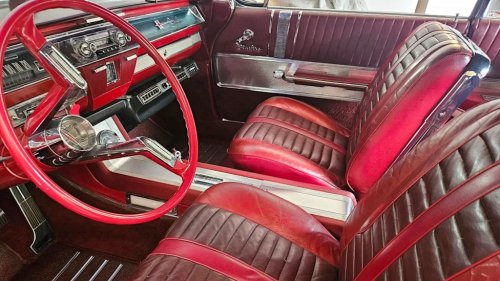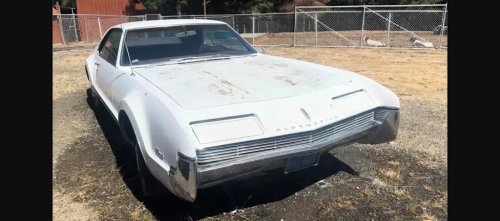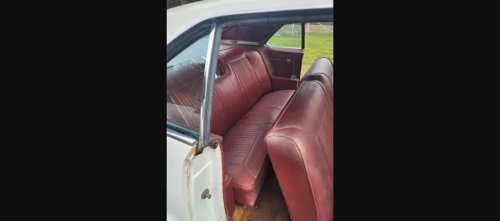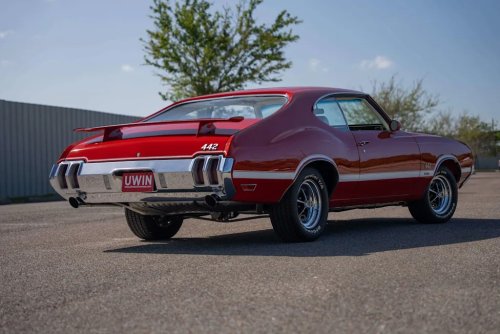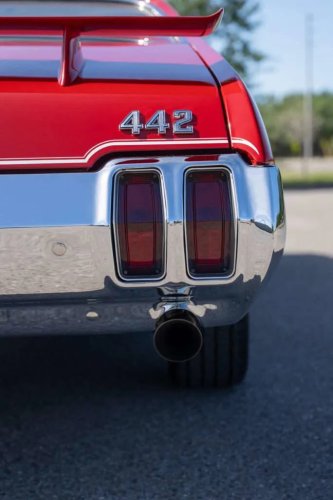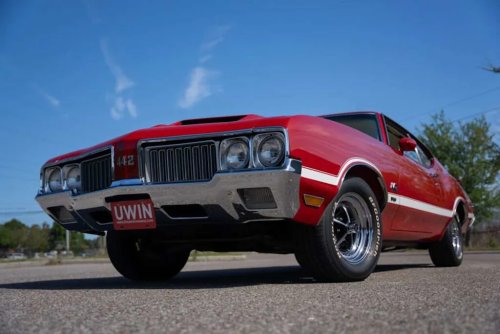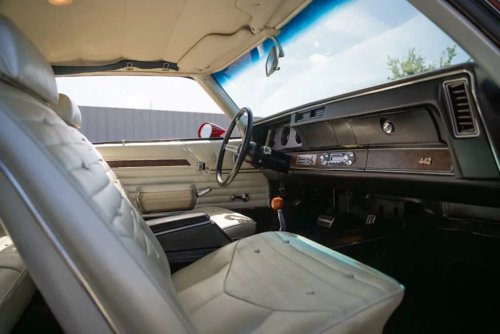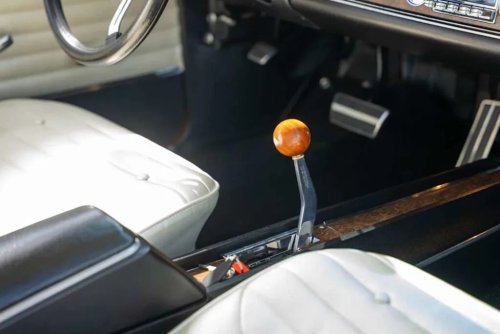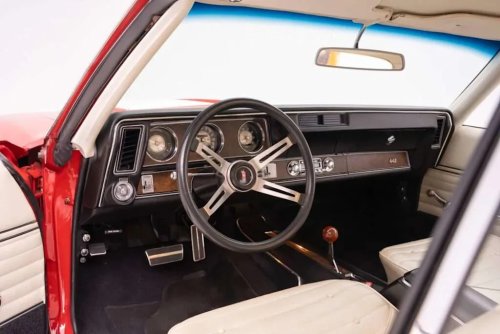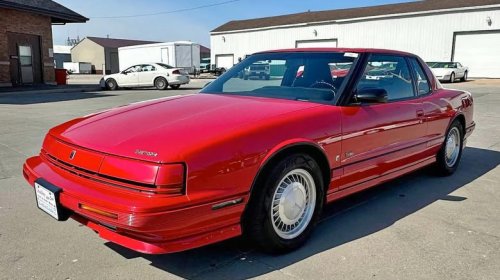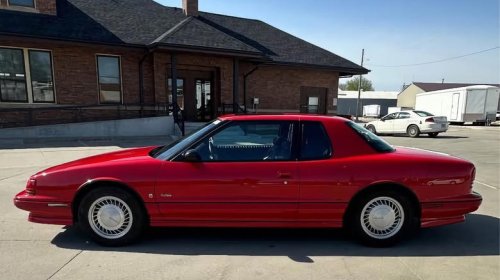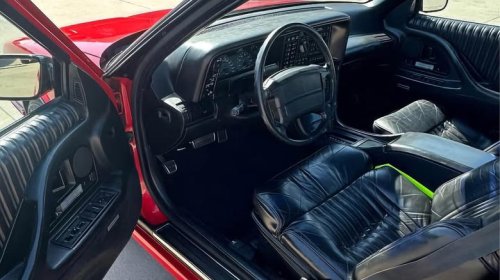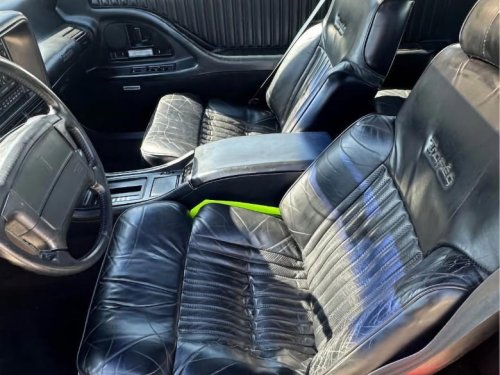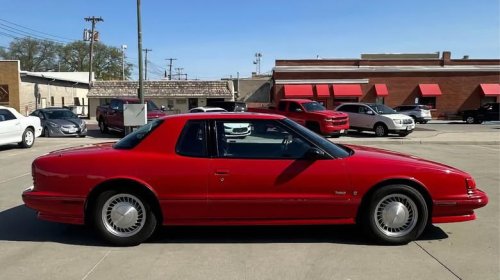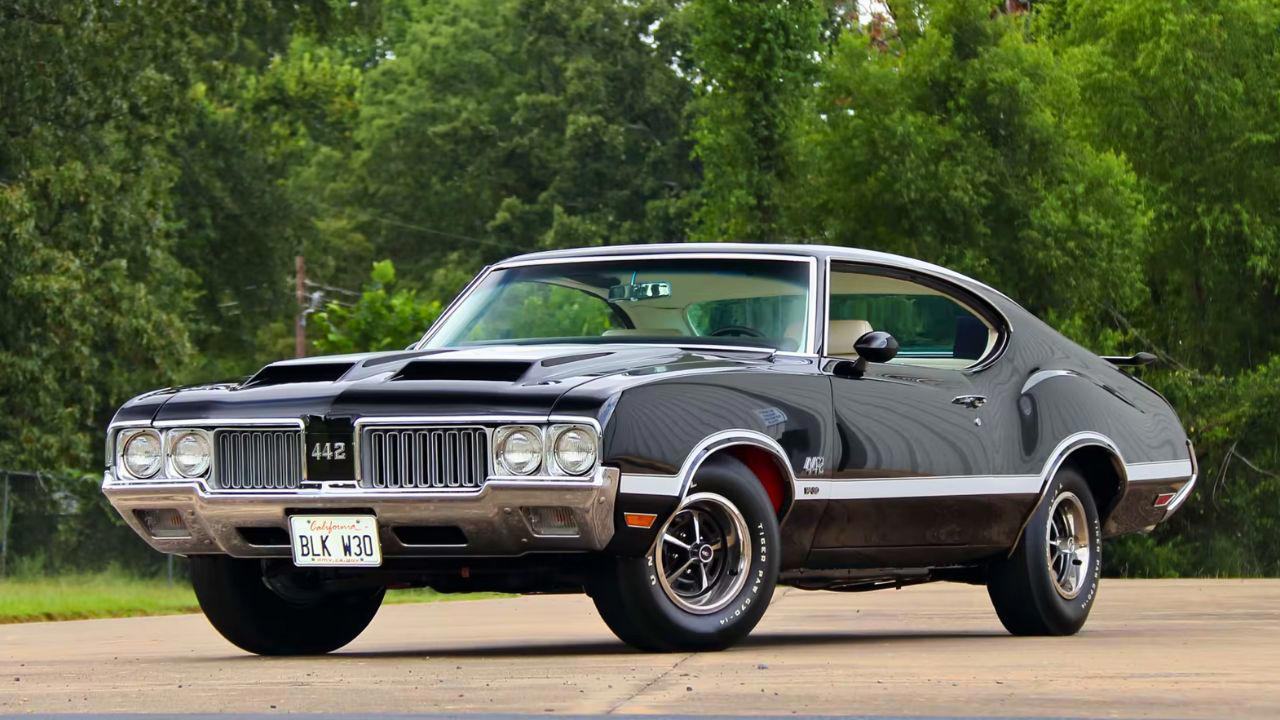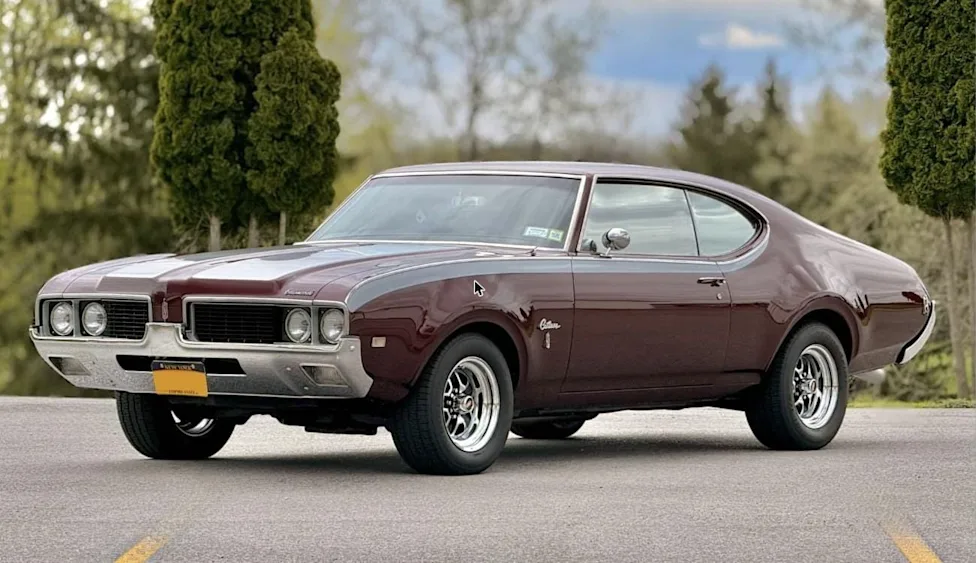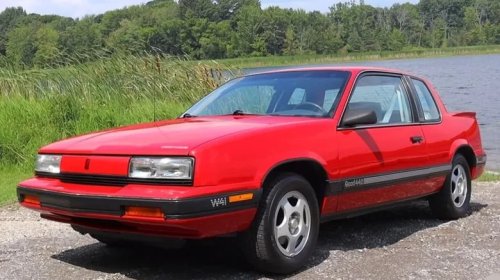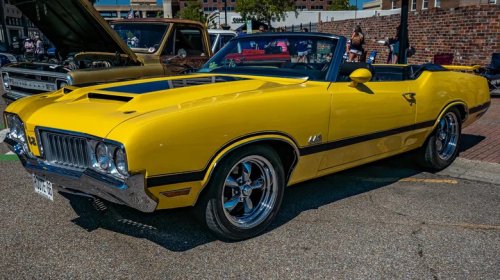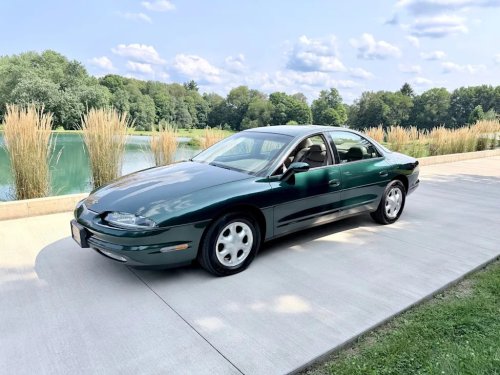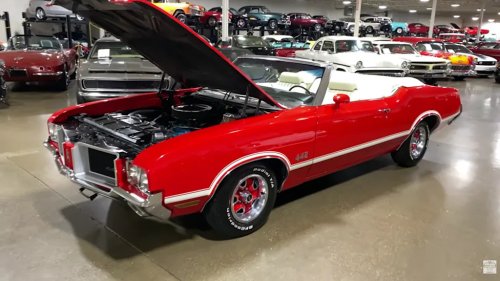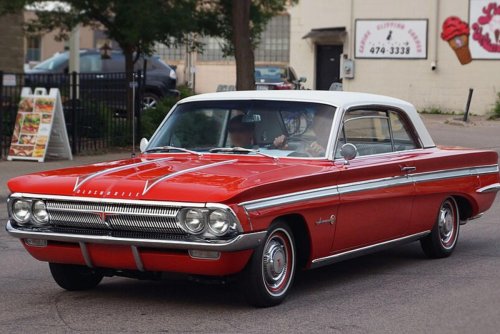
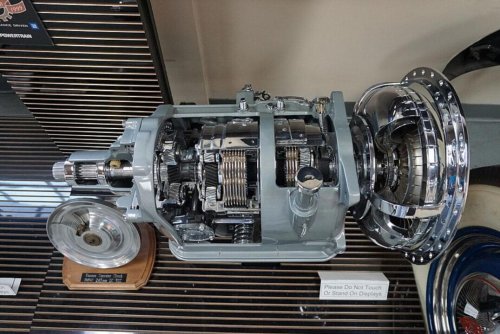
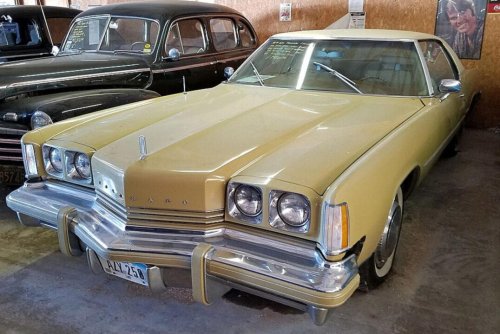
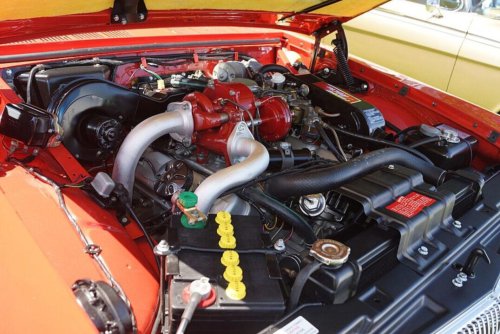



















Oldsmobile, a brand that might not always be top of mind, was once at the forefront of automotive innovation. While some of its groundbreaking advancements have become industry standards, their origins are often overlooked. Here are eight luxury innovations that surprisingly started with Oldsmobile, a brand that was ahead of its time in many respects.Automatic TransmissionThe automatic transmission, a feature that has become a standard in most vehicles today, owes its early development to Oldsmobile. In 1940, Oldsmobile introduced the Hydra-Matic, the first mass-produced, fully automatic transmission. This technology allowed drivers to enjoy a smoother ride without the need for manual gear changes, setting the stage for future advancements in automotive ease and luxury. Oldsmobile’s innovation made driving more accessible and comfortable, particularly in stop-and-go traffic. The Hydra-Matic quickly became popular, not just in Oldsmobiles, but in other GM brands and even military vehicles during World War II, cementing its place in automotive history.Airbag SystemsWhile airbags are now a common safety feature in vehicles, Oldsmobile was one of the first to experiment with this technology. In the early 1970s, Oldsmobile began testing airbags, and by 1974, they offered the Air Cushion Restraint System as an option in the Oldsmobile Toronado. This pioneering step by Oldsmobile highlighted the brand’s commitment to safety and innovation. Although it took many years for airbags to become standard in all vehicles, Oldsmobile’s early adoption paved the way for the lifesaving technology we take for granted today.High-Beam Headlight TechnologyOldsmobile was also a trailblazer in headlight technology, introducing the Autronic Eye in 1952. This early form of automatic high-beam control was designed to detect oncoming traffic and adjust the headlights accordingly, enhancing nighttime driving safety. The Autronic Eye was one of the first steps toward the advanced adaptive headlight systems we see in luxury vehicles today. By automating the process of dimming high beams, Oldsmobile improved driving convenience and safety for its customers.GPS NavigationBefore GPS became a staple in modern vehicles, Oldsmobile was already exploring navigation technology. In the late 1980s, they introduced the GuideStar system in the Oldsmobile 88 and 98 models. While rudimentary compared to today’s standards, it marked an early attempt to incorporate navigation assistance into automobiles. This innovation showed Oldsmobile’s forward-thinking approach, anticipating the increasing need for navigation solutions in personal vehicles. Although technology has vastly improved since then, Oldsmobile’s GuideStar was a key step in the evolution of in-car navigation systems.Anti-lock Braking System (ABS)Oldsmobile played a significant role in popularizing the Anti-lock Braking System (ABS) in the automotive world. In the 1970s, they began offering ABS on their vehicles, understanding the crucial role it plays in vehicle safety. The early adoption of ABS by Oldsmobile helped set a new standard for vehicle safety, providing drivers with greater control during emergency braking situations. Today, ABS is a mandatory feature in most cars, thanks in part to the pioneering efforts of brands like Oldsmobile.Turbocharged EnginesOldsmobile was an early adopter of turbocharging technology, which has become synonymous with performance and efficiency in modern engines. In 1962, the Oldsmobile Jetfire became the first production car to feature a turbocharged V8 engine. This innovation allowed for increased power without sacrificing fuel efficiency, a concept that continues to be relevant in today’s automotive industry. Oldsmobile’s Jetfire demonstrated the potential of turbocharging and inspired future developments in engine performance technology.Heads-Up Display (HUD)Long before heads-up displays (HUDs) became common in luxury vehicles, Oldsmobile was experimenting with ways to project crucial information onto the windshield. In 1988, the Oldsmobile Cutlass Supreme was one of the first cars to offer an HUD, displaying speed and other critical data in the driver’s line of sight. The introduction of HUD by Oldsmobile was a significant step towards safer and more user-friendly driving experiences, reducing the need for drivers to take their eyes off the road. This technology has since evolved and is now a sought-after feature in modern vehicles.