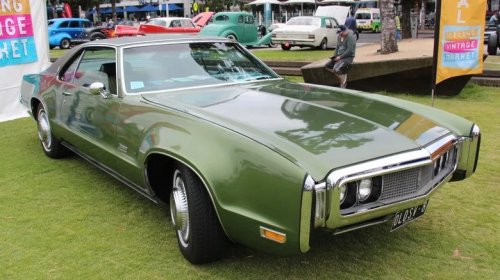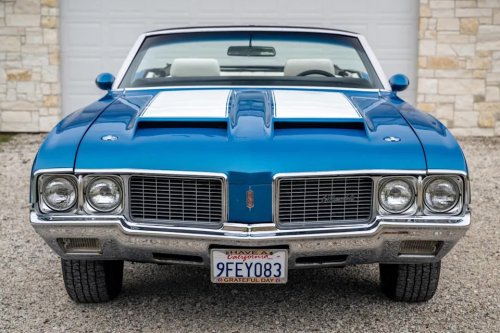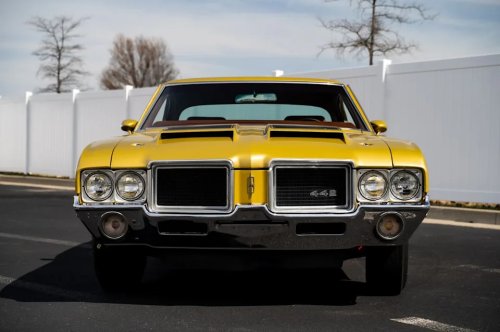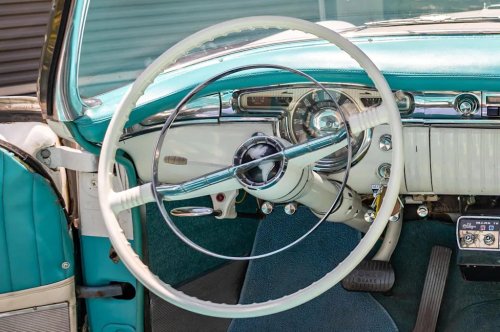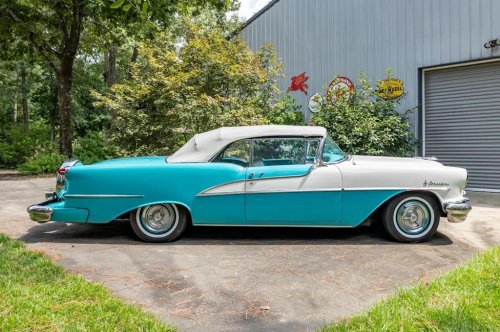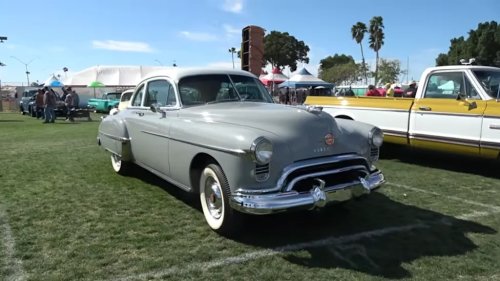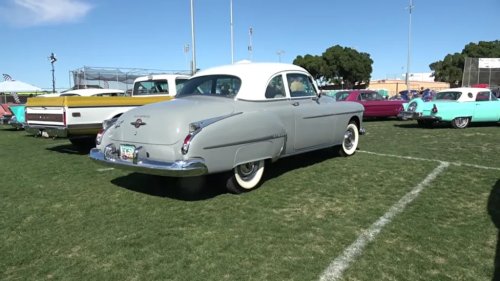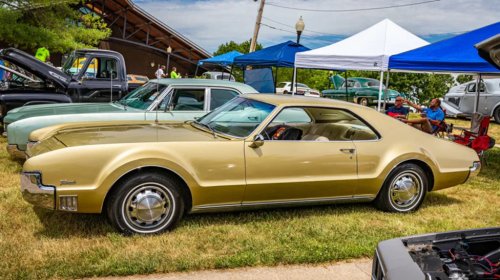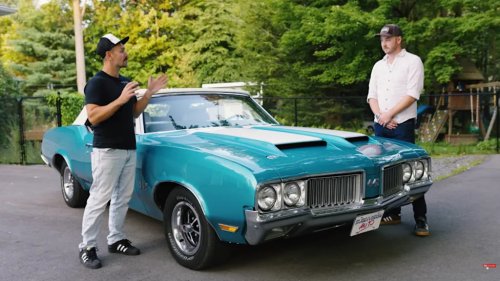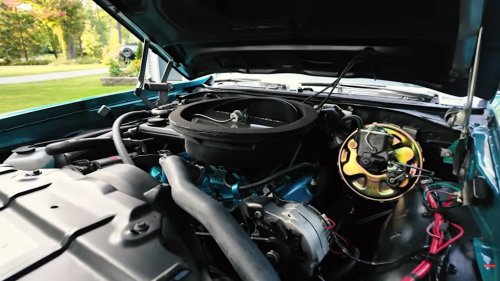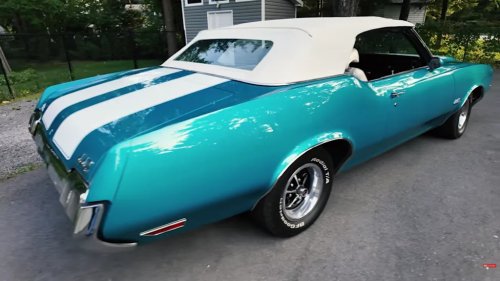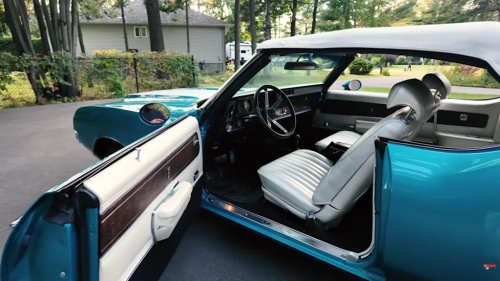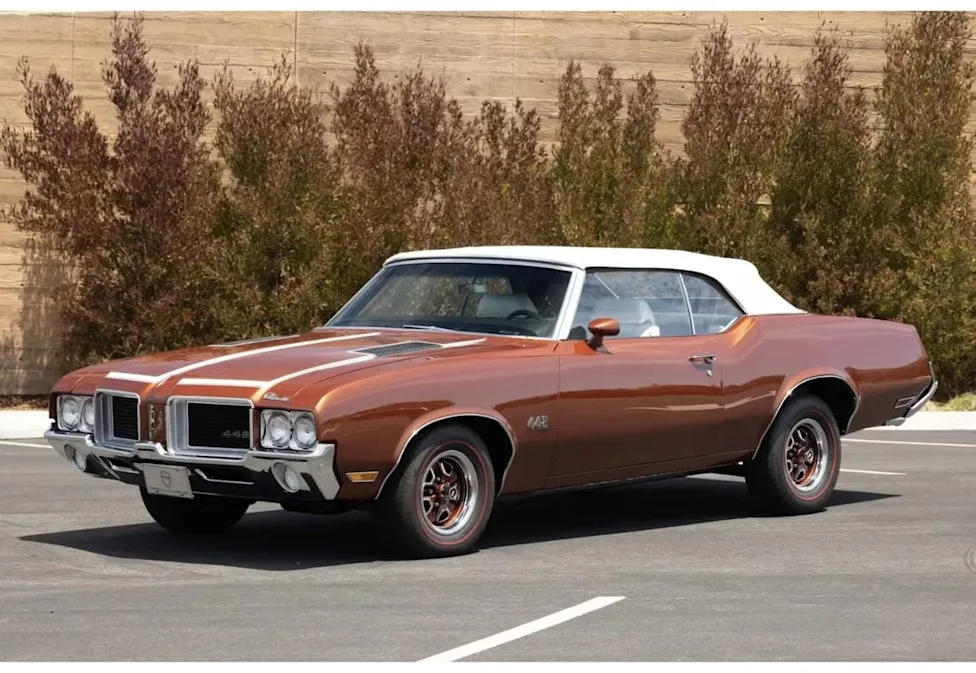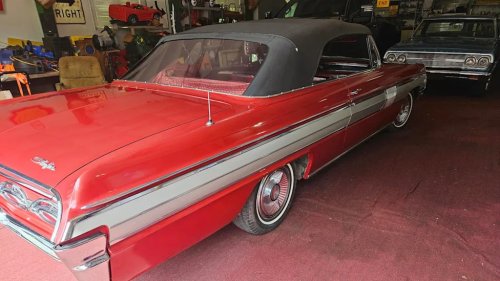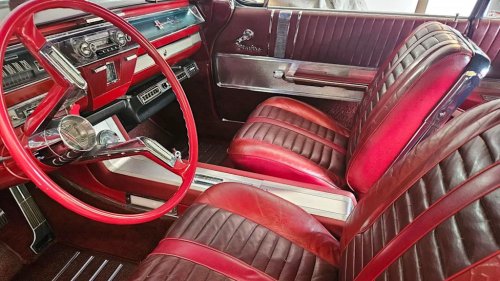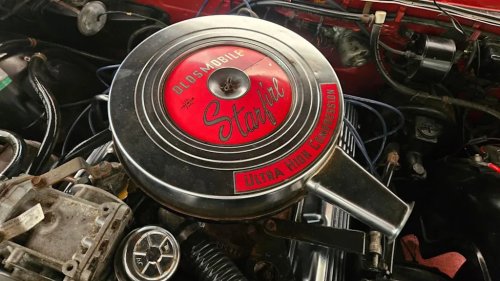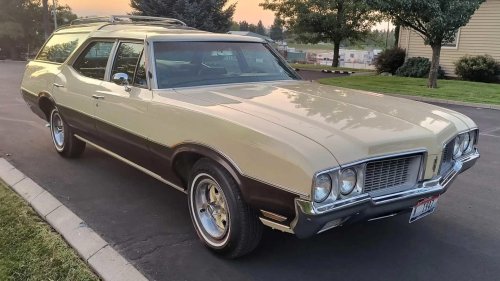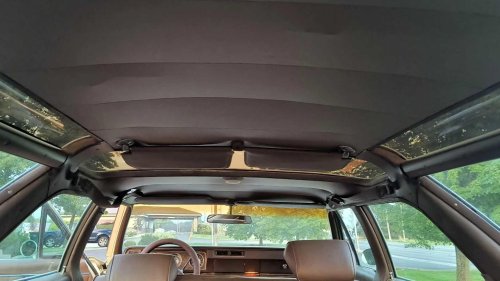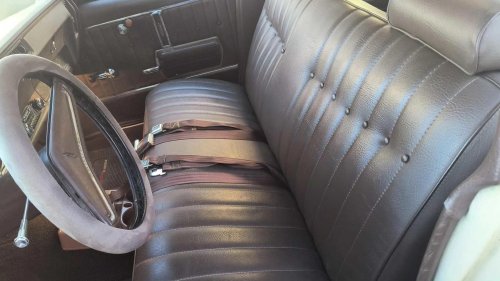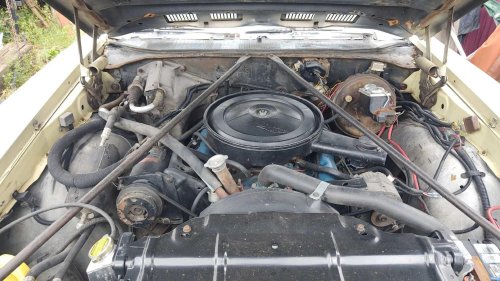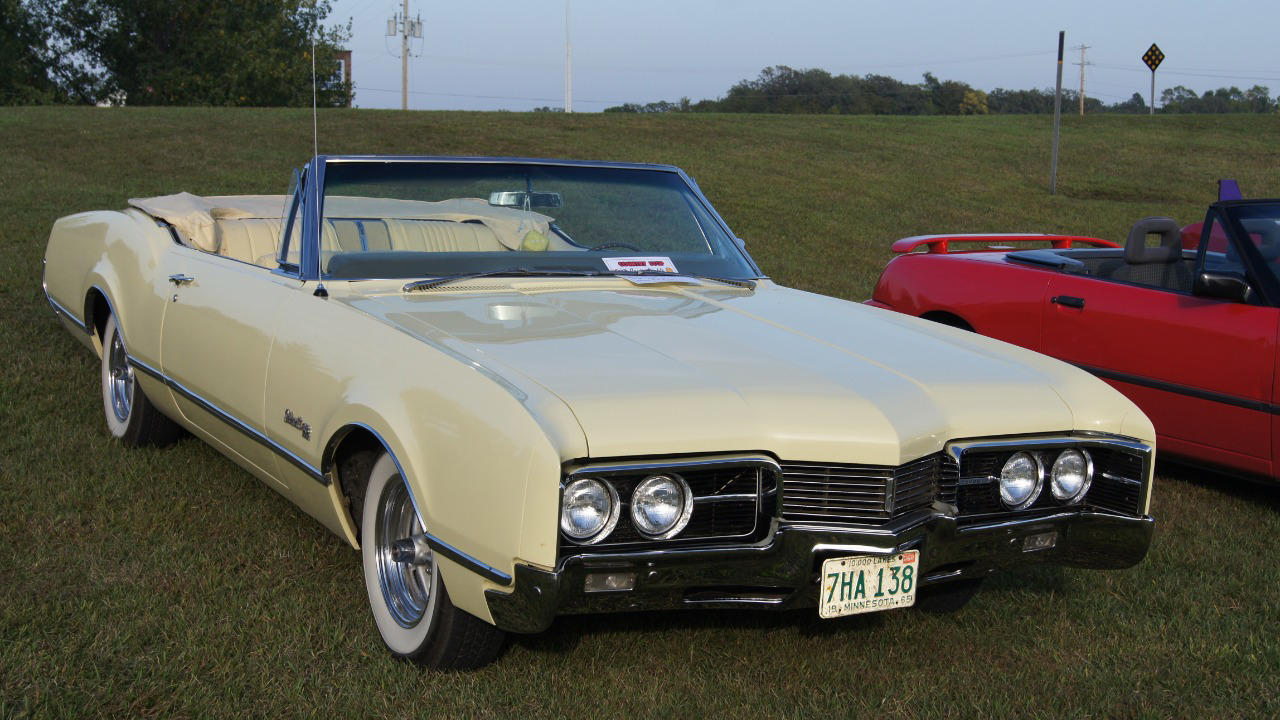



















Why the 1967 Oldsmobile Delmont 88 stayed underratedThe 1967 Oldsmobile Delmont 88 arrived in showrooms with all the right ingredients for full-size success, yet it never quite broke out of the shadow of its better known siblings. It was big, comfortable, and genuinely quick, but history filed it under “also ran” while other Oldsmobile badges soaked up the glory. I want to unpack why that happened, and why this particular 88 still feels like one of the most quietly appealing American cruisers of its era. Part of the answer is timing, part of it is branding, and part of it is the way enthusiasts later chose their heroes. When you line up the Delmont 88 against the rest of Oldsmobile’s late‑sixties lineup and then look at how collectors value it today, you start to see how a car can be objectively solid yet remain underrated for decades. Born in a reshuffle, buried by its own badge When I look at the 1967 Oldsmobile Delmont 88 in context, the first thing that jumps out is that it was a product of corporate housekeeping rather than a clean sheet dream. As part of a reshuffling of the deck, the Delmont replaced the Jetstar and Dynamic as a lower-end model, which meant it was positioned as the sensible big Olds rather than the aspirational one. That is not the kind of origin story that burns itself into enthusiast memory. Unlike the Del, say, the flagship Ninety-Eight had a clear luxury pitch, while the performance spotlight was drifting toward smaller, hotter machines. The name did not help. Even fans have admitted that The Delmont 88 convertible carried a slightly frumpy label, and that matters when buyers are choosing between full-size cars that all promise comfort and power. Period advertising tried to sell the Delmont 88 as a modern, stylish family car, but the badge lacked the continuity of names that had been around for decades, something highlighted in period retrospectives that ask, almost incredulously, “What is this?” when they revisit the Oldsmobile Delmont 88. When your own era struggles to define you, it is no surprise the car ends up underrated later. Short life, strong hardware, mixed real‑world reviews The second strike against the Delmont 88 was its brief run. Very few cars build a legend in just two model years, and the Delmont 88 was only a 2 year production 67-68. Enthusiasts still point out that They replaced the Dynamic 88, which meant the car was always a bridge between better known nameplates rather than a destination in its own right. That kind of in‑between status tends to depress long term recognition, even when the underlying car is solid. Under the skin, though, the 1967 Oldsmobile Delmont 88 was anything but forgettable. Big block power was on the menu, and the 425 cubic inch V‑8 gave the car serious highway legs. Valuation guides still break out the 1967 Oldsmobile Delmont 88 425 as a distinct configuration, and they note that the value of a 1967 Oldsmobile Delmont 88 425 can vary greatly depending on its condition, mileage, options, and history. Typically, a car in good condition with average spec sits well below the money that chases more famous muscle, which is exactly what makes it feel like a sleeper to me. Real‑world duty did expose some limits. The California Highway Patrol experimented with a 1967 Oldsmobile Delmont 88, and Officers were not impressed. Reports from that fleet test say the California Highway Patrol had issues with extended high-speed work, which is a brutal environment for any full-size sedan. CHP went back to Mopar for 1968, ultimately leading to the famed CHP 1969 Dodge Polara with its high output ‘tnt’ 440 and torqueflite 727 automatic. When your brief moment in uniform ends with the agency pivoting to one of the most celebrated police cars of the era, your own reputation is bound to look a little flat by comparison. Why it still feels special from behind the wheel Out on the street, though, the Delmont 88 delivers a very different story from the one told by fleet managers and badge engineers. The Oldsmobile Delmont is a classic American car that combines style, comfort, and solid performance, and owners still talk about how it is Known for its relaxed ride and easy torque. That blend shows up in enthusiast write‑ups of the Oldsmobile Delmont as a classic American car and vintage ride, where the focus is on the way it cruises rather than how it laps a test track. Convertible versions underline that appeal. The Delmont 88 convertible was rare for two main reasons, including the broader collapse in demand for open cars, which means surviving examples feel especially special today. One detailed look at The Delmont 88 convertible calls out how the car mixes a dynamic driving experience with that slightly awkward name, and I think that tension is exactly what makes it charming now. You get the full‑size Olds feel without paying for the more fashionable badge. From a market perspective, that closeness is still not fully priced in. Detailed valuation notes on the Oldsmobile Delmont 88 425 show that clean drivers remain accessible compared with headline muscle from the same period, even as collectors chase anything with a big block and period stripes. For anyone who cares more about the way a car feels than the number of Instagram likes it pulls, that gap is exactly why the 1967 Delmont 88, especially in convertible form, still looks like one of the smartest under‑the‑radar buys in the full‑size American world. More from Fast Lane Only Unboxing the WWII Jeep in a Crate 15 rare Chevys collectors are quietly buying 10 underrated V8s still worth hunting down Police notice this before you even roll window down